11 Landscaping Trends That Could Cost Californians Thousands To Undo
Winter may be settling in across much of the country, but in California the landscaping spotlight is on costly decisions that could haunt homeowners for years.
From installing thirsty turf in drought-prone regions to embracing “trendy” hardscape designs that clash with local water regulations, some popular yard upgrades are turning into expensive headaches.
What once seemed like a smart investment can quickly become a drain on your wallet — especially when cities tighten rules, fines pile up, or retrofit requirements kick in.
Whether your goal was curb appeal, outdoor living, or resale value, staying ahead of shifting priorities matters.
These 11 landscaping trends are drawing attention not just for their style, but for the significant price tag attached to undoing them later.
1. Artificial Turf Installation
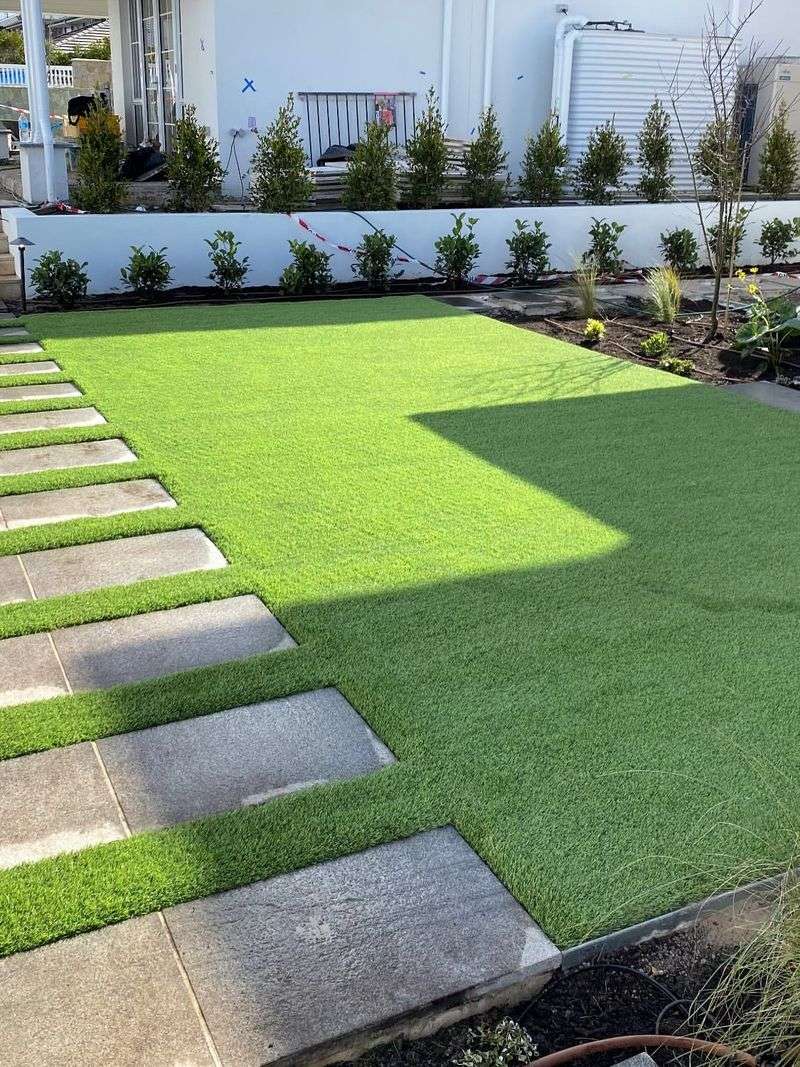
Fake grass seemed like the perfect solution when California faced severe droughts, promising green lawns without water bills or mowing time every weekend.
Installation costs range from eight to eighteen dollars per square foot, making a typical yard expense climb into five figures before you know it.
Heat becomes unbearable during summer months as synthetic materials absorb sunlight and radiate temperatures that can burn bare feet walking across the surface.
Removing artificial turf requires heavy machinery to tear up glued-down layers, dispose of non-biodegradable materials, and restore soil health beneath the plastic.
Environmental concerns grow as microplastics break down over time, contaminating soil and potentially entering groundwater systems throughout your neighborhood and beyond today.
Natural alternatives like drought-tolerant native grasses cost less initially and improve over time rather than degrading into an eyesore needing replacement eventually.
Resale value often drops when buyers see fake lawns, viewing them as cheap shortcuts rather than quality landscaping investments worth paying premium prices.
California homeowners frequently spend six to twelve thousand dollars removing old turf and replanting natural landscapes that buyers actually want to see.
2. Non-Native Tropical Plants
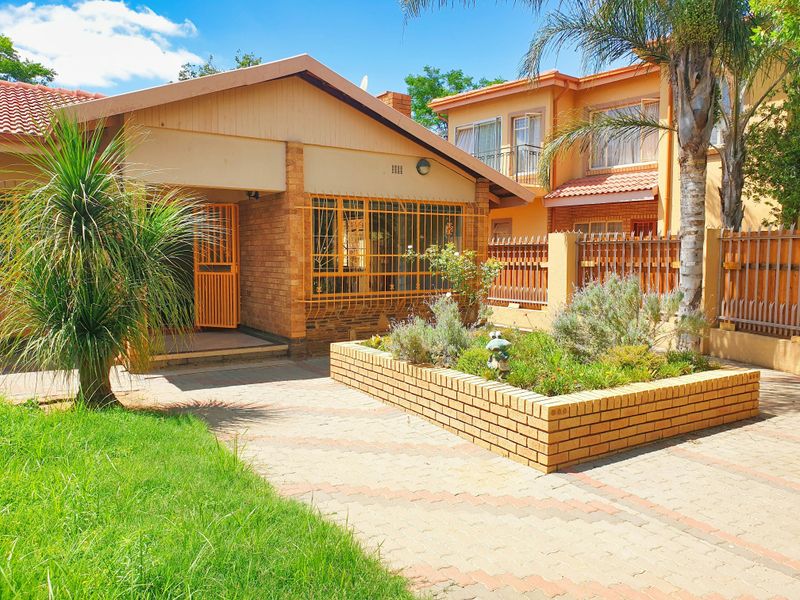
Palm trees and exotic flowering plants create that resort feeling many Californians crave, transforming ordinary backyards into vacation-like retreats that impress visiting guests.
These thirsty imports demand constant watering in California’s dry climate, driving up monthly bills and conflicting with state conservation efforts during ongoing droughts.
Frost damage strikes unexpectedly during cold snaps, turning expensive tropical specimens into brown, withered messes that need immediate professional removal and replacement costs.
Pests and diseases from other regions often hitchhike with non-native species, spreading to neighboring yards and requiring costly chemical treatments nobody anticipated.
Replacing failed tropical plants with California natives means tearing out irrigation systems designed for water-hungry species and redesigning entire landscape layouts from scratch.
Homeowner associations increasingly ban certain non-native plants due to fire risk and water usage, forcing owners to remove established gardens at their expense.
Native plant landscaping costs less to install and maintain while increasing property value as buyers seek sustainable, low-maintenance yards that align with values.
Transitioning from tropical to native landscapes can cost eight to fifteen thousand dollars depending on yard size and how extensively you planted originally.
3. Concrete Hardscaping Overload
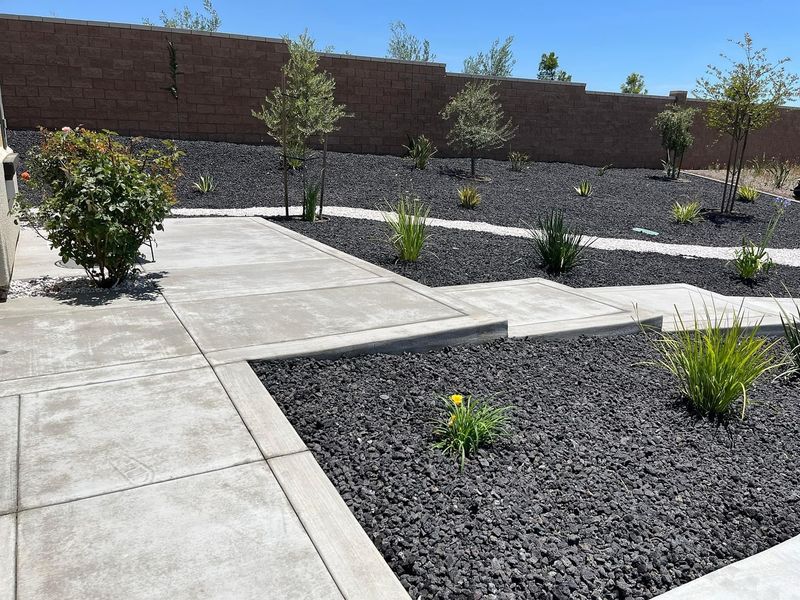
Covering yards with concrete patios, walkways, and decorative features reduces maintenance while creating outdoor living spaces perfect for California’s year-round entertaining weather.
Excessive hardscaping prevents natural water absorption, causing runoff problems that flood neighboring properties and violate increasingly strict municipal stormwater management regulations statewide.
Cracking becomes inevitable as ground settles and tree roots push upward, creating tripping hazards and unsightly damage that insurance companies notice quickly.
Heat island effects intensify as concrete absorbs and radiates warmth, making outdoor spaces unusable during summer and increasing air conditioning costs indoors significantly.
Removing old concrete requires jackhammering, hauling away tons of debris, and disposing of materials properly, with costs ranging from four to eight dollars per square foot minimum.
Permeable paving alternatives allow water infiltration while providing solid surfaces, but retrofitting existing concrete means complete demolition and reconstruction from the ground up.
Modern buyers prefer balanced landscapes with green spaces for children and pets rather than concrete jungles that feel more commercial than residential.
Restoration projects replacing excessive hardscaping with functional, attractive alternatives often exceed twenty thousand dollars for average-sized properties throughout California today.
4. Water Features Without Recirculation
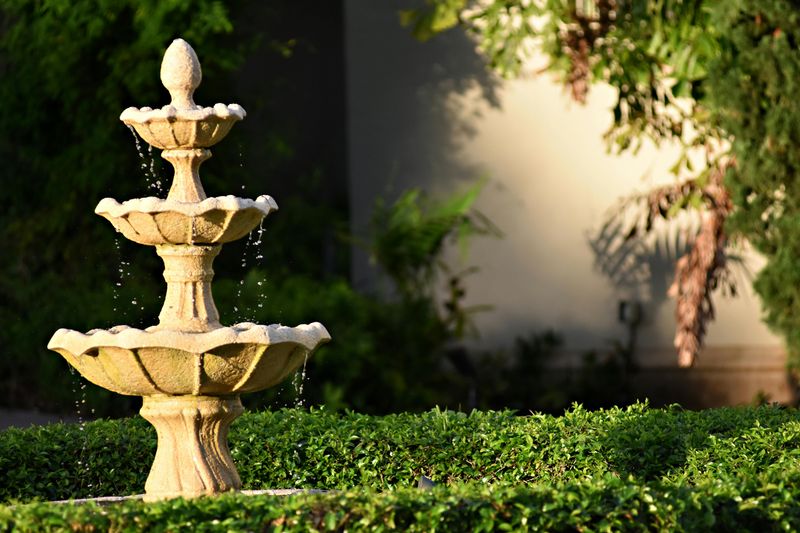
Fountains, ponds, and waterfalls add soothing sounds and visual interest that transform ordinary gardens into tranquil retreats where families love spending time.
Traditional designs lose hundreds of gallons monthly through evaporation and splashing, creating unsustainable water consumption that conflicts with California’s conservation mandates and restrictions.
Algae growth explodes in warm weather, turning clear water into green soup that requires chemical treatments and frequent cleaning to maintain appearance standards.
Mosquito breeding becomes a serious concern without proper circulation, potentially spreading diseases and annoying neighbors who complain to local health departments about infestations.
Retrofitting old water features with modern recirculation systems, UV filters, and efficient pumps costs thousands while still requiring ongoing maintenance and monitoring.
Liability issues arise when features attract neighborhood children without proper fencing, potentially leading to accidents that homeowners insurance may not fully cover anymore.
Removing unwanted water features means draining, demolishing structures, filling holes, regrading soil, and replanting areas to match surrounding landscapes seamlessly throughout properties.
Complete water feature removal and restoration typically costs between five and twelve thousand dollars depending on size, complexity, and how integrated features became.
5. Invasive Bamboo Plantings
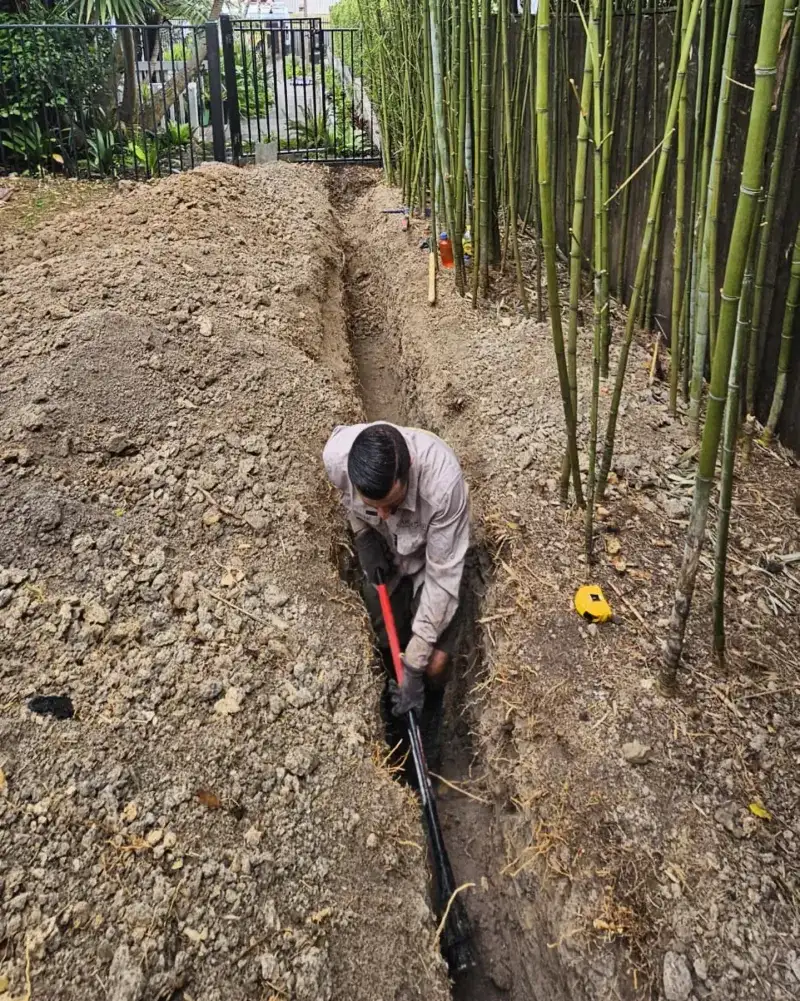
Bamboo creates instant privacy screens and exotic Asian-garden aesthetics that many California homeowners find irresistible when planning their dream landscape designs initially.
Running bamboo varieties spread aggressively through underground rhizomes, invading neighboring properties and causing disputes that sometimes end up in small claims court.
Roots damage foundations, crack driveways, and penetrate sewer lines, creating structural problems that cost tens of thousands of dollars to repair properly over time.
Eradication requires digging three feet deep around entire infested areas, installing root barriers, and monitoring for years to prevent regrowth from missed fragments.
Chemical treatments strong enough to eliminate bamboo can contaminate soil and groundwater, creating environmental hazards that violate California regulations and harm beneficial organisms.
Professional bamboo removal services charge between three and eight thousand dollars for average infestations, with larger properties costing significantly more depending on spread.
Legal liability extends to damage bamboo causes on neighboring properties, potentially resulting in lawsuits and forced removal at your expense plus damages.
Clumping bamboo varieties offer similar aesthetics without invasive tendencies, but replacing running types means complete removal before replanting anything in contaminated areas safely.
6. Decorative Rock Landscapes
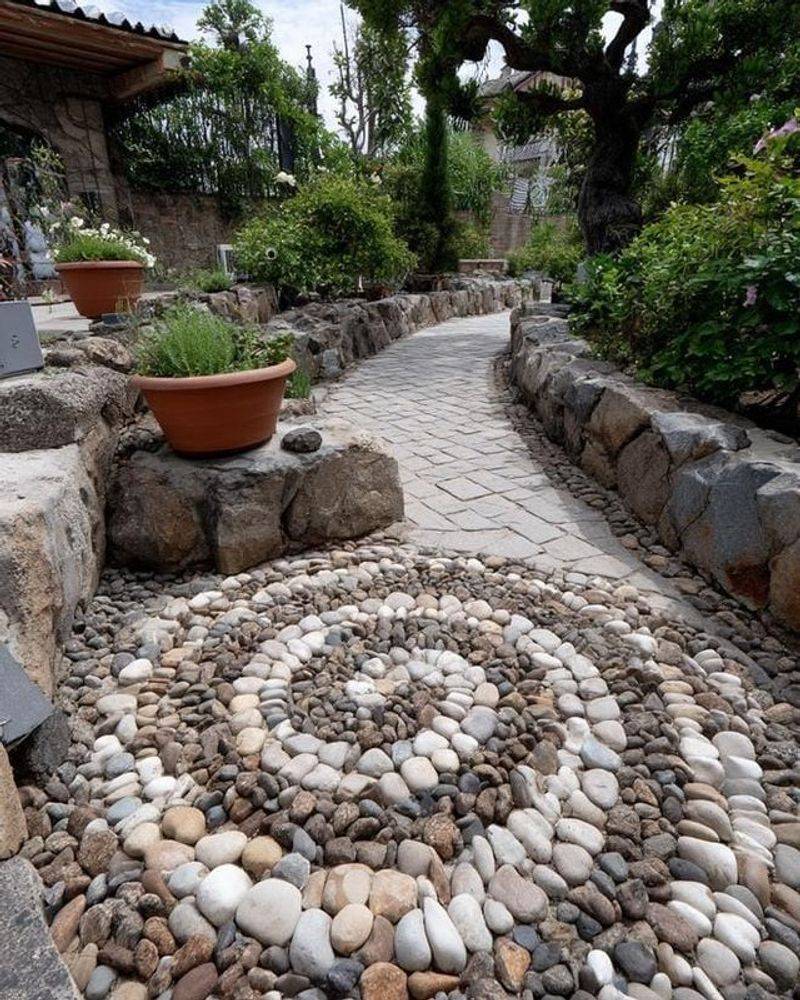
River rocks, pebbles, and decorative boulders create low-maintenance landscapes that seemed perfect during California’s push toward drought-tolerant yards in recent years.
Weed growth pushes through rock layers relentlessly, requiring constant maintenance or chemical treatments that defeat the original low-maintenance purpose homeowners sought initially.
Rocks absorb and radiate intense heat, making yards unusable during summer while increasing temperatures inside homes and driving up cooling costs significantly.
Removing tons of rock requires manual labor or machinery, with disposal fees adding hundreds to thousands of dollars depending on quantity and accessibility.
Soil beneath rock layers becomes compacted and depleted, requiring extensive amendment and restoration before planting anything successfully in those areas again later.
Modern landscape trends favor biodiverse native plantings over sterile rock fields, making rock-heavy yards look dated and reducing property appeal to buyers.
Transitioning from rock to planted landscapes means removing materials, improving soil, installing irrigation, and establishing plants, creating multi-phase projects spanning months.
Complete rock removal and landscape restoration typically costs between eight and eighteen thousand dollars for average residential properties throughout California neighborhoods today.
7. Raised Wooden Decks

Elevated wooden decks extend living space outdoors, providing perfect platforms for barbecues, furniture, and entertaining guests throughout California’s beautiful weather seasons.
Termites thrive in California’s climate, attacking wood structures and causing hidden damage that compromises safety and requires expensive repairs or complete replacement.
Wood warps, splinters, and rots despite regular staining and sealing, creating maintenance cycles that cost hundreds annually and still result in eventual failure.
Building codes evolve constantly, making older decks non-compliant and creating liability issues or mandatory upgrades when selling homes to new buyers later.
Fire risk increases dramatically with wooden structures in wildfire-prone areas, potentially raising insurance premiums or making coverage impossible to obtain altogether.
Removing old decks means dismantling structures, disposing of treated lumber properly, and restoring ground beneath to natural grade and landscaping conditions.
Modern composite materials offer superior durability and lower maintenance, but retrofitting means complete deck replacement rather than simple board swaps or repairs.
Full deck removal and replacement with fire-resistant alternatives costs between twelve and thirty thousand dollars depending on size, height, and complexity involved.
8. Drought-Stressed Lawns
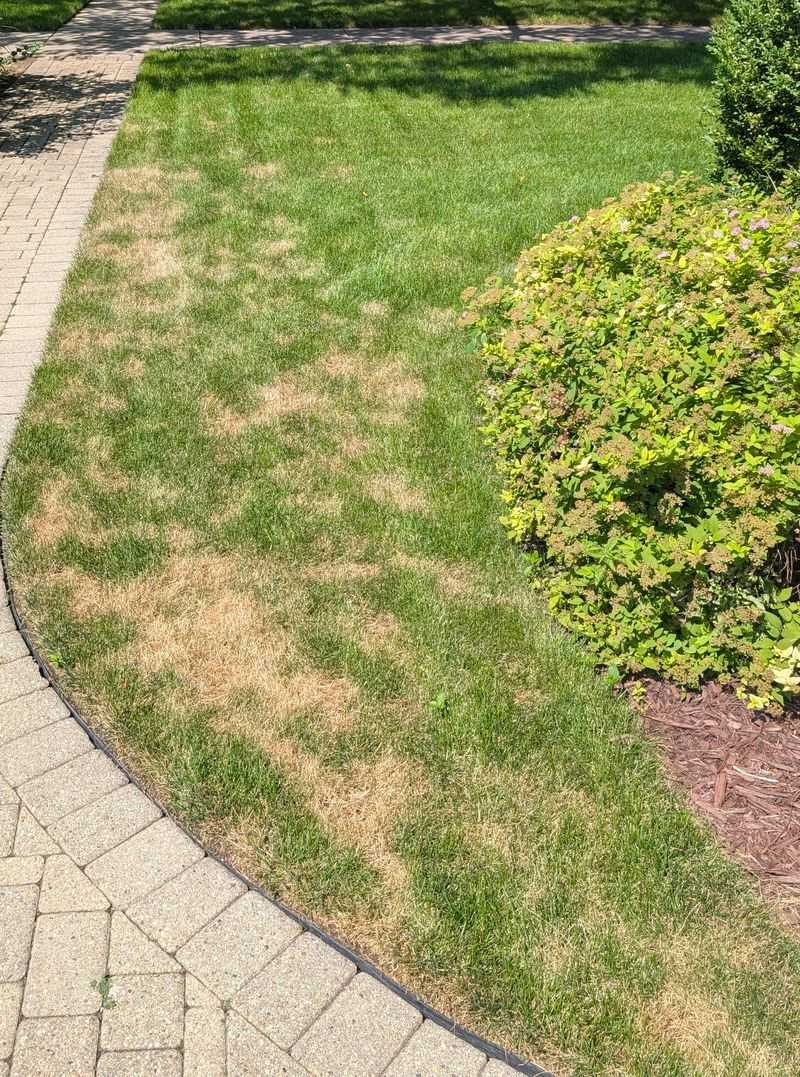
Traditional grass lawns represent the American dream for many homeowners, providing soft green carpets where children play and families gather outdoors together.
California’s recurring droughts make maintaining healthy lawns increasingly difficult and expensive, requiring constant watering that conflicts with conservation efforts and water restrictions.
Diseased lawns attract pests, develop bare patches, and allow weed invasions that spread to neighboring properties and create eyesores throughout entire neighborhoods.
Attempting to revive struggling lawns means aerating, overseeding, fertilizing, and intensive watering, creating ongoing expense cycles without guaranteed success in drought conditions.
Replacing failed lawns with drought-tolerant alternatives requires removing withered grass, amending soil, installing appropriate irrigation, and establishing new plantings from scratch completely.
Decomposing thatch from withered grass creates acidic conditions that harm soil biology, requiring lime treatments and compost amendments before replanting anything successfully.
Native groundcovers, ornamental grasses, and meadow-style plantings offer beautiful alternatives that increase property value while reducing maintenance and water costs dramatically.
Complete lawn removal and conversion to sustainable landscaping typically costs between six and fifteen thousand dollars for average residential properties throughout California.
9. Improperly Placed Trees

Shade trees planted close to homes provide cooling benefits and aesthetic value that reduce energy costs while increasing curb appeal for visitors.
Roots inevitably seek water and nutrients, invading sewer lines, cracking foundations, and lifting driveways as trees mature beyond sizes homeowners originally anticipated.
Branches overhanging roofs drop leaves that clog gutters, scrape shingles during winds, and provide highways for pests entering attics and walls.
Fire safety regulations increasingly require removing trees within certain distances from structures in high-risk areas, forcing expensive removals homeowners never planned.
Mature tree removal costs thousands of dollars, requires specialized equipment and licensed professionals, and often needs permits from local authorities before proceeding.
Stump grinding and root removal add significant expense beyond tree cutting, with roots continuing to sprout for years without proper treatment afterward.
Repairing damage caused by poorly placed trees including foundation work, plumbing repairs, and hardscape replacement can exceed twenty thousand dollars easily.
Replanting appropriate species at safe distances means starting over with small trees that take decades to provide shade benefits mature specimens offered.
10. Elaborate Outdoor Kitchens
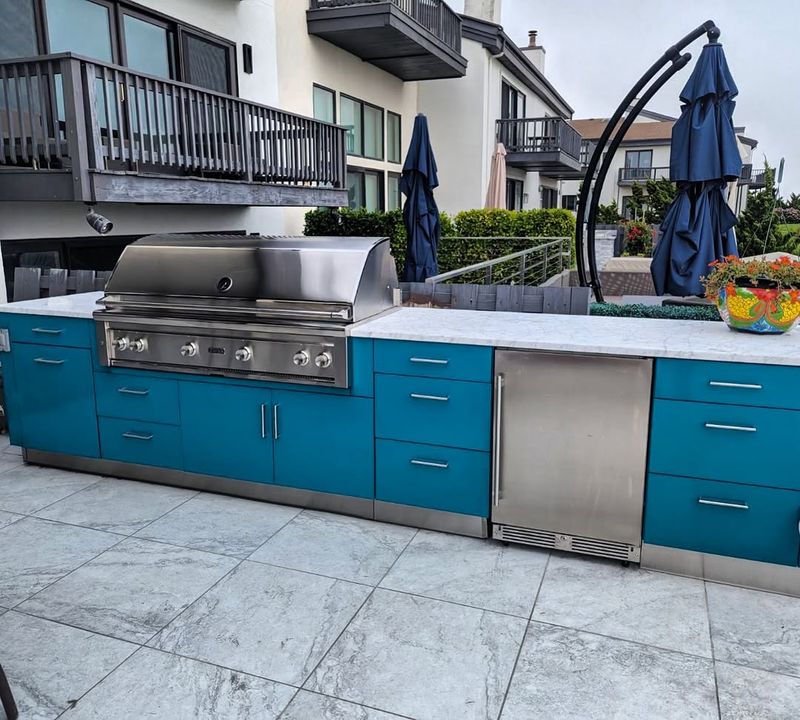
Built-in grills, refrigerators, pizza ovens, and bars transform backyards into resort-style entertaining spaces perfect for California’s outdoor lifestyle and entertaining culture.
Appliances deteriorate rapidly from weather exposure despite covers and protection, requiring replacement every few years at costs exceeding initial installation expenses.
Grease buildup attracts rodents and insects, creating sanitation issues and potential fire hazards that homeowner insurance companies flag during property inspections regularly.
Changing tastes and lifestyles mean elaborate kitchens go unused, becoming expensive monuments to past entertaining ambitions that new buyers view as liabilities.
Dismantling outdoor kitchens requires disconnecting gas lines, removing appliances, demolishing counters and structures, and restoring areas to functional outdoor living spaces.
Plumbing and electrical rough-ins become obsolete, requiring capping and proper abandonment according to code rather than simple removal of visible components alone.
Modern buyers prefer flexible outdoor spaces over fixed installations, viewing elaborate kitchens as outdated and limiting rather than desirable features worth premium prices.
Complete outdoor kitchen removal and space restoration costs between eight and twenty thousand dollars depending on size, utilities involved, and structural complexity throughout.
11. Colored Concrete Stamping
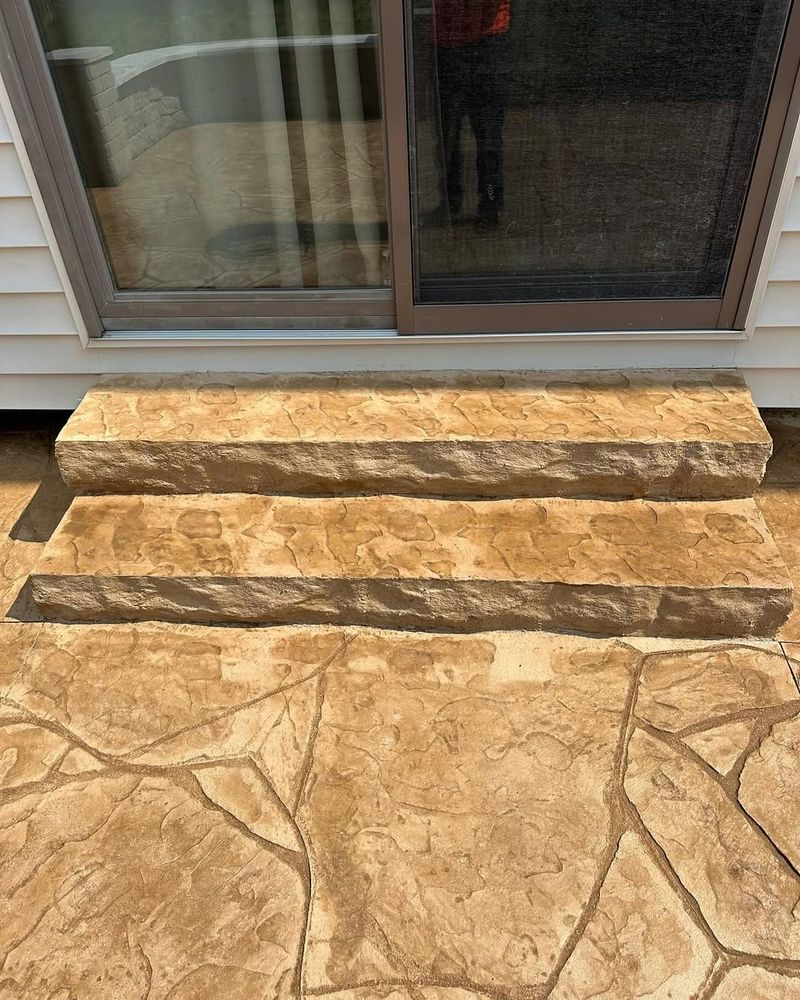
Stamped and stained concrete mimics expensive materials like stone or brick at lower costs, creating attractive patios and walkways throughout California properties.
Colors fade unevenly from sun exposure, creating blotchy appearances that look worse than plain concrete and broadcast age and neglect to visitors.
Sealer coats wear away despite reapplication, allowing moisture penetration that causes cracking, spalling, and surface deterioration accelerating over time with weather.
Trends change quickly, making once-popular patterns look dated and reducing property appeal as buyers associate stamped concrete with specific eras negatively.
Resurfacing stamped concrete requires grinding away old patterns and colors, creating dust and noise while costing nearly as much as replacement.
Complete removal means jackhammering, hauling debris, and disposing of materials, then installing new surfaces that align with current design preferences and standards.
Modern alternatives like pavers offer superior durability and timeless appearance while allowing easy repairs by replacing individual units rather than entire sections.
Replacing dated stamped concrete with contemporary materials costs between ten and twenty-five thousand dollars for typical patios and walkways throughout California homes.