9 Landscaping Trends That Could Cost You Thousands To Undo In Colorado
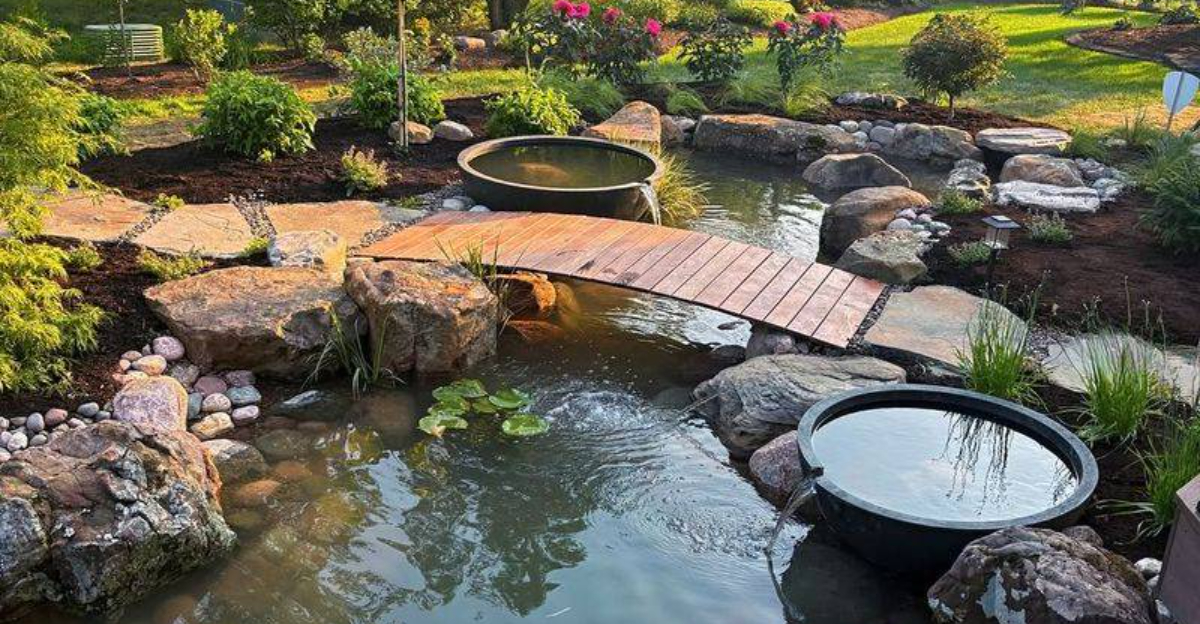
Colorado homeowners are jumping on landscaping trends faster than mountain snow melts, yet not every popular idea ages gracefully.
Bold designs, exotic plants, or hardscape installations may dazzle at first, but some choices carry hidden costs that emerge years later.
A high-maintenance feature, invasive plant, or poorly planned layout can turn a dream yard into a financial headache, with removal, replacement, or repairs costing far more than the original project.
Climate, soil, and local regulations make the wrong trend even riskier, and what works in one backyard can flop in another.
Savvy homeowners know that not all “in” ideas translate to lasting value.
1. Non-Native Grass Lawns That Guzzle Water
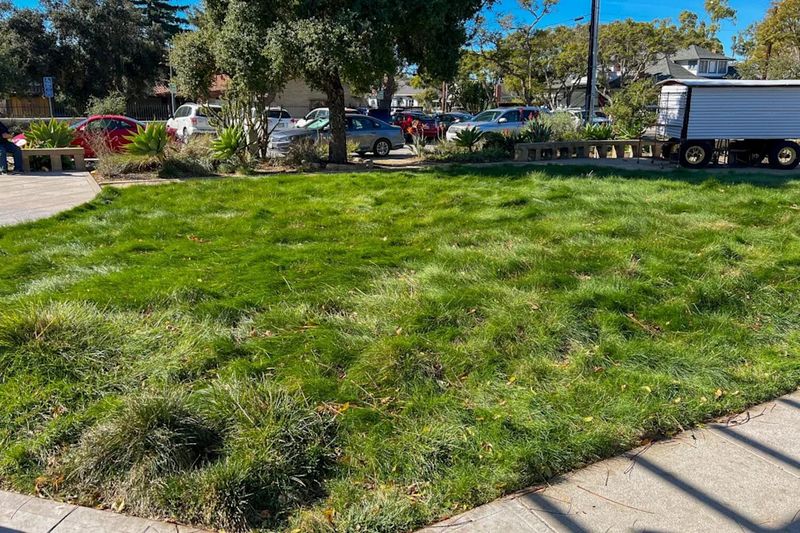
Kentucky bluegrass might create that golf-course look, but it demands massive amounts of water that Colorado simply cannot provide sustainably.
Our semi-arid climate means you will spend hundreds or even thousands on water bills each summer just keeping your grass green.
When drought restrictions hit, your lawn turns brown and patchy, looking worse than if you had chosen native grasses from the beginning.
Replacing a traditional lawn with native buffalo grass or blue grama costs between three thousand and eight thousand dollars for an average yard.
You will need to remove the old grass, prepare the soil properly, and install the new turf or seed.
The process takes time and requires patience as native grasses establish themselves more slowly than their thirsty cousins.
Native grasses need about seventy-five percent less water once established.
They handle our cold winters and hot, dry summers without constant care.
Your water bill drops dramatically, and you spend less time mowing since native varieties grow slower.
The upfront investment in replacement pays off within a few years through savings, but avoiding non-native grass from the start saves you the entire conversion cost and hassle.
2. Decorative Rock Beds Without Proper Weed Barriers
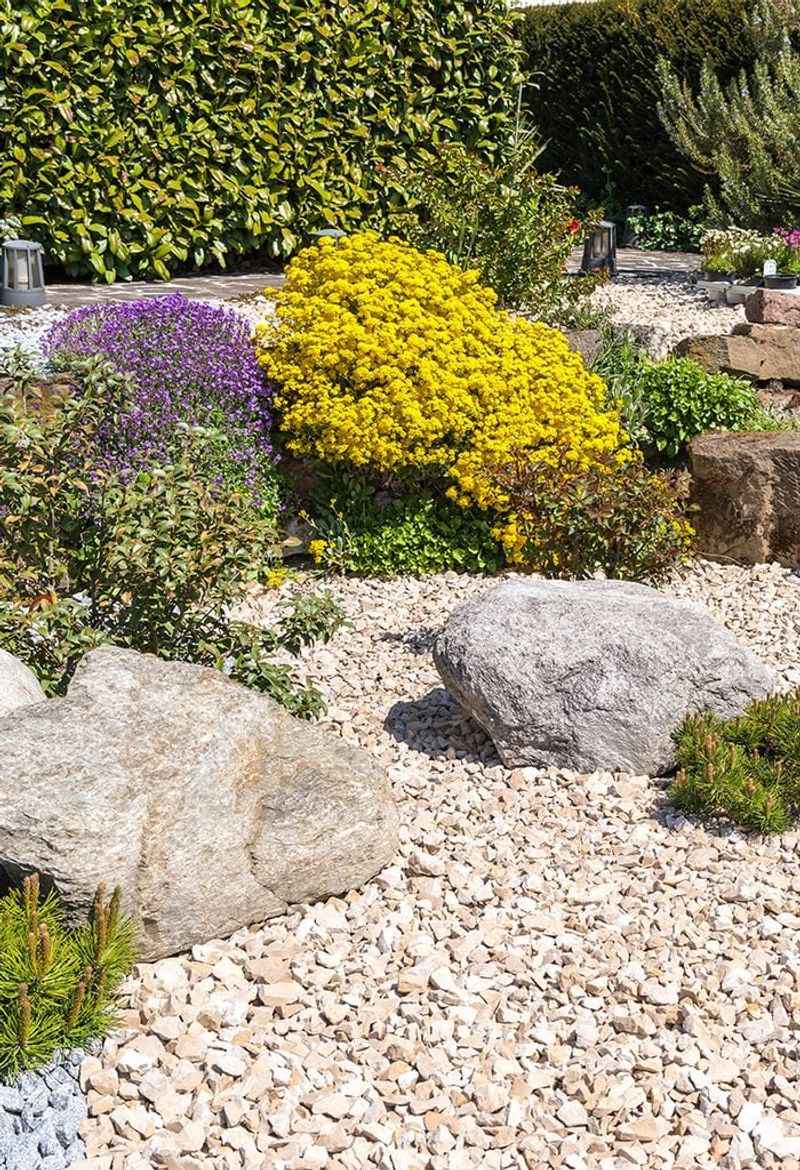
Rock landscaping looks clean and modern when first installed.
Many homeowners choose decorative stones thinking they will eliminate maintenance forever.
But without the right preparation underneath, weeds find ways to sprout through even the thickest layers of rock, creating an ongoing nightmare that gets worse each season.
Cheap landscape fabric tears and degrades within just a few years.
Weeds push through weak spots and gaps, and once they establish roots under the rocks, pulling them becomes incredibly difficult.
Soon your beautiful rock beds look messy and neglected.
Fixing the problem means removing all the rocks, installing commercial-grade weed barrier, and replacing the stone.
For a typical front yard, this correction costs between two thousand and five thousand dollars depending on the area size.
You pay for labor to remove and haul away the existing rock, proper weed barrier installation, and new decorative stone since the old rock often gets mixed with soil and debris.
Professional-grade barriers cost more initially but prevent this expensive do-over.
Starting with quality materials and proper installation techniques saves you from this frustrating and costly mistake that many Colorado homeowners face within five years of installation.
3. Trendy Tropical Plants That Cannot Survive Winter
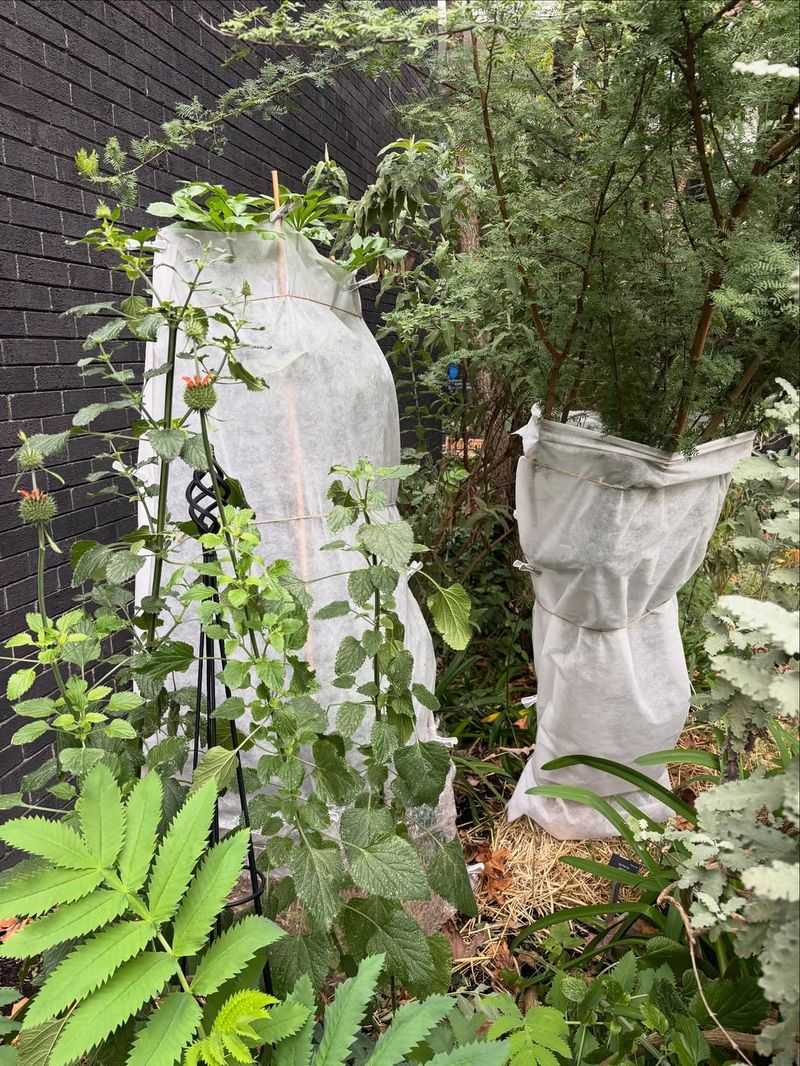
Instagram-worthy tropical plants like banana trees, elephant ears, and bird of paradise create exotic garden vibes during summer months.
Garden centers sell them, and they look stunning in your yard for a few warm months.
But Colorado winters destroy these tender plants completely, turning your investment into brown mush when temperatures drop below freezing.
Some homeowners try digging up and storing tropical plants each fall, then replanting in spring.
This process takes hours of work and often fails because the plants suffer shock from constant moving.
Others replace the plants every single year, spending hundreds of dollars on new specimens that will only last one season.
Neither option makes financial sense over time.
Removing failed tropical landscaping and replacing it with cold-hardy perennials that actually thrive in Colorado costs between fifteen hundred and four thousand dollars.
You need new plants, soil amendments, and often irrigation adjustments.
Hardy plants like Russian sage, blanket flower, and penstemon offer beautiful colors without the annual replacement cycle.
They come back stronger each year and handle our temperature swings.
Starting with climate-appropriate plants saves you from years of frustration and wasted money on plants doomed to fail.
4. Improperly Graded Yards That Pool Water
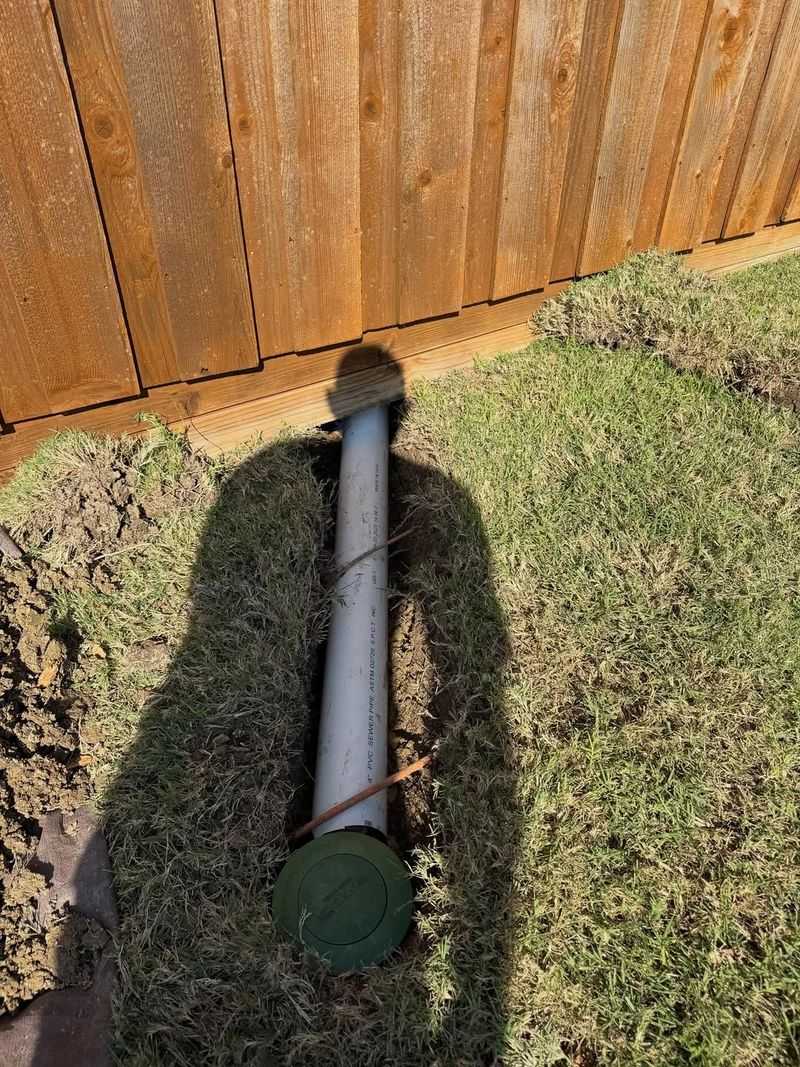
Flat or improperly sloped yards might look fine on sunny days, but they create serious problems when rain or snow melt arrives.
Water pools near your foundation instead of draining away, causing basement flooding, foundation cracks, and structural damage.
Many homeowners do not notice grading problems until after major water damage occurs, making this one of the most expensive landscaping mistakes.
Fixing drainage problems requires heavy equipment and extensive labor.
Contractors must regrade your entire yard to create proper slope away from your house.
The process involves moving tons of soil, adjusting sprinkler systems, relocating plants, and sometimes installing French drains or other drainage solutions.
For an average Colorado home, regrading costs between five thousand and fifteen thousand dollars depending on yard size and severity of the problem.
Foundation repairs from water damage can add tens of thousands more to your costs.
Proper grading should slope at least six inches over the first ten feet away from your foundation.
Professional landscapers know how to create these slopes while keeping your yard functional and attractive.
Cutting corners on grading during initial landscaping saves a few hundred dollars but risks massive expenses later when water finds its way into your basement or weakens your foundation.
5. High-Maintenance Perennial Borders Requiring Constant Division

English-style perennial borders look absolutely gorgeous in gardening magazines and home tours.
Densely planted flower beds create stunning color displays throughout the growing season.
But many popular perennials like daylilies, hostas, and ornamental grasses grow aggressively in Colorado and need division every two to three years to stay healthy and attractive.
Without regular division, perennials become overcrowded and stop blooming well.
They look scraggly and take over pathways and neighboring plants.
Professional garden maintenance costs add up quickly when you need experts to dig up, divide, and replant large borders every few years.
Many homeowners eventually give up on the maintenance and decide to start over with lower-maintenance options.
Removing an established perennial border and replacing it with easier-care plants costs between three thousand and seven thousand dollars for a typical garden bed.
The work involves removing deep-rooted perennials, amending tired soil, and installing new plants that require less attention.
Low-maintenance alternatives like Russian sage, catmint, and coneflowers spread more slowly and need division far less often.
Planning your garden with plant behavior in mind from the start prevents the expense and backbreaking work of constantly managing aggressive perennials or eventually replacing them entirely.
6. Wooden Retaining Walls That Rot Quickly
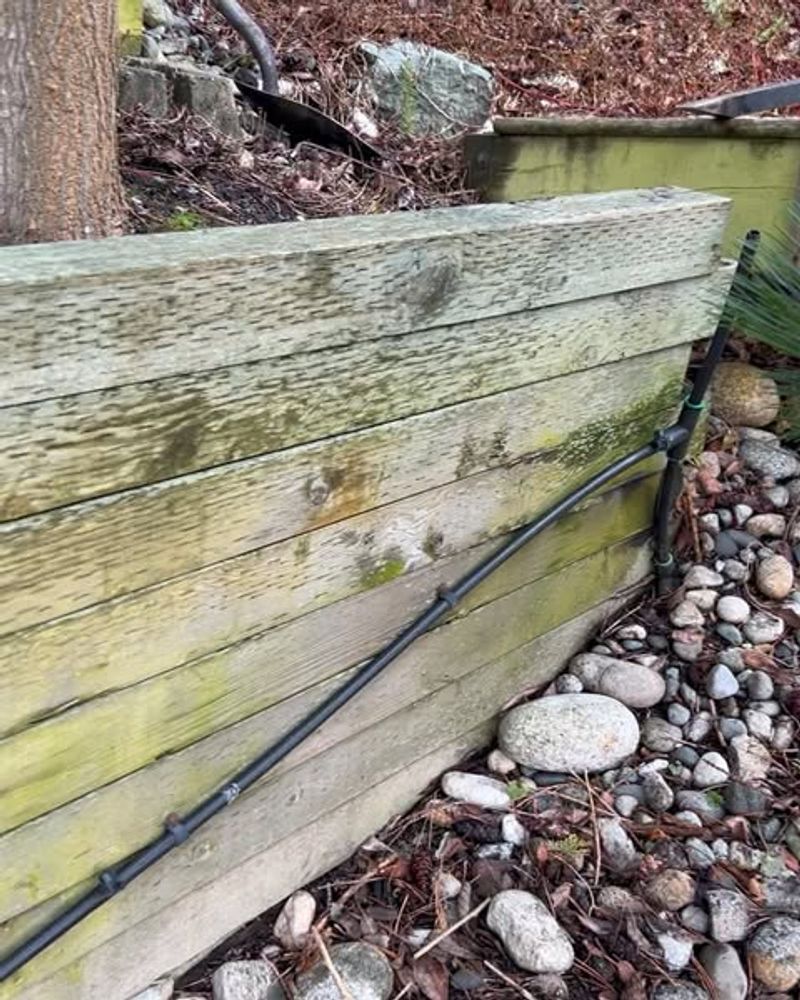
Railroad ties and wooden timbers make inexpensive retaining walls that many Colorado homeowners install for terraced gardens or hillside properties.
The natural look appeals to people who want rustic charm in their landscapes.
But wood retains moisture, and our freeze-thaw cycles cause rapid deterioration that compromises the wall structure within just five to ten years.
As wooden retaining walls rot, they lean, crack, and eventually collapse.
Soil pushes through gaps, plants slide downhill, and the entire terraced system fails.
Safety becomes a concern when unstable walls threaten to give way completely.
Replacing a wooden retaining wall with proper stone or concrete alternatives costs between eight thousand and twenty thousand dollars depending on wall height and length.
Stone and concrete walls last fifty years or more with minimal maintenance.
They handle moisture and temperature changes without deteriorating.
The higher upfront cost seems steep, but it prevents the need for complete replacement in less than a decade.
Many homeowners regret choosing wood because the replacement project disrupts established gardens and costs far more than building it right initially.
If your property needs retaining walls, investing in durable materials from the beginning saves you from major reconstruction expenses and landscape destruction down the road.
7. Concrete Hardscaping Without Expansion Joints

Concrete patios, walkways, and driveways offer affordable hardscaping options that many contractors install quickly.
A smooth, continuous concrete surface looks modern and clean when first poured.
But Colorado experiences extreme temperature swings that cause concrete to expand and contract, and without proper expansion joints, your concrete will crack badly within just a few years.
Large cracks allow water to seep underneath the concrete.
When that water freezes, it lifts and breaks the concrete even more.
What starts as hairline cracks turns into major damage with uneven surfaces that create tripping hazards.
Patching rarely works well because the underlying problem continues causing new damage each winter.
Removing and replacing damaged concrete hardscaping costs between six thousand and fifteen thousand dollars for an average patio or walkway.
You pay for demolition, hauling away broken concrete, proper base preparation, and new concrete installation with appropriate expansion joints.
Experienced contractors know to include expansion joints every eight to ten feet in Colorado projects.
These joints allow concrete to move slightly without cracking.
The joints add minimal cost during initial installation but prevent the need for complete replacement.
Choosing experienced contractors who understand local climate challenges saves you from expensive concrete repairs or replacement projects.
8. Elaborate Water Features Without Winterization Plans
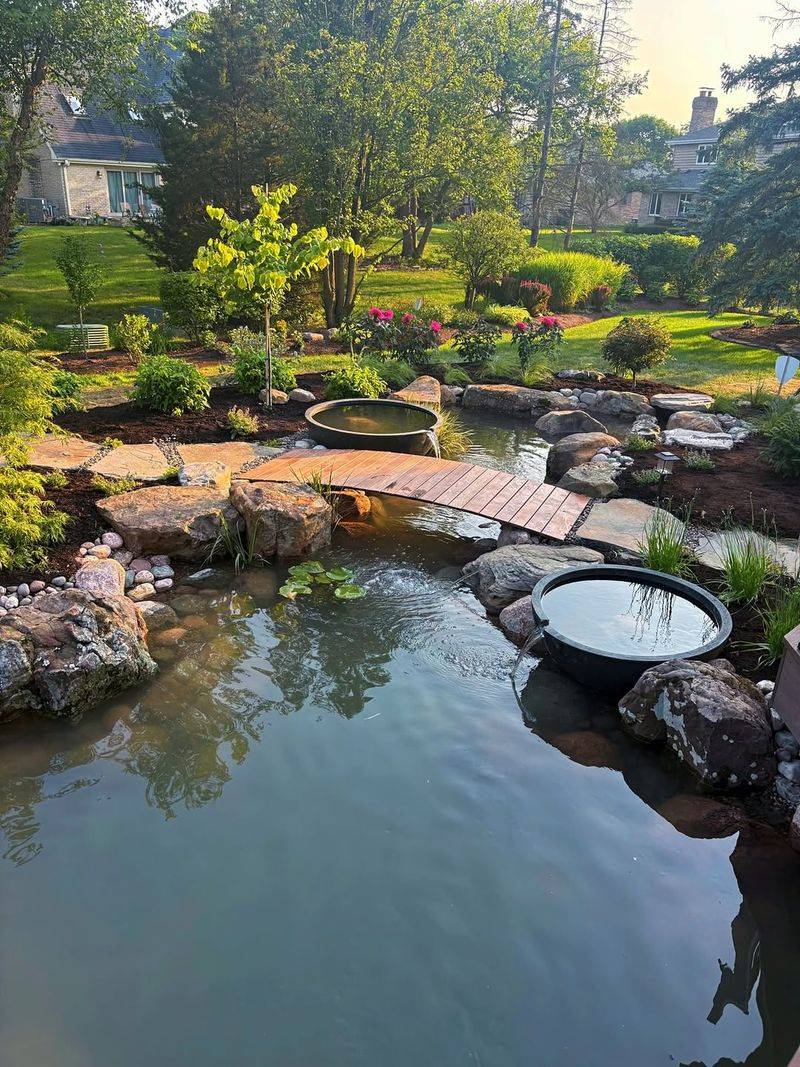
Ponds, waterfalls, and fountains add peaceful sounds and visual interest to Colorado yards.
Water features create focal points that attract birds and provide relaxing ambiance during warm months.
Many homeowners install these features without considering the extensive winterization they require or the maintenance costs they create year after year.
Freezing temperatures can crack pumps, damage liners, and break decorative elements.
Proper winterization requires draining systems, removing pumps, and protecting components each fall.
Spring start-up involves cleaning, refilling, and repairing winter damage.
Many homeowners eventually tire of the seasonal work and expense, especially when pumps fail or leaks develop in pond liners.
Removing an unwanted water feature and restoring the landscape costs between four thousand and ten thousand dollars.
Contractors must drain the feature, remove all components including underground plumbing, fill the void with proper materials, and reestablish plants or lawn in that area.
The work often reveals hidden damage to surrounding areas from water leaks.
Simple water features like birdbaths or small container fountains offer similar benefits without the commitment and costs of elaborate installations.
Before adding a major water feature, consider whether you truly want the ongoing maintenance responsibility or if simpler alternatives would provide enjoyment without the future removal costs.
9. Stamped Concrete That Mimics Natural Stone Poorly
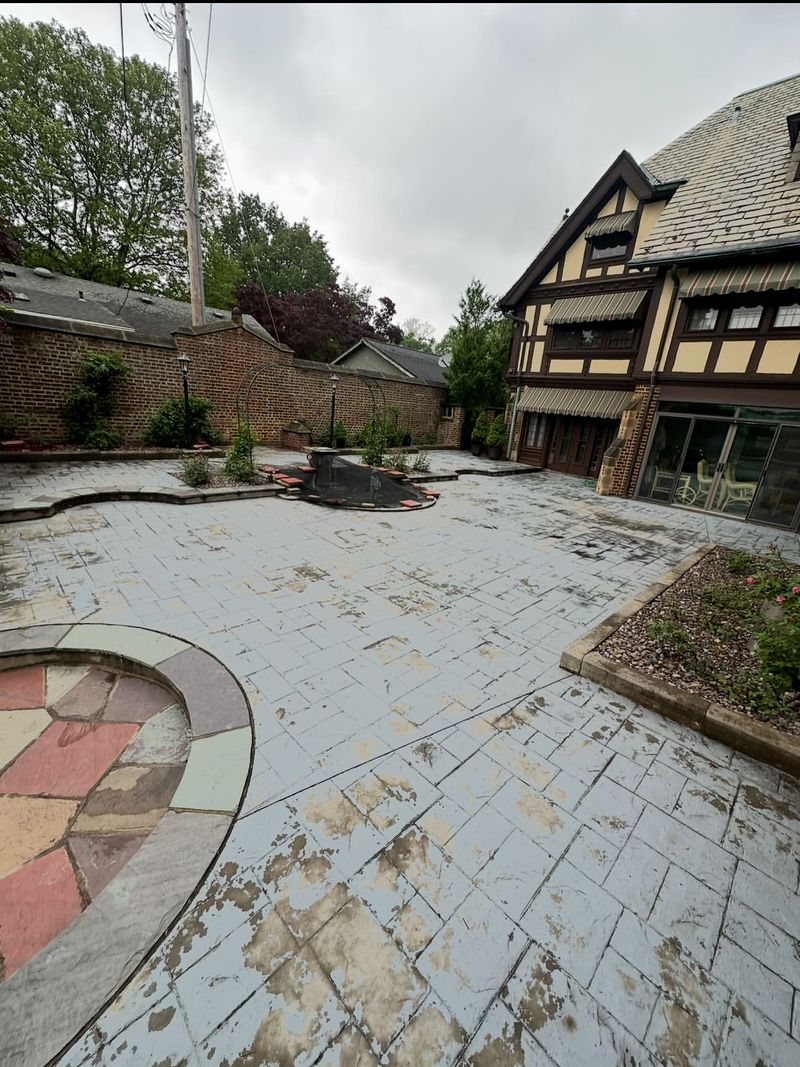
Stamped concrete promises the look of natural stone or pavers at a fraction of the cost.
Contractors stamp patterns into wet concrete and add color treatments to mimic expensive materials.
Fresh installations can look convincing, but Colorado weather quickly reveals the limitations of this trendy option as colors fade and the surface shows obvious wear patterns.
UV exposure fades the color treatments within three to five years in our high-altitude sunshine.
The stamped texture wears down in high-traffic areas, making the fake stone pattern look increasingly artificial.
Resealing and recoloring helps temporarily but adds ongoing costs.
Eventually, most homeowners grow tired of the dated look and want real stone or pavers instead.
Removing stamped concrete and installing natural flagstone or pavers costs between ten thousand and twenty thousand dollars for a typical patio area.
The project requires concrete demolition, base preparation, and installation of quality materials that actually age beautifully.
Real stone develops character over time while stamped concrete just looks worse each year.
Natural stone costs more initially but lasts generations without needing replacement.
The timeless appearance never goes out of style.
Investing in authentic materials from the beginning prevents the disappointment and expense of replacing stamped concrete when it inevitably shows its age and loses its appeal.