15 Large Houseplants That Instantly Fill Empty Spaces In New York Homes
Living in New York often means dealing with spacious apartments that feel oddly empty without the right decorative touches inside them.
Large houseplants bring life, color, and personality to those bare corners while purifying the air you breathe every single day at home.
Choosing the right plant transforms your living space into a lush urban jungle that feels warm, inviting, and completely your own style.
Here are fifteen magnificent houseplants that will help you fill those awkward empty spaces with natural beauty and vibrant green energy today.
1. Fiddle Leaf Fig
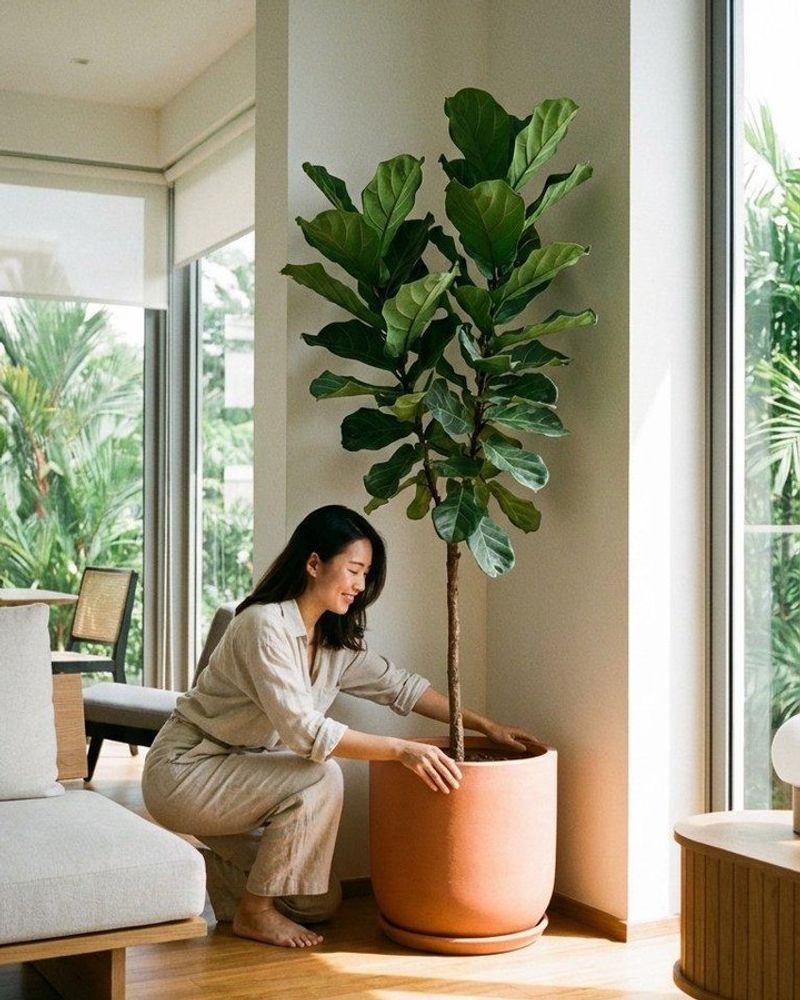
Architects and interior designers absolutely adore this plant for its dramatic, sculptural appearance that commands attention in any room without overwhelming the space.
Fiddle leaf figs can reach impressive heights of six to ten feet indoors, making them perfect for filling vertical space near tall ceilings.
Their oversized leaves resemble violins, creating a bold statement piece that pairs beautifully with modern, minimalist, or even bohemian decorating styles throughout apartments.
New York homes with bright, indirect sunlight near east or west-facing windows provide ideal growing conditions for these stunning tropical beauties year-round.
Water your fiddle leaf fig when the top two inches of soil feel completely dry to the touch, usually once weekly during warmer months.
Wipe those gorgeous leaves regularly with a damp cloth to remove dust buildup and keep them looking glossy, vibrant, and absolutely picture-perfect always.
Consistent care prevents common issues like brown spots or leaf drop, which often result from overwatering or sudden environmental changes in temperature levels.
Position your plant away from heating vents and air conditioners to maintain steady humidity and temperature for optimal health and continuous growth patterns.
2. Monstera Deliciosa
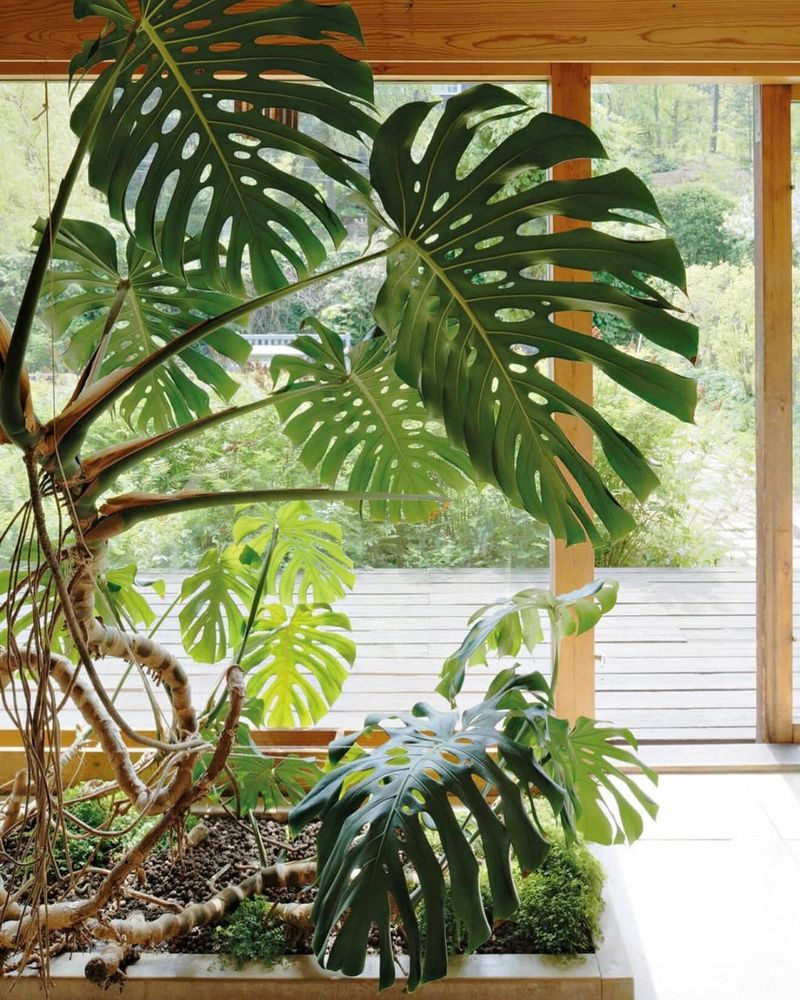
Known affectionately as the Swiss cheese plant, this tropical beauty brings instant jungle vibes to cramped city apartments with its unique fenestrated foliage.
Monstera leaves develop their signature holes and splits as the plant matures, creating an ever-changing display of natural artwork on your walls.
Climbing naturally in the wild, these plants benefit from moss poles or trellises that encourage upward growth and prevent sprawling across valuable floor space.
Tolerant of lower light conditions than many large houseplants, Monsteras thrive even in north-facing rooms with limited natural sunlight streaming through windows.
Their forgiving nature makes them excellent choices for busy New Yorkers who travel frequently or occasionally forget watering schedules during hectic work weeks.
Aerial roots emerge from stems and add to the plant’s wild, untamed aesthetic while helping it climb and absorb moisture from surrounding air.
Wipe leaves monthly to remove city dust and grime, ensuring those gorgeous splits remain visible and the plant can photosynthesize efficiently for growth.
Monsteras grow quickly under proper conditions, sometimes adding several new leaves monthly, providing constant visual interest and evolving beauty in your living space.
3. Bird of Paradise
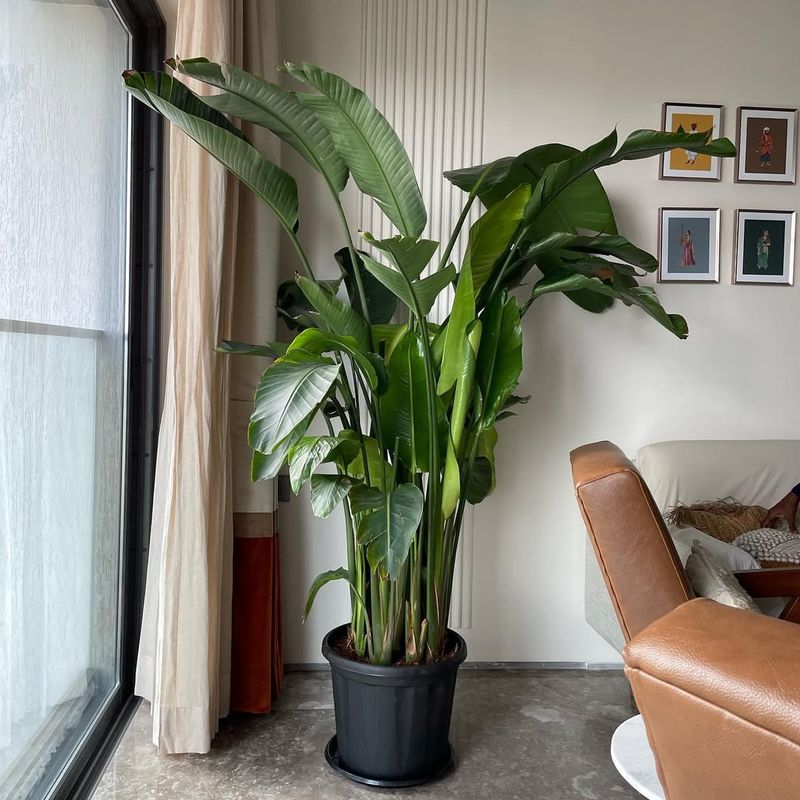
Bringing a tropical resort feeling straight into your Manhattan apartment, this plant features enormous paddle-shaped leaves that fan out majestically from central stems.
Bird of paradise plants can grow five to six feet tall indoors, creating a stunning focal point that instantly draws eyes upward in rooms.
Their architectural form works wonderfully in contemporary spaces where clean lines and bold shapes define the overall aesthetic and decorating philosophy throughout your home.
Bright, direct sunlight for several hours daily encourages healthy growth and may even trigger flowering if conditions remain consistently ideal over extended time periods.
Place yours near south-facing windows where it can soak up maximum light while adding a dramatic silhouette against bright New York City skyline views.
Water generously during spring and summer growing seasons, allowing soil to dry slightly between waterings to prevent root rot from developing in containers.
Yellowing lower leaves occasionally occur naturally as plants age and redirect energy toward new growth, so simply trim them away with clean scissors.
Regular misting increases humidity levels around foliage, mimicking the plant’s native tropical environment and preventing crispy brown edges from forming on those leaves.
4. Rubber Plant
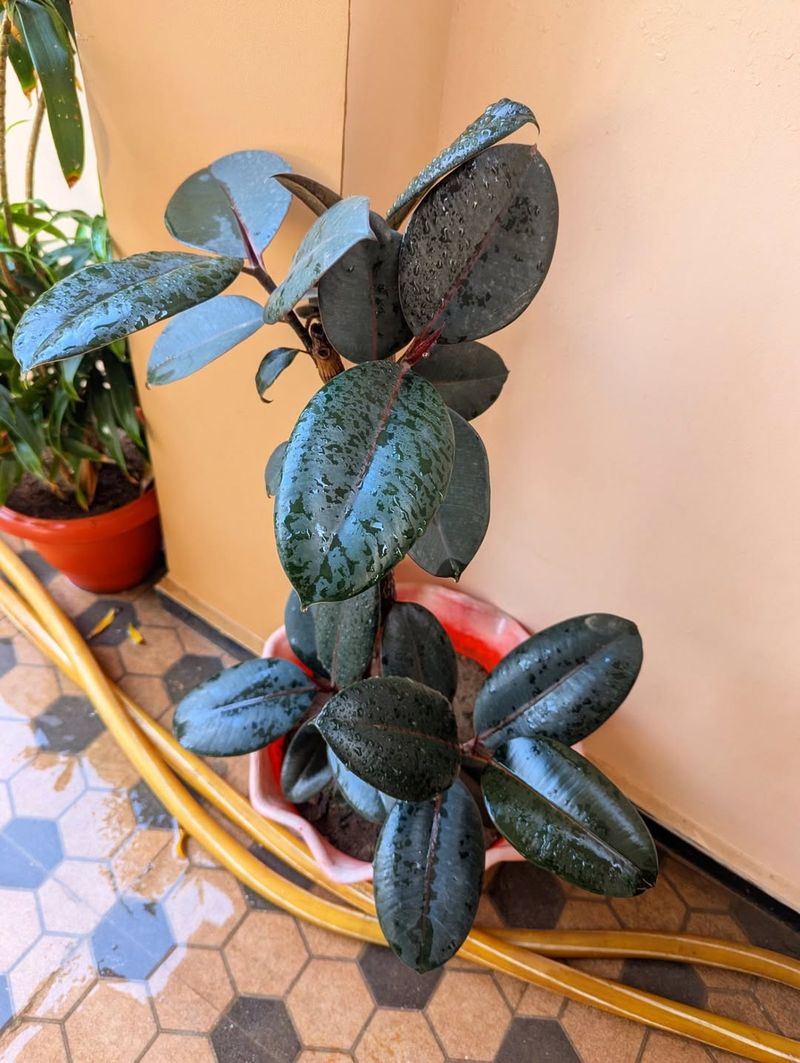
Rubber plants boast thick, waxy leaves that reflect light beautifully, adding depth and dimension to darker corners that desperately need some life and color.
Available in classic green or stunning burgundy varieties, these plants complement virtually any color scheme you’ve chosen for your New York apartment’s interior design.
Their upright growth habit makes them space-efficient choices for narrow areas between furniture pieces where sprawling plants simply wouldn’t work well at all.
Rubber plants tolerate a range of lighting conditions but grow most vigorously in bright, indirect light near windows that face east or west directions.
Dust accumulates quickly on those shiny leaves in city environments, so wipe them down monthly with a damp cloth to maintain their lustrous appearance.
Allow the top inch of soil to dry completely between waterings, as rubber plants prefer slightly drier conditions compared to many other tropical houseplants.
Prune back leggy growth to encourage bushier forms and control overall height, keeping your plant proportional to the space it occupies in rooms.
These low-maintenance beauties rarely experience pest problems and can live for decades with minimal care, making them worthwhile investments for long-term apartment dwellers.
5. Dracaena Marginata
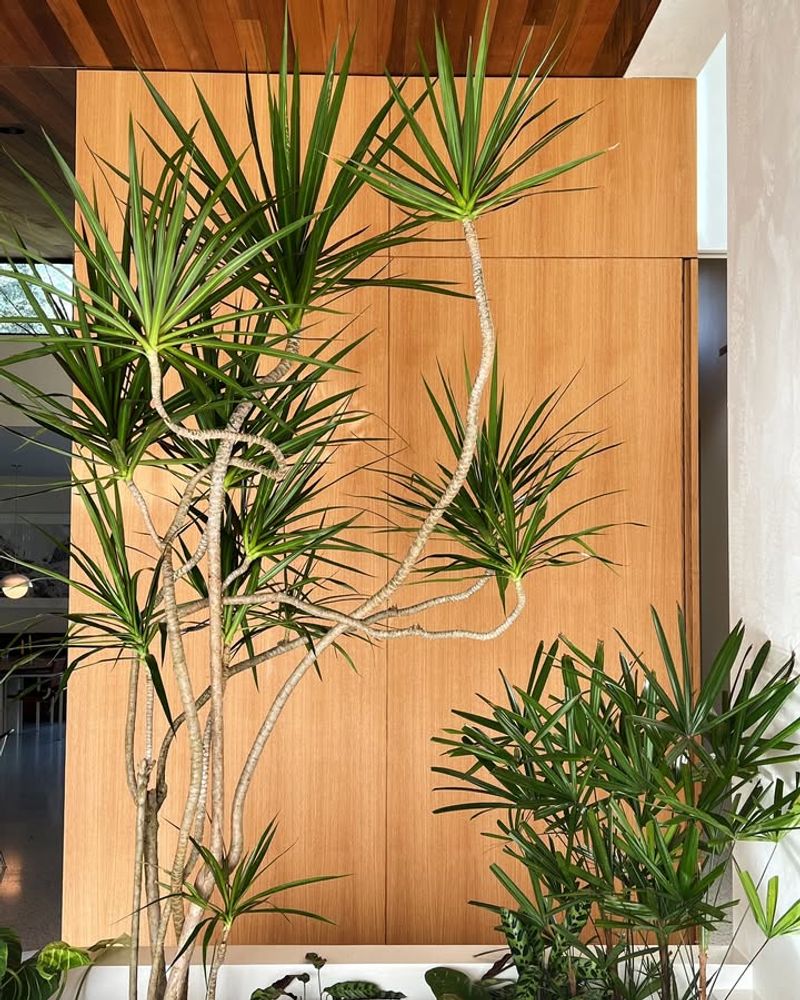
Dragon trees bring an exotic, architectural quality to interiors with their slender, woody trunks and spiky crowns of narrow leaves atop each stem.
Multiple trunks at varying heights create visual interest and movement, breaking up the monotony of flat walls and empty vertical spaces in New York apartments.
Their slim profile makes them perfect for tight spots like entryways, hallways, or beside furniture where wider plants would obstruct pathways and create problems.
Dracaena marginata tolerates lower light levels remarkably well, making it suitable for rooms without direct window access or in interior spaces far from sunlight.
Variegated varieties feature stunning red or pink edges on green leaves, adding unexpected pops of color that complement neutral decorating schemes throughout homes.
Water sparingly, allowing soil to dry out substantially between waterings, as these plants originate from arid regions and dislike constantly moist root conditions.
Brown leaf tips sometimes develop due to fluoride in tap water, so use filtered or distilled water if this becomes a persistent problem.
Slow-growing and undemanding, dragon trees can reach heights of six feet or more indoors, providing years of reliable beauty with minimal maintenance required.
6. Parlor Palm
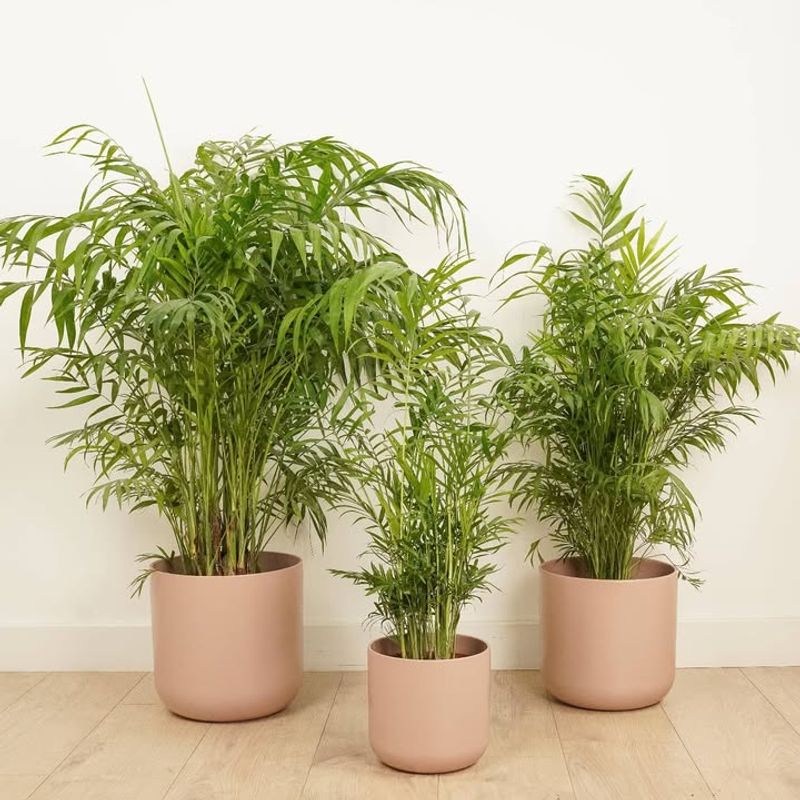
Victorian-era homes frequently featured these elegant palms in their parlors, hence the name, and they remain timeless choices for modern New York apartments today.
Feathery fronds arch gracefully outward, softening hard edges of furniture and architecture while adding organic movement and texture to static interior spaces.
Parlor palms thrive in low to medium light conditions, making them ideal for bedrooms, bathrooms, or offices without abundant natural sunlight streaming in.
Their compact root systems mean they don’t require frequent repotting, staying content in the same container for several years without becoming rootbound or stressed.
Consistent moisture keeps these palms happy, so water when the top half-inch of soil feels dry but never allow roots to sit in standing water.
Humidity-loving by nature, parlor palms appreciate regular misting or placement near humidifiers, especially during dry winter months when heating systems run constantly indoors.
Yellow fronds occasionally appear on mature plants and should be trimmed away at the base to maintain a tidy appearance and redirect energy.
Non-toxic to pets and children, parlor palms offer peace of mind for families concerned about harmful plants in shared living spaces throughout their homes.
7. Yucca Cane
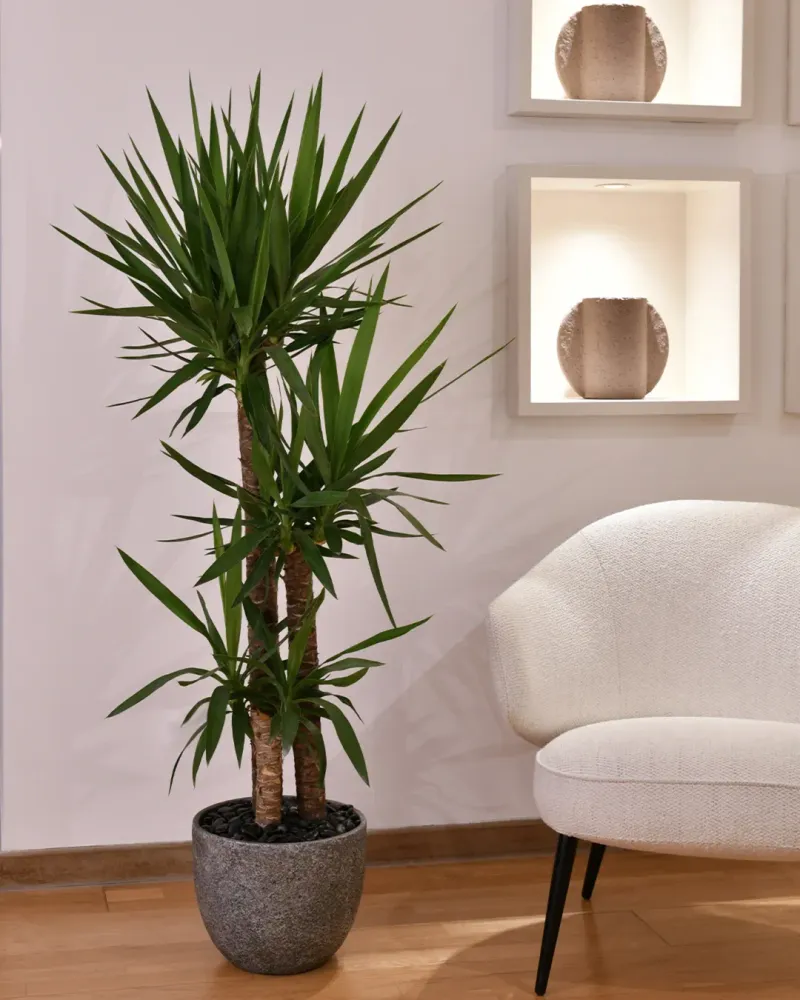
Southwestern desert vibes come alive with yucca canes, whose thick, woody stems support rosettes of stiff, sword-like leaves pointing dramatically toward ceilings above.
Drought-tolerant and nearly indestructible, these plants suit forgetful waterers or frequent travelers who can’t maintain consistent care schedules for demanding houseplants regularly.
Bright, direct sunlight makes yuccas happiest, so position them near south-facing windows where they can bask in maximum light throughout the entire day.
Their spiky leaves create striking silhouettes against white walls, adding bold geometric shapes that contrast beautifully with softer, rounded furniture pieces in rooms.
Water deeply but infrequently, allowing soil to dry completely between waterings since yuccas store moisture in their thick trunks and prefer arid conditions overall.
Overwatering causes more problems than underwatering with these resilient plants, often leading to root rot and yellowing leaves that signal distress and poor health.
Rotate your yucca quarterly to ensure even growth on all sides, preventing it from leaning permanently toward the strongest light source available nearby.
Mature yuccas can reach impressive heights of ten feet indoors, though growth remains slow and steady, requiring minimal pruning or maintenance over many years.
8. Kentia Palm
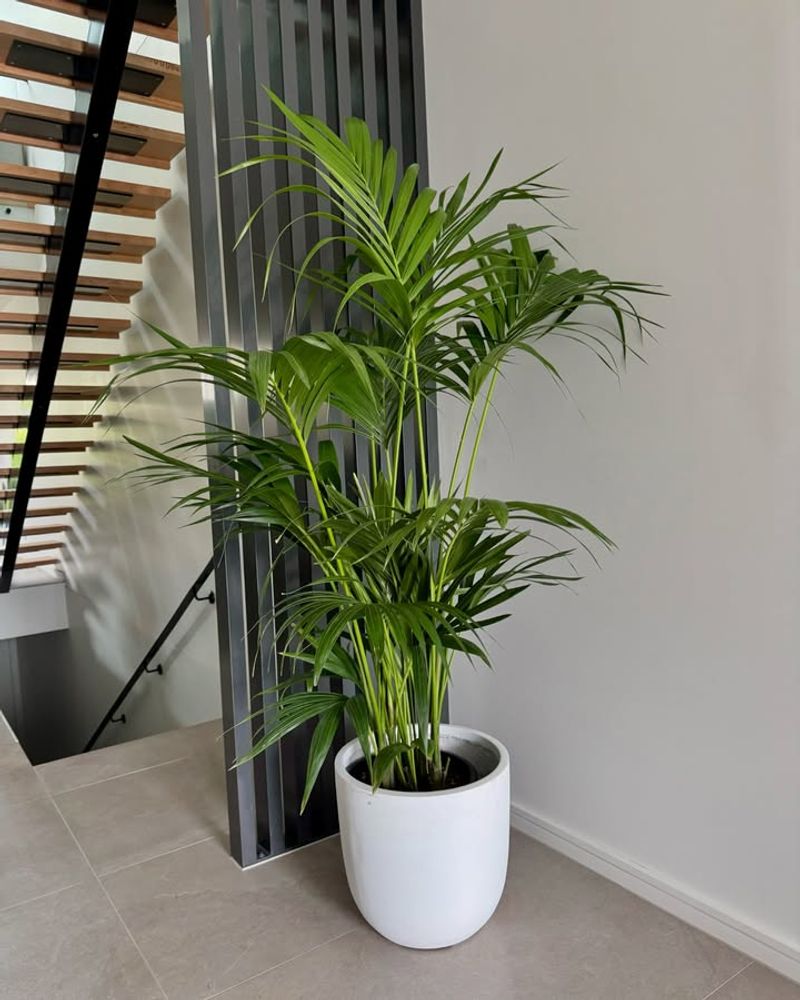
Luxury hotels and upscale restaurants frequently feature kentia palms because their elegant, arching fronds exude sophistication and timeless tropical style effortlessly in New York spaces.
Slower-growing than many palms, kentias maintain their shape and proportions beautifully over time without requiring constant pruning or aggressive maintenance routines from owners.
Adaptable to various light conditions, they tolerate lower light better than most palms while still thriving in brighter spots near windows throughout apartments.
Their graceful form softens angular modern furniture and harsh architectural lines, creating a more inviting and relaxed atmosphere in otherwise sterile-feeling rooms and spaces.
Water when the top inch of soil dries out, maintaining consistent moisture without waterlogging roots, which causes browning tips and eventual frond decline.
Kentia palms tolerate dry indoor air better than many tropical plants, though occasional misting still benefits overall health and appearance during winter heating seasons.
Remove yellowing or brown fronds at their base with clean pruning shears, keeping the plant looking fresh and directing energy toward healthy growth.
These palms can live for decades indoors, slowly reaching heights of six to ten feet and becoming cherished focal points in homes over time.
9. Umbrella Tree
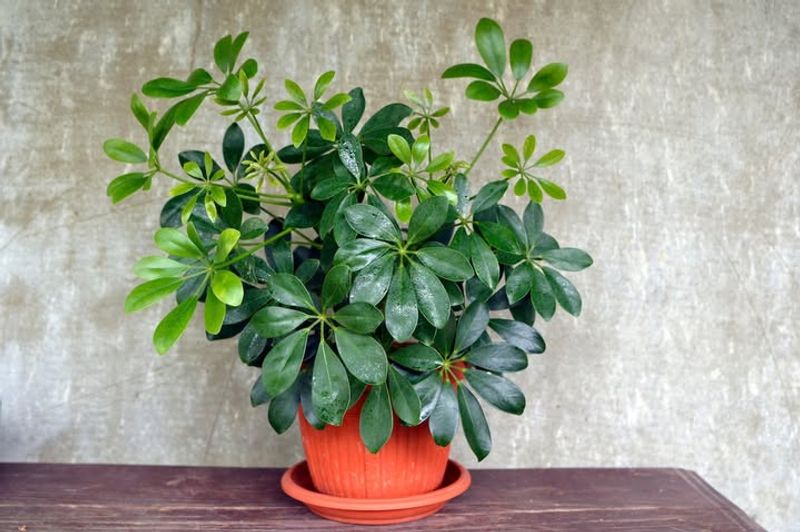
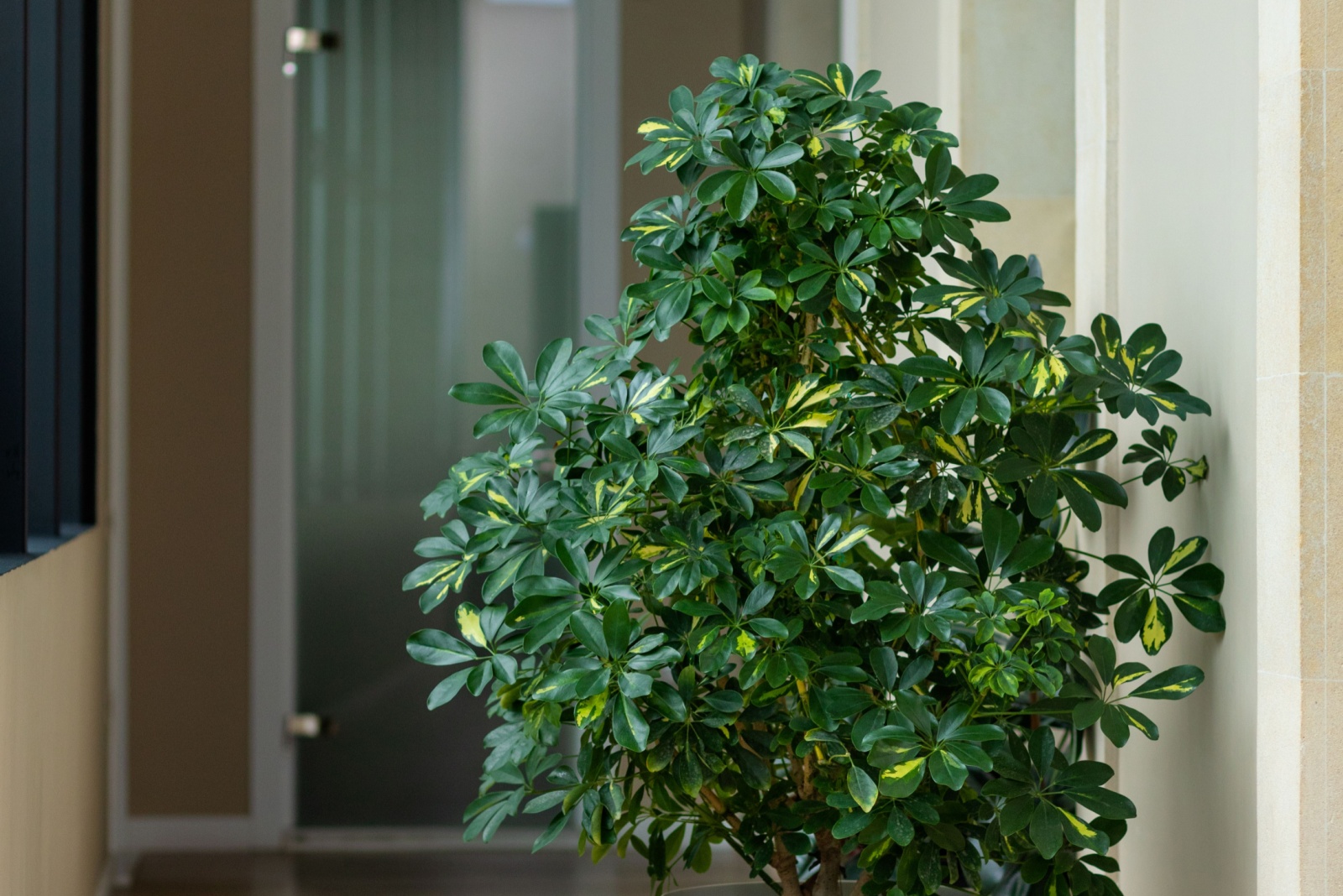
Umbrella trees earn their name from the way their glossy leaflets radiate outward from central points, resembling opened umbrellas catching raindrops from above.
Fast-growing and forgiving, these plants quickly fill empty spaces and recover rapidly from occasional neglect or less-than-ideal care conditions in busy New York households.
Bright, indirect light promotes the most compact and attractive growth, though umbrella trees adapt reasonably well to medium light conditions in various room locations.
Variegated varieties feature cream or yellow splashes on green leaves, adding extra visual interest and lighter tones that brighten darker corners of apartments effectively.
Pinch back growing tips regularly to encourage bushier growth and prevent your umbrella tree from becoming tall and leggy with sparse foliage throughout.
Water when the top two inches of soil dry out, adjusting frequency based on seasonal changes and indoor temperature fluctuations throughout the year.
Umbrella trees occasionally attract spider mites in dry conditions, so inspect leaves regularly and increase humidity or mist foliage to discourage these pests naturally.
Reaching heights of six feet or more indoors, these plants provide substantial presence without requiring the intense care that some other large houseplants demand.
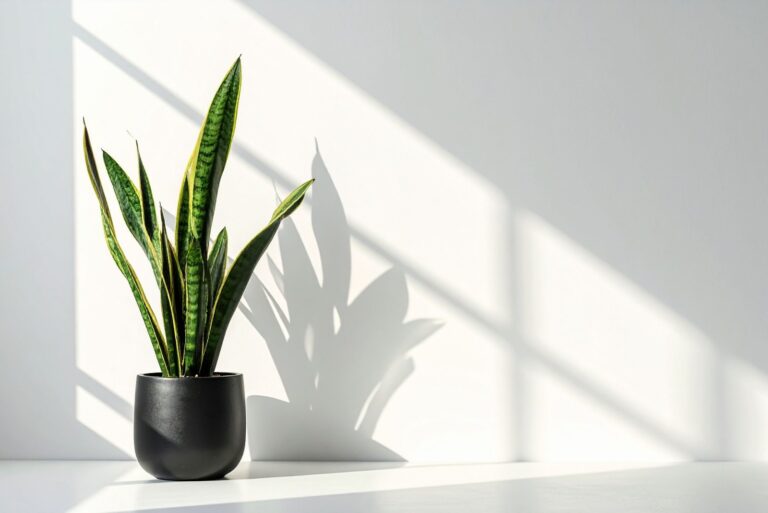
10. Snake Plant
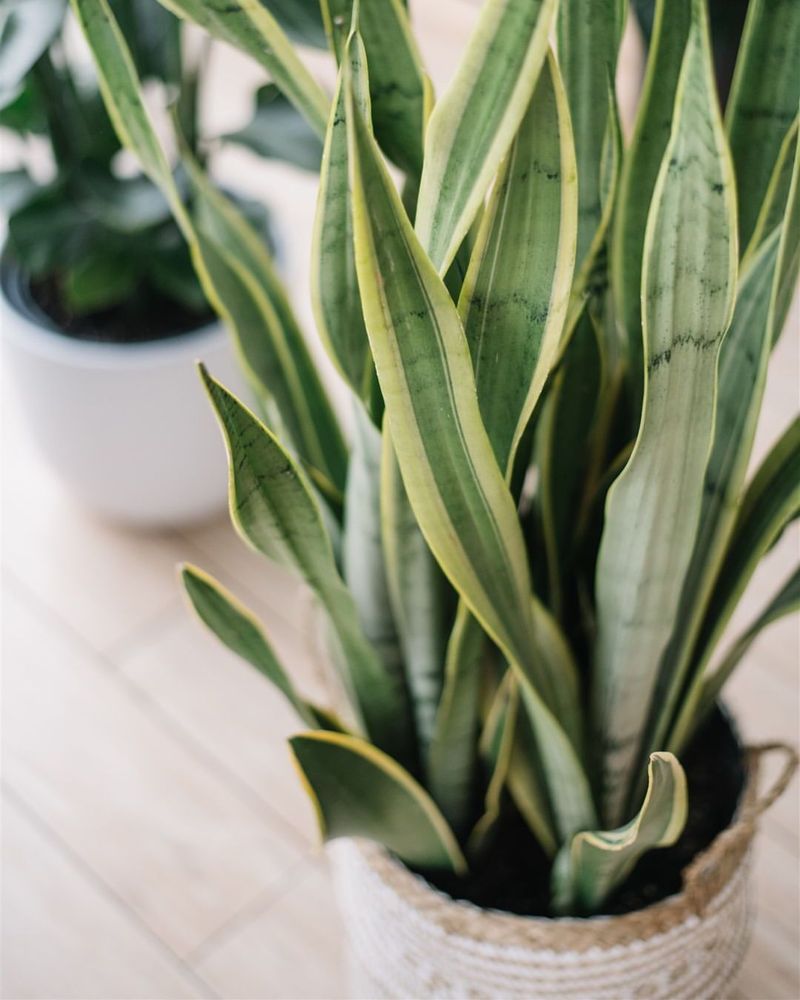
Virtually indestructible, snake plants tolerate neglect, low light, irregular watering, and poor air quality, making them perfect for challenging New York apartment conditions.
Their upright, architectural leaves grow vertically, taking up minimal floor space while adding significant height and presence to rooms and tight corners everywhere.
Variegated patterns of green, yellow, and silver create striking visual interest, turning these functional air purifiers into attractive decorative elements within your home decor.
Snake plants release oxygen at night unlike most plants, making them excellent bedroom companions that improve air quality while you sleep peacefully through evenings.
Water sparingly, allowing soil to dry completely between waterings, as these succulents store moisture in their thick leaves and tolerate drought exceptionally well overall.
Overwatering causes root rot and mushy leaves, the most common problem snake plant owners encounter, so err on the side of underwatering always.
Tall varieties like Sansevieria trifasciata can reach three to four feet in height, providing substantial visual impact in entryways and living room corners.
Propagate easily by dividing rhizomes or rooting leaf cuttings in water, allowing you to create new plants to fill additional spaces throughout apartments.
11. Corn Plant
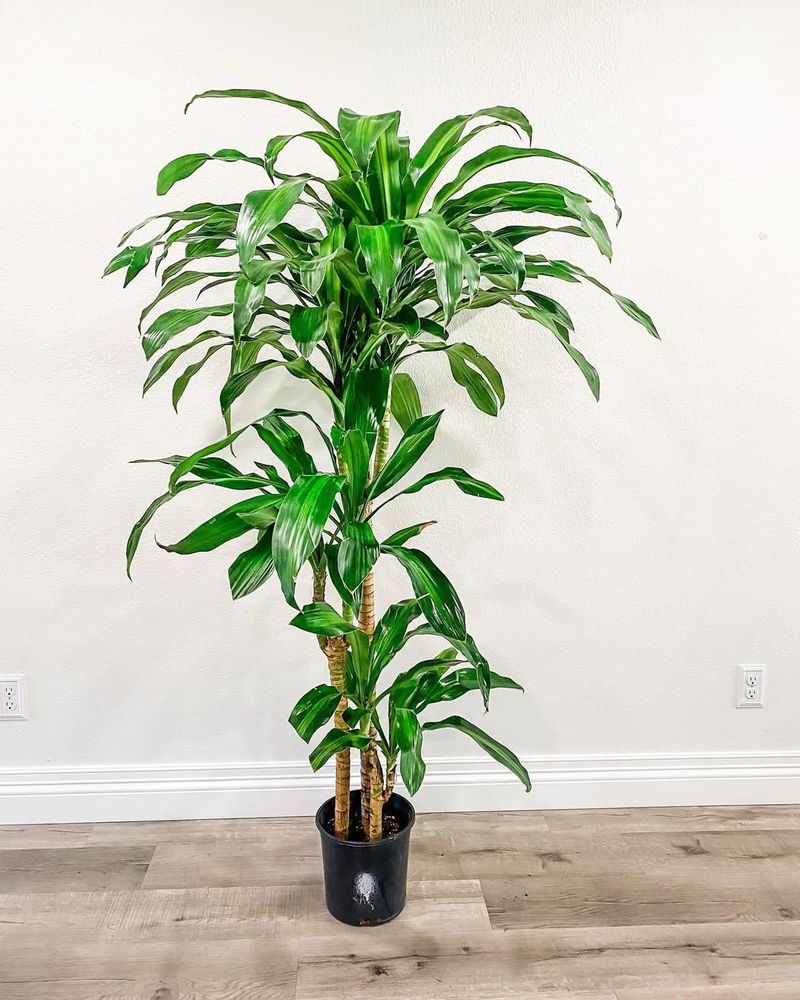
Corn plants feature wide, arching leaves that resemble corn foliage, hence their common name, and they bring a lush, tropical feeling to New York apartments.
Multiple canes at staggered heights create a layered, full appearance that fills vertical space beautifully without appearing cluttered or overwhelming in rooms and areas.
Tolerant of low to medium light conditions, corn plants adapt well to offices, bedrooms, and other spaces without direct window access or abundant sunlight.
Their forgiving nature makes them excellent choices for beginners or anyone seeking low-maintenance greenery that doesn’t demand constant attention or specialized care routines.
Water when the top inch of soil feels dry, maintaining consistent moisture during growing seasons while reducing frequency during cooler winter months significantly.
Fluoride sensitivity sometimes causes brown leaf tips, so use distilled or filtered water if your tap water contains high fluoride levels that damage foliage.
Corn plants occasionally produce fragrant white flowers when mature and kept in optimal conditions, though blooming remains relatively rare in typical indoor environments.
Reaching heights of five to six feet indoors, these plants provide substantial presence and can anchor empty corners or flank doorways with tropical elegance.
12. Majesty Palm
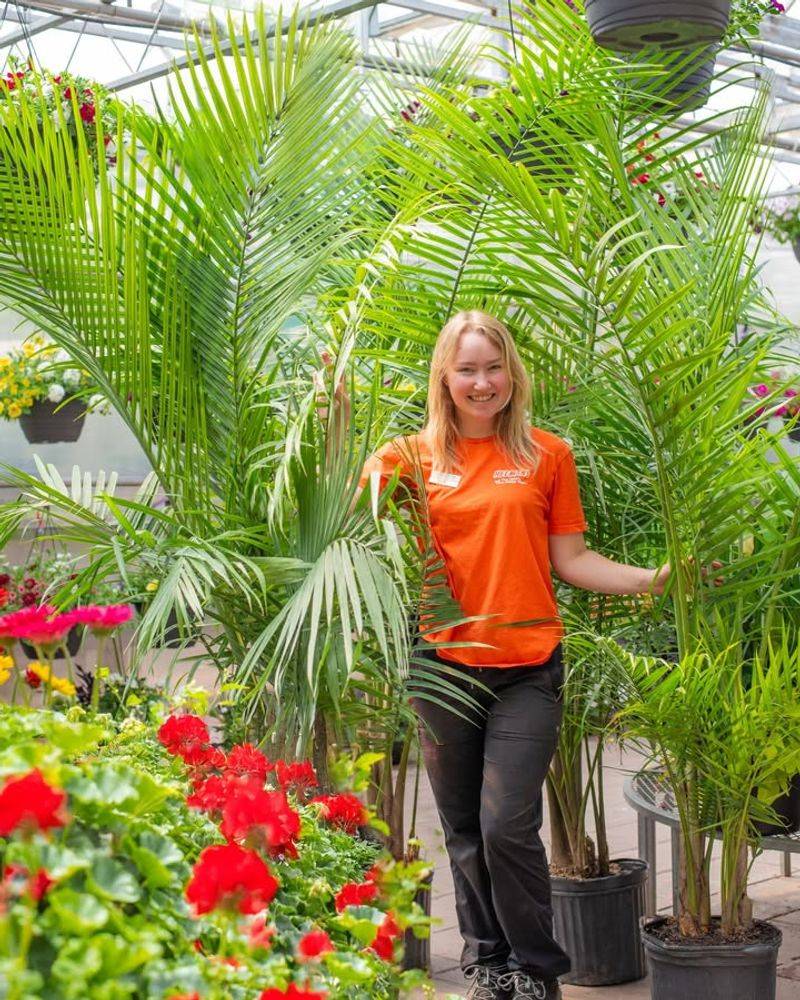
Nothing says tropical vacation quite like a majesty palm, whose feathery fronds transport you mentally to sandy beaches despite your actual location.
These palms prefer bright, indirect light and high humidity, so placing them near east or west-facing windows with regular misting supports healthy growth.
Consistent moisture keeps majesty palms thriving, as they dislike drying out completely between waterings and may develop brown fronds if neglected too long.
Humidity-loving by nature, these palms benefit from pebble trays filled with water beneath pots or placement near humidifiers during dry New York winter heating seasons.
Brown tips often indicate low humidity or inconsistent watering rather than serious health problems, so adjust care routines to address these environmental factors quickly.
Fertilize monthly during spring and summer with diluted liquid fertilizer to support vigorous growth and maintain vibrant green color throughout all fronds consistently.
Majesty palms can reach six to eight feet tall indoors under ideal conditions, creating impressive focal points that command attention in living rooms.
Rotate your palm regularly to ensure even growth on all sides and prevent it from leaning permanently toward the strongest available light source.
13. Weeping Fig
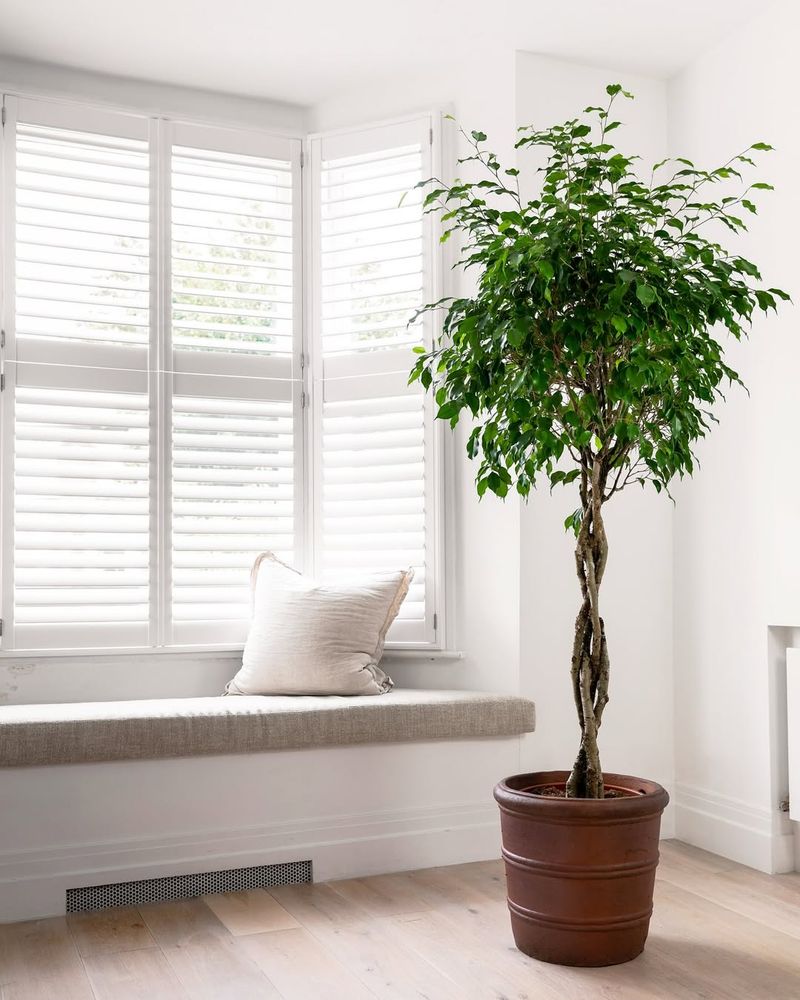
Weeping figs bring elegance and movement to New York homes with their gracefully drooping branches covered in small, glossy leaves that flutter with air movement.
Their tree-like form creates an indoor forest feeling, especially when multiple stems are braided together for added visual interest and sculptural appeal in rooms.
Bright, indirect light near windows encourages healthy growth, though weeping figs adapt to medium light conditions once established in their permanent locations successfully.
These plants dislike being moved frequently and may drop leaves when relocated or exposed to drafts, temperature changes, or other environmental stressors.
Consistency in watering, lighting, and temperature helps prevent leaf drop, the most common complaint among weeping fig owners throughout their plant parenting journey.
Water when the top inch of soil dries out, maintaining even moisture without waterlogging roots or allowing complete dryness that stresses the plant.
Prune regularly to maintain desired shape and size, as weeping figs respond well to trimming and can be shaped into formal topiary forms.
Mature specimens can reach six to ten feet tall indoors, providing substantial tree-like presence that anchors rooms and creates natural focal points effortlessly.
14. Philodendron Selloum
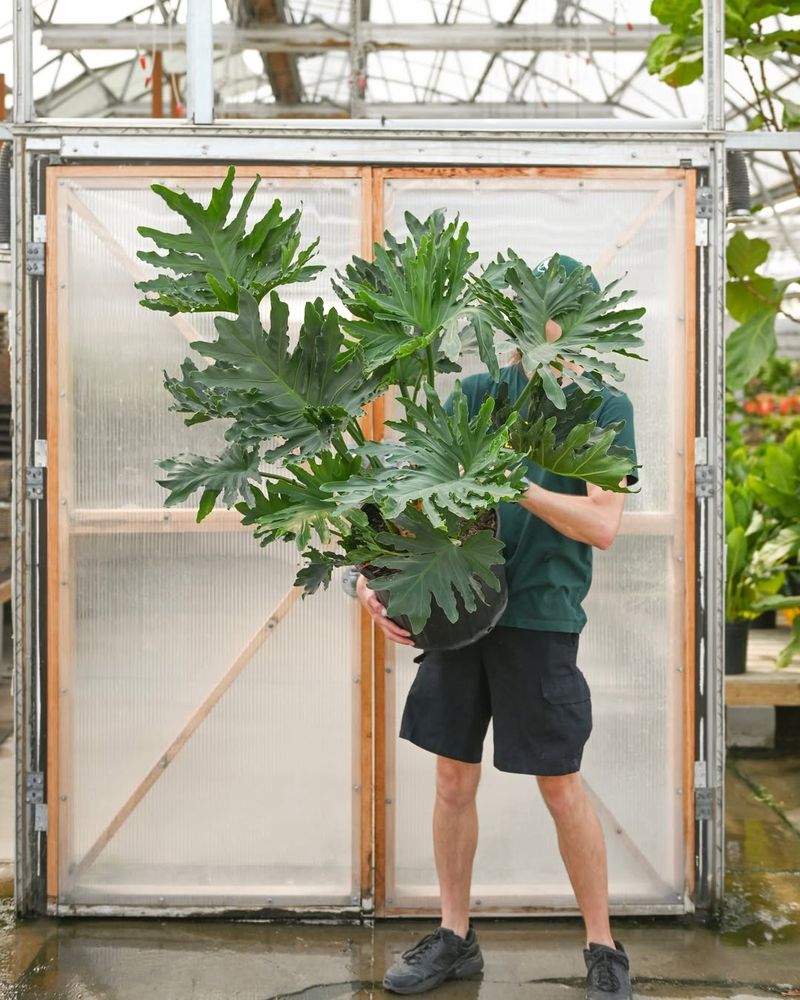
Massive, deeply lobed leaves radiate outward from central stems, creating a bold tropical statement that instantly transforms bare corners into lush jungle retreats.
Philodendron selloum, also called tree philodendron, grows wider than tall, so ensure adequate floor space for its impressive horizontal spread as it matures.
Tolerant of various light conditions from medium to bright indirect, these adaptable plants suit multiple room locations throughout apartments without requiring perfect positioning always.
Their self-heading growth habit means they don’t climb like other philodendrons, instead forming a compact, shrub-like shape that stays relatively contained over time.
Water when the top two inches of soil dry out, increasing frequency during active growing seasons and reducing during cooler months when growth slows.
Aerial roots may emerge from the base, which is completely normal and helps stabilize the plant as it grows larger and heavier over years.
Wipe those enormous leaves regularly to remove dust accumulation, keeping them looking vibrant and ensuring efficient photosynthesis for continued healthy growth and development.
Reaching three to five feet in both height and width, these plants fill empty spaces dramatically without requiring the ceiling height that taller plants demand.
15. Areca Palm
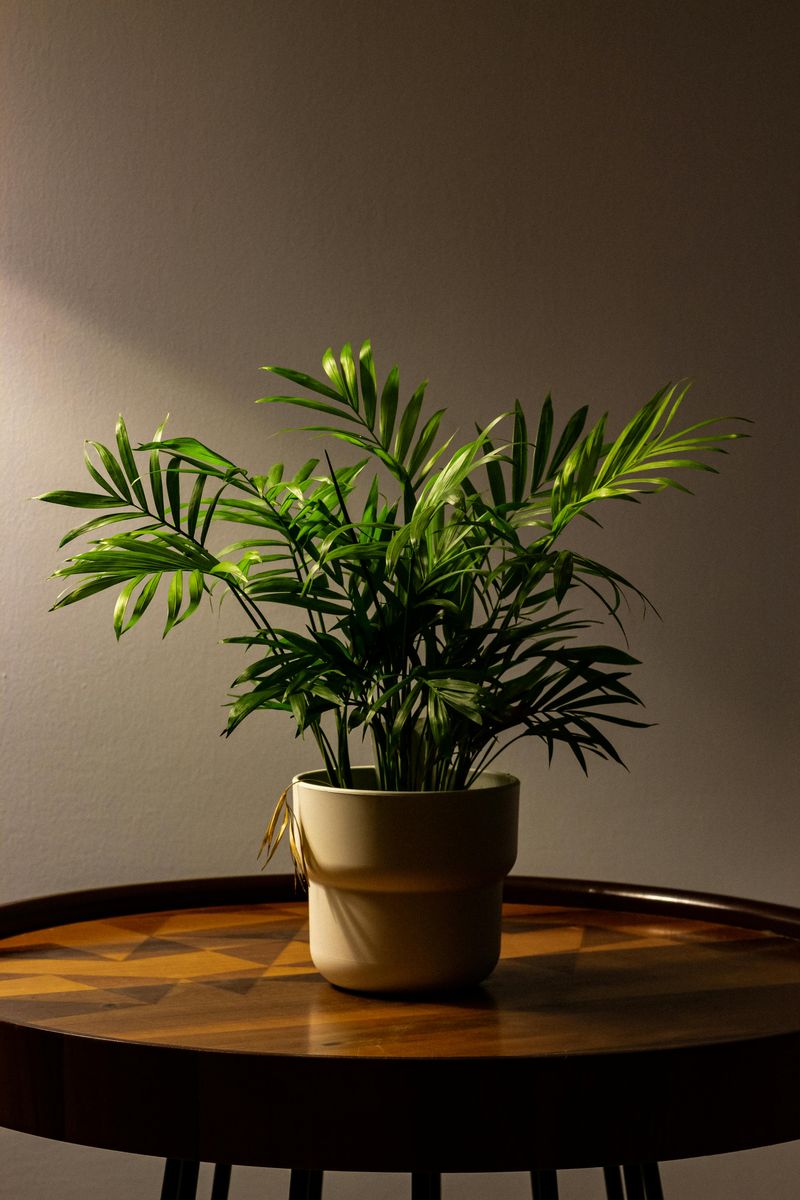
Areca palms feature multiple slender stems that create a full, bushy appearance, making them excellent screens for dividing open-concept spaces in New York loft apartments.
Their feathery, arching fronds bring softness and movement to interiors, gently swaying with air currents and adding life to otherwise static room arrangements.
Bright, indirect light promotes the most vigorous growth and maintains the palm’s attractive yellow-green coloring that distinguishes it from darker green palm varieties.
Consistent moisture keeps areca palms happy, as they prefer evenly moist soil without complete drying or waterlogging that damages delicate root systems over time.
High humidity benefits these tropical natives, so mist regularly or use pebble trays to increase moisture levels around foliage during dry winter heating seasons.
Brown tips on fronds often indicate low humidity, underwatering, or salt buildup from tap water, so flush soil occasionally with distilled water to help.
Fertilize monthly during growing seasons with balanced liquid fertilizer diluted to half strength, supporting healthy growth without overwhelming roots with excessive nutrients suddenly.
Reaching six to seven feet tall indoors, areca palms create impressive privacy screens or focal points that bring resort-style ambiance into urban apartments.