Last Chance To Plant These Native Wildflower Seeds In Your Arizona Garden
You step outside in your Arizona garden and feel that subtle shift in the air that says the season is moving on, whether you’re ready or not.
That realization often hits when planting plans are still sitting in your head instead of in the soil.
Arizona’s planting windows don’t linger, especially for seeds that rely on natural timing rather than extra care.
Not every delay ruins the outcome, and native wildflowers are built to handle tough conditions.
When planting keeps getting pushed back, though, the opportunity that supports strong early growth starts slipping away quietly.
These seeds depend on a narrow overlap of soil warmth, light moisture, and settling time before heat takes control. This moment sits right on that edge.
Making use of it can decide whether your Arizona garden fills in naturally with color and movement or skips that display entirely this year.
1. California Poppy
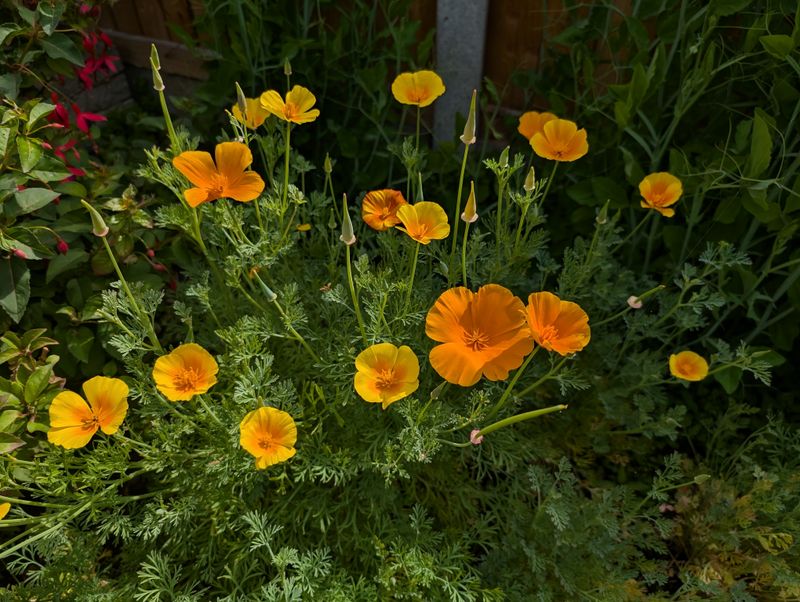
Bright orange petals catch sunlight like tiny flames dancing across your garden bed. You’ll find this cheerful wildflower thriving in Arizona’s desert landscapes, especially when planted before winter ends.
The silky blooms open wide during sunny days and close up when clouds roll in, creating a living display that responds to your local weather.
Seeds need to go into cool soil to trigger proper germination, which is why late winter is your last opportunity. Once temperatures climb too high, these seeds will simply wait dormant until the following year.
Your Arizona garden will benefit from their early establishment, giving roots time to spread before summer heat arrives.
This wildflower reseeds itself generously, meaning one planting can give you years of color. The feathery foliage stays low and compact, making it perfect for borders or mixed wildflower beds.
Pollinators love visiting these blooms, so expect bees and butterflies to become regular guests.
Watering needs are minimal once plants establish themselves in your Arizona soil. They actually prefer lean, rocky ground over rich, amended beds.
Overwatering can cause problems, so let nature handle most of the moisture needs.
Your spring garden will explode with vibrant orange hues that complement Arizona’s natural desert tones beautifully.
2. Desert Lupine
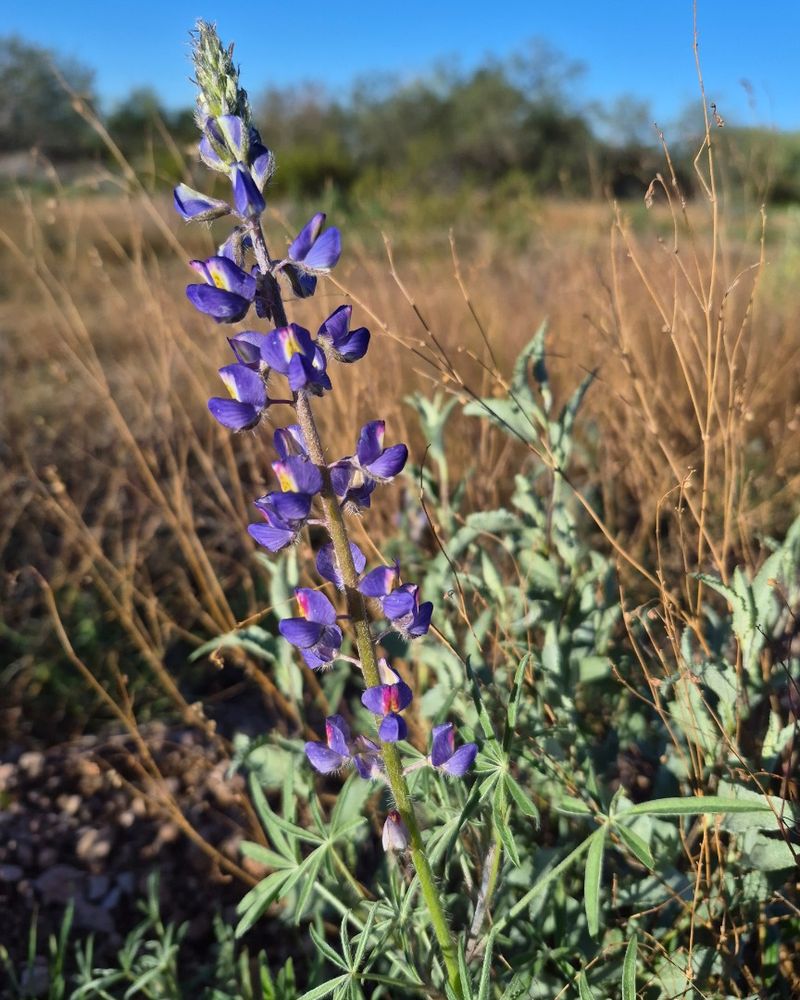
Tall spikes of purple-blue flowers rise like elegant towers above silvery-green foliage in your Arizona landscape. Each bloom cluster can reach impressive heights, creating dramatic vertical interest that contrasts beautifully with low-growing desert plants.
The unique pea-like flowers open from bottom to top, extending the blooming period for weeks.
Planting now gives these seeds the cool stratification period they need to break dormancy successfully. Arizona’s winter rains provide ideal moisture levels that encourage strong root development.
Missing this narrow window means waiting an entire year for another chance at growing these stunning natives.
Your garden soil doesn’t need any special preparation since lupines actually fix nitrogen through their root systems. This means they improve soil quality while growing, benefiting neighboring plants in your Arizona garden bed.
Sandy or gravelly areas work perfectly for these adaptable wildflowers.
Seedlings emerge looking delicate but quickly develop into robust plants that handle Arizona’s temperature swings with ease. The palmate leaves have a soft, fuzzy texture that adds interesting contrast to your garden’s visual appeal.
Wildlife, especially hummingbirds and native bees, find these flowers irresistible.
You’ll notice seed pods forming after blooms fade, which can be collected for future plantings or left to self-sow naturally.
3. Mexican Gold Poppy
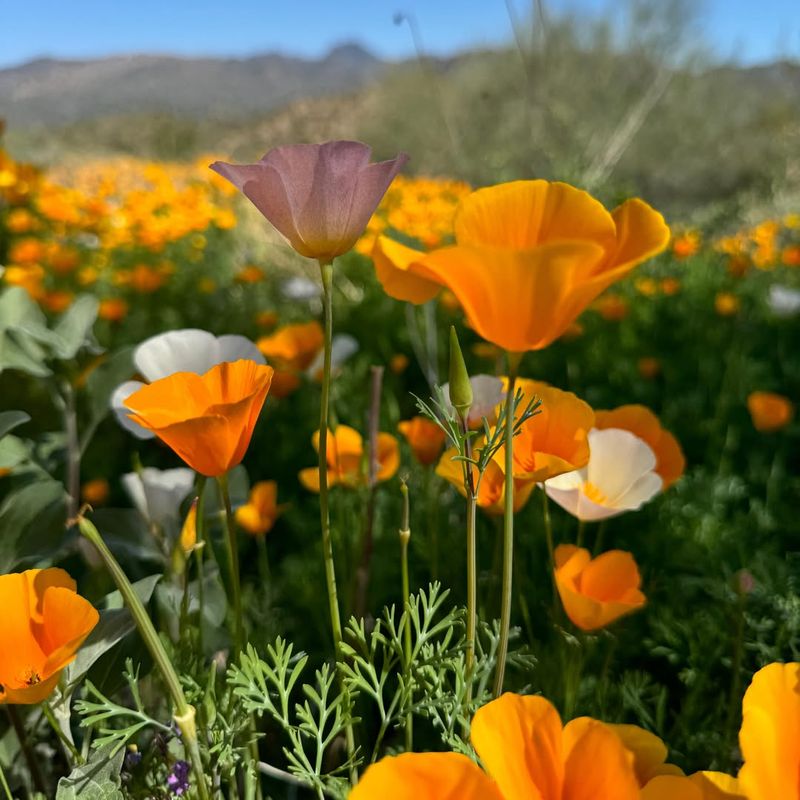
Golden-yellow petals shimmer like scattered coins across Arizona’s desert floor when these poppies bloom in masses. Your garden will transform into a sea of sunshine that lifts spirits and draws admiring glances from everyone passing by.
Each flower opens into a perfect cup shape that captures light in the most magical way.
February marks your final opportunity to scatter these seeds across prepared garden beds in Arizona. Cool nights and occasional rain showers create perfect conditions for germination that won’t return until next winter.
The seeds are tiny, so mixing them with sand before broadcasting helps ensure even distribution.
These poppies prefer full sun and well-drained spots where water doesn’t pool after storms. Your Arizona garden’s naturally lean soil is actually ideal since rich soil can cause excessive foliage growth at the expense of flowers.
Once established, plants become remarkably drought-tolerant and require almost no maintenance.
Blooms typically appear in early spring, carpeting your landscape with brilliant gold that complements Arizona’s red rock and sandy soils. The delicate tissue-paper petals might look fragile, but plants handle wind and temperature fluctuations surprisingly well.
Pollinators visit constantly, making your garden a hub of beneficial insect activity.
Your neighbors will definitely ask where you found such spectacular wildflowers for Arizona’s challenging climate conditions.
4. Desert Marigold
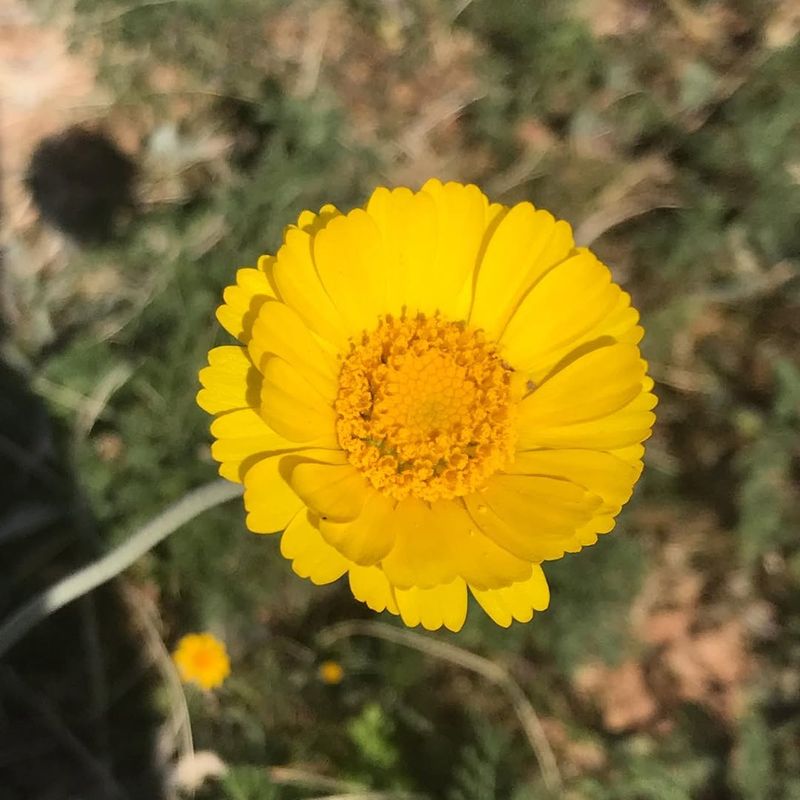
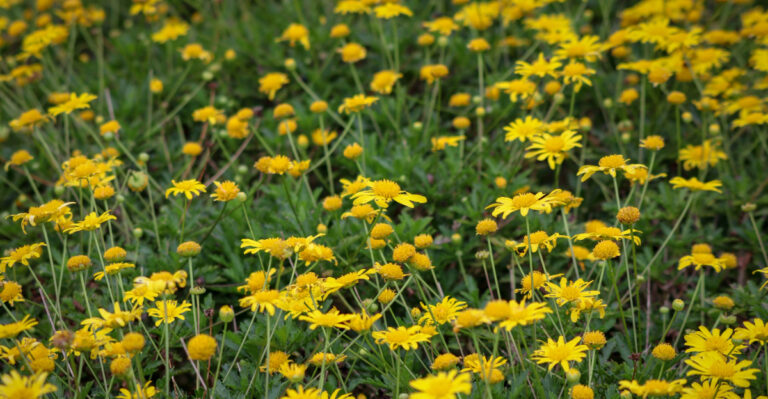
Cheerful yellow blooms appear almost year-round once these hardy plants establish themselves in your Arizona garden. The flowers resemble miniature sunflowers with bright ray petals surrounding golden centers that practically glow in sunlight.
Unlike annual marigolds from garden centers, these native beauties are perennials that return reliably.
Getting seeds planted now ensures strong root systems develop before Arizona’s intense summer heat sets in. Cool-season germination produces the healthiest plants with the best chance of surviving their first summer.
Your timing makes all the difference between thriving wildflowers and struggling seedlings.
These marigolds handle reflected heat from rocks, walls, and paved surfaces better than most wildflowers. Your Arizona landscape’s hottest, driest spots are perfect candidates for desert marigold plantings.
The silvery-green foliage stays attractive even when plants aren’t blooming, providing year-round visual interest.
Butterflies and native bees visit these flowers constantly, making your garden an important habitat resource. The compact, mounding growth habit works well in rock gardens, along pathways, or as edging plants.
Deadheading spent blooms encourages more flowers, though it’s not necessary for plant health.
You’ll appreciate how little water these tough plants need once established in Arizona’s challenging environment. They’re practically carefree, asking almost nothing while giving months of continuous color.
5. Purple Owl’s Clover
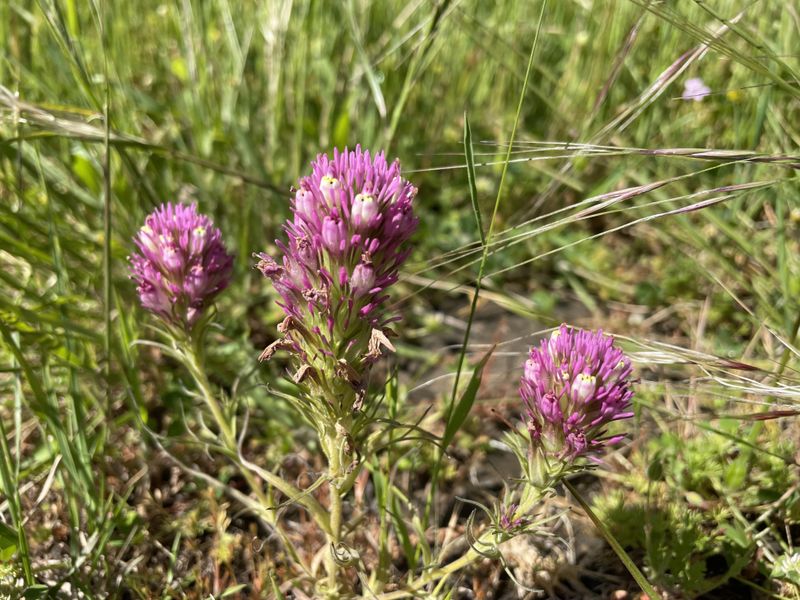
Vibrant magenta-purple flower spikes create dense carpets of color that look almost unreal in your Arizona garden. The unusual blooms have a fuzzy, textured appearance that sets them apart from typical wildflowers.
Each plant produces multiple flower spikes that continue opening for several weeks during peak bloom season.
Arizona’s winter planting window is closing fast, and these seeds need cool soil temperatures to germinate properly. Waiting until spring means seeds will likely remain dormant until the following winter, wasting an entire growing season.
Your garden preparation should happen immediately to take advantage of ideal conditions.
This wildflower is partially parasitic, drawing some nutrients from grass roots while still photosynthesizing on its own. Don’t let that concern you—it won’t harm your Arizona landscape and actually helps control aggressive grasses naturally.
The relationship benefits your garden’s ecological balance in subtle but important ways.
Blooms appear in spring, transforming your garden into a purple wonderland that photographs beautifully. The low-growing plants work perfectly in meadow-style plantings or naturalized areas of your Arizona property.
Native bees and butterflies visit constantly, supporting local pollinator populations.
You’ll find these flowers especially stunning when planted in large drifts rather than small isolated patches. The more seeds you scatter, the more impressive your spring display will become across your Arizona garden space.
6. Globe Gilia
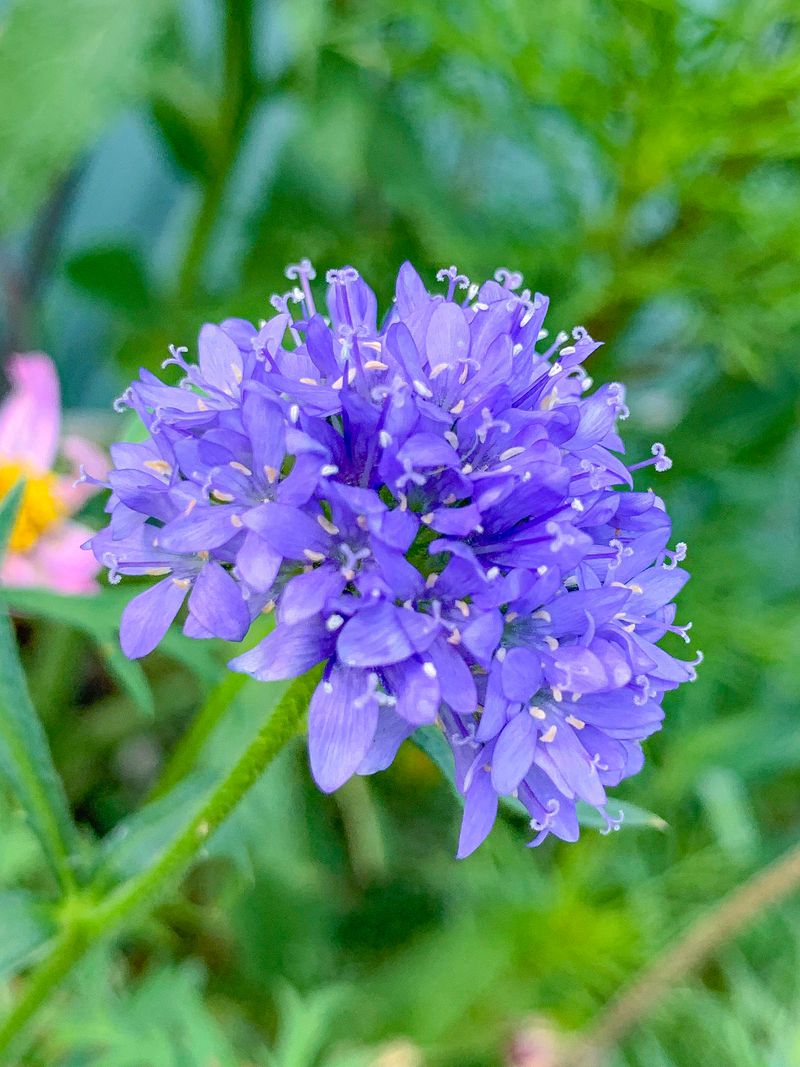
Delicate lavender-blue spheres perch atop thin stems like tiny ornaments decorating your Arizona garden. Each flower head contains dozens of small tubular blooms clustered into perfect round shapes.
The airy, thread-like foliage almost disappears, making flowers appear to float magically above the ground.
Now is absolutely your last chance to get these seeds planted in Arizona before warm weather shuts down the germination window. Seeds scattered too late will simply bake in the soil without sprouting, wasting your investment and effort.
Cool February nights provide the temperature fluctuations these seeds need to break dormancy successfully.
Your garden’s sandy or gravelly spots are ideal locations since globe gilia prefers fast-draining soil. Heavy clay or amended beds can actually cause problems by holding too much moisture around roots.
Arizona’s natural soil conditions are perfect without any modifications or improvements needed.
The plants stay relatively small and work beautifully as fillers between larger wildflowers or perennials. Your spring garden will gain a soft, romantic quality from these charming blooms that sway gently in breezes.
Hummingbirds and long-tongued bees can access the nectar in the tubular flowers, making your Arizona landscape valuable wildlife habitat.
Reseeding happens naturally when you allow seed heads to mature and scatter, giving you future displays with no additional effort required.
7. Arizona Poppy
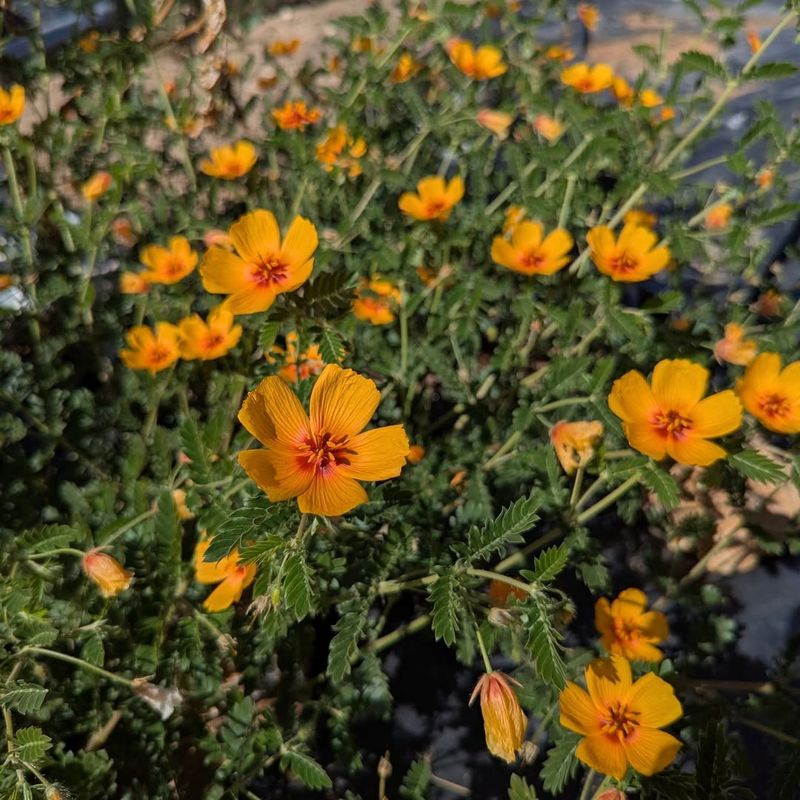
Creamy white petals with sunny yellow centers create an elegant contrast in your Arizona garden landscape. These poppies have a more delicate appearance than their orange cousins, with flowers that seem to glow in early morning and late afternoon light.
The blooms open wide during sunny days, creating a spectacular display across your property.
Time is running short for getting these seeds planted in Arizona’s cooling soil before temperatures rise. Seeds need exposure to winter’s chill and moisture to trigger germination in spring.
Your planting efforts now will result in a stunning flower show that rewards your perfect timing.
These natives handle Arizona’s extreme conditions better than almost any imported garden flower. Your water bill will thank you since established plants need virtually no supplemental irrigation during normal years.
The tap roots grow deep, seeking moisture far below the surface where your hose never reaches.
Foliage stays low and ferny, creating attractive texture even before flowers appear in your Arizona garden beds. The plants self-clean naturally, dropping spent petals without creating messy debris.
Pollinators visit throughout the blooming period, ensuring your garden supports beneficial insect populations.
You can collect seeds from dried pods to share with friends or expand plantings in other areas. The papery seed capsules shake like tiny rattles when mature, making collection timing easy to determine in your Arizona landscape.
8. Parry’s Penstemon
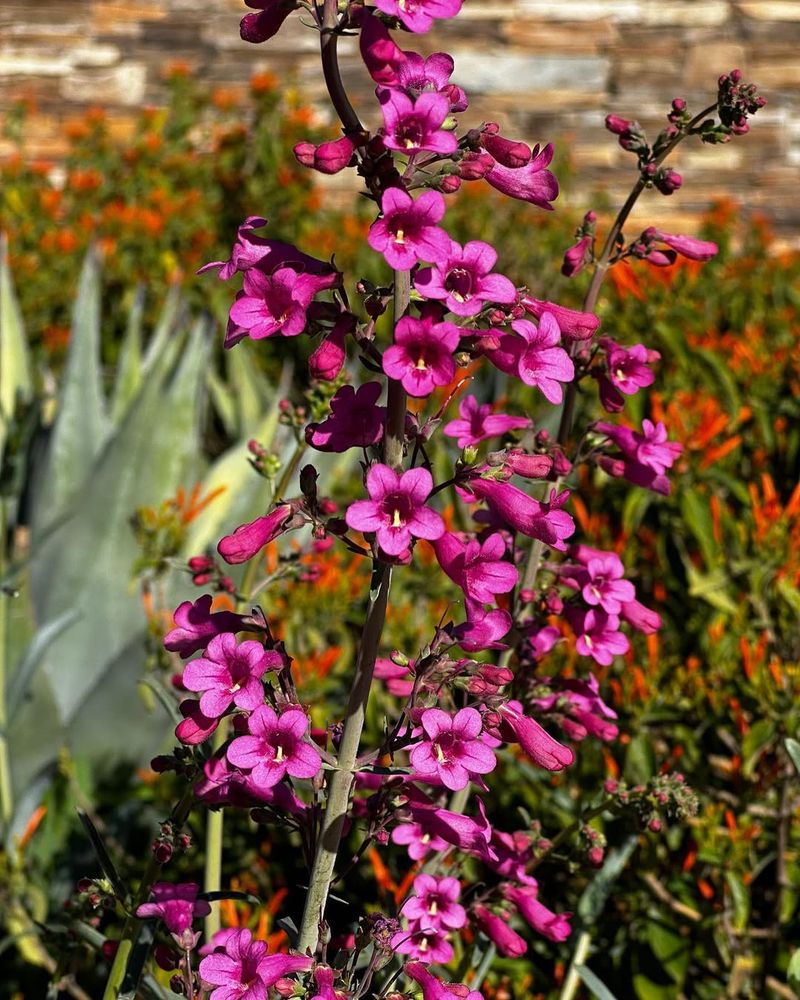
Hot pink tubular flowers cluster along tall stems that command attention in your Arizona garden. Each bloom looks like a small trumpet, perfectly designed for hummingbird beaks and long-tongued pollinators.
The flower spikes can reach impressive heights, creating bold vertical accents among lower-growing wildflowers.
Arizona gardeners need to act immediately since the planting window closes within weeks. These seeds require cold stratification that only winter provides naturally in your garden soil.
Artificial stratification in refrigerators works but involves extra steps you can avoid by planting now.
Your garden’s full-sun areas with excellent drainage are perfect spots for these showy natives. Rocky slopes, raised beds, or natural swales work beautifully since standing water causes root problems.
Arizona’s native soil provides ideal growing conditions without amendments or special preparation.
The lance-shaped leaves create attractive rosettes that stay somewhat evergreen in mild Arizona winters. Your garden maintains visual interest even during dormant seasons when many plants look bare.
Spring brings explosive growth as flower stalks shoot upward, preparing for the spectacular bloom display.
Hummingbirds will visit your Arizona garden repeatedly once these flowers open, providing entertainment and natural pest control. The plants can live several years with proper siting, returning bigger and better each season.
You’ll find yourself looking forward to their annual performance as a garden highlight.
9. Desert Bluebells
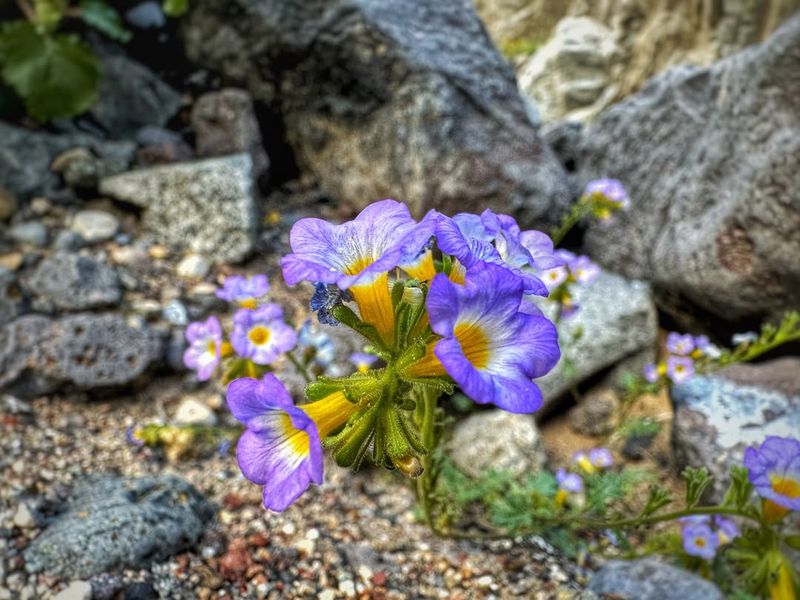
Sky-blue flowers shaped like tiny bells nod gracefully on branching stems throughout your Arizona garden. Each bloom starts as a pink bud that opens into the clearest blue imaginable, creating a two-toned effect.
The color is rare in desert wildflowers, making these plants especially treasured by Arizona gardeners.
Your window for planting is closing rapidly as Arizona’s temperatures begin their climb toward summer heat. Seeds planted now will germinate with spring rains, while later plantings simply won’t sprout until the following year.
The investment of time today pays dividends with spectacular spring color.
These bluebells prefer partial shade in Arizona gardens, especially protection from intense afternoon sun. The east side of rocks, walls, or larger plants provides ideal microclimates.
Your landscape’s naturally shaded spots are perfect locations that might otherwise remain bare.
Foliage has a slightly succulent quality with blue-green leaves that conserve moisture efficiently. Your Arizona garden benefits from plants adapted to work with nature rather than fighting against desert conditions.
The compact growth habit fits easily into small spaces or container plantings.
Bees and butterflies visit constantly, drawn by both the unusual color and abundant nectar. You’ll notice seed capsules forming as flowers fade, containing seeds for future plantings.
The entire plant has a charming, cottage-garden quality that softens Arizona’s harsh desert aesthetic beautifully.