Last-Minute Valentine Flowers That Still Thrive In Pennsylvania Homes
Forgot to plan ahead but still want Valentine’s flowers that look beautiful and last? You are not alone, and the good news is some blooms handle late gifting surprisingly well.
Many flowers can still thrive indoors in Pennsylvania homes, bringing color, freshness, and a romantic touch without fading too quickly. With the right choices, you can skip the stress and still give something thoughtful and charming.
Some varieties stay vibrant longer, while others adapt easily to indoor light and temperature. A simple bouquet or potted plant can brighten a room and create a warm, heartfelt feel.
Even at the last minute, you can choose flowers that feel special and meaningful. With a little guidance, your Valentine’s gift can stay fresh, lively, and beautiful well beyond the day itself, proving that great timing is helpful but not always necessary.
1. Roses
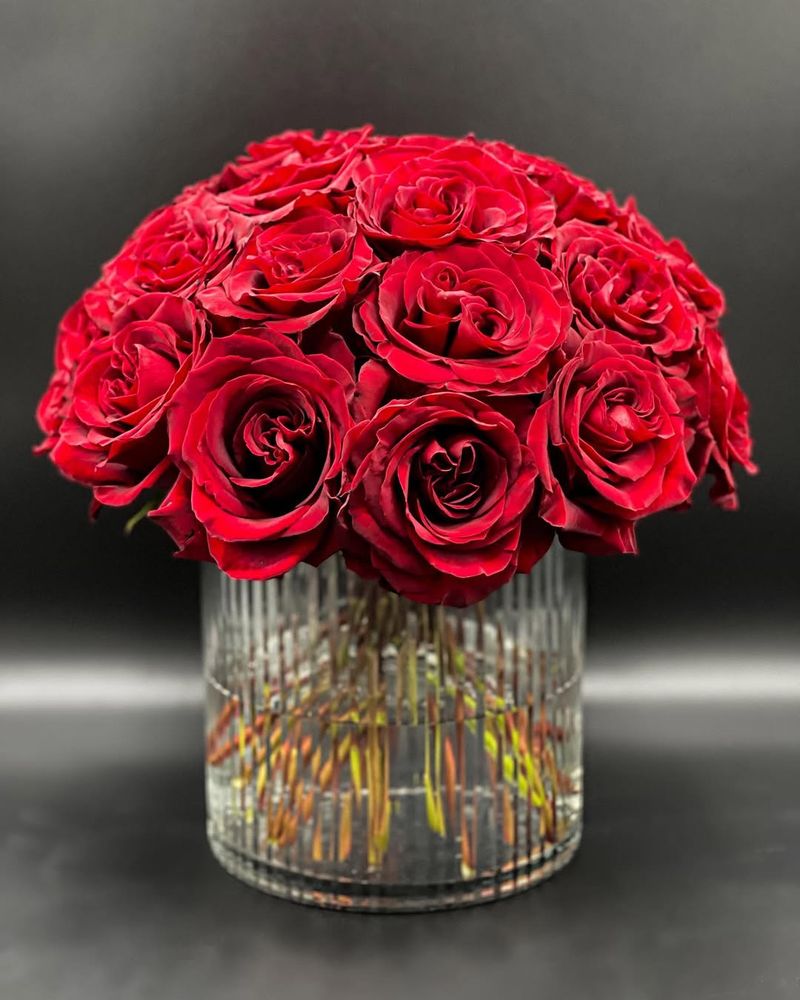
Red roses remain the ultimate symbol of love and romance for Valentine’s Day celebrations everywhere. Their velvety petals and sweet fragrance make them instantly recognizable and deeply meaningful.
When you bring roses into your Pennsylvania home during February, you’re choosing a flower with centuries of romantic tradition behind it.
Roses actually do quite well indoors when you give them proper care from the start. Cut the stems at an angle before placing them in clean water with flower food.
Change the water every two days to keep bacteria from building up. Remove any leaves that would sit below the waterline because they can rot and shorten the life of your bouquet.
Pennsylvania’s dry winter air from heating systems can make roses wilt faster than normal. Keep your vase away from heat vents, radiators, and direct sunlight from windows.
A cool spot in your living room or dining room works perfectly. Roses prefer temperatures between 65 and 72 degrees, which matches most comfortable home settings.
You can find roses at grocery stores, florists, and garden centers across Pennsylvania right up until Valentine’s Day itself. They come in many colors beyond red, including pink, white, yellow, and even lavender.
Each stem usually lasts seven to ten days indoors with good care. Misting the petals lightly each morning helps them stay fresh longer in dry indoor air.
Your roses will reward your simple efforts with lasting beauty throughout the Valentine season.
2. Carnations
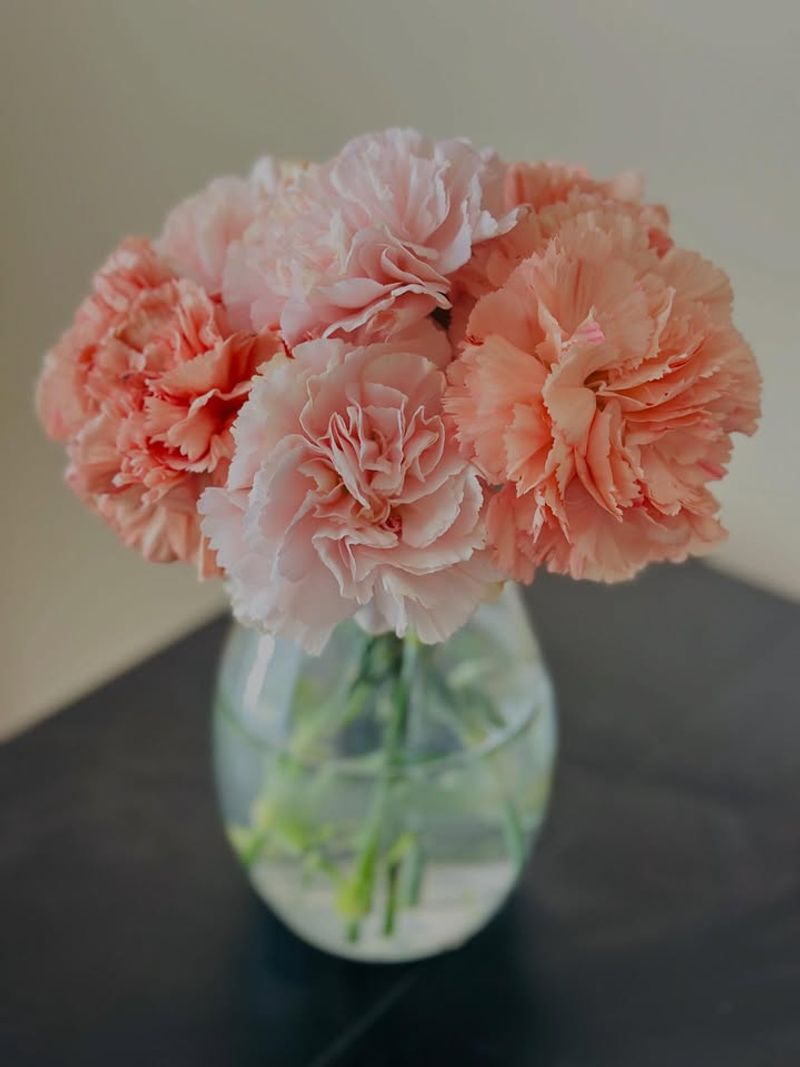
Carnations often get overlooked because they’re so common, but that’s actually their biggest strength as last-minute Valentine flowers. These cheerful blooms are incredibly tough and can last up to three weeks indoors with basic care.
Their ruffled petals come in almost every color imaginable, from deep burgundy to soft peach.
The secret to carnation success in Pennsylvania homes is their ability to tolerate less-than-perfect conditions. They don’t mind fluctuating temperatures as much as other flowers do.
They also need less water than roses, which makes them more forgiving if you forget to check the vase daily.
Carnations have a light, spicy scent that fills a room without being overwhelming. They work beautifully on their own or mixed with other flowers in arrangements.
Many Pennsylvania florists keep large supplies of carnations specifically for last-minute shoppers because they know these flowers won’t disappoint.
When you get carnations home, trim the stems and remove lower leaves just like with any cut flower. Place them in room-temperature water and add flower food if you have it.
They’ll open up gradually over several days, giving you an evolving display of color. Keep them away from ripening fruit because the ethylene gas can make the petals brown faster. Carnations represent fascination and distinction in the language of flowers.
Pink carnations specifically symbolize gratitude and love, making them perfect for Valentine’s Day in Pennsylvania homes where winter weather makes fresh flowers extra special and appreciated.
3. Tulips
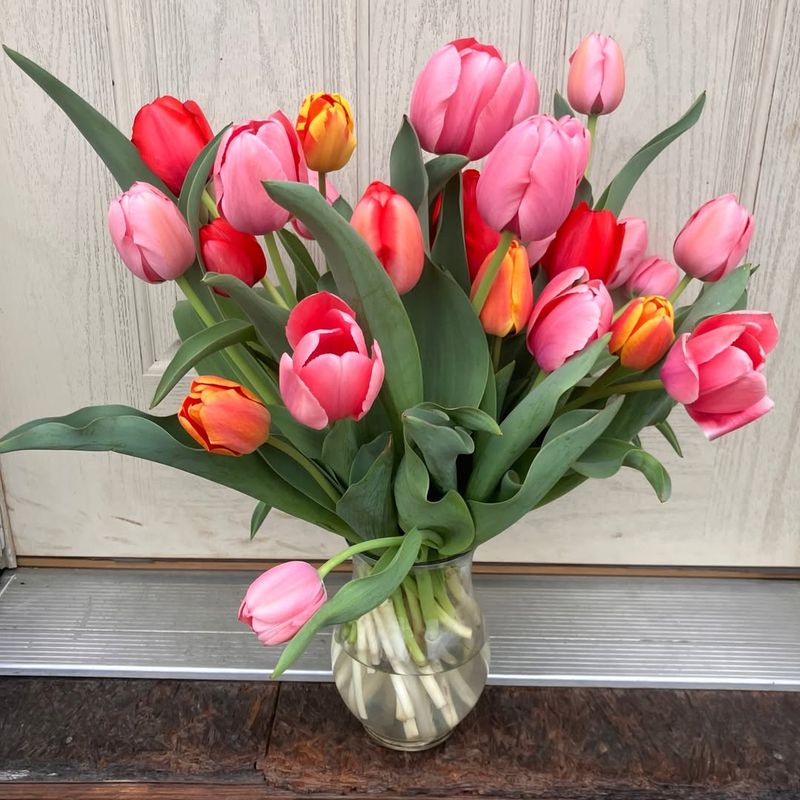
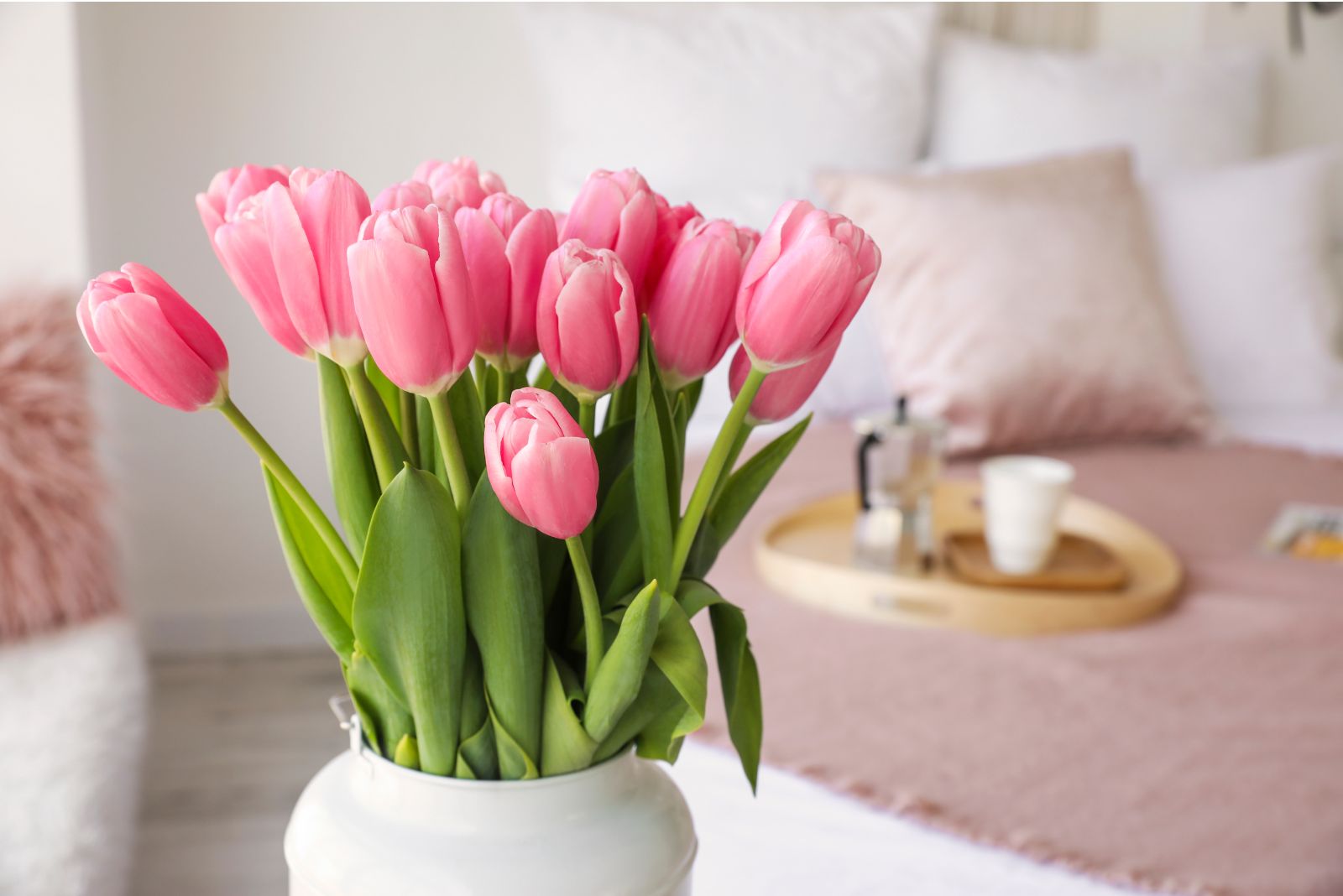
Tulips bring a touch of spring into your Pennsylvania home even when snow still covers the ground outside. Their smooth, cup-shaped blooms and bright colors create an instant mood lift during the grey days of February.
Unlike many flowers, tulips continue growing after you cut them, which means they’ll actually get taller in the vase.
These flowers are remarkably easy to care for indoors during Pennsylvania winters. They prefer cooler temperatures, which works well since many people keep their homes around 68 degrees to save on heating costs.
Tulips will last longer in a cooler room than in a warm one. Keep them away from heating vents and sunny windowsills where warmth can make them open too quickly.
One unique thing about tulips is that they’re phototropic, meaning they bend toward light sources. You’ll notice your tulips turning to face windows during the day.
This natural movement adds character and shows that your flowers are alive and thriving. Some people enjoy rotating the vase to keep the display balanced.
Tulips drink a lot of water, so check the vase daily and refill as needed. They can absorb up to one inch of water per day when they’re fresh.
Use cold water rather than room temperature because it slows their metabolism and helps them last longer.
You can find tulips at most stores across Pennsylvania in February since they’re forced to bloom specifically for Valentine’s Day sales. They typically last five to seven days indoors.
Their simple elegance makes them perfect for modern or traditional home decor styles throughout the state.
4. Orchids
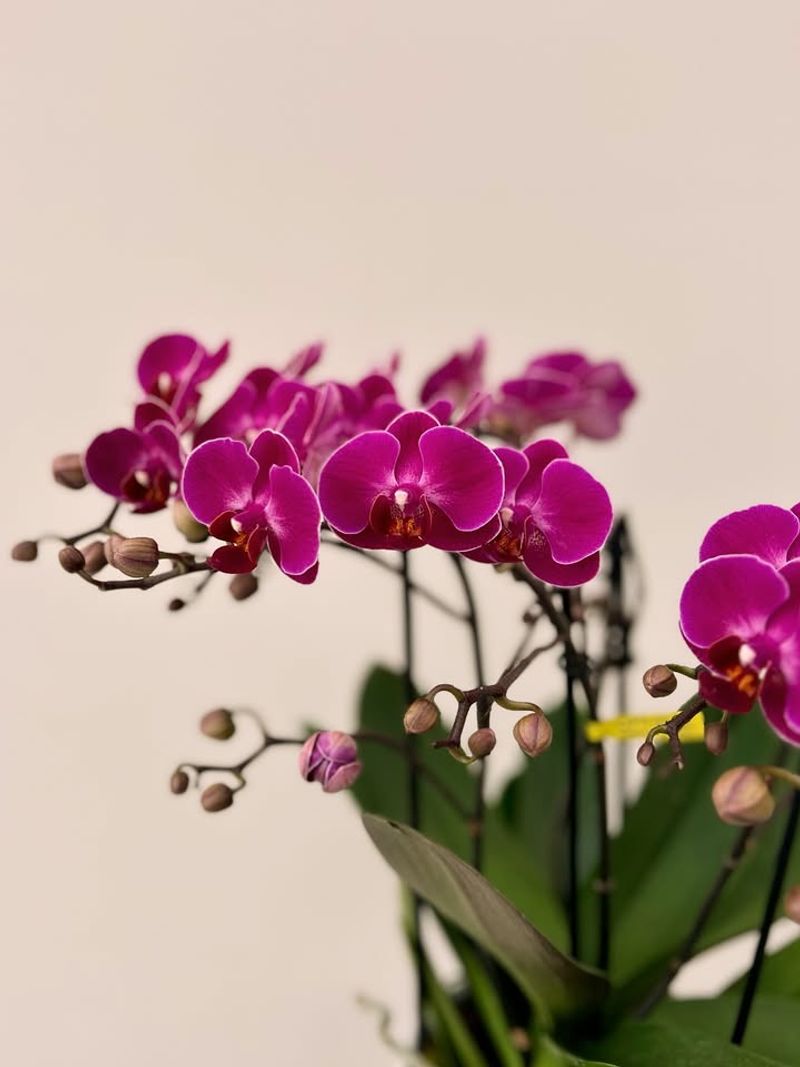
Orchids might seem like exotic, high-maintenance plants, but phalaenopsis orchids (also called moth orchids) are actually beginner-friendly and perfect for Pennsylvania homes.
These stunning plants come already blooming in pots and can flower for two to three months with minimal effort.
Their dramatic appearance makes them look far more expensive and special than they really are.
Unlike cut flowers, potted orchids give you lasting beauty well beyond Valentine’s Day itself. The blooms are incredibly long-lived, and the plants themselves can rebloom year after year if you keep them.
This makes them a gift that keeps on giving, which adds sentimental value to the romantic gesture.
Orchids thrive in the same conditions that keep Pennsylvania residents comfortable during winter. They like temperatures between 65 and 75 degrees and can handle the lower humidity levels found in heated homes.
Place your orchid near a window with filtered light but not direct sun. East or west-facing windows work perfectly.
Watering orchids is simpler than most people think. Give them three ice cubes once a week, letting the ice melt slowly into the potting medium.
This prevents overwatering, which is the main reason orchids fail. The roots need air circulation, so never let the pot sit in standing water.
Many grocery stores and home improvement centers across Pennsylvania stock orchids year-round, making them easy to find even on February 13th. White and pink orchids are most common, though you can sometimes find deep purple or spotted varieties.
Their architectural beauty suits contemporary homes perfectly while still feeling romantic and special for Valentine celebrations.
5. Alstroemeria
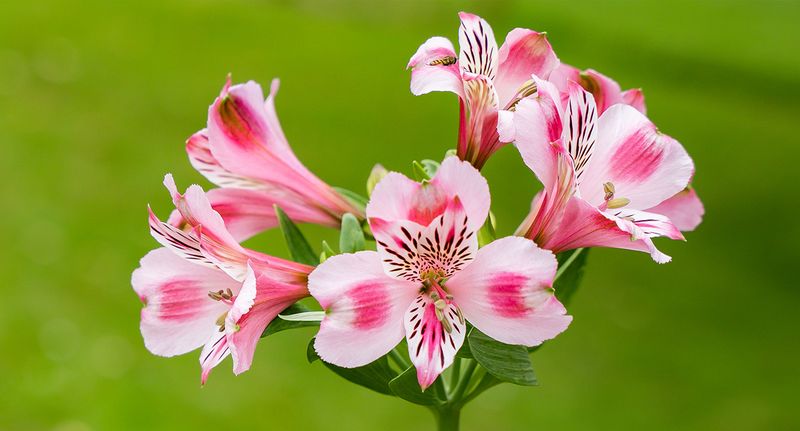
Alstroemeria, also called Peruvian lilies, are one of the best-kept secrets for long-lasting indoor flowers. These beauties can survive two to three weeks in a vase, which is nearly double the lifespan of roses.
Their delicate, spotted petals come in warm colors like coral, peach, pink, and yellow that brighten any Pennsylvania home during dark February days.
The flowers grow in clusters on each stem, giving you multiple blooms per stem and a fuller look for your money. As the lower flowers fade, you can simply pinch them off while the upper buds continue opening.
This extended blooming period means your Valentine’s Day flowers will still look fresh when March arrives.
Alstroemeria are surprisingly hardy and can handle the temperature fluctuations common in Pennsylvania homes. They don’t need special treatment beyond clean water and occasional stem trimming.
Their leaves stay green and healthy-looking much longer than other cut flowers, which keeps the whole arrangement looking fresh and vibrant.
These flowers symbolize friendship, devotion, and prosperity, making them meaningful for Valentine’s Day celebrations. They work beautifully on their own or mixed with roses and greenery in larger arrangements.
Many Pennsylvania florists include alstroemeria in their Valentine bouquets because professionals know how reliable these flowers are.
You’ll find alstroemeria at most flower shops and even some grocery stores across the state. They’re usually less expensive than roses while lasting much longer, which makes them smart for budget-conscious shoppers.
Their trumpet-shaped blooms add texture and interest to any room, and they’re completely safe around pets, unlike some other popular flowers.
6. Kalanchoe
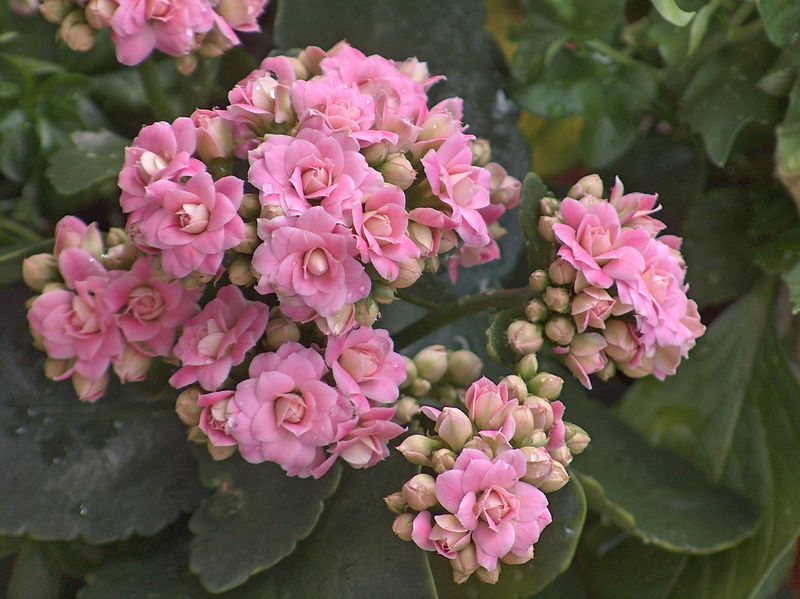
Kalanchoe plants offer something different from traditional cut flowers with their thick, glossy leaves and clusters of tiny blooms. These flowering succulents can bloom for six to eight weeks, making them an incredible value for last-minute Valentine shopping.
Their compact size fits perfectly on desks, nightstands, or kitchen counters throughout Pennsylvania homes.
The plant’s succulent nature means it stores water in its leaves, so it won’t suffer if you forget to water it for a few days. This forgiving characteristic makes kalanchoe perfect for busy people or those new to plant care.
Water only when the soil feels completely dry to the touch, usually once every week or two.
Kalanchoe blooms come in vibrant shades of red, pink, orange, yellow, and white. The flowers grow in dense clusters above the foliage, creating a cheerful display that lasts for weeks.
Even after the flowers fade, the plant’s attractive leaves provide greenery and can rebloom with proper care.
These plants love the bright, indirect light available near Pennsylvania windows during winter. They can handle the dry air from heating systems better than almost any other flowering plant.
Keep them in temperatures between 60 and 85 degrees, which covers typical home comfort ranges.
You can find kalanchoe at garden centers, hardware stores, and even supermarkets across Pennsylvania year-round. They’re usually inexpensive and come in decorative pots ready for gifting.
The plants are also easy to propagate from leaf cuttings, so your Valentine’s Day gift could eventually create new plants for years to come. Their cheerful blooms and easy care make them ideal for celebrating love in practical, lasting ways.
7. African Violet
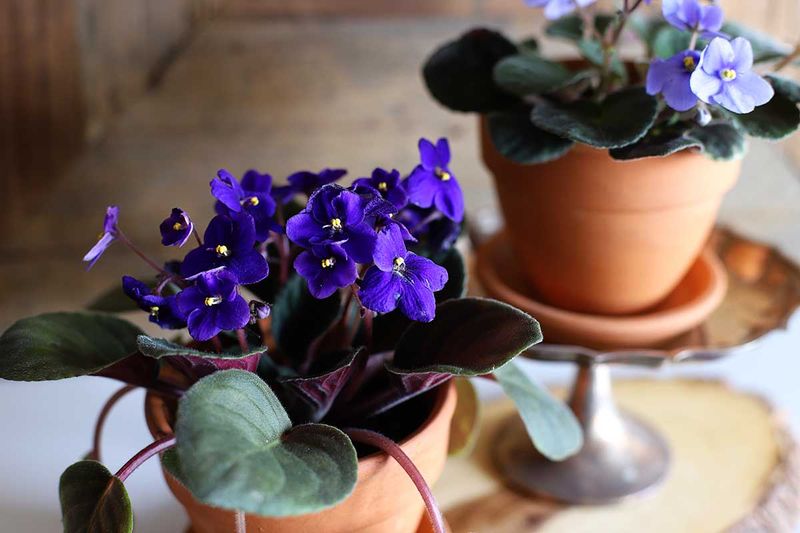
African violets bring old-fashioned charm and continuous blooms to Pennsylvania homes throughout the winter months. These compact plants feature soft, fuzzy leaves and delicate flowers in shades of purple, pink, white, and blue.
When happy, they can bloom almost continuously, giving you color that lasts far beyond a single holiday.
African violets have a reputation for being difficult, but they’re actually quite easy once you understand their simple needs. They prefer consistent conditions, which makes them perfect for indoor life where temperatures and light stay relatively stable.
Place them in bright, indirect light about three feet from a window. They’ll tell you if they’re getting too much sun by developing brown spots on their leaves.
The secret to watering African violets is keeping water off the fuzzy leaves, which can develop spots if they stay wet. Water from the bottom by placing the pot in a shallow dish of water for about 30 minutes, then remove it and let excess water drain.
Alternatively, water carefully at the soil level using room-temperature water. The soil should stay slightly moist but never soggy.
These plants thrive in the same humidity and temperature ranges that keep Pennsylvania residents comfortable in winter. They enjoy temperatures between 65 and 75 degrees and don’t mind the moderate humidity levels in heated homes.
A bathroom with a window can be an ideal location because of slightly higher humidity from showers.
African violets are widely available at garden centers and home improvement stores across Pennsylvania. They’re inexpensive, long-lived, and can be divided to create new plants over time.
Their compact size and continuous blooming make them perfect for small apartments or homes where space is limited.