Late Winter Is The Perfect Time To Plant These Fruit Trees And Berry Bushes In Washington
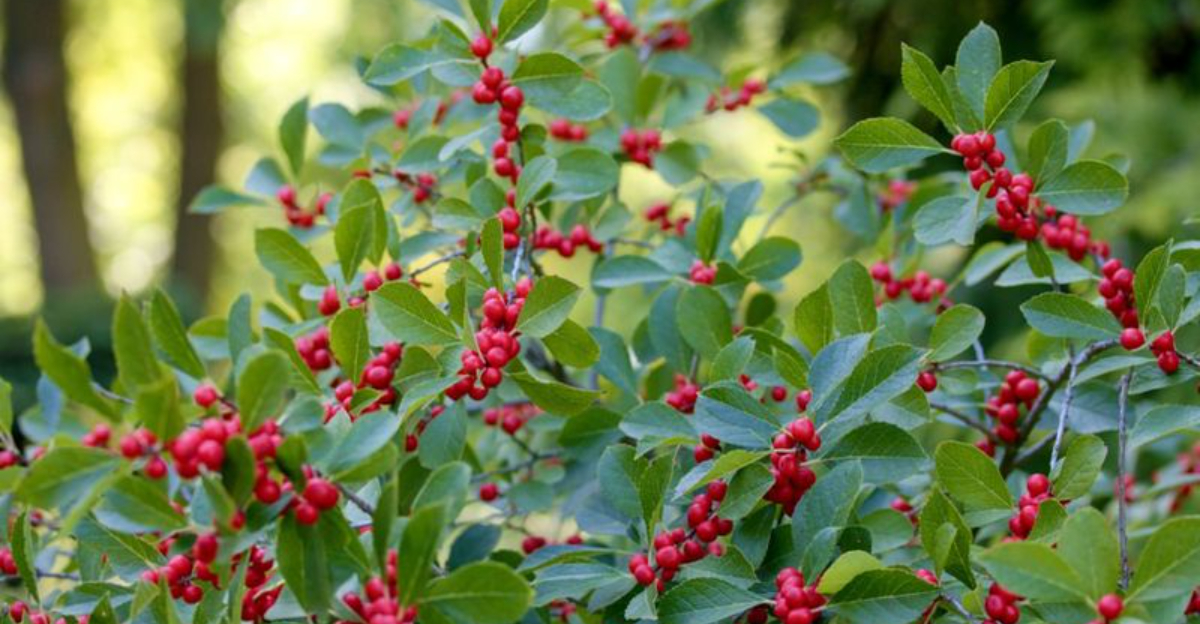
Late winter may not look like planting season in Washington, but looks can be deceiving.
While the ground is still cool and gardens seem quiet, this is actually a prime window to plant fruit trees and berry bushes.
With fewer pests around and plants still dormant, roots can settle in without stress and prepare for strong spring growth.
Gardeners who act now often see healthier plants and better harvests down the road.
It’s a chance to get ahead while others are still waiting for warmer days.
Washington’s mild winters in many areas make late winter planting especially effective.
Trees and bushes can focus on root development instead of leaves and fruit, which sets them up for long-term success.
Whether you’re starting fresh or adding to an existing garden, timing matters more than most people realize.
A little effort now can pay off for years to come with stronger plants and more reliable yields.
1. Apple Trees
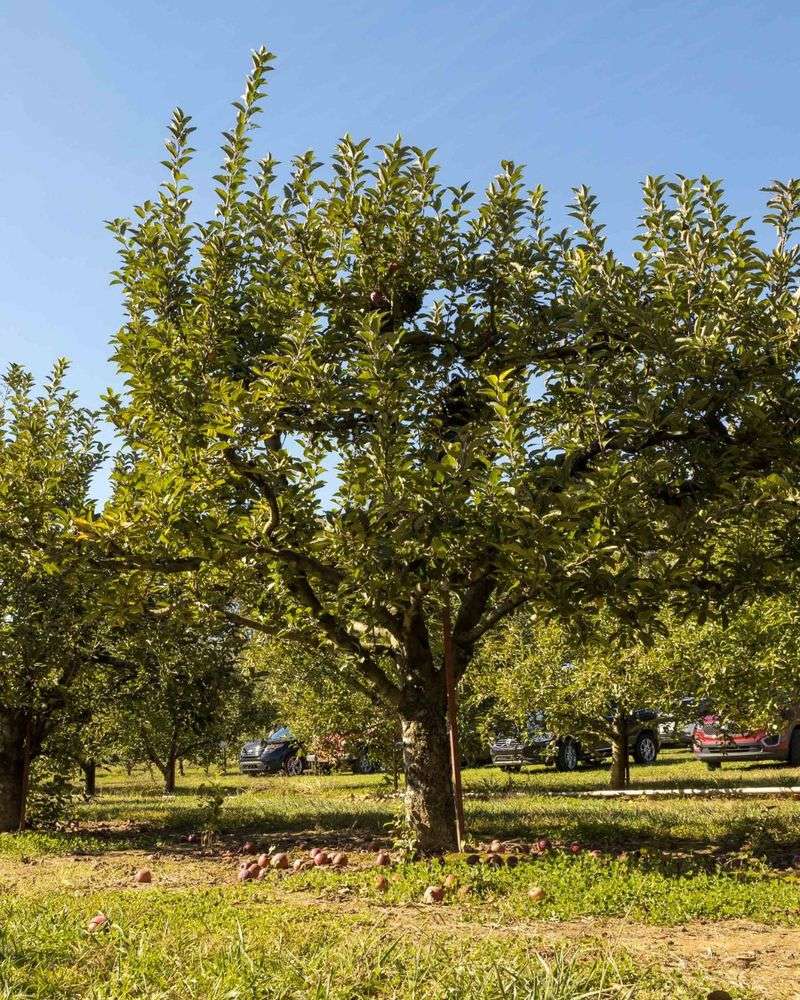
Apple trees have been a favorite in Washington for generations, and for good reason.
The state’s cool climate and adequate rainfall create perfect conditions for producing crisp, juicy apples.
Varieties like Honeycrisp, Fuji, and Granny Smith all do exceptionally well here, giving you plenty of delicious options to choose from.
Planting your apple tree in late winter allows the roots to establish before the busy growing season begins.
Choose a sunny spot with well-draining soil, and make sure to dig a hole twice as wide as the root ball.
Adding compost to the soil helps give your tree the nutrients it needs to get started strong.
Most apple trees need a pollination partner, so consider planting at least two different varieties.
This ensures you’ll get a good crop each year.
Washington’s apple-growing reputation didn’t happen by accident, and your backyard can be part of that tradition.
Pruning in the early years helps shape the tree and encourages healthy growth.
Regular watering during dry spells keeps your tree happy, especially while it’s young.
With proper care, your apple tree will reward you with baskets of fruit every fall, making it a wonderful addition to any Washington garden.
2. Blueberry Bushes
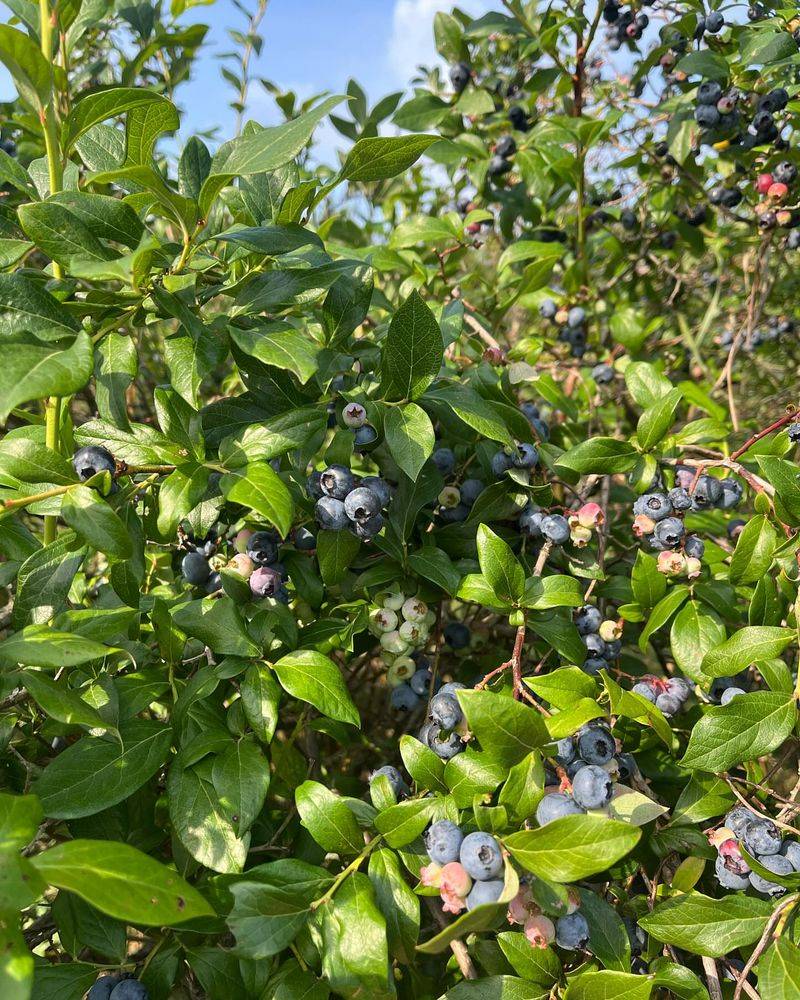
Blueberries absolutely love Washington’s acidic soil and temperate climate.
These bushes are remarkably easy to grow once you understand their preferences.
They need soil with a pH between 4.5 and 5.5, which is naturally found in many parts of the state.
Late winter planting gives blueberry roots time to settle in before they start producing leaves and flowers.
Select a location that gets full sun for the best berry production.
Mixing peat moss or sulfur into your soil can help maintain the acidity these plants crave.
Washington gardeners often choose varieties like Duke, Bluecrop, or Elliott for their reliable harvests.
Planting multiple varieties extends your harvest season from early summer through late fall.
Blueberries are also self-pollinating, though having more than one bush increases your yield significantly.
These bushes stay relatively compact, making them perfect for smaller yards or even large containers.
Mulching around the base helps retain moisture and keeps the soil cool.
Birds love blueberries as much as we do, so netting might be necessary as the berries ripen.
Fresh blueberries straight from your Washington garden taste sweeter than anything you’ll find at the store.
3. Cherry Trees
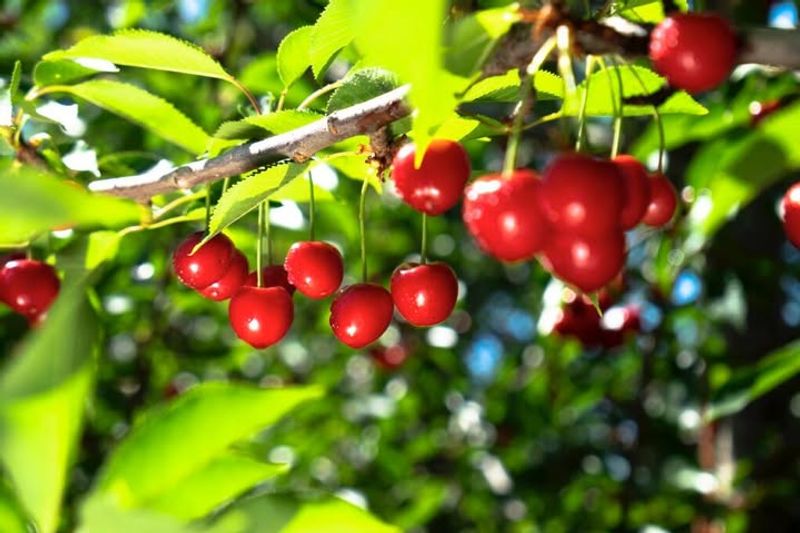
Washington ranks among the top cherry-producing regions in the country, and backyard growers can tap into that success.
Sweet cherries like Bing and Rainier thrive in the state’s climate, producing fruit that’s perfect for eating fresh.
Sour cherries like Montmorency work wonderfully for pies and preserves.
Getting your cherry tree into the ground during late winter sets it up for success.
These trees prefer full sun and soil that drains well but stays consistently moist.
Cherry trees can grow quite tall, so make sure you have adequate space or choose a dwarf variety for smaller yards.
Sweet cherry varieties typically need a pollination partner, while sour cherries are self-fertile.
Checking compatibility before purchasing ensures you’ll get fruit.
Washington’s mild winters provide the necessary chill hours that cherry trees need to produce abundant blossoms.
Protecting your developing cherries from birds can be challenging but worthwhile.
Netting or scare devices help keep your harvest safe.
Cherry trees also make stunning landscape features, with clouds of white or pink flowers appearing in spring.
The combination of beauty and bounty makes cherry trees a prized addition to Washington gardens.
4. Raspberry Bushes
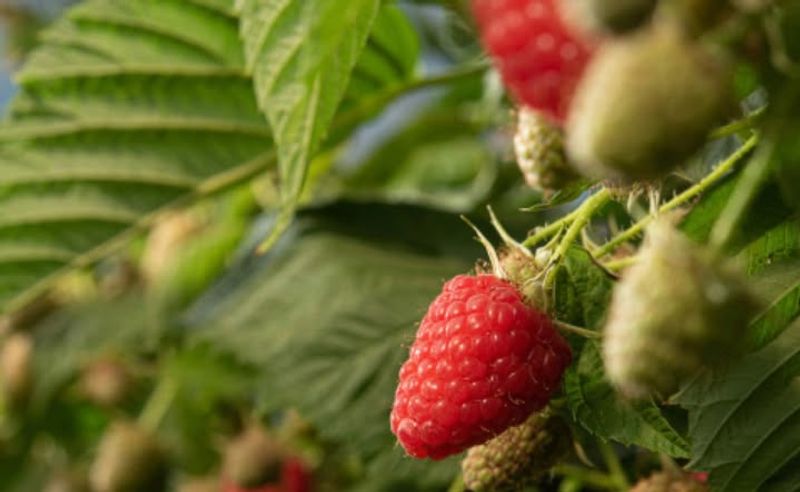
Raspberries grow like wildfire in Washington’s climate, often producing more fruit than a family can eat.
Both summer-bearing and ever-bearing varieties flourish here, giving you flexibility in harvest timing.
Red raspberries are most common, but yellow and black varieties add exciting diversity to your berry patch.
Late winter is the ideal time to plant raspberry canes, as they’ll establish roots before spring growth begins.
These bushes prefer full sun but can tolerate partial shade in hotter areas.
Raspberries spread through underground runners, so planting them in a contained area or using barriers keeps them from taking over your garden.
Washington’s abundant rainfall means raspberries rarely need extra watering once established.
Adding compost annually keeps the soil rich and productive.
Summer-bearing types produce one large crop in early summer, while ever-bearing varieties give you berries in both summer and fall.
Pruning spent canes after harvest encourages new growth and better fruit production.
Raspberries are remarkably hardy and can handle Washington’s occasional cold snaps without trouble.
Fresh raspberries warm from the sun are one of summer’s greatest pleasures, and growing your own means you’ll have plenty to enjoy and share.
5. Pear Trees
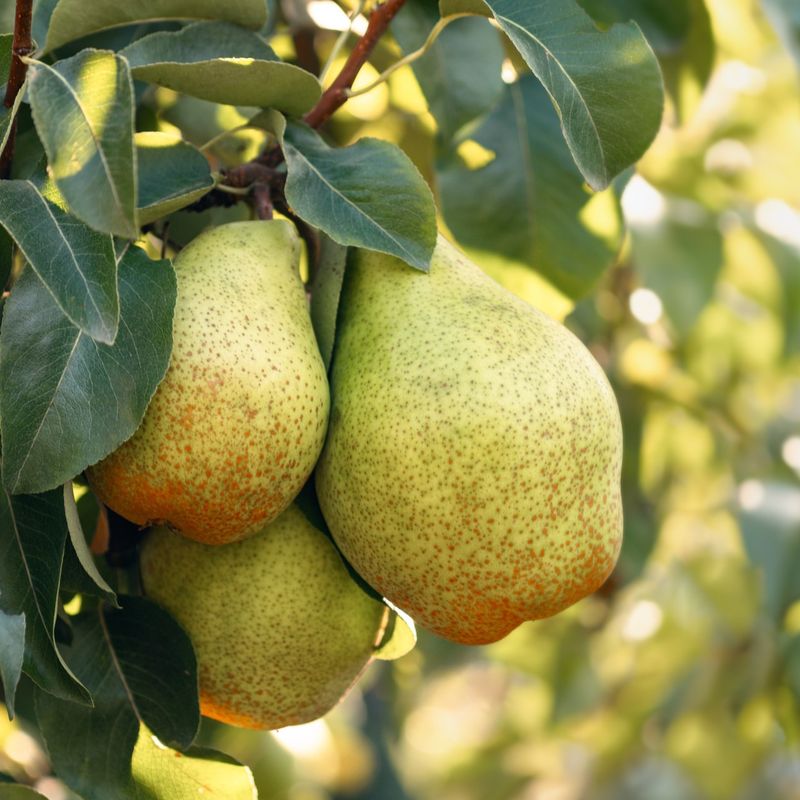
Pear trees adapt beautifully to Washington’s growing conditions, often outliving other fruit trees in the garden.
Varieties like Bartlett, Anjou, and Bosc all perform exceptionally well throughout the state.
These trees are somewhat more tolerant of heavier soils than apples, though they still prefer good drainage.
Planting in late winter allows pear trees to focus energy on root development before leafing out.
Choose a sunny location protected from strong winds, as pear blossoms can be sensitive to late frosts.
Most pear varieties need a pollination partner, so plan to plant at least two different types.
Washington’s climate provides the perfect balance of chill hours and mild growing seasons that pears need.
These trees are less prone to certain pests than apples, making them slightly easier for beginners.
Pears ripen best when picked slightly underripe and allowed to finish indoors, which extends your harvest window.
Regular pruning helps maintain a manageable size and encourages better fruit production.
Pear trees can live for decades with proper care, becoming beautiful focal points in your landscape.
The sweet, juicy fruit is perfect for fresh eating, canning, or baking into delicious desserts throughout the year.
6. Strawberry Plants
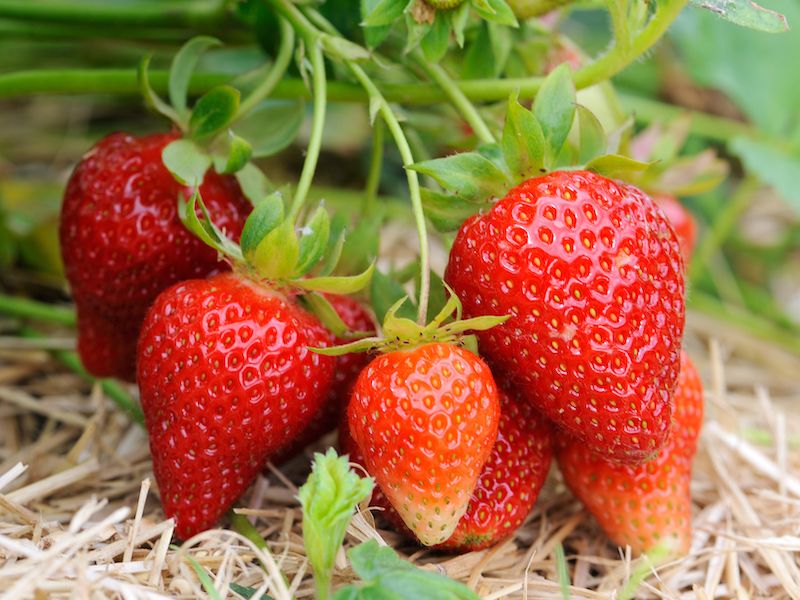
Strawberries are among the most rewarding plants you can grow in Washington gardens.
These low-growing perennials produce sweet, flavorful berries that taste nothing like store-bought varieties.
June-bearing types give you one large harvest, while ever-bearing and day-neutral varieties produce fruit throughout the growing season.
Late winter planting gives strawberry roots time to establish before flowering begins.
These plants prefer full sun and well-draining soil enriched with compost.
Raised beds work exceptionally well for strawberries in Washington, especially in areas with heavier clay soil.
Strawberries spread through runners, creating new plants that fill in your bed over time.
Trimming some runners helps maintain plant vigor and fruit size.
Washington’s mild climate means strawberries can survive winter without protection in most areas, though mulching helps in colder regions.
Pinching off flowers during the first year encourages stronger root development, leading to better harvests in following years.
Netting protects ripening berries from birds and other wildlife.
Fresh strawberries picked at peak ripeness have an intense sweetness that makes all the effort worthwhile.
Growing your own in Washington means enjoying this incredible flavor from late spring through fall.
7. Plum Trees
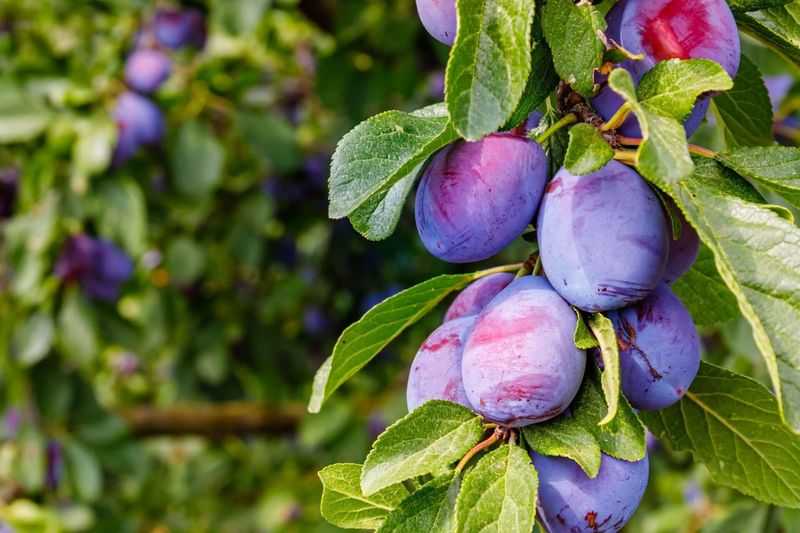
Plum trees bring both beauty and bounty to Washington gardens, with spring blossoms that rival any ornamental tree.
European plums like Italian Prune and Damson are especially well-suited to the state’s climate.
Japanese plums such as Santa Rosa and Shiro also thrive here, offering different flavors and textures.
Getting plum trees planted in late winter helps them establish before the growing season rushes in.
These trees need full sun and well-draining soil to produce their best crops.
European plums are often self-fertile, while Japanese varieties usually need a pollination partner nearby.
Washington’s climate provides the winter chill that plum trees require for proper fruit development.
These trees are relatively compact compared to apples or pears, making them suitable for smaller yards.
Plums ripen over several weeks, giving you an extended harvest period rather than overwhelming you all at once.
Thinning young fruit when they’re marble-sized results in larger, sweeter plums at harvest time.
Plum trees can be somewhat susceptible to certain pests, but regular monitoring keeps problems manageable.
Fresh plums are delicious, and they also make excellent jams, preserves, and baked goods that capture summer’s flavor for enjoyment all year long.
8. Blackberry Bushes
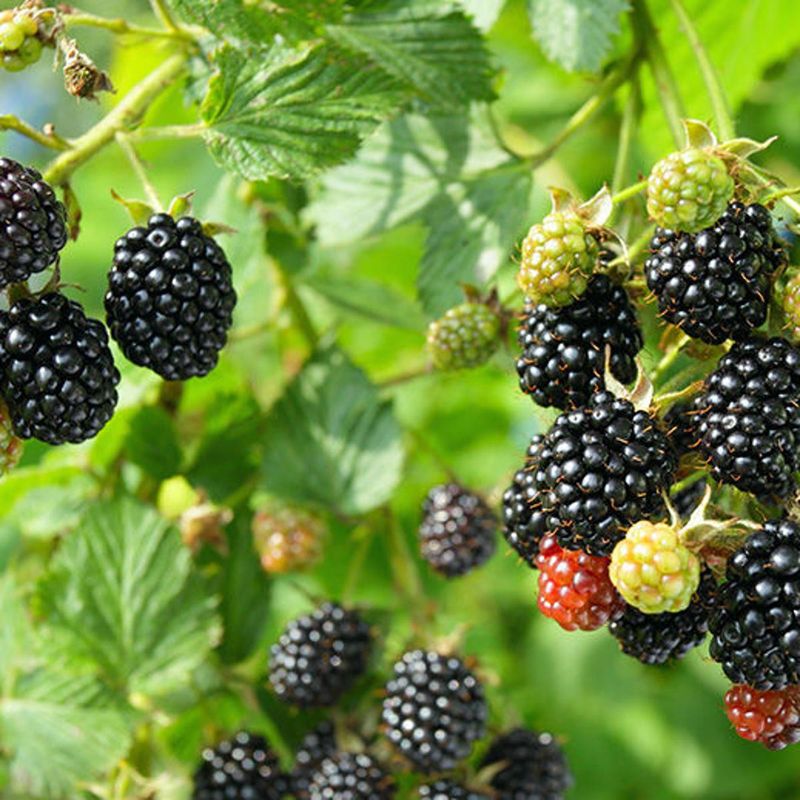
Blackberries grow so enthusiastically in Washington that they’re sometimes considered too vigorous.
However, cultivated varieties offer better flavor and more manageable growth than wild types.
Thornless varieties like Triple Crown and Chester make harvesting much more pleasant while still producing abundant, delicious berries.
Late winter planting allows blackberry canes to root deeply before spring growth begins.
These plants tolerate a range of soil conditions but produce best in full sun with consistent moisture.
Installing a trellis system at planting time helps support the long canes and makes harvesting easier.
Washington’s climate is practically perfect for blackberries, providing ample moisture and mild temperatures.
These plants are incredibly productive, with mature bushes yielding several quarts of berries throughout summer.
Blackberries are self-fertile, so you only need one plant to get fruit, though more plants mean more berries.
Pruning old canes after harvest keeps plants productive and prevents overcrowding.
Blackberries spread through underground runners, so barriers or regular maintenance keeps them contained.
The deep, rich flavor of homegrown blackberries far surpasses anything from the grocery store.
Fresh berries, cobblers, and preserves all taste better when made with fruit from your Washington garden.
9. Currant Bushes
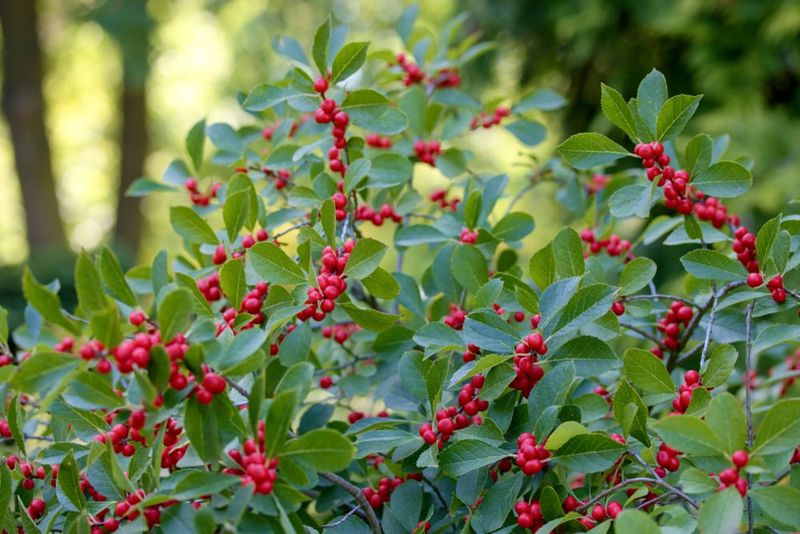
Currants remain underappreciated in many gardens, but Washington growers who plant them quickly become devoted fans.
These compact bushes produce clusters of tart, flavorful berries in red, white, or black varieties.
Red currants are most common, offering bright, jewel-like berries perfect for jellies and sauces.
Planting currants in late winter takes advantage of Washington’s cool, moist conditions.
These bushes actually prefer partial shade, making them perfect for spots where other fruit plants might struggle.
Currants tolerate a wide range of soil types and are remarkably low-maintenance once established.
Washington’s climate suits currants perfectly, as they prefer cooler summers and don’t mind wet conditions.
These bushes are self-fertile, so a single plant will produce fruit, though multiple bushes increase your harvest.
Currants are ready to pick in early to mid-summer, often before many other berries ripen.
The tart flavor of currants makes them less appealing for fresh eating but absolutely perfect for cooking and preserving.
Currant jelly is a classic preparation that showcases the fruit’s unique taste.
These bushes are also quite ornamental, with attractive foliage and graceful growth habits.
Adding currants to your Washington garden brings both beauty and a distinctive harvest that few neighbors will have.