7 Late Winter Pruning Mistakes Ohio Gardeners Must Avoid Right Now
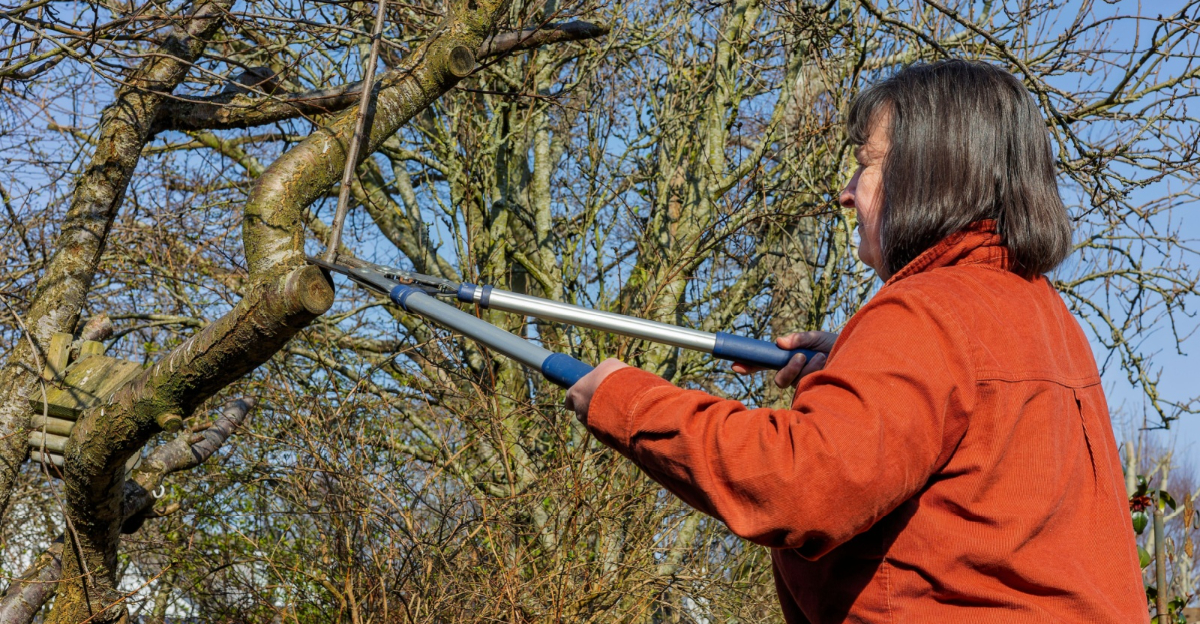
Late winter pruning season is when many Ohio gardens either get a head start or suffer quiet damage. It feels like the perfect time to clean up, cut back, and “get ahead” before spring.
But this is also when some of the biggest mistakes happen. One wrong cut can remove flower buds, invite disease, or weaken plants before new growth even starts.
Cold temperatures, unpredictable weather, and timing all make late winter trickier than it looks. Many gardeners repeat the same errors every year without realizing the long-term impact.
The good news? Most of these problems are easy to avoid once you know what to watch for.
If you want stronger plants, better blooms, and fewer setbacks when growing season kicks off, what you do right now matters more than you think.
1. Cutting Spring Bloomers Wipes Out Flower Buds
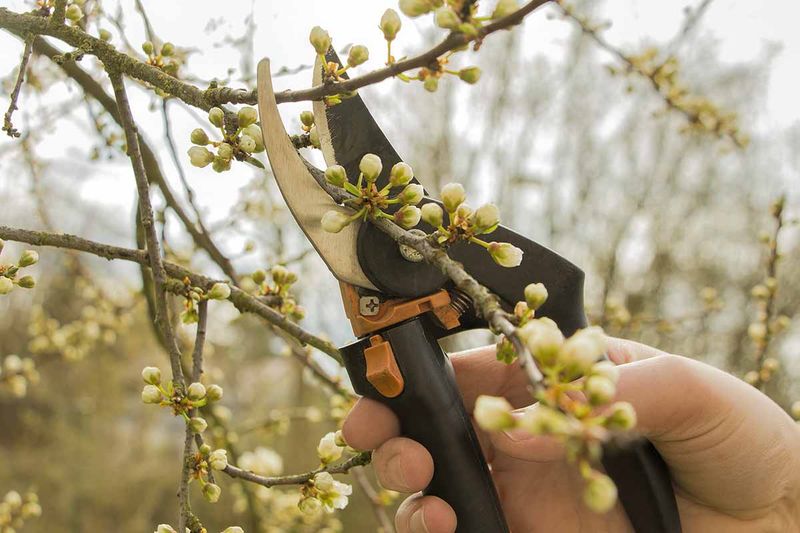
Your forsythia stands quiet along the fence line, its bare branches holding tight clusters of swollen buds. Those small bumps look insignificant now, but they contain all the golden blooms your spring garden depends on.
Many Ohio gardeners make the mistake of pruning these spring-flowering shrubs in late winter, thinking they’re simply tidying up dormant growth.
The problem runs deeper than appearances suggest. Most traditional spring bloomers like lilac, forsythia, flowering quince, and viburnum set their flower buds on old wood during the previous growing season.
By February and March, those buds are fully formed and waiting for warmer temperatures to open. When you prune these shrubs before they bloom, you’re removing the very branches that would have given you flowers.
Homeowners often confuse spring bloomers with summer-flowering shrubs that bloom on new growth. That confusion leads to disappointment when May arrives and your lilac produces only leaves.
The correct approach requires patience. Wait until immediately after these shrubs finish blooming in late spring, then shape them as needed.
Your reward comes next year when those pruned branches develop fresh flower buds during summer growth.
Central Ohio gardeners notice this mistake most often with mock orange and weigela, while northern Ohio residents frequently over-prune their flowering almond. The regional lesson remains the same across the state.
Respect the bloom cycle, and your spring garden will reward your restraint with color.
2. Pruning During Deep Freezes Damages Plant Tissue
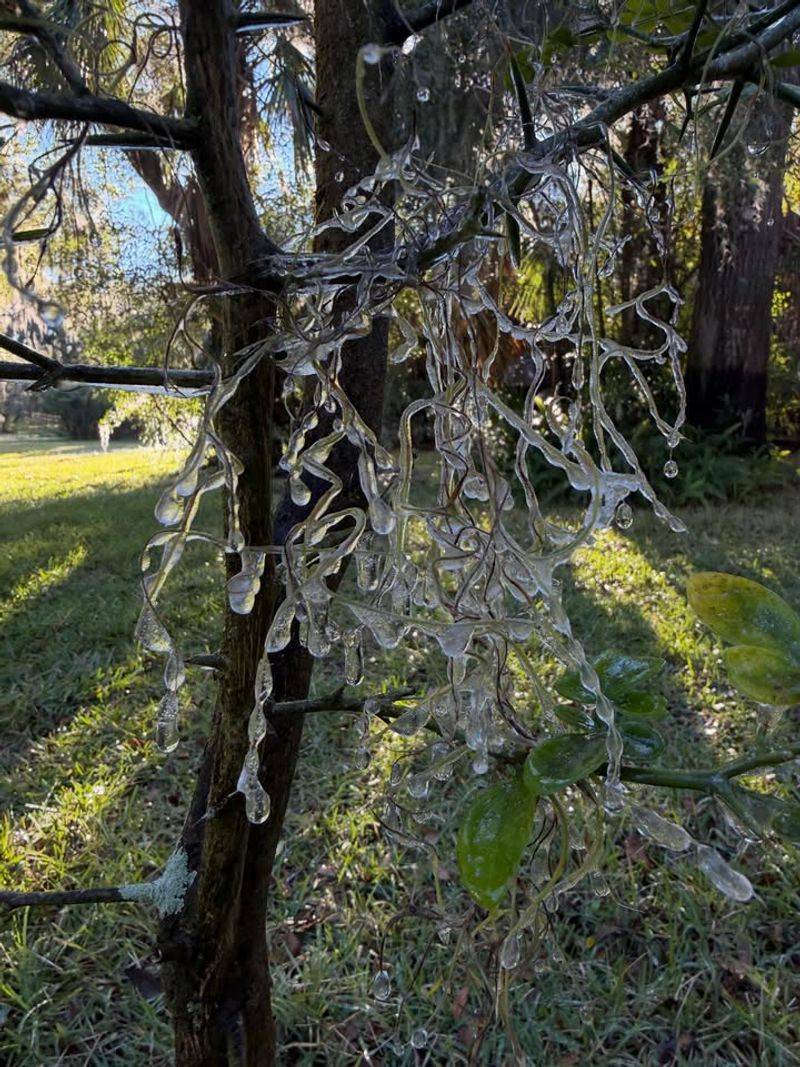
Your maple tree stands rigid in the January cold, its branches coated with ice from last night’s freezing rain. The temperature hovers around fifteen degrees, and you’re tempted to tackle some pruning while the weather keeps you outdoors anyway.
That impulse could harm your trees more than help them.
Plant tissue becomes brittle when temperatures drop below freezing. The water inside cells freezes solid, making branches snap rather than cut cleanly.
When you prune during these deep freezes, you create jagged wounds that take longer to heal and provide entry points for disease. Northern Ohio gardeners face this risk more frequently, with extended periods where temperatures stay well below freezing for days or weeks.
The cellular damage extends beyond the cut surface. Frozen tissue can’t respond to pruning wounds the way dormant but unfrozen tissue can.
Your tree needs to compartmentalize the wound, sealing it off from potential infection. That biological process works best when plant tissues are not frozen, allowing the tree’s natural defenses to respond more effectively.
Wait for milder days when temperatures climb into the forties. These warmer windows appear more frequently in southern Ohio, but even northern gardeners find occasional thaw periods.
Your tools will cut more smoothly, your plants will heal faster, and you’ll avoid the frustration of brittle branches that splinter instead of separating cleanly from the main stem.
3. Removing Protective Growth Exposes Plant Crowns
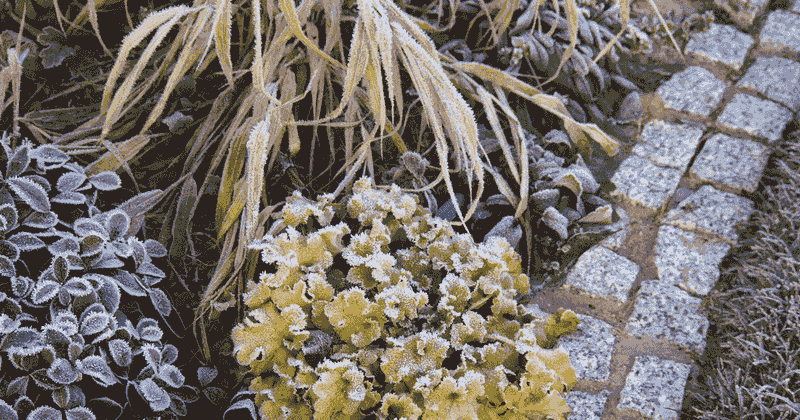
Your perennial beds look messy right now. Brown stems from last year’s growth stand above the mulch, dried seed heads rattle in the wind, and the whole scene appears untidy compared to your neighbor’s cleanly cut garden.
But those standing stems serve a critical purpose during Ohio’s unpredictable late winter weather.
Plant crowns sit at ground level where stems emerge from roots. These growing points contain all the buds that will produce this year’s foliage and flowers.
When you cut back perennials too early in winter, you remove the natural insulation that protects these vulnerable crowns from temperature swings. Central Ohio experiences particularly damaging freeze-thaw cycles in February and March, when sunny afternoons warm the soil only to have nighttime temperatures plunge back below freezing.
The dried stems and foliage trap snow, creating an insulating blanket that moderates soil temperature. They also shade the crown area, preventing premature growth during warm spells that would then suffer damage when cold returns.
Ornamental grasses, coneflowers, black-eyed Susans, and sedums all benefit from this protection. Many homeowners notice that perennials cut back in fall struggle more in spring than those left standing through winter.
Wait until you see fresh green growth emerging at the base before cutting back old stems. That signal tells you the crown has survived winter and new growth can handle exposure.
Your patience protects next season’s performance more effectively than any amount of fall cleanup ever could.
4. Over Pruning Weakens Trees And Shrinks Harvests
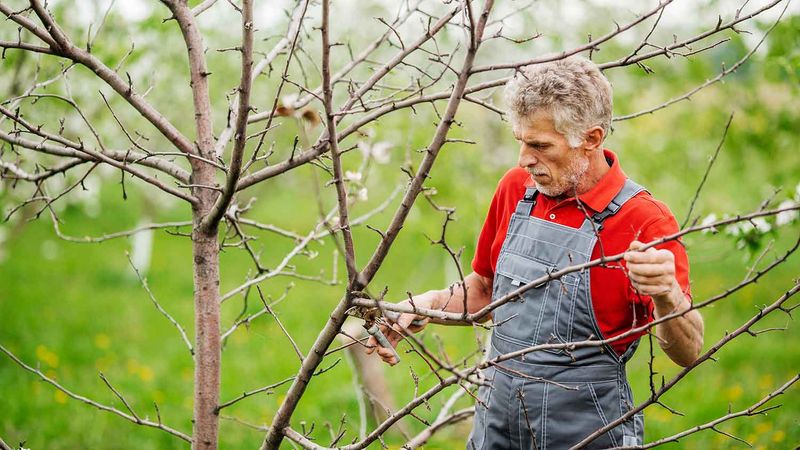
Your apple tree needs shaping, and you’ve set aside this mild February afternoon to tackle the job. As you work, removing one branch leads to noticing another that should go, then another.
Before you realize it, you’ve removed far more wood than the tree can afford to lose.
Trees and shrubs store energy in their branches and trunks during winter. That stored energy fuels spring growth, leaf development, and fruit production.
When you remove more than twenty-five percent of a tree’s canopy in one season, you force it to use stored reserves just to survive rather than thrive. The result shows up as reduced fruit set, smaller apples or pears, and weaker overall growth that makes the tree more susceptible to stress.
Ohio State University Extension recommends limiting annual pruning to no more than one-quarter of a tree’s live canopy. This guideline applies whether you’re working with fruit trees, shade trees, or ornamental specimens.
Southern Ohio gardeners sometimes push this limit with their longer growing seasons, but the principle holds statewide. Your tree needs enough leaf-bearing branches to produce the sugars that support root growth and fruit development.
Step back frequently while pruning. Look at the overall shape rather than focusing on individual branches.
Your goal involves improving structure and light penetration, not creating a skeleton. Homeowners who prune conservatively notice better fruit quality, stronger growth, and trees that recover quickly from the stress of pruning.
5. Dull Tools Create Dangerous Wounds
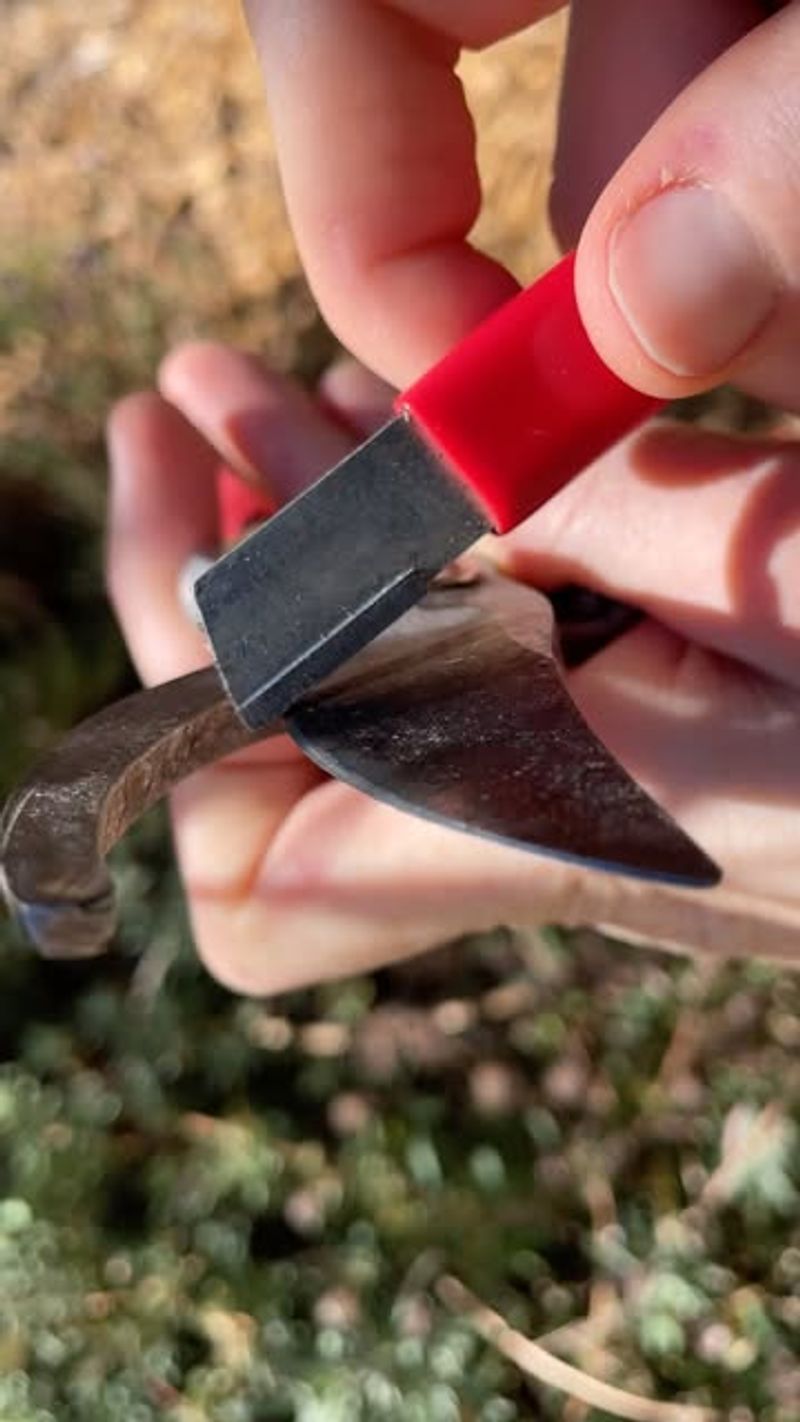
Your pruning shears have served you well for several seasons. The blades still close, though they require more hand strength than they used to, and sometimes the cut doesn’t quite go through cleanly on the first try.
That extra effort signals a problem that affects your plants more than your hands.
Sharp pruning tools create clean cuts that heal quickly. The smooth wound surface allows the tree or shrub to compartmentalize the injury efficiently, sealing it off from disease organisms and pests.
Dull blades crush and tear plant tissue instead of slicing through it cleanly. Those ragged wounds take much longer to heal, and the damaged tissue provides perfect entry points for canker diseases, wood-rotting fungi, and insect pests.
The difference becomes obvious when you examine pruning cuts closely. A sharp tool leaves a surface that looks almost polished, with no loose fibers or torn bark edges.
A dull tool creates a wound with crushed tissue, hanging bark strips, and sometimes a split that extends down the branch beyond where you intended to cut. Northern Ohio’s harsh winters make wound healing even more critical, as prolonged cold slows the tree’s defensive responses.
Sharpen your tools before each pruning session, or at minimum once per season. Hand pruners, loppers, and pruning saws all need regular maintenance.
Many garden centers and hardware stores offer sharpening services. The small investment pays back in healthier plants that recover quickly from necessary pruning.
6. Wrong Timing Puts Oak Trees At Risk
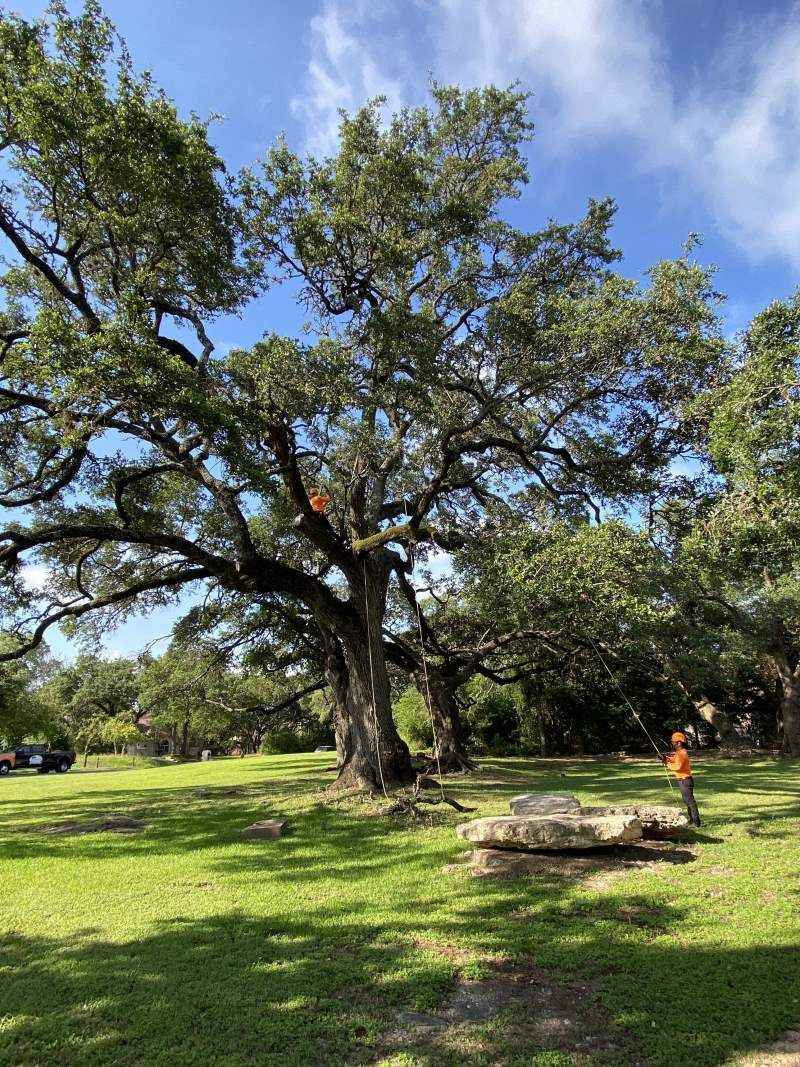
Your red oak has a branch that needs removal. It hangs too low over the driveway, and you’ve been meaning to take care of it for months.
Late winter seems like the perfect time to tackle this project while the tree stands fully dormant and you can see its structure clearly.
Oak trees face a specific threat that changes the pruning calendar completely. Oak wilt disease spreads through sap-feeding beetles that carry fungal spores from infected trees to fresh pruning wounds.
These beetles become active in spring when temperatures warm, typically from April through July across most of Ohio. Any oak pruned during this window risks infection, and oak wilt spreads rapidly through root grafts to nearby trees once it establishes in your landscape.
The safest pruning window for oaks runs from November through March, with late winter being acceptable only if you finish before April arrives. Central and southern Ohio gardeners need to stop oak pruning by mid-March as beetle activity starts earlier in warmer regions.
Northern Ohio residents have slightly more flexibility, but the risk increases quickly as spring approaches. If emergency pruning is unavoidable during the danger period, immediately seal fresh oak cuts to prevent beetle access.
Many Ohio communities have lost entire stands of mature oaks to this disease. The Buckeye Yard and Garden Line documents numerous cases where improper pruning timing introduced oak wilt to previously healthy neighborhoods.
Your caution protects not just your own trees but the entire local oak population that shares interconnected root systems.
7. Destroying Winter Habitat Harms Beneficial Wildlife
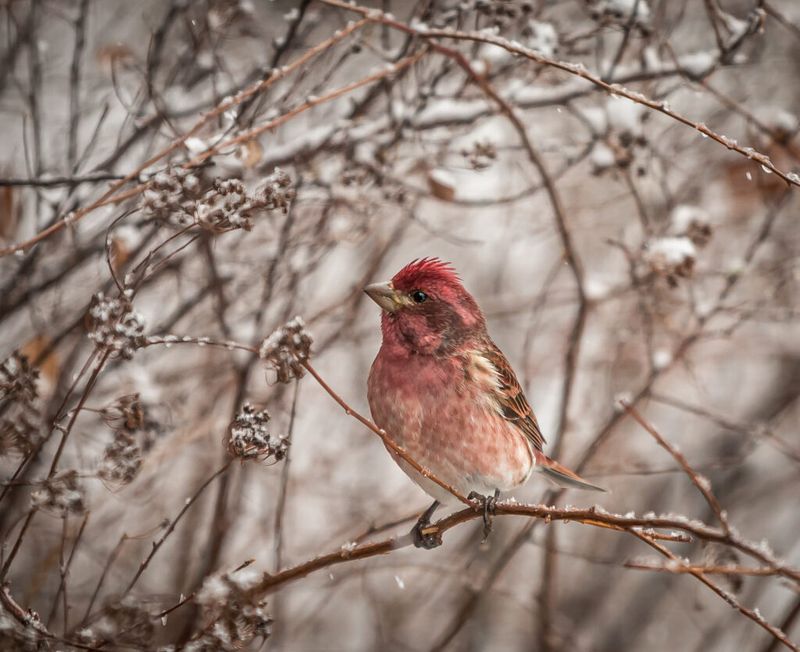
Your garden looks quiet in late winter, but life continues in ways you might not notice at first glance. Native sparrows forage among dried seed heads, chickadees probe hollow stems for overwintering insects, and beneficial insects shelter inside plant cavities waiting for spring warmth.
When you cut everything down too early, you eliminate critical habitat that supports the very creatures that will help your garden thrive come growing season.
Many native bees, ladybugs, and other beneficial insects spend winter inside hollow plant stems. They seal themselves into these protected spaces in fall and emerge in spring to pollinate your vegetables and control pest populations.
Coneflower stems, bee balm stalks, and ornamental grass blades all provide this shelter. Early pruning destroys these overwintering sites, reducing beneficial insect populations just when your garden needs them most.
Birds rely on standing seed heads for food during Ohio’s harshest months. Goldfinches work through coneflower and black-eyed Susan seeds, while sparrows clean up grass seeds that would otherwise blow away.
These winter food sources help birds survive until spring arrives, and those same birds will nest in your garden later, consuming thousands of caterpillars and aphids throughout the growing season.
Leave stems standing until late March or early April. Watch for new growth at the base, then cut back old material just as beneficial insects begin emerging.
Your timing supports the complete ecosystem rather than just the plants themselves, creating a healthier garden that requires less intervention from you.