9 Lavender Companion Plants Oregon Gardeners Should Grow Nearby
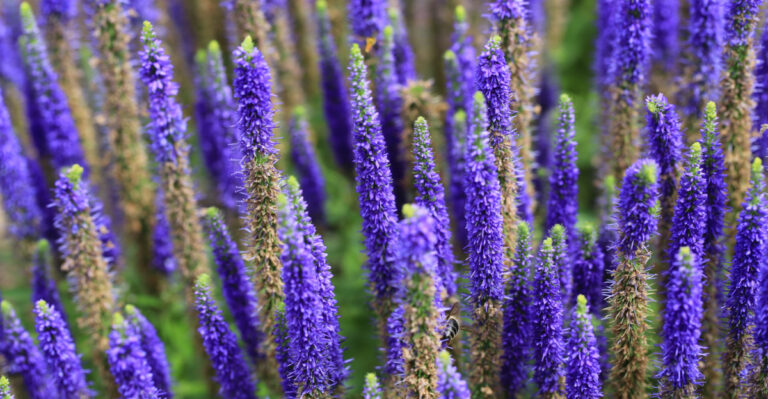
Lavender is already one of the hardest working plants in an Oregon garden. The blooms are stunning, the fragrance is unreal, and pollinators treat it like the best restaurant in town from June straight through August.
Most gardeners are pretty happy just letting it do its thing. But the ones who’ve figured out what to grow alongside it?
They’re getting results on a completely different level. Companion planting around lavender is one of those simple strategies that pays off in a big way.
The right neighbors can extend your garden’s bloom season, create color combinations that look intentional and gorgeous, and build a planting scheme that attracts even more beneficial insects than lavender pulls in on its own.
Some pairings also help with drainage, soil health, and keeping pest pressure low without any extra effort.
Great plant combinations don’t happen by accident. They happen when you know exactly which plants bring out the best in each other.
1. Rosemary
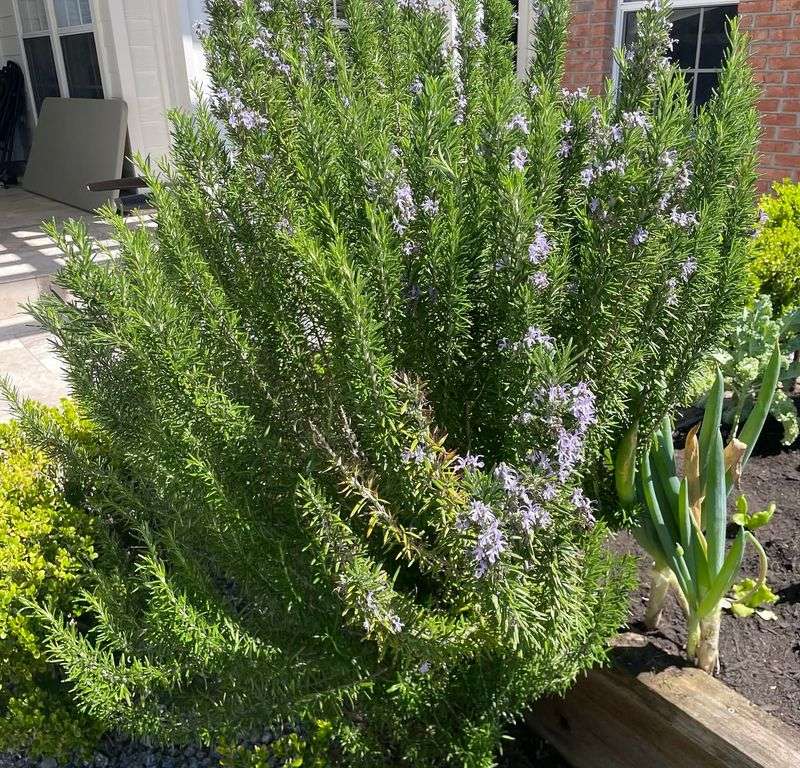
Few plants feel as at home next to lavender as rosemary does. Both plants love well-drained soil, full sun, and dry conditions, making them practically made for each other.
In Oregon’s Willamette Valley, where summers can get warm and dry, these two plants thrive side by side without much fuss.
Rosemary brings a bold, piney fragrance that actually helps confuse and repel pests that might otherwise bother your lavender. Its tall, woody stems also add great structure and visual contrast in the garden bed.
Bees absolutely love both plants, so planting them together creates a buzzing, productive pollinator hub right in your backyard.
Rosemary is also incredibly low-maintenance once established. Water it deeply but infrequently, and it will reward you with lush, fragrant growth all season long.
You can even harvest sprigs for cooking while your lavender blooms nearby. Together, they create a Mediterranean-style planting that looks stunning and smells amazing.
Oregon gardeners in drier eastern regions especially love this combo for its drought-tolerant qualities and reliable performance year after year.
2. Sage
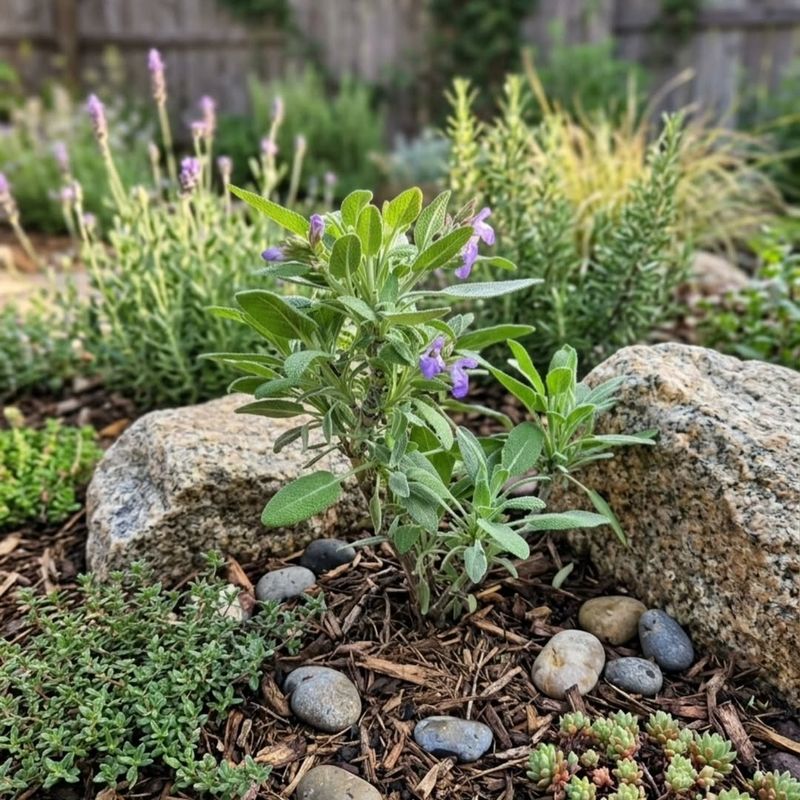
Sage has been grown alongside lavender for centuries, and there is a very good reason for that. Both plants share the same love of full sun and fast-draining soil, which makes them natural roommates in any Oregon garden.
Whether you are gardening in Portland’s suburbs or on a rural property in Southern Oregon, this pairing works beautifully.
The silvery-green leaves of sage create a lovely visual contrast against lavender’s purple spikes. That color combination alone is enough to make your garden look professionally designed.
Beyond looks, sage releases aromatic oils that help deter aphids, whiteflies, and other unwanted insects from settling in nearby plants.
Culinary sage is especially popular because you get double the reward: a gorgeous garden plant and a fresh herb for your kitchen. It grows into a tidy mound that fills in gaps between lavender plants without crowding them.
Sage also attracts hummingbirds and butterflies, adding even more life and movement to your garden space. For Oregon gardeners looking for a reliable, multi-purpose companion, sage is one of the smartest choices you can make when planning your lavender bed layout.
Your Oregon Garden Changes Every Week. Your Plan Should Too.
Gardening in Oregon changes quickly throughout the season. Every Friday you’ll receive a simple weekly plan showing exactly what to plant, prune, fertilize, harvest, and protect so you never miss the right timing.
3. Thyme
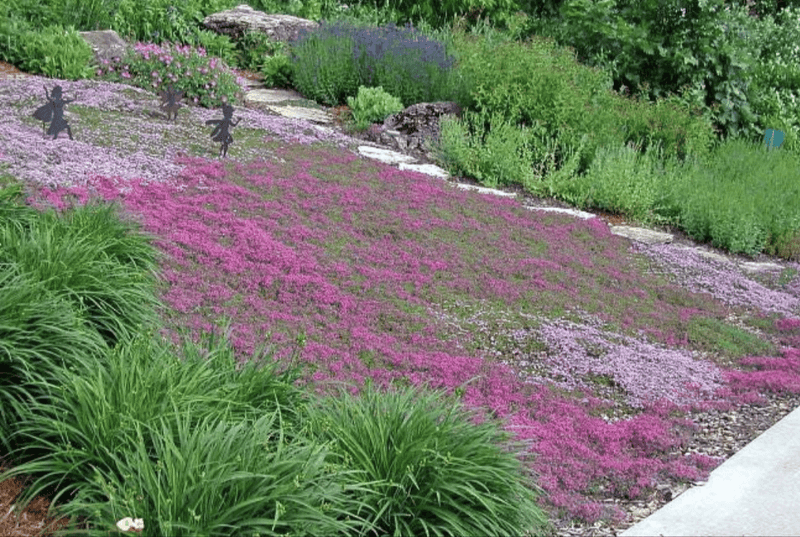
Creeping thyme is one of those plants that just makes everything around it look better. It spreads low along the ground, filling in bare spots between lavender plants and creating a lush, carpet-like effect.
Oregon gardeners love using it as a ground cover because it handles foot traffic surprisingly well and releases a lovely scent when brushed.
Thyme thrives in the same conditions as lavender: full sun, lean soil, and minimal watering once established. It actually struggles in overly rich or wet soil, so planting it near lavender ensures both plants get the growing conditions they need.
This shared preference for dry, well-drained ground makes them extremely compatible in Oregon’s climate.
One of the best things about thyme is how it attracts beneficial insects. Bees, parasitic wasps, and hoverflies are drawn to its tiny flowers, and these insects help pollinate your lavender and keep pest populations under control naturally.
Thyme is also a fantastic culinary herb, so you get a practical bonus from this pairing. Plant it along the edges of your lavender bed for a tidy, aromatic border that looks great from spring all the way through Oregon’s mild autumn season.
4. Yarrow
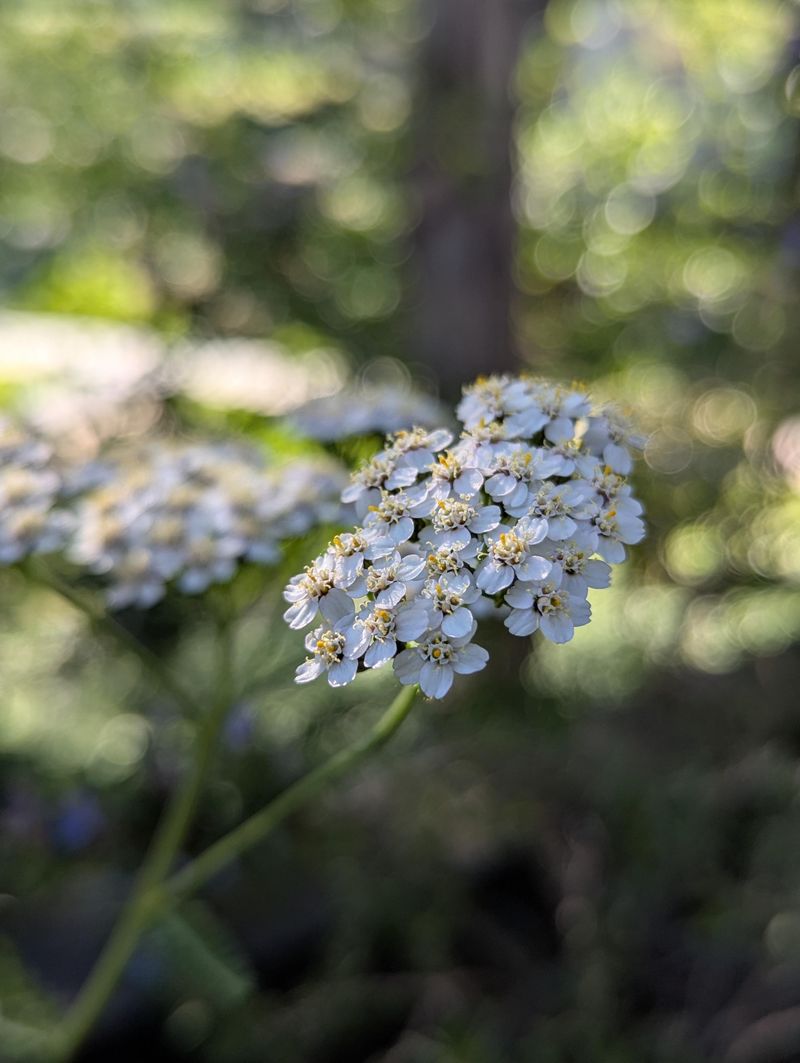
Yarrow is one of the most hardworking plants you can add to an Oregon garden. It produces flat-topped clusters of tiny flowers in shades of yellow, white, pink, and red, and those flowers are absolutely irresistible to pollinators.
Planted near lavender, yarrow essentially turns your garden into a five-star restaurant for bees and butterflies all summer long.
What makes yarrow especially valuable as a companion is its ability to improve soil health. Its deep roots help break up compacted ground and draw up nutrients that benefit surrounding plants, including your lavender.
It also attracts predatory insects like ladybugs and lacewings, which feed on aphids and other soft-bodied pests that could damage nearby plants.
Yarrow is native to many parts of Oregon and grows with very little care once it is established. It tolerates drought, poor soil, and full sun like a champion, which means it fits right in with lavender’s preferred growing conditions.
The contrast between yarrow’s feathery foliage and lavender’s slender spikes creates a wild, meadow-like look that feels perfectly at home in the Pacific Northwest landscape. It is truly one of the most rewarding companion plants an Oregon gardener can choose.
5. Echinacea
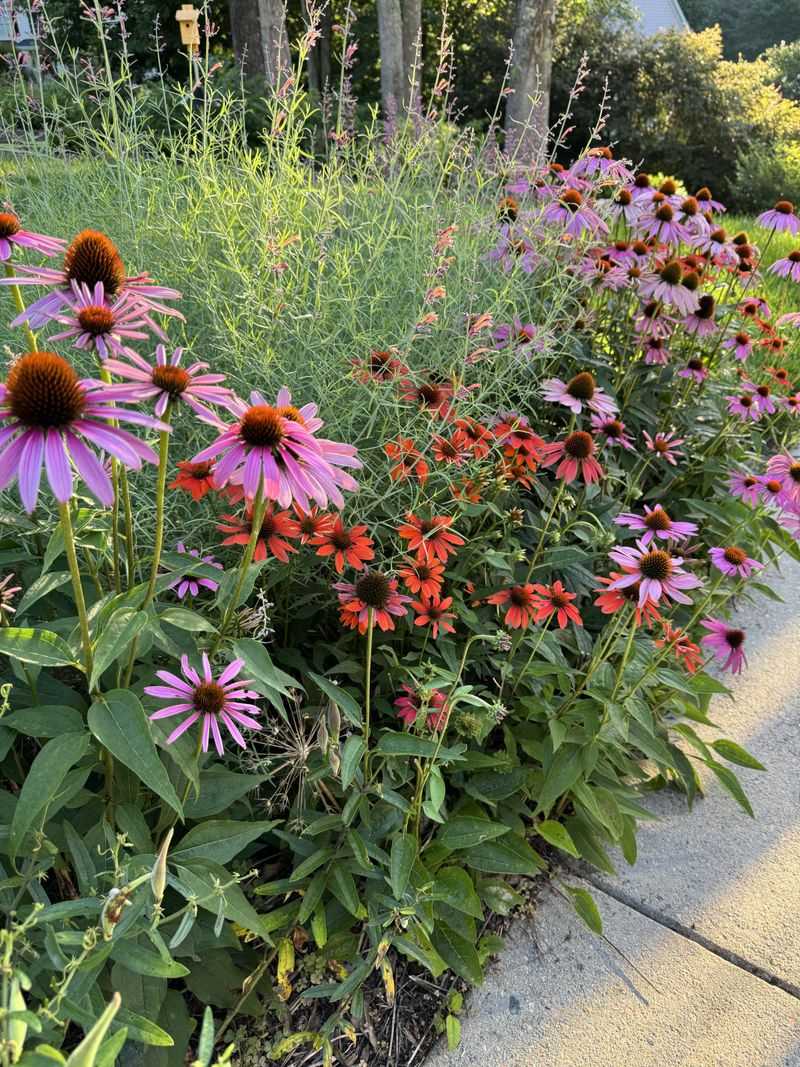
Bold, cheerful, and incredibly tough, echinacea brings a whole new energy to any lavender planting. Also known as coneflower, this native North American plant produces large, daisy-like blooms in shades of pink, purple, orange, and white.
When planted beside lavender in an Oregon garden, the two create a stunning color display that lasts from early summer well into fall.
Echinacea is a magnet for pollinators. Bees, butterflies, and goldfinches all visit its flowers and seed heads regularly, bringing constant life and movement to the garden.
Because it blooms slightly later than lavender, it extends the season of interest in your planting bed and keeps the garden looking lively even as lavender begins to fade.
From a practical standpoint, echinacea is extremely low-maintenance. It handles Oregon’s summer heat without complaint and does not need rich soil or heavy watering.
Its deep taproot helps it access moisture during dry spells, making it a reliable performer even in drier parts of the state. Echinacea also has a long history of use in herbal medicine, adding an extra layer of interest for gardeners who love plants with a story behind them.
It is a truly rewarding addition to any lavender companion planting scheme.
6. Salvia
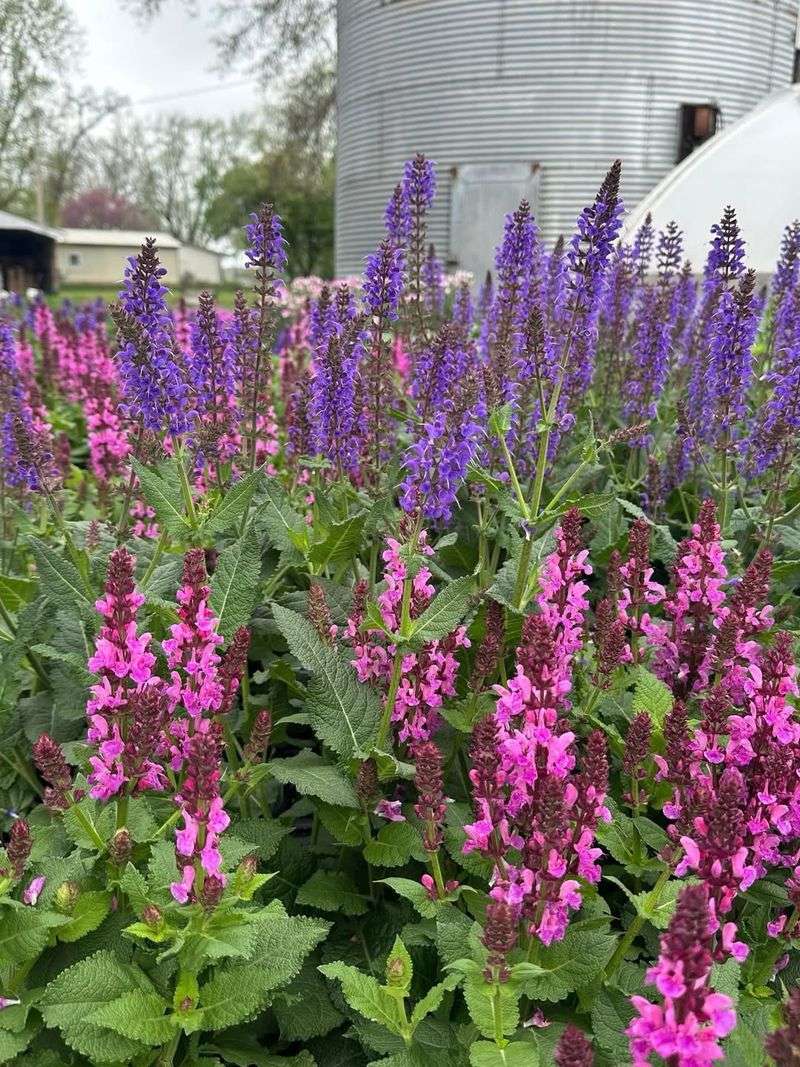
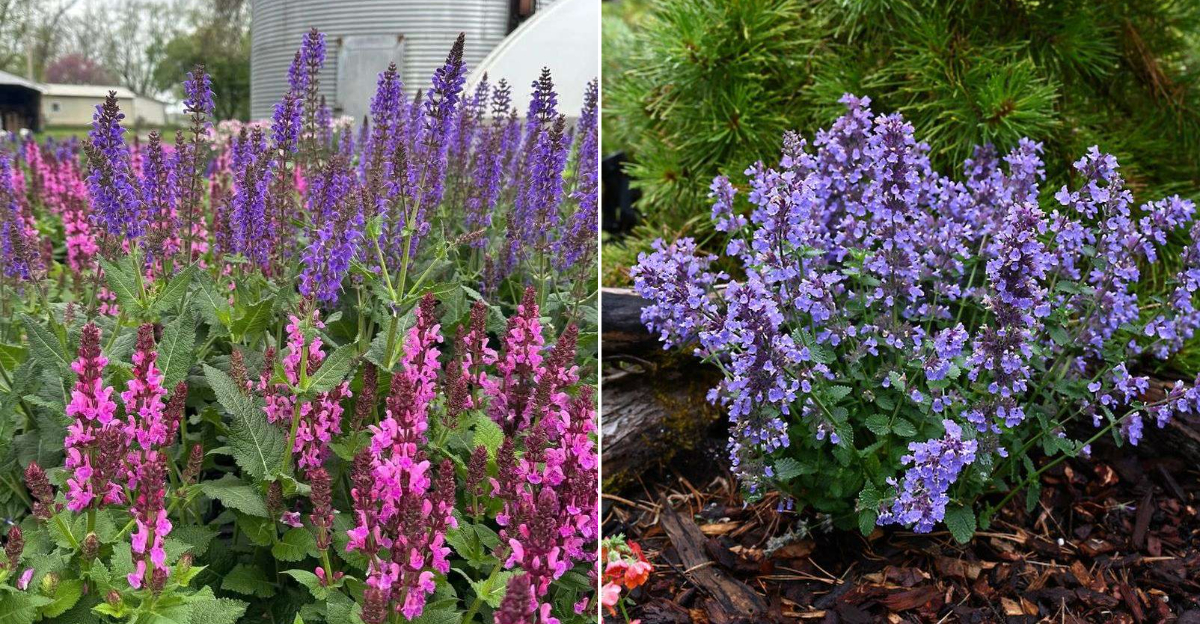
Salvia and lavender look so similar that people sometimes mix them up, but that similarity is exactly what makes them such great garden partners. Both produce tall, slender flower spikes in shades of blue, purple, and violet, and when planted together, they create a rich, layered tapestry of color that is hard to beat.
Oregon gardeners who love a cohesive, color-coordinated look absolutely adore this pairing.
Beyond looks, salvia is a powerhouse for pollinators. Hummingbirds are especially drawn to its tubular flowers, and bees work it constantly throughout the blooming season.
Planting salvia near lavender essentially doubles the pollinator activity in that part of your garden, which benefits every other plant growing nearby.
Salvia is also deer-resistant, which is a huge advantage for Oregon gardeners dealing with wildlife pressure, especially in rural areas and properties bordering forests. Its aromatic foliage seems to discourage browsing animals from getting too close to your lavender as well.
Most salvia varieties are drought-tolerant once established and thrive in the same well-drained, sunny conditions that lavender prefers. With so many varieties available, from compact bedding types to tall perennial forms, there is a salvia perfectly suited for every Oregon garden style and size.
7. Catmint
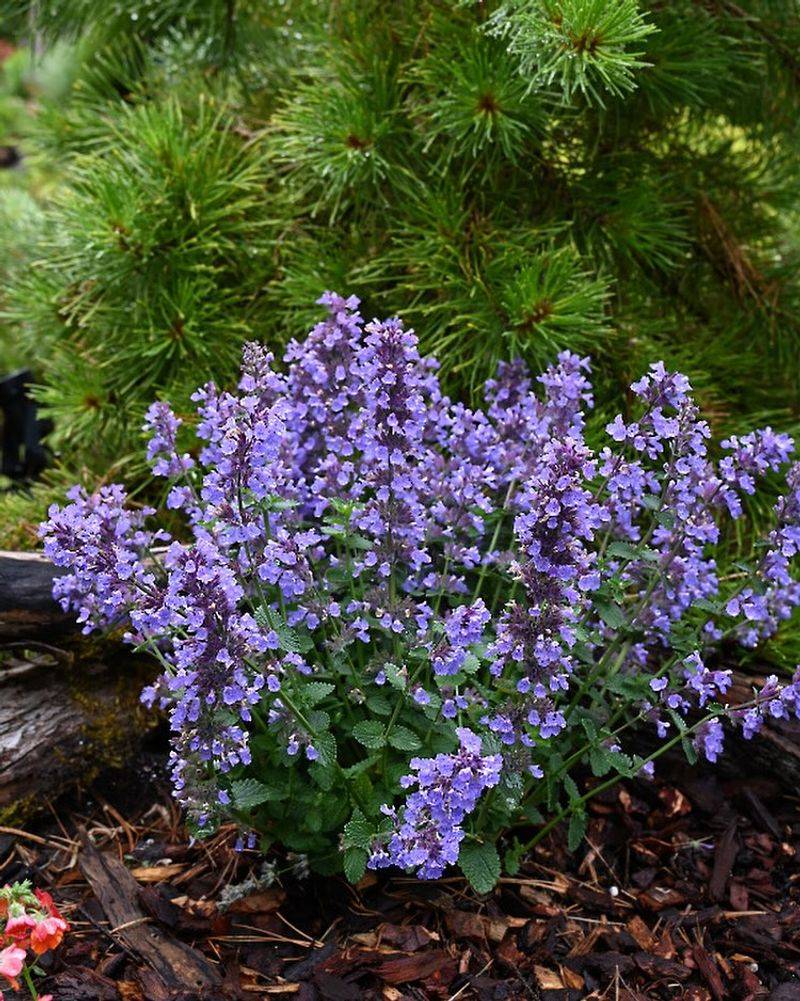
If you want a plant that practically takes care of itself while making your lavender look even more beautiful, catmint is your answer. This soft, mounding perennial produces clouds of small lavender-blue flowers on arching stems, and it blooms for an incredibly long time.
In Oregon’s long growing season, catmint can start flowering in late spring and keep going well into summer, especially if you give it a light trim after the first flush.
Catmint is a classic cottage garden plant, and it pairs with lavender in the most natural, effortless way. The two plants share a similar color palette and a love of full sun and well-drained soil, so they never seem to compete with each other.
Instead, they complement each other in a way that looks intentional and polished.
Cats famously love rolling in catmint, which can be either entertaining or annoying depending on your perspective. But the real garden benefit is its strong attraction for bees and butterflies.
Its aromatic foliage also helps mask the scent trails that some pests use to locate host plants. For Oregon gardeners who want a low-effort, high-reward companion for their lavender, catmint consistently delivers beautiful results season after season without demanding much in return.
8. Oregano
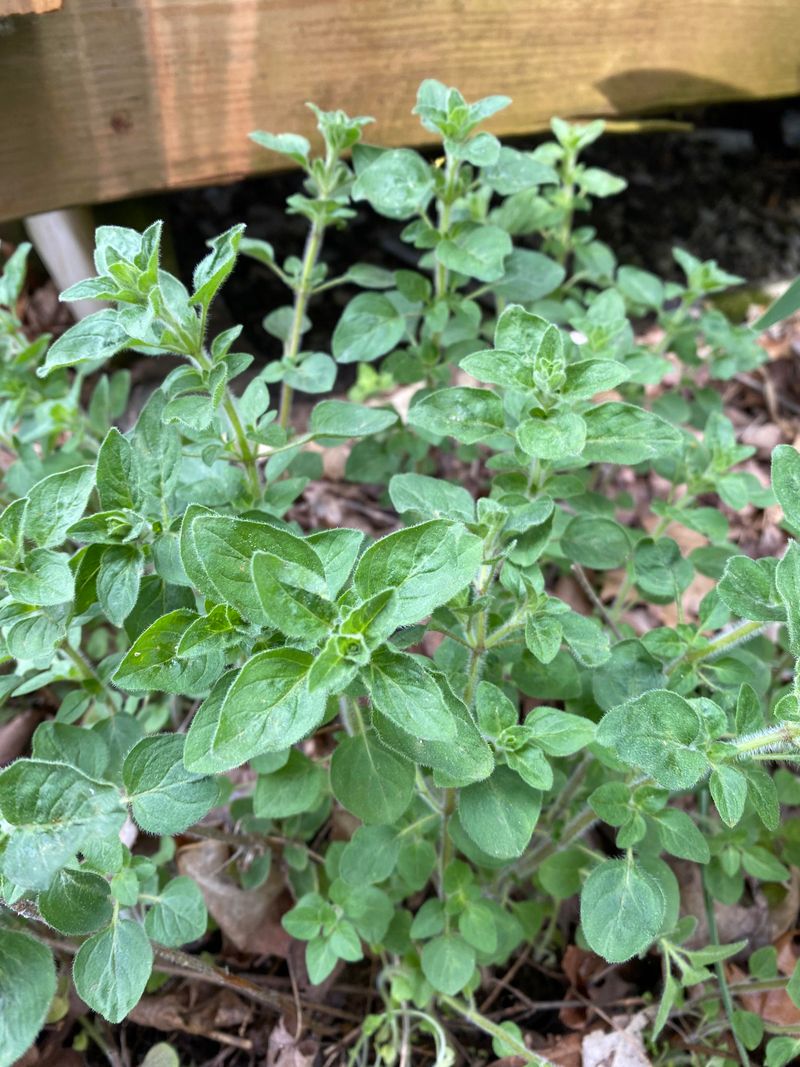
Oregano might be most famous for its role in Italian cooking, but it earns just as much respect in the garden as it does in the kitchen. As a companion plant for lavender, oregano brings a surprisingly powerful set of benefits.
Its strong, spicy fragrance confuses and deters many common garden pests, including aphids, spider mites, and cabbage moths, creating a protective buffer around your lavender plants.
In Oregon, oregano grows vigorously during the warm summer months and tends to spread enthusiastically, so giving it a defined space near your lavender bed helps keep things tidy. It thrives in full sun and well-drained soil, the exact same conditions that make lavender happy.
Its low, spreading growth habit also makes it useful as a living mulch that shades the soil and helps retain moisture during Oregon’s dry summer stretches.
When oregano flowers in midsummer, its tiny white or pink blooms attract an impressive variety of beneficial insects. Parasitic wasps, hoverflies, and native bees all visit regularly, helping to keep pest populations naturally balanced across your entire garden.
Harvesting oregano regularly also encourages bushy, compact growth that looks neat alongside lavender. It is a hardworking, flavorful, and surprisingly beautiful companion plant for any Oregon lavender garden.
9. Coreopsis
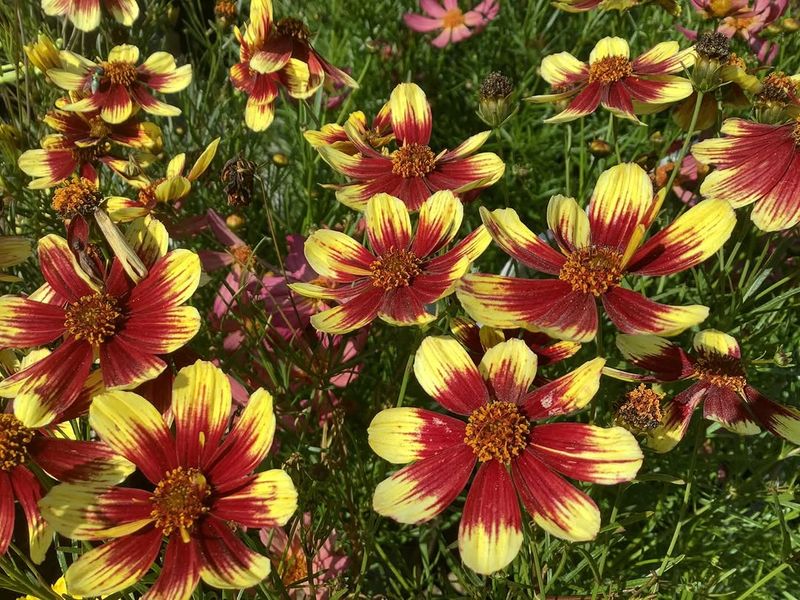
Sometimes called tickseed, coreopsis is one of those cheerful plants that makes you smile every time you look at it. Its bright yellow, daisy-like flowers pop against lavender’s cool purple tones in the most satisfying way.
The color contrast between the two plants is bold and eye-catching, giving your Oregon garden a lively, energetic feel from early summer through fall.
Coreopsis is a native North American wildflower, and several species grow naturally in Oregon’s meadows and open spaces. That native heritage means it is well-adapted to local soils, rainfall patterns, and temperature swings.
It handles Oregon’s summer heat without stress and bounces back reliably each spring without needing much attention from the gardener.
One of coreopsis’s standout traits is its incredibly long blooming season. With regular deadheading, it can flower continuously for months, keeping your garden colorful long after other plants have finished.
It attracts butterflies and native bees in large numbers, which benefits your lavender and every other plant in the surrounding area. Coreopsis also tolerates poor, dry soil with ease, making it a natural match for lavender’s preferred growing conditions.
For Oregon gardeners who want non-stop color and pollinator activity, coreopsis is an outstanding and reliable choice from season to season.