10 Lavender Uses Michigan Gardeners Rely On All Year Long
Lavender may look delicate, but Michigan gardeners know it’s one of the hardest-working plants in the yard.
Long after the blooms fade, lavender continues to earn its place, finding uses in the home, garden, and even the medicine cabinet.
From soothing winter nerves to repelling pests and scenting linens, lavender bridges the gap between beauty and practicality.
Michigan’s cold seasons make its stored fragrance especially valuable, offering a reminder of summer when snow is on the ground.
Gardeners who grow lavender don’t just admire it—they use it.
These year-round applications prove that a single plant can be both ornamental and indispensable.
Once you start relying on lavender, it quickly becomes one of those garden staples you wonder how you ever lived without.
1. Natural Garden Pollinator Support
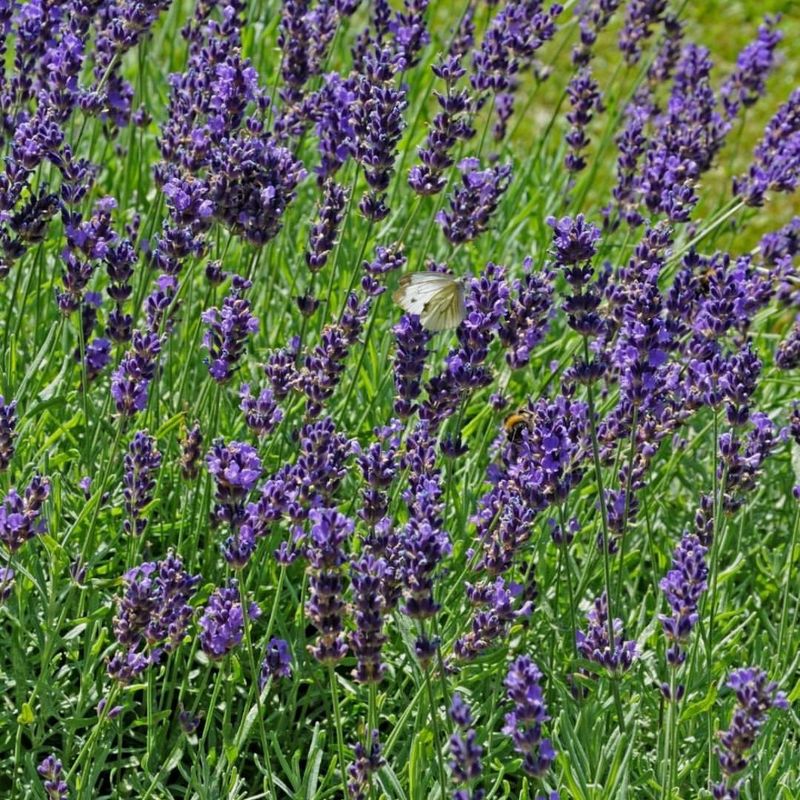
Bees love lavender, and that’s no accident.
Michigan gardeners count on lavender to feed pollinators when many other plants have stopped blooming.
Midsummer can be a tough time for bees and butterflies because spring flowers have faded and fall bloomers haven’t started yet.
Lavender fills that gap beautifully.
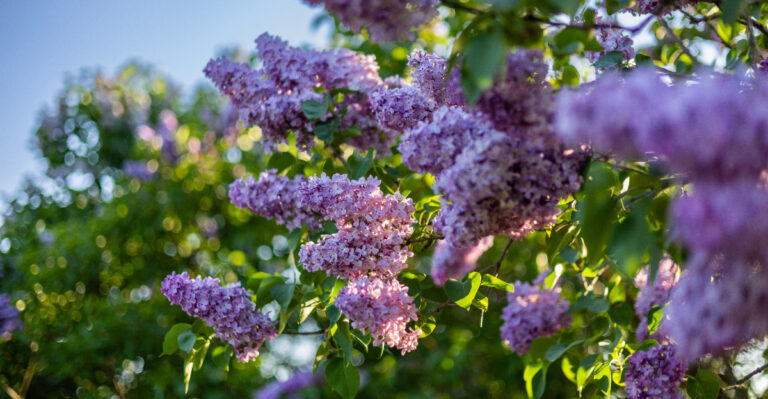
Its tubular purple flowers produce nectar that bees visit again and again throughout July and August.
Butterflies also stop by, along with beneficial insects that help keep garden pests under control.
Planting lavender near vegetable gardens or fruit trees increases pollination rates, which means better harvests.
Even a small patch can make a big difference.
Hardy varieties like ‘Munstead’ and ‘Hidcote’ thrive in Michigan’s climate and bloom reliably each year.
Watching pollinators work the lavender blooms is a joy in itself.
You’ll notice more activity in your garden, and you’ll feel good knowing you’re supporting local ecosystems.
Lavender doesn’t need much care once established, so it’s an easy way to help nature while enjoying a beautiful, fragrant plant.
For Michigan gardeners who value sustainability and wildlife, lavender is a must-have perennial.
2. Dried Lavender For Winter Home Décor
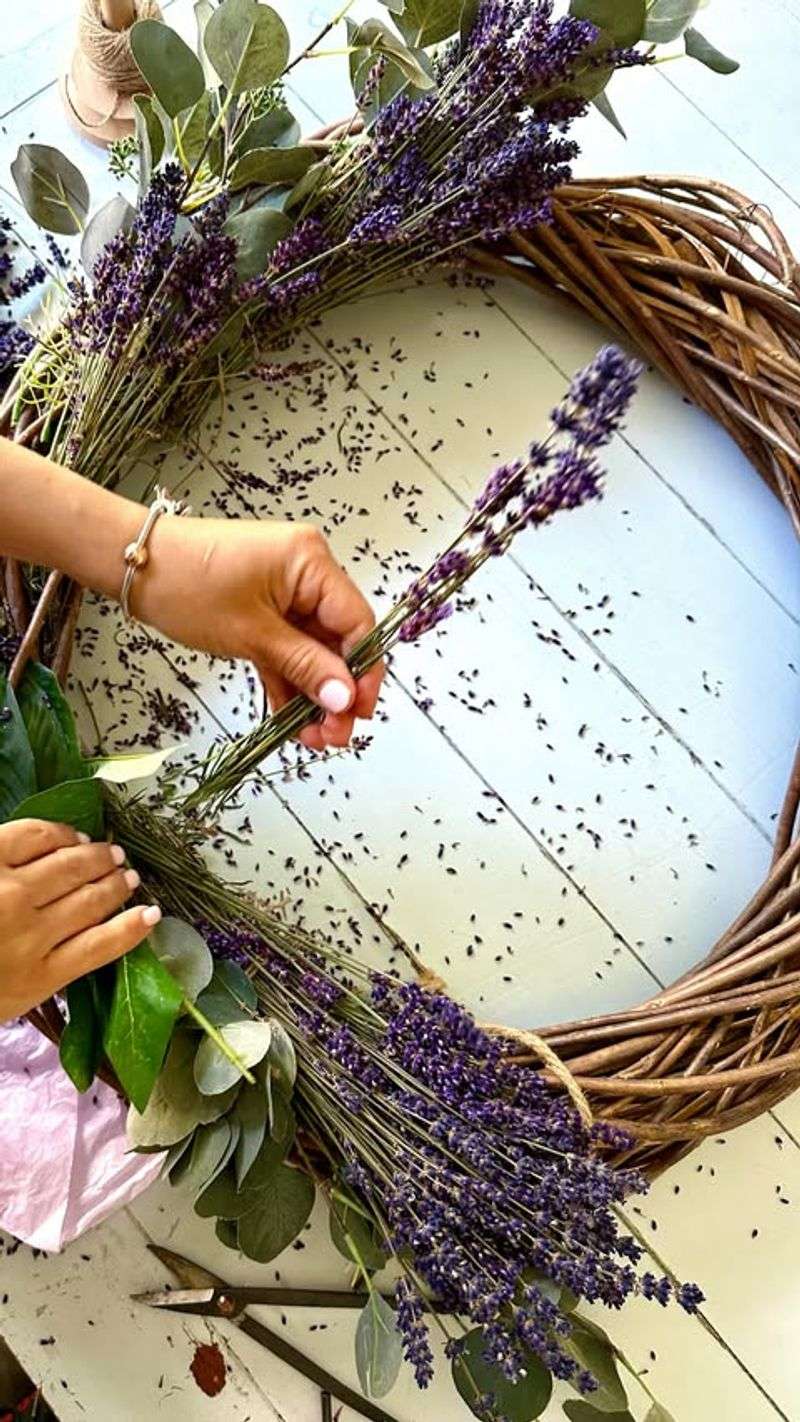
Harvest time in late June or early July is when Michigan gardeners cut armfuls of lavender to dry and enjoy indoors.
The process is simple: snip stems just as the buds begin to open, bundle them with string, and hang them upside down in a dry, dark place for a week or two.
Once dried, lavender keeps its color and scent for months.
Dried lavender becomes the star of winter décor projects.
Gardeners weave it into wreaths for front doors, tie bundles with ribbon for mantels, or tuck stems into seasonal arrangements alongside pinecones and evergreen branches.
The soft purple hue adds warmth to homes during Michigan’s gray winter months.
Unlike artificial decorations, dried lavender brings a natural element indoors that smells wonderful and never feels out of place.
It works in farmhouse kitchens, modern living rooms, and cozy bedrooms alike.
Some gardeners even make lavender wands by weaving ribbon through fresh stems, creating decorative keepsakes that last for years.
Because lavender dries so well, a single summer harvest can provide décor materials through fall, winter, and into spring.
It’s a practical way to extend the garden’s beauty long after frost arrives, and it makes the house feel welcoming no matter the weather outside.
3. Lavender Sachets For Closets And Drawers
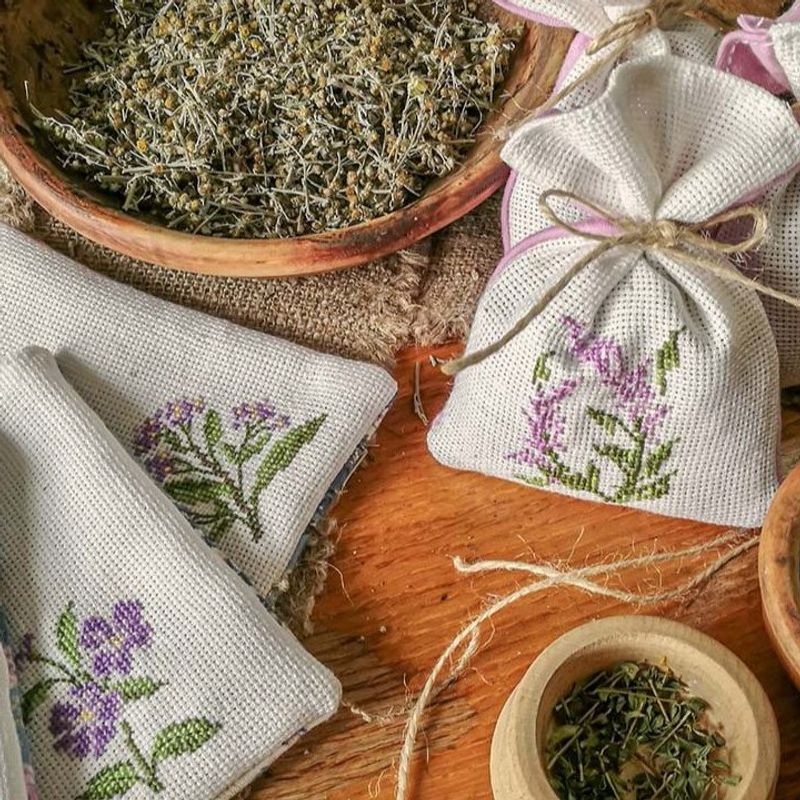
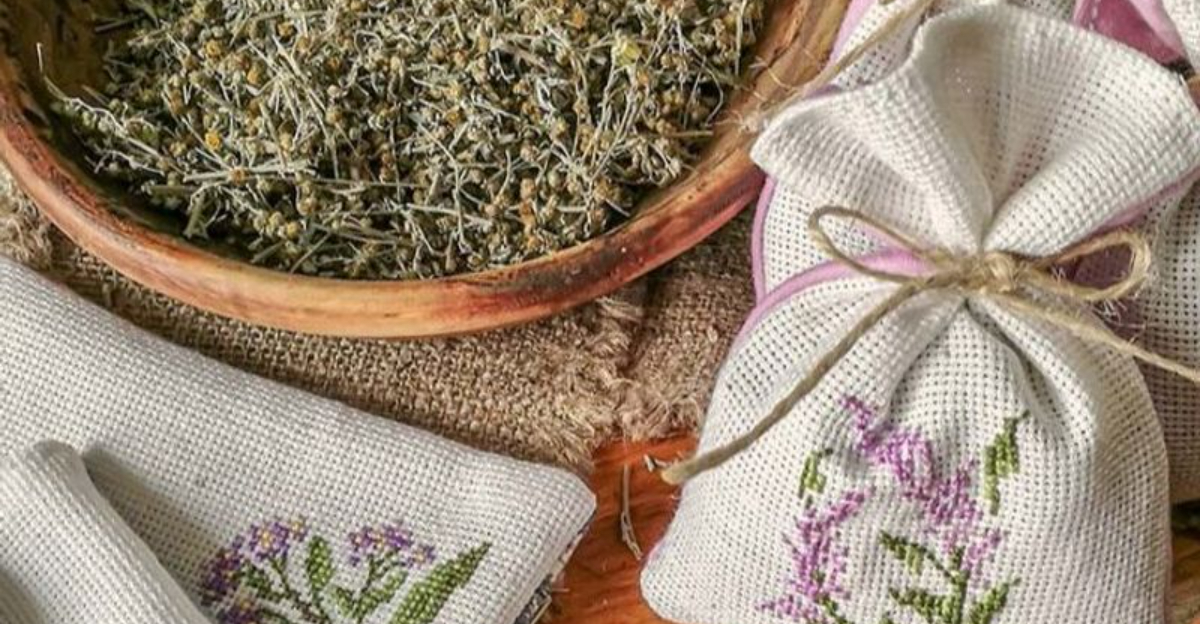
Once lavender is dried, Michigan gardeners use it to make sachets that keep closets and drawers smelling fresh all winter long.
Simply fill small fabric bags with dried lavender buds, tie them closed, and tuck them between sweaters, linens, or towels.
The scent is gentle but lasting, and it naturally discourages moths and other fabric pests.
Sachets are especially useful during Michigan’s long indoor season when homes are closed up tight and air circulation slows down.
A few sachets can freshen a musty closet or give stored blankets a pleasant aroma.
They’re also a great way to use lavender that’s too old for cooking or crafts but still smells lovely.
Making sachets is an easy project for kids or a relaxing evening activity.
You can sew simple pouches from scrap fabric or buy ready-made ones online.
Refilling them each year with fresh lavender keeps the scent strong and ensures nothing goes to waste.
Sachets also make thoughtful additions to gift baskets or care packages.
They’re lightweight, personal, and useful—qualities that make them popular with both makers and recipients.
For Michigan gardeners who value practicality and sustainability, lavender sachets are a year-round staple that turns a summer harvest into months of enjoyment.
4. Low-Maintenance Perennial Landscaping
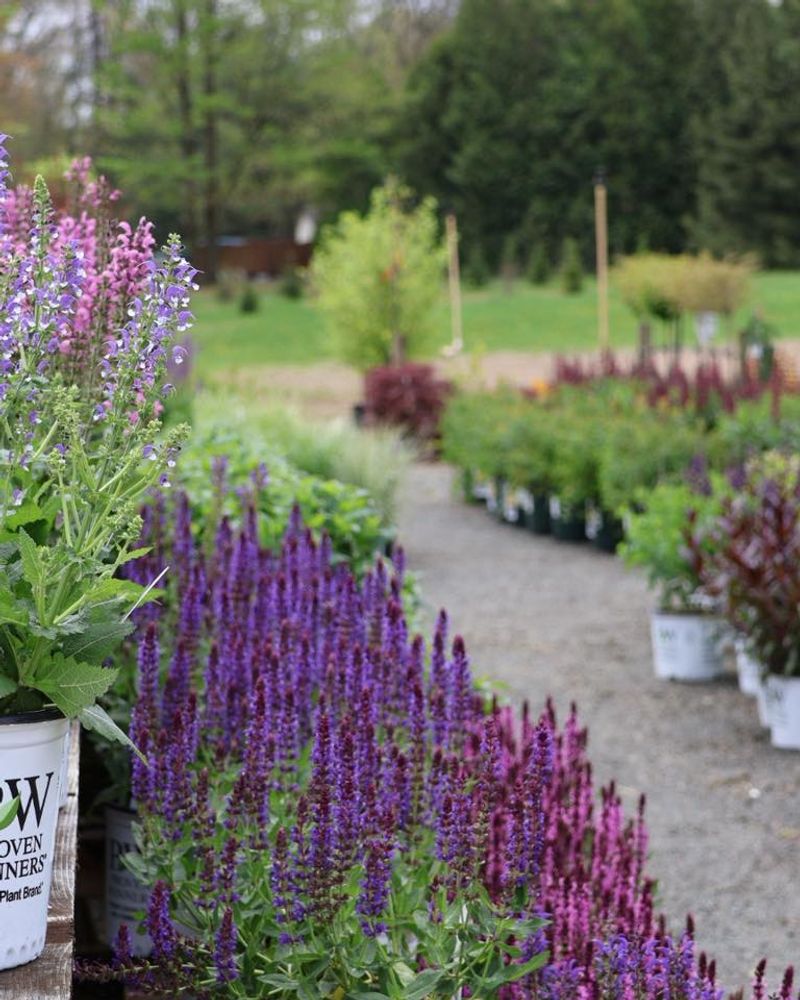
Lavender earns its place in Michigan landscapes because it asks for very little once it’s settled in.
Cold-hardy varieties like ‘Phenomenal’ and ‘Grosso’ survive Michigan winters without protection and bounce back strong each spring.
They tolerate drought, poor soil, and full sun, making them ideal for low-maintenance gardens.
Gardeners appreciate lavender’s neat, mounding growth habit.
It doesn’t sprawl or flop, and it rarely needs staking or heavy pruning.
A light trim after blooming keeps plants compact and encourages healthy growth the following year.
Unlike annuals, lavender returns reliably, so you don’t have to replant each spring.
Lavender’s silvery-green foliage looks good even when the plant isn’t blooming, providing year-round structure in garden beds.
It pairs well with roses, coneflowers, and ornamental grasses, adding texture and contrast to mixed plantings.
Because it stays relatively small, lavender fits into tight spaces where larger shrubs would overwhelm.
For Michigan gardeners juggling busy schedules, lavender is a smart choice.
It thrives on neglect, doesn’t attract pests, and doesn’t need fertilizer or frequent watering once established.
Planting lavender means less work and more time to enjoy the garden, which is exactly what most gardeners want from their perennials.
5. Soothing Herbal Tea (Culinary Use)
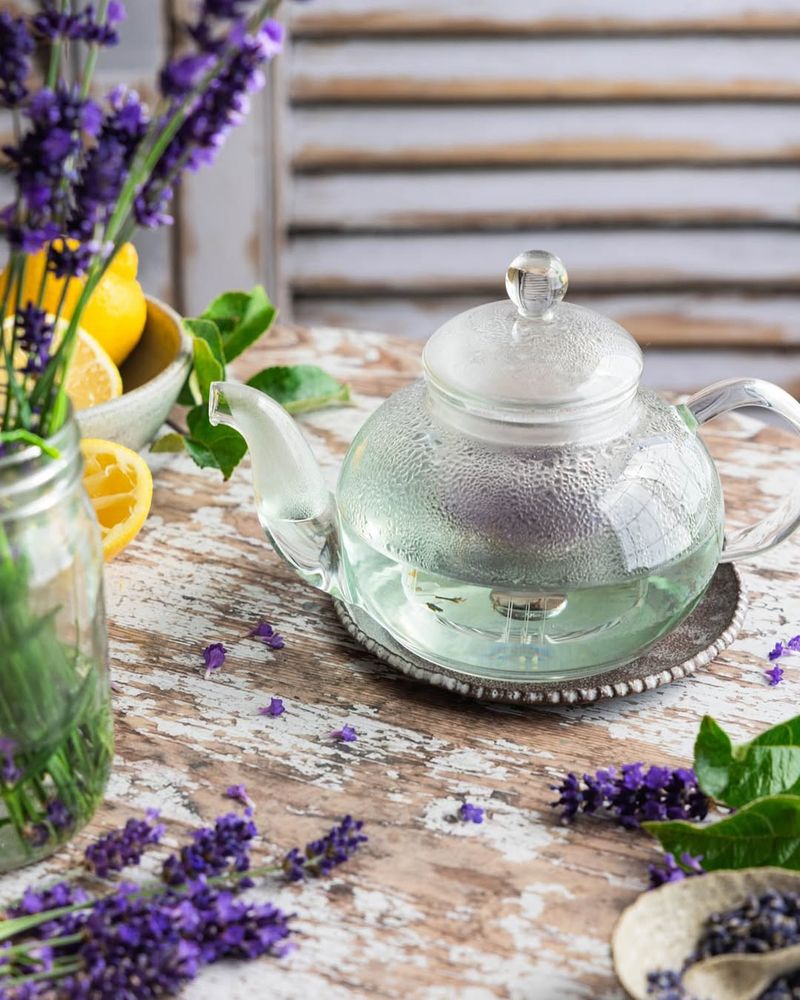
Culinary lavender adds a delicate floral note to herbal teas, and Michigan gardeners who grow it can enjoy homemade blends all year.
Only culinary varieties like ‘Munstead’ or ‘Hidcote’ should be used for tea, and a little goes a long way.
Start with just a pinch of dried buds per cup and adjust to taste.
Lavender tea is known for its calming aroma and gentle flavor.
Many people sip it before bed to help them relax after a long day.
It pairs well with chamomile, mint, or lemon balm, creating custom blends that suit individual preferences.
Because lavender grows so abundantly in Michigan gardens, there’s always enough to experiment with.
Harvesting lavender for tea is easy.
Pick stems just before the flowers fully open, dry them thoroughly, and strip the buds into a jar for storage.
Kept in a cool, dark place, dried lavender retains its flavor and aroma for months.
It’s important to use lavender sparingly in tea because too much can taste soapy or overpowering.
Start small and increase gradually until you find the right balance.
For Michigan gardeners who enjoy herbal remedies and homegrown flavors, lavender tea is a simple pleasure that connects the garden to the kitchen in a meaningful way.
6. Homemade Bath And Body Products
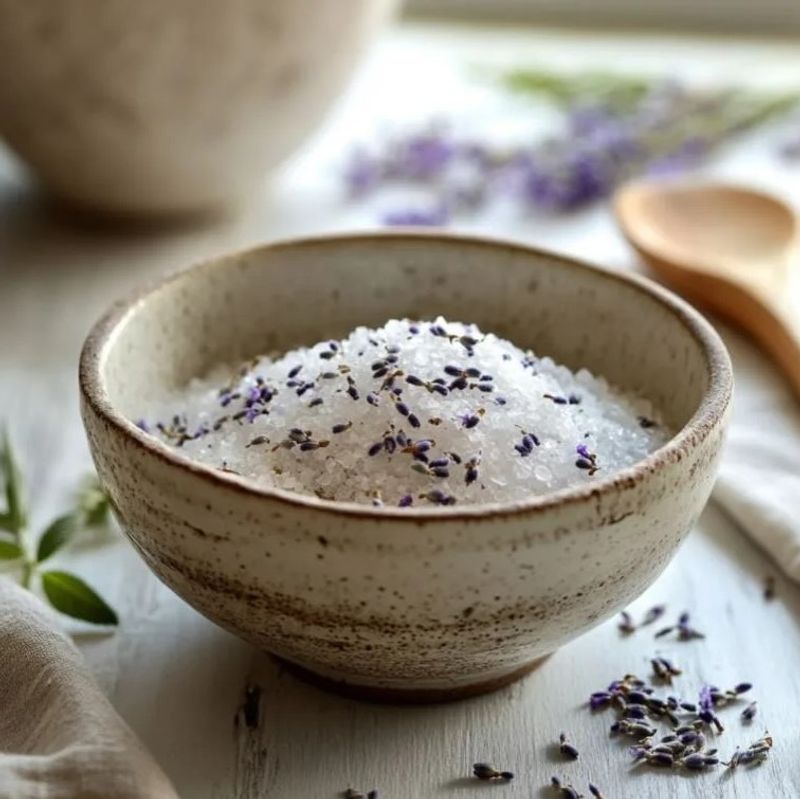
Michigan gardeners turn their lavender harvests into simple bath and body products that rival anything sold in stores.
Lavender soap, bath salts, and infused oils are easy to make at home and use ingredients you can control.
Instead of relying on synthetic fragrances, homemade products feature the real scent of garden-grown lavender.
Making lavender soap starts with a melt-and-pour base, dried lavender buds, and optional essential oil for extra fragrance.
Bath salts combine Epsom salt, sea salt, and dried lavender for a relaxing soak.
Infused oils are made by steeping dried lavender in a carrier oil like olive or jojoba, then straining and bottling the result.
These projects are fun, creative, and practical.
They make excellent gifts and allow gardeners to use lavender that might otherwise go to waste.
Homemade products are also free from harsh chemicals, making them gentler on sensitive skin.
Lavender’s natural properties make it a popular choice for bath and body care.
Its scent is soothing, and it’s been used for centuries in personal care routines.
For Michigan gardeners who enjoy crafting and self-sufficiency, making lavender products extends the garden’s usefulness beyond the growing season and brings a touch of summer into daily routines all year long.
7. Stress Relief And Indoor Fragrance
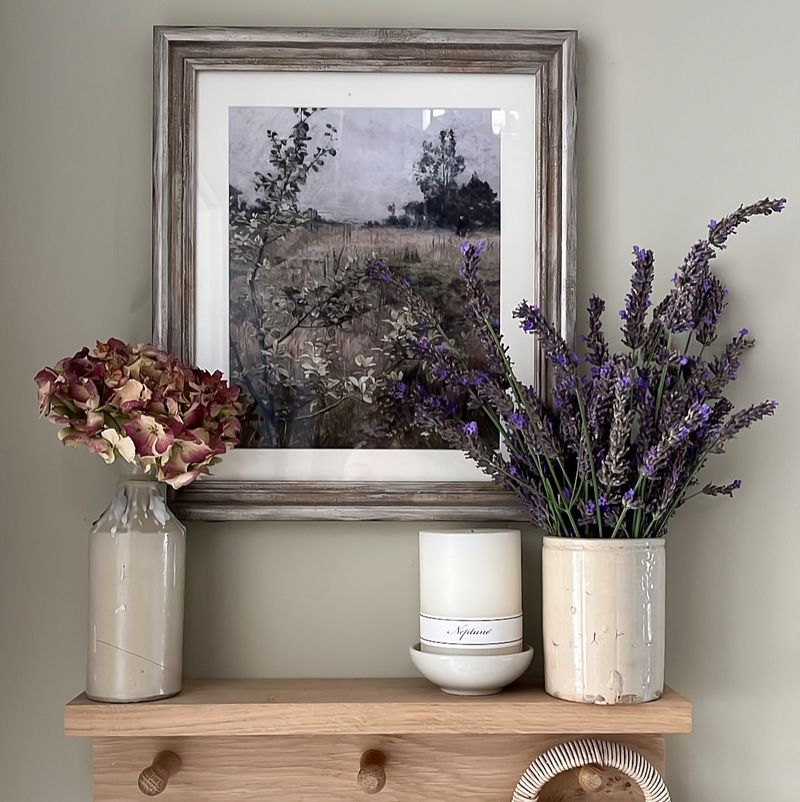
When Michigan gardens are buried under snow, lavender brings a breath of summer indoors.
Dried lavender bundles placed in vases or bowls release a subtle, calming fragrance that fills rooms without being overwhelming.
A few stems on a nightstand or coffee table can transform the atmosphere of a space.
Lavender is widely recognized for its stress-relieving properties.
Its scent is associated with relaxation and calm, making it a popular choice for bedrooms and meditation areas.
Some people keep a small bundle near their workspace to help them stay focused and grounded during busy days.
Using lavender indoors is simple and requires no special equipment.
Just place dried stems in a container and let them do their work.
Refresh the arrangement every few months to keep the scent strong, or add a drop of lavender essential oil to boost the fragrance.
For Michigan gardeners enduring long winters, lavender provides a sensory connection to the garden even when it’s too cold to go outside.
It’s a reminder that spring will return and that the work done in summer continues to pay off months later.
Indoor lavender is more than decoration—it’s a source of comfort, beauty, and natural wellness that makes home feel like a sanctuary.
8. Edging And Border Plant For Sunny Beds
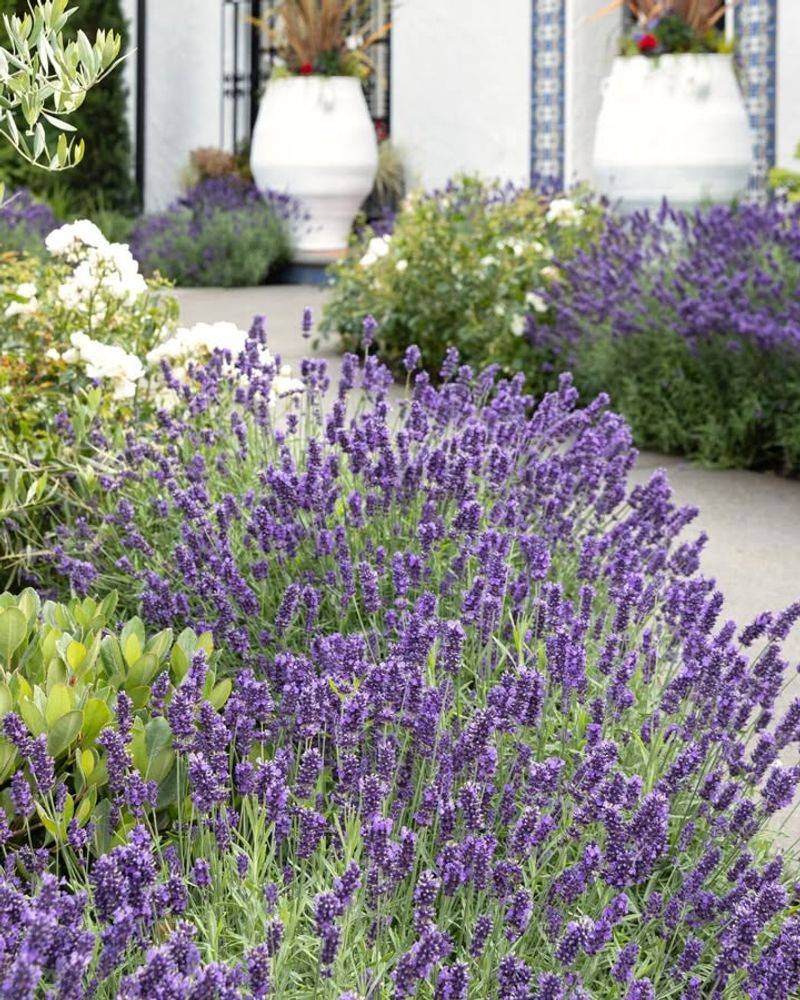
Lavender makes an excellent edging plant for sunny garden beds and pathways in Michigan landscapes.
Its compact, mounding shape creates a neat border that defines spaces without blocking views or spreading aggressively.
Once established, lavender stays tidy and requires minimal trimming to maintain its form.
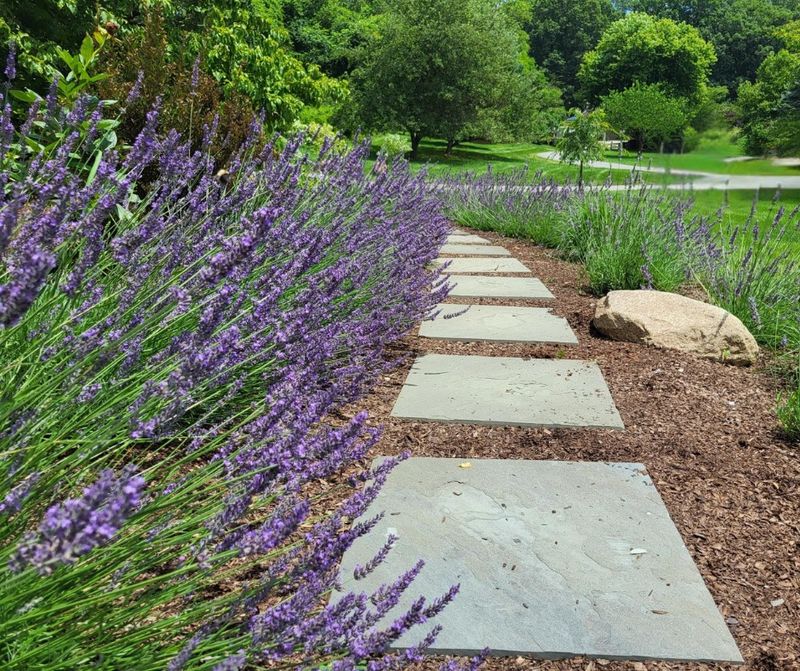
Planting lavender along walkways adds both beauty and function.
As people brush past, the plants release their signature scent, turning a simple stroll into a sensory experience.
The silvery foliage contrasts nicely with green lawns and darker mulch, creating visual interest even when the plants aren’t in bloom.
Lavender borders work well in formal and informal gardens alike.
They can line vegetable beds, frame herb gardens, or edge perennial borders.
Because lavender thrives in well-drained soil and full sun, it’s perfect for spots that other plants find too dry or hot.
For Michigan gardeners looking to add structure to their landscapes, lavender is a reliable choice.
It doesn’t require constant attention, and it performs year after year with minimal fuss.
Whether you plant a single row or a double border, lavender creates a polished, professional look that enhances the overall design of any garden.
9. Natural Insect Deterrent Around Outdoor Seating
Planting lavender near patios, decks, and outdoor seating areas helps discourage mosquitoes and flies during Michigan summers.
While lavender won’t eliminate insects entirely, its strong scent can reduce their presence and make outdoor spaces more comfortable.
Gardeners who spend evenings outside appreciate any natural help they can get.
Lavender’s insect-repelling properties come from the essential oils in its leaves and flowers.
Mosquitoes and flies find the scent unpleasant and tend to avoid it.
Planting lavender in pots near seating areas or in beds along the perimeter of a patio creates a natural barrier that’s both functional and beautiful.
Unlike chemical sprays, lavender is safe for kids, pets, and the environment.
It doesn’t leave residue or require reapplication, and it looks great while doing its job.
Some gardeners rub fresh lavender stems on their skin for a quick, natural bug repellent before heading into the yard.
Lavender also attracts beneficial insects like bees and butterflies, so it supports a balanced garden ecosystem.
For Michigan gardeners who want to enjoy their outdoor spaces without constant swatting, lavender is a smart, low-maintenance solution that adds fragrance, color, and a touch of natural protection to summer evenings.
10. Gift-Giving From The Garden
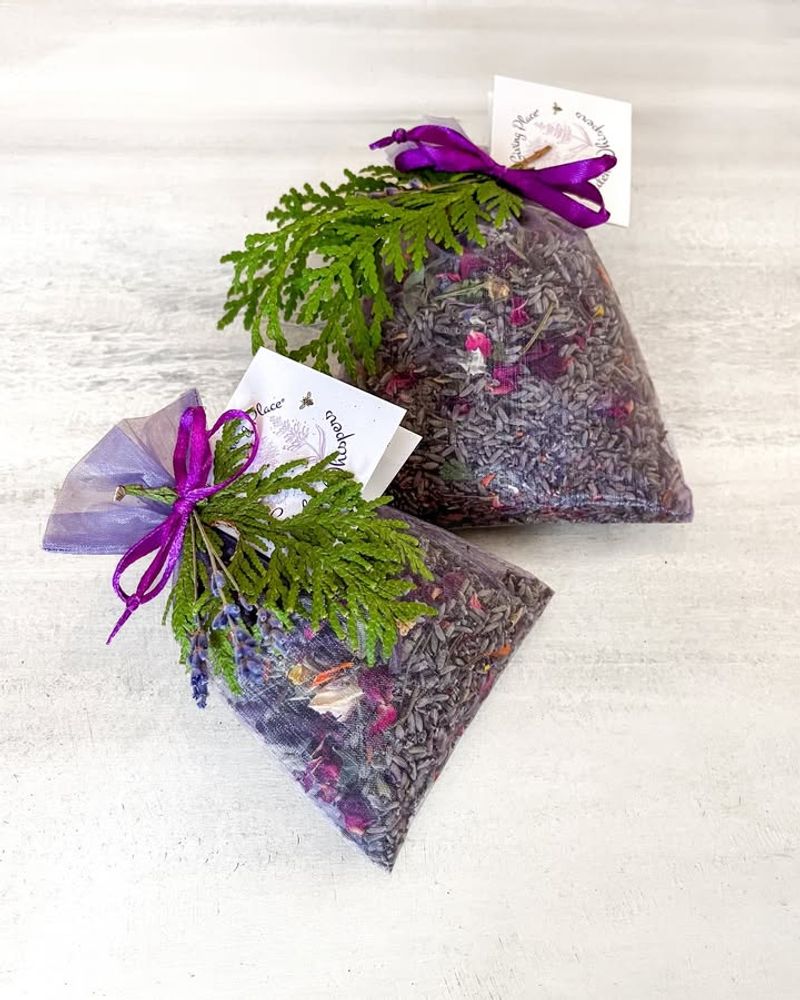
Dried lavender makes thoughtful, personal gifts that Michigan gardeners can create and share year-round.
Bundles tied with ribbon, handmade sachets, or small wreaths are all simple projects that require little more than dried stems and a bit of creativity.
Recipients appreciate the time, care, and homegrown quality that go into each gift.
Lavender gifts are versatile and suitable for almost anyone.
They work for birthdays, holidays, hostess gifts, or thank-you gestures.
Because lavender is useful and beautiful, it’s a gift people actually enjoy rather than something that sits forgotten in a closet.
Making lavender gifts is a great way to use surplus harvests and share the garden’s abundance with others.
It’s also a budget-friendly option for gardeners who want to give meaningful presents without spending a lot.
A small bundle of lavender costs almost nothing to make but feels luxurious and special.
For Michigan gardeners, gifting lavender strengthens community connections and spreads the joy of gardening beyond their own yards.
It’s a way to share the fruits of their labor and introduce others to the beauty and usefulness of this remarkable plant.
Whether given fresh or dried, lavender gifts carry a personal touch that store-bought items simply can’t match.