10 Lazy Gardening Hacks For Busy Arizona Gardeners
Gardening in Arizona can feel like a second full-time job—especially when the sun is relentless and free time is in short supply.
But here’s the secret seasoned locals already know: in the desert, less effort often leads to better results.
Lazy gardening isn’t about neglect; it’s about working smarter, not harder, and letting the landscape do some of the heavy lifting.
Between scorching summers, water restrictions, and soil that doesn’t exactly play nice, busy gardeners don’t have time for high-maintenance routines that demand constant attention.
The good news? Arizona is practically built for efficiency.
With the right shortcuts, you can cut down watering, reduce weeding, and still enjoy a yard that looks intentional—not abandoned.
These lazy gardening hacks focus on simple systems, smart plant choices, and set-it-and-forget-it strategies that thrive in real-life conditions.
They’re perfect for homeowners who want results without spending every weekend battling hoses and heat.
If your goal is a garden that survives—and even thrives—while you’re juggling work, family, and everything else, these hacks are your shortcut to success in Arizona.
1. Choose Desert-Adapted Plants That Thrive On Neglect
Native Arizona plants have spent thousands of years perfecting the art of survival in brutal desert conditions, which means they’re already programmed to handle neglect like champions.
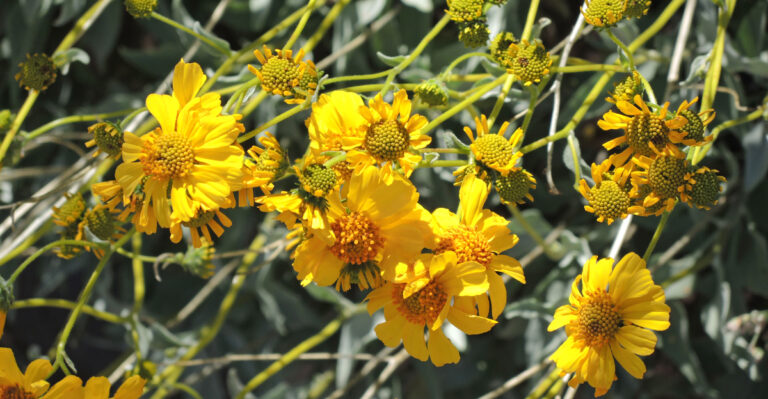
When you choose species like palo verde trees, desert marigolds, or brittlebush, you’re working with nature instead of fighting against it.
These plants need minimal water once established, rarely require pruning, and can handle temperature swings that would make a rose bush wilt in protest.
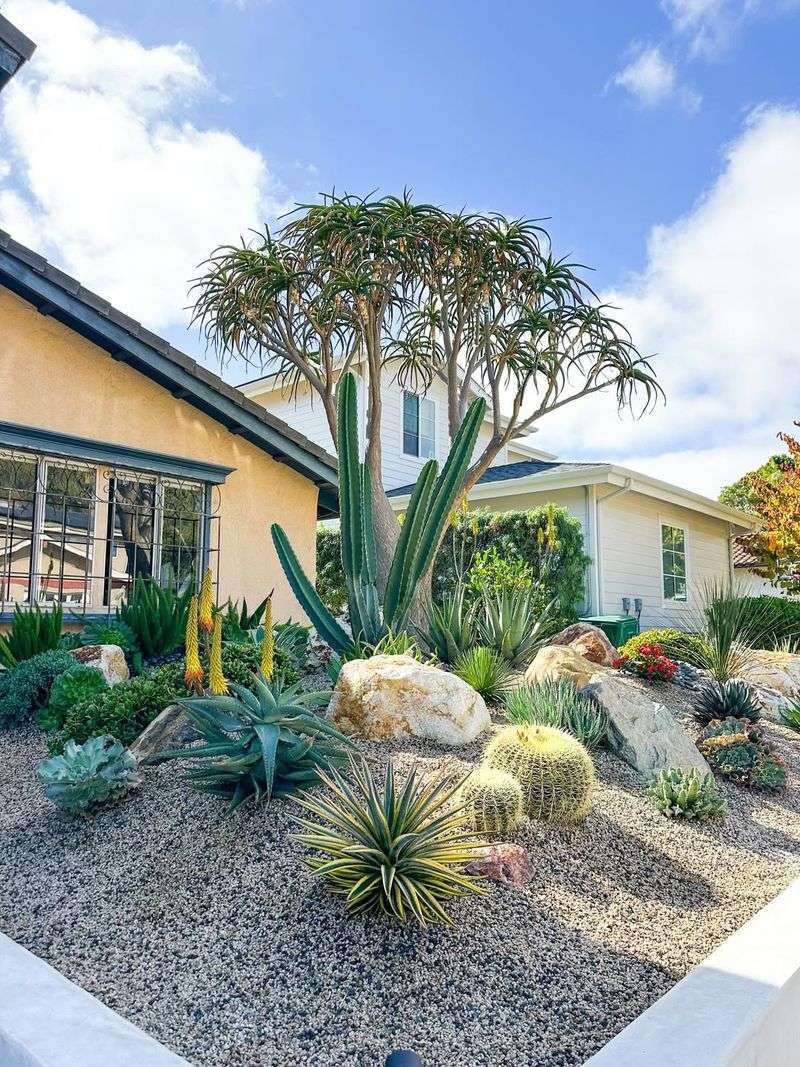
Agave, yucca, and various cacti add dramatic architectural interest to your landscape while demanding almost nothing from you except an occasional admiring glance.
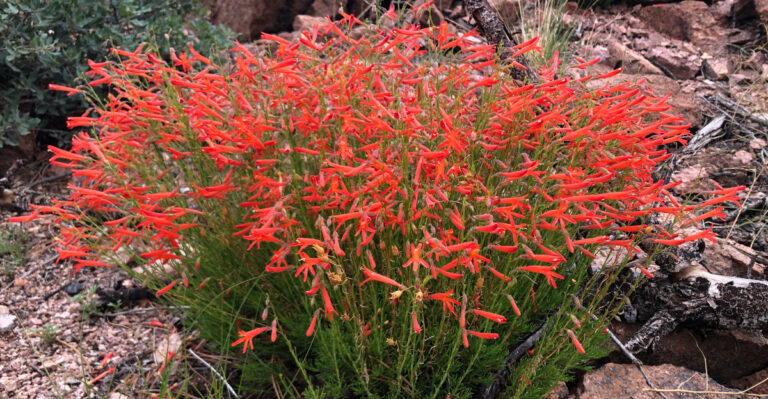
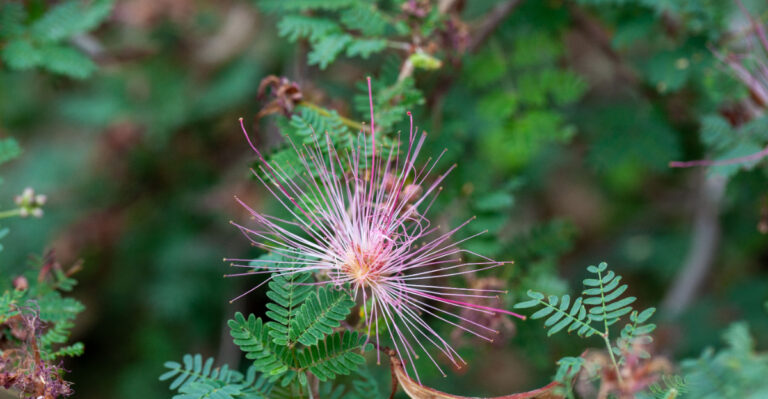
Penstemons and fairy dusters bring pops of color without the constant deadheading that traditional flowers demand.
The beauty of desert-adapted plants is that they actually perform better when you ignore them a bit, since overwatering and excessive care can harm their naturally tough constitutions.
Many Arizona gardeners waste countless hours babying plants that simply weren’t designed for our climate.
Swap those water-guzzling, high-maintenance imports for tough desert natives, and you’ll find yourself with more free time and a healthier, more authentic Arizona landscape.
Your neighbors will wonder how you manage such a gorgeous yard with seemingly zero effort.
2. Replace High-Maintenance Lawns With Groundcovers Or Gravel
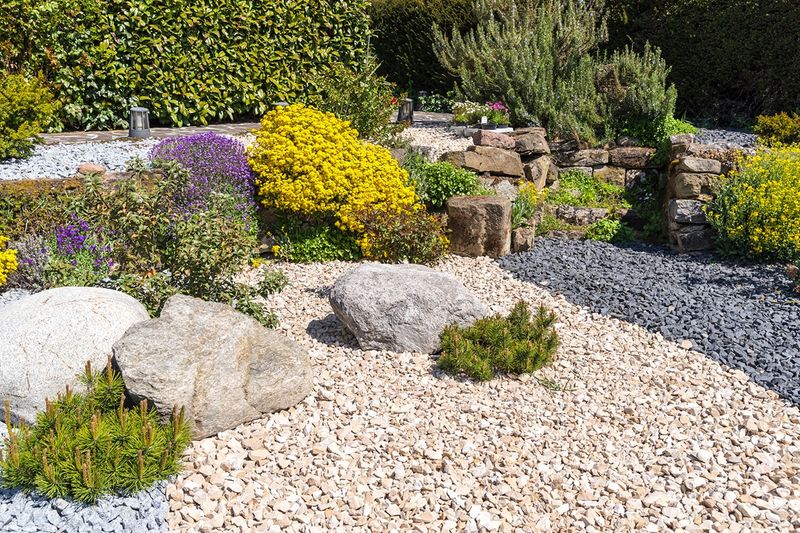
Traditional grass lawns are beautiful in places like England or the Pacific Northwest, but in Arizona, they’re basically outdoor money pits that demand constant attention.
Every week you’re out there mowing in blazing heat, and your water bill climbs higher than the summer temperatures.
Ripping out that thirsty turf and replacing it with gravel, decomposed granite, or low-growing groundcovers can slash your yard maintenance time by more than half.
Groundcovers like trailing lantana, desert zinnia, or dymondia create living carpets that need far less water and zero mowing.
Gravel landscapes offer clean, modern aesthetics and come in various colors and textures to match your home’s style.
You can create beautiful patterns with different gravel types, add stepping stones for visual interest, and incorporate larger rocks as focal points.
The initial investment in removing grass and installing gravel or groundcovers pays for itself within a couple of years through reduced water bills and eliminated lawn care costs.
Plus, you’ll never again spend Saturday mornings pushing a mower across scorching turf while questioning your life choices.
Your weekends become yours again, and your yard still looks intentional and well-designed.
3. Mulch Deeply To Lock In Moisture And Suppress Weeds
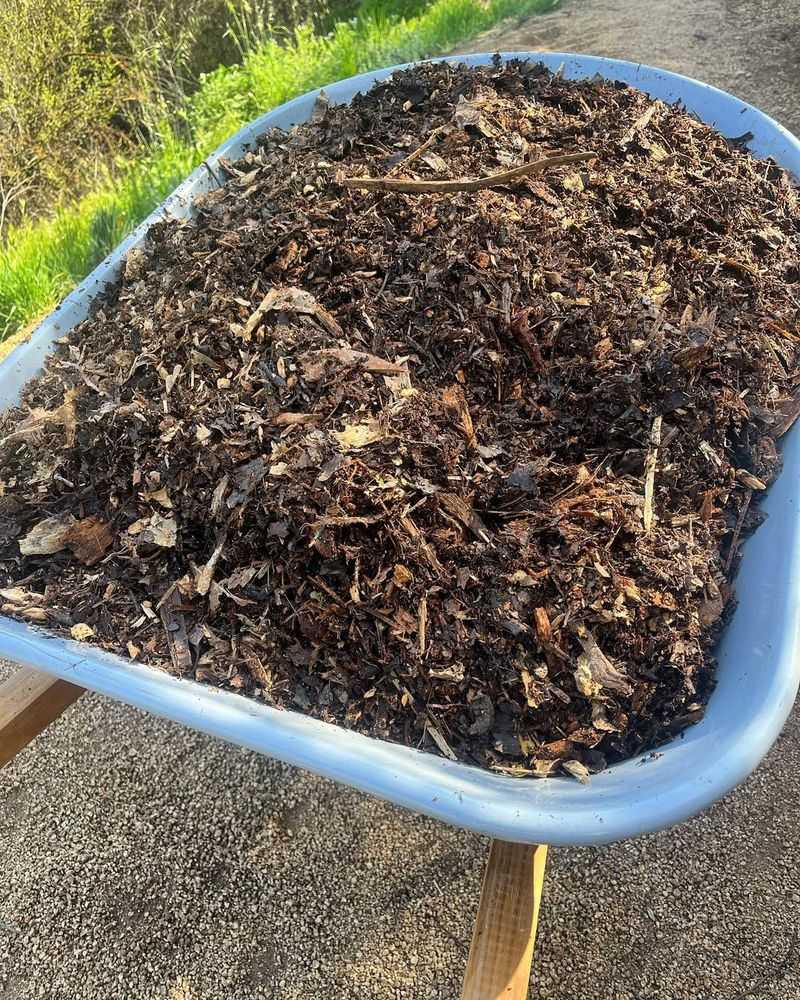
Arizona’s intense sun can bake exposed soil into something resembling concrete, causing moisture to evaporate faster than you can say “monsoon season.”
A thick layer of mulch acts like sunscreen for your soil, keeping it cooler, moister, and far more hospitable for plant roots.
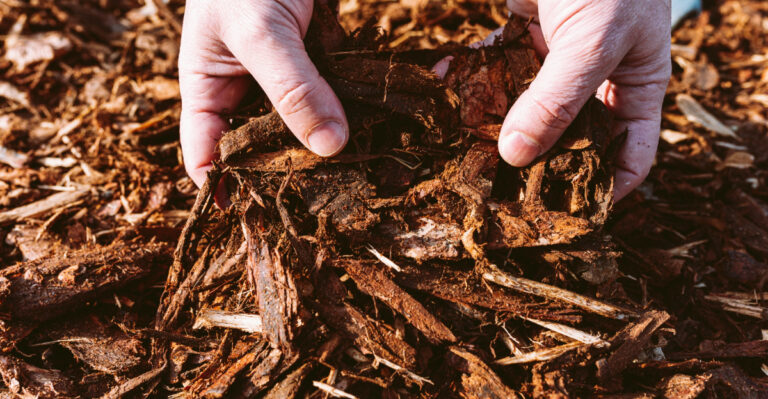
Organic mulches like shredded bark or wood chips gradually break down and improve soil quality while blocking weeds from sprouting.
Inorganic options like decomposed granite or river rock provide long-lasting coverage that never needs replacing, though they don’t add nutrients to the soil.
Aim for a mulch depth of three to four inches around plants, keeping it a few inches away from stems to prevent rot.
This simple step can cut your watering needs by up to fifty percent because the mulch prevents evaporation and keeps roots cool.
Weeds struggle to push through thick mulch layers, which means you’ll spend far less time bent over pulling unwanted plants in the scorching heat.
Many Arizona gardeners make the mistake of applying thin, inadequate mulch layers that provide minimal benefits.
Go generous with your mulch application, and you’ll be rewarded with healthier plants and dramatically reduced maintenance time throughout the growing season.
4. Water Deeply But Far Less Often
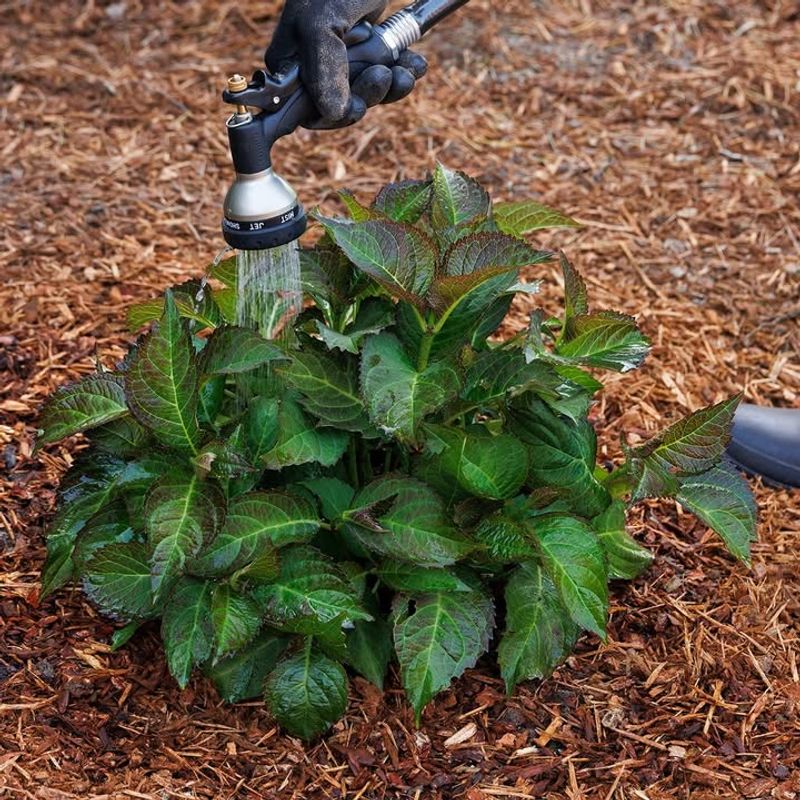
Most new Arizona gardeners make the mistake of watering a little bit every day, which actually trains plant roots to stay shallow and dependent on frequent moisture.
Deep, infrequent watering encourages roots to grow downward in search of moisture, creating stronger, more drought-tolerant plants that need less attention from you.
When you water deeply, you’re saturating the soil to a depth of twelve to eighteen inches, giving roots plenty of reason to explore deeper ground.
For established desert plants, watering once every two to three weeks during hot months is often sufficient, and even less during cooler seasons.
You can test soil moisture by sticking a long screwdriver into the ground; if it slides in easily, the soil is still moist enough.
Setting a simple watering schedule on your phone calendar helps you remember without having to think about it constantly.
During Arizona’s monsoon season, you might not need to water at all for weeks, letting nature do the work for you.
This approach not only saves you time but also reduces water waste and creates healthier, more resilient plants.
Your garden becomes more self-sufficient, and you stop feeling like a slave to the hose or sprinkler system.
5. Install Drip Irrigation And Stop Hand-Watering
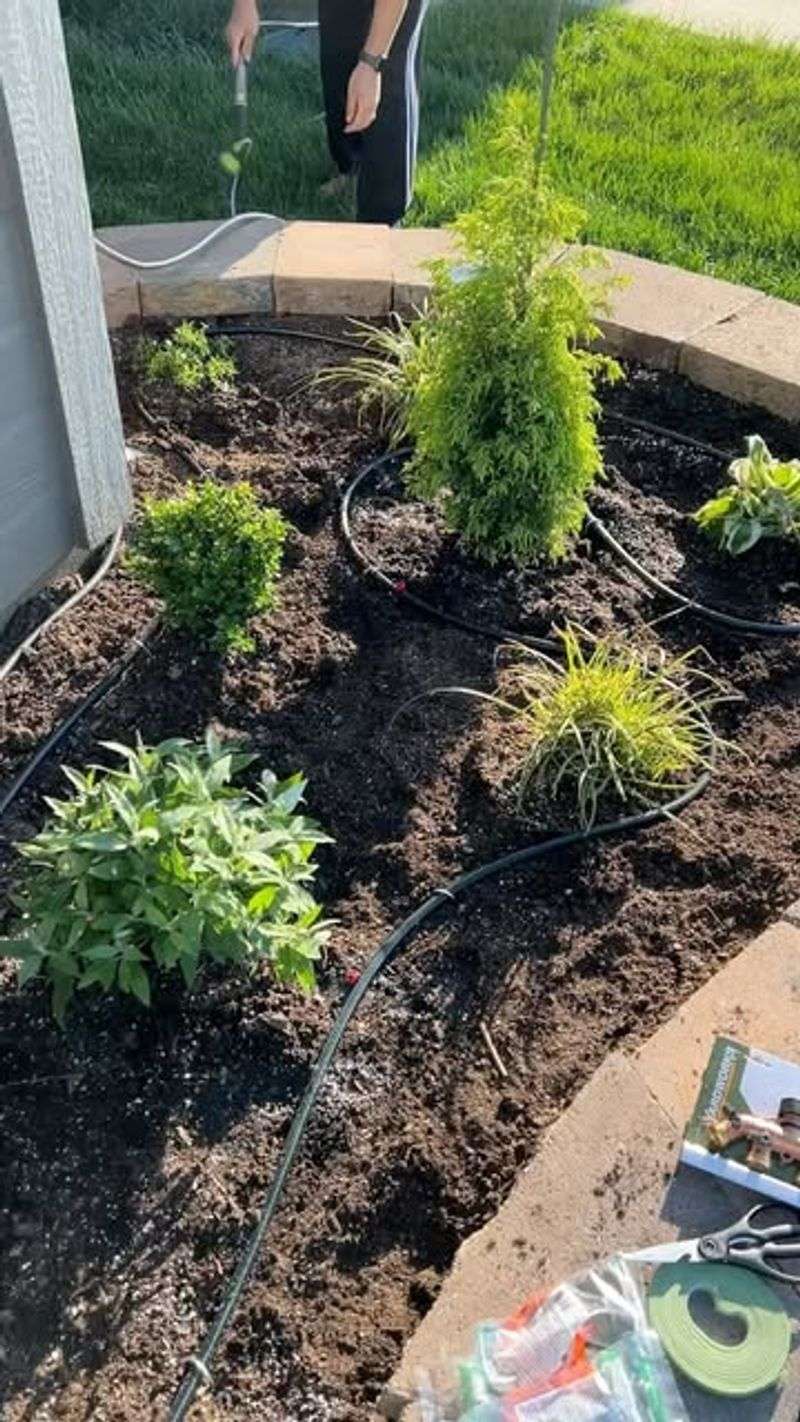
Hand-watering might seem simple at first, but it quickly becomes a tedious chore that eats up your evenings and weekends, especially when you have more than a few plants.
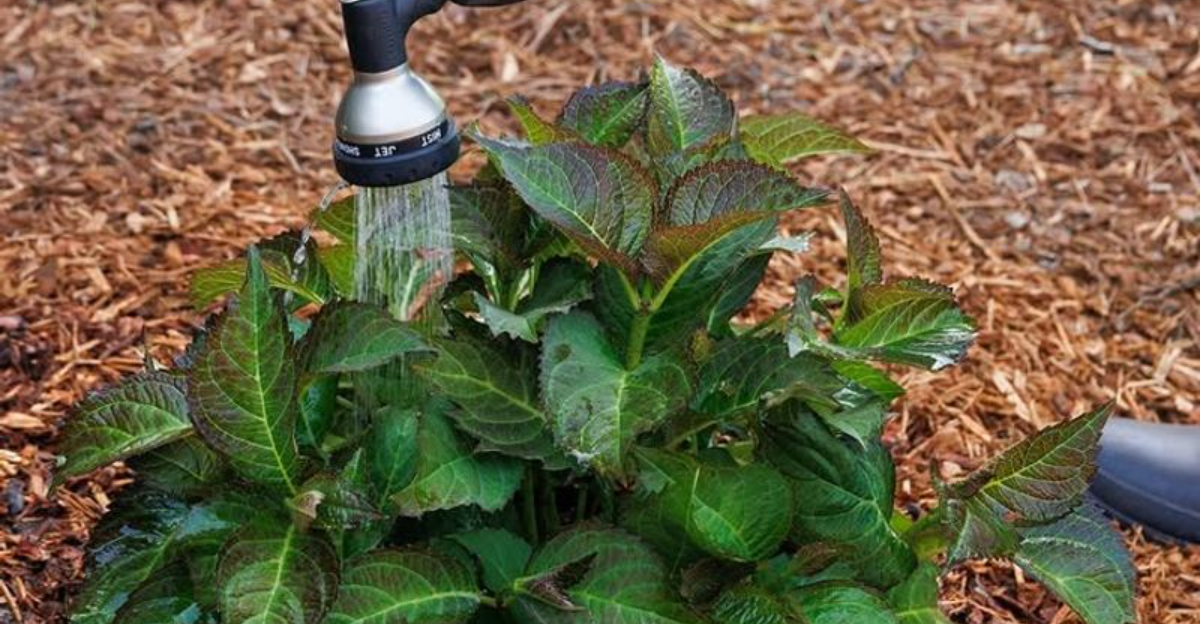
Drip irrigation systems deliver water directly to plant roots through a network of tubes and emitters, eliminating waste and saving massive amounts of time.
In Arizona’s arid climate where evaporation rates are sky-high, drip systems are far more efficient than sprinklers that lose water to wind and sun before it ever reaches the soil.
You can connect your drip system to an automatic timer, which means your plants get watered consistently even when you’re traveling, working late, or just don’t feel like dealing with it.
Installation is surprisingly straightforward, with many kits available at hardware stores that include everything you need plus simple instructions.
The initial setup might take a weekend afternoon, but it pays dividends in saved time for years to come.
Drip systems also reduce weed growth since water goes exactly where you want it rather than soaking entire areas.
Your water bill will thank you too, since drip irrigation uses significantly less water than traditional methods.
Once it’s installed and programmed, you can basically forget about watering and focus on actually enjoying your outdoor space.
6. Group Plants By Water Needs (Hydrozoning)
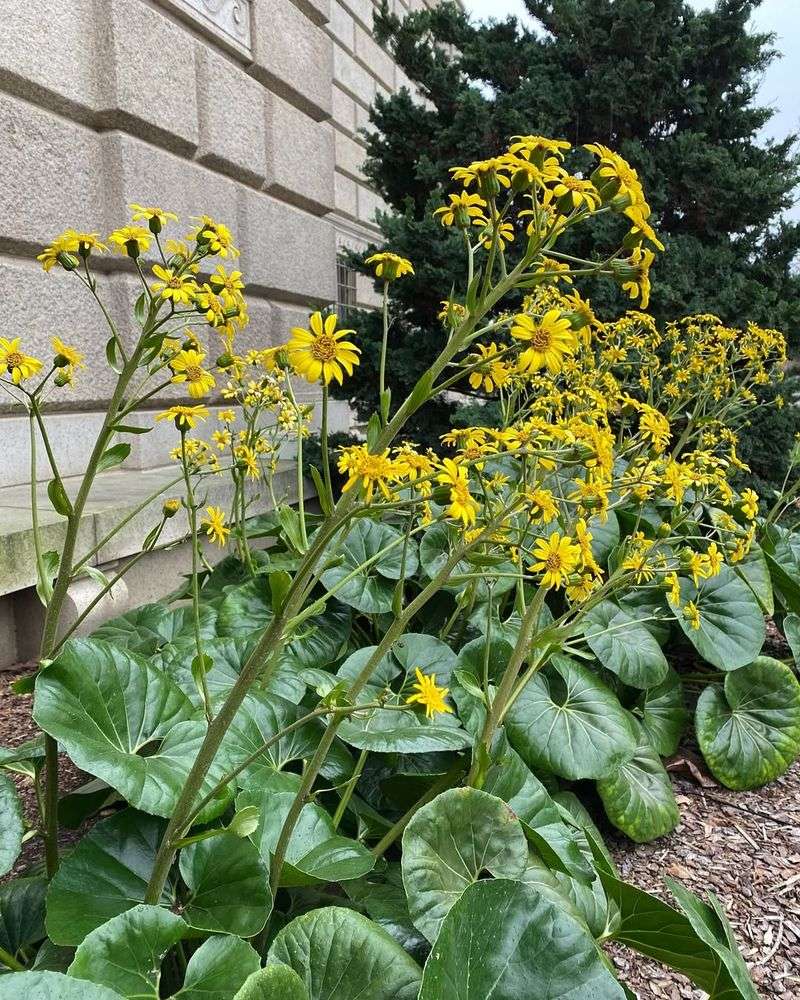
Randomly placing plants throughout your yard based solely on aesthetics might look nice initially, but it creates watering chaos that wastes both time and resources.
Hydrozoning means grouping plants with similar water requirements together, so you can water each zone according to its specific needs without guesswork or overwatering.
Create a low-water zone with cacti, agaves, and other succulents that barely need irrigation once established.
Your moderate-water zone might include flowering perennials and shrubs that need occasional deep watering during hot months.
If you absolutely must have a few thirstier plants, cluster them in a small high-water zone near your patio where you’ll actually see and enjoy them.
This strategy prevents the common mistake of overwatering drought-tolerant plants just because they’re planted next to something that needs more moisture.
You can set up different irrigation zones or simply remember which areas need attention and which can be mostly ignored.
Hydrozoning also makes your landscape more visually cohesive since plants with similar needs often share similar textures and appearances.
Your watering routine becomes logical and efficient rather than a confusing puzzle that changes every time you step outside.
Less time spent figuring out what needs water means more time enjoying your Arizona outdoor living space.
7. Let Plants Grow Naturally Instead Of Constant Pruning
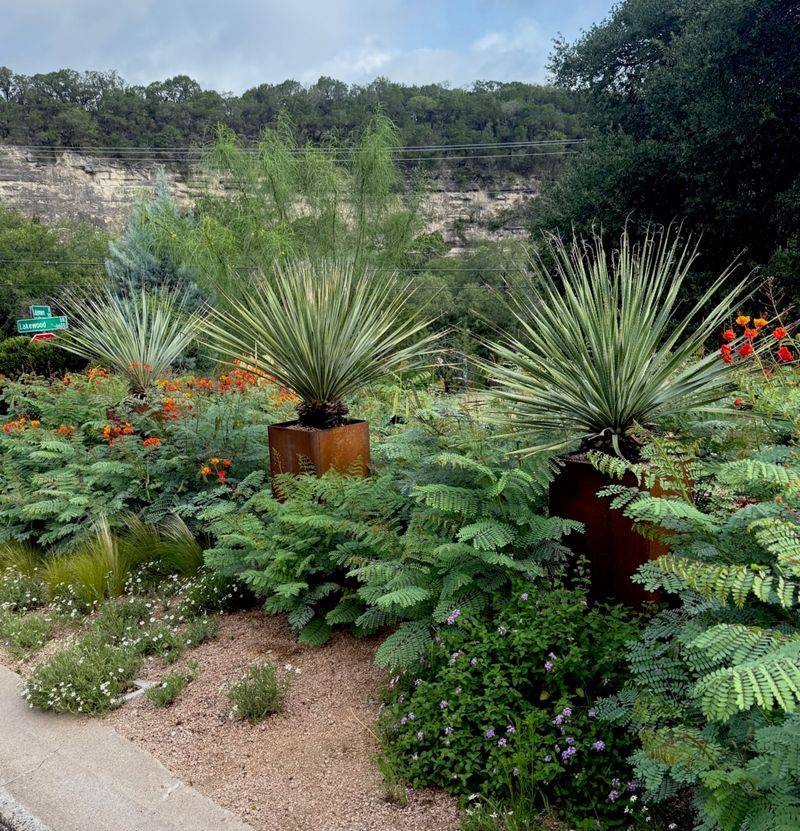
Many gardeners feel compelled to constantly trim, shape, and prune their plants into submission, but this obsessive grooming is often unnecessary and time-consuming.
Desert plants evolved to grow in specific natural forms that suit their environment, and fighting against those shapes just creates more work for you.
Mesquite trees develop beautiful, spreading canopies without needing constant shaping, and most desert shrubs look better when allowed to grow in their natural rounded or irregular forms.
When you select plants based on their mature size and natural shape, you eliminate the need for regular pruning to keep them in check.
A palo verde tree planted with adequate space will never need trimming to fit, while one crammed into a tight spot becomes a never-ending pruning project.
Natural growth patterns also tend to be healthier for plants, allowing them to develop strong branch structures and better withstand wind and storms.
Save your pruning energy for removing damaged branches or occasionally thinning overgrown areas, rather than trying to force plants into unnatural shapes.
The informal, organic look of naturally-grown desert plants actually suits Arizona landscapes better than rigid, over-manicured gardens anyway.
Your weekends stay free, and your yard develops an authentic desert character that feels relaxed and effortless.
8. Use Containers Strategically For Easy Control
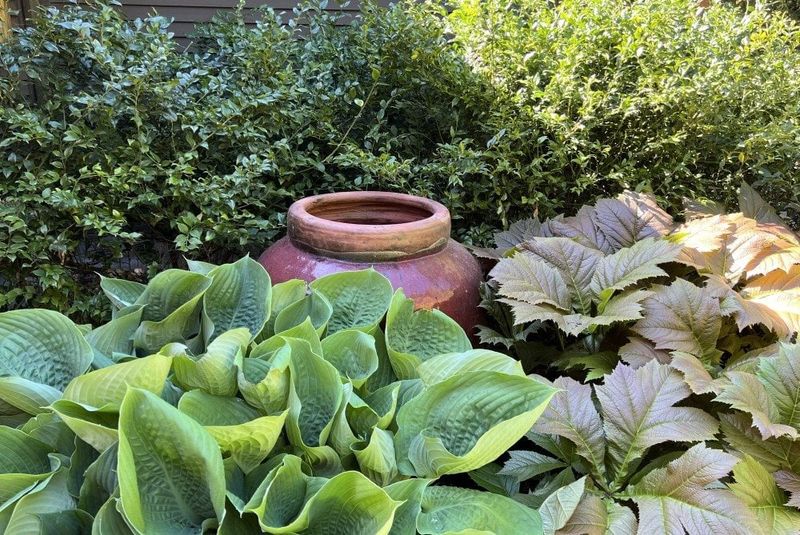
Container gardening gives you incredible flexibility and control, which is especially valuable when dealing with Arizona’s extreme conditions and limited time.
You can move containers to follow or escape the sun as seasons change, protecting tender plants from intense afternoon heat or winter cold snaps.
Watering containers is quick and targeted, and you can easily check soil moisture by sticking your finger into the pot rather than guessing about underground conditions.
Choose light-colored containers that reflect heat rather than dark ones that bake roots, and consider double-potting sensitive plants for extra insulation.
Grouping containers together creates visual impact while making watering more efficient since you’re hitting multiple plants in one spot.
Containers also let you experiment with plants that might not work directly in your native soil, using specialized potting mixes suited to specific needs.
For busy gardeners, containers mean you can focus your limited time and energy on a smaller, more manageable collection of plants.
They’re perfect for patios, entryways, and other high-visibility areas where you want guaranteed beauty without tending an entire landscape.
When plants outgrow their containers or lose their appeal, you can easily swap them out without major garden renovation.
Container gardening gives you maximum impact with minimum commitment, which is exactly what busy Arizona gardeners need.
9. Embrace Seasonal Gardening Instead Of Fighting The Heat
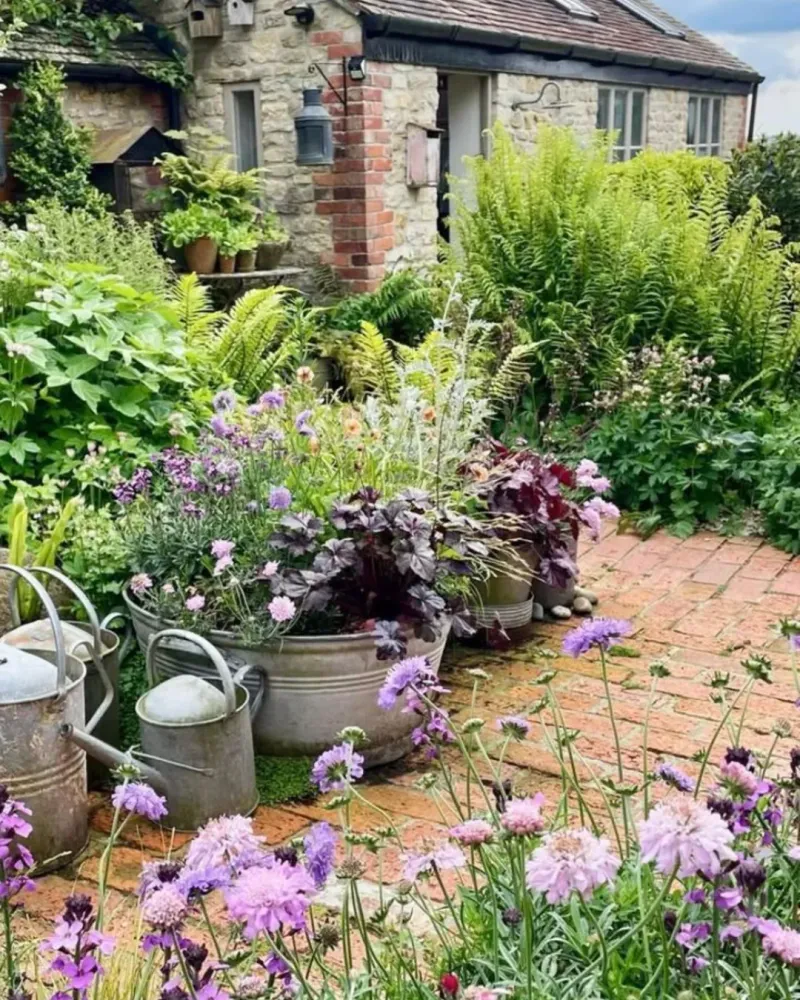
Trying to maintain a lush, actively growing garden during Arizona’s brutal summer months is like swimming upstream with concrete shoes—exhausting and ultimately pointless.
Smart Arizona gardeners work with the seasons rather than against them, planting and actively gardening during the mild fall and spring months when conditions are actually pleasant.
From October through April, temperatures are comfortable for both plants and people, making it the perfect time for planting, transplanting, and enjoying your outdoor space.
Summer becomes a maintenance-holding pattern where established plants coast along with minimal intervention while you stay inside where it’s cool.
Cool-season vegetables like lettuce, broccoli, and carrots thrive during Arizona winters when most of the country is buried in snow.
Spring brings spectacular wildflower displays and perfect weather for adding new perennials or rearranging landscape elements.
By July and August, your main job is ensuring irrigation systems are working and maybe providing extra shade for sensitive plants.
This seasonal approach prevents burnout and frustration because you’re not constantly battling impossible conditions.
You’ll actually enjoy gardening again when you do it during pleasant weather rather than treating it like a year-round obligation.
Nature has rhythms for good reasons, and aligning your gardening schedule with Arizona’s natural cycles makes everything easier and more successful.
10. Aim For Low-Effort Beautiful, Not Perfection
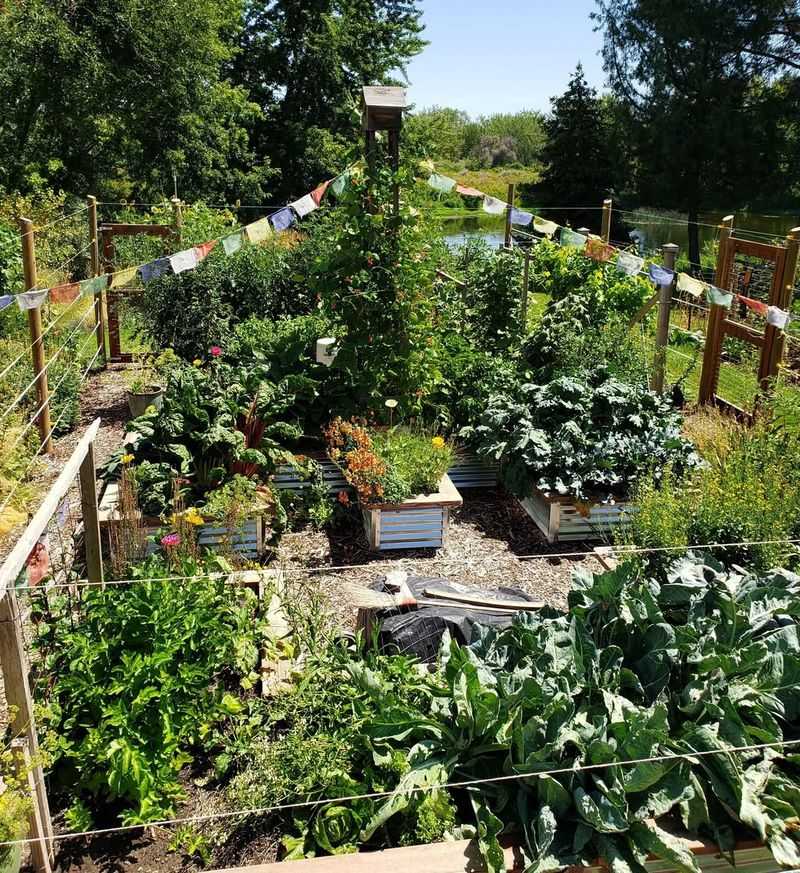
The quest for a magazine-perfect landscape can turn gardening from a joy into a stressful obligation that consumes every spare moment you have.
Arizona’s unique environment actually rewards a more relaxed approach where function and resilience matter more than flawless appearance.
A few weeds poking through the gravel won’t ruin your landscape’s overall beauty, and slightly shaggy plant edges add character rather than detracting from your yard.
Perfection requires constant vigilance and intervention, while a well-designed low-maintenance garden looks great with occasional attention.
Focus on creating a landscape that serves your lifestyle—providing shade, privacy, and pleasant views—rather than one that demands constant grooming.
When you release the pressure to maintain perfection, you’ll find yourself actually spending time in your yard rather than just working on it.
Most visitors and neighbors won’t notice the minor imperfections you obsess over; they’ll just see an attractive, thriving outdoor space.
The beauty of desert landscapes lies in their natural, somewhat wild character anyway, not in rigid formality.
By accepting “good enough” as genuinely good, you reclaim your time and mental energy for things that matter more than whether every leaf is perfectly placed.
Your garden becomes a source of pleasure rather than pressure, which is exactly what it should be for busy Arizona homeowners.