8 Lazy Gardening Hacks For Busy Homeowners In North Carolina
North Carolina homeowners know that keeping a beautiful garden can feel like a full-time job, especially when you already have a packed schedule with work, family, and everything else life throws your way.
The good news is that you don’t need to spend hours every week pulling weeds, watering plants, or battling pests to enjoy a lovely outdoor space.
Smart gardening strategies can help you maintain a gorgeous yard without all the back-breaking effort.
Whether you live in the mountains, the Piedmont, or along the coast, these simple tricks work perfectly with North Carolina’s unique climate and growing conditions.
You can have lush flower beds, thriving vegetables, and healthy lawns while barely lifting a finger.
These time-saving methods let you enjoy more weekend barbecues and less time hunched over with garden tools.
From choosing plants that practically take care of themselves to setting up systems that do the work for you, these hacks will transform how you think about yard maintenance.
Get ready to discover how a little planning and some clever shortcuts can give you the garden of your dreams without sacrificing your precious free time.
1. Native Plants Do The Heavy Lifting
Choosing native plants is probably the smartest decision any North Carolina gardener can make when aiming for low-maintenance beauty.
Plants that evolved right here in the Tar Heel State are already adapted to our soil, rainfall patterns, and temperature swings, which means they need far less attention than exotic varieties.
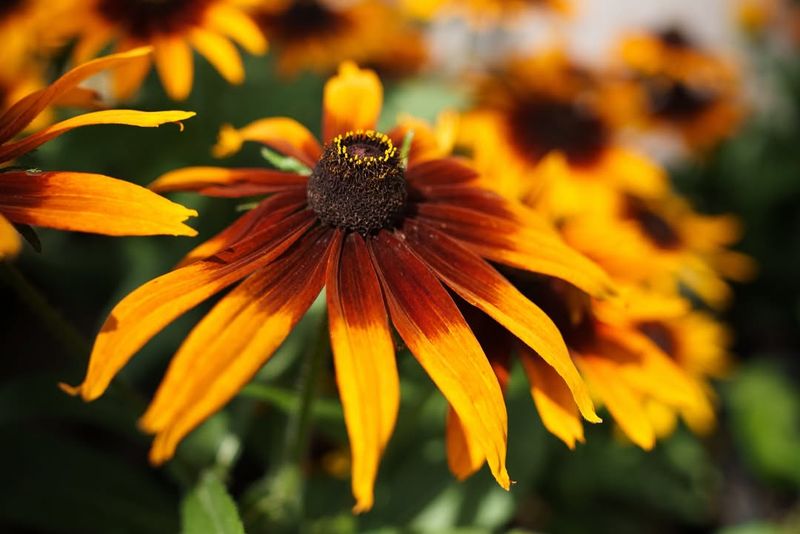
Native species like purple coneflower, black-eyed Susan, Carolina jessamine, and beautyberry have built-in resistance to local pests and diseases.
You won’t find yourself constantly spraying chemicals or nursing struggling plants back to health.
These tough beauties can handle our hot, humid summers and occasional drought periods without daily watering.
Once established, many native plants thrive on rainfall alone, saving you time and money on your water bill.
They also attract beneficial pollinators like butterflies, bees, and hummingbirds, creating a vibrant ecosystem in your backyard.
Visit a local nursery that specializes in native species, and ask staff which plants work best for your specific region in North Carolina.
Mountain gardeners have different options than coastal residents.
Planting natives means you’re working with nature instead of against it, which is the ultimate lazy gardening philosophy.
Your garden practically maintains itself while supporting local wildlife and preserving the natural heritage of North Carolina.
That’s what we call a win-win situation for busy homeowners everywhere.
2. Mulch Is Your Best Friend Forever
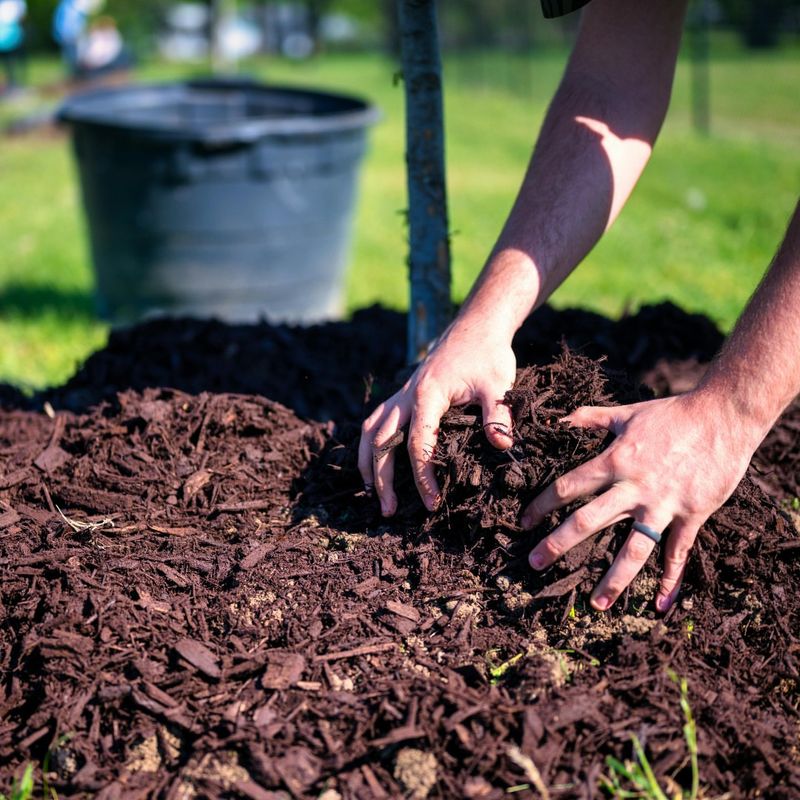
Spreading a thick layer of mulch around your plants might sound like extra work, but it’s actually one of the laziest and most effective things you can do for your North Carolina garden.
Mulch acts like a protective blanket that keeps soil moisture locked in, which means you water less often.
During those sweltering summer weeks when temperatures climb into the 90s, mulch prevents the ground from drying out too quickly.
It also blocks sunlight from reaching weed seeds, dramatically reducing the number of weeds that sprout up.
Fewer weeds mean less time spent on your knees pulling them out.
Organic mulches like pine straw, shredded hardwood bark, or composted leaves slowly break down over time, adding valuable nutrients back into the soil.
This natural fertilization process happens without you lifting a finger.
Aim for a mulch layer about three to four inches deep around trees, shrubs, and flower beds.
Just keep it pulled back a few inches from plant stems and tree trunks to prevent rot.
Pine straw is particularly popular across North Carolina because it’s affordable, readily available, and looks neat.
Refresh your mulch once or twice a year, and you’ll enjoy a tidy, weed-free garden that practically takes care of itself.
It’s one of those simple solutions that delivers massive results with minimal ongoing effort.
3. Drip Irrigation Systems Save Time And Water
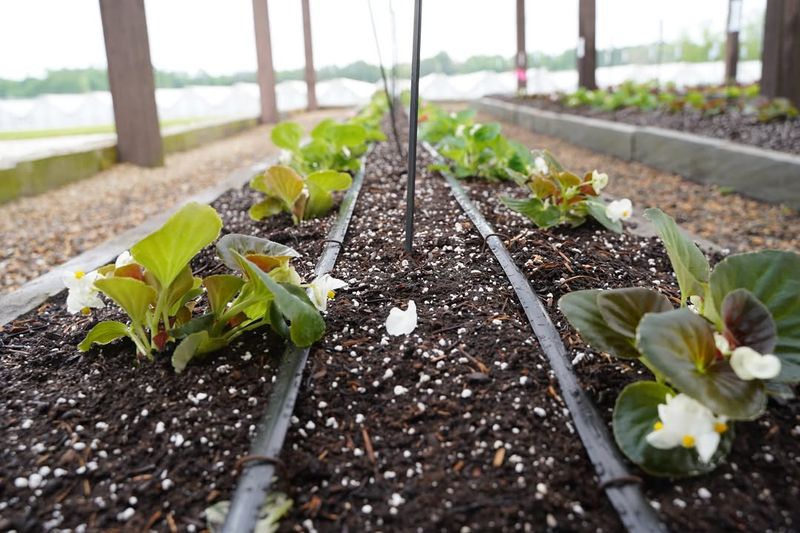
Dragging hoses around the yard every evening gets old fast, especially after a long day at work.
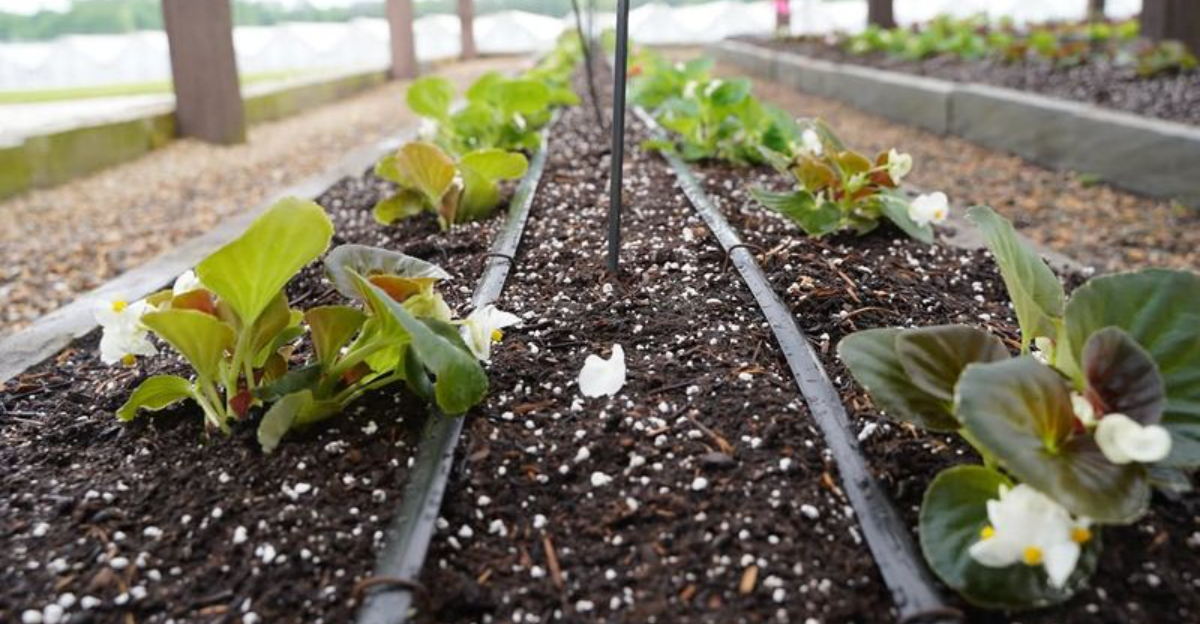
Installing a simple drip irrigation system transforms watering from a daily chore into something that happens automatically.
These systems deliver water directly to plant roots through a network of tubes and emitters, eliminating waste and ensuring every plant gets exactly what it needs.
You can find affordable drip irrigation kits at any garden center or home improvement store in North Carolina.
Most systems connect to an outdoor faucet and can be set up in an afternoon without any special plumbing skills.
Add a battery-operated timer, and your garden waters itself on a schedule you choose.
This is especially helpful during our unpredictable spring and summer weather when rain can be hit or miss.
Drip irrigation uses significantly less water than sprinklers because it minimizes evaporation and runoff.
Your plants stay healthier too, since water goes straight to the roots rather than splashing on leaves where it can encourage fungal diseases.
For vegetable gardens, flower beds, and container plantings, drip systems are absolute game-changers.
You’ll save time, conserve water, and enjoy better plant growth all at once.
Many North Carolina homeowners who switch to drip irrigation wonder why they didn’t make the change sooner.
Set it, forget it, and watch your garden flourish.
4. Perennials Keep Coming Back Year After Year
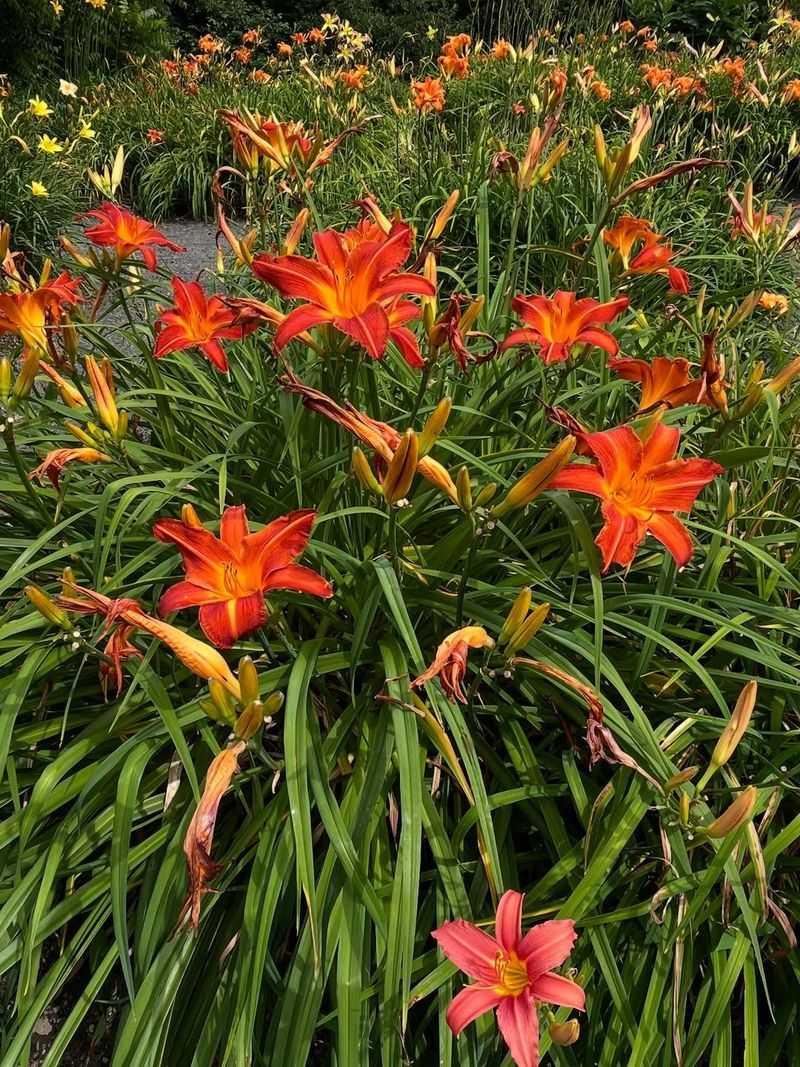
Planting annuals every single spring sounds exhausting when you think about it.
Perennials offer a much smarter approach for lazy gardeners because they return season after season without replanting.
Once you invest time getting them established, perennials reward you with years of blooms and foliage.
North Carolina’s climate supports an incredible variety of perennial plants that thrive with minimal care.
Daylilies are practically indestructible and produce gorgeous flowers in nearly every color imaginable.
Hostas love shady spots and offer beautiful leaf textures even when not blooming.
Salvia, coreopsis, and Russian sage handle full sun beautifully and attract pollinators throughout the growing season.
These tough plants develop strong root systems that help them survive dry spells and temperature fluctuations.
Many perennials actually spread over time, filling in bare spots and creating fuller, more established-looking gardens.
You might need to divide them every few years, but that’s a small price to pay for plants that essentially take care of themselves.
Choose varieties suited to your specific light and soil conditions across different parts of North Carolina.
Coastal gardens have different requirements than mountain gardens.
Mix early, mid, and late-season bloomers to enjoy color from spring through fall.
Perennials are the backbone of any low-maintenance landscape, providing structure and beauty without constant replanting and fussing.
5. Ground Covers Replace High-Maintenance Lawns

Lawns demand constant mowing, fertilizing, watering, and edging, which is the opposite of lazy gardening.
Ground covers offer an attractive alternative that looks great year-round with a fraction of the effort.
Low-growing plants spread horizontally to create dense carpets that suppress weeds and require minimal upkeep.
Creeping thyme releases a wonderful fragrance when you walk on it and produces tiny purple flowers in summer.
Ajuga tolerates shade beautifully and offers gorgeous blue flower spikes in spring.
Mondo grass works perfectly in shady areas where regular turf struggles to grow.
For sunny spots in North Carolina, consider sedum or creeping phlox, which handle heat and drought like champions.
These plants eliminate the need for weekly mowing, which saves you hours every month during the growing season.
They also reduce or eliminate fertilizer and pesticide use, making your yard more environmentally friendly.
Ground covers work especially well on slopes where mowing is difficult or dangerous.
They prevent erosion while creating visual interest with varied textures and seasonal color changes.
Start by replacing small sections of lawn, perhaps under trees or in difficult corners.
Once you see how easy ground covers are to maintain, you might decide to expand them further.
North Carolina gardeners are increasingly embracing this low-maintenance landscaping trend that gives them more free time and less yard work.
6. Raised Beds Reduce Weeding And Bending
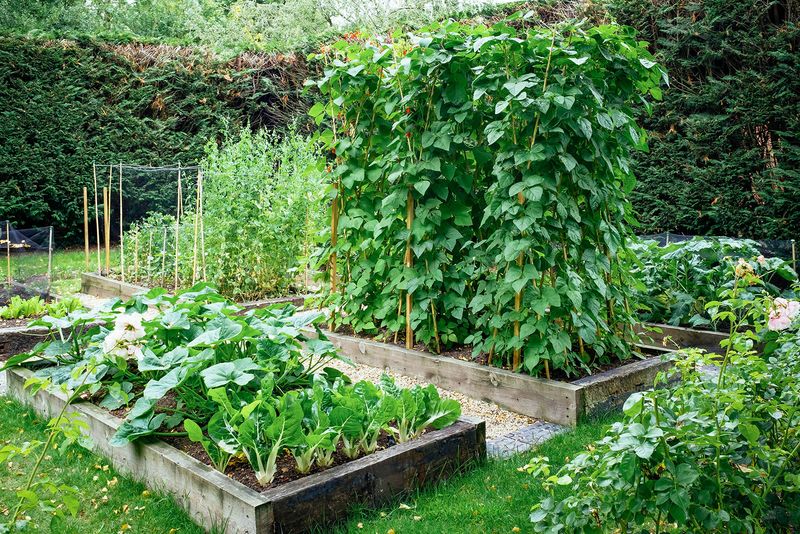
Building raised beds might require some initial effort, but the long-term payoff for lazy gardeners is absolutely worth it.
Elevated planting areas bring your garden up to a more comfortable working height, which means less bending and kneeling.
Your back will thank you after every gardening session.
Raised beds also allow you to control soil quality completely, starting with a perfect growing medium rather than fighting with whatever clay or sand your North Carolina property has.
Good soil drainage in raised beds prevents waterlogging during our heavy spring rains and summer thunderstorms.
Weeds have a much harder time invading raised beds, especially when you fill them with quality soil and mulch the top.
The defined borders make it easy to apply mulch and keep it contained.
You can even add landscape fabric at the bottom to block persistent weeds from growing up from below.
Raised beds warm up faster in spring, giving you a head start on the growing season.
They’re perfect for vegetables, herbs, and flowers alike.
You can build them from untreated wood, composite materials, or even concrete blocks, depending on your budget and style preferences.
Make them narrow enough that you can reach the center from either side without stepping into the bed.
This keeps soil from getting compacted, which improves plant health.
Raised beds turn gardening into a more enjoyable, less physically demanding activity for busy North Carolina homeowners.
7. Self-Watering Containers For Patios And Decks
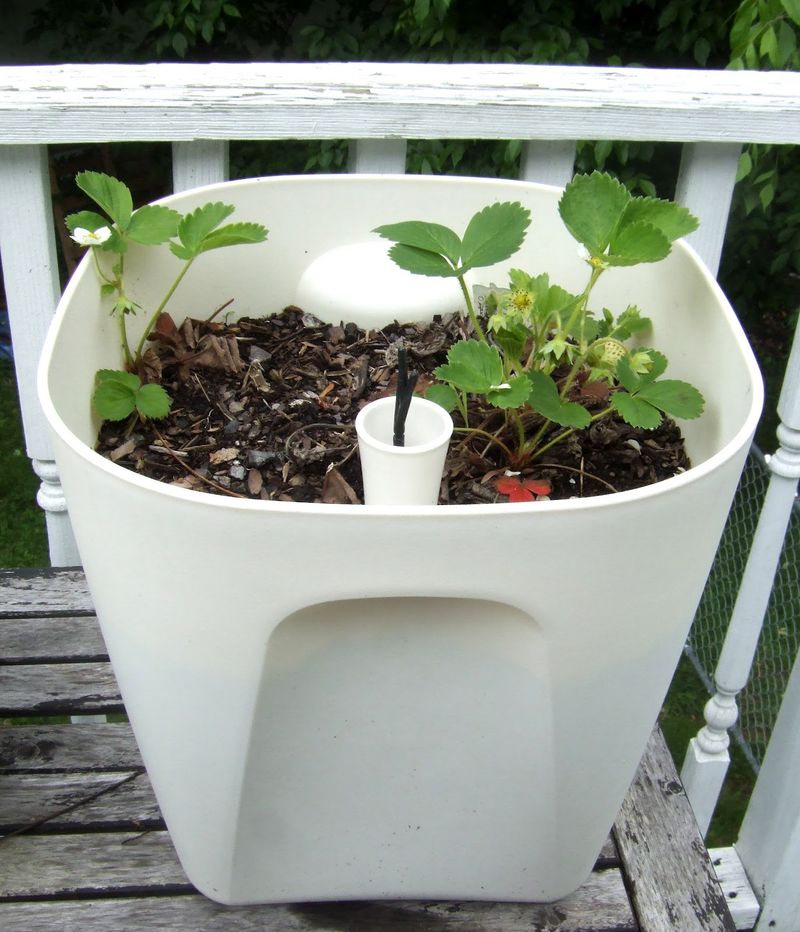
Container gardens add beauty and flexibility to any outdoor space, but traditional pots dry out quickly during hot North Carolina summers.
Self-watering containers solve this problem with built-in reservoirs that hold water and slowly release it to plant roots as needed.
These clever designs can keep plants hydrated for several days or even a week, depending on weather conditions and plant size.
You simply fill the reservoir periodically rather than watering daily.
This technology is perfect for busy homeowners who travel for work or want to enjoy weekends away without worrying about their plants.
Self-watering pots come in countless sizes, styles, and colors to match any decor.
They work beautifully for vegetables like tomatoes and peppers, herbs for your kitchen, or colorful annual flowers.
Many models include indicators that show when the reservoir needs refilling, taking all the guesswork out of watering.
Plants grown in self-watering containers often perform better than those in regular pots because they receive consistent moisture without the stress of drying out between waterings.
You’ll see healthier growth, more flowers, and better vegetable yields.
These containers are especially valuable on sunny decks and patios where heat intensifies quickly.
They’re available at garden centers throughout North Carolina or online.
Invest in quality self-watering containers, and you’ll enjoy beautiful container gardens without the daily watering commitment that usually comes with them.
8. Smart Plant Choices For Shade And Sun
Putting the right plant in the right place is gardening wisdom that saves enormous amounts of time and frustration.
Plants struggling in wrong conditions require constant attention, while properly placed plants practically care for themselves.
Take time to observe how sunlight moves across your North Carolina yard throughout the day before choosing plants.
Full sun means six or more hours of direct sunlight, partial shade is three to six hours, and full shade is less than three hours.
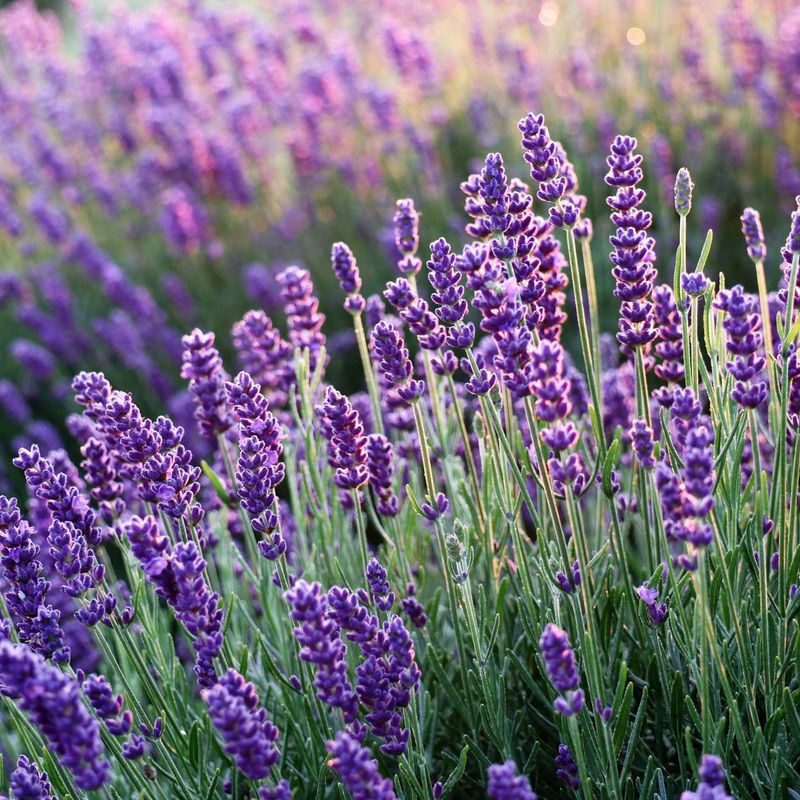
Sun-loving plants like lavender, rosemary, and coneflowers will languish and develop problems if planted in shade.
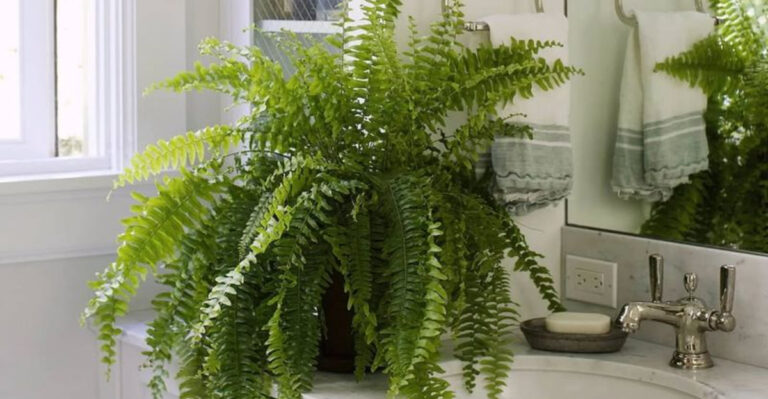
Shade lovers like ferns, astilbe, and coral bells will scorch and struggle in blazing sun.
Match plants to your actual conditions rather than trying to force something to work where it doesn’t belong.
North Carolina’s varied geography means coastal gardens have different light and heat conditions than mountain gardens.
Consider microclimates in your yard too, like hot spots near south-facing walls or cooler areas near large trees.
Garden centers label plants with their light requirements, making selection easier.
When you’re unsure, ask nursery staff for recommendations specific to your situation.
Plants placed in their preferred conditions grow stronger, resist pests and diseases better, and need less watering and fertilizing.
This simple principle is fundamental to lazy gardening success, turning your landscape into a self-sustaining ecosystem that thrives with minimal intervention from you.