Leafy Greens To Plant In Michigan During April
April in Michigan can feel like a race between cold mornings and suddenly warmer afternoons.
While some plants still need to wait, leafy greens are ready to go and often perform best in these cooler conditions.
It’s one of those small seasonal windows that experienced gardeners learn to take advantage of, especially after a long winter indoors.
These crops grow quickly, don’t mind a light chill, and can be picked over and over once they get going. Starting them now means you’re already ahead by the time summer crops even get planted.
A few well-timed rows or containers can keep fresh greens coming sooner than expected. The options ahead are well-suited for Michigan’s April conditions and known for steady, reliable growth early in the season.
1. Spinach Growing Fast In Cool Spring Soil
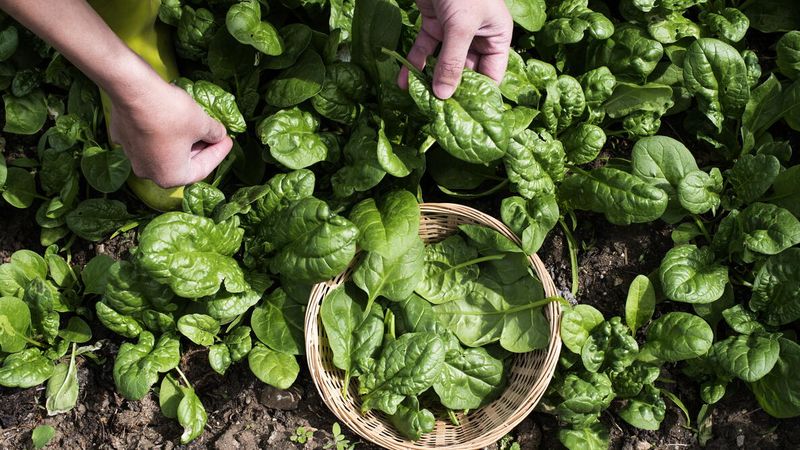
Few vegetables are as eager to grow in cool Michigan springs as spinach. Sow seeds directly into the garden as early as the first week of April, and you will likely see tiny sprouts popping up within seven to ten days.
Spinach genuinely thrives when nighttime temperatures dip into the 30s, making it one of the toughest and most rewarding greens you can grow.
Prepare your garden bed by loosening the soil about six inches deep and mixing in some compost. Plant seeds about half an inch deep and one inch apart, then thin seedlings to about three inches once they sprout.
Keep the soil consistently moist but not soggy, since spinach roots prefer good drainage to stay healthy.
One of the coolest things about spinach is how fast it matures. Many varieties are ready to harvest in just 40 to 50 days, so you could be enjoying fresh salads by mid-May right here in Michigan.
Baby spinach leaves can be snipped even earlier for a tender, mild flavor that store-bought bags simply cannot match. Try varieties like Bloomsdale Long Standing or Tyee for reliable spring yields.
Spinach is packed with iron, vitamins A and C, and folate, making every leaf a nutritional powerhouse worth celebrating.
2. Kale Handling Cold With Strong, Steady Growth
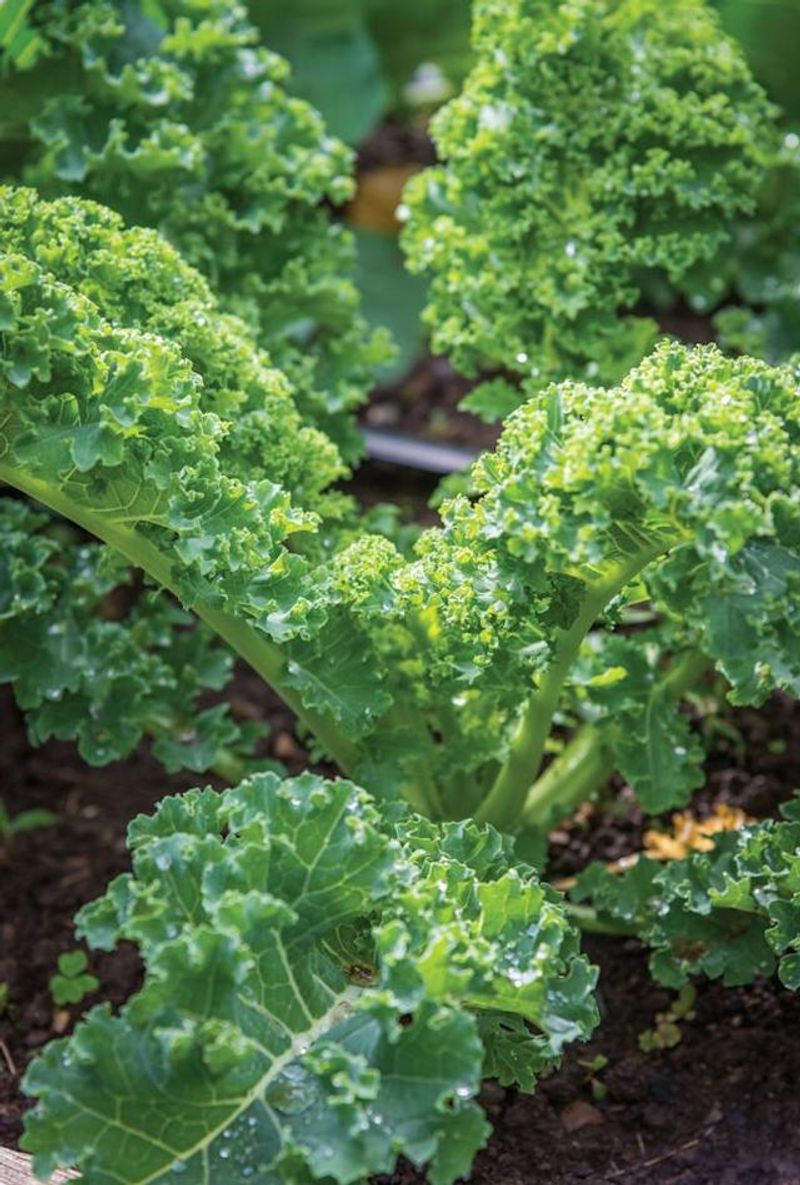
Known for tolerating frost without flinching, kale can be direct-seeded into your Michigan garden as soon as the soil is workable in early April. Some gardeners even say a light frost makes kale taste sweeter, as the cold converts starches into sugars inside the leaves.
Plant seeds about a quarter to half an inch deep, spacing them roughly 12 to 18 inches apart to give each plant room to spread its big, beautiful leaves. Kale prefers full sun but can handle partial shade, which makes it flexible for gardens with uneven light.
Water regularly and add a layer of mulch around the base to keep moisture in and weeds out.
Popular varieties like Lacinato (also called dinosaur kale), Red Russian, and Curly Scotch all perform wonderfully in Michigan’s spring climate. Lacinato has long, dark blue-green leaves with a slightly chewy texture that holds up well in soups and stir-fries.
Red Russian has softer, more delicate leaves that are fantastic raw in salads. Kale is loaded with vitamins K, A, and C, plus calcium and antioxidants.
Planting kale in April means you will enjoy harvests well into summer and possibly even into early winter with proper care.
3. Swiss Chard Adding Colorful Stems And Tender Leaves
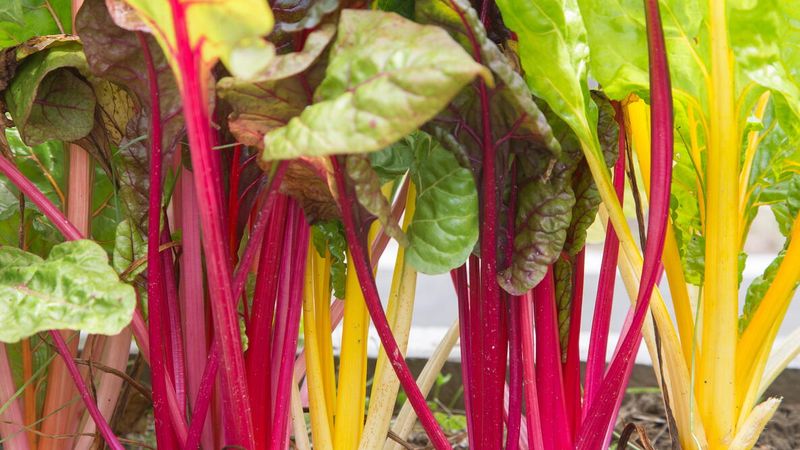
If your garden needs a pop of color alongside serious nutrition, Swiss chard is the answer. The stems come in vibrant shades of red, yellow, orange, and white, making it one of the most visually striking vegetables you can grow in Michigan.
April is the perfect time to direct-seed Swiss chard into your garden, as it handles cool temperatures beautifully and germinates well when soil temps hit around 50 degrees Fahrenheit.
Sow seeds about half an inch deep and space them six inches apart in rows that are about 18 inches apart. Swiss chard seeds are actually clusters of multiple seeds, so once they sprout, thin them to one strong plant per spot.
Consistent watering and a dose of balanced fertilizer every few weeks will keep your chard growing strong and producing leaves all season long.
One thing that makes Swiss chard especially great for Michigan gardeners is its long harvest window. Unlike some greens that bolt quickly in heat, chard keeps producing from spring through fall with minimal fuss.
Harvest outer leaves as needed, and the plant will keep pushing out new growth from the center. Varieties like Rainbow Chard and Fordhook Giant are both reliable and popular choices.
Rich in magnesium, potassium, and vitamins A, C, and K, Swiss chard is a nutritional gem that belongs in every Michigan spring garden without question.
4. Lettuce Producing Quick, Crisp Harvests
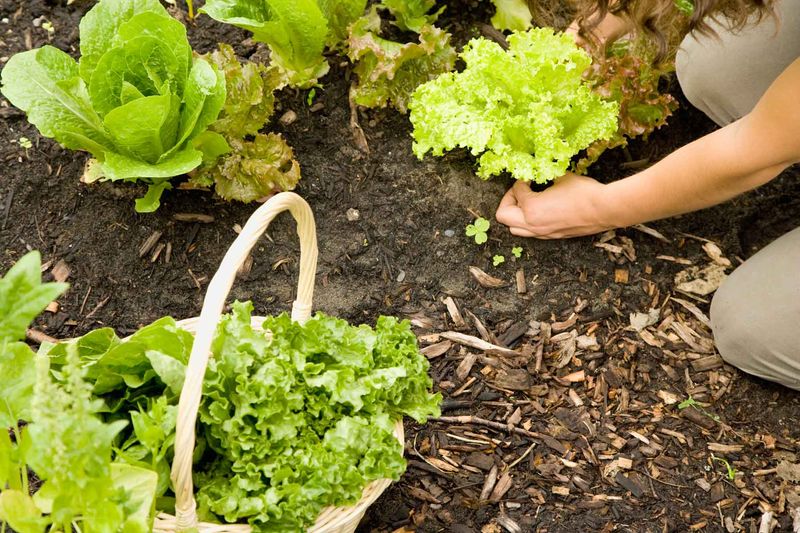
This is one of the easiest and fastest leafy greens to grow, and the cool spring weather across Michigan keeps it from bolting too quickly. Varieties like leaf lettuce, romaine, bibb, and butterhead can all be seeded directly into the garden in early April, giving you a wide range of textures and flavors to enjoy.
Scatter seeds lightly on the surface of loose, well-amended soil and press them down gently, since lettuce seeds need light to germinate properly. Thin seedlings to about six to eight inches apart once they reach a couple of inches tall.
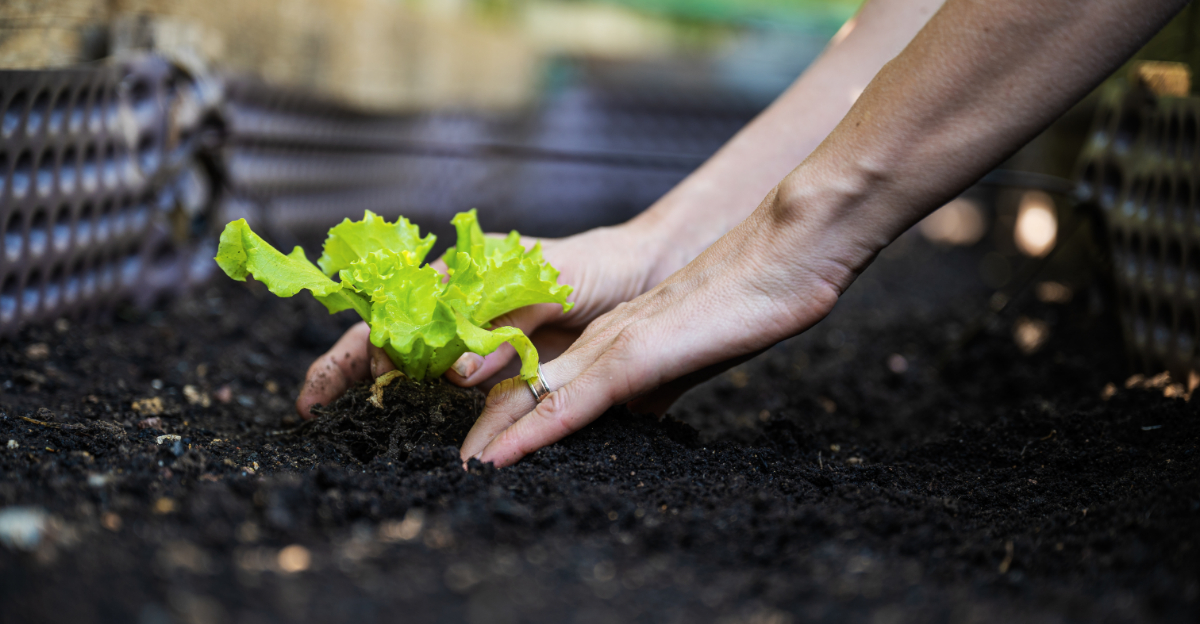
Lettuce grows shallow roots, so it does not need deep soil, making it an excellent choice for raised beds and containers on Michigan porches and patios.
You can start harvesting leaf lettuce varieties in as little as 30 days by snipping outer leaves, which encourages even more growth from the center. Butterhead and romaine types take a bit longer, usually 55 to 70 days to full maturity.
Mixing different varieties together creates a beautiful, colorful salad garden that looks as good as it tastes. Try planting a new small batch every two to three weeks for a continuous supply of fresh greens throughout spring.
Lettuce is low in calories but rich in water content, vitamin K, and folate.
5. Arugula Bringing A Bold, Peppery Bite
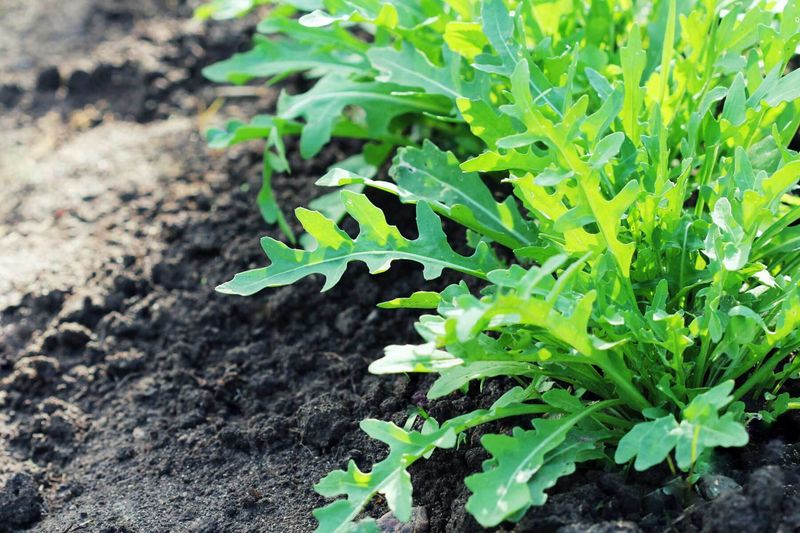
Gardeners across Michigan love it because it grows incredibly fast and thrives in the cool April temperatures that blanket the state each spring. Direct-seed arugula as soon as the soil can be worked, pressing seeds lightly into the surface since they need some light exposure to sprout properly.
Space seeds about an inch apart in rows roughly 10 inches wide, and expect germination within five to seven days under good conditions. Arugula prefers well-drained soil with plenty of organic matter mixed in.
Because it matures so quickly, sometimes in as little as 25 to 30 days, you might get two or even three harvests before Michigan summer heat causes it to bolt and turn bitter.
When arugula starts to flower, the flavor intensifies significantly, which some people enjoy and others find too sharp. Pinching off flower buds as they appear can extend your harvest window by a few extra weeks.
For a milder flavor, harvest young leaves when they are about two to three inches long. Wild arugula varieties tend to have a stronger, more complex taste, while standard garden arugula is slightly milder.
Either way, a handful of fresh Michigan-grown arugula tossed with olive oil, lemon, and shaved parmesan is one of spring’s greatest simple pleasures. It is also rich in calcium, folate, and vitamins A, C, and K.
6. Mustard Greens Growing Fast With A Sharp Flavor
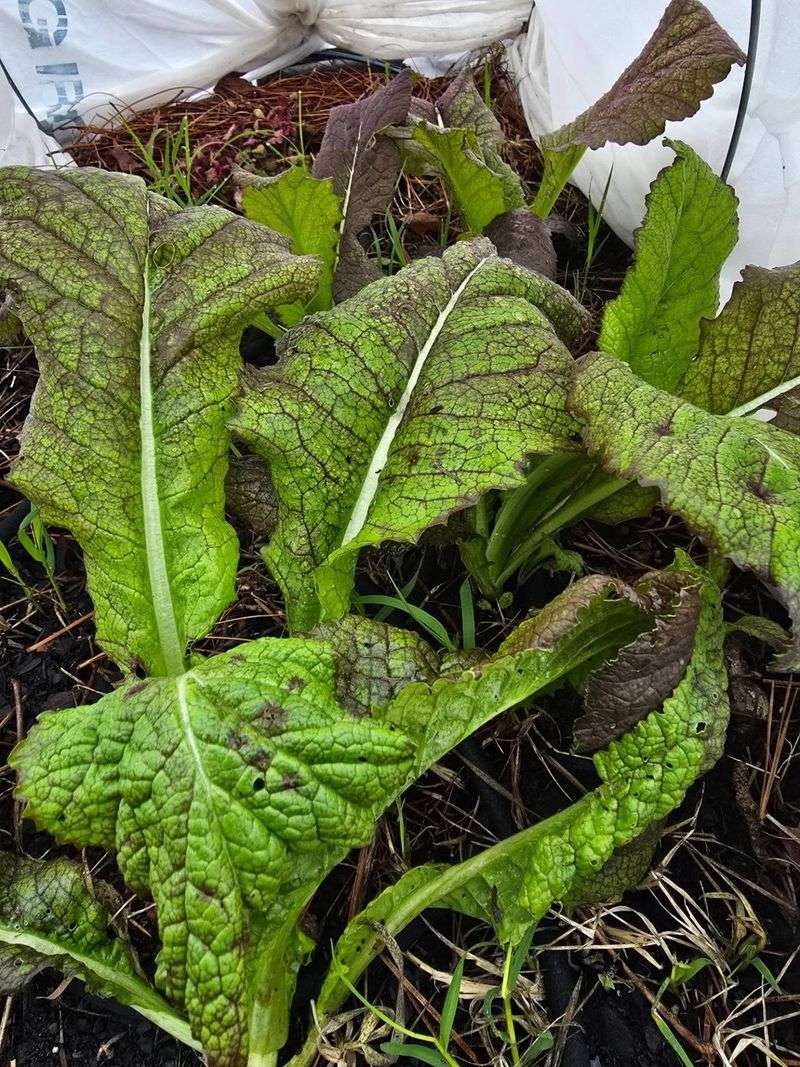
These fast-growing, bold-flavored greens love cool weather and can be direct-seeded into the garden throughout April with impressive results. The leaves carry a spicy, tangy bite that adds serious character to salads, stir-fries, and braised dishes alike.
Sow seeds about a quarter inch deep and thin seedlings to six to nine inches apart once they reach a few inches tall. Mustard greens grow quickly, often reaching harvest size within 30 to 40 days of planting.
They prefer full sun and consistently moist soil, though they tolerate brief dry spells better than some other leafy greens. Adding compost to your Michigan garden bed before planting gives them a nutritional boost right from the start.
Southern Giant Curled and Red Giant are two popular varieties that perform especially well in Michigan’s cool spring climate. Red Giant has stunning deep purple-red leaves that look gorgeous in the garden and taste just as bold as they look.
Harvest outer leaves regularly to keep plants producing fresh growth throughout the season. Young leaves are milder and work beautifully raw in salads, while older leaves develop more heat and are better cooked.
Mustard greens are loaded with vitamins A, C, and K, plus fiber and antioxidants that support overall health.
7. Collard Greens Building Big, Nutritious Leaves
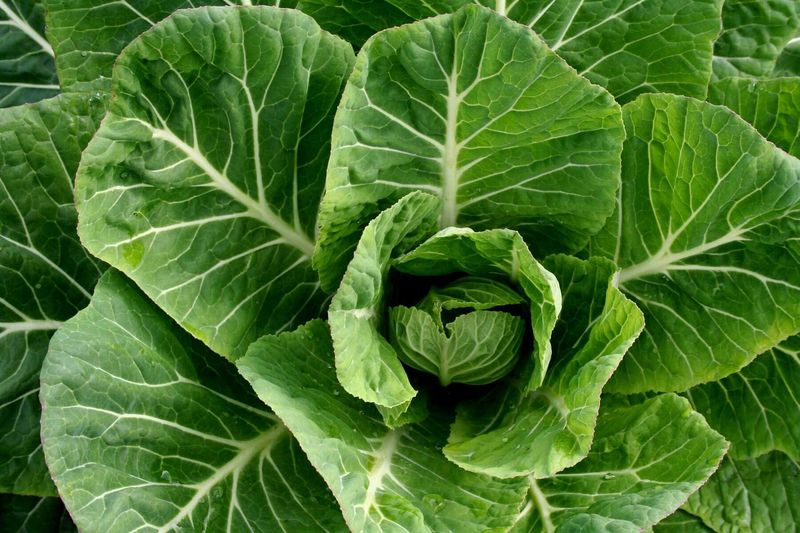
With a rich history in American cooking, collard greens deserve just as much love in Michigan gardens as they get in Southern kitchens. April is a fantastic time to direct-seed collards in Michigan, as they handle cool temperatures and even light frost without much trouble at all.
Their large, flat, dark green leaves grow on sturdy stems and produce abundantly throughout the spring and into summer.
Plant seeds about half an inch deep and space plants 18 to 24 inches apart, since collard greens grow into large, bushy plants that need room to spread. They prefer full sun and rich, well-drained soil.
Work compost into your Michigan garden bed before planting to give collards the nutrients they need for vigorous leaf production. Water deeply and regularly, especially during dry April stretches.
Collards are slower to mature than some other spring greens, typically taking 60 to 80 days to full size, but you can harvest young outer leaves well before then. In fact, picking outer leaves regularly encourages the plant to keep producing new growth from the center.
Champion and Georgia Southern are two classic varieties that have proven themselves in Michigan gardens season after season. Collard greens are extraordinarily nutritious, offering some of the highest levels of vitamin K of any vegetable, along with generous amounts of calcium, vitamin C, and folate.
Braised with garlic and a splash of apple cider vinegar, freshly harvested collards taste absolutely incredible.
8. Bok Choy Thriving In Cool, Early Conditions
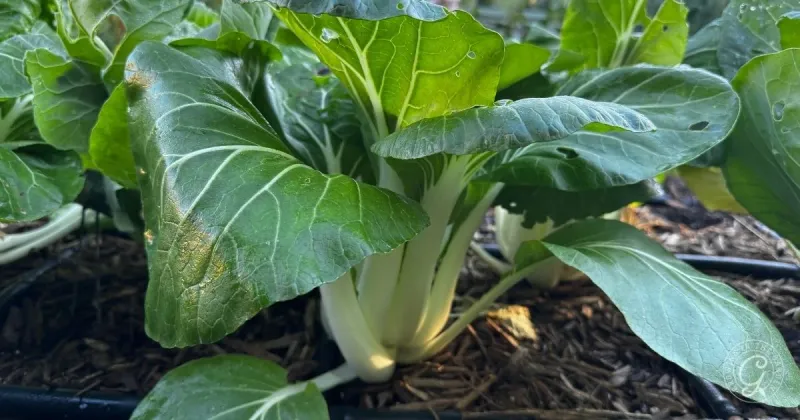
Also called pak choi, this Asian cabbage relative grows quickly in cool weather and produces crisp, mild-flavored leaves and thick white stalks that are delicious stir-fried, roasted, or eaten raw. Michigan’s cool April temperatures are practically tailor-made for this versatile green.
Direct-seed bok choy about a quarter inch deep and thin seedlings to about six inches apart for baby varieties or 12 inches apart for full-size types. It grows best in full sun with consistently moist, nutrient-rich soil.
Adding a balanced fertilizer at planting time gives bok choy the nitrogen boost it craves for producing lush, tender leaves throughout spring.
Baby bok choy varieties like Toy Choi and Mei Qing Choi mature in as little as 30 to 35 days, making them one of the fastest harvests in the Michigan spring garden. Full-size varieties take about 50 to 70 days.
Watch for aphids and cabbage worms, which can be deterred by floating row covers early in the season. Harvest the whole plant at once by cutting it at the base, or snap off outer leaves for a cut-and-come-again approach.
Bok choy is an excellent source of vitamins A, C, and K, plus calcium and potassium, making it a wonderfully nutritious addition to any Michigan spring garden.
9. Mizuna Offering Tender Leaves With Mild Flavor
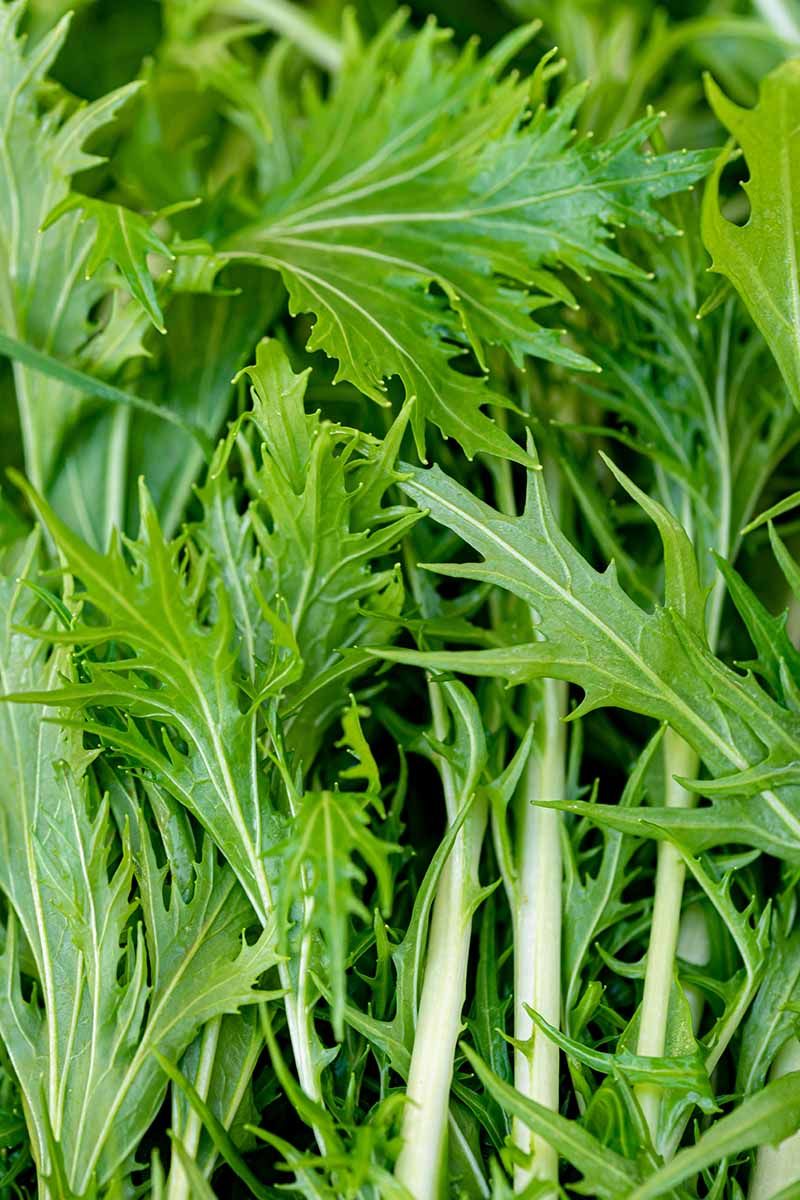
One of those underrated garden gems that experienced Michigan growers keep coming back to every April is mizuna. Its feathery, deeply serrated leaves have a mild, slightly peppery flavor that sits somewhere between arugula and spinach, making it incredibly versatile in the kitchen.
Originally from Japan, mizuna has become a beloved cool-season green for gardeners across Michigan who appreciate its easygoing growth habits and fast maturity.
Sow seeds directly into the garden about a quarter inch deep, spacing them roughly three to four inches apart in rows about 12 inches wide. Mizuna germinates quickly, often within five to seven days, and can be harvested as baby greens in as little as 20 to 25 days.
For full-size plants, expect harvest-ready leaves in about 40 days. It grows well in both full sun and partial shade, making it flexible for different Michigan garden setups.
One of the best things about mizuna is how well it regrows after cutting. Snip leaves about an inch above the base and the plant will push out fresh new growth within days, giving you multiple harvests from a single planting.
It is an excellent addition to spring salad mixes, grain bowls, and Asian-inspired noodle dishes. Mizuna is rich in vitamins A, C, and K, along with folate and antioxidants.
For Michigan gardeners looking to try something a little different this April, mizuna is a wonderfully rewarding choice that rarely disappoints.