Learn How To Grow Stunning Irises In Your Tennessee Garden
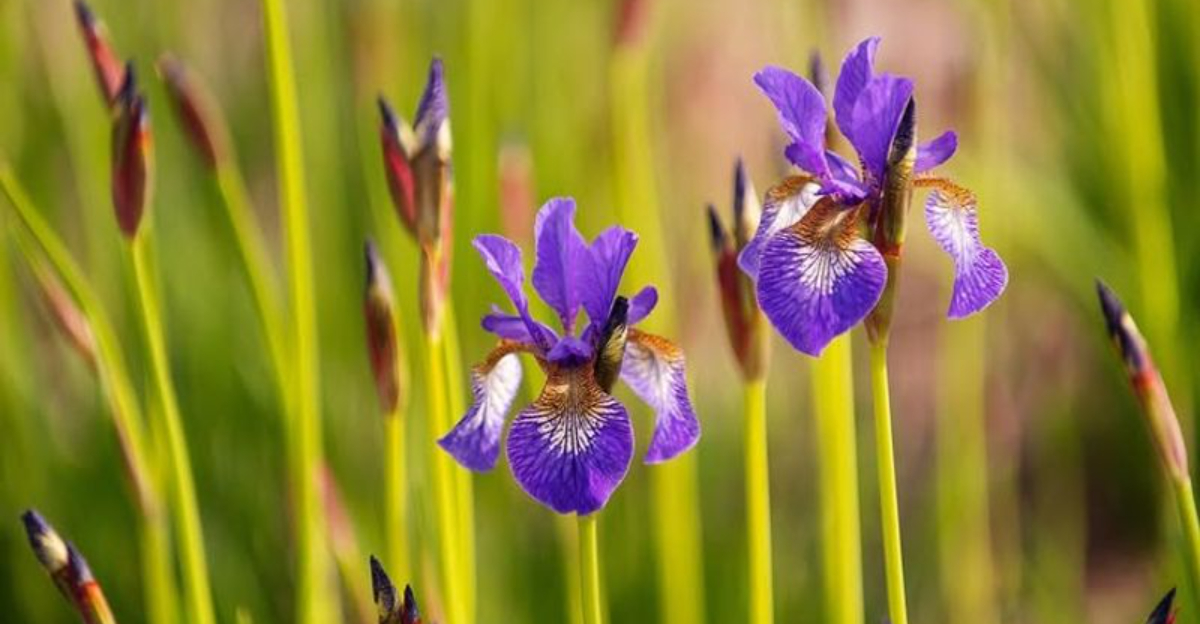
Irises bring bold color and classic beauty to Tennessee gardens, and growing them is easier than many people think. With the right care, these flowers can reward you with tall stems and eye-catching blooms year after year.
Big blooms start with simple steps. You don’t need to be a gardening expert to get great results.
Tennessee’s warm summers and mild winters create excellent conditions for iris growth. When planted and cared for properly, irises grow strong and bloom reliably.
Strong roots lead to stunning flowers. And once they settle in, they keep getting better each season.
From choosing the right spot to knowing when to water and divide plants, small details make a huge difference. Whether you’re planting your first iris or improving an existing bed, learning the basics helps avoid common mistakes.
If you want brighter colors, healthier plants, and a garden that stands out, irises are a perfect place to start. With the right approach, your Tennessee garden can become a showstopper.
1. Choose The Right Iris Varieties For Tennessee’s Climate
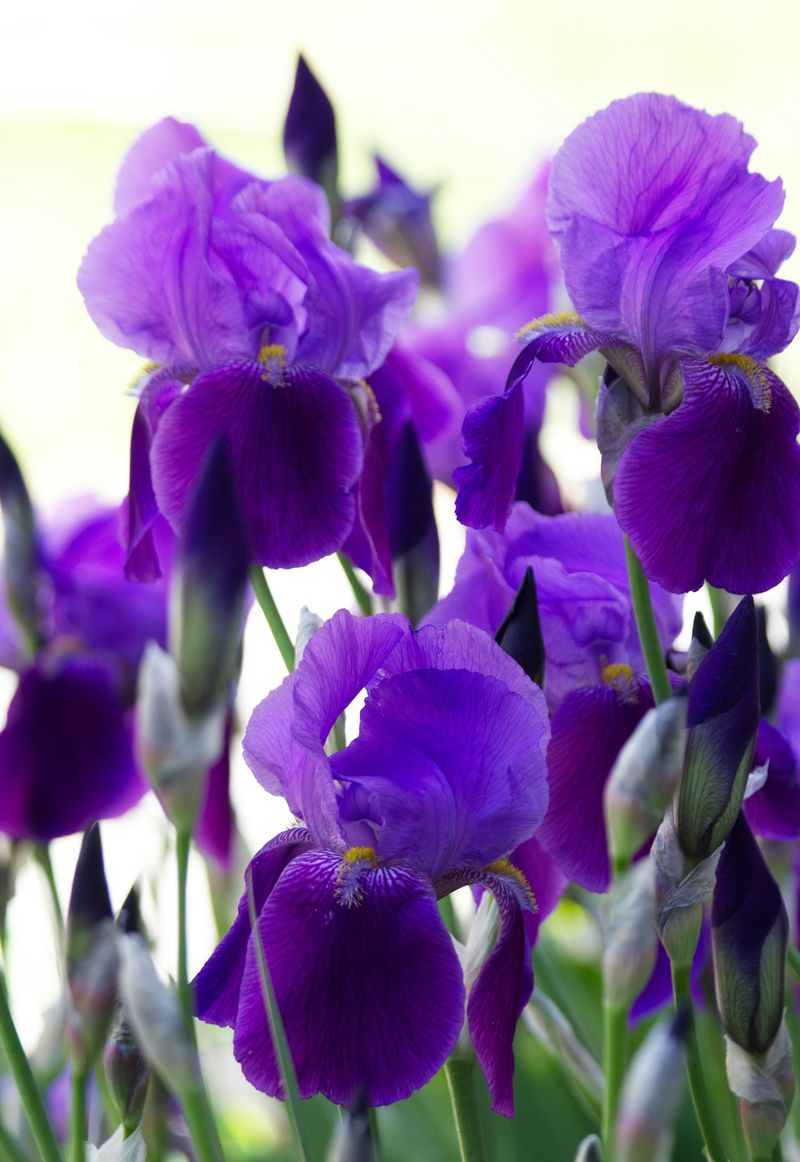
Selecting iris varieties that match Tennessee’s growing conditions sets you up for success right from the start. Bearded irises are the most popular choice across the state, thriving in USDA hardiness zones 6 through 8, which covers most of Tennessee.
These classic beauties come in nearly every color imaginable and bloom reliably each spring with minimal fuss.
Siberian irises offer another excellent option for Tennessee gardeners who want something a bit different. These elegant flowers have narrower leaves and more delicate blooms than their bearded cousins.
They tolerate Tennessee’s occasional wet springs better than bearded varieties and continue looking attractive even after the flowers fade.
Louisiana irises work wonderfully in areas of your Tennessee garden that stay consistently moist.
If you have a low spot in your yard or a rain garden, these water-loving irises will flourish where other varieties might struggle. Their bold, flat-faced blooms add a tropical feel to Tennessee landscapes.
Japanese irises present yet another option for gardeners willing to provide extra attention. These stunning flowers prefer slightly acidic soil and consistent moisture during the growing season.
Tennessee’s natural soil tends toward slightly acidic, making it a good match for Japanese varieties if you can maintain adequate water.
When shopping for irises in Tennessee, look for varieties labeled as disease-resistant and heat-tolerant. Local nurseries often carry varieties that perform well in your specific region.
Talking with other Tennessee gardeners at farmers markets or garden clubs can provide valuable recommendations based on real-world experience.
Starting with proven varieties suited to Tennessee’s climate means less frustration and more gorgeous blooms filling your garden beds each year.
2. Prepare Your Soil Properly For Healthy Iris Growth
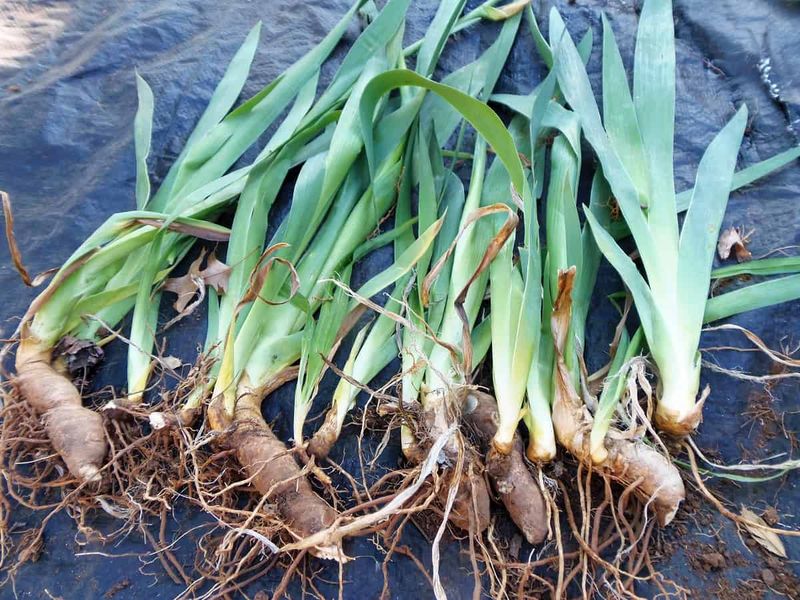
Good soil preparation makes all the difference when growing irises in Tennessee. Most iris varieties demand excellent drainage because their rhizomes will rot if they sit in waterlogged soil.
Tennessee’s clay-heavy soil can hold too much moisture, so amending it before planting is essential for long-term success.
Start by testing your soil’s pH level using an inexpensive kit from a garden center or through your local extension office. Irises prefer slightly acidic to neutral soil with a pH between 6.0 and 7.0.
Tennessee soil often falls within this range naturally, but testing removes the guesswork and lets you make adjustments if needed.
Breaking up heavy clay soil with organic matter transforms it into an iris-friendly growing medium. Mix in compost, aged manure, or composted pine bark to a depth of at least 12 inches.
This amendment improves drainage while adding nutrients that support strong root development and abundant blooms.
Consider creating raised beds if your Tennessee property has particularly heavy clay or poor drainage. Raising the planting area just 6 to 8 inches above ground level allows excess water to drain away from the rhizomes.
This simple solution prevents many common iris problems and gives you better control over soil quality.
Adding a handful of bone meal or a balanced fertilizer when preparing the bed gives your irises a nutritional boost. Avoid high-nitrogen fertilizers that promote leaf growth at the expense of flowers.
Tennessee gardeners should prepare planting beds in late summer for fall planting or in early spring for summer planting, giving the soil time to settle before your irises go in the ground.
3. Plant Iris Rhizomes At The Correct Depth And Time
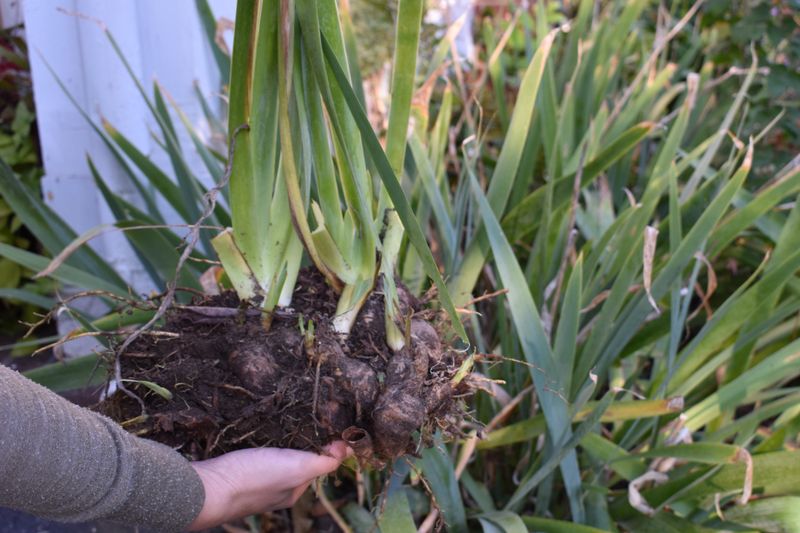
Timing and planting depth are crucial factors that Tennessee gardeners must get right for successful iris cultivation. The best planting window in Tennessee runs from mid-July through September, giving rhizomes time to establish roots before winter arrives.
Fall planting allows irises to settle in during cooler weather and rewards you with blooms the following spring.
Iris rhizomes need to be planted differently than most other perennials because they actually prefer to sit partially exposed at the soil surface. Position each rhizome so the top sits at or just slightly below ground level with roots spread out below.
This shallow planting prevents rot and allows the rhizome to bake in Tennessee’s summer sun, which helps it produce flower buds for next year.
Spacing matters more than many beginning gardeners realize when planting irises. Give bearded iris rhizomes at least 12 to 18 inches of space between plantings.
This generous spacing allows for air circulation, which helps prevent fungal diseases common in Tennessee’s humid climate. It also gives each rhizome room to multiply and form clumps over the years.
Point the leafy end of each rhizome in the direction you want the plant to grow since irises spread outward from the rhizome. Many Tennessee gardeners arrange rhizomes in triangular groups of three, pointing outward, to create attractive clumps that fill in beautifully.
Water thoroughly after planting to settle the soil around the roots, but then reduce watering to prevent rot.
Avoid planting too deeply, which is the most common mistake new iris growers make. When you can see the top curve of the rhizome above the soil surface, you have achieved the perfect depth for Tennessee conditions.
4. Provide Adequate Sunlight And Water Throughout The Season
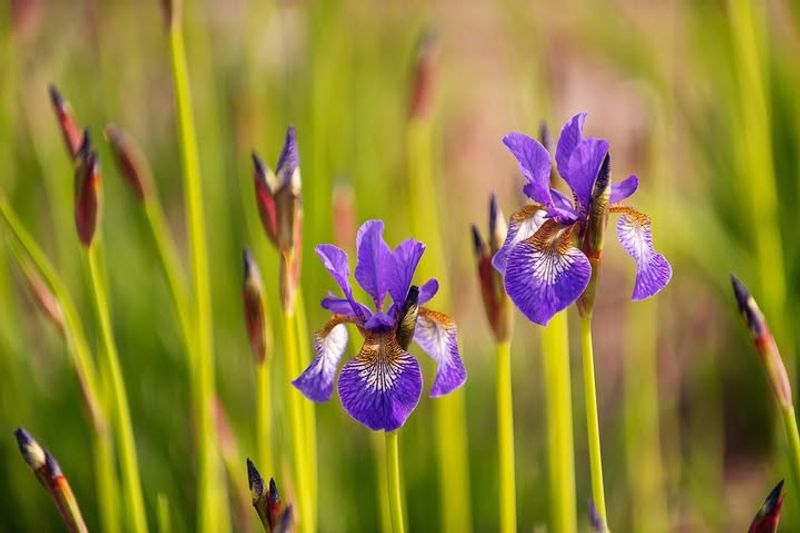
Sunlight fuels spectacular iris blooms, and these sun-loving perennials need at least six hours of direct light daily to perform their best in Tennessee gardens.
Morning sun works particularly well because it dries dew from the leaves quickly, reducing the risk of fungal problems in Tennessee’s humid climate.
Afternoon sun is acceptable too, though some afternoon shade can be beneficial during the hottest part of summer.
Bearded irises tolerate Tennessee’s summer heat remarkably well once established, but they appreciate consistent moisture during their active growing season from spring through early summer.
Water deeply once a week if rainfall is insufficient, soaking the soil to a depth of several inches. Shallow, frequent watering encourages shallow root systems and should be avoided.
Reduce watering significantly after irises finish blooming in late spring or early summer. This drier period mimics their natural growing cycle and helps prevent rhizome rot during Tennessee’s humid summers.
Many established iris plantings in Tennessee survive on rainfall alone from midsummer through fall, requiring supplemental water only during severe droughts.
Mulching around irises requires a light touch because heavy mulch can trap moisture against the rhizomes and cause rot.
A thin layer of mulch placed around but not directly on top of the rhizomes helps conserve moisture and suppress weeds without creating problems. Tennessee gardeners often use pine straw or shredded hardwood mulch applied sparingly.
Watch your irises for signs of stress during hot Tennessee summers. Wilting leaves might indicate the need for water, while yellowing foliage could signal overwatering or poor drainage.
Adjusting your watering schedule based on weather conditions and plant appearance ensures your irises receive exactly what they need to thrive in Tennessee’s variable climate.
5. Maintain Your Irises With Regular Feeding And Deadheading
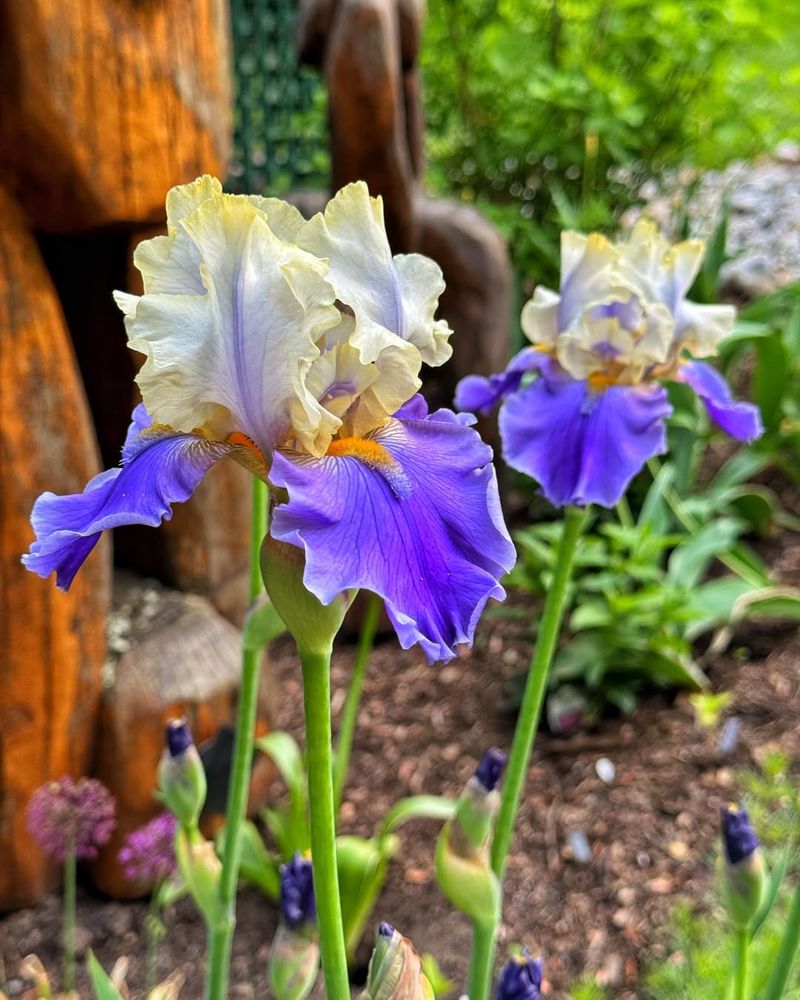
Keeping your Tennessee irises well-fed ensures vigorous growth and abundant blooms year after year. Apply a balanced fertilizer in early spring just as new growth emerges, using a formula like 10-10-10 or 5-10-10.
The lower nitrogen content prevents excessive leaf growth while supporting flower production, which is exactly what iris growers want.
A second light feeding about a month after blooming finishes helps irises build energy reserves for next year’s show. Tennessee gardeners should apply this summer feeding sparingly because too much fertilizer during the dormant period can cause problems.
Work the fertilizer into the soil around but not directly touching the rhizomes, then water it in thoroughly.
Deadheading spent iris blooms keeps your Tennessee garden looking tidy and prevents seed formation that drains energy from the plant. Snap off individual flowers as they fade, and cut the entire flower stalk down to the base once all blooms on that stalk have finished.
This cleanup task takes just minutes but makes a noticeable difference in your garden’s appearance.
Leave the foliage in place after blooming ends because those green leaves continue producing food through photosynthesis. The rhizomes store this energy for next spring’s flowers.
Only trim leaves if they become damaged, diseased, or unsightly, cutting them back to about 6 inches tall in late fall.
Dividing iris clumps every three to four years keeps them blooming vigorously. Tennessee gardeners should tackle this task in late summer, about six to eight weeks after blooming ends.
Dig up crowded clumps, separate the rhizomes, discard any that look old or damaged, and replant the healthy ones with proper spacing.
This regular maintenance prevents overcrowding that reduces flowering and increases disease problems in Tennessee’s humid climate.
6. Protect Your Irises From Common Tennessee Pests And Diseases
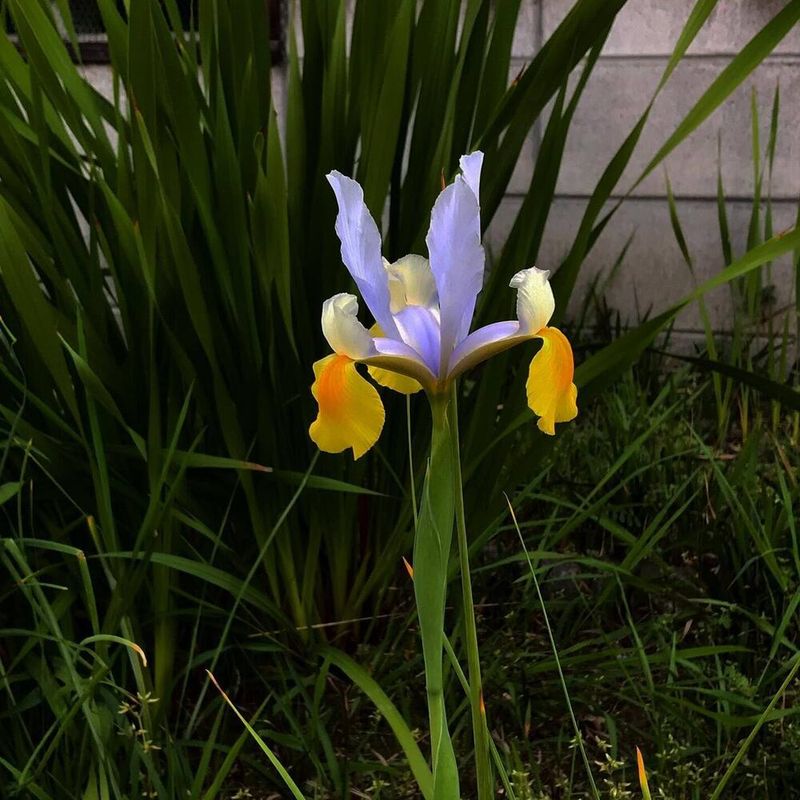
Iris borers rank as the most troublesome pest for Tennessee iris growers, tunneling into rhizomes and creating entry points for bacterial rot. These caterpillar-like larvae hatch in spring and bore into iris leaves, working their way down to the rhizomes by midsummer.
Look for telltale signs like ragged leaf edges and water-soaked streaks on foliage during spring and early summer.
Preventing iris borers starts with good garden sanitation because the adult moths lay eggs on old iris foliage in fall. Cut back and remove all iris leaves in late fall after the first hard frost in Tennessee, disposing of this debris in the trash rather than composting it.
This simple step eliminates overwintering eggs and dramatically reduces borer problems the following year.
Bacterial soft rot often follows borer damage but can also occur independently in poorly drained Tennessee soils. Affected rhizomes develop a soft, foul-smelling rot that spreads quickly.
Dig up affected plants immediately, cut away all diseased tissue until only firm, healthy rhizome remains, and let the cut surfaces dry in the sun before replanting in a different location.
Fungal leaf spot diseases appear as brown or tan spots on iris foliage, particularly during Tennessee’s humid springs and summers. Improve air circulation by proper spacing and removing weeds around plants.
Avoid overhead watering that keeps foliage wet for extended periods. Remove and dispose of affected leaves promptly to prevent disease spread.
Deer occasionally browse iris foliage in rural Tennessee gardens, though they rarely cause serious damage. The flowers are more tempting than the leaves.
Fencing or deer repellent sprays can protect prize plantings if deer pressure becomes severe. Regular monitoring of your Tennessee iris beds allows you to catch problems early when they are easiest to address, keeping your plants healthy and beautiful.