7 Locations Georgia Experts Say Trees Should Never Be Planted
Some locations in Georgia yards may seem harmless for planting trees, but experts warn they often lead to serious problems later.
I have seen how trees placed in the wrong spots can damage structures, interfere with utilities, or struggle from the start.
That is why knowing which locations to avoid can save homeowners stress, repairs, and long term disappointment.
1. Too Close to Your Home’s Foundation
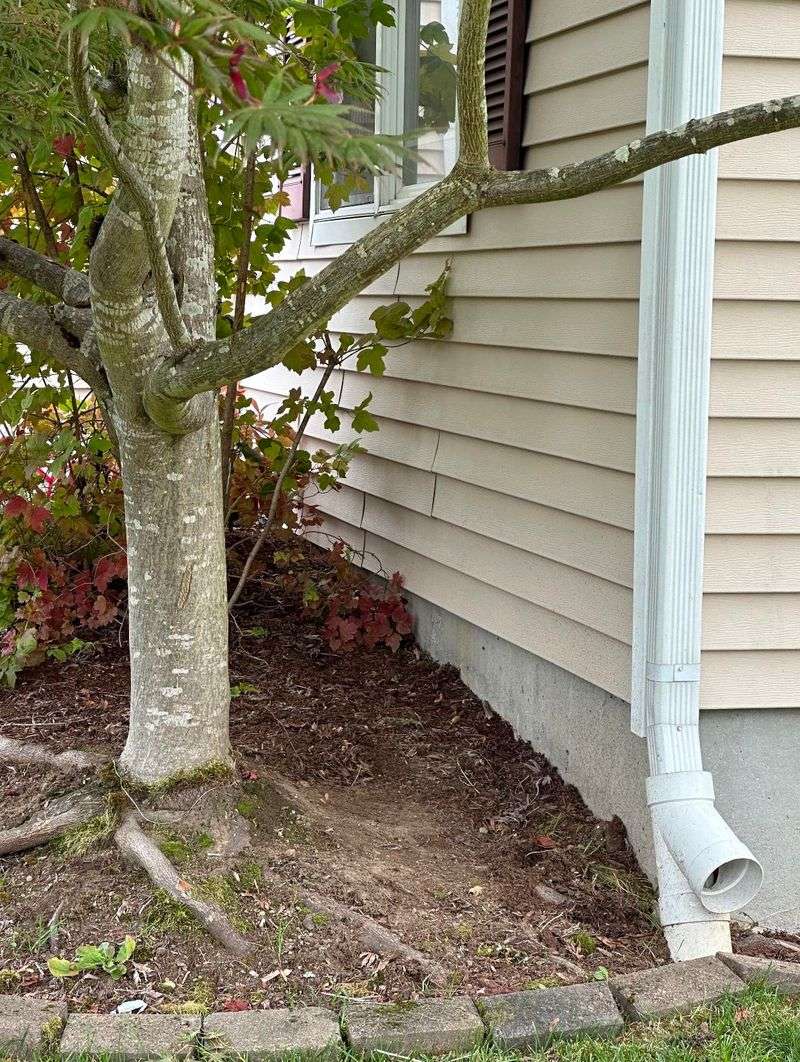
Roots from large trees can wreak havoc on your home’s foundation, causing cracks that lead to structural damage and expensive repairs over time.
Many homeowners in Georgia plant trees near their houses without realizing how far roots spread underground, often extending twice the width of the canopy above.
As roots grow, they search for moisture and nutrients, sometimes pushing against concrete and brick, creating pressure that weakens walls and basement floors gradually.
Foundation repairs can cost thousands of dollars, and insurance companies often refuse to cover damage caused by tree roots planted too close to structures deliberately.
Experts recommend keeping large trees at least twenty feet away from your home, though smaller ornamental varieties can be planted closer with proper planning.
Georgia’s clay soil expands and contracts with moisture changes, making foundation problems even worse when tree roots disturb the soil balance around your house.
Additionally, branches hanging over roofs can drop leaves that clog gutters, and falling limbs during storms can damage shingles, siding, and windows unexpectedly.
Consider the mature size of any tree before planting it near your home, checking growth charts to ensure you leave adequate space for safety.
Professional landscapers across Georgia emphasize that proper placement prevents headaches later, saving you money and preserving your home’s value for future buyers effectively.
2. Directly Over Underground Utility Lines
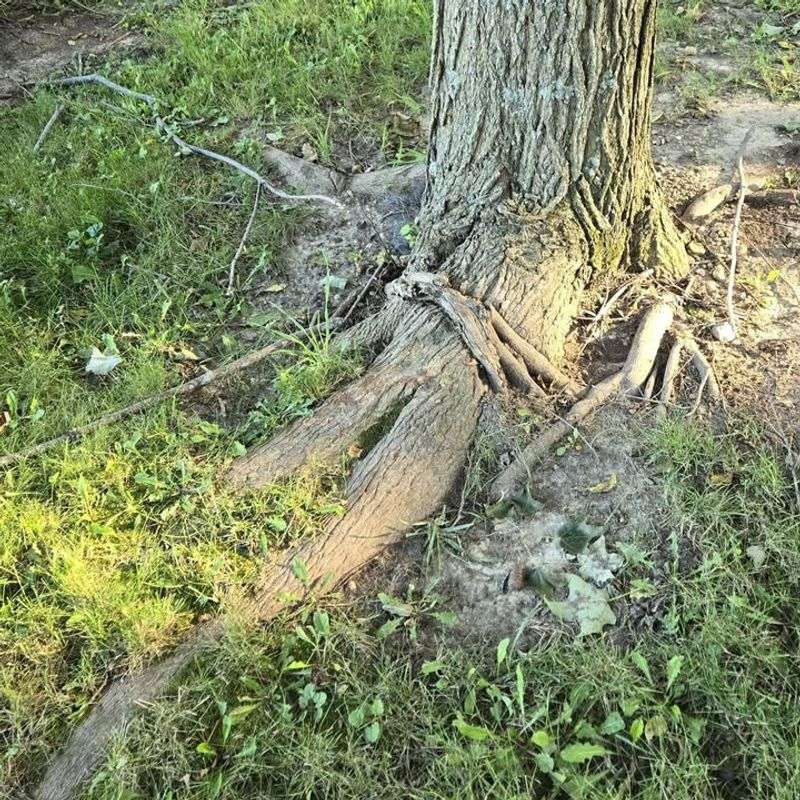
Utility lines buried beneath your yard carry electricity, water, gas, and internet services that keep your home running smoothly every single day.
Planting trees directly above these lines creates dangerous situations where roots can wrap around pipes, causing leaks, blockages, or even ruptures that require emergency repairs.
Georgia law requires homeowners to call 811 before digging to have utility companies mark underground lines, preventing accidental damage during planting projects or construction work.
Roots seeking moisture are naturally attracted to water lines, and once they penetrate small cracks, they expand inside pipes, creating expensive plumbing nightmares for homeowners.
Gas lines pose even greater risks, as root damage can cause leaks that create fire hazards or force evacuations until repairs are completed safely.
Electrical lines buried underground can be damaged by aggressive roots, leading to power outages, sparks, or dangerous situations that put your family at risk unnecessarily.
Sewer lines are particularly vulnerable because they carry water and waste, making them prime targets for thirsty roots that can completely block pipes over time.
Repair costs for damaged utility lines can run into thousands of dollars, and homeowners are usually responsible for fixing problems caused by tree roots on their property.
Georgia experts suggest planting trees at least ten feet away from any known utility lines, choosing shallow-rooted varieties for areas where underground infrastructure exists nearby.
3. Near Septic Systems and Drain Fields
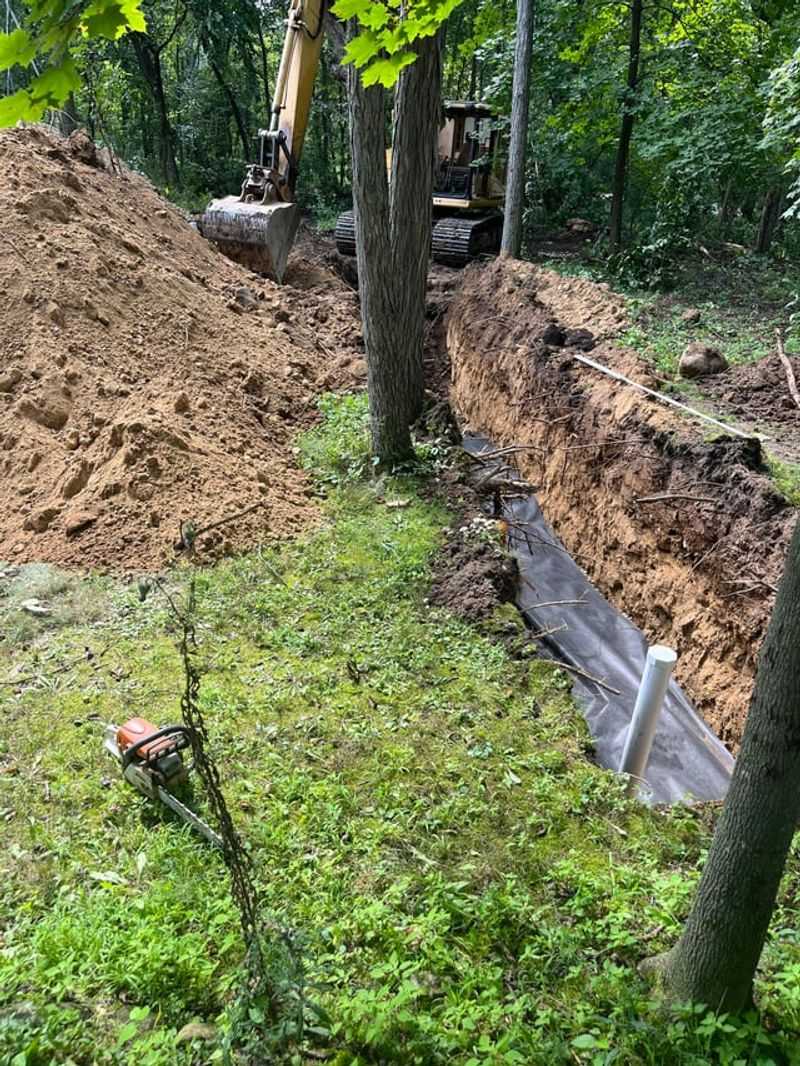
Septic systems require careful maintenance and protection, and planting trees nearby ranks among the worst mistakes homeowners in Georgia can make for their properties.
Roots naturally seek out moisture and nutrients, making septic tanks and drain fields irresistible targets that can lead to complete system failure and costly replacements.
Drain fields use perforated pipes to distribute wastewater into the soil, and tree roots can easily penetrate these pipes, blocking flow and causing sewage backups.
Once roots invade your septic system, repairs often require excavation, pipe replacement, and sometimes even installing an entirely new drain field at significant expense.
Georgia’s warm climate encourages rapid root growth, meaning trees planted too close to septic systems can cause problems much faster than in cooler regions.
Experts recommend keeping all trees at least fifty feet away from septic tanks and drain fields, with larger species requiring even more distance for safety.
Willow trees, poplars, and other moisture-loving species are especially dangerous near septic systems because their aggressive roots spread quickly and penetrate deeply into soil.
Even small ornamental trees can cause problems if planted directly over drain fields, as their roots can still reach pipes and create blockages over time.
Professional septic system installers across Georgia stress that proper landscaping around these systems prevents failures that can render your home uninhabitable until repairs are completed.
4. Under Power Lines and Electrical Wires
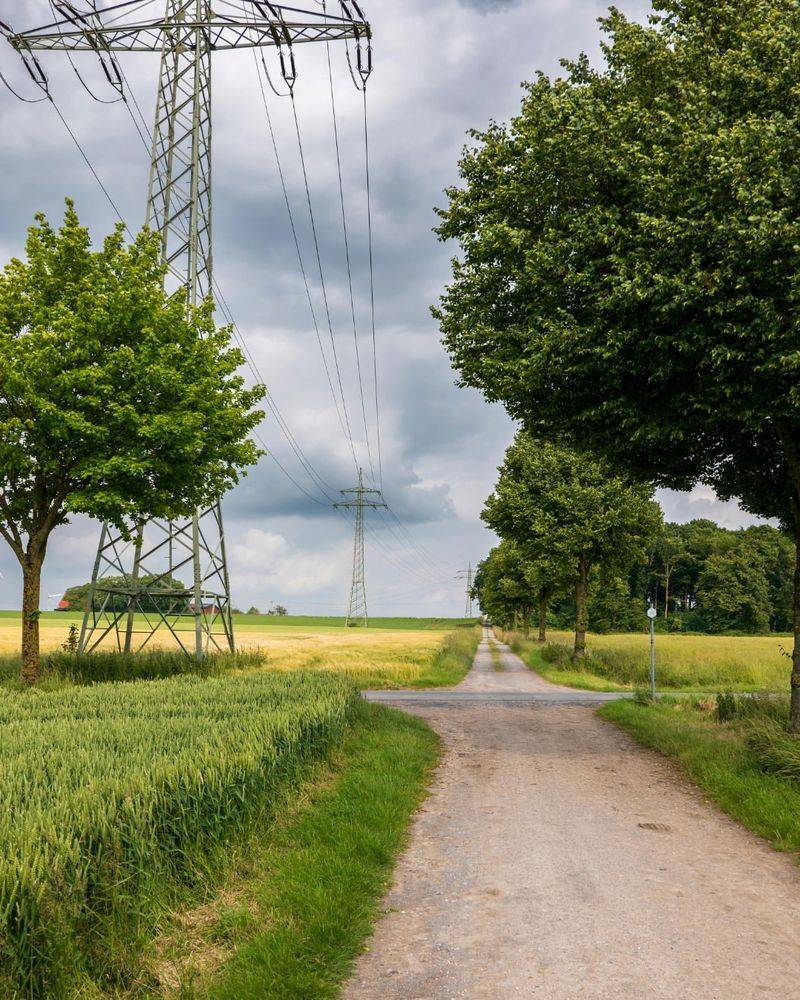
Power lines running above your property create obvious hazards when trees grow tall enough to reach or interfere with electrical wires carrying high voltage.
Branches touching power lines can cause outages, sparks, fires, and electrocution risks that endanger your family, neighbors, and utility workers who must respond to emergencies.
Georgia Power and other utility companies regularly trim trees near power lines, but homeowners planting trees directly underneath create ongoing maintenance problems and safety concerns.
Strong storms common in Georgia can cause branches to break and fall onto power lines, creating dangerous situations that require immediate attention from emergency crews.
Trees growing into power lines also reduce reliability of electrical service, causing flickering lights, voltage fluctuations, and frequent outages that disrupt daily life and damage appliances.
Utility companies may charge homeowners for repeated trimming services if trees are planted too close to power lines, adding unnecessary expenses to your budget.
Experts suggest planting only low-growing shrubs and small ornamental plants under power lines, saving larger shade trees for areas away from overhead electrical infrastructure.
Even young trees that seem small now will eventually grow tall, so consider the mature height before planting anything beneath power lines on your property.
Georgia landscaping professionals recommend keeping trees at least twenty-five feet away from power lines horizontally, ensuring branches never reach wires even during strong winds and storms.
5. On Top of Sidewalks and Driveways
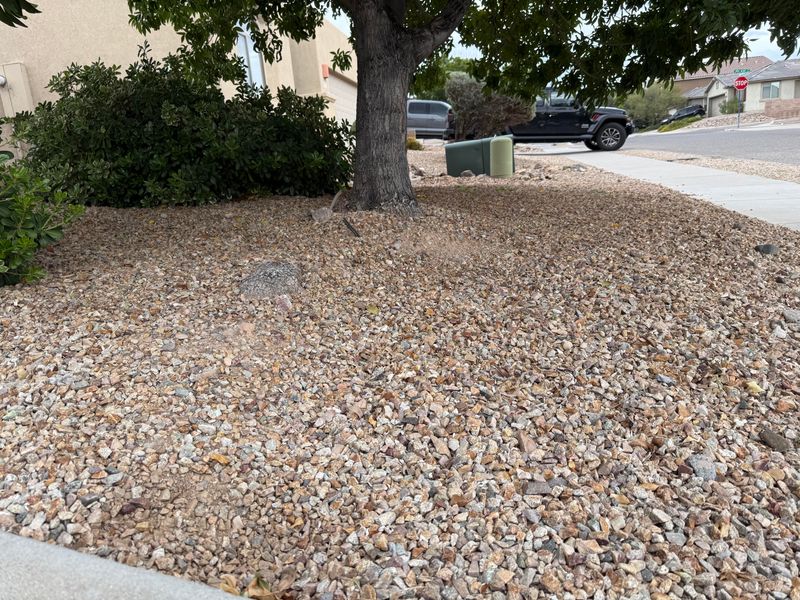
Concrete sidewalks and asphalt driveways seem solid, but tree roots growing underneath can lift, crack, and destroy these surfaces, creating tripping hazards and repair bills.
Homeowners often plant small trees near walkways without considering how roots will spread, only to discover buckled concrete and uneven surfaces years later.
Georgia’s climate promotes vigorous root growth, and even smaller tree species can cause significant damage to hardscaping when planted too close to paved areas.
Raised sidewalk sections create dangerous tripping hazards for family members, visitors, and mail carriers, potentially leading to injuries and liability claims against homeowners if accidents occur.
Repairing damaged sidewalks and driveways requires removing old concrete, grinding down roots, and pouring new surfaces, which can cost hundreds or thousands of dollars.
Tree roots continue growing even after repairs are completed, meaning the problem often returns unless the tree is removed or properly managed with root barriers.
Experts recommend planting trees at least eight feet away from sidewalks and driveways, choosing species with less aggressive root systems for areas near hardscaping features.
Some cities in Georgia have ordinances holding homeowners responsible for maintaining safe sidewalks, meaning you could face fines if tree roots create hazardous conditions for pedestrians.
Professional landscapers suggest using smaller ornamental trees or shrubs near walkways, reserving large shade trees for open lawn areas where roots have room to spread naturally.
6. In Poorly Drained or Flood-Prone Areas
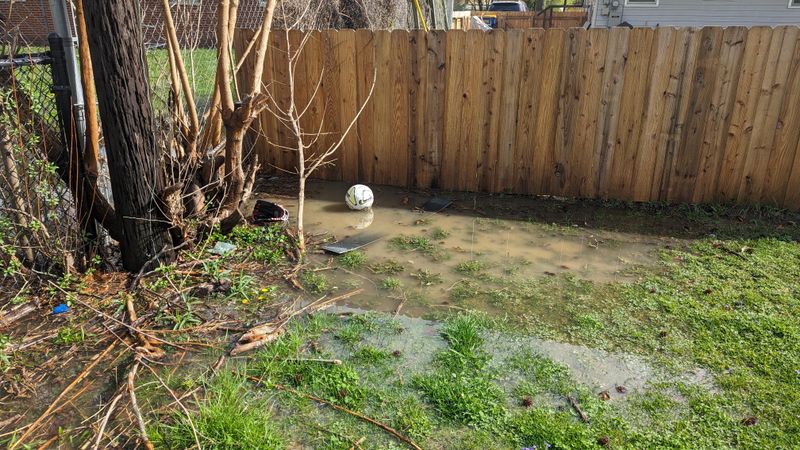
Low-lying spots in your yard that collect water after rain might seem like good places for trees, but most species cannot tolerate constantly wet soil.
Roots need oxygen to survive and grow properly, and waterlogged soil suffocates them, leading to stress, disease, and eventual failure of the tree over time.
Georgia experiences heavy rainfall throughout the year, and areas with poor drainage can remain soggy for days or weeks, creating impossible conditions for most tree species.
Flooding can wash away soil around tree roots, destabilizing them and causing trees to lean or topple during storms when wind adds extra pressure.
Standing water also promotes fungal diseases and root rot, which weaken trees and make them more susceptible to pests, diseases, and storm damage later.
Experts recommend improving drainage in problem areas before planting trees, or choosing specially adapted species like bald cypress or river birch that tolerate wet conditions.
Planting trees in flood-prone areas near creeks or drainage ditches can also create problems when high water undermines root systems and causes trees to fall.
Some homeowners try to raise planting areas with mounds of soil, but this often fails when surrounding areas flood and saturate the entire root zone.
Georgia landscaping professionals suggest testing drainage before planting by digging a hole, filling it with water, and observing how quickly it drains over twenty-four hours.
7. Too Close to Swimming Pools
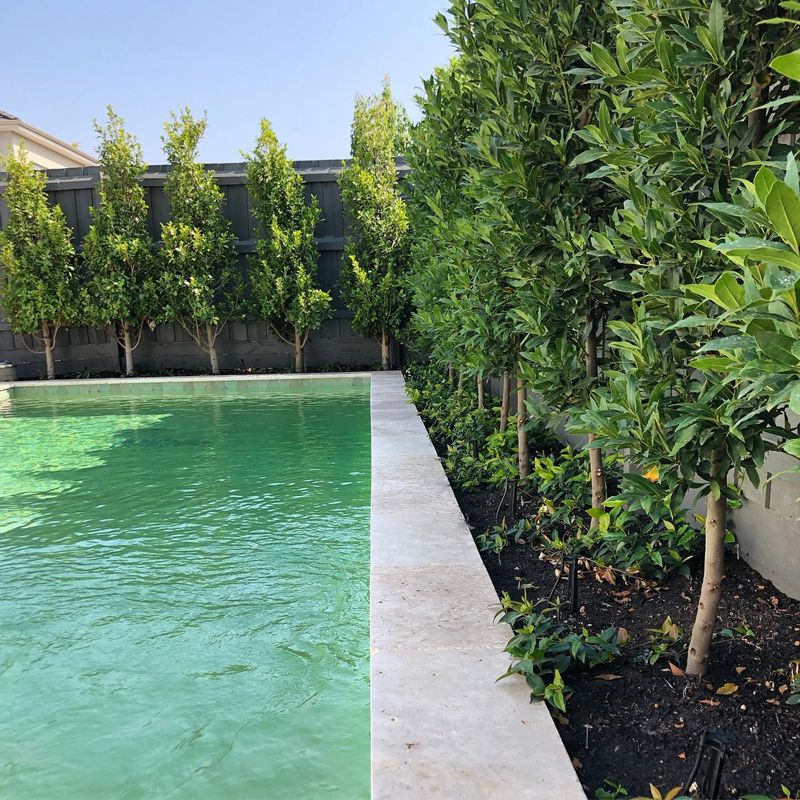
Swimming pools represent significant investments that require protection from tree roots, falling debris, and other problems caused by planting trees too close to the structure.
Roots seeking moisture are naturally attracted to pools, and they can crack concrete decking, damage underground plumbing, and even penetrate pool shells over time.
Leaves, flowers, seeds, and branches falling into pools create constant maintenance headaches, clogging filters, staining surfaces, and requiring frequent cleaning that wastes time and money.
Georgia’s long swimming season means pools are used for many months each year, and tree debris can make them unusable without daily skimming and vacuuming.
Some trees drop sticky sap or pollen that coats pool surfaces and furniture, creating messes that are difficult to clean and can damage equipment like pumps.
Roots can also damage underground pool equipment, including pipes, heaters, and filtration systems, leading to leaks and expensive repairs that could have been avoided easily.
Experts suggest keeping trees at least fifteen feet away from pools, preferably farther for large species with extensive root systems that spread widely underground.
Shade from nearby trees might seem desirable, but the constant debris and maintenance problems usually outweigh any benefits of reduced sun exposure around pools.
Professional pool installers and landscapers across Georgia recommend planting trees in other areas of your yard, using umbrellas or shade structures near pools instead for comfort.