8 Long Blooming Flowers That Thrive In Michigan With Very Little Care
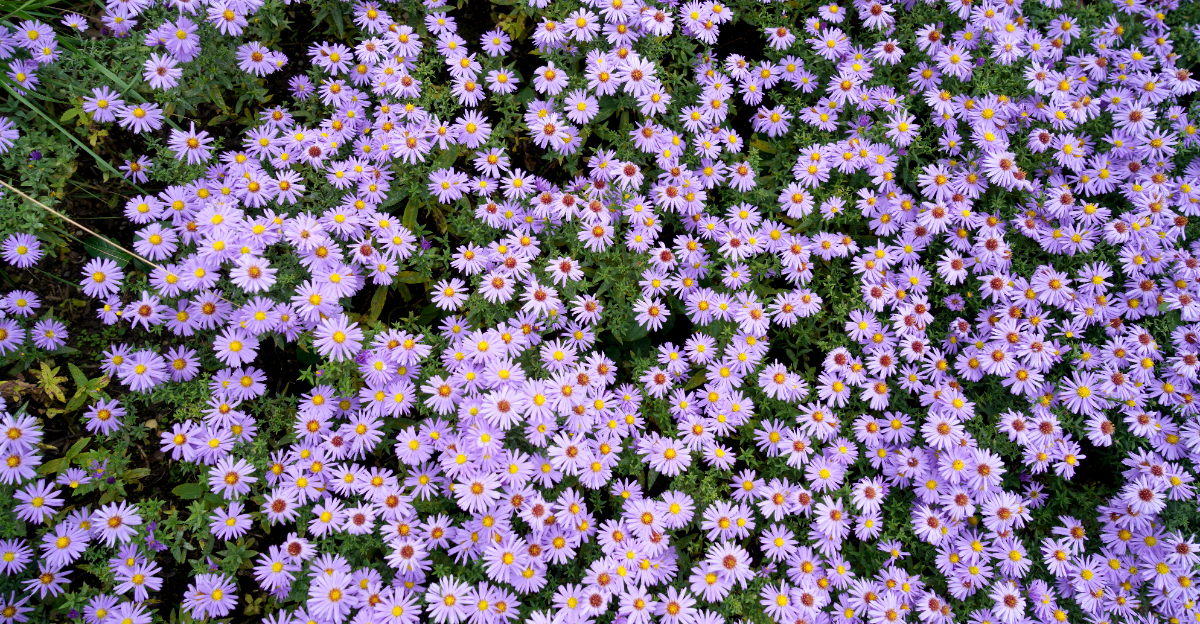
Some flowers give you a quick burst of color and then fade before summer really gets going. Others keep showing up week after week and make the whole garden look better with barely any effort.
That is exactly the kind of plant many Michigan gardeners want. With cold winters, warm summers, and weather that can shift fast, it helps to grow flowers that are both long blooming and easy to care for.
The best ones do not need constant watering, deadheading, or fussing to stay attractive. They just keep doing their job and keep the yard looking alive.
For busy homeowners, that can make a huge difference through the growing season. A flower that blooms for a long time and asks for very little in return is hard to beat.
In Michigan gardens, these easy bloomers can keep color going strong without turning your yard into extra work.
1. Yarrow
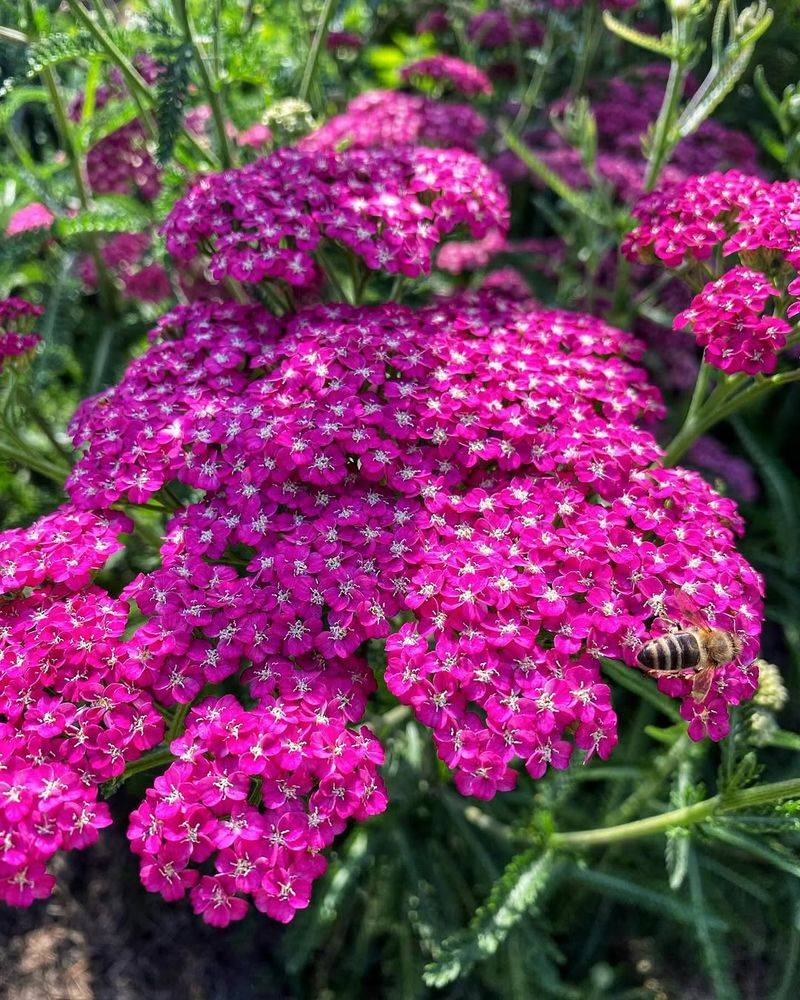
Yarrow is one of those plants that seems almost too good to be true for a low-maintenance Michigan garden. Achillea millefolium produces flat, wide flower clusters in shades of yellow, white, pink, and red, held up on sturdy stems above feathery, aromatic foliage.
It starts blooming in early summer and keeps going strong well into the season, especially when you trim off the faded flower heads to encourage fresh ones.
Hot, dry spots that would stress out most plants are exactly where Yarrow thrives. Its deep, spreading roots make it extremely drought-tolerant once established, which is a real bonus during those dry Michigan summer weeks when watering the whole garden feels like a chore.
Full sun and well-drained soil are its only real preferences, and it asks for almost nothing beyond that.
Beyond its toughness, Yarrow brings real beauty to a garden. The bold, flat flower heads create a strong visual contrast when planted alongside taller or spikier perennials.
Pollinators absolutely love it, so expect plenty of bees and butterflies floating through your Michigan yard all summer long. It spreads gradually over time, filling gaps in sunny borders without becoming invasive.
For gardeners who want long-lasting color in a tough spot without constant attention, Yarrow is one of the smartest choices around.
2. Black-Eyed Susan
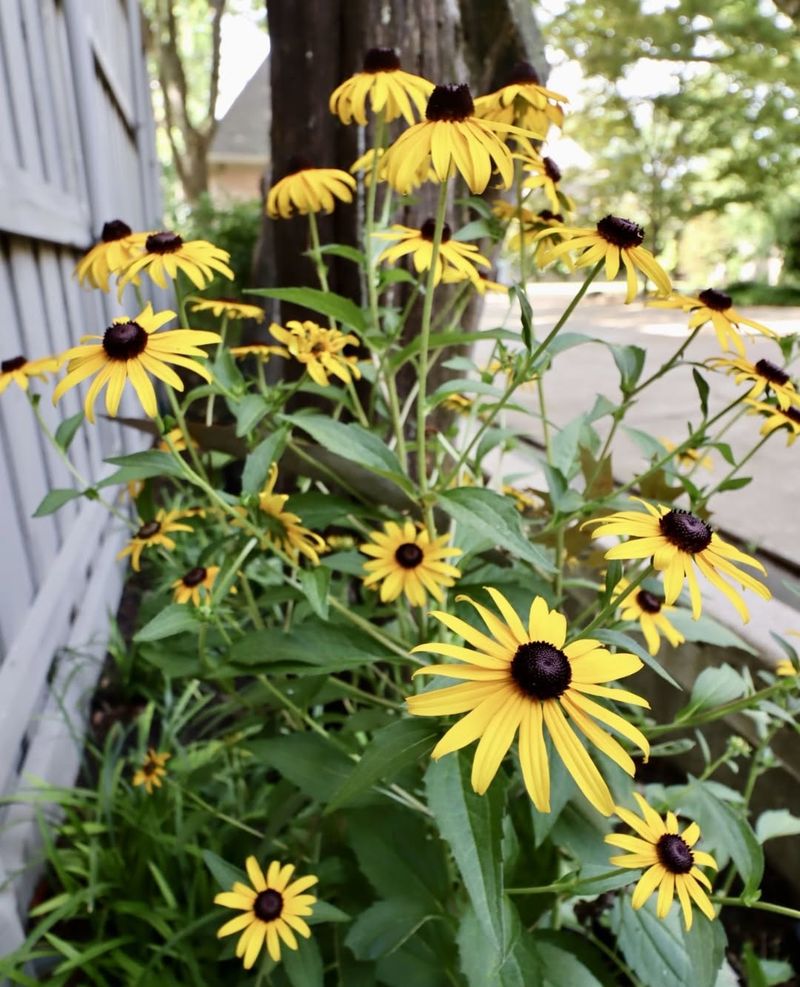
There is something undeniably cheerful about a patch of Black-Eyed Susans lighting up a Michigan yard in the middle of summer.
Rudbeckia hirta produces those classic golden-yellow petals wrapped around a rich, dark center, and once it starts blooming, it does not want to stop. Expect flowers from midsummer through early fall, with very little work on your part.
One of the best things about this plant is how forgiving it is. Average garden soil, a bit of sun, and occasional rain are really all it needs to put on a great show.
It tolerates heat surprisingly well, which matters during those warm Michigan July and August stretches when other plants start to struggle.
Black-Eyed Susan also self-cleans beautifully, dropping spent petals while fresh buds keep opening nearby. That means less deadheading for you and more blooms for your yard.
It works wonderfully along fences, in wildflower patches, or mixed into a sunny border with other perennials. Over time, established clumps will spread and fill in naturally, creating a fuller and more colorful display each season.
Michigan gardeners who want reliable summer color without a complicated care routine will find Black-Eyed Susan hard to beat. It is simple, stunning, and tough as nails.
3. Lanceleaf Coreopsis
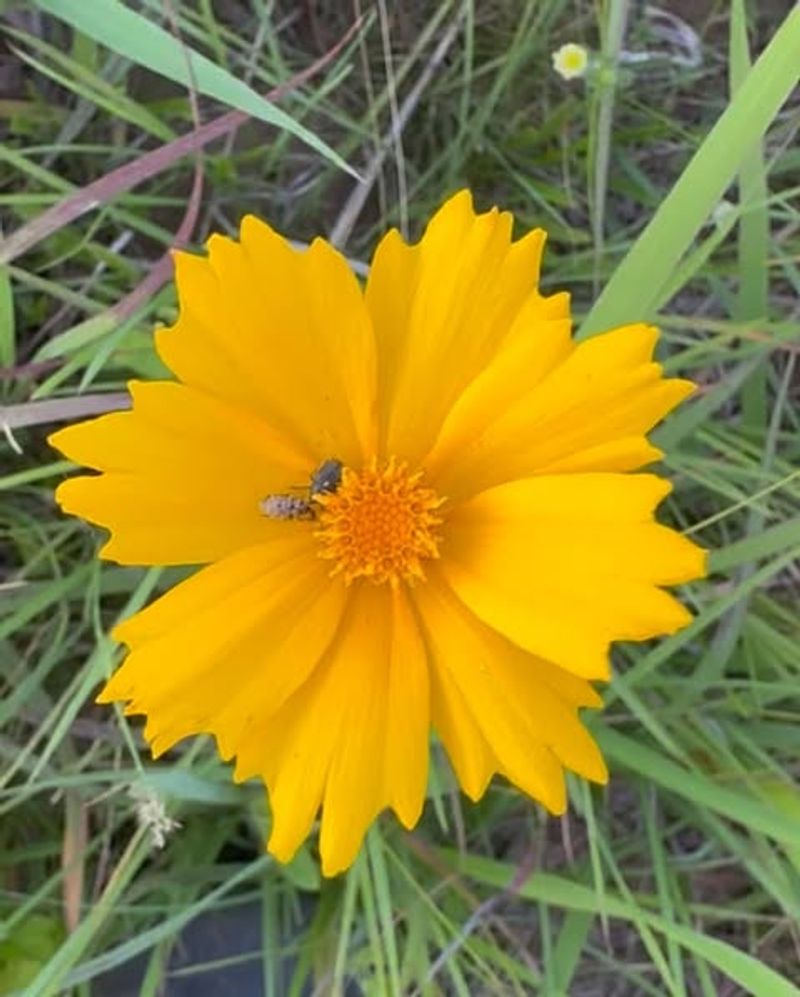
Lanceleaf Coreopsis carries a fun secret that most gardeners love to share: it is actually a Michigan native wildflower.
Coreopsis lanceolata grows naturally across much of the Midwest, which means it is perfectly adapted to Michigan soils, Michigan weather, and Michigan growing conditions.
That native toughness translates into one of the easiest-care flowers you can add to a sunny garden bed.
The bright yellow, daisy-like flowers appear from late spring into summer and keep coming back reliably year after year. Once established, this plant handles dry stretches without any extra watering, making it a smart pick for spots where irrigation is inconvenient.
Well-drained soil is really all it asks for, and heavy fertilizing is not only unnecessary but can actually reduce blooming by pushing too much leafy growth instead.
Lanceleaf Coreopsis looks fantastic along garden edges, in rock gardens, or scattered through a naturalistic planting. Its cheerful yellow blooms pair beautifully with purple or blue flowers like Catmint or Salvia for a bold color contrast.
Because it spreads gradually through self-seeding, a small planting can grow into a generous patch over a few seasons.
Michigan gardeners who appreciate plants that work with the local environment rather than against it will find Lanceleaf Coreopsis a truly rewarding and practically effortless addition to any sunny space.
4. Purple Coneflower
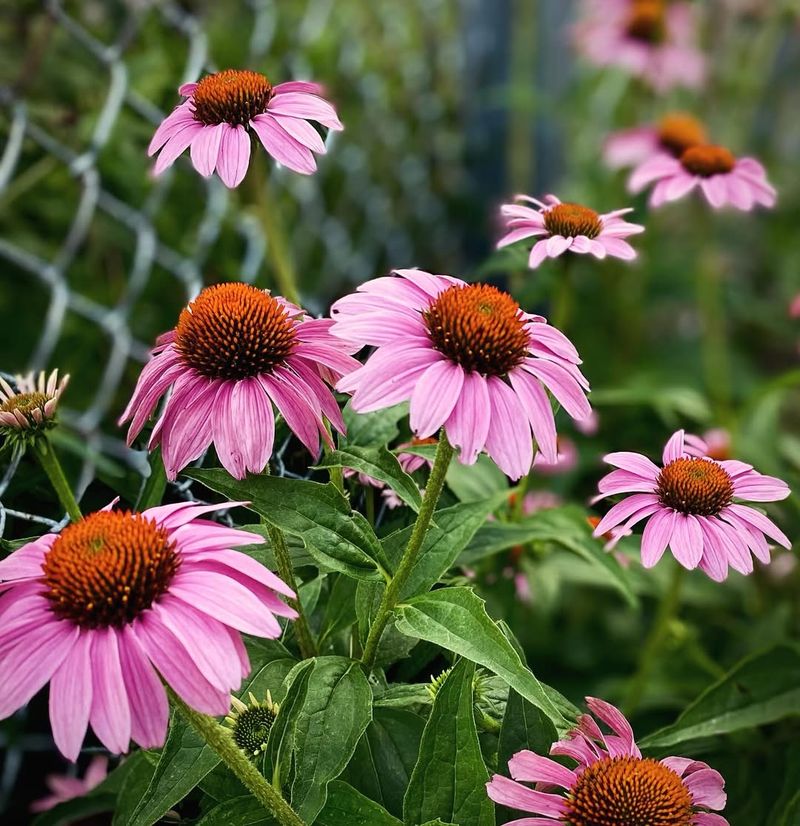
Few flowers earn their place in a Michigan garden quite like the Purple Coneflower. Known scientifically as Echinacea purpurea, this bold beauty produces rosy-purple petals surrounding a spiky, copper-brown center that practically glows in summer sunlight.
It blooms from midsummer well into early fall, giving you weeks of reliable color without much effort at all.
What makes this plant so tough is its deep root system. Once those roots settle in, the plant handles dry spells like a champ, pulling moisture from deep in the soil even when rain is scarce.
Michigan summers can swing between wet and dry, and Purple Coneflower takes both in stride without missing a single bloom.
Bees, butterflies, and even goldfinches are drawn to these flowers throughout the season. Plant them in full sun and well-drained soil, and they will spread slowly over the years into impressive, eye-catching clumps.
You do not need to fertilize heavily or water constantly. Deadheading spent blooms can extend flowering, but skipping that step is perfectly fine too.
If you leave the seedheads standing through winter, birds will thank you for the extra snack. Purple Coneflower is truly one of the most rewarding low-care plants any Michigan garden can hold.
5. Catmint
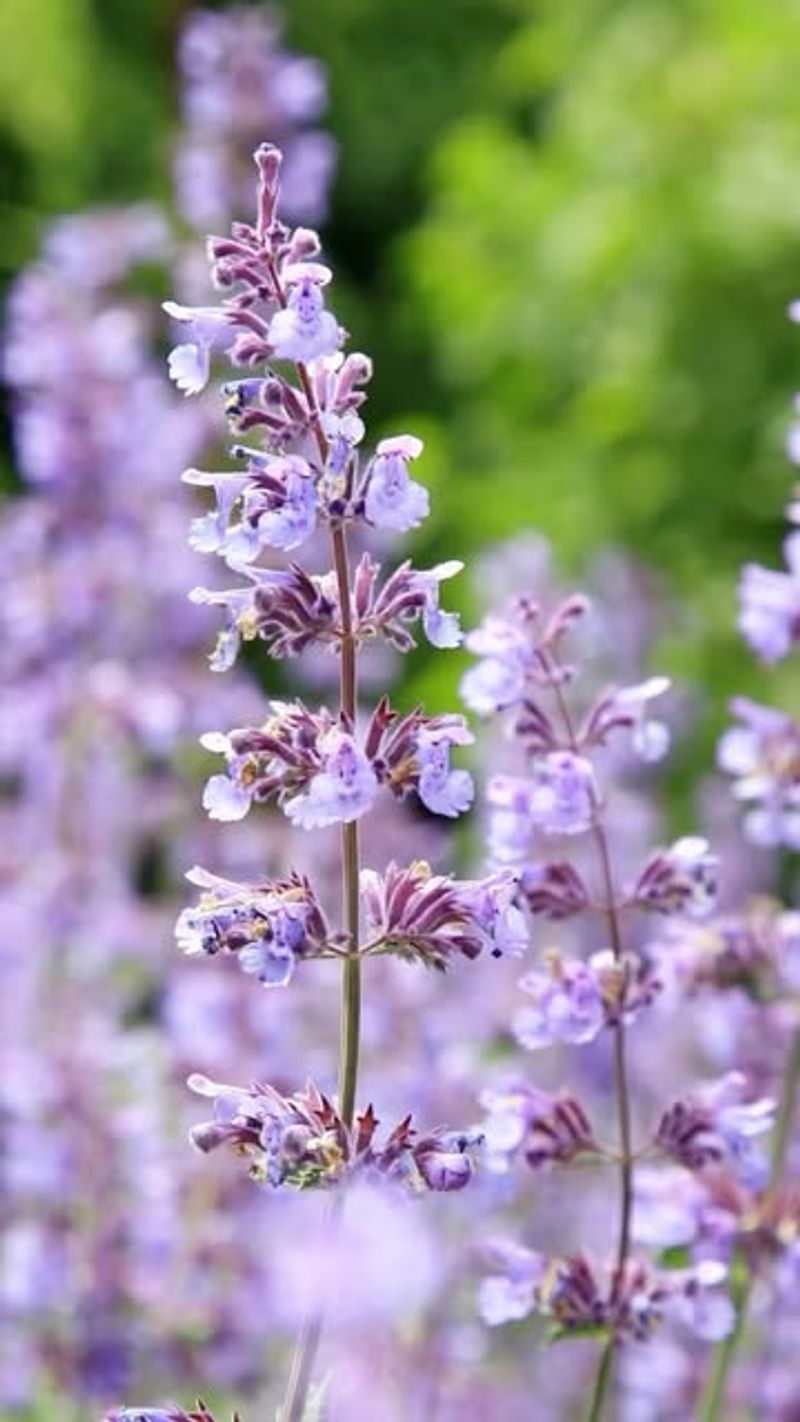
Walk past a blooming patch of Catmint on a warm Michigan afternoon and you will notice two things right away: the soft cloud of lavender-blue flowers and the steady hum of bees working through every spike.
Nepeta x faassenii is one of the most reliable long-blooming perennials you can grow here, starting its first flush in late spring and often continuing or reblooming through much of summer and into fall.
Michigan winters can be brutal, but Catmint handles cold temperatures without complaint, coming back strong each spring without needing any special protection.
It is also remarkably drought-tolerant once established and considered essentially pest-free, which takes a lot of worry off the table for busy gardeners.
Full sun brings out the best bloom, though it manages fine in spots with a bit of afternoon shade too.
The real trick to getting the most out of Catmint is simple: cut it back by about one-third after that first big wave of blooms fades in early summer. That light trim encourages a fresh flush of flowers that can carry the plant through the rest of the season.
Beyond that, it needs almost nothing. Its mounding, spreading habit fills in garden borders beautifully, softening edges and creating a relaxed, cottage-style feel.
Catmint is truly one of Michigan’s most effortless and rewarding flowering perennials.
6. Daylily
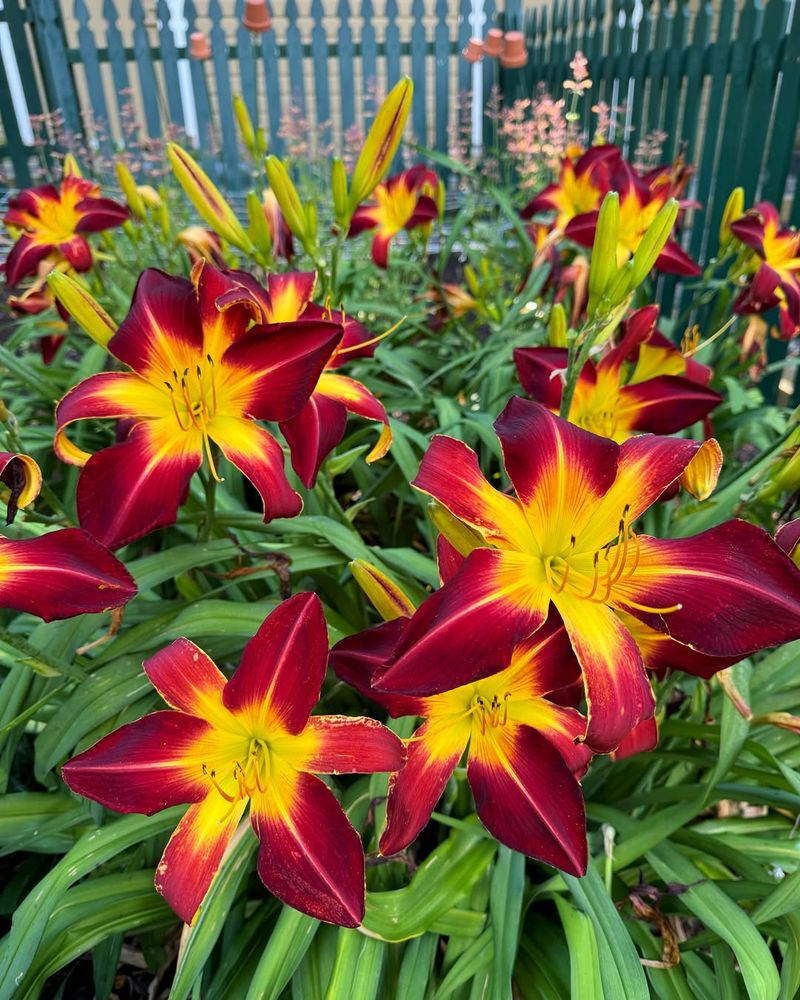
Ask any experienced Michigan gardener which perennial they trust the most, and Daylilies will come up in nearly every conversation.
Hemerocallis is one of the toughest, most adaptable flowering plants you can grow in this state, and it earns that reputation every single season.
Depending on the variety you choose, blooms can appear from early summer all the way into late summer, giving you a long and colorful show.
Each individual flower lasts only one day, but the plant produces so many buds on each stem that the display feels continuous.
Classic orange varieties like the common tawny Daylily are extremely vigorous, but hundreds of modern cultivars offer colors ranging from pale yellow and soft pink to deep burgundy and rich purple.
There is genuinely a Daylily for every taste and every Michigan garden style.
One of the biggest selling points is how little attention Daylilies actually need. They thrive in full sun but handle partial shade reasonably well, making them flexible in yards where trees cast some shadow.
Once established, they tolerate drought, bounce back from neglect, and spread steadily to fill larger areas over time. Dividing clumps every few years keeps them blooming at their best and gives you free plants to share with neighbors.
For Michigan gardeners who want maximum color with minimum effort, Daylilies are an absolute must-have.
7. Upright Sedum
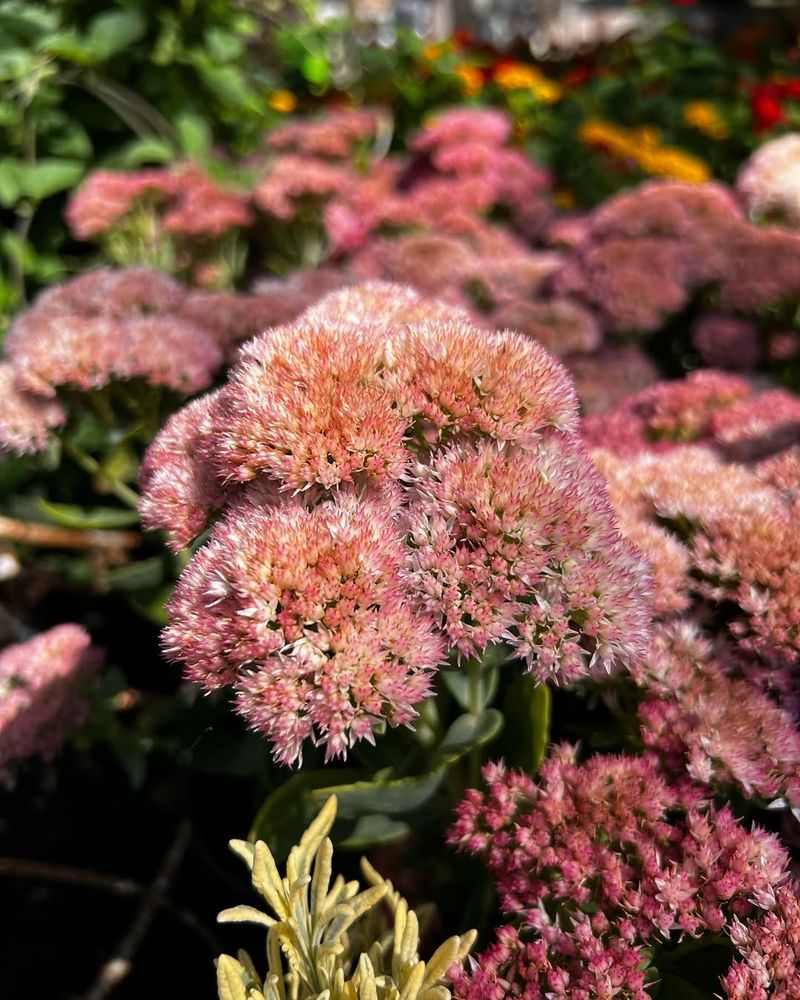
By late summer, many Michigan gardens start to look a little tired. That is exactly when Upright Sedum steps in and steals the show.
Hylotelephium spectabile, sometimes still sold under the name Sedum spectabile, produces large, flat flower clusters in shades of pink, rose, and dusty red from late summer all the way into fall, bridging that tricky gap between the peak of summer and the first cool nights of autumn.
This plant was practically built for Michigan gardens. Its thick, succulent leaves store water efficiently, making it one of the most drought-tolerant perennials you can grow here.
Full sun and well-drained soil are the main requirements, and beyond that, it really does take care of itself. No heavy watering schedules, no complicated fertilizing routines, just steady, reliable color when the rest of the garden needs it most.
Pollinators go absolutely wild for Upright Sedum in late season, when other nectar sources are winding down. Bees and butterflies flock to those broad, flat flower heads right through early fall.
Even after the blooms fade, the seedheads look attractive standing through winter and provide food for birds.
Upright Sedum pairs beautifully with ornamental grasses and Aromatic Aster for a stunning late-season Michigan garden display that looks intentional and effortlessly designed all at once.
8. Aromatic Aster
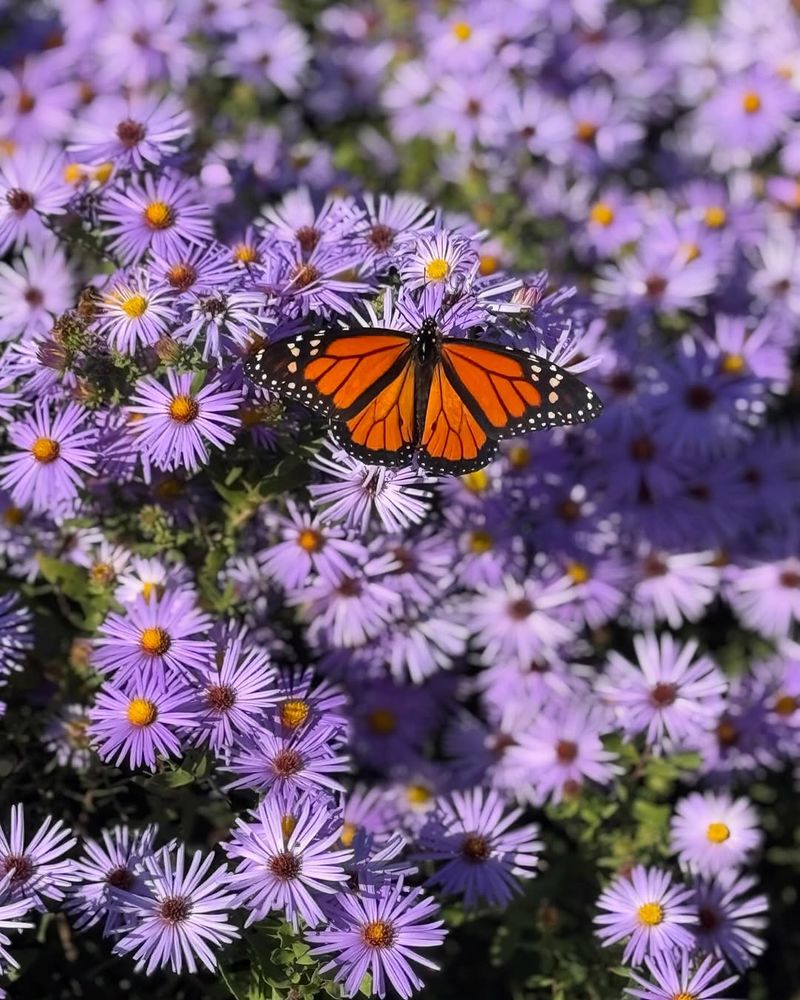
When October arrives and most Michigan gardens have gone quiet, Aromatic Aster is just hitting its stride.
Symphyotrichum oblongifolium bursts into bloom in early fall and keeps going strong for weeks, covering itself in small lavender-purple, daisy-like flowers that practically glow in the cool autumn light.
For gardeners who hate watching their yard go dull before the first frost, this plant is a genuine game-changer.
Dry conditions do not slow it down at all. Aromatic Aster thrives in full sun and well-drained soil, and once it is settled in, it needs almost no supplemental watering even during dry Michigan falls.
Its naturally mounding shape stays tidy without constant pruning, though a light trim in early summer can make the plant even more compact and floriferous when bloom time finally arrives.
The fragrance is another bonus that surprises many first-time growers. Brushing against the foliage releases a pleasant, spicy-sweet scent that makes it a joy to have near a garden path or patio edge.
Pollinators that are still active in fall, including migrating monarch butterflies, find Aromatic Aster irresistible.
Pairing it with Upright Sedum and ornamental grasses creates a rich, textured fall display that keeps Michigan gardens looking lively and beautiful right up until the season truly winds down.