9 Long Blooming Flowers That Thrive In North Carolina Summer Heat
Summer in North Carolina can be tough on many garden plants, with strong sun, high humidity, and long stretches of heat that seem to slow everything down.
While some flowers fade quickly under these conditions, others keep going and bring steady color even during the hottest days.
Choosing the right ones can make all the difference in how your garden looks and feels through the season. These long blooming flowers are built to handle the heat and keep producing without constant attention.
From bright, bold colors to softer shades that stand out in the sun, they offer plenty of ways to keep your garden lively. Whether you are planting in the ground or filling containers, the right choices can save you time and effort.
Once you discover these heat loving flowers, you can enjoy a garden that stays colorful and full of life all summer long.
1. Zinnias
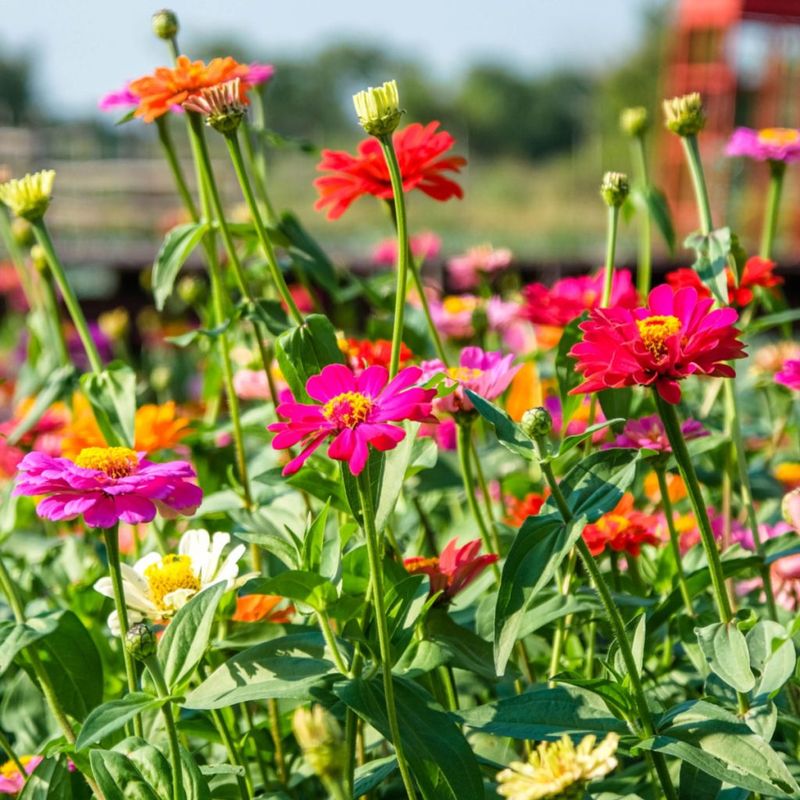
Few flowers bring as much color to a summer garden as zinnias. These bold, cheerful annuals thrive in exactly the kind of hot, sunny conditions that North Carolina delivers from June through September.
They love full sun, and the more heat they get, the more they bloom, making them a perfect fit for the Piedmont and Coastal Plain regions.
Zinnias do best in well-drained soil with good air circulation around the plants. In North Carolina’s humid summers, spacing them properly helps prevent powdery mildew from spreading across the leaves.
Planting in raised beds or garden rows with some breathing room goes a long way toward keeping them healthy and blooming strong.
One of the best tricks with zinnias is deadheading. Snipping off spent blooms every week or so signals the plant to keep producing new flowers instead of going to seed.
It only takes a few minutes and the payoff is huge. You can expect waves of fresh blooms right through early fall.
Zinnias also come in a huge range of sizes and colors, from compact dwarf varieties to tall, dinner-plate blooms. They attract butterflies all summer long, which adds even more life to your outdoor space.
Direct sow seeds after the last frost and watch them take off fast once the summer heat kicks in.
2. Lantana
Lantana is one of those plants that seems to feed on summer heat. The hotter and drier it gets, the more it blooms, which makes it an absolute standout in North Carolina gardens from late spring all the way through the first frost.
It is especially impressive in the Coastal Plain and warmer parts of the Piedmont, where temperatures regularly climb into the upper 90s.
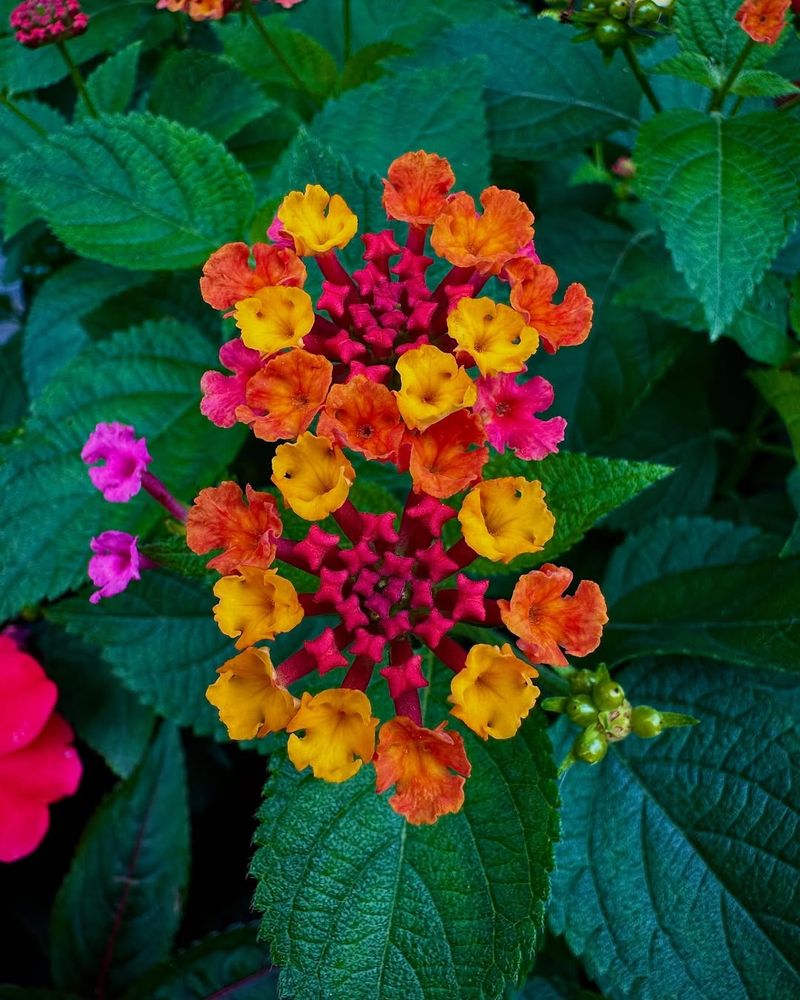
What makes lantana so popular is its continuous flowering habit. Unlike plants that bloom in bursts, lantana puts out fresh clusters of small, multicolored flowers almost constantly.
The blooms shift colors as they age, so a single plant can display yellow, orange, and red all at once. Butterflies and hummingbirds absolutely love it, turning your yard into a lively pollinator hotspot.
Caring for lantana is genuinely easy. It handles drought well once established and rarely needs extra watering during dry stretches.
It prefers full sun and well-drained soil, and it does not need much fertilizer. In fact, too much nitrogen can actually reduce flowering, so a light touch with feeding works best.
Trimming lantana back occasionally keeps it tidy and encourages fresh growth. In warmer parts of North Carolina, some varieties even return year after year as perennials.
For gardeners who want bold color without constant attention, lantana is a top-tier choice all summer long.
3. Vinca
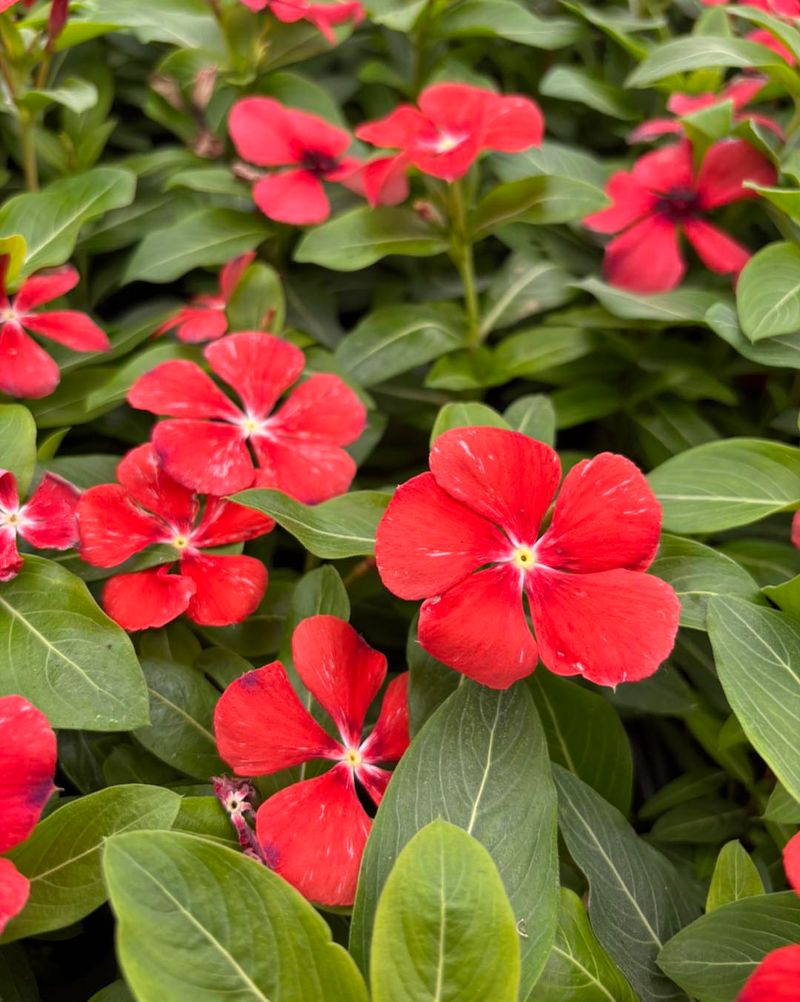
Vinca, also called annual vinca or Catharanthus roseus, is one of the most reliable summer flowers you can plant in North Carolina. It handles heat, humidity, and even drought with ease, making it a go-to choice for gardeners across the state.
While many plants start to fade when temperatures soar past 90 degrees, vinca just keeps going strong.
One of the best things about vinca is its resistance to the kind of fungal issues that plague other flowers in humid climates. North Carolina summers bring plenty of moisture in the air, and that can spell trouble for plants that are not adapted to it.
Vinca, however, has developed strong natural resistance, especially newer disease-resistant varieties like the Cora and Titan series, which are bred specifically for hot and humid conditions.
Vinca thrives in full sun and does well in average or even poor soils, as long as drainage is decent. It does not like wet feet, so avoid overwatering or planting in low spots where water collects.
Once established, it practically takes care of itself, blooming from spring planting all the way through fall without needing deadheading.
The flowers come in shades of pink, red, white, lavender, and bicolor, giving you plenty of options for designing a colorful garden. Whether planted in beds, borders, or containers, vinca delivers consistent, cheerful color throughout the toughest months of a North Carolina summer.
4. Coreopsis
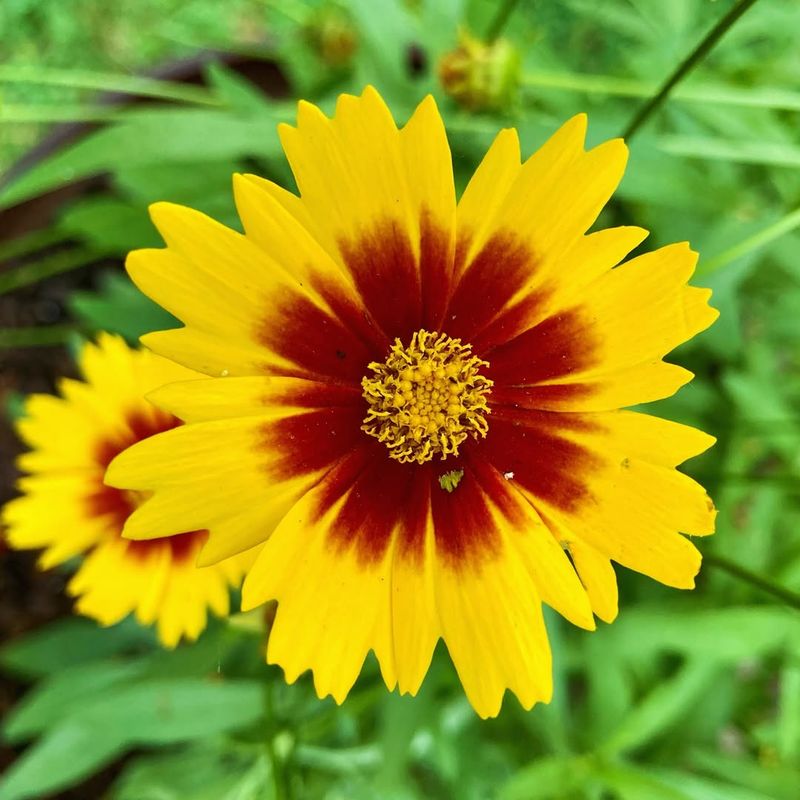
Coreopsis, often called tickseed, has earned its reputation as one of the toughest long-blooming flowers in the Southeast. Native to much of the eastern United States, it is perfectly at home in North Carolina’s summer heat.
The bright yellow, daisy-like flowers start appearing in late spring and keep going well into late summer with the right care.
Heat and dry conditions do not slow coreopsis down at all. Once established in the garden, it handles drought remarkably well and does not need much extra watering.
It performs beautifully in both the Piedmont and Coastal Plain regions of North Carolina, thriving in full sun and well-drained soil. Heavy clay soils can be a challenge, so amending the bed with compost before planting makes a real difference.
The key to keeping coreopsis blooming all season is cutting it back. When the first big flush of flowers starts to fade, trim the plant back by about one-third.
This encourages a fresh round of growth and a new wave of blooms within a few weeks. Some gardeners do this two or three times over the summer for near-continuous color.
Coreopsis also attracts butterflies and native bees, adding pollinator value to any yard. Several varieties, like Moonbeam and Zagreb, are especially well-suited to North Carolina gardens.
With its golden color and easygoing nature, coreopsis brings reliable summer beauty without demanding much in return.
5. Salvia
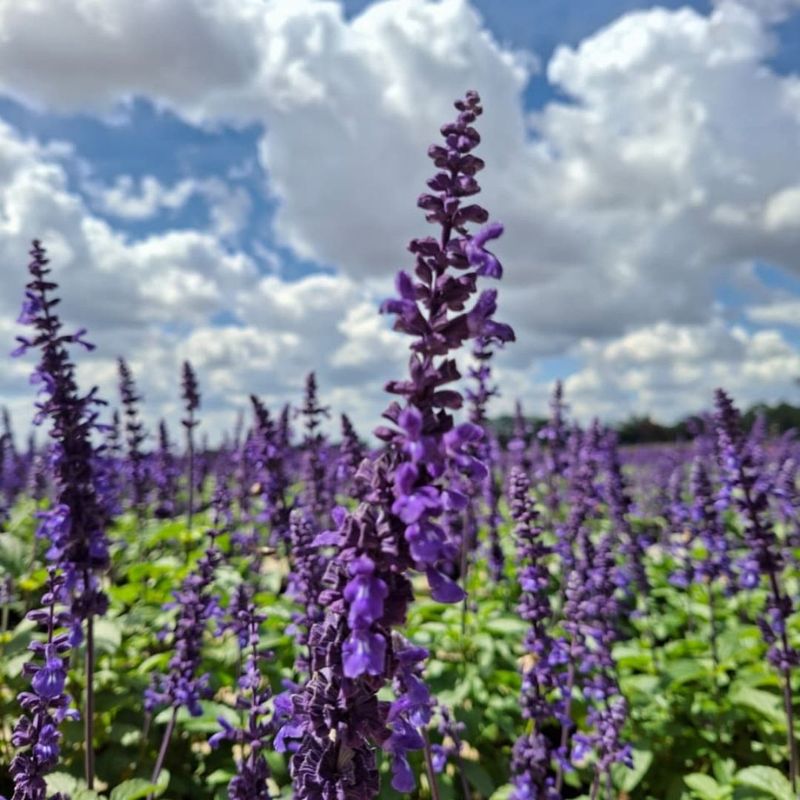
Salvia is a powerhouse in the summer garden, and North Carolina gardeners have plenty of great varieties to choose from.
Heat-tolerant types like Salvia farinacea (mealycup sage), Salvia splendens (scarlet sage), and Salvia guaranitica all handle the state’s hot and humid summers exceptionally well.
Their tall spikes of tubular flowers add vertical interest and vivid color from late spring straight through fall.
One of the biggest draws of salvia is how much pollinators love it. Hummingbirds are especially attracted to the red and coral varieties, while bees and butterflies flock to the blue and purple types.
Planting a few different salvia varieties together creates a buzzing, fluttering display that brings the whole garden to life during the hottest months of the year.
Salvia thrives in full sun and well-drained soil across North Carolina. It handles humidity reasonably well as long as it is not sitting in wet soil.
Regular pruning is the secret to keeping salvia blooming all season. Cutting back the spent flower spikes by about one-third encourages fresh growth and a new round of blooms within two to three weeks.
For gardeners in the Piedmont and Coastal Plain, salvia is an especially smart choice. It is low-maintenance, relatively pest-resistant, and incredibly consistent in its performance.
Whether used in borders, containers, or pollinator gardens, salvia earns its spot in any North Carolina summer landscape with very little fuss.
6. Pentas
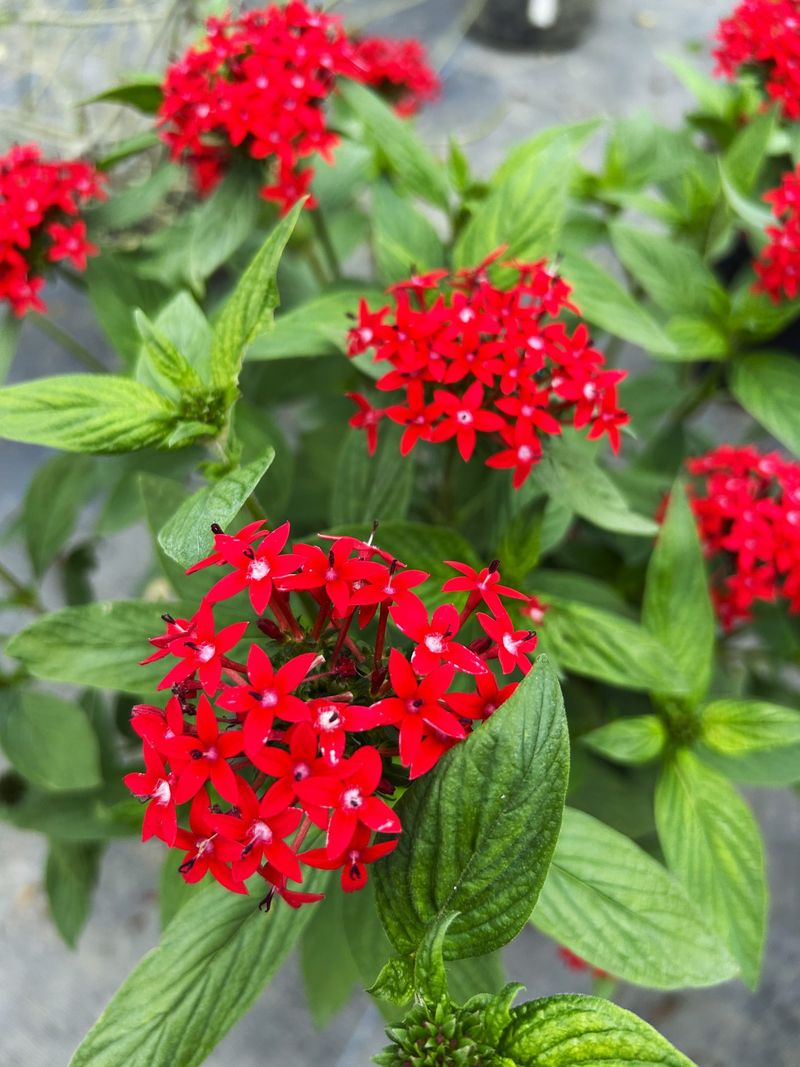
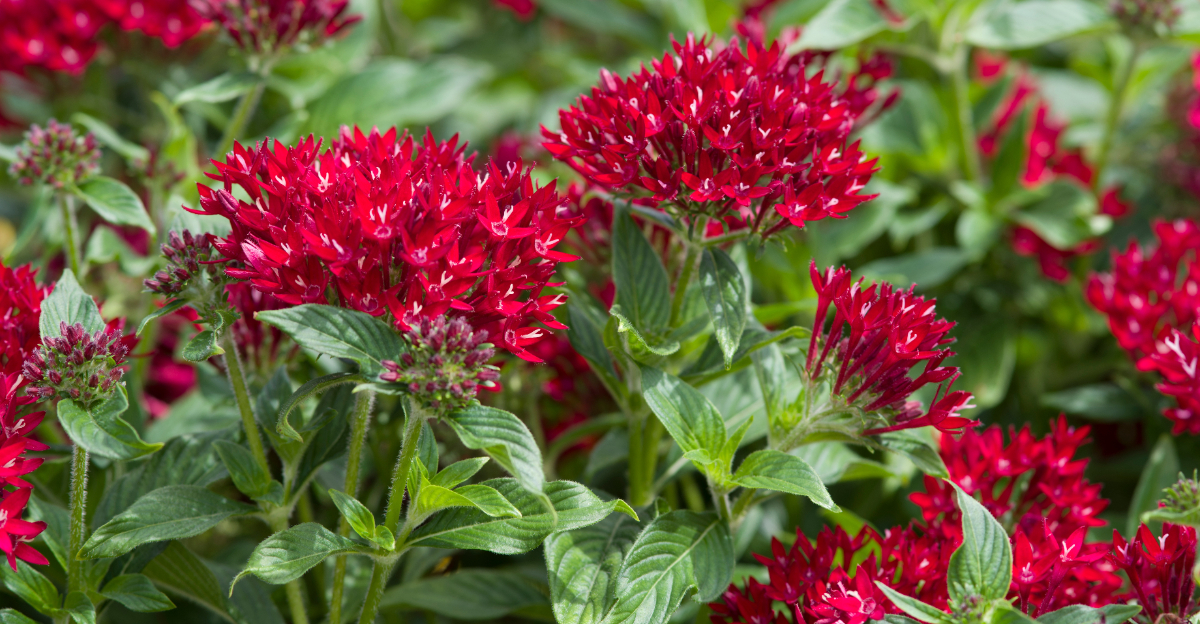
Pentas might just be the most underrated summer flower in North Carolina. Also known as Egyptian star flower, pentas produces dense clusters of small, star-shaped blooms in shades of red, pink, white, and lavender.
It flowers continuously from planting time in spring until the temperatures drop in fall, making it one of the longest-blooming annuals you can grow in the state.
Heat is where pentas truly shines. While other annuals start to look tired and faded by mid-July, pentas just hits its stride.
It performs especially well in the Coastal Plain and the warmer areas of the Piedmont, where summer heat is relentless and humidity is high. The plant handles those conditions without skipping a beat, continuing to push out fresh flowers week after week.
Pollinators are absolutely wild about pentas. Butterflies, particularly swallowtails and monarchs, visit the clusters constantly throughout the day.
Hummingbirds are also regular visitors, especially to the red varieties. Planting pentas near a patio or seating area turns any outdoor space into a front-row seat for watching wildlife up close.
Full sun is ideal, though pentas can handle a little afternoon shade in the hottest parts of North Carolina. It does not need deadheading since spent blooms fall away naturally as new ones take their place.
Water regularly during dry spells and give it well-drained soil, and pentas will reward you with nonstop color all summer long.
7. Cosmos
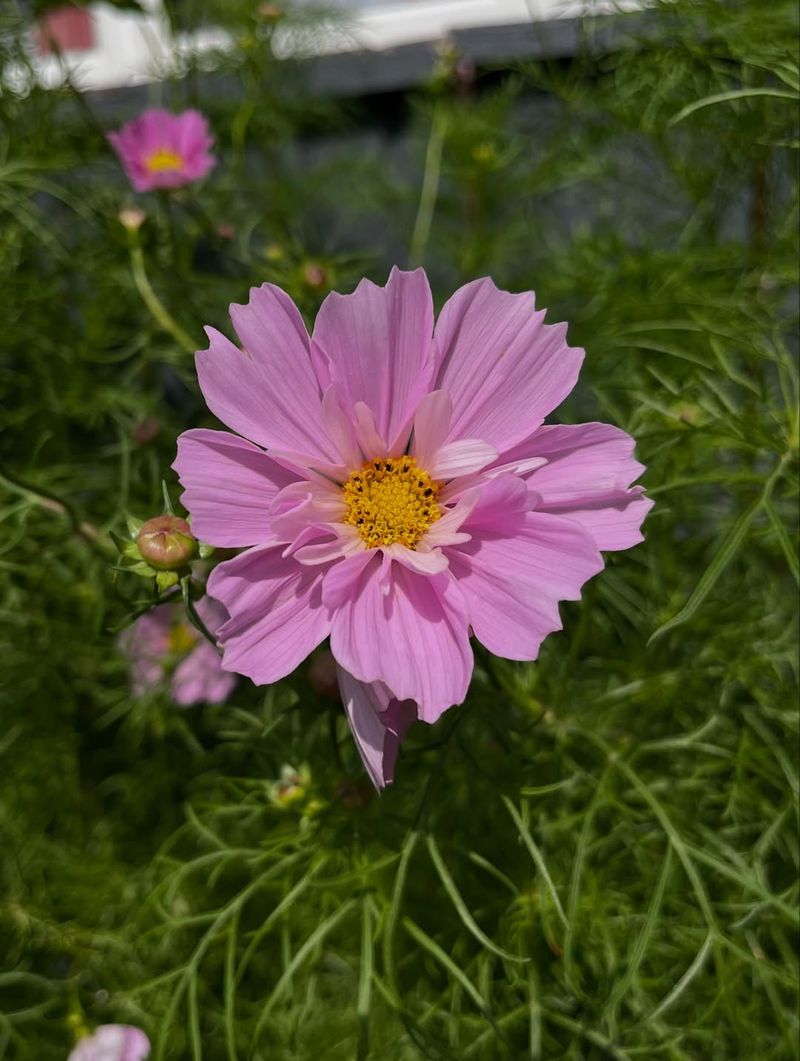
Cosmos have a breezy, wildflower charm that feels effortless, and the best part is they actually are effortless to grow. These tall, airy annuals with feathery foliage and daisy-like blooms thrive in North Carolina’s summer heat, asking for very little in return.
They are one of those plants that genuinely performs better when you do not fuss over them too much.
Poor soil is not a problem for cosmos. In fact, overly rich soil encourages lush leaf growth at the expense of flowers.
Cosmos prefer lean, well-drained conditions and full sun, which makes them a great fit for spots in the yard where other plants struggle. They handle the heat across North Carolina’s Piedmont and Coastal Plain with ease, blooming from early summer all the way through fall.
Watering needs are minimal once cosmos get established. They tolerate dry stretches well and bounce back quickly after rain.
One of the best things about growing cosmos is how little intervention they need to keep blooming. Deadheading spent flowers encourages more blooms, but even without it, cosmos continue to flower for months on end.
The flowers come in shades of pink, white, magenta, and bicolor, and they sway beautifully in the breeze, giving the garden a relaxed, cottage-style feel. Cosmos also self-seed readily, so you may find new plants appearing in the same spot next summer without any effort on your part at all.
8. Angelonia
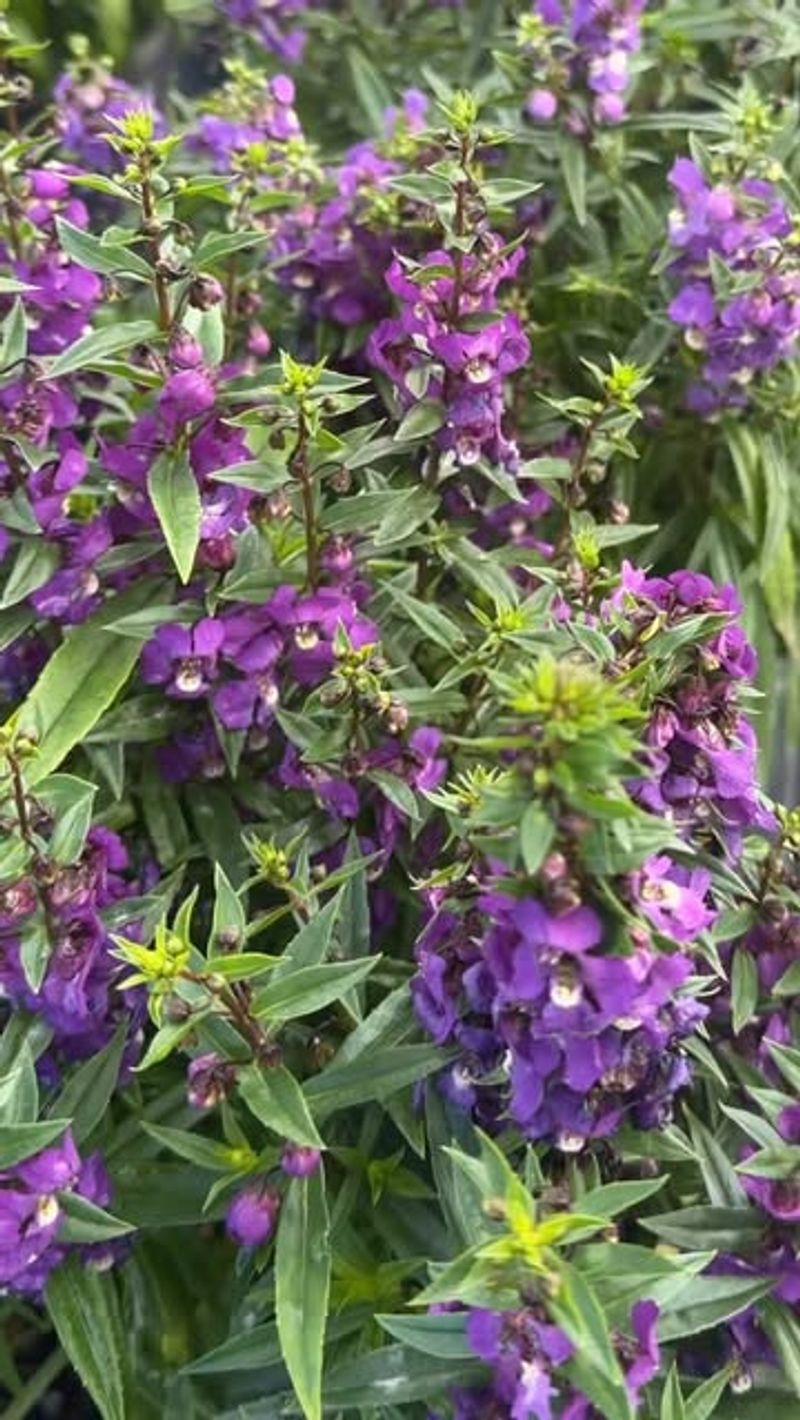
Angelonia is often called summer snapdragon, and once you see it in action during a North Carolina summer, the nickname makes perfect sense. It produces tall, upright spikes covered in small, orchid-like flowers in shades of purple, pink, white, and bicolor.
Unlike traditional snapdragons, which tend to fade in summer heat, angelonia absolutely thrives when temperatures climb high.
Humidity tolerance is one of angelonia’s standout qualities. North Carolina’s summers bring thick, sticky air that can cause fungal problems and stress in many flowering annuals.
Angelonia handles it without issue, maintaining its upright, tidy habit and blooming continuously from late spring through fall. It is a reliable performer in both the Piedmont and Coastal Plain, where heat and moisture combine for weeks at a time.
Full sun and well-drained soil are the main requirements for angelonia. It does not need deadheading because spent flowers drop cleanly on their own as new buds open along the spike.
This self-cleaning habit makes it one of the most low-maintenance annuals you can add to a North Carolina garden, ideal for busy gardeners who want color without constant upkeep.
Angelonia also carries a light, pleasant fragrance that becomes noticeable on warm afternoons. It works beautifully in garden borders, mixed containers, and mass plantings.
For gardeners looking for a heat-tolerant alternative to more delicate annuals that struggle in summer, angelonia is a smart, stylish, and very dependable choice.
9. Blanket Flower
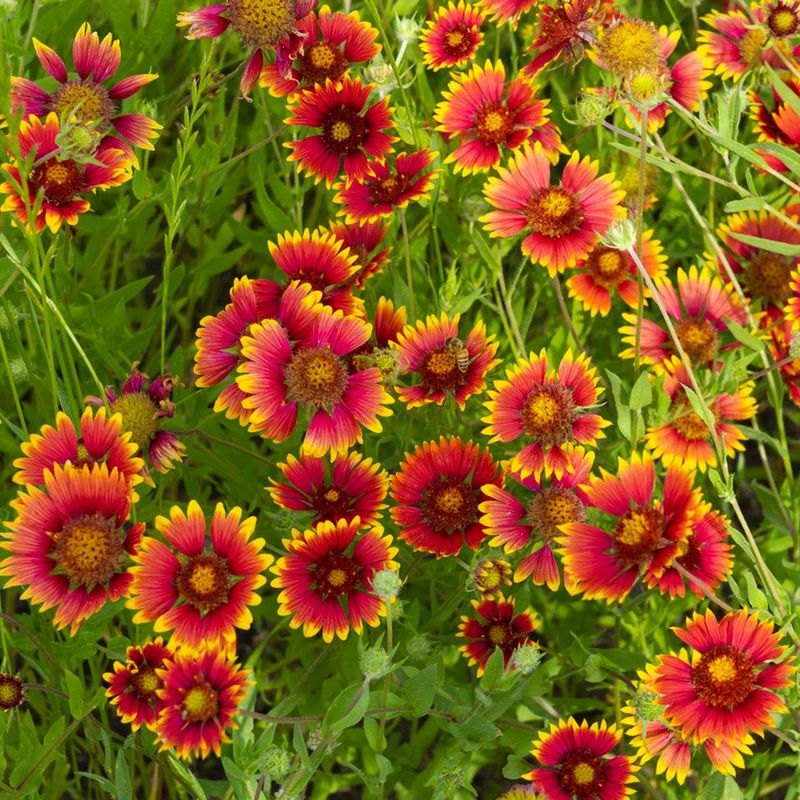
Blanket flower, known botanically as Gaillardia pulchella, earns its spot on this list with some of the most eye-catching blooms of any summer flower in North Carolina.
The bold red and yellow petals look like they were painted by hand, and they keep showing up all season long without much encouragement.
This is a plant that truly delivers on its promise of long-lasting summer color.
Heat and drought are no match for blanket flower. It is built for tough conditions, thriving in sandy, well-drained soils across North Carolina’s Coastal Plain and Piedmont regions.
During hot, dry stretches that would stress out most flowering plants, blanket flower keeps right on blooming. It actually prefers not to be overwatered, so gardeners who tend to underwater their beds will find it especially forgiving.
Full sun is essential for the best performance. Blanket flower planted in at least six hours of direct sunlight will produce the most flowers and maintain the strongest, most upright stems.
In shadier conditions, the plants tend to flop and bloom less freely. A well-placed garden bed facing south or west is ideal for getting the most out of this tough, cheerful perennial.
Removing spent blooms regularly keeps the flower production going strong through summer and into early fall. Blanket flower also attracts butterflies and native bees, adding real ecological value to the garden.
It is a tough, beautiful, and genuinely rewarding plant for any North Carolina summer landscape.