8 Long Blooming Flowers That Thrive With Very Little Care In North Carolina
The humid heat of the Piedmont and the sandy stretches of our coast can be brutal on delicate plants, but North Carolina’s unique climate also supports a select group of floral powerhouses.
Most homeowners spend their weekends battling wilting petals or fussing over complicated feeding schedules, yet the smartest local gardeners know which species are built for the Tar Heel transition from frost to humidity.
These rugged perennials tap into the rich minerals of our native soil to produce a relentless display of blooms that refuse to quit.
By choosing the right varieties now, you can stop being a slave to your trowel and start enjoying a landscape that looks professionally maintained with almost zero physical labor.
These eight resilient beauties are the ultimate shortcut to a vibrant, perennial paradise that thrives while you relax in the shade with a glass of cold sweet tea.
1. Black-Eyed Susan (Rudbeckia Hirta)
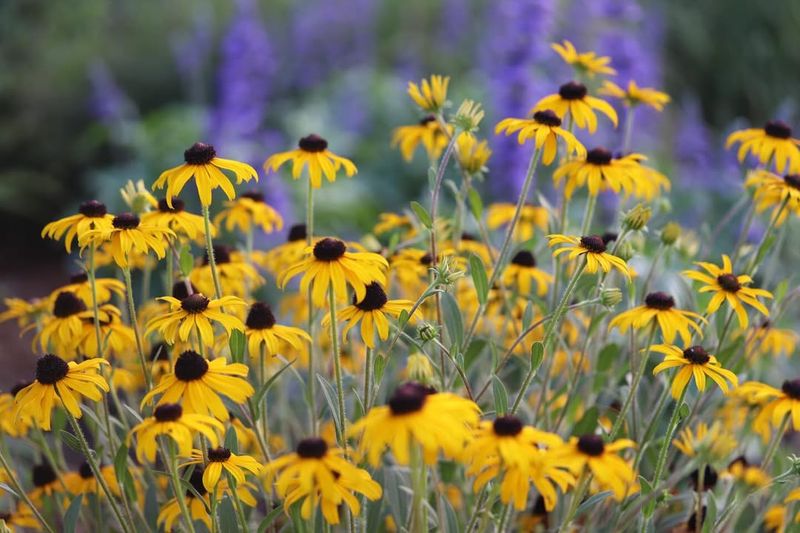
Few flowers bring as much cheerful energy to a North Carolina garden as the Black-Eyed Susan. Those bold yellow petals surrounding a rich, chocolatey center are practically impossible to ignore.
This native wildflower has been brightening roadsides and backyards across the state for centuries, and it shows absolutely no signs of slowing down.
Black-Eyed Susans bloom from mid-summer all the way through early fall, giving you months of nonstop color.
Once the plant gets established in your garden, it handles drought like a champ and adapts to a wide range of soil types without complaint.
Sandy soil, clay, rocky ground, it really does not matter much to this tough little flower. Planting them in a sunny spot is really all the effort they need from you. They attract bees, butterflies, and even goldfinches who love snacking on the seeds in late fall.
North Carolina gardeners love this plant because it spreads naturally over time, filling in bare patches without any extra work.
Deadheading spent blooms can extend the season a bit, but honestly, even if you skip it, these flowers will still put on a fantastic show year after year.
2. Daylilies (Hemerocallis Spp.)
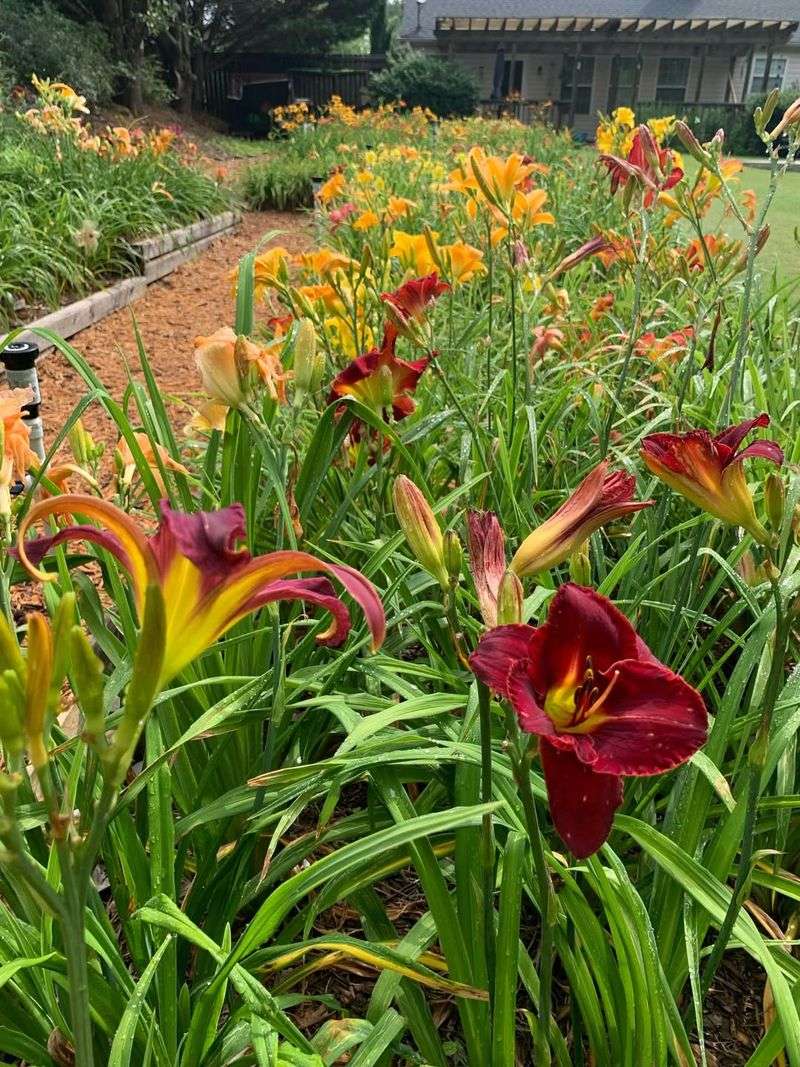
Daylilies are the kind of plant that makes you look like a gardening expert without doing much at all.
Each individual bloom only lasts one single day, but every plant produces so many buds that you get fresh flowers opening up for weeks and weeks on end.
From early summer right through fall, North Carolina gardens filled with daylilies stay lively and full of color.
What makes these plants so popular is their incredible toughness. Once daylilies get settled into your garden, they handle heat, humidity, and even short dry spells without skipping a beat.
Occasional deadheading of spent stalks keeps things looking neat, but the plants will thrive either way.
They spread slowly on their own, gradually filling out into fuller, more impressive clumps over the years.
Daylilies come in a jaw-dropping range of colors, from soft peach and creamy white to deep burgundy and bold orange.
North Carolina gardeners can mix several varieties together to create a blooming display that lasts from June through September.
They grow well in both full sun and partial shade, which makes them incredibly flexible for different spots around your yard.
Plant them once, and they reward you with beautiful blooms season after season with almost zero effort required on your part.
3. Coneflower (Echinacea Purpurea)
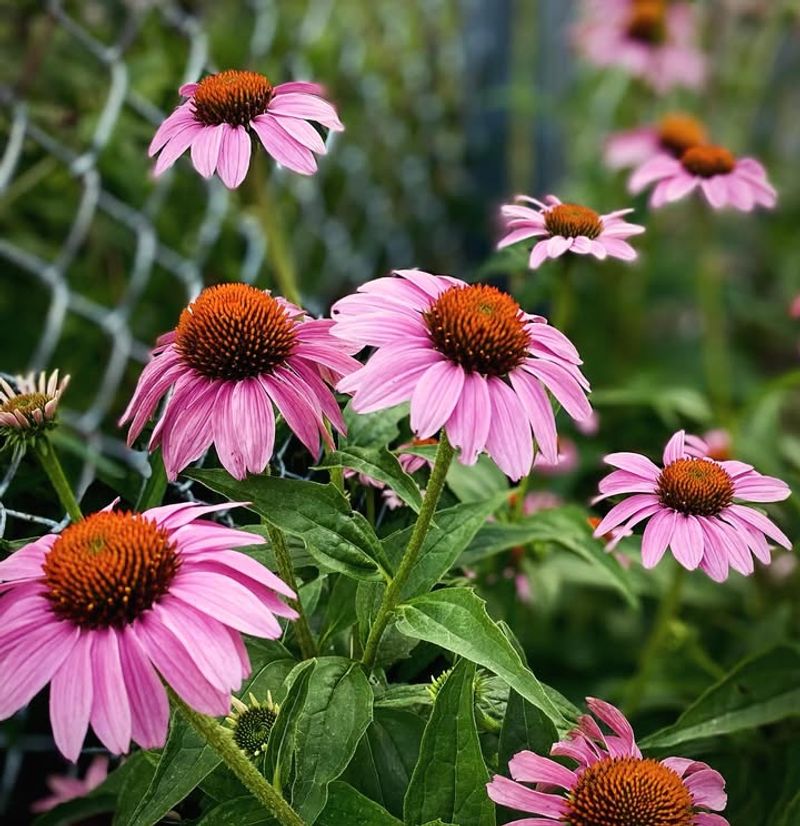
Coneflower is one of those plants that earns its spot in any North Carolina garden without asking for much in return.
Native to the eastern United States, this tough perennial handles the state’s hot, sticky summers with remarkable ease.
The vibrant purple petals and spiky orange-brown centers create a striking look that stands out beautifully against green summer foliage.
Blooming from mid-summer all the way into fall, coneflowers give you one of the longest color windows of any low-maintenance perennial around.
They are genuinely drought-tolerant once established, meaning you can skip watering sessions without any guilt. Pollinators absolutely love them.
Bees, butterflies, and hummingbirds flock to coneflowers throughout the season, turning your garden into a lively, buzzing little ecosystem.
Here is a fun fact about coneflower: Native American communities used Echinacea for centuries as a natural remedy, long before it became a popular herbal supplement.
Beyond their practical benefits, these plants are simply stunning in a garden bed. North Carolina gardeners often plant coneflowers alongside Black-Eyed Susans for a wildflower-inspired look that practically maintains itself.
They self-seed gently over time, slowly spreading and filling your garden with more blooms each year. Cut a few stems for indoor bouquets and enjoy their beauty both inside and outside your home.
4. Lavender (Lavandula Spp.)
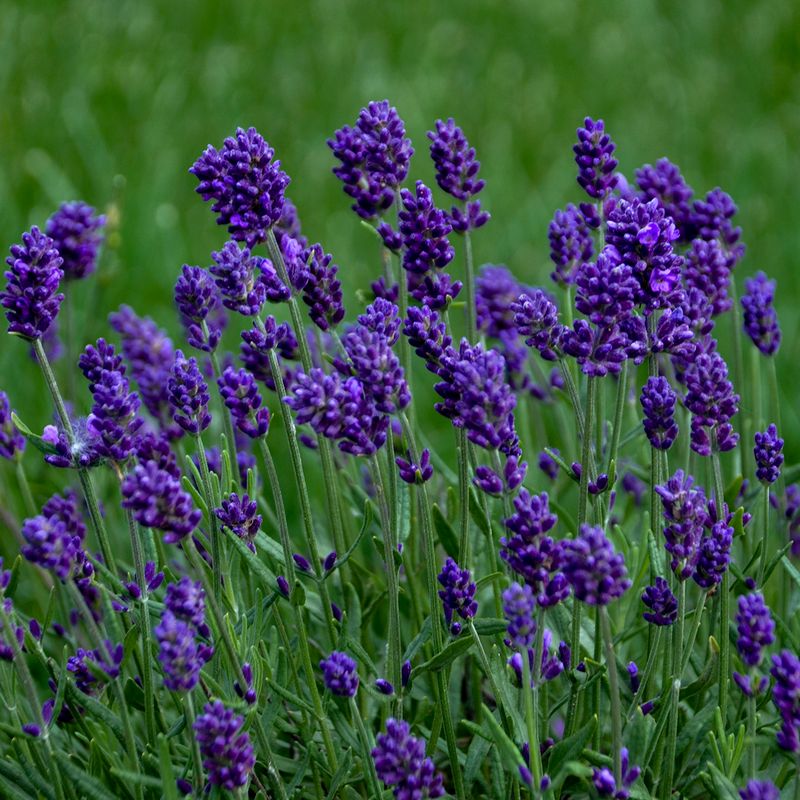
Walking past a blooming lavender plant on a warm North Carolina morning is one of those simple pleasures that never gets old.
That unmistakable fragrance, a mix of floral sweetness and earthy calm, drifts through the air and immediately makes the whole garden feel more peaceful.
Beyond the scent, lavender is a remarkably low-maintenance plant that rewards minimal effort with maximum beauty.
Lavender thrives in full sun and well-drained soil, which makes it a great fit for many parts of North Carolina.
It blooms in late spring to early summer, producing tall, elegant spikes of purple flowers that bees absolutely cannot resist.
Once established, the plant needs very little water and handles dry spells with ease. Too much moisture is actually the one thing lavender dislikes, so avoid overwatering and you are basically done with the hard work.
A light trim after the first bloom cycle often encourages a second flush of flowers later in the season.
North Carolina gardeners who grow lavender near patios or walkways get the added bonus of that gorgeous scent drifting through outdoor living spaces. The dried flower spikes also work beautifully in homemade sachets or floral arrangements.
With its silvery-green foliage and soft purple blooms, lavender adds a romantic, cottage-garden charm that keeps your yard looking elegant from late spring well into summer.
5. Autumn Joy Sedum (Sedum Autumn Joy)
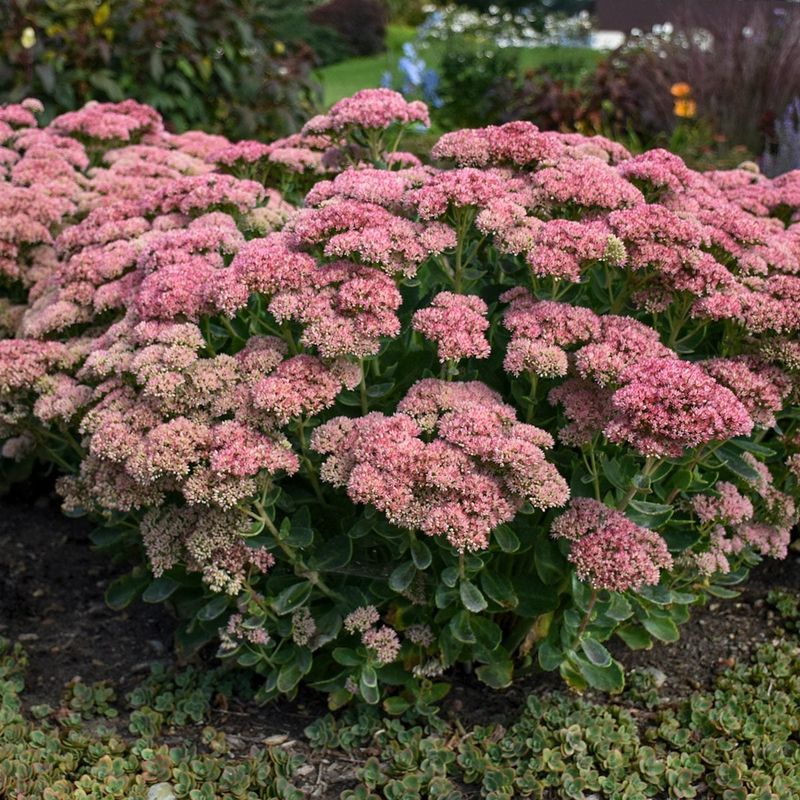
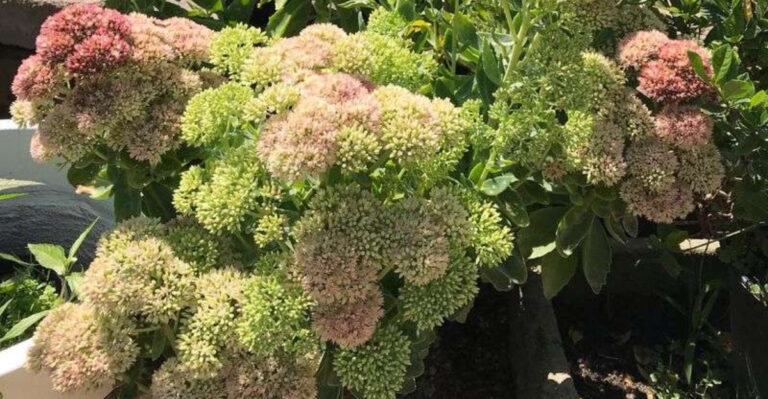
Autumn Joy Sedum has a personality all its own, quietly building up through spring and summer before putting on a spectacular show just when most other plants start fading.
This succulent perennial starts the season with thick, fleshy blue-green leaves that look attractive even before a single flower appears.
Then, in late summer, clusters of rosy-pink blooms emerge and gradually deepen into rich bronze-red as fall temperatures arrive.
North Carolina gardeners love this plant for its incredible drought tolerance and no-fuss attitude. Full sun is all it really asks for, and once it gets established, it handles dry spells without any drama.
The thick, water-storing leaves are the secret to its resilience, making it one of the most reliable late-season perennials you can plant in the state.
Beyond occasional trimming in early spring to remove old stems, there is almost nothing else you need to do.
Pollinators swarm the blooms in late summer, making Autumn Joy Sedum a valuable source of nectar when many other flowers have already finished.
The dried flower heads also look beautiful left standing through winter, adding structure and visual interest to the garden even during the coldest months.
Plant Autumn Joy in borders, rock gardens, or containers and enjoy its effortless, season-long appeal without spending hours on maintenance or watering schedules.
6. Blanket Flower (Gaillardia Pulchella)
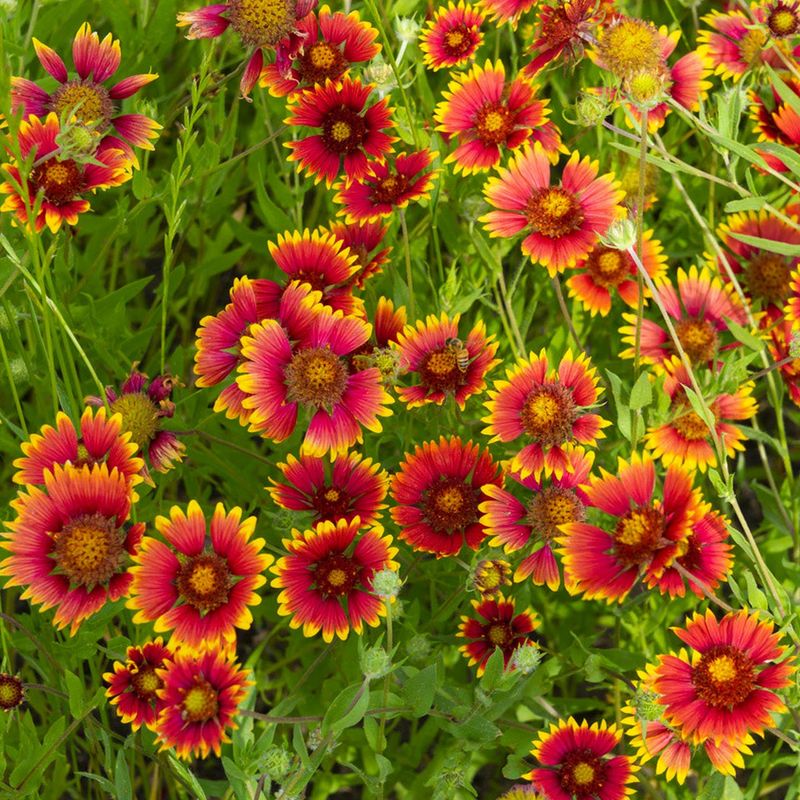
Blanket Flower earns its name from the bold, fiery patterns on its petals that look almost like a traditional woven blanket.
Red, orange, and yellow swirl together in eye-catching combinations that bring serious energy to any garden.
Native to North America, this tough perennial is practically built for warm, sunny climates like those found across North Carolina.
One of the best things about Blanket Flower is its love of poor, dry soil. While many plants struggle in sandy or rocky ground, Gaillardia actually thrives in those conditions.
Rich, overly moist soil can cause more problems than help for this plant, so less really is more when it comes to soil preparation.
It blooms generously from early summer all the way through fall, rewarding you with months of cheerful color. Deadheading spent blooms encourages the plant to keep producing new flowers throughout the season.
Even without regular deadheading, Blanket Flower still puts out an impressive display that attracts butterflies and bees from across your neighborhood.
North Carolina gardeners who want a wildflower meadow look will find Blanket Flower pairs beautifully with coneflowers and Black-Eyed Susans. It self-seeds readily, meaning new plants will pop up naturally each spring.
Once you plant Blanket Flower, your garden gains a reliable, low-effort burst of color that practically manages itself year after year.
7. Russian Sage (Perovskia Atriplicifolia)
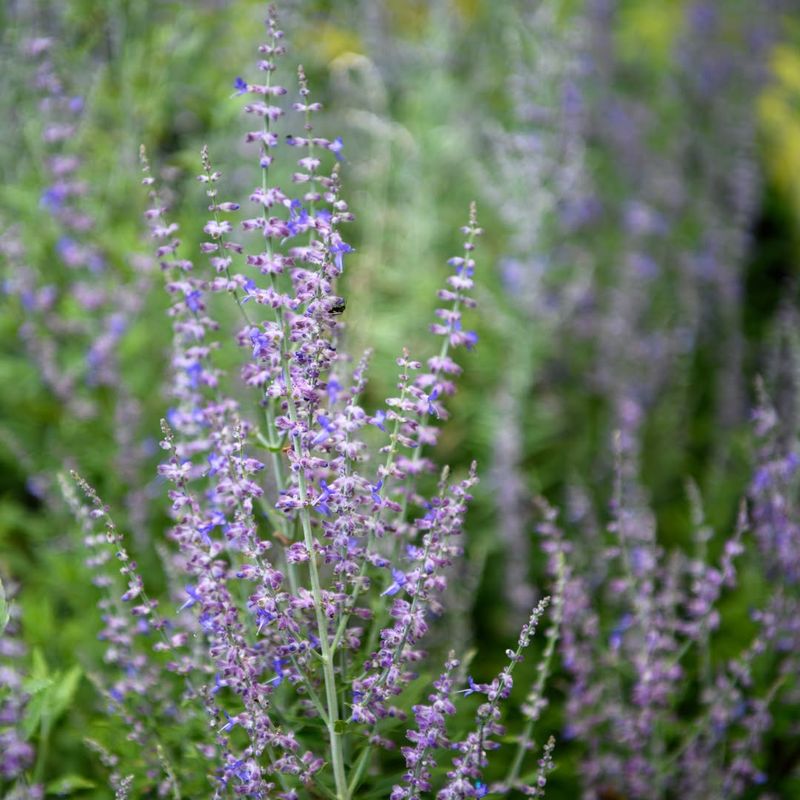
Russian Sage has a wild, airy beauty that is hard to replicate with any other plant. Tall silvery stems carry clouds of tiny lavender-blue flowers that sway gracefully in the breeze, creating a dreamy, soft-focus effect in the garden.
Despite its delicate appearance, this perennial is one of the toughest plants you can grow in North Carolina, thriving in full sun and dry, well-drained soil with minimal fuss.
The blooming season stretches from mid-summer all the way through fall, giving you a long, reliable window of color during the hottest and driest parts of the year.
Russian Sage handles drought exceptionally well once established, and it actually prefers lean soil over rich, heavily amended ground.
Overwatering is the one mistake to avoid, as soggy roots can cause real problems for this otherwise bulletproof plant.
North Carolina gardeners often use Russian Sage as a backdrop plant in mixed borders, where its tall, wispy form creates a beautiful contrast behind shorter, bolder flowers like coneflowers or daylilies.
The silvery stems and aromatic, sage-scented foliage also deter deer, which is a major bonus in many parts of the state.
Pollinators, especially bees, love the tiny blooms. A hard cutback in early spring keeps the plant vigorous and well-shaped, but beyond that single annual task, Russian Sage asks for almost nothing from you.
8. Catmint (Nepeta Spp.)
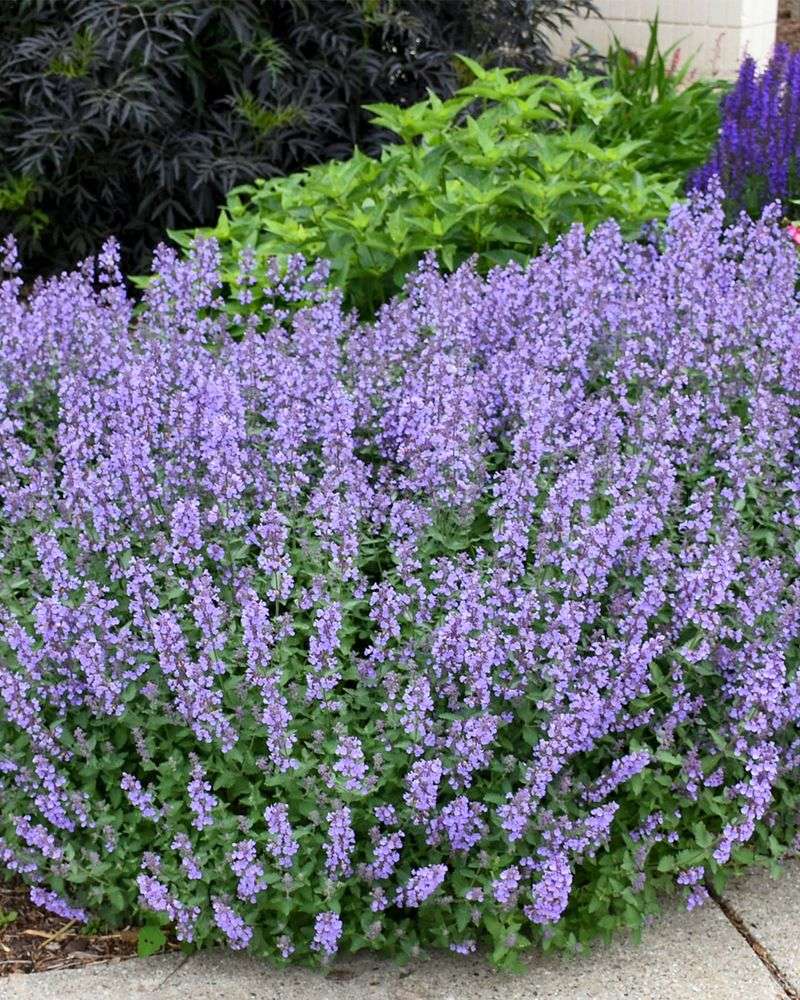
Catmint is one of those underrated garden heroes that deserves far more attention than it typically gets.
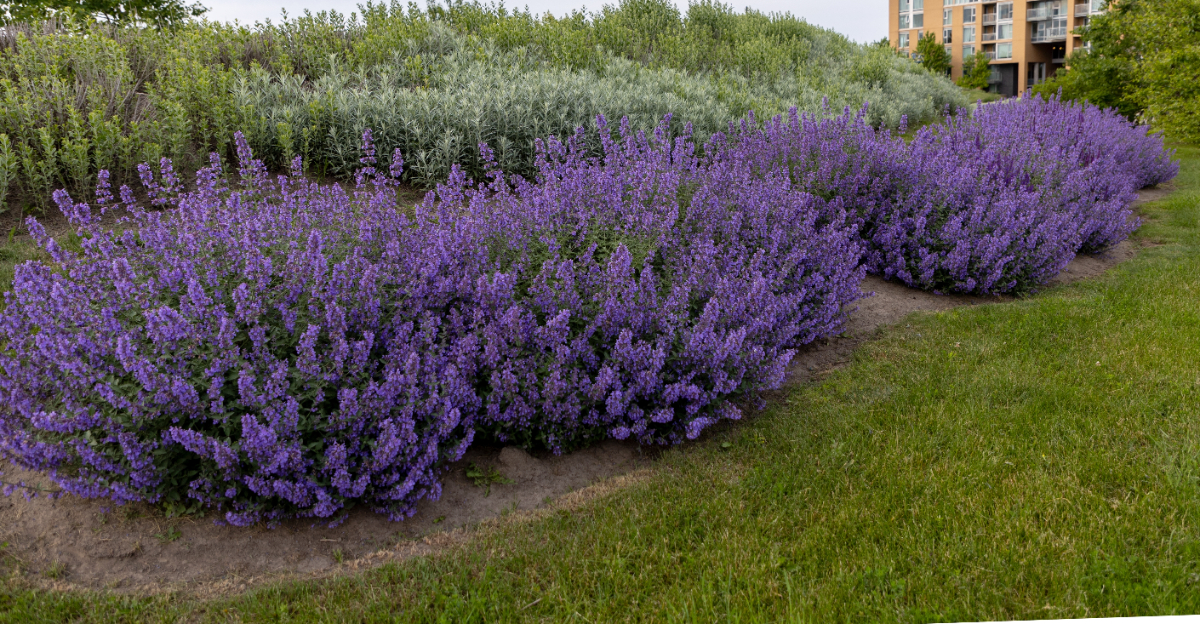
Soft mounds of gray-green foliage covered in waves of lavender-blue flowers create a look that feels both relaxed and refined at the same time.
North Carolina’s heat and humidity are no match for this tough perennial, which keeps producing blooms from late spring through fall with barely any encouragement needed.
One of the most satisfying things about growing catmint is how quickly it bounces back after a trim.
Cutting the plant back by about one-third after the first big bloom flush in late spring triggers a fresh round of flowering that carries through summer and into fall.
Beyond that occasional shearing, catmint is completely self-sufficient. It handles dry spells without wilting, resists most common garden pests, and rarely needs fertilizing to look its best.
Bees are absolutely wild about catmint blooms, making it a fantastic addition to any pollinator-friendly garden in North Carolina.
The aromatic foliage also tends to discourage deer and rabbits, which makes it a smart choice for gardens in more rural parts of the state.
Catmint works beautifully as a border edging plant, a ground cover on slopes, or a soft filler between taller perennials.
Plant it once and enjoy seasons upon seasons of effortless, beautiful blooms that keep the whole garden feeling alive and vibrant.