8 Long Blooming Flowers That Thrive With Very Little Care In Pennsylvania
If you want a garden full of color without the constant upkeep, long-blooming flowers are your secret weapon.
Pennsylvania’s ever-changing climate can make gardening feel like a challenge, but the right flowers can thrive with minimal attention while adding vibrant beauty throughout the seasons.
These hardy beauties don’t need constant watering or fertilizing, yet they reward you with blooms that last for weeks, or even months. Whether you’re working with full sun, partial shade, or even tricky soil, there’s a long-blooming flower that can handle it all.
From cheerful daisies to delicate coneflowers, these flowers not only add splashes of color to your yard but also support local pollinators. They can stand up to Pennsylvania’s summer heat, spring rain, and even fall’s chill without missing a beat.
With a little planning, you can create a stunning garden that practically takes care of itself, giving you more time to enjoy its beauty rather than maintain it.
1. Black-Eyed Susan (Rudbeckia Hirta)
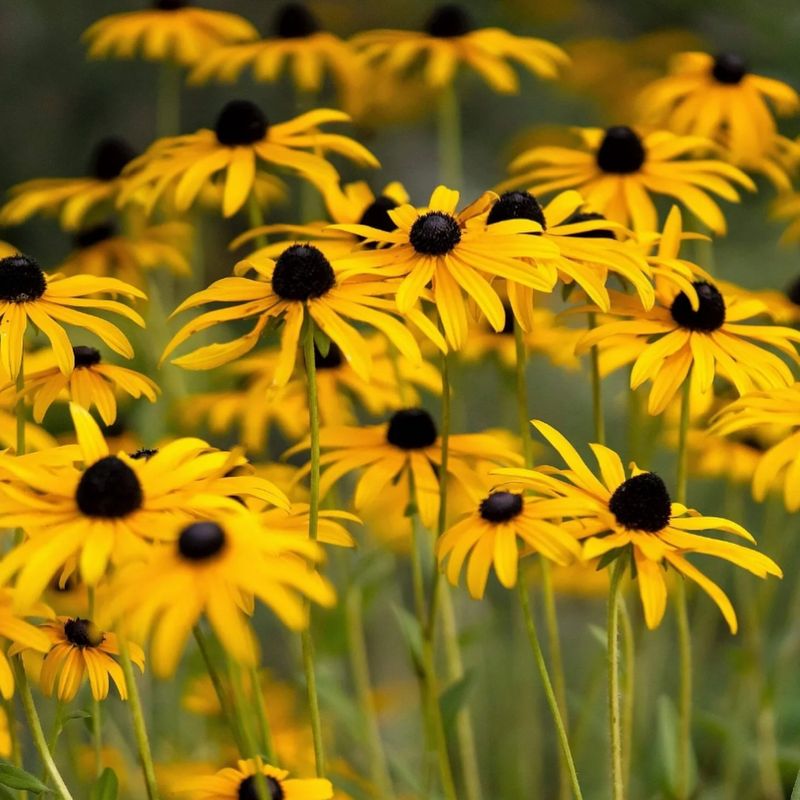
If there is one flower that practically screams summer in Pennsylvania, it is the Black-Eyed Susan. Those bold, golden-yellow petals surrounding a dark chocolate-brown center are impossible to miss, and they show up reliably every year without much help from you.
Bloom time runs from June all the way through September, giving you nearly four months of cheerful color.
This native perennial loves full sun and actually does better in poor, dry soil than in rich, pampered beds. Once it gets established, you can pretty much forget about watering it during dry spells.
Black-Eyed Susans spread naturally over time, so one small planting can turn into a gorgeous, full patch within a couple of seasons. They also attract bees, butterflies, and even goldfinches who love snacking on the seed heads in late fall.
Across Pennsylvania, this flower is a go-to choice for roadside plantings and natural meadow gardens for a very good reason.
To get started, simply plant seeds or transplants in a sunny spot with well-drained soil. No special fertilizer is needed.
Deadheading spent blooms can encourage more flowers, but it is completely optional. Leaving the seed heads standing through winter also adds visual interest and provides food for local wildlife.
Rugged, beautiful, and practically effortless, this plant earns its spot in any low-maintenance Pennsylvania garden.
2. Purple Coneflower (Echinacea Purpurea)
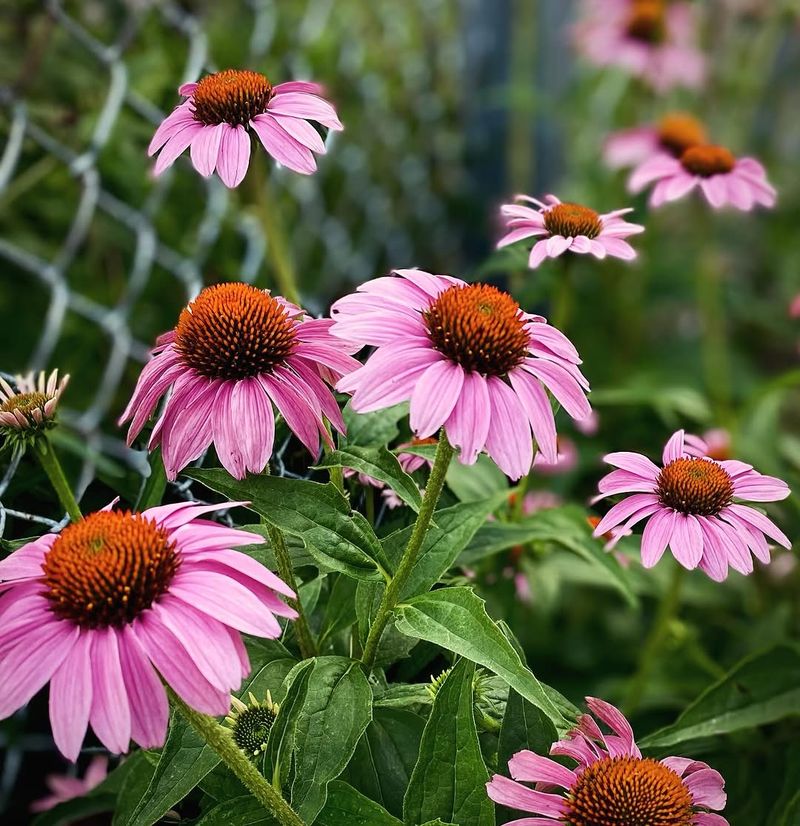
Walk through almost any well-loved Pennsylvania garden in July, and you are likely to spot the Purple Coneflower standing tall and proud. Its rosy-purple petals droop slightly downward from a spiky, cone-shaped center, giving it a look that feels both wild and refined at the same time.
Bloom time stretches from June through August, and with a little deadheading, you can push those blooms even further into the season.
Echinacea purpurea is native to North America, which means it is naturally built to handle Pennsylvania’s summer heat, occasional drought, and everything in between.
It thrives in full sun and tolerates a wide range of soil types, including clay-heavy ground that many other plants refuse to grow in.
Pollinators go absolutely wild for Purple Coneflowers. Bees, butterflies, and hummingbirds visit them constantly throughout the blooming season.
Beyond their beauty, these plants are famously tough. Once established, they ask for almost nothing from you.
Plant them in a sunny spot, water them during their first growing season to help roots settle in, and then step back. They will self-seed and return year after year, slowly building into fuller, more impressive clumps.
For Pennsylvania gardeners who want reliable summer color without the fuss, Purple Coneflower is a flower you simply cannot go wrong with. It is a true garden workhorse dressed in beautiful purple blooms.
3. Daylilies (Hemerocallis Spp.)
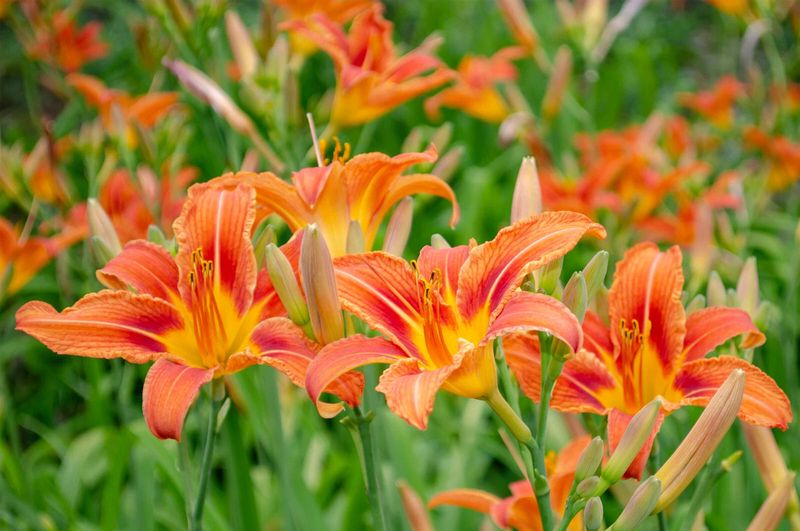
Few plants have earned the nickname “perfect perennial” quite like the daylily. Gardeners across Pennsylvania have relied on these tough, colorful bloomers for generations, and it is easy to see why.
They grow in full sun or partial shade, handle poor soil, shrug off summer heat, and bounce back year after year without a single complaint.
Depending on the variety you choose, daylilies can bloom anywhere from June all the way through September. Some varieties even rebloom, pushing out a second flush of flowers later in the season.
The range of colors available is staggering, from soft peach and creamy white to deep burgundy and bright orange. There is truly a daylily for every taste and every garden style.
One of the best things about daylilies is how forgiving they are. Forget to water them for a week? No problem. Plant them in rocky soil?
They will still perform. They are also highly resistant to most common garden pests, which makes them even easier to manage.
To grow daylilies in Pennsylvania, pick a spot that gets at least six hours of sunlight per day. Dig a hole, place the plant in, backfill with soil, and water it in well.
After that first growing season, minimal watering is all they need. Divide the clumps every few years to keep them vigorous and blooming at their best. Easy, colorful, and incredibly reliable.
4. Hardy Geranium (Geranium Spp.)
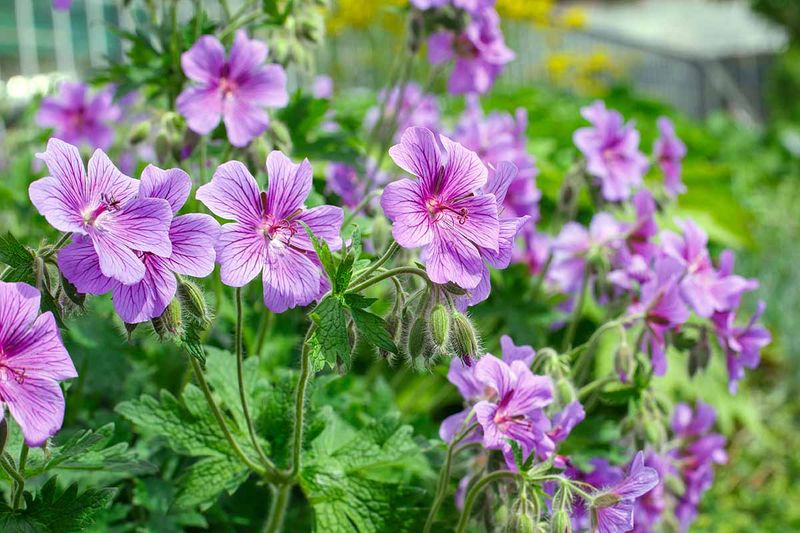
Do not confuse hardy geraniums with the tender, potted geraniums you see on front porches every spring. Hardy geraniums are a completely different plant, and they are one of the most underrated low-maintenance options available to Pennsylvania gardeners.
These tough little perennials spread into tidy mounds of attractive, deeply lobed foliage covered in flowers from May all the way through October.
That is a seriously long bloom season. Very few perennials can match that kind of staying power.
Hardy geraniums come in shades of pink, purple, blue, and white, and they work beautifully in borders, along pathways, or tucked under trees where other plants struggle.
They handle both full sun and partial shade with ease, making them incredibly versatile across different spots in your Pennsylvania yard.
Drought tolerance is another major selling point. Once established, these plants can handle dry spells without wilting dramatically.
They also attract bees and other beneficial pollinators, adding extra life to your garden space throughout the growing season.
Planting hardy geraniums is simple. Space them about 18 inches apart in well-drained soil, water regularly during the first season, and let them do their thing.
If they look tired mid-summer, shear them back by about half, and they will reward you with a fresh flush of new growth and flowers. For Pennsylvania gardens that need reliable, long-lasting color with minimal effort, hardy geraniums are an excellent choice every single time.
5. Bee Balm (Monarda Didyma)
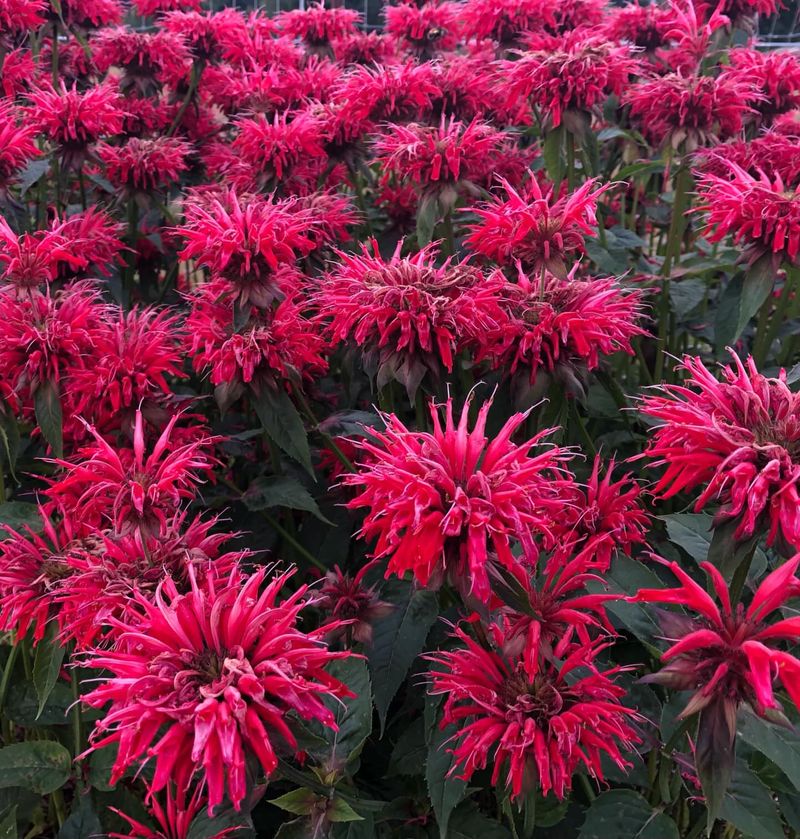
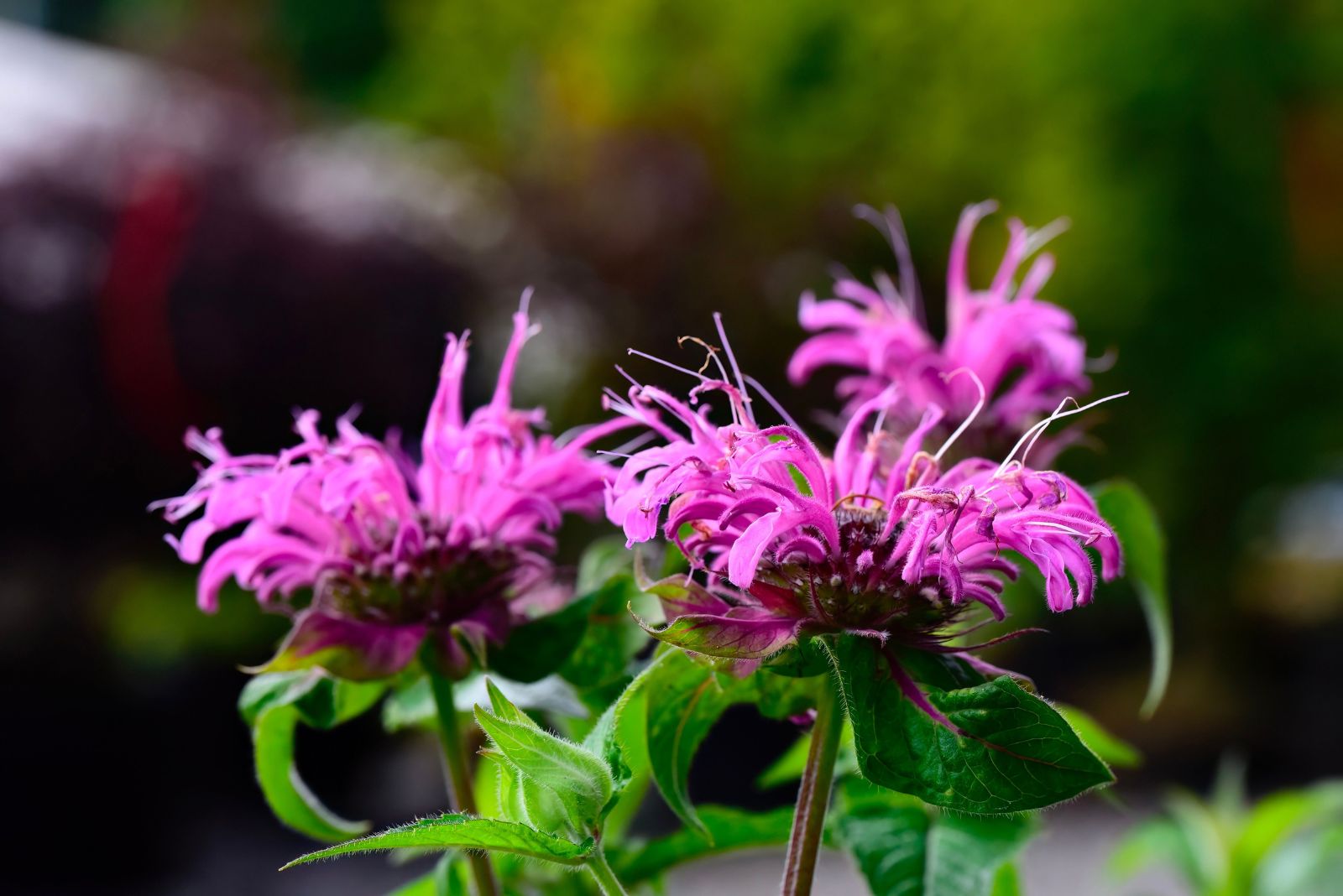
There is something almost magical about watching a patch of Bee Balm in full bloom. The flowers look like tiny fireworks frozen in mid-burst, with spiky, tubular petals radiating outward in shades of red, pink, purple, and white.
And the wildlife they attract? Absolutely spectacular.
Hummingbirds, bees, and butterflies flock to Bee Balm from June through August, turning your Pennsylvania garden into a buzzing, fluttering showcase of natural activity. Beyond the visual drama, Bee Balm also has a wonderful fragrance.
The leaves smell faintly of oregano when crushed, which is not surprising since Monarda is actually a member of the mint family.
Growing Bee Balm in Pennsylvania is straightforward. It prefers full sun to partial shade and moist, well-drained soil.
Once established, it spreads steadily through underground runners, so give it some space to roam. If powdery mildew becomes an issue on the leaves during humid summers, simply improve air circulation by thinning out the clumps a bit.
Dividing Bee Balm every two or three years keeps it healthy and flowering at its best. Cut it back after blooming to encourage a second flush of growth.
This plant is wonderfully low-maintenance once it finds its footing in your garden. For Pennsylvania gardeners who want to attract pollinators while adding bold, eye-catching color from midsummer onward, Bee Balm is a plant that truly delivers on every level.
It is a garden showstopper worth every inch of space it occupies.
6. Russian Sage (Perovskia Atriplicifolia)
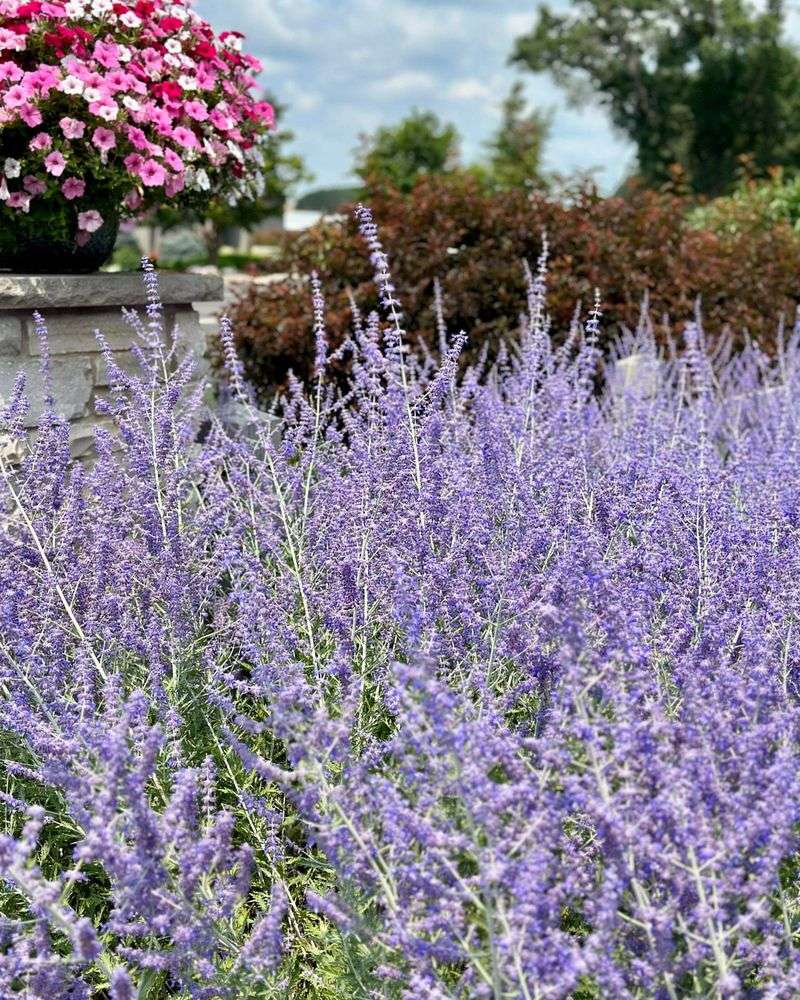
Russian Sage might just be the most effortlessly elegant plant you can grow in a Pennsylvania garden. Tall, airy stems rise up to four feet, covered in tiny lavender-blue flowers that create a soft, hazy cloud of color from July all the way through September.
The silvery-gray foliage adds extra visual texture even when the plant is not in full bloom. Heat? Russian Sage shrugs it off. Drought? Not a problem. Poor, sandy, or rocky soil? Actually preferred.
This plant thrives in conditions that would stress most other perennials, making it ideal for Pennsylvania gardeners who do not want to fuss over their flower beds all summer long.
One important note: Russian Sage absolutely needs well-drained soil and full sun. It does not tolerate soggy ground or deep shade.
Plant it in a sunny, open spot, and it will reward you with months of gorgeous blooms and almost zero maintenance.
The fragrant, silvery foliage also acts as a natural deer deterrent, which is a real bonus for Pennsylvania gardeners dealing with hungry wildlife. Bees and butterflies love the flowers, so you will get plenty of pollinator activity as well.
Cut stems back to about six inches in early spring to encourage vigorous new growth each year.
Russian Sage pairs beautifully with Black-Eyed Susans and Purple Coneflowers, creating a stunning, naturalistic planting scheme that practically takes care of itself all season long.
7. Coreopsis (Coreopsis Verticillata)
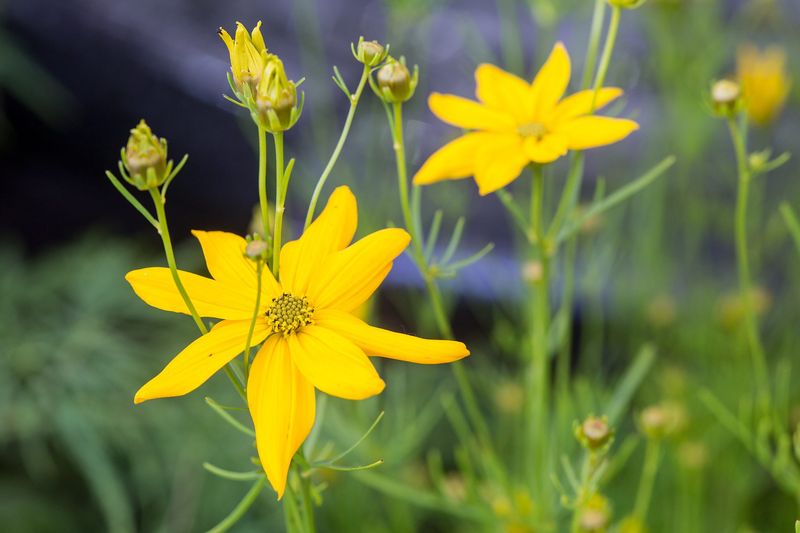
Sunny, cheerful, and practically indestructible, Coreopsis is one of those flowers that makes Pennsylvania gardeners feel like pros even if they have never grown anything before.
The bright yellow, daisy-like blooms appear in June and just keep on coming all the way through October, long after many other summer flowers have given up for the season.
Coreopsis verticillata, commonly called threadleaf coreopsis, is a particularly tough variety. Its fine, feathery foliage gives it a delicate, wispy look that contrasts beautifully with the bold yellow flowers.
Do not let that delicate appearance fool you, though. This plant is seriously drought-tolerant and thrives in full sun with well-drained soil, even if that soil is not especially rich or fertile.
Across Pennsylvania, Coreopsis performs consistently well in both garden borders and naturalized areas. It spreads gradually to form attractive clumps over time, and it rarely needs dividing more than once every few years.
Deadheading spent flowers encourages even more blooms, but honestly, the plant flowers so freely that it barely matters if you skip that step.
To grow Coreopsis successfully, choose a full-sun location with good drainage. Water it regularly during the first season to help it get established, and then reduce watering significantly.
Fertilizing is rarely necessary and can actually cause the plant to get leggy. For long-lasting, low-effort color in your Pennsylvania garden, Coreopsis is a golden-yellow gem that never disappoints.
8. Sedum (Sedum Spp.)
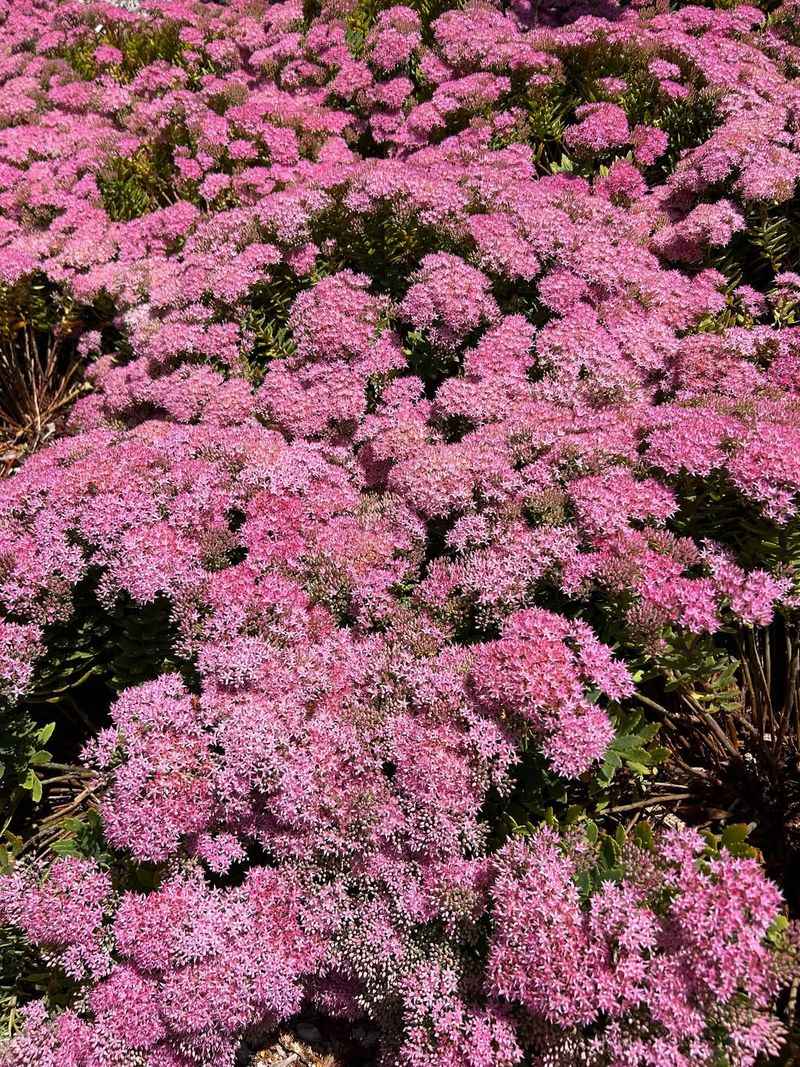
When late summer rolls around and most other flowers are starting to fade, Sedum steps up and steals the show.
Known widely by its popular cultivar name Autumn Joy, this succulent perennial produces large, flat-topped flower clusters that start out as pale pink in August and slowly deepen to a rich, rosy red by October.
It is one of the most reliable fall bloomers you can grow anywhere in Pennsylvania. Sedum thrives on neglect in a way that almost no other plant can match. It loves full sun and actually prefers dry, poor soil over rich, moist conditions.
Overwatering or planting in soggy ground is about the only thing that will cause it trouble. Beyond that, it is nearly bulletproof.
The thick, fleshy leaves store water efficiently, making Sedum one of the most drought-resistant perennials available to Pennsylvania gardeners. It also happens to be a late-season magnet for pollinators.
Bees and butterflies swarm the flower clusters right up until the first frost, making it a valuable resource for beneficial insects when other food sources are running low.
Plant Sedum in a sunny, well-drained spot and give it room to spread slightly over time. Cut it back to ground level in early spring to encourage fresh, vigorous growth.
The dried flower heads left standing through winter add beautiful structure to the garden and provide shelter for small beneficial insects. For effortless fall color in Pennsylvania, Sedum is simply unbeatable.