10 Long-Blooming Shrubs That Thrive In Ohio Gardens
It starts the same way every year. One week your yard feels bare, the next you are chasing color that never seems to last long enough.
Ohio gardens can feel like a race against the clock. Spring bursts in with fresh growth, early blooms show off, and then just as quickly, the color fades and everything turns green again.
That stop and start cycle leaves many yards looking flat by early summer. But some shrubs refuse to follow that pattern. They settle in, keep producing, and carry your landscape through heat, humidity, and long stretches without a break.
The secret is choosing plants that match Ohio’s changing conditions instead of fighting them. Pick the right long blooming shrubs, and your yard keeps delivering color long after others fade, holding strong from late spring well into the heart of the growing season.
1. Smooth Hydrangea Brings Reliable Summer Blooms
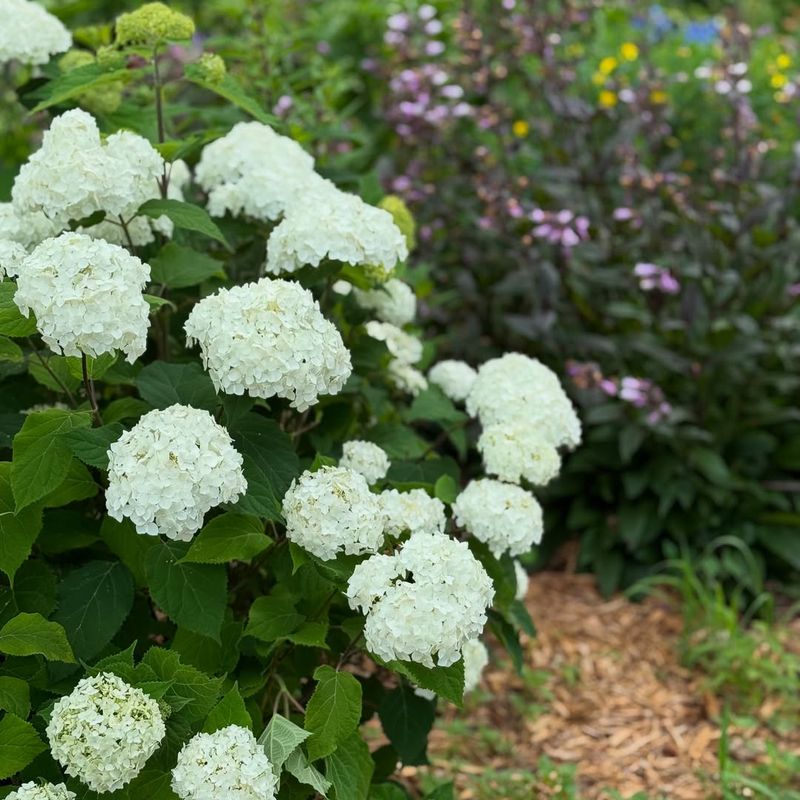
Few shrubs earn their place in an Ohio garden quite like smooth hydrangea. Native to eastern North America, Hydrangea arborescens is already adapted to the soils and climate patterns found across Ohio, which gives it a head start over many ornamental imports.
One of its biggest strengths is that it blooms on new wood, meaning even after a harsh Ohio winter prunes it back hard, the plant will still produce flowers the following summer.
Varieties like ‘Annabelle’ and ‘Incrediball’ push out enormous white flower heads starting in June and keep going well into September.
In southern Ohio, bloom season can kick off a little earlier thanks to warmer temperatures, while gardeners in northern Ohio may see flowers arrive closer to late June.
Smooth hydrangea handles partial shade better than most flowering shrubs, making it a smart pick for spots under mature trees.
It prefers consistently moist, well-drained soil and benefits from a layer of mulch to hold moisture during dry summer stretches.
Cutting stems back to about 12 inches in late winter or early spring encourages the strongest new growth and the biggest blooms come summer.
2. Panicle Hydrangea Delivers Months Of Color
Walk past a panicle hydrangea in mid-July and you will see why gardeners across Ohio keep coming back to it.
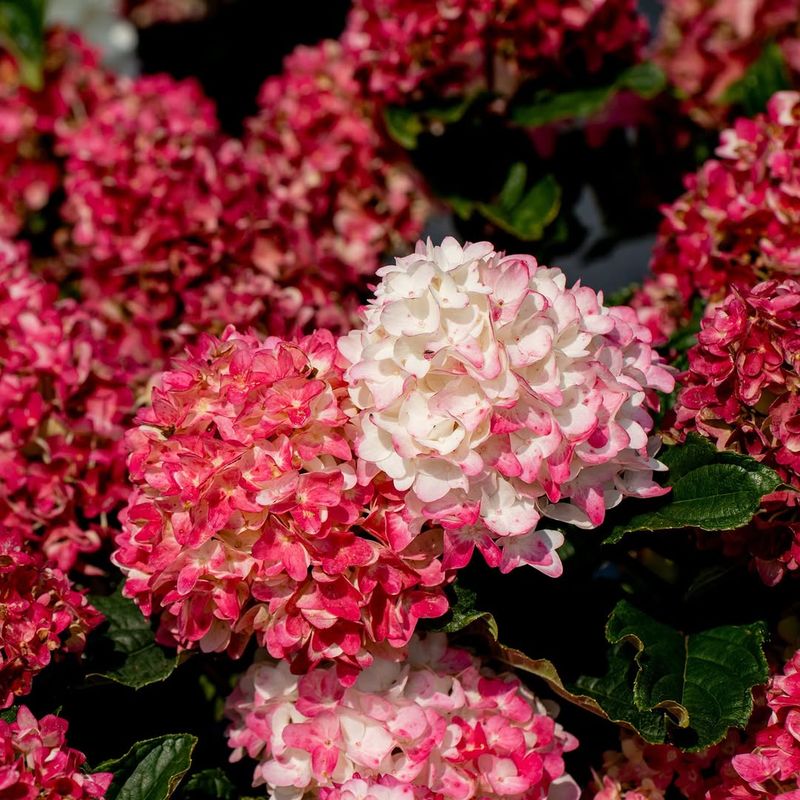
The large, cone-shaped flower clusters open creamy white in midsummer and slowly shift to shades of pink and dusty rose as autumn moves in, giving you a plant that looks different and arguably better as the season progresses.
Hydrangea paniculata is one of the most cold-hardy hydrangeas available, handling temperatures well below zero without complaint. That makes it reliable statewide, from the snowbelt counties near Lake Erie all the way down to the warmer Ohio River valley.
Northern Ohio gardeners may see blooms start in late July, while southern Ohio plants often open a couple of weeks earlier.
Popular varieties like ‘Limelight,’ ‘Quick Fire,’ and ‘Bobo’ suit different garden sizes and styles. Panicle hydrangeas prefer full sun to light shade and adapt to a range of soil types as long as drainage is decent.
Like smooth hydrangea, they bloom on new wood, so a late-winter pruning keeps plants tidy and promotes vigorous flowering. Ohio State University Extension recommends them as one of the most dependable flowering shrubs for the state.
3. Shrub Roses Bloom Repeatedly All Season
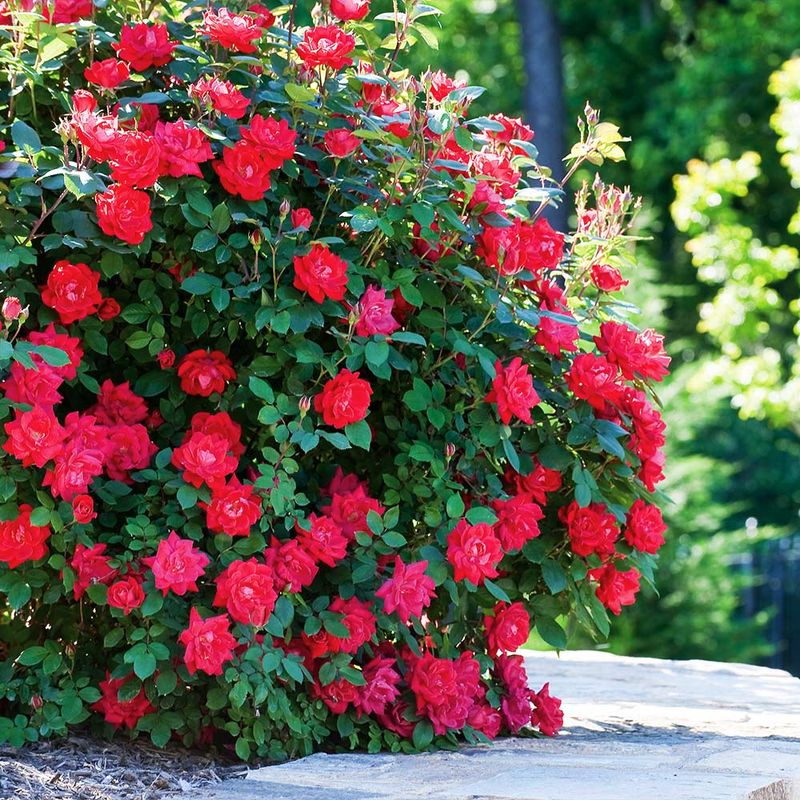
Modern shrub roses have come a long way from the finicky, disease-prone varieties your grandparents may have struggled with.
Today’s disease-resistant cultivars, especially those in the Knock Out and Drift series, bloom repeatedly from late spring through the first hard frost without requiring the intensive spray schedules that older roses demanded.
Ohio’s humid summers can be tough on roses that lack good air circulation, which is why plant spacing and variety selection matter a lot here. Giving shrub roses plenty of room, roughly four to five feet between plants depending on the variety, allows air to move freely and reduces the chance of fungal issues like black spot.
Gardens in the more humid eastern and southern parts of Ohio benefit especially from choosing varieties with strong disease resistance ratings.
Shrub roses perform best in full sun, ideally six or more hours daily, and prefer slightly acidic, well-drained soil. A light application of slow-release fertilizer in spring gives them a solid start.
Deadheading spent blooms on some varieties encourages faster rebloom, though many modern types cycle through on their own.
Ohio State University Extension recommends disease-resistant shrub roses as a low-maintenance option for home landscapes looking for season-long color.
4. Spirea Offers Waves Of Late Spring Color
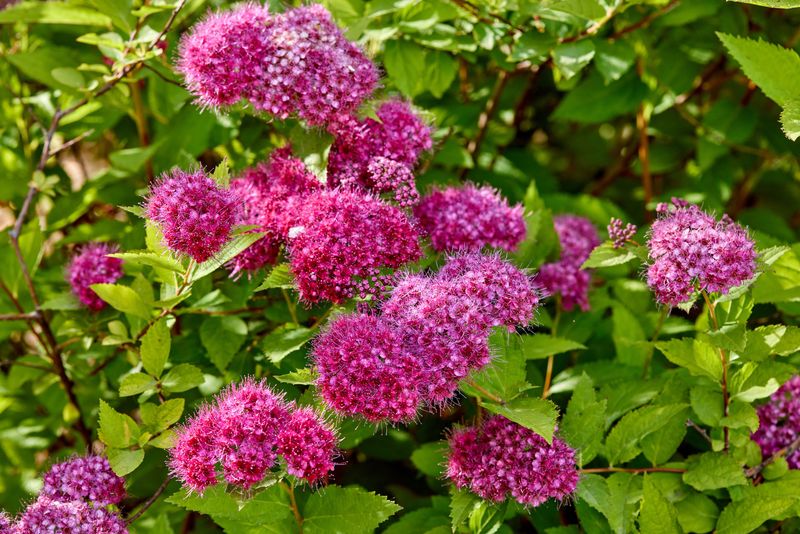
There is something almost cheerful about a spirea in full bloom.
The shrub practically disappears under a cloud of tiny flowers in late spring, and certain varieties will surprise you with a second flush of color later in the season if you give them a light trim after the first bloom fades.
Varieties like ‘Anthony Waterer’ and ‘Little Princess’ are popular across Ohio for good reason. They are compact, adaptable, and undemanding once established.
Bloom timing shifts slightly across the state, with southern Ohio gardens seeing peak color in late April to early May, while northern Ohio plants typically peak in mid to late May. The difference is noticeable but not dramatic.
Spirea grows best in full sun and tolerates a wide range of soil types, which is part of why it shows up in so many Ohio yards. It does produce some seeds, and light self-seeding can occur, though it is generally easy to manage with routine cleanup.
After the main bloom period, cutting the plant back by about one-third encourages fresh growth and sometimes triggers a modest rebloom by late summer. Overall, spirea is one of the most forgiving and rewarding shrubs an Ohio gardener can plant.
5. Potentilla Keeps Blooming Through Heat
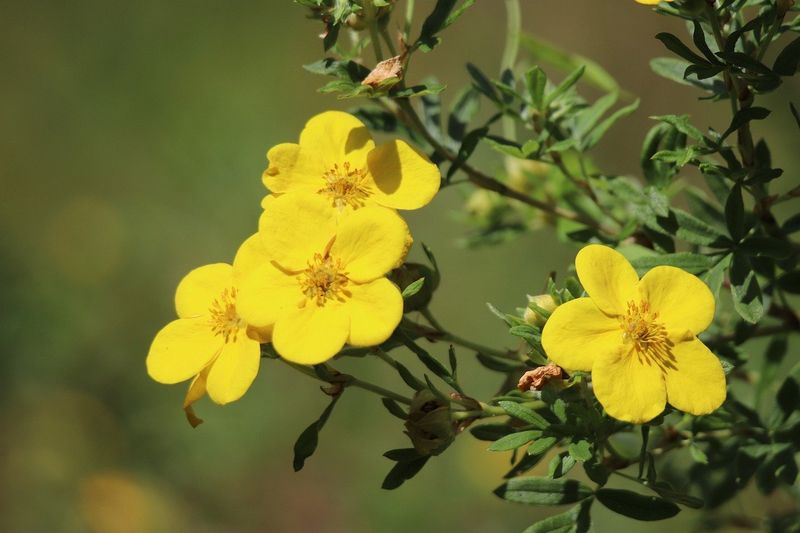
Ask any gardener in northern Ohio what shrub they rely on for summer-long color without a lot of fuss, and potentilla is likely to come up.
Potentilla fruticosa, also called shrubby cinquefoil, produces cheerful, buttercup-style flowers in shades of yellow, white, orange, and soft pink from late spring and keeps pushing them out straight through summer into fall.
Its heat and drought tolerance are real assets in a state where summer temperatures can spike unexpectedly. That said, potentilla performs most consistently in northern Ohio, where summer temperatures are moderated by Lake Erie.
In the hotter, more humid southern parts of the state, plants may slow down a bit during the peak of summer heat, especially in August, before picking back up as temperatures ease in September.
Potentilla thrives in full sun and well-drained soil. It is quite tolerant of poor soils, which makes it useful for slopes, rock gardens, and spots where other shrubs struggle.
Light pruning after the first flush of flowers helps maintain a tidy shape and encourages continued blooming. Plants are low-maintenance overall and rarely need much supplemental watering once established.
For gardeners who want reliable summer color with minimal effort, potentilla is a solid, dependable choice.
6. Buttonbush Adds Unique Summer Blooms
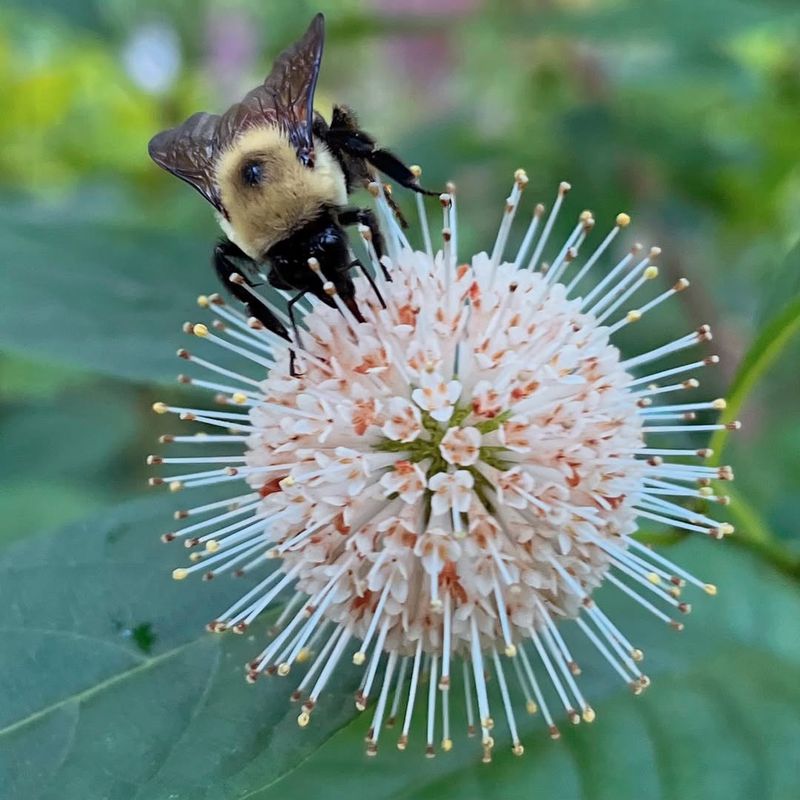
Buttonbush might be the most underused native shrub in Ohio.
Cephalanthus occidentalis produces fascinating, perfectly round white flower clusters that look a bit like tiny pincushions, and they attract an impressive variety of native bees, butterflies, and hummingbirds from midsummer through early fall.
Unlike most flowering shrubs, buttonbush genuinely loves wet feet. It thrives along pond edges, in rain gardens, and in low-lying areas where standing water lingers after heavy rain.
That makes it a natural fit for the many parts of Ohio that deal with wet, poorly drained soils, particularly in the western and northwestern regions of the state. In drier upland sites, it can still grow but will need consistent supplemental watering to perform well.
Buttonbush grows in full sun to partial shade and can reach six to twelve feet tall at maturity, so give it room to spread. Beyond its blooms, it provides food and habitat for a wide range of wildlife, including waterfowl that feed on its seeds.
Ohio gardeners focused on supporting native pollinators and local ecosystems will find buttonbush especially rewarding.
It is a plant with real ecological value, not just ornamental appeal, and it fills a niche that few other shrubs can match in wet landscape settings.
7. Summersweet Brings Fragrance And Late Flowers
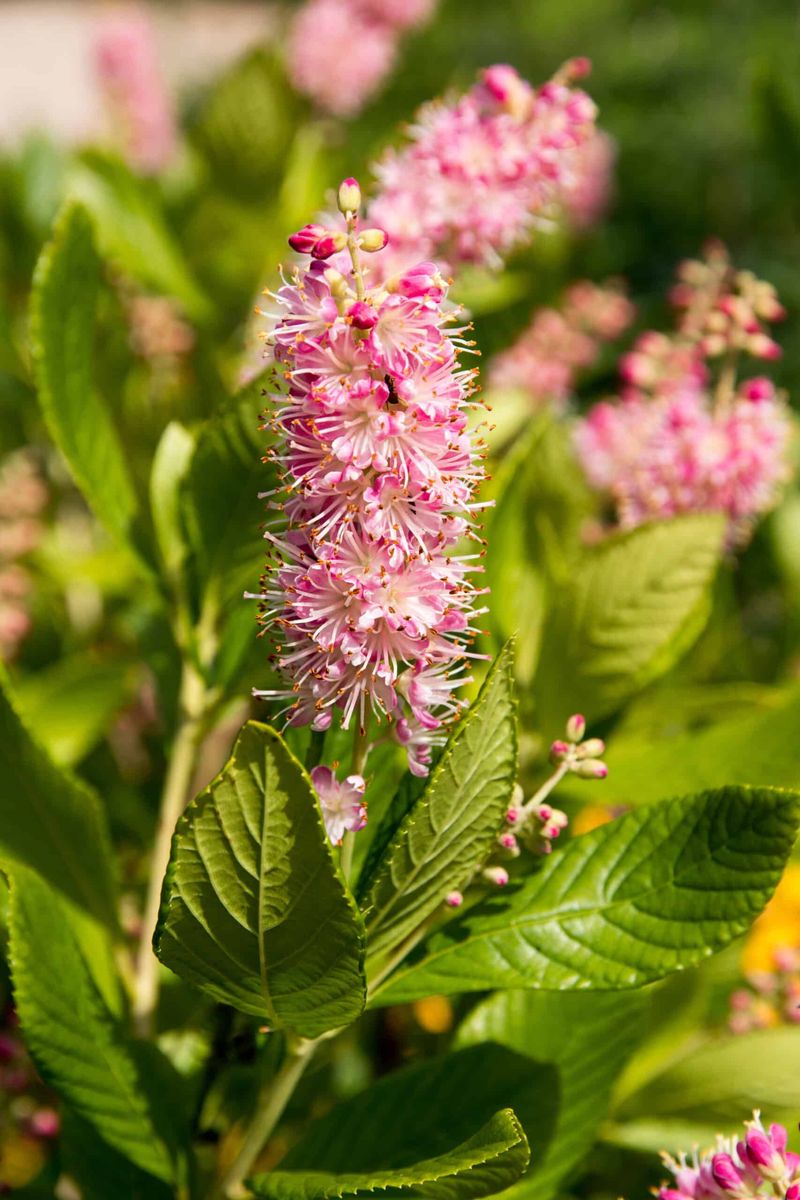
By late July, most flowering shrubs have already had their moment. Summersweet, known botanically as Clethra alnifolia, is just getting started.
Its slender spikes of white or pale pink flowers open in midsummer and linger into September, filling the garden with a sweet, spicy fragrance that carries surprisingly far on a warm Ohio evening.
One of summersweet’s most useful qualities is its comfort in shade. While many shrubs need full sun to bloom reliably, summersweet handles partial to full shade without sacrificing flower production.
That opens up spots under tree canopies and along shaded fence lines that are often difficult to fill with color. It performs especially well in eastern and southern Ohio, where summer humidity and consistent moisture create conditions close to its native woodland habitat.
Summersweet prefers moist, slightly acidic soil and benefits from mulching to keep roots cool and hydrated during dry spells. It spreads gradually by suckers, forming a multi-stemmed clump over time that can be managed with occasional thinning.
Mature plants typically reach three to eight feet tall depending on the variety. Compact cultivars like ‘Hummingbird’ work well in smaller yards.
Beyond the flowers, the foliage turns a warm golden yellow in fall, giving summersweet a second season of ornamental interest.
8. Abelia Blooms Long With Glossy Foliage
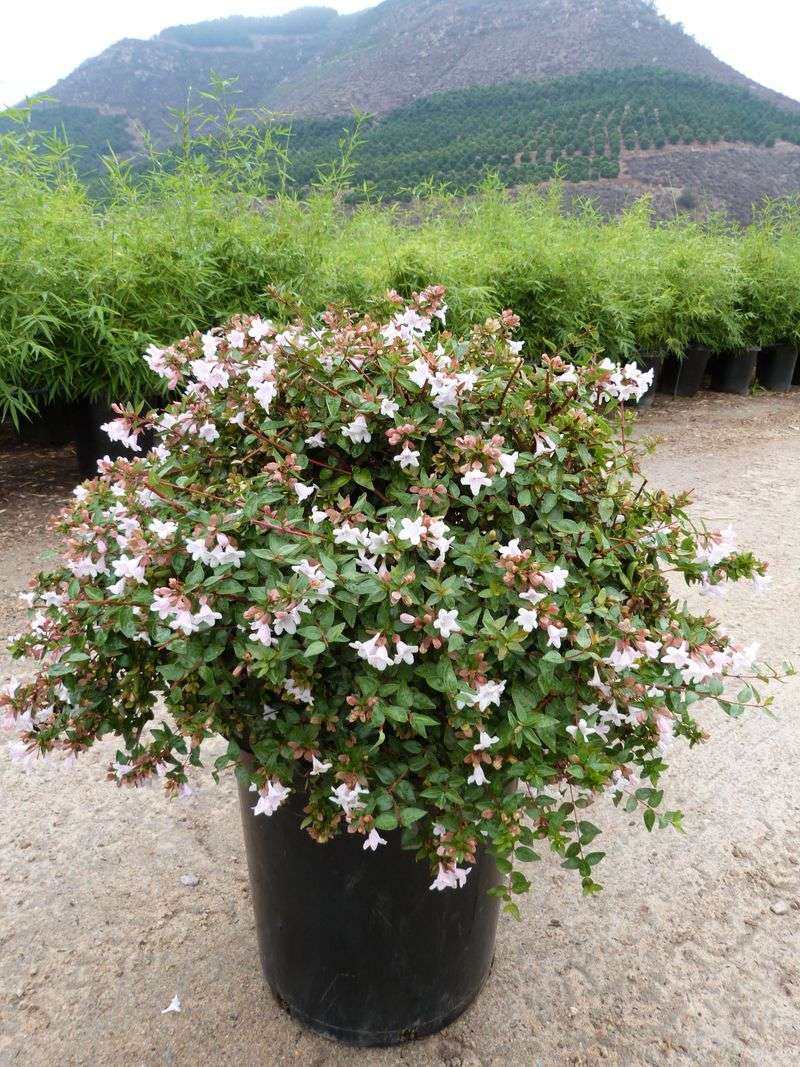
Glossy abelia has a quiet elegance that holds up all season long. The small, tubular flowers in white and soft pink open in early summer and continue blooming into October, which is a longer stretch than most flowering shrubs can claim.
Even when not in bloom, the shiny, dark green foliage provides clean, attractive texture in the landscape.
Abelia x grandiflora performs best in southern Ohio, where winters are milder and the growing season is longer. In central Ohio, plants generally do fine with some site selection care, such as planting near a south-facing wall for added warmth.
In northern Ohio, abelia can be more challenging and may need winter protection like a burlap wrap or a thick layer of mulch around the root zone to help it through harsh winters. Gardeners in USDA hardiness zones 5a and colder should consider this before planting.
In the right spot, abelia grows three to six feet tall and wide, thriving in full sun to light shade and well-drained soil. It tolerates moderate drought once established and responds well to light pruning in early spring to maintain shape.
Pollinators, especially butterflies and hummingbirds, are strongly drawn to the flowers. For southern Ohio gardeners looking for something a little different, abelia offers a long season of understated, reliable beauty.
9. Reblooming Weigela Extends Spring Color
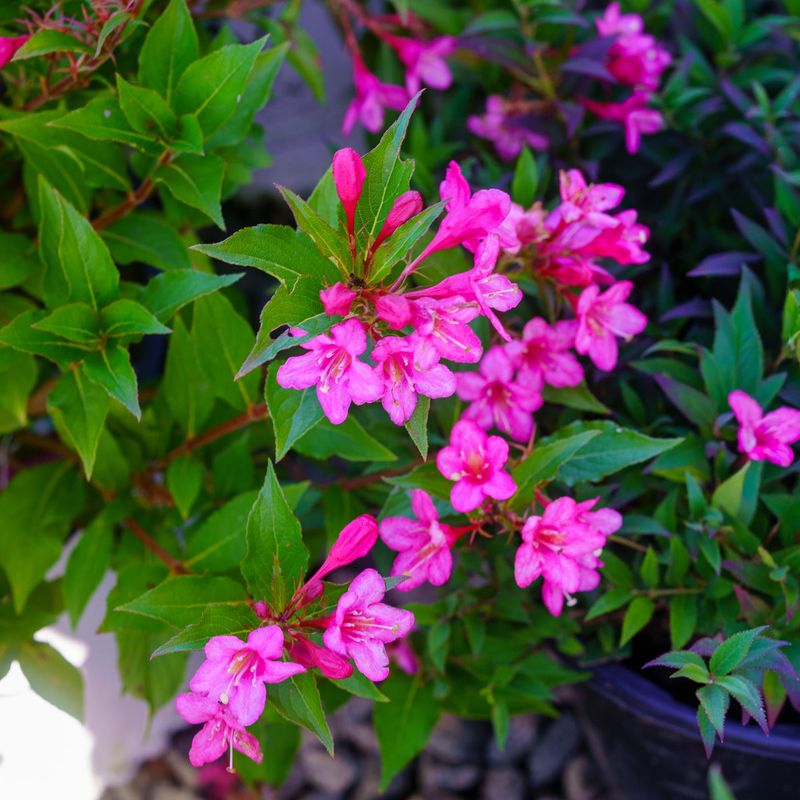
Traditional weigela is a classic Ohio garden shrub, well known for its trumpet-shaped flowers in shades of pink, red, and white that put on a strong show in May.
The newer reblooming varieties take that familiar spring performance and stretch it into something much more useful for a full-season garden.
Cultivars like ‘My Monet Sunset,’ ‘Spilled Wine,’ and ‘Tango’ are bred specifically to rebloom through summer and into early fall, rather than flowering once and calling it done.
The rebloom is typically lighter than the spring flush, but it adds consistent color during the long stretch between early summer and fall when many shrubs have nothing to offer.
In southern Ohio, the spring bloom arrives a couple of weeks earlier than in northern Ohio, where cooler temperatures slow the schedule slightly.
Weigela grows best in full sun, though it tolerates light shade, and it is adaptable to a range of soil types as long as drainage is reasonable. Plants are generally cold-hardy across all of Ohio, making zone-related concerns minimal for most gardeners.
Pruning right after the main spring bloom, rather than in fall or early spring, encourages the best rebloom performance. For a shrub that bridges the gap between spring and fall color, reblooming weigela is a genuinely practical choice for Ohio yards.
10. Bluebeard Brightens Late Summer Gardens
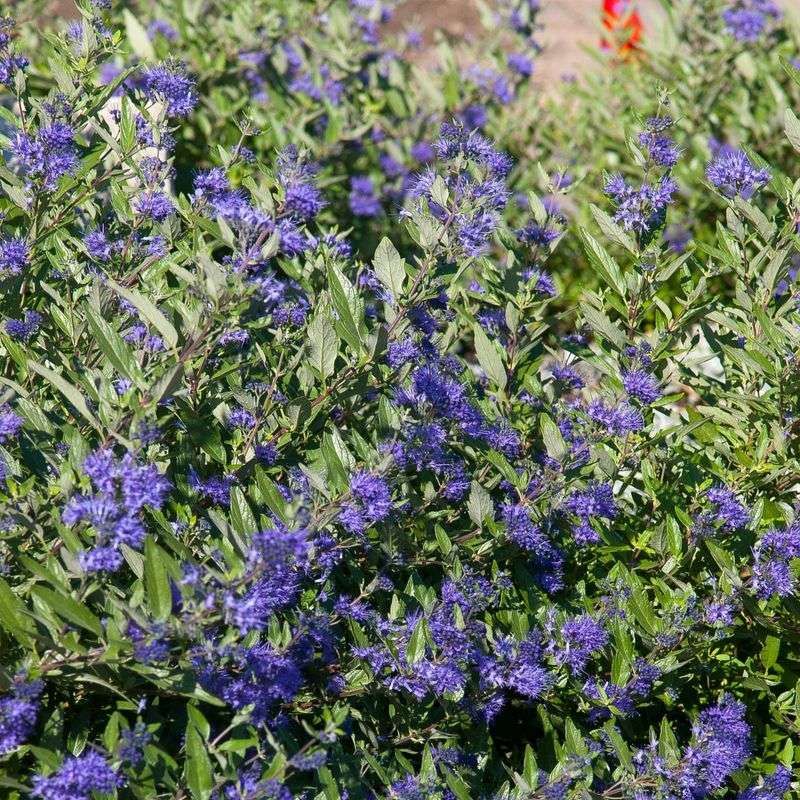
When August arrives and the garden starts looking faded, bluebeard steps up.
Caryopteris x clandonensis bursts into clusters of vivid blue-purple flowers just when most other shrubs are winding down, making it one of the most valuable late-season plants an Ohio gardener can have.
True blue flowers are rare in the shrub world, which makes bluebeard stand out in any landscape. It blooms from late July through September and draws heavy pollinator traffic, especially bees and butterflies stocking up before fall.
The silvery-green, aromatic foliage adds texture even before the flowers appear, and it looks tidy throughout the growing season without requiring much attention.
Bluebeard prefers full sun and well-drained soil, and it handles dry conditions better than many flowering shrubs. It tends to perform most reliably in the warmer, drier parts of Ohio, including central and southern regions.
In heavy clay soils or spots with poor drainage, root health can suffer, so amending the planting area or choosing a raised bed helps.
Technically a woody subshrub, bluebeard is often cut back hard in early spring, which promotes vigorous new growth and the best flower production.
Cold winters may knock it back to the ground in northern Ohio, but it typically regrows reliably from the roots each spring.