Looking For Pet-Safe Plants? These 13 Houseplants Are Popular Right Now In California

Houseplants are booming in California, and it’s easy to see why: they bring life, color, and calm into every room.
But if you have curious cats or playful dogs, some greenery can turn dangerous fast.
Choosing pet-safe plants is essential for keeping your home beautiful and your furry friends out of harm’s way.
Your plants can be stunning… without putting your pets at risk!
The good news? Many gorgeous houseplants are completely safe for pets and incredibly easy to care for.
From leafy favorites that purify the air to vibrant blooms that brighten any space, these 13 popular options prove that style and safety don’t have to be mutually exclusive.
With the right choices, you can enjoy a lush indoor jungle without constantly worrying about nibbling noses or toxic accidents.
Keep your home green, happy, and safe for every member of your family.
For California homeowners, picking the right plants isn’t just a décor decision—it’s a safety strategy.
These trending, pet-friendly houseplants are practical, beautiful, and perfect for modern living spaces.
Because your pets deserve safety… and your home deserves style.
1. Spider Plant For Easy, Pet-Safe Greenery
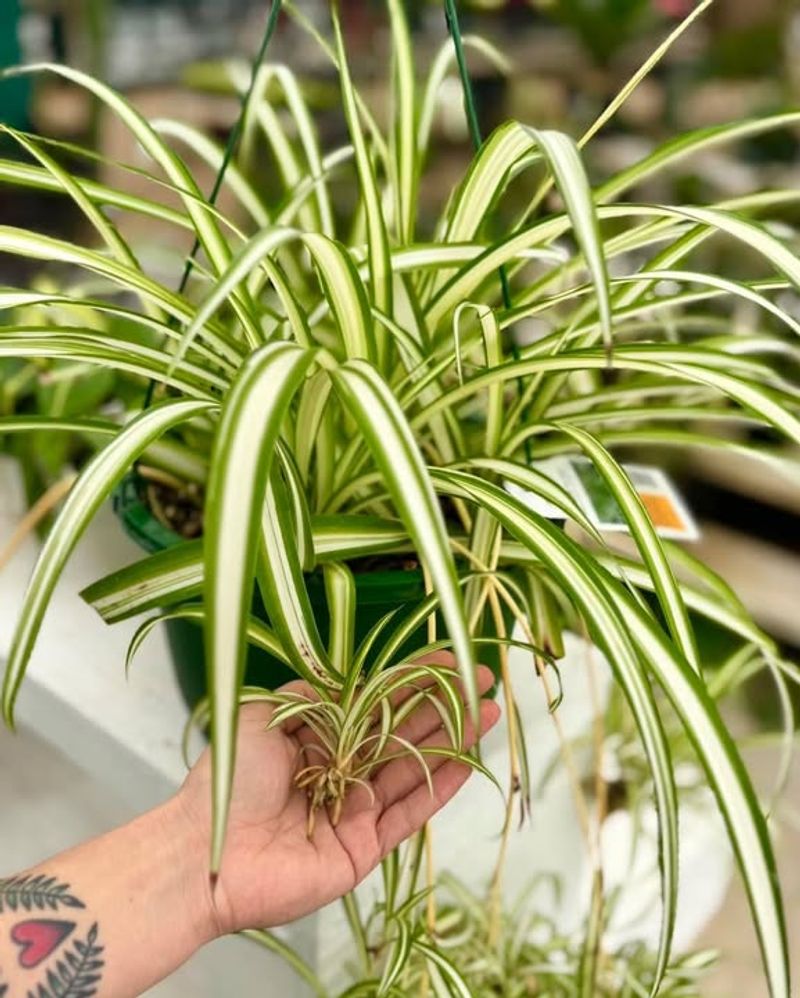
Few plants match the forgiving nature and visual appeal of the spider plant, making it a staple in California apartments where space and light vary widely.
This resilient greenery thrives even when you forget to water it for a week, bouncing back with impressive vigor.
The arching leaves create a cascading effect that softens corners and adds movement to any room.
Spider plants produce adorable baby plantlets that dangle from long stems, giving you endless opportunities to propagate and share with friends.
Your pets can investigate these plants without any worry, as they contain zero toxic compounds.
California’s mild indoor temperatures suit spider plants perfectly, and they adapt well to both bright indirect light and lower light conditions.
Regular watering keeps the soil lightly moist, though these plants tolerate occasional dryness better than most houseplants.
Brown leaf tips sometimes appear due to tap water chemicals, but switching to filtered water usually solves this minor issue.
The spider plant’s air-purifying qualities add another bonus, helping remove common indoor pollutants.
Whether placed on a shelf, hung in a macramé holder, or positioned on a plant stand, spider plants bring effortless charm to pet-friendly California homes.
2. Calathea Varieties For Stylish, Non-Toxic Foliage
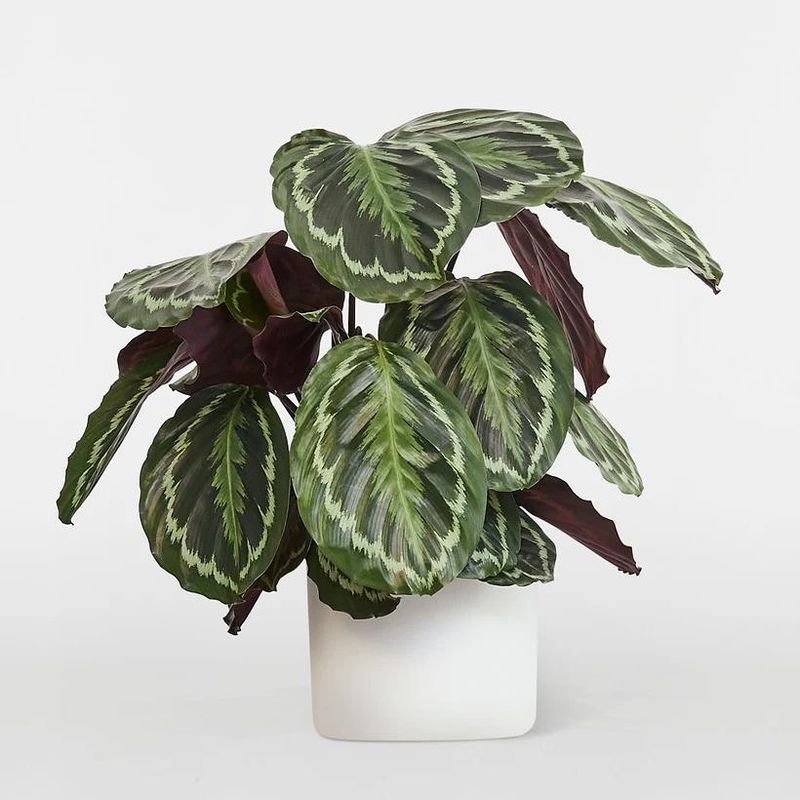
Walking into a room with calatheas instantly elevates the atmosphere with their dramatic leaf patterns and rich colors.
These tropical beauties have become design favorites across California, appearing in everything from minimalist lofts to bohemian bungalows.
Calathea leaves showcase intricate designs ranging from pin-striped patterns to painted brush strokes, with many varieties revealing stunning purple undersides.
Pet owners appreciate that every single calathea variety remains completely safe for curious animals who might take an exploratory nibble.
California’s indoor humidity levels sometimes require a bit of extra attention, as calatheas prefer moisture in the air.
Placing them in naturally humid spaces like bathrooms or grouping them with other plants helps create the ideal microclimate.
Bright indirect light brings out the most vibrant leaf patterns, though direct sunlight can fade their beautiful markings.
These plants prefer consistently moist soil without becoming waterlogged, and they appreciate room temperature water rather than cold tap water.
Some calatheas perform a nightly ritual of folding their leaves upward, creating gentle rustling sounds that add peaceful ambiance.
With varieties like rattlesnake plant, peacock plant, and zebra plant available, calatheas offer endless options for creating a pet-safe, stylish indoor jungle.
3. Prayer Plant (Maranta) For Soft, Pet-Friendly Color
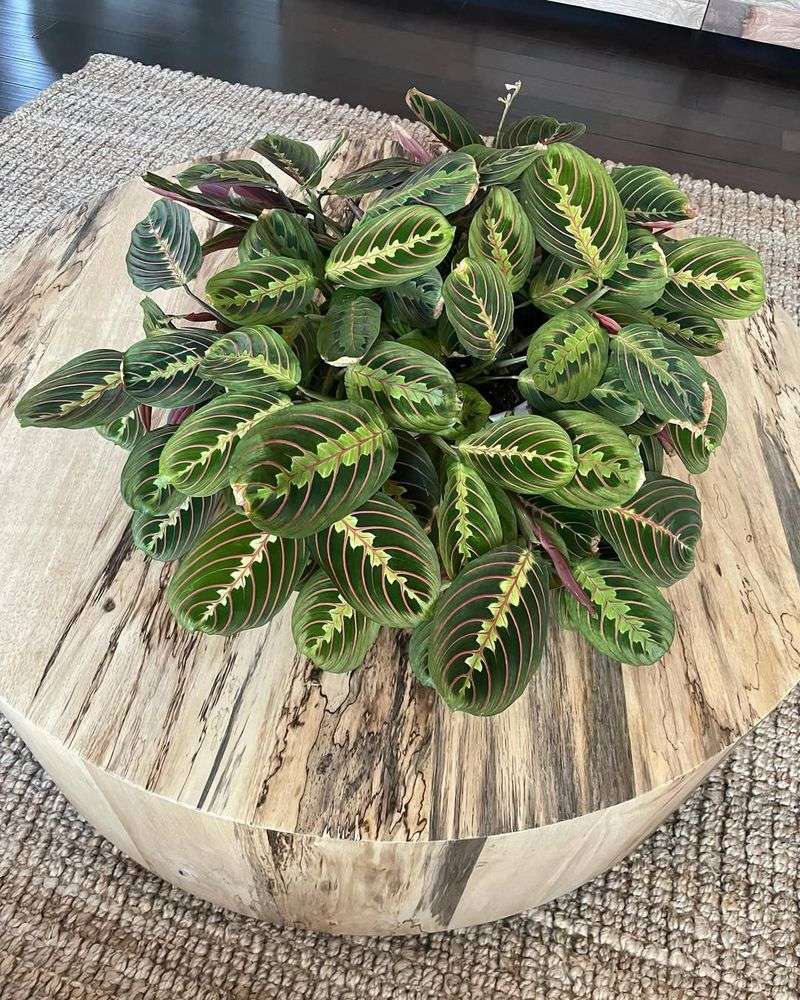
Maranta plants earned their common name through a fascinating behavior that captivates plant enthusiasts throughout California.
As evening approaches, their leaves slowly fold upward like hands in prayer, then unfold again each morning in a mesmerizing daily rhythm.
The foliage displays soft greens accented with red or pink veins that create herringbone patterns, offering gentle color without overwhelming a space.
Pet owners rest easy knowing these charming plants pose absolutely no threat to cats or dogs who might brush against them.
Prayer plants thrive in the moderate temperatures found in most California homes, preferring spots away from cold drafts or heating vents.
They appreciate higher humidity levels, making them excellent candidates for kitchens or bathrooms where moisture naturally accumulates.
Medium to low light conditions suit prayer plants beautifully, allowing them to flourish in rooms where other plants might struggle.
Keeping the soil consistently moist but never soggy encourages healthy growth and maintains those gorgeous leaf patterns.
Brown edges sometimes develop if the air becomes too dry, but a simple pebble tray with water underneath provides extra humidity.
The compact growth habit makes prayer plants perfect for smaller California apartments or condos where floor space comes at a premium.
Their movement and color create living art that changes throughout the day.
4. Parlor Palm For A Classic, Pet-Safe Look
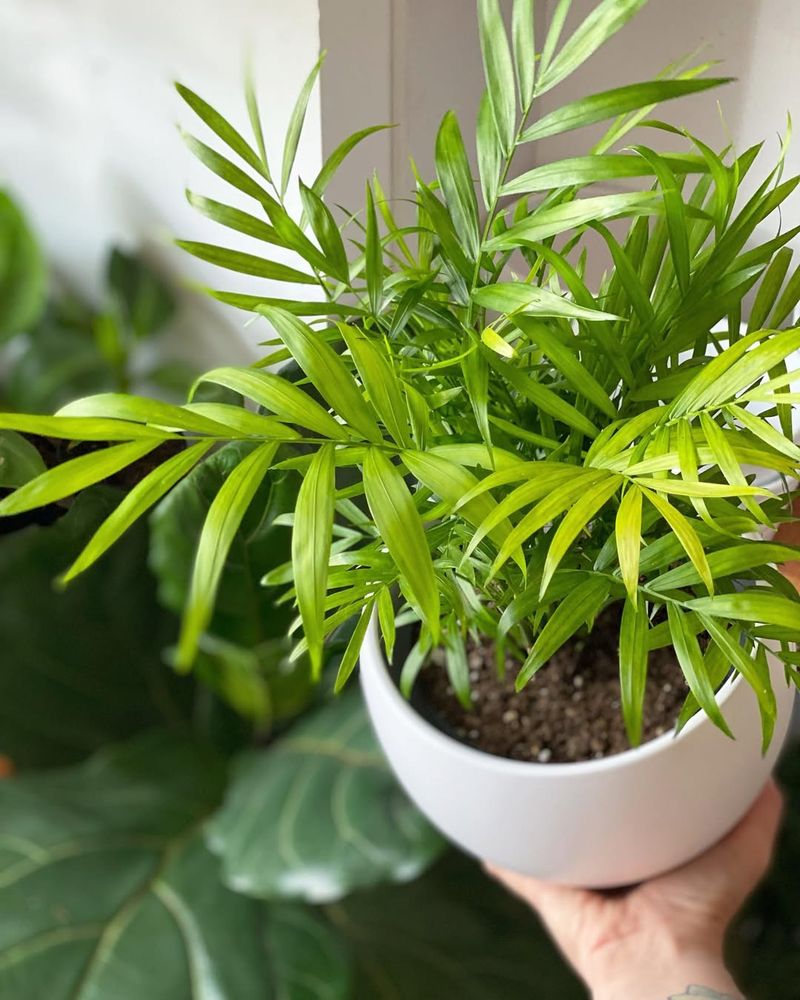
Victorian-era plant collectors originally brought parlor palms indoors, and this timeless classic has surged back into popularity across California homes.
The delicate, feathery fronds bring an elegant tropical feel without requiring the intense care that many palm varieties demand.
Parlor palms grow slowly and maintain a manageable size, typically reaching three to four feet indoors, making them ideal for apartment living.
Pet parents can place these palms anywhere without worry, as they contain nothing harmful to animals who might explore their graceful fronds.
California’s indoor climate suits parlor palms remarkably well, as they tolerate average humidity and room temperatures comfortably.
These adaptable plants handle lower light conditions better than most palms, thriving even in north-facing rooms or corners away from windows.
Watering once the top inch of soil dries out keeps parlor palms happy, and they forgive occasional lapses better than overwatering.
Their air-purifying abilities add functional value beyond their aesthetic contribution, filtering common household pollutants naturally.
Brown leaf tips occasionally appear but usually indicate either too much direct sun or mineral buildup from tap water.
Positioning a parlor palm near reading nooks or home offices creates a calming presence that reduces stress.
The subtle movement of their fronds in gentle air currents adds peaceful energy to any pet-friendly California space.
5. Areca Palm For Bright, Pet-Friendly Spaces

Areca palms command attention with their fountain-like clusters of golden-green fronds that seem to glow when sunlight filters through them.
California homes with abundant natural light provide the perfect environment for these magnificent palms to truly flourish and reach their potential.
The multiple cane-like stems create a full, lush appearance that can serve as a natural room divider or statement piece in larger spaces.
Pet owners can confidently display areca palms throughout their homes, as these beauties pose zero risk to curious cats or dogs.
These palms appreciate bright, indirect light and will reward you with faster growth and more vibrant coloring in sunny California rooms.
Regular watering keeps the soil evenly moist during growing season, though they tolerate slight drying between waterings during cooler months.
Areca palms can grow quite tall indoors, sometimes reaching six to seven feet, so consider ceiling height and available floor space before purchasing.
Their impressive size makes them excellent focal points in living rooms, sunrooms, or entryways where their presence creates immediate impact.
Occasional misting or a humidifier nearby helps prevent leaf tips from browning, especially during California’s drier seasons.
These palms naturally cluster and send up new shoots, creating an increasingly full and tropical appearance over time.
Their air-cleaning properties work overtime in larger spaces, making them both beautiful and beneficial.
6. Peperomia For Compact, Non-Toxic Style
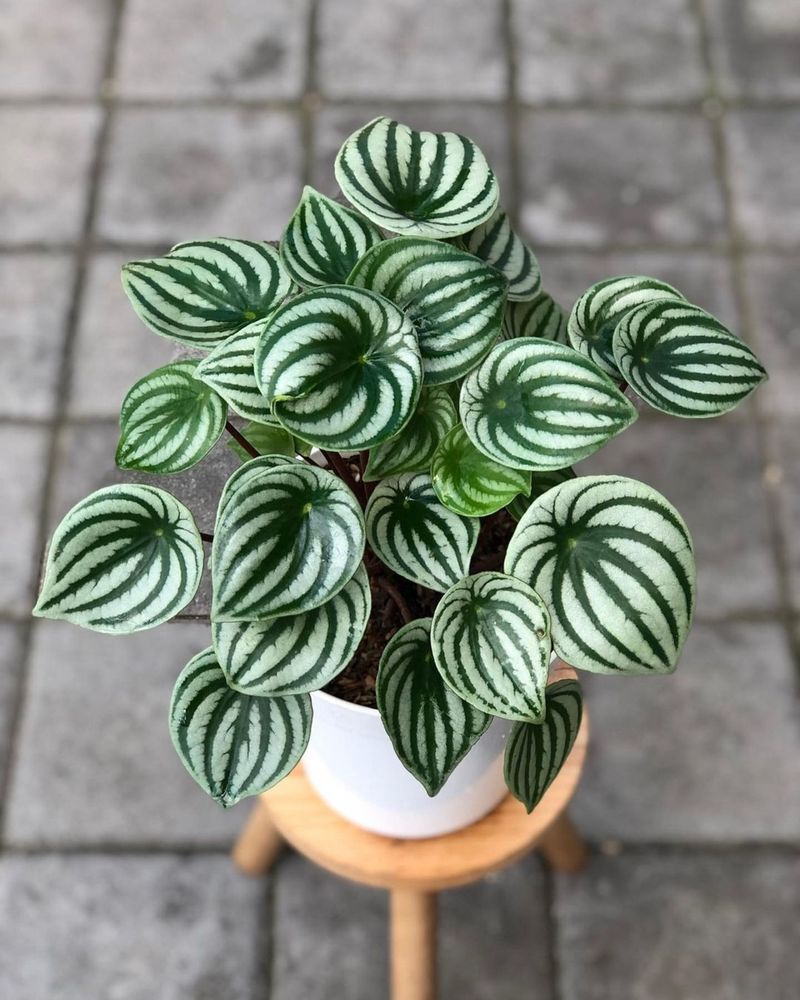
Peperomia plants pack incredible variety into compact packages, offering California plant enthusiasts dozens of leaf shapes, colors, and textures to choose from.
From the watermelon-striped Peperomia argyreia to the glossy red-edged Peperomia caperata, each variety brings its own personality to your collection.
These petite plants rarely exceed twelve inches in height, making them perfect for desks, shelves, or small apartment spaces where every inch counts.
Pet owners love that all peperomia varieties remain completely safe for animals, allowing creative placement throughout the home without concern.
California’s moderate indoor temperatures suit peperomias beautifully, and they adapt well to typical household humidity levels without fuss.
Bright indirect light keeps these plants looking their best, though many varieties tolerate lower light conditions surprisingly well.
Peperomias store water in their thick, succulent-like leaves, meaning they prefer soil to dry out between waterings rather than staying constantly moist.
Overwatering causes more problems than underwatering with these forgiving plants, making them ideal for busy people or forgetful waterers.
Their slow growth rate means minimal maintenance and infrequent repotting, though they appreciate fresh soil every couple of years.
The modern aesthetic of peperomias fits perfectly with California’s contemporary design trends, whether displayed individually or grouped in collections.
Their diversity allows you to create interesting textural combinations while maintaining a cohesive, pet-safe indoor garden.
7. Bamboo Palm For Pet-Safe Indoor Jungle Vibes
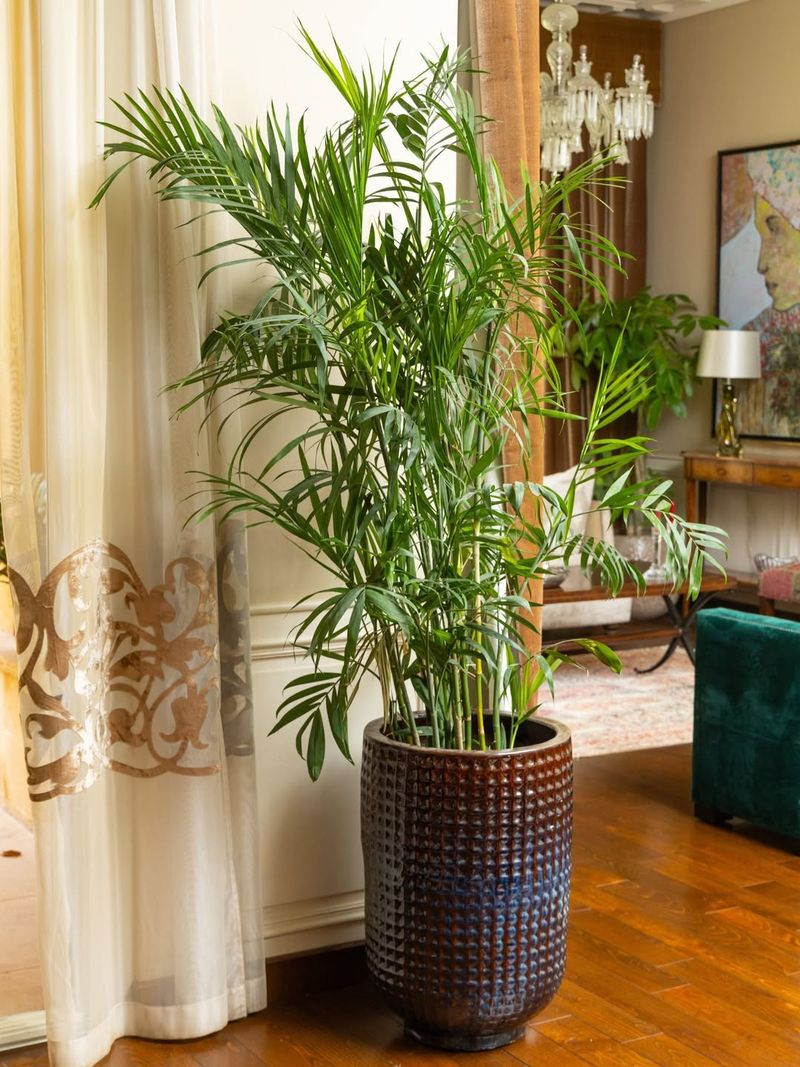
Bamboo palms transform ordinary rooms into tropical retreats with their reed-like stems and cascading fronds that evoke vacation destinations.
California homeowners seeking that resort-style ambiance find bamboo palms deliver impressive visual impact while remaining completely safe for household pets.
These palms naturally grow in clusters, creating a full, lush appearance that fills vertical space beautifully without requiring excessive floor area.
The feathery fronds sway gently with air movement, adding peaceful motion and a sense of life to static indoor environments.
Beyond their beauty, bamboo palms rank among the top air-purifying plants, actively removing formaldehyde, benzene, and carbon monoxide from indoor air.
California’s mild climate allows these palms to thrive indoors year-round, appreciating bright indirect light though tolerating some lower light conditions.
Consistent watering keeps the soil lightly moist, and bamboo palms appreciate slightly higher humidity levels that can be achieved through grouping or occasional misting.
These palms grow at a moderate pace, eventually reaching four to six feet indoors, making them suitable for rooms with standard ceiling heights.
Their tolerance for various light conditions means you can position them in different rooms and they’ll adapt reasonably well.
Brown leaf tips sometimes signal underwatering or low humidity, but adjusting care usually resolves these minor cosmetic issues quickly.
Creating a pet-safe jungle corner with bamboo palms as anchors brings California’s outdoor beauty inside effortlessly.
8. Ponytail Palm For Sculptural, Pet-Safe Design
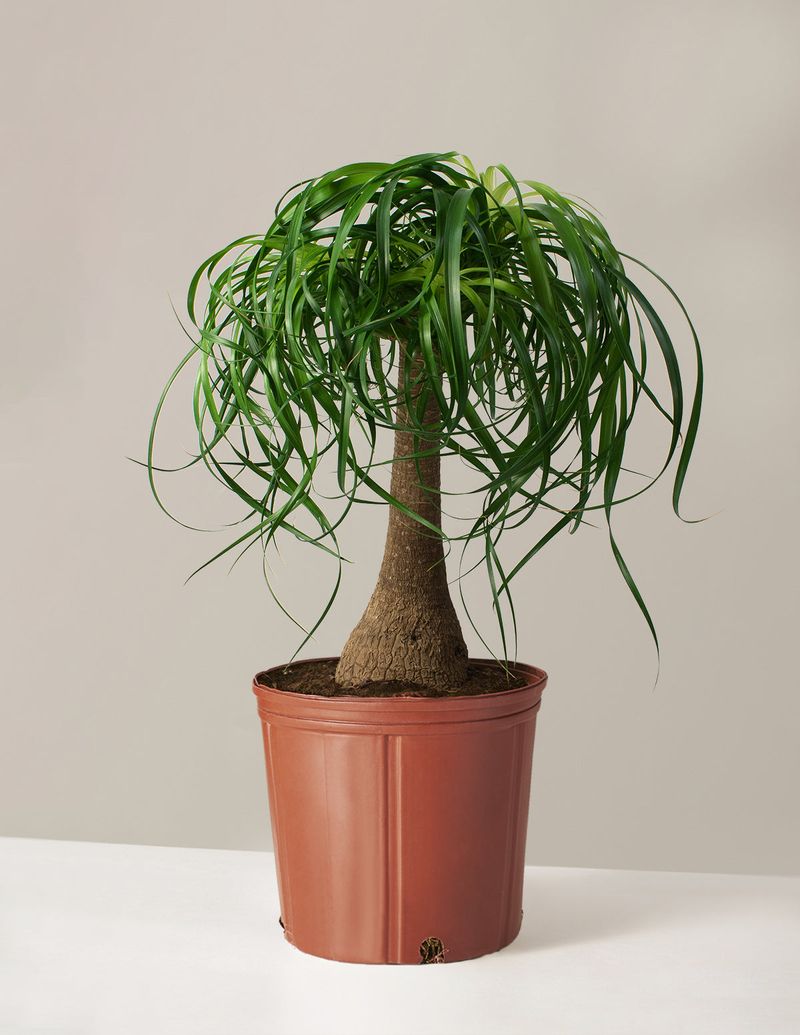
Ponytail palms blur the line between houseplant and living sculpture with their distinctive bulbous trunks and fountain of cascading leaves.
California’s design-forward spaces have embraced these architectural plants for their ability to serve as focal points that spark conversation.
The swollen trunk base stores water, giving ponytail palms remarkable drought tolerance that suits California’s laid-back lifestyle perfectly.
Pet owners appreciate that despite their exotic appearance, ponytail palms pose absolutely no danger to cats or dogs who might investigate them.
These plants thrive in bright light, including some direct sun, making them ideal for sunny California windowsills or bright corners.
Watering needs remain minimal, as the trunk’s water storage means soil should dry completely between waterings to prevent root rot.
Ponytail palms grow slowly and can live for decades, becoming increasingly character-filled and sculptural as they mature over time.
Their compact root systems allow them to thrive in relatively small pots, though they appreciate being slightly pot-bound.
The long, curly leaves create beautiful movement and texture without requiring any pruning or shaping to maintain their natural form.
These plants tolerate neglect remarkably well, making them perfect for busy California professionals or frequent travelers.
Positioning ponytail palms in modern, minimalist spaces emphasizes their sculptural qualities, while they add playful contrast in more traditional settings.
9. Friendship Plant (Pilea Involucrata) For Soft Texture

Friendship plants have earned their endearing name through the tradition of sharing cuttings with friends, spreading both greenery and goodwill.
The deeply textured, quilted leaves create a tactile quality that invites gentle touching, displaying colors ranging from bright green to bronze.
California plant lovers have recently rediscovered this charming species, appreciating its compact size and unique foliage texture.
Pet parents can place friendship plants on low shelves or tables without worry, as they contain nothing harmful to curious animals.
These plants prefer bright indirect light but adapt to medium light conditions, making them versatile for various rooms in California homes.
Higher humidity levels keep friendship plants looking their absolute best, though they tolerate average household humidity reasonably well.
Keeping soil consistently moist but not waterlogged encourages healthy growth and maintains the leaves’ rich coloring.
Friendship plants stay relatively small, typically reaching six to twelve inches in height, perfect for smaller California apartments or condos.
Their low-growing, spreading habit makes them excellent candidates for shallow decorative bowls or wide pots that showcase their form.
Propagating friendship plants remains incredibly easy, allowing you to share starts with friends and continue the tradition behind their name.
The soft, touchable texture of their leaves provides sensory interest that distinguishes them from smoother-leaved houseplants in your collection.
10. Polka Dot Plant For Color Without Pet Risk
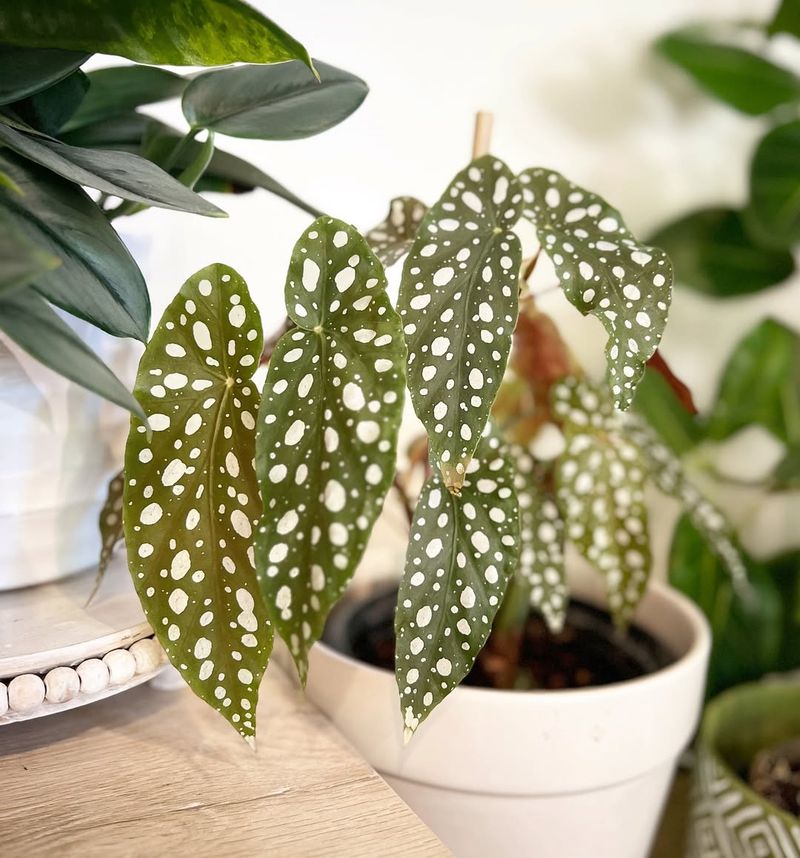
Polka dot plants inject playful color into indoor spaces with their spotted leaves in shades of pink, red, white, or purple against green backgrounds.
California plant enthusiasts seeking color beyond typical green foliage have embraced these cheerful plants for their vibrant, almost artificial-looking patterns.
The spotted effect comes from natural pigmentation that intensifies in brighter light, creating increasingly dramatic displays near sunny windows.
Pet owners can confidently add polka dot plants to any room, as they remain completely safe for both cats and dogs.
These compact plants typically grow eight to twelve inches tall, fitting perfectly on desks, side tables, or bathroom counters throughout California homes.
Bright indirect light brings out the most vibrant spotting, though some varieties tolerate medium light with slightly less intense coloring.
Polka dot plants prefer consistently moist soil and may dramatically wilt if allowed to dry out, though they usually recover quickly after watering.
Regular pinching back of growing tips encourages bushier growth and prevents the legginess that can develop in lower light conditions.
These plants appreciate California’s moderate indoor temperatures and average humidity levels, thriving without requiring special environmental adjustments.
Combining different colored varieties creates eye-catching displays that add personality to minimalist spaces or complement existing colorful decor.
Their relatively fast growth means polka dot plants fill out quickly, providing instant gratification for impatient gardeners seeking rapid results.
11. Cast Iron Plant For Low-Light, Pet-Safe Homes
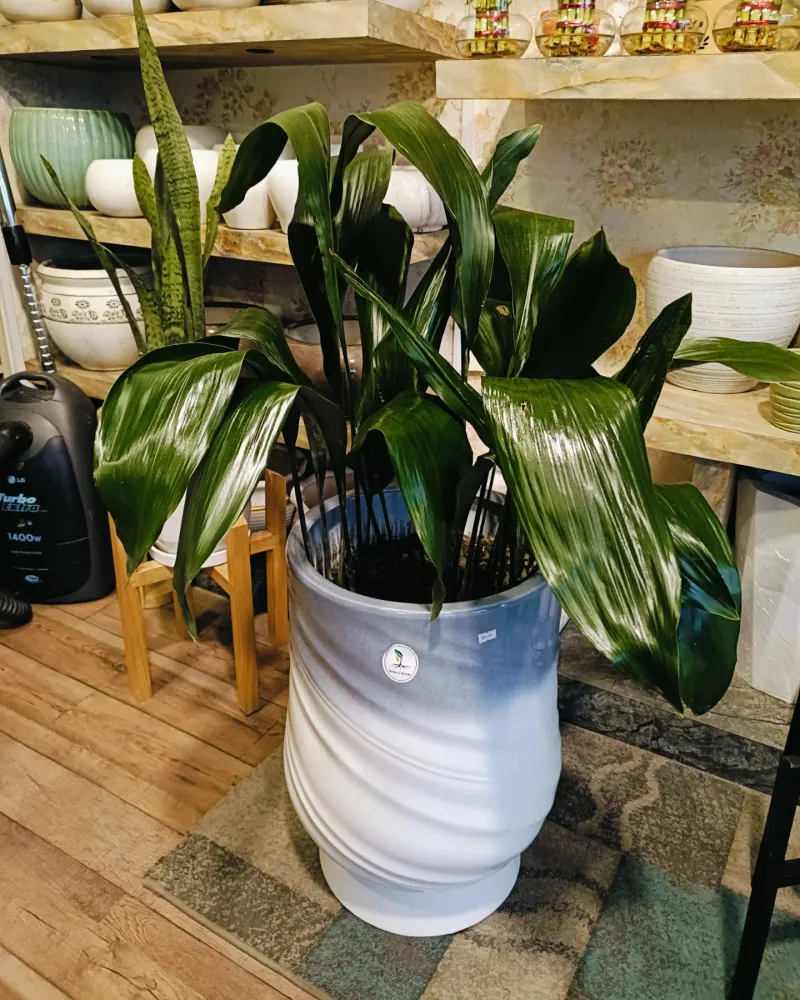
Cast iron plants earned their tough-as-nails reputation through an ability to survive conditions that would devastate most other houseplants.
California apartments with limited natural light finally have a reliable option that thrives rather than merely survives in darker corners.
The glossy, dark green leaves grow upright in elegant clumps, bringing architectural presence to spaces where flowering plants would never bloom.
Pet owners can position cast iron plants anywhere without concern, as they pose zero threat to animals who might brush against their sturdy leaves.
These plants tolerate low light, irregular watering, temperature fluctuations, and neglect better than virtually any other houseplant species.
While they grow slowly, cast iron plants eventually reach two to three feet tall, creating substantial presence in entryways or hallways.
Watering only when soil becomes dry several inches down prevents the root rot that remains one of the few things that can harm these resilient plants.
Cast iron plants appreciate California’s moderate indoor temperatures and adapt to both dry and humid conditions without complaint.
Their tolerance for neglect makes them perfect for busy professionals, frequent travelers, or anyone who tends to forget about plant care.
The simple, elegant form of cast iron plants suits both traditional and contemporary California interiors, providing timeless rather than trendy appeal.
Occasional leaf cleaning maintains their glossy appearance and helps them photosynthesize more efficiently in lower light conditions.
12. Orchids (Phalaenopsis) For Elegant, Pet-Safe Blooms
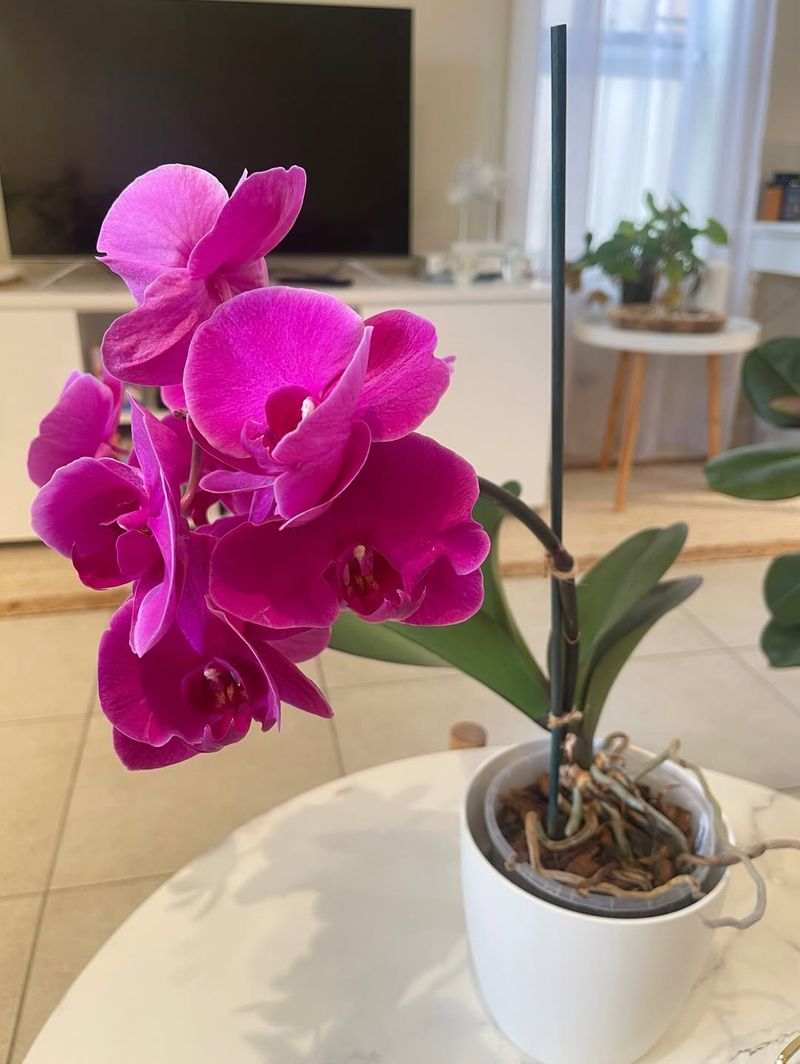
Phalaenopsis orchids bring sophisticated beauty to California homes with their graceful blooms that last for months rather than weeks.
Pet owners often assume orchids must be toxic given their exotic appearance, but phalaenopsis varieties remain completely safe for household animals.
The arching flower spikes display multiple blooms in colors ranging from pure white to deep purple, with many spotted or striped varieties available.
California’s mild indoor temperatures suit these orchids perfectly, as they prefer the same comfortable conditions humans enjoy.
Bright indirect light encourages blooming, making east or west-facing windows ideal spots for orchids to thrive and rebloom reliably.
Watering once weekly by soaking the roots for fifteen minutes, then allowing them to drain completely, mimics their natural tropical environment.
Many people display orchids in clear pots that showcase the silvery roots, adding another layer of visual interest to these already stunning plants.
After flowers fade, cutting the spike above a node often encourages a second bloom cycle, extending the display for additional months.
Orchids require minimal space and create maximum impact, making them perfect for small California apartments where every surface counts.
Their elegant appearance elevates any room from ordinary to special, providing that finishing touch that interior designers often recommend.
Growing orchids successfully gives California plant parents confidence to expand into more challenging species while keeping their pets completely safe.
13. How To Style Pet-Safe Houseplants In California Homes

Creating a stunning indoor garden while keeping pets safe requires thoughtful placement that considers both aesthetic appeal and animal behavior.
California homes benefit from combining plants at different heights, using floor-standing palms as anchors, medium plants on stands, and trailing varieties in hanging planters.
Grouping plants with similar care needs together simplifies maintenance while creating lush, jungle-like displays that make bold visual statements.
Hanging spider plants or friendship plants from ceiling hooks places greenery out of reach of particularly curious cats who might knock over floor plants.
Placing larger statement pieces like areca or bamboo palms in room corners creates focal points while utilizing space that often goes unused.
Smaller plants like peperomias and polka dot plants work beautifully on floating shelves, creating living art installations at various wall heights.
California’s abundant natural light allows for creative window arrangements, though sheer curtains protect plants from intense afternoon sun.
Combining different leaf textures and colors creates visual interest even when plants aren’t blooming, maintaining year-round appeal.
Positioning cast iron plants in darker corners and light-loving orchids near windows ensures each species receives appropriate conditions.
Using decorative pot covers in coordinating colors or materials ties plant displays together, creating cohesive looks throughout your California home.
Regular rotation of plants ensures even growth and prevents them from leaning permanently toward light sources, maintaining balanced, attractive forms.