10 Low-Allergen Plants Connecticut Families Pick For Cleaner Air And Less Irritation
Connecticut families know all too well how challenging seasonal allergies can be, especially when trying to enjoy the beauty of indoor greenery.
Pollen, mold spores, and other airborne irritants can turn a peaceful home into a sneeze-filled environment.
But here’s some good news: certain houseplants produce little to no pollen and can actually help filter the air, making your home healthier and more comfortable year-round.
Choosing the right plants for your Connecticut home means looking for varieties that won’t trigger allergies while still offering air-purifying benefits.
Many popular houseplants are perfect for families dealing with sensitivities, as they keep pollen production minimal and help remove toxins from indoor air.
Whether you live in Hartford, New Haven, or anywhere across the state, these plants can transform your living space into a cleaner, fresher environment.
From easy-care succulents to elegant ferns, the following ten plants are favorites among Connecticut households seeking relief from allergens.
Each one brings unique benefits while keeping irritation at bay, making them ideal companions for allergy-prone families.
1. Spider Plant
Few houseplants match the spider plant’s reputation for being both hardy and allergy-friendly.
Connecticut families appreciate how this plant thrives in various light conditions while requiring minimal fuss.
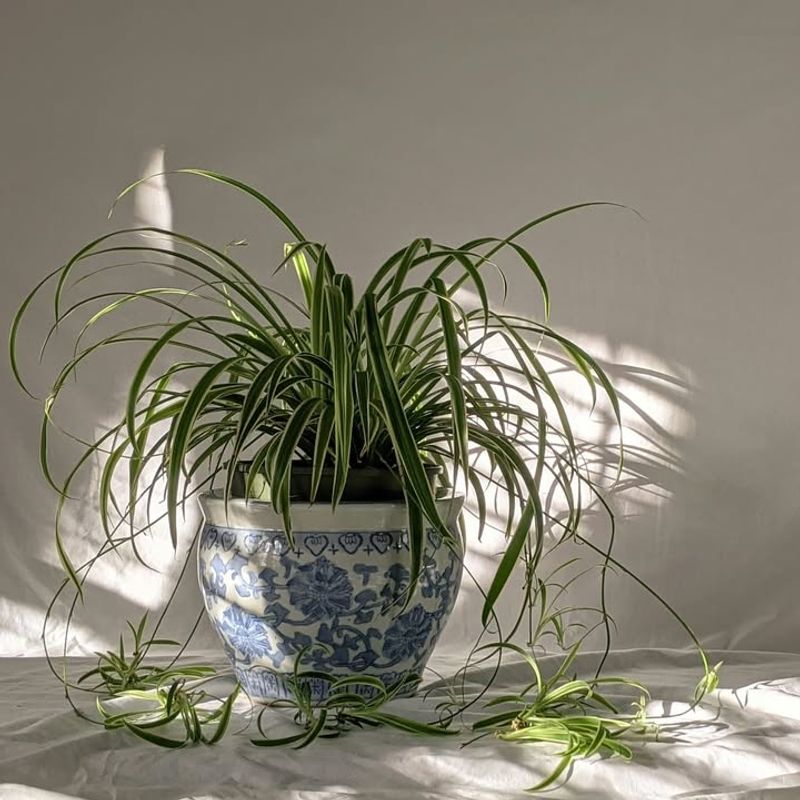
Its long, arching leaves create a cascading effect that looks beautiful in hanging baskets or on shelves, and it produces little plantlets that dangle like tiny spiders on webs.
What makes this plant especially valuable is its ability to remove harmful chemicals from the air, including formaldehyde and xylene.
NASA research has shown that spider plants can filter up to 90 percent of these toxins within just two days.
For families in Connecticut dealing with indoor air quality concerns during long winters, this becomes particularly important.
Spider plants produce no pollen and rarely trigger allergic reactions, making them safe choices for bedrooms and living areas.
They adapt well to Connecticut’s indoor climate, tolerating both dry heating in winter and humid summers.
Watering once or twice weekly keeps them happy, and they’ll reward you with rapid growth.
These plants also reproduce easily, creating baby spider plants that you can share with neighbors or propagate throughout your home.
Their resilience means even beginner gardeners in Connecticut can enjoy success, and their air-cleaning properties work continuously to create a healthier indoor environment for everyone in the household.
2. Snake Plant
Imagine a plant so tough it could survive almost anywhere, yet gentle enough for the most sensitive household.
Snake plants, also called mother-in-law’s tongue, have earned their place in countless Connecticut homes precisely because they ask for so little while giving so much.
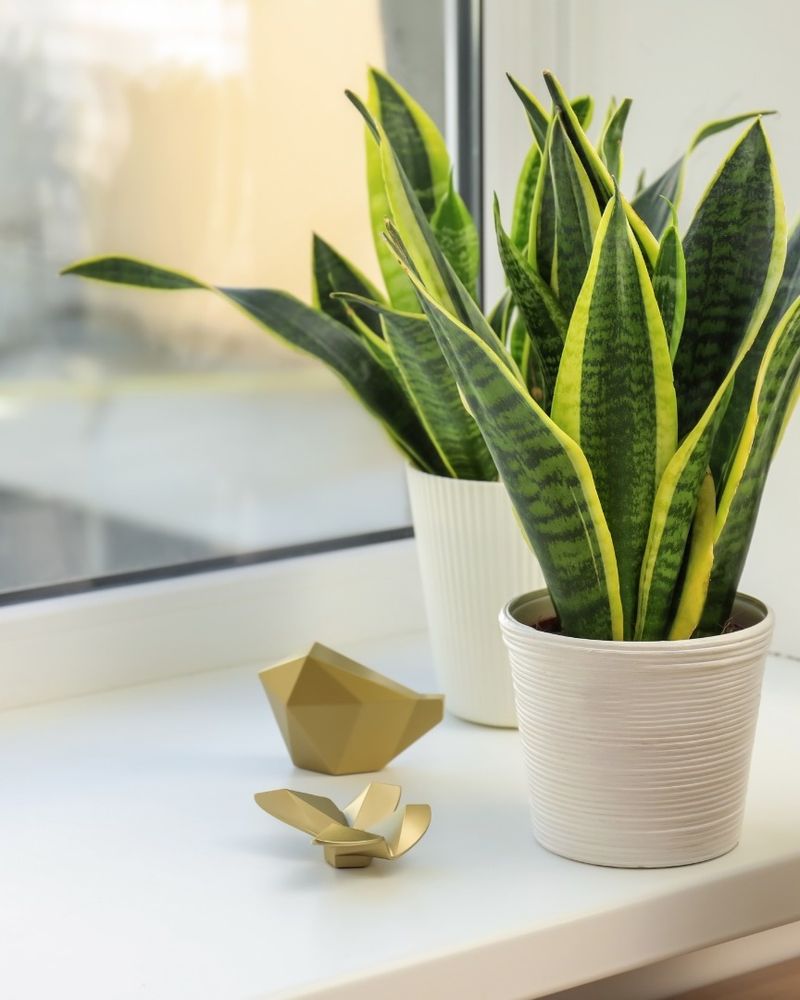
Their tall, sword-like leaves stand upright with striking patterns that add architectural interest to any room.
Unlike many flowering plants that release pollen into the air, snake plants reproduce through their root system and rarely bloom indoors.
This characteristic makes them exceptional choices for allergy sufferers throughout Connecticut.
They also perform an unusual trick: while most plants release oxygen during the day, snake plants continue this process at night, making them perfect bedroom companions.
Families in Hartford and beyond love how these plants tolerate neglect, surviving weeks without water if necessary.
They handle low light conditions remarkably well, though they’ll grow faster in brighter spots.
Their thick leaves store water efficiently, which means you won’t need to worry about daily maintenance.
Snake plants also filter benzene, formaldehyde, trichloroethylene, and other common household toxins from the air.
For Connecticut families spending more time indoors during cold months, this air-purifying quality becomes increasingly valuable, creating fresher breathing spaces without introducing allergens into the home environment.
3. Peace Lily

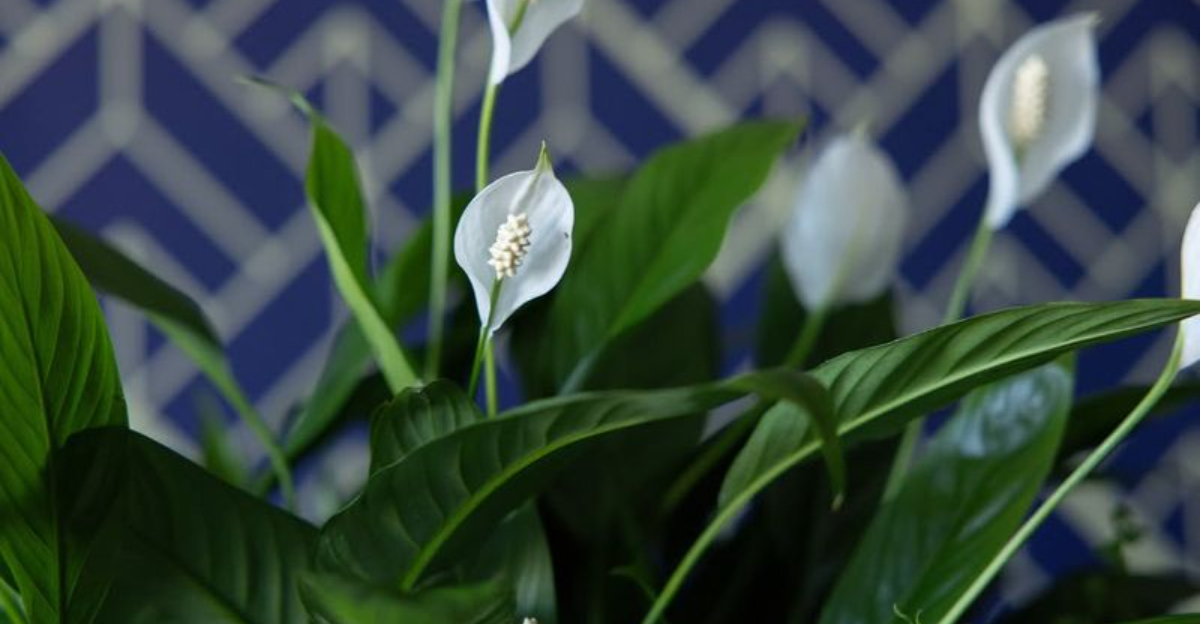
With its elegant white blooms and glossy leaves, the peace lily brings sophistication to Connecticut homes without the allergy concerns of true flowering plants.
Here’s an interesting fact: those beautiful white “flowers” aren’t actually flowers at all, they’re specialized leaves called spathes that surround the plant’s tiny, inconspicuous blooms.
This means significantly less pollen compared to traditional flowering houseplants.
Peace lilies excel at removing mold spores from the air, which proves especially helpful in Connecticut’s humid climate where basements and bathrooms can harbor these allergens.
They also filter ammonia, benzene, and formaldehyde, making them powerful allies in creating cleaner indoor air.
Many families place them in rooms where air quality matters most.
These plants prefer moderate, indirect light and appreciate consistent moisture, though they’ll forgive occasional forgetfulness by drooping dramatically, then perking right back up after watering.
Connecticut’s indoor conditions suit them well, especially when humidity levels stay reasonable.
They’ll signal their needs clearly, making them excellent choices for those learning to read plant cues.
While peace lilies contain compounds that can irritate if ingested, they pose minimal respiratory concerns and produce very little airborne pollen.
Families in New Haven and across Connecticut find them reliable, beautiful, and genuinely helpful in reducing indoor allergens while adding living beauty to their spaces.
4. Boston Fern
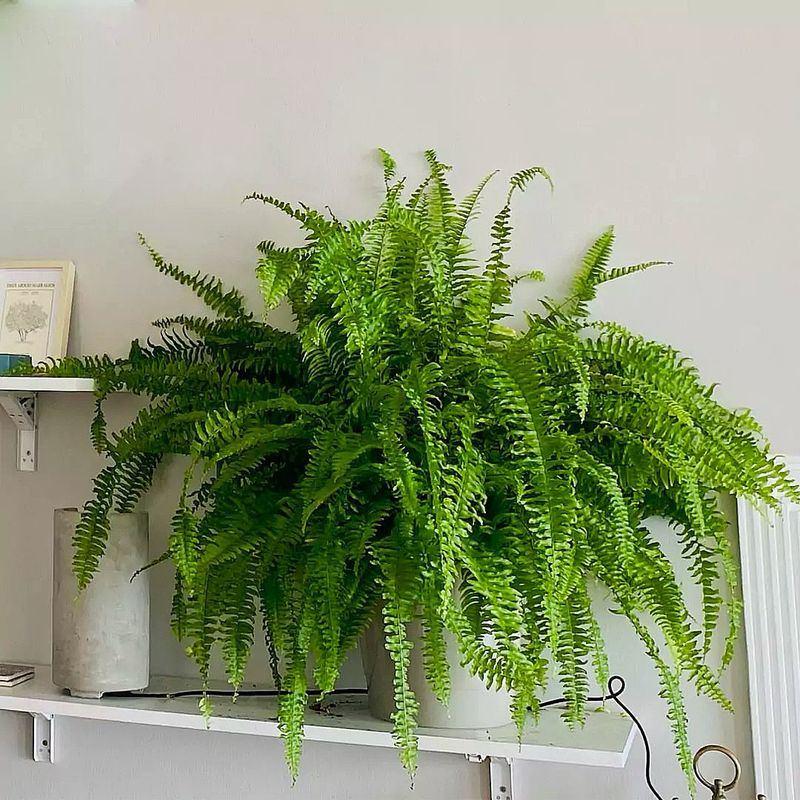
Boston ferns bring a touch of Victorian elegance back into modern Connecticut homes, and they do it without producing a single grain of pollen.
Their feathery fronds create soft, cascading greenery that works beautifully in hanging baskets or on plant stands.
Ferns reproduce through spores rather than pollen, which means they won’t trigger the same allergic responses as flowering plants.
What really sets Boston ferns apart is their natural humidifying effect.
They release moisture into the air through transpiration, which can help combat the dry indoor conditions common in Connecticut homes during heating season.
This added humidity benefits not just the plants themselves but also your skin, respiratory passages, and overall comfort.
These ferns act as natural air purifiers, removing formaldehyde and other volatile organic compounds from indoor environments.
Families throughout Connecticut appreciate how Boston ferns improve air quality while looking lush and healthy.
They prefer bright, indirect light and consistent moisture, making bathrooms with windows ideal locations.
Caring for Boston ferns requires a bit more attention than some other low-allergen options, as they dislike drying out completely.
Misting them occasionally helps maintain the humidity they crave.
For Connecticut households willing to provide regular care, these ferns reward you with dramatic, flowing foliage and genuinely cleaner air that everyone can breathe more easily.
5. Rubber Plant
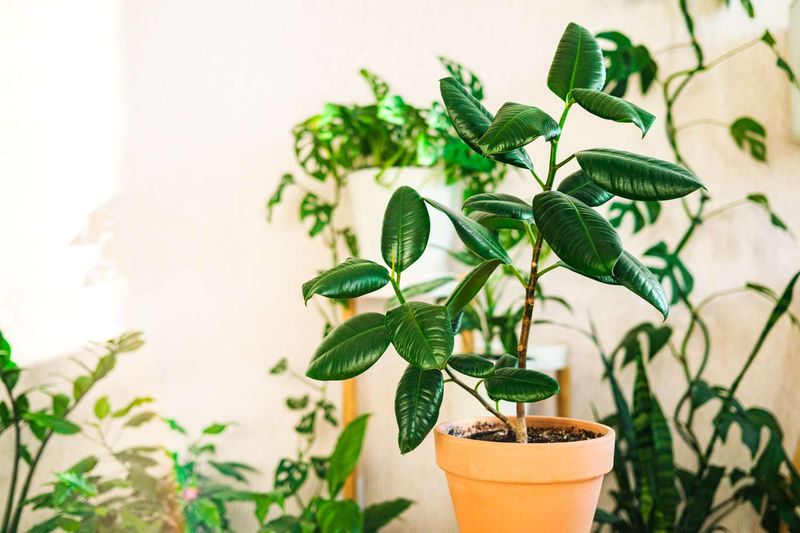
Rubber plants command attention with their large, glossy leaves that can grow impressively large over time.
Connecticut families value these plants for their striking appearance and their complete lack of pollen production.
The thick, waxy leaves come in various shades, from deep green to burgundy, adding bold visual interest to living spaces.
Beyond their good looks, rubber plants work hard to clean indoor air.
Studies have demonstrated their effectiveness at removing formaldehyde and other airborne toxins, making them functional as well as decorative.
Their large leaf surface area allows them to process significant amounts of air, benefiting everyone in the household.
These plants adapt well to Connecticut’s indoor conditions, tolerating moderate light levels and requiring water only when the top inch or two of soil feels dry.
They’re forgiving of occasional neglect, which makes them suitable for busy families juggling work, school, and activities.
Their slow, steady growth means they won’t quickly outgrow their space.
Rubber plants rarely cause allergic reactions since they don’t flower indoors and produce no pollen.
Some individuals may have latex sensitivities that could react to the plant’s sap, but this requires direct contact and doesn’t affect air quality.
For most Connecticut households seeking a dramatic, low-allergen plant that improves indoor air, rubber plants deliver exactly what’s needed with minimal maintenance required.
6. Dracaena
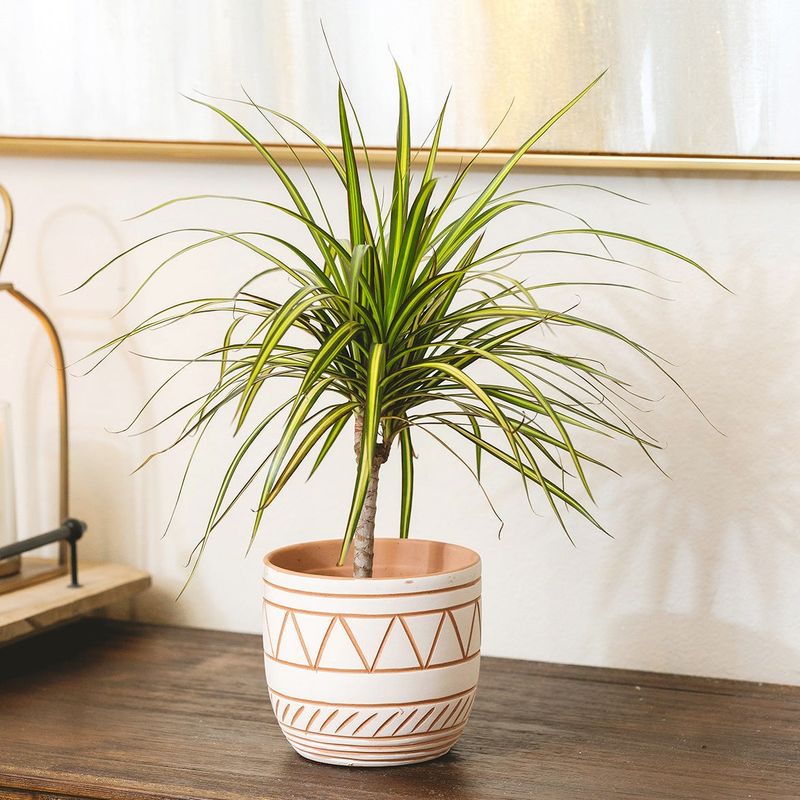
Dracaenas come in dozens of varieties, but they all share one wonderful quality: they’re excellent air purifiers that produce no pollen.
Connecticut families often choose these plants for their vertical growth habit and attractive foliage patterns.
Some varieties feature striped leaves, while others display solid colors or interesting variegation that adds character to any room.
NASA’s Clean Air Study identified several dracaena species as top performers for removing benzene, formaldehyde, trichloroethylene, and xylene from indoor environments.
For families in Connecticut concerned about indoor air quality, especially during months when windows stay closed, dracaenas provide continuous filtration.
Their tall, tree-like growth makes them ideal floor plants that don’t take up much horizontal space.
These plants tolerate low to moderate light conditions, though they’ll show their best colors in brighter locations.
They prefer their soil to dry out between waterings, which makes them relatively low-maintenance.
Connecticut’s indoor climate suits them well, and they rarely experience pest problems when kept healthy.
Dracaenas grow slowly but steadily, eventually reaching several feet tall and creating impressive focal points.
They never flower indoors in typical home conditions, eliminating any pollen concerns.
Families throughout Connecticut appreciate how these plants combine aesthetic appeal with genuine health benefits, creating cleaner air without introducing allergens that could cause sneezing, congestion, or other uncomfortable reactions.
7. Aloe Vera
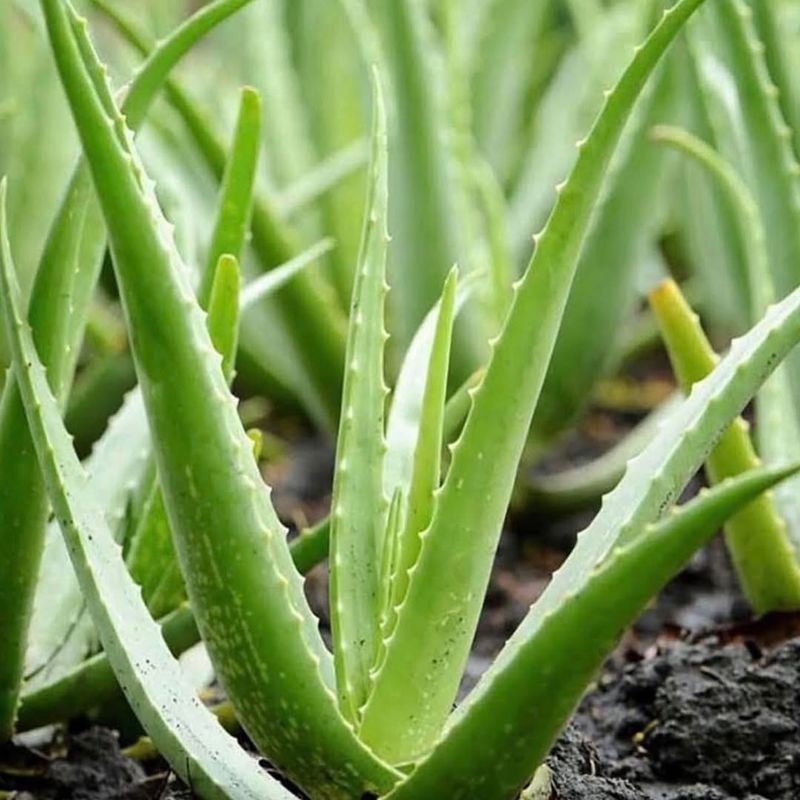
Aloe vera offers Connecticut families a two-for-one deal: a low-allergen houseplant that also provides soothing gel for minor burns and skin irritations.
This succulent produces no pollen and requires minimal care, making it perfect for busy households.
Its thick, pointed leaves store water and beneficial compounds, creating a living first-aid kit on your windowsill.
What makes aloe especially appealing is its ability to remove formaldehyde from indoor air while asking for very little attention.
These plants thrive on neglect, preferring to dry out completely between waterings.
Connecticut families often place them in sunny kitchen windows where they’ll receive plenty of light and stay within easy reach when someone needs their healing gel.
Aloe plants grow slowly and stay relatively compact, making them suitable for small spaces throughout your Connecticut home.
They occasionally produce offsets, or “pups,” that you can separate and pot individually to expand your collection or share with friends.
Their architectural form adds interest to countertops, desks, or windowsills.
Since aloe reproduces through these offsets rather than by flowering frequently indoors, pollen production stays minimal.
Even when they do bloom, the flowers appear on tall stalks that are easy to remove if desired.
For Connecticut households seeking plants that improve air quality, provide practical benefits, and won’t trigger allergies, aloe vera checks all the boxes while demanding very little care in return.
8. Bamboo Palm
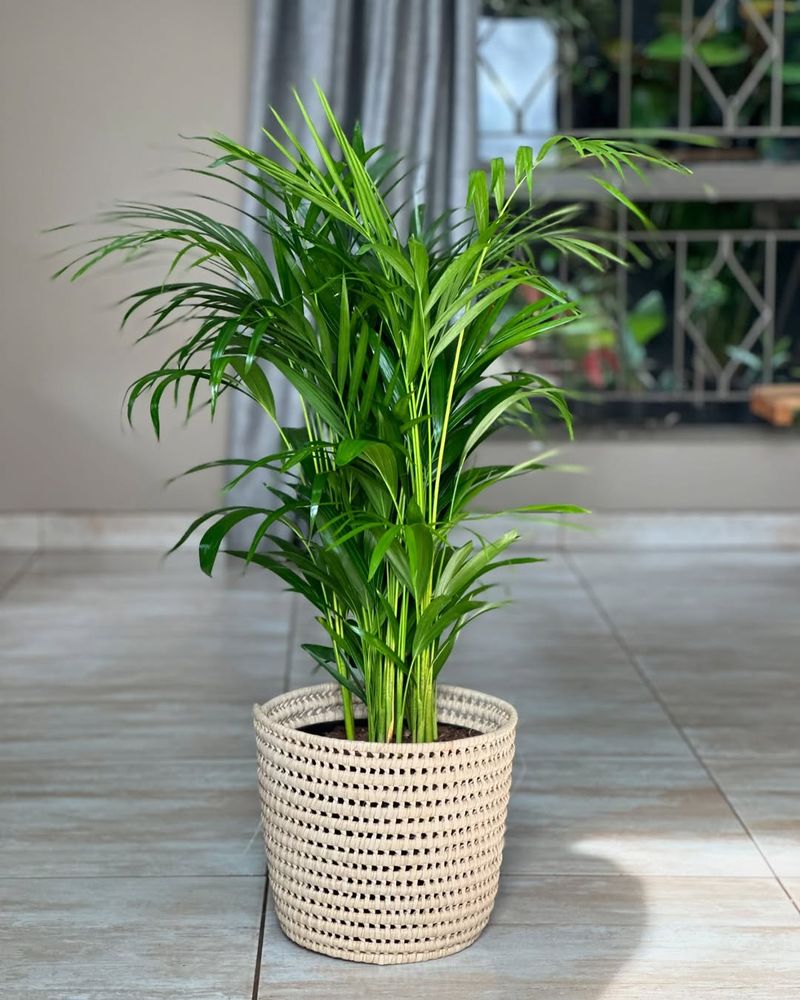
Picture a tropical vacation right in your Connecticut living room, that’s what bamboo palms deliver.
These graceful plants bring an instant resort feeling with their slender stems and delicate, feathery fronds.
Unlike many outdoor palms that produce copious pollen, bamboo palms grown indoors rarely flower, making them exceptionally safe for allergy-prone families.
Bamboo palms ranked highly in NASA’s famous air purification study, showing particular effectiveness at removing formaldehyde, benzene, and trichloroethylene.
They also naturally humidify the air, which helps combat Connecticut’s dry winter indoor conditions.
Many families notice improved comfort levels when they add these palms to their homes.
These plants prefer bright, indirect light and consistent moisture, though they’ll tolerate some variation in care.
They grow at a moderate pace, eventually reaching several feet tall and creating impressive vertical accents.
Connecticut homes with higher ceilings particularly benefit from their upward growth pattern.
Bamboo palms have non-toxic properties, making them safer choices for households with curious pets or children.
Their lush appearance creates focal points that draw the eye while simultaneously cleaning the air everyone breathes.
Families throughout Connecticut find them reliable, beautiful, and genuinely helpful in creating healthier indoor environments.
The combination of tropical aesthetics and practical air-purifying benefits makes bamboo palms favorites for those seeking both beauty and function without allergy concerns.
9. Pothos
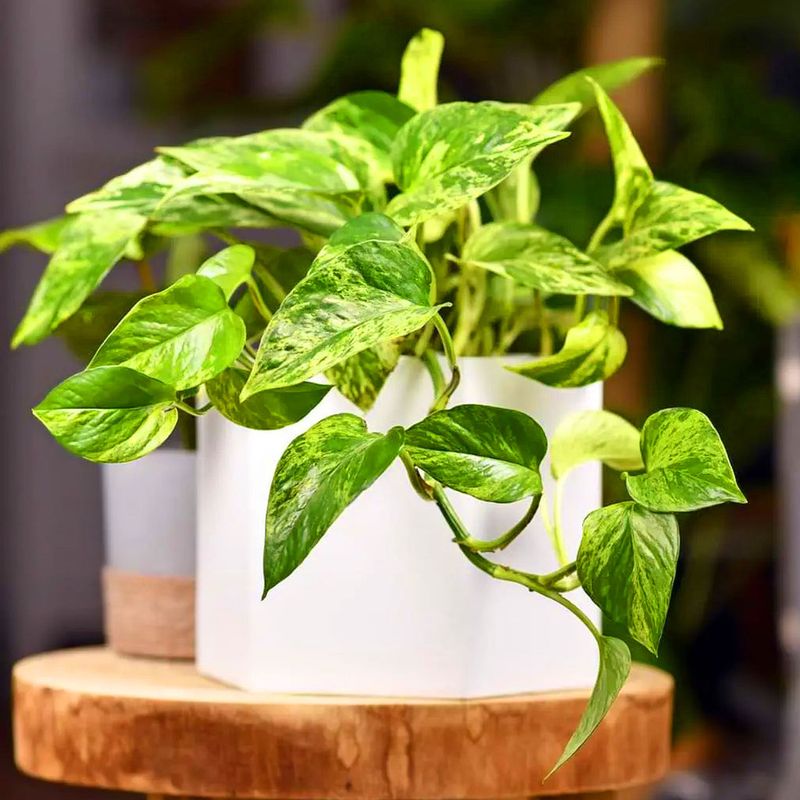
Pothos has earned the nickname “devil’s ivy” for its ability to stay green even in dark conditions, but Connecticut families know it by a different reputation: the perfect beginner plant that happens to be allergy-friendly.
Its heart-shaped leaves cascade beautifully from hanging baskets or climb up supports, creating living curtains of greenery that never produce pollen.
This plant excels at removing indoor air pollutants, including formaldehyde, benzene, and carbon monoxide.
Research suggests pothos can significantly improve air quality in homes, which matters especially during Connecticut’s long winters when ventilation decreases.
The plant’s vigorous growth means more leaves working to filter your air continuously.
Pothos tolerates a wide range of light conditions, from bright indirect light to surprisingly dim corners.
It signals watering needs by drooping slightly, then perks up quickly once watered.
Connecticut families appreciate this forgiving nature, as it allows some flexibility in care schedules.
The plant grows rapidly, creating dramatic displays in relatively short periods.
You can easily propagate pothos by cutting stems and placing them in water until roots develop.
This means one plant can become many, filling your Connecticut home with greenery or providing gifts for friends and neighbors.
Since pothos never flowers indoors, it maintains its low-allergen status year-round, continuously cleaning air without introducing irritants that could trigger sneezing, congestion, or other uncomfortable allergic responses.
10. Chinese Evergreen
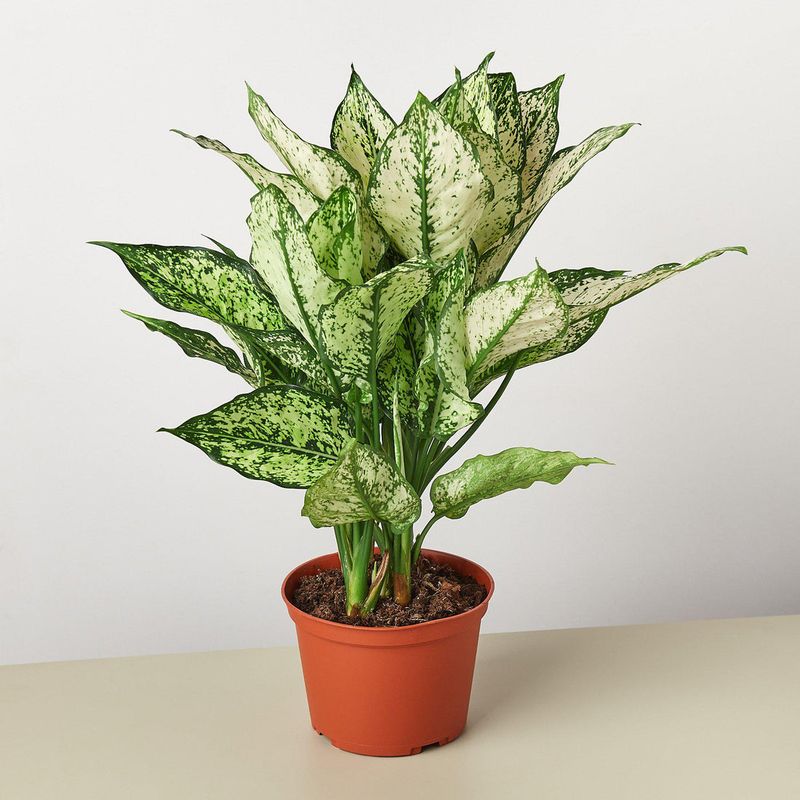
Chinese evergreens might just be the most underappreciated plants in Connecticut homes, yet they deliver exactly what allergy-prone families need: stunning foliage, air purification, and zero pollen.
Their leaves display remarkable patterns, with varieties showing silver, pink, or red markings against green backgrounds.
This visual interest makes them decorative focal points that happen to work hard improving your indoor environment.
These plants rank among the most effective at filtering toxins like benzene and formaldehyde from indoor air.
They thrive in low to moderate light conditions, making them perfect for Connecticut homes where natural light might be limited, especially during winter months.
Their tolerance for various conditions means they’ll succeed where other plants might struggle.
Chinese evergreens prefer consistent moisture but forgive occasional lapses in watering.
They grow slowly, maintaining manageable sizes that fit well on desks, tables, or floor stands.
Connecticut families value their reliability and the fact that they rarely experience pest problems when given basic care.
Since these plants reproduce through division rather than flowering frequently indoors, pollen concerns remain minimal.
Even mature plants rarely bloom in typical home conditions.
For Connecticut households seeking dependable, attractive, low-allergen plants that genuinely improve air quality, Chinese evergreens offer an excellent solution.
Their combination of beauty, resilience, and air-purifying abilities makes them ideal companions for creating healthier, more comfortable living spaces throughout the year.