10 Low-Effort, High-Impact Plants For Wisconsin Gardens
Gardening in Wisconsin comes with its challenges. Winter hits hard here. The soil fights back, and just when the growing season finds its footing, it is already gone.
But experienced gardeners here share a quiet confidence, and it comes down to one thing: choosing the right plants. The right plants do most of the work for you.
They settle into Wisconsin’s climate, bounce back after cold snaps, and fill your garden with color and life from spring through fall.
They draw in butterflies and bees without much fuss. And they look beautiful whether you have a large yard or a small corner near the front steps.
You do not need years of experience or endless free time to have a thriving garden. You just need plants that are built for this place.
So why not let the plants do the heavy lifting this season?
1. Karl Foerster Feather Reed Grass
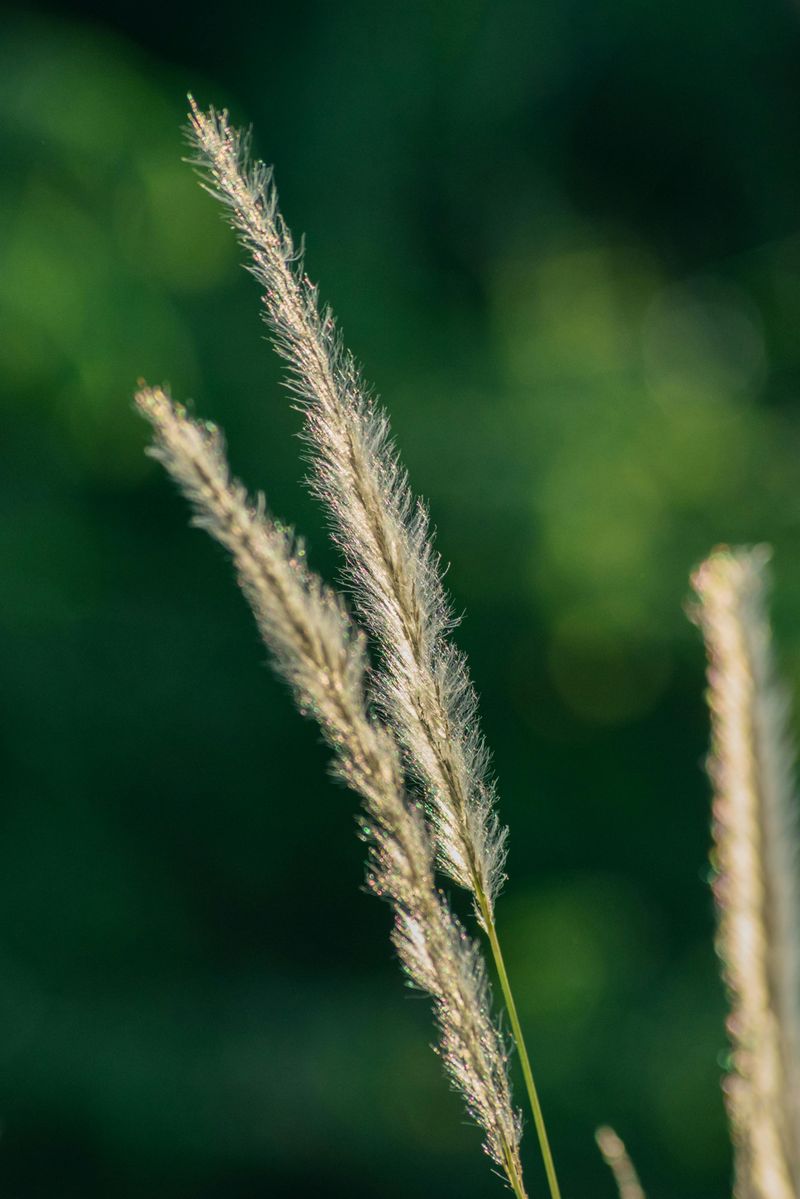
Tall, feathery, and nearly impossible to ignore, Karl Foerster Feather Reed grass is the overachiever of the ornamental grass world.
Its slender green blades emerge in spring and transition into warm golden plumes by midsummer.
Unlike many ornamental grasses, this one stays tidy and upright without flopping, which means less fussing on your part.
Plant it once, and it rewards you for years with minimal watering, no fertilizing, and zero pest drama.
It thrives in full sun and tolerates a wide range of soil types, including the heavy clay that plagues many Midwest yards.
Deer tend to leave it alone, which is a quiet miracle if you live near wooded areas.
Cut it back hard in late winter before new growth emerges, and it springs back like nothing happened.
Pair it with purple coneflowers or black-eyed Susans for a bold, natural-looking combination that practically designs itself.
Landscape designers love it for good reason: it adds height, movement, and four-season interest without demanding anything extra from you.
If low-effort, high-impact plants for Wisconsin gardens had a mascot, Karl Foerster would be it.
2. Little Bluestem
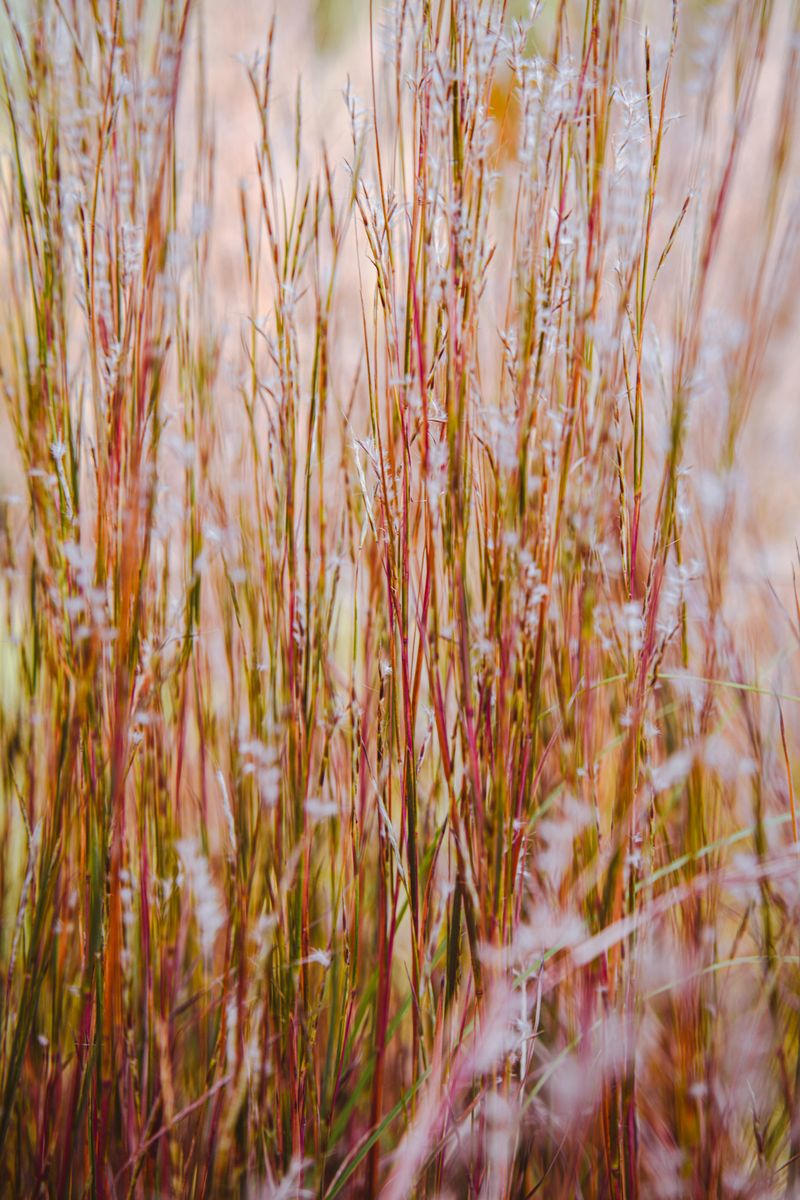
Few plants pull off a seasonal wardrobe change quite like Little Bluestem does.
In summer, its fine-textured blades are a striking blue-green, almost like something out of a coastal garden rather than a Midwestern backyard.
Come fall, the whole plant ignites in shades of copper, rust, and burgundy that rival any autumn foliage show.
This native prairie grass handles Wisconsin’s temperature swings and dry spells with ease, making it a dependable low-maintenance choice.
It grows two to four feet tall and works beautifully as a border plant, a meadow filler, or a mass planting on a sunny slope.
Poor, sandy, or rocky soil? No problem.
Little Bluestem actually prefers lean conditions and struggles in overly rich or wet ground.
Once established, it needs almost no supplemental water, and it never needs fertilizer.
Birds flock to it in winter, feeding on the fluffy seed heads that persist long after the first frost.
It is also a host plant for several skipper butterfly species, making it a true workhorse for wildlife.
Your Wisconsin Garden Changes Every Week. Your Plan Should Too.
Gardening in Wisconsin changes quickly throughout the season. Every Friday you’ll receive a simple weekly plan showing exactly what to plant, prune, fertilize, harvest, and protect so you never miss the right timing.
Beauty, resilience, and ecological value wrapped in one compact clump.
3. Purple Coneflower
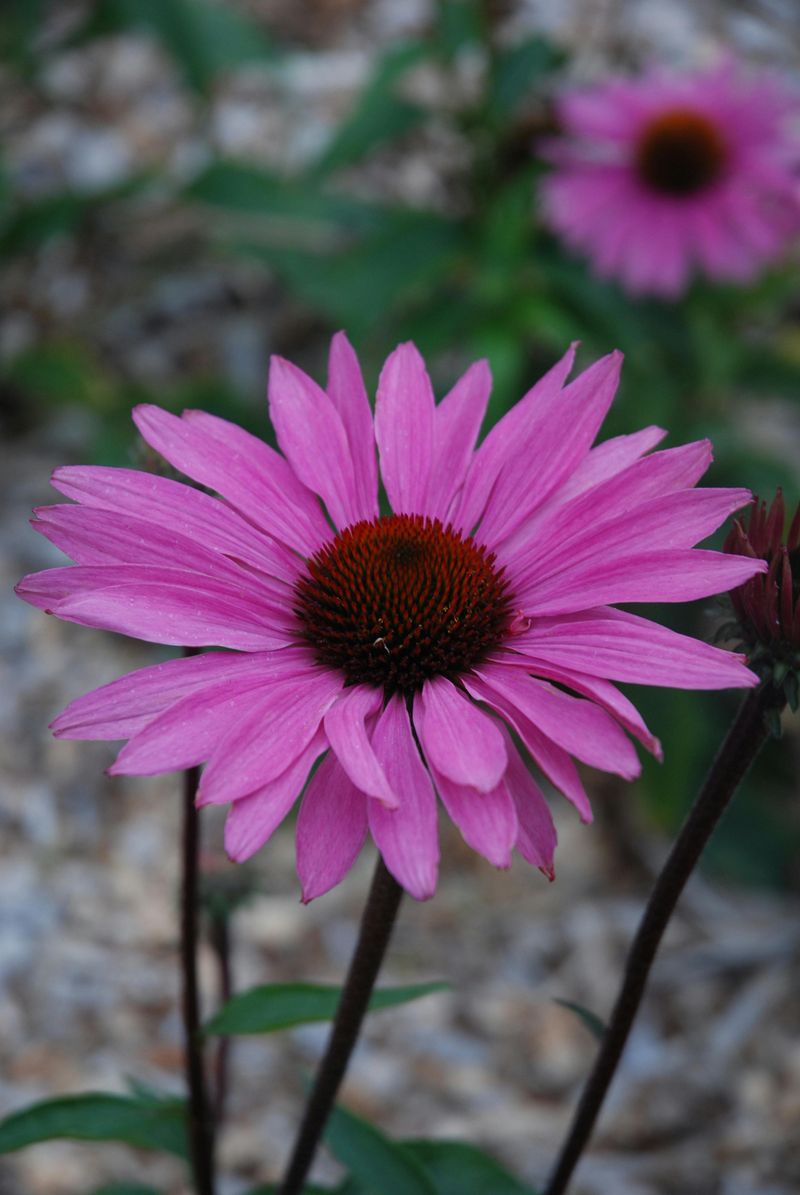
Walk through almost any Midwest garden in July and you will likely spot the cheerful petals of Purple Coneflower nodding in the breeze.
This native perennial blooms for weeks, tolerates heat and drought, and pulls in butterflies, bees, and goldfinches all season long.
Plant it in full sun with decent drainage, and it will ask almost nothing of you in return.
This plant is also famous in herbal medicine circles for its immune-boosting reputation, so there is even a fun story to tell guests about your garden.
The spiky seed cones that remain after petals drop are architectural and beautiful in their own right, especially dusted with snow in winter.
Deadheading is optional. If you skip it, the birds will thank you and self-seeding will slowly expand your patch over the years.
It pairs effortlessly with catmint, Karl Foerster grass, and black-eyed Susans for a cottage-style planting that looks intentional without much effort.
Dividing the clumps every few years keeps plants vigorous and gives you free divisions to spread around the yard.
Few perennials offer this much color and wildlife appeal with so little upkeep.
4. Catmint
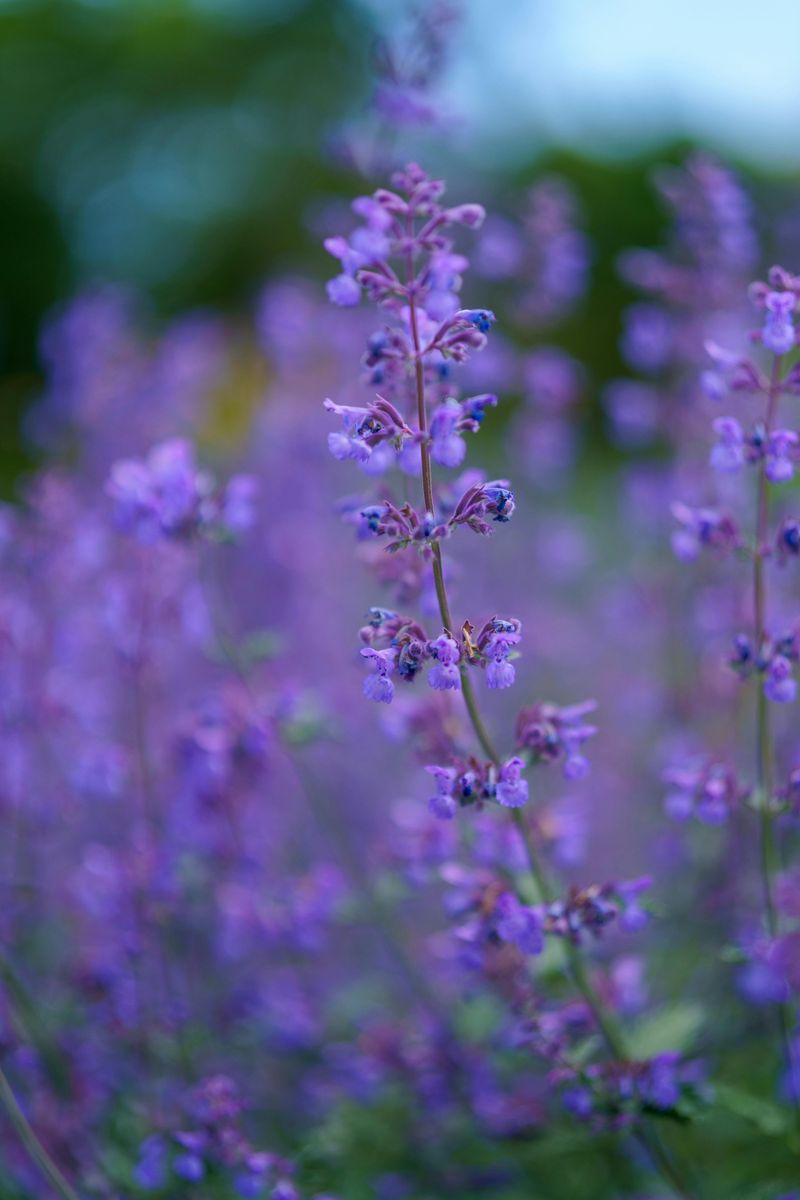
Catmint is the plant that makes other gardeners stop and ask what it is, even though it is one of the easiest things you can grow.
Its soft, silvery-green foliage and long spikes of lavender-blue flowers create a dreamy effect along borders and pathways.
Bloom time stretches from late spring into summer.
Shear it back by about a third after the first flush fades, and it rebounds with a fresh wave of color in late summer.
Bees absolutely adore it, and deer tend to avoid it because of its aromatic leaves, which makes it doubly useful in gardens near wooded edges.
Unlike its cousin catnip, most Catmint varieties do not send neighborhood cats into a frenzy, so your garden stays intact.
It handles drought with ease once established and thrives in the full-sun, well-drained conditions common in many backyard borders.
The mounding habit, typically 18 to 24 inches tall and wide, makes it a natural edging plant that softens hard lines along walkways or fences.
Pair it with roses, coneflowers, or ornamental grasses for combinations that feel effortless and look polished all season long.
5. Astilbe
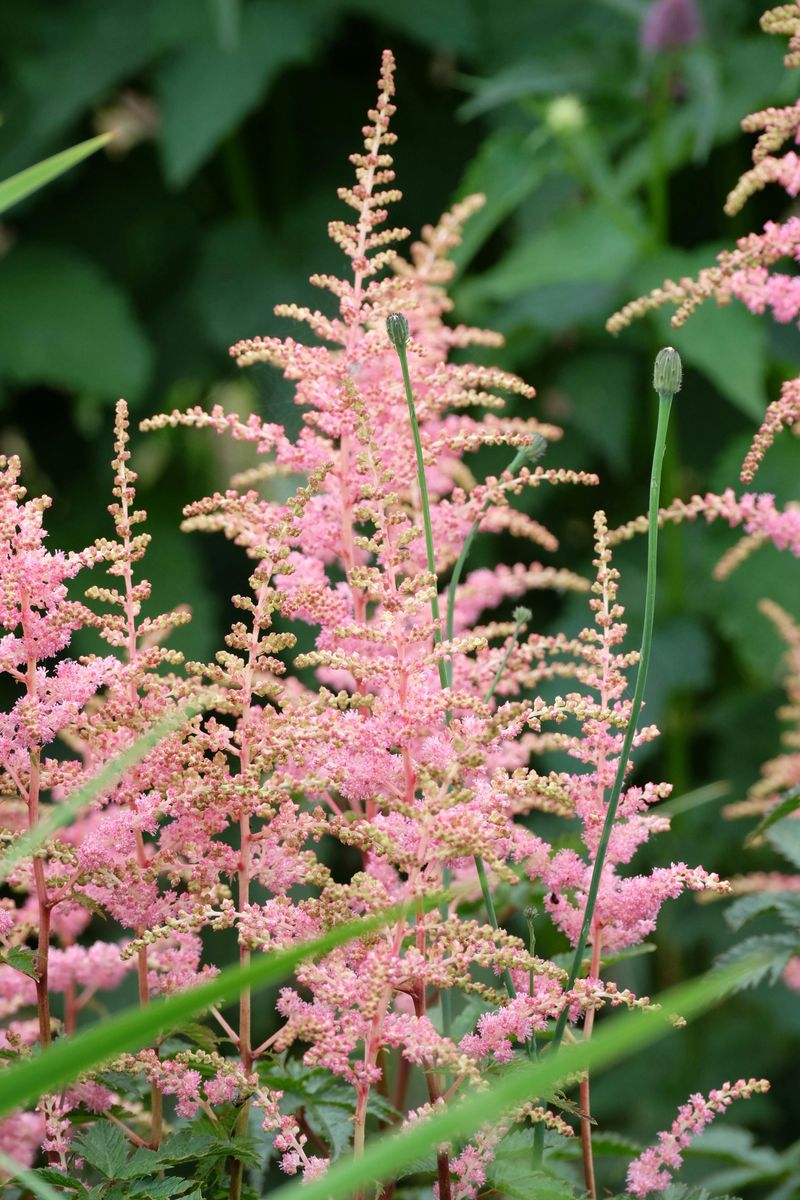
Shady spots in the garden can feel like a puzzle with no good solution, but Astilbe solves that problem with flair.
Its feathery plumes in shades of pink, red, white, and lavender rise above ferny, deeply textured foliage. They bring color to corners that most flowering plants would simply refuse to grow in.
Astilbe thrives in partial to full shade and moist, rich soil, making it ideal for low spots near downspouts or under large trees.
Once planted, it spreads slowly into larger clumps over the years, filling space naturally without becoming invasive.
The dried seed heads that remain after blooming have a warm, russet-brown tone that adds texture through fall and even into winter.
It pairs beautifully with hostas, ferns, and bleeding hearts for a layered shade garden that looks lush and intentional without constant upkeep.
Watering during dry spells is the main task, since Astilbe does not love prolonged drought the way some sun-loving perennials do.
Divide clumps every three to four years to keep plants blooming vigorously.
For gardeners who struggle with shade, Astilbe is the answer they have been searching for.
6. Joe Pye Weed
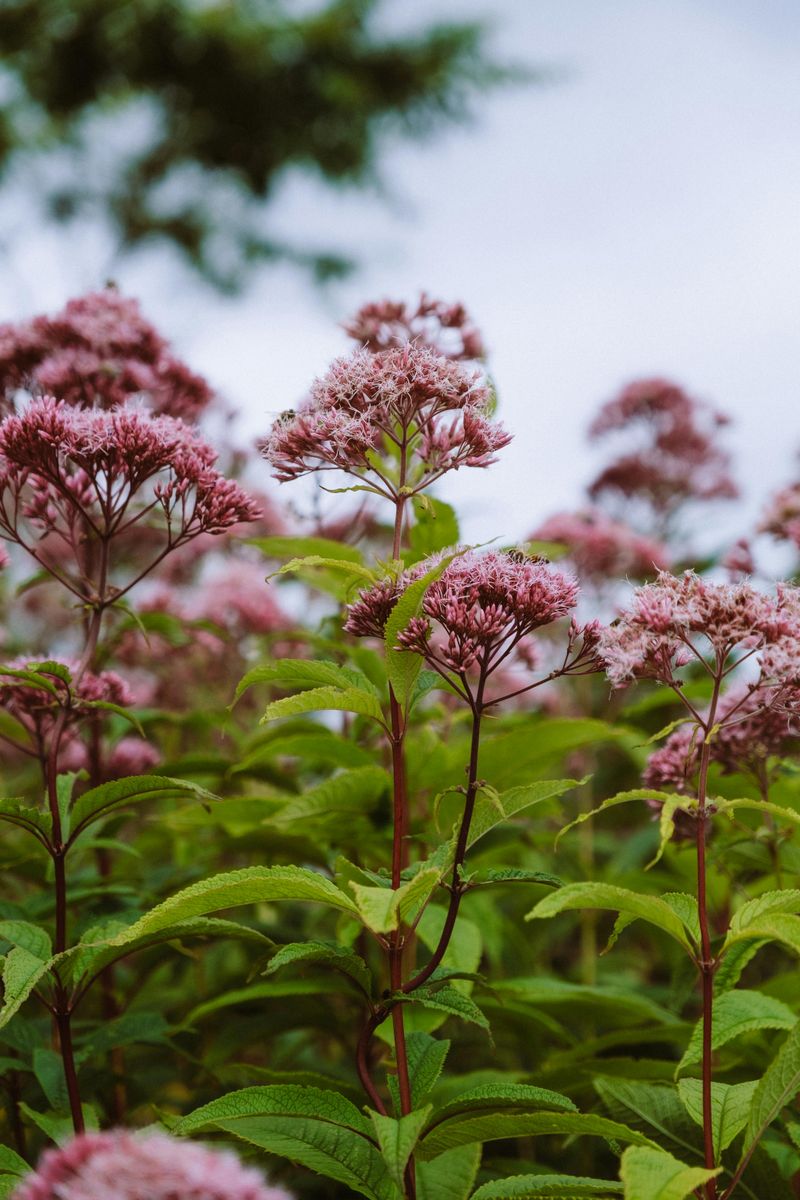
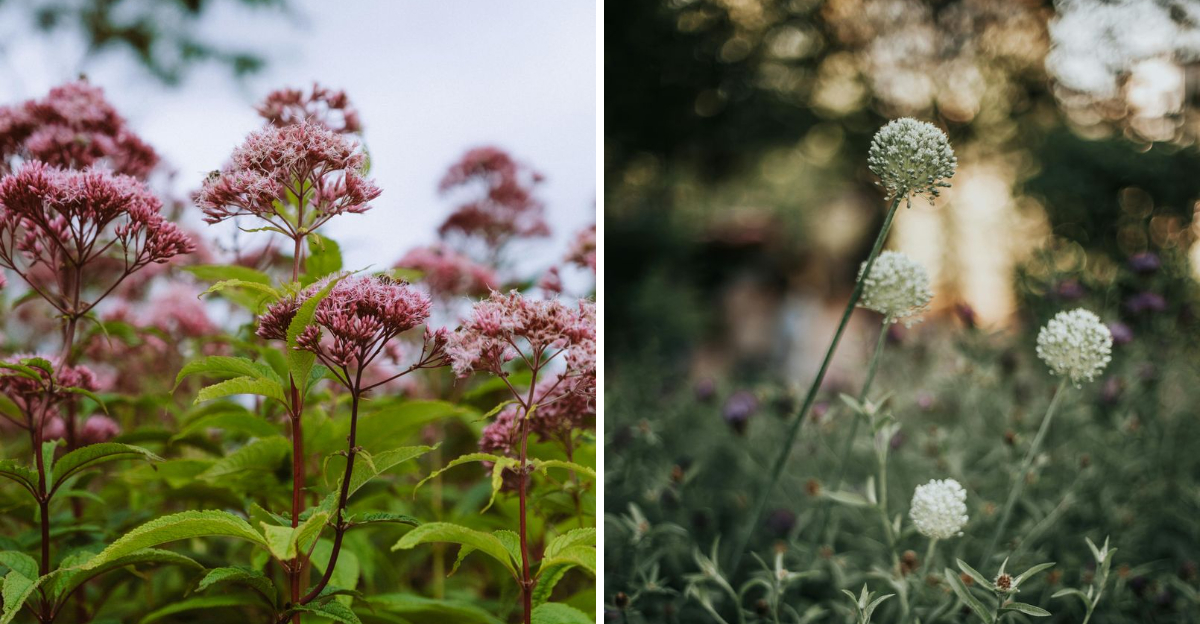
Standing up to seven feet tall, Joe Pye Weed commands attention the moment it hits its peak.
Its massive, dusty rose-purple flower clusters bloom from midsummer into fall.
It is one of those plants that actually looks better with some neglect.
It develops a loose, naturalistic structure that fits perfectly in rain gardens, back borders, or meadow-style plantings.
Cutting stems back by a third in late spring, called the Chelsea Chop, keeps plants shorter and bushier if the full height feels too bold for your space.
The hollow stems provide overwintering habitat for native solitary bees, so leaving the plant standing through winter is genuinely beneficial, not just lazy.
It pairs well with ornamental grasses and goldenrod for a late-season display that carries the garden through to frost.
Few plants do more ecological good while asking so little from the gardener tending them.
7. Prairie Dropseed
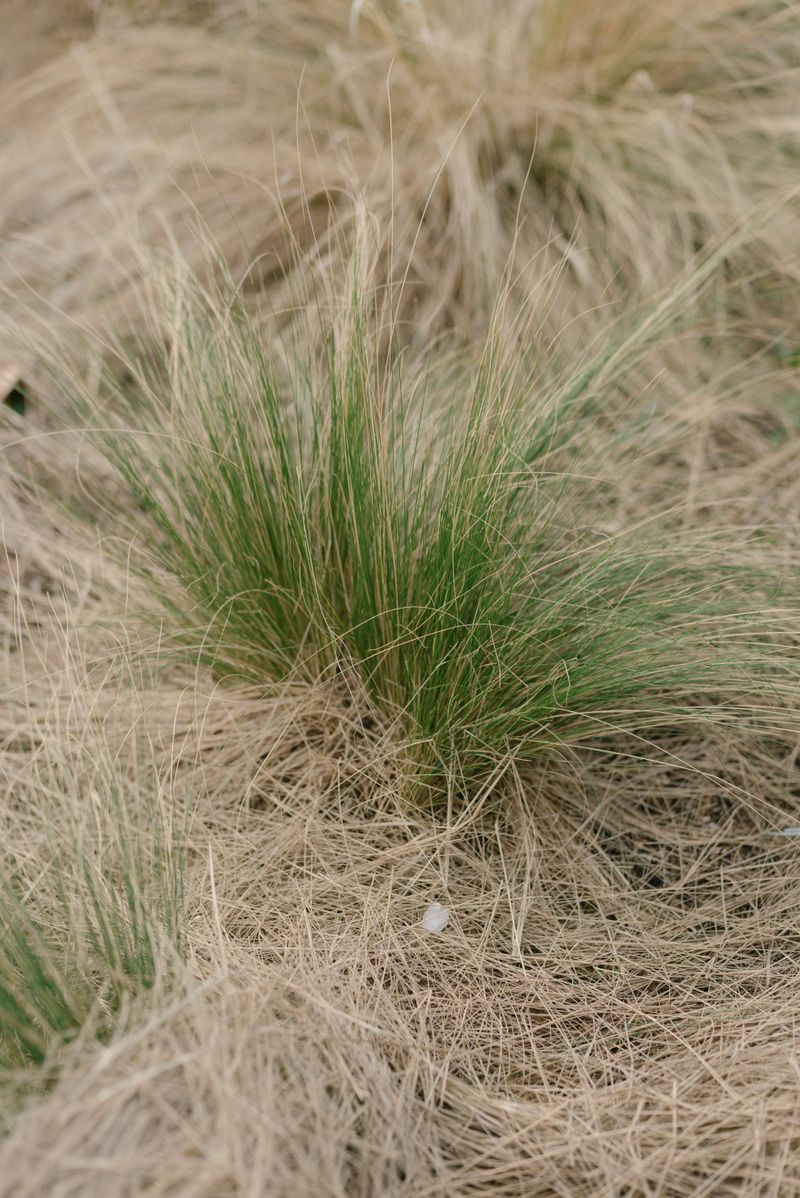
Prairie Dropseed is the understated gem that plant nerds rave about and everyone else walks past without realizing they should stop.
In late summer, airy clusters of tiny flowers float above the foliage.
They release a fragrance that some describe as buttery popcorn, which is either delightful or puzzling depending on who you ask.
Fall color turns the clumps a rich orange-bronze that holds well into winter, giving the garden warm tones long after most perennials have checked out.
Once established, Prairie Dropseed is one of the most drought-tolerant plants you can grow in a sunny spot, needing little to no supplemental water after its first season.
It thrives in poor, well-drained soil and is native to the tallgrass prairies of the upper Midwest, so it is genetically built for this climate.
Use it as an edging plant, a groundcover on dry slopes, or a transition between taller grasses and lower-growing perennials.
Patience is the only real requirement, since it takes a couple of seasons to fully establish, but the wait is absolutely worth it.
8. Wild Bergamot
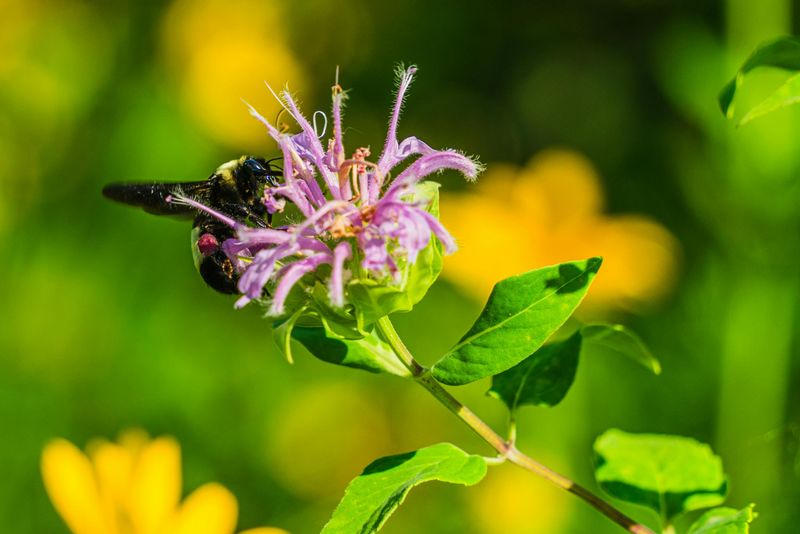
Sitting somewhere between a wildflower and a herb, Wild Bergamot is one of the most useful plants in a low-maintenance native garden.
Its shaggy, lavender-purple blooms appear in midsummer and hum with activity.
They draw in bumblebees, hummingbirds, and a wide range of native bee species that most gardeners never even knew existed in their neighborhood.
The aromatic leaves smell faintly of oregano and bergamot, which is pleasant for humans but deeply unappealing to deer and rabbits.
Unlike its showier cousin bee balm, Wild Bergamot is far more resistant to powdery mildew.
It means those chalky white patches that ruin other monarda plants are much less of a problem here.
It handles dry, average soil in full sun with grace, spreading gradually by rhizomes to form loose colonies that look natural and fill space without aggressive takeover.
Cutting plants back after the first bloom flush can encourage a second round of flowering later in the season.
It pairs beautifully with purple coneflower and little bluestem for a classic prairie-inspired planting that supports local ecosystems.
For gardeners who want wildlife benefits without the maintenance headaches, this plant is a straight-up gift.
9. Anise Hyssop
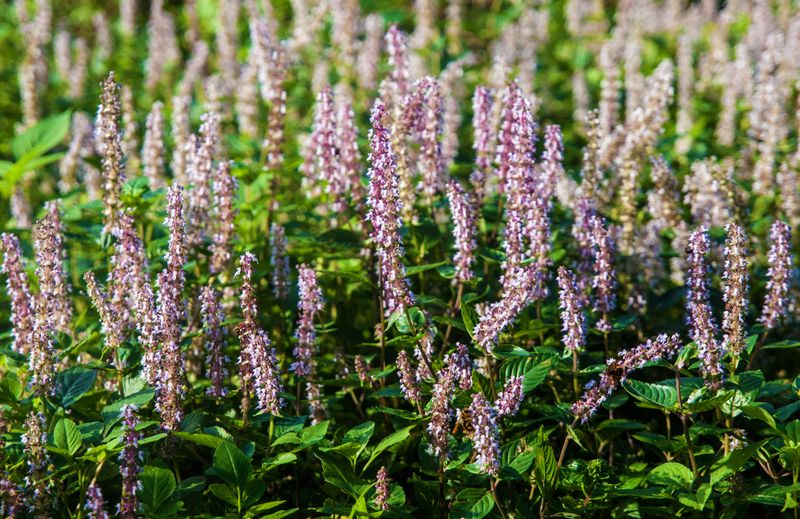
Anise Hyssop smells like licorice, blooms for months, feeds every pollinator within a half-mile radius, and barely needs watering once established.
That is a lot of value packed into one plant.
Its tall spikes of violet-blue flowers bloom from midsummer into early fall, adding vertical interest to borders that can feel too flat.
Honeybees are particularly obsessed with Anise Hyssop, and beekeepers have long used it near hives for good reason. The nectar is rich and abundant.
The aromatic foliage has a pleasant anise scent that most people find refreshing, and the dried leaves can be used in herbal teas, adding a fun bonus to growing it.
It thrives in full sun and well-drained soil, tolerates drought, and actually self-seeds freely enough to give you new plants each year without any effort from you.
If the self-seeding feels like too much, deadheading spent spikes keeps it tidy and prevents excess spread.
Plants grow two to four feet tall, making them ideal mid-border companions for shorter groundcovers or taller grasses behind them.
Few plants offer this combination of sensory pleasure, ecological impact, and sheer ease of care in a single growing season.
10. Rattlesnake Master
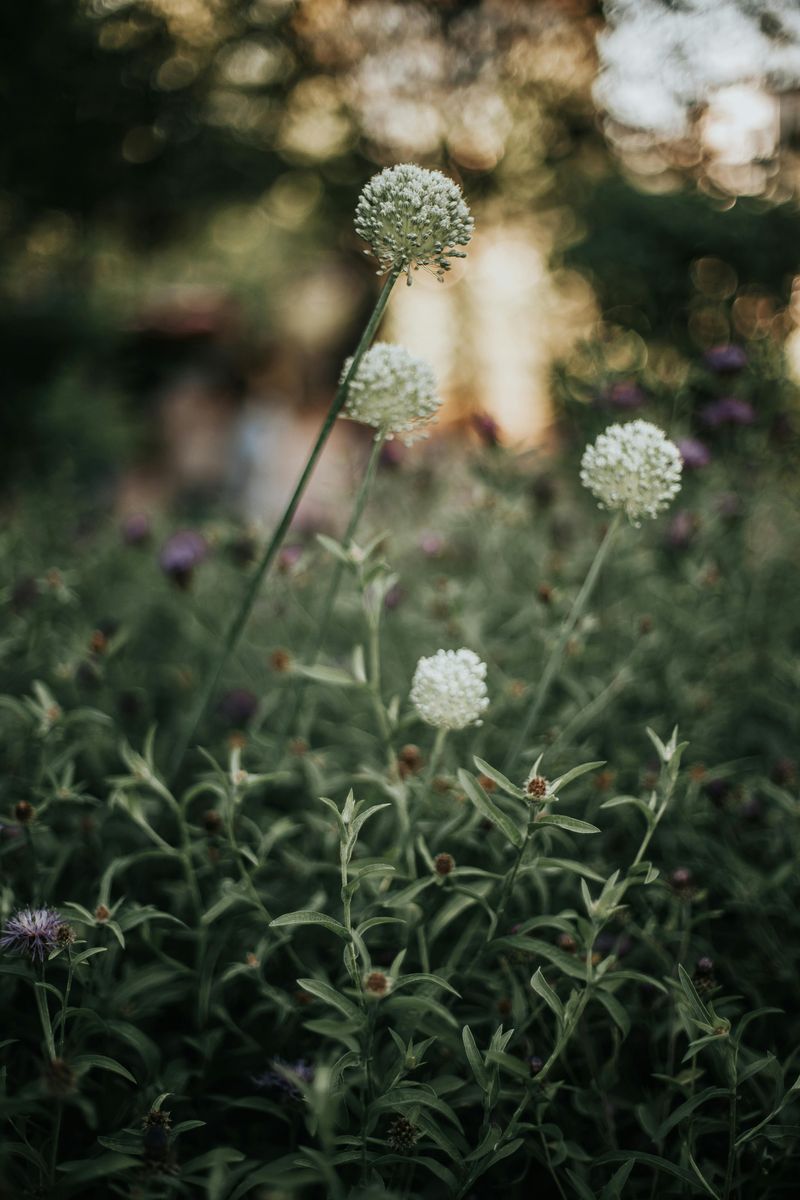
Some plants blend into a garden. Rattlesnake Master refuses to.
Its spiky, globe-shaped white flower heads perch on rigid four-foot stems, with sword-like blue-green leaves at the base.
It looks like it belongs in a sci-fi landscape rather than a backyard garden.
It blooms in midsummer and the architectural interest lasts well beyond that.
Dried seed heads persist through winter, adding structure to the garden during the quietest months.
Native to tallgrass prairies, Rattlesnake Master is extraordinarily tough, thriving in full sun and poor, dry soil where most plants would give up entirely.
Once established, it is essentially self-sufficient, requiring no supplemental watering, no fertilizing, and minimal attention of any kind.
The flowers attract a surprising range of pollinators including native bees, wasps, and beetles that play important roles in local ecosystems.
Its bold, structural form provides a striking contrast when planted alongside soft, airy grasses or billowing flowering perennials like Wild Bergamot or Joe Pye Weed.
For gardeners looking to add genuine drama, Rattlesnake Master is the boldest choice on this list.
Is your yard ready for a conversation-starter?