7 Low Maintenance Backyard Ideas For A Stylish Relaxing Space In California
California backyards have the potential to feel like an everyday escape.
With so much sunshine and so many days made for being outside, it is no surprise that homeowners want spaces where they can unwind, host friends, and enjoy a slower pace at home.
The tricky part is making that space look inviting without creating endless work. Dry summers, rising water costs, and constant upkeep can turn a dream yard into a draining one fast.
The good news is that a relaxing, stylish backyard does not have to be high maintenance.
With the right choices, you can create an outdoor space that feels polished, comfortable, and easy to enjoy through every season.
1. Replace Part Of The Lawn With Mulch And Planting Beds
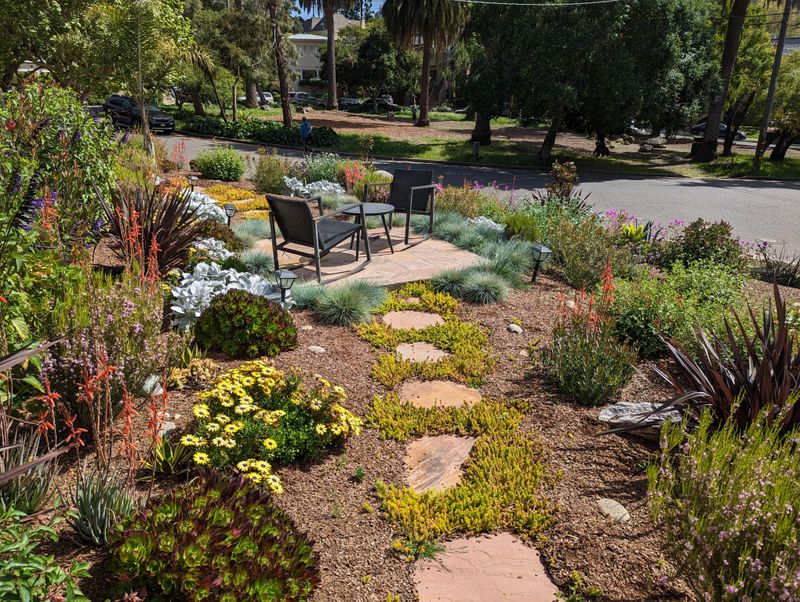
Swapping out chunks of thirsty lawn for mulched planting beds is one of the smartest moves a California homeowner can make.
Grass demands regular mowing, fertilizing, and a surprising amount of water, especially during the dry summer months when rainfall practically disappears.
Replacing even a third of your lawn with mulch and thoughtfully arranged planting beds can dramatically cut down on both water use and weekly yard chores.
Organic mulch, like shredded bark or wood chips, does a lot of quiet work in your garden. It holds moisture in the soil, keeps roots cooler during hot inland summers, and breaks down slowly to improve soil health over time.
A two-to-three-inch layer spread across planting beds also suppresses weeds naturally, which means less pulling and fewer chemical treatments.
From a design standpoint, mulched beds give a backyard a clean, intentional look that feels polished rather than sparse.
You can arrange low-water shrubs, ornamental grasses, or flowering perennials in drifts or clusters to create visual interest without adding maintenance.
Coastal California gardens tend to stay cooler, so plants in those areas often need less irrigation than the same species planted inland.
The transition does not have to happen all at once. Start with one section of lawn near a fence or patio edge, replace it with a mulched bed, and see how much easier that area becomes to manage.
Most homeowners find the difference noticeable within the first season.
2. Build A Native Plant Border
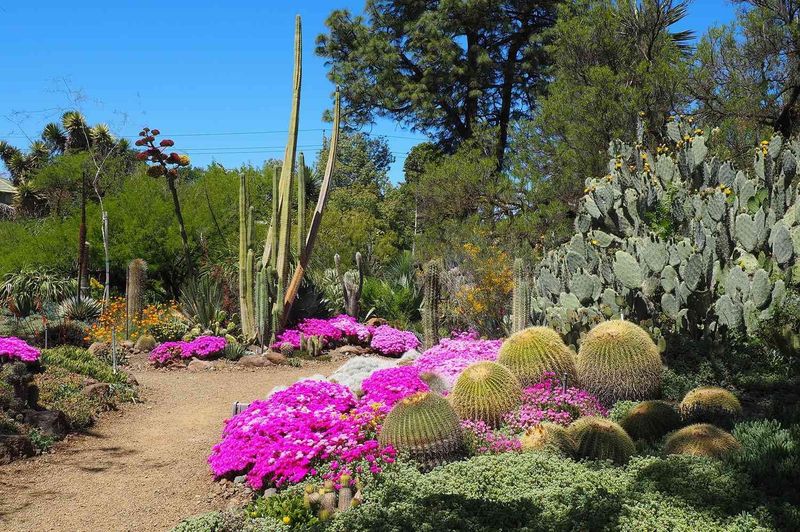
Few things change a California backyard quite like a well-planted native border.
California native plants evolved over thousands of years in this specific climate, which means they have developed natural strategies for surviving dry summers, occasional frost, and everything in between.
Once established, most native plants require far less water and attention than traditional ornamentals imported from wetter climates.
A native border planted along a fence line, driveway edge, or property boundary creates a living frame for your outdoor space.
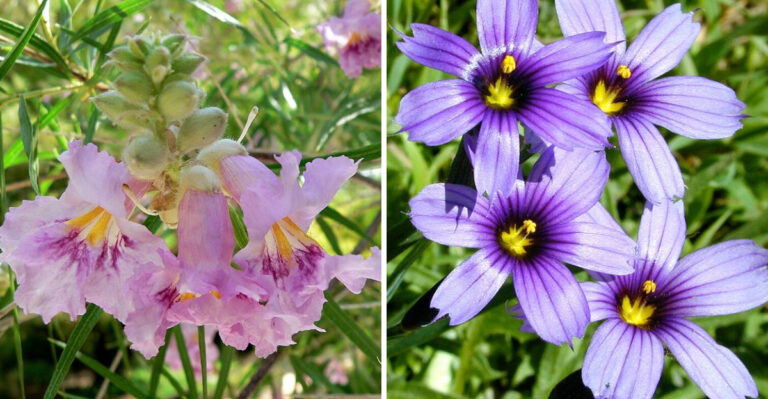
Plants like Ceanothus, with its clusters of blue or white flowers in spring, or Salvia clevelandii, which releases a clean herbal fragrance in warm weather, add sensory richness without demanding much in return.
Monkeyflower varieties bring cheerful color while supporting local pollinators like bees and hummingbirds.
The establishment period is the most hands-on phase, typically the first one to two growing seasons, when regular watering helps roots develop and anchor into the soil.
After that, supplemental irrigation can be reduced significantly, and in many coastal California locations, winter rainfall handles most of the plants’ needs on its own.
Maintenance for a native border mostly involves light pruning after flowering and occasional cleanup of spent stems. There is no need for heavy fertilizing, since most California natives actually perform better in lean soil.
The result is a border that looks vibrant and natural throughout the year while asking very little of the gardener who planted it.
3. Create A Simple Potted Plant Lounge
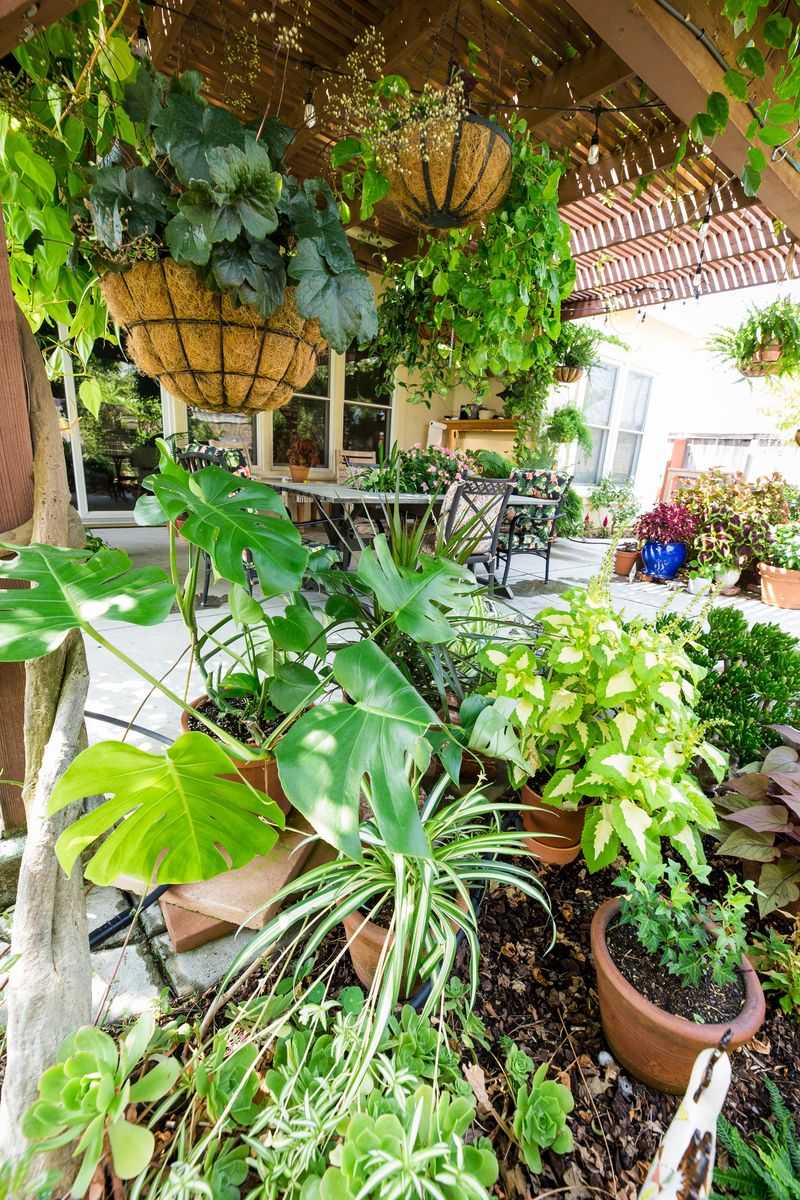
Containers give you something traditional in-ground planting cannot: total flexibility.
A potted plant lounge lets you rearrange your outdoor space seasonally, move plants to better light or shade as needed, and swap out a container that has seen better days without disturbing the whole garden.
For California backyards where soil quality varies widely and water restrictions can shift from year to year, pots offer a practical and visually appealing alternative to traditional beds.
Grouping containers of different heights and sizes around a seating area creates a lush, layered effect that feels intentional and inviting.
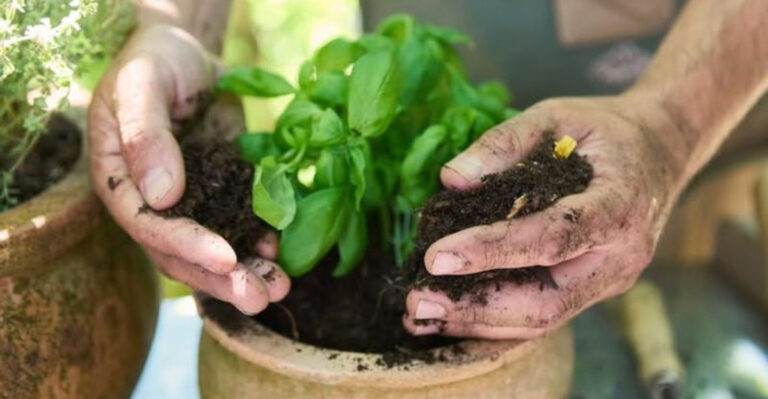
Succulents like agave, echeveria, and aloe work beautifully in terracotta pots and require watering only every week or two during summer.
Lavender, rosemary, and other Mediterranean herbs thrive in containers under California sun and release pleasant scents when brushed by a passing hand.
Choosing the right pot size matters more than most people expect. Larger containers hold more soil volume, which means they dry out more slowly and need less frequent watering.
Adding a layer of mulch on top of the potting mix in each container also slows moisture loss on hot days, particularly in inland areas where afternoon temperatures can climb significantly.
A drip emitter or simple soaker setup connected to a timer can handle watering for an entire container collection automatically.
That single addition transforms a potted lounge from a daily task into something you simply enjoy, which is exactly the point of a low-maintenance California outdoor space.
4. Create Hydrozones So Plants With Similar Water Needs Grow Together
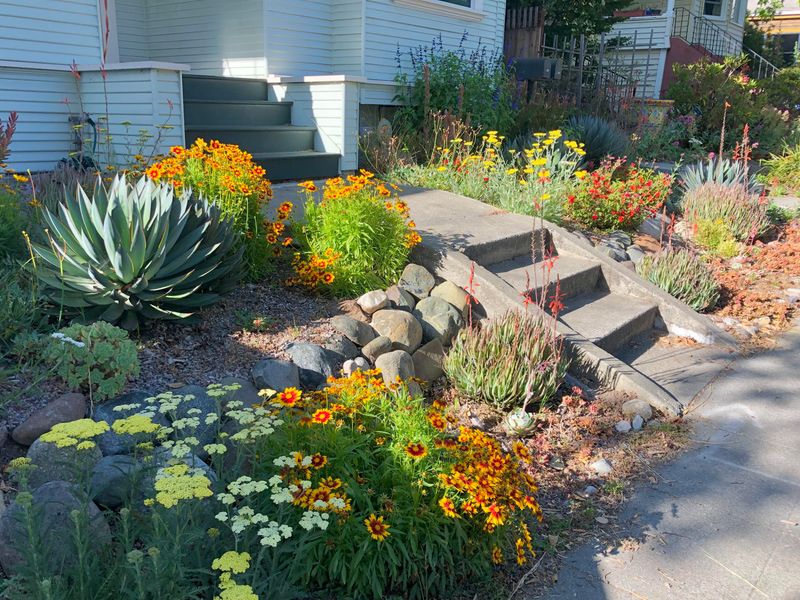
Grouping plants by water need is one of those ideas that sounds technical but is genuinely simple to apply in any backyard.
The concept is called hydrozoning, and it works by placing plants with similar irrigation requirements in the same area so that no plant in a zone receives too much or too little water.
In a state where outdoor water use accounts for a significant portion of residential consumption, this kind of thoughtful organization makes a real difference.
A typical California backyard might have three basic zones. The first is a low-water zone planted with natives and drought-adapted species that get by on minimal irrigation once established.
The second is a moderate-water zone for slightly thirstier ornamentals or edibles that need regular but not excessive moisture.
The third, if needed at all, is a small high-water zone reserved for potted plants or a compact vegetable bed near the house where hand-watering is easy.
The practical payoff is meaningful. When plants in each zone share the same irrigation schedule, you can run one drip line or sprinkler circuit per zone and avoid overwatering drought-tolerant plants just because they share a line with thirstier neighbors.
Overwatering is one of the most common reasons plants struggle in California gardens, and hydrozoning removes much of that guesswork.
From a design standpoint, hydrozones also encourage a natural-looking layout where plant communities develop cohesion over time.
Inland gardens benefit especially from this structure since temperature swings and dry conditions make efficient water use even more critical during summer months.
5. Add A Gravel Or Decomposed Granite Seating Area
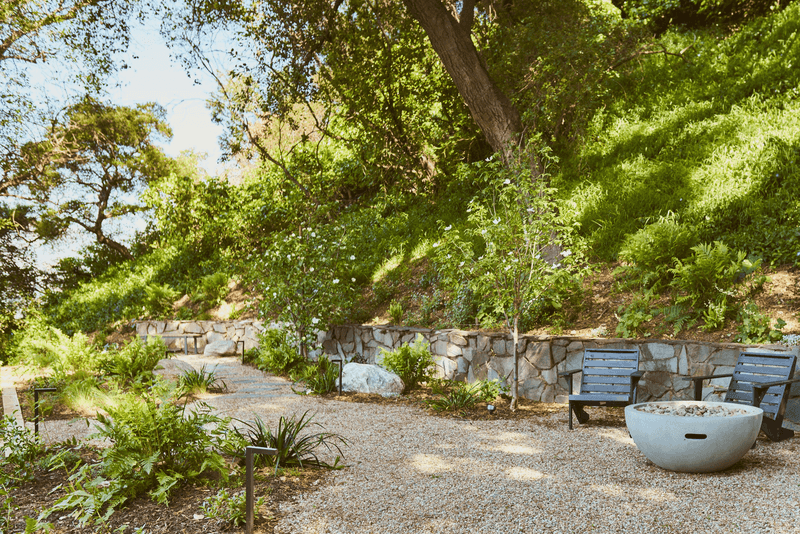
There is something effortlessly stylish about a gravel or decomposed granite seating area, and it happens to be one of the most practical choices for a California backyard.
Unlike concrete or poured surfaces, gravel and decomposed granite allow rainwater to filter into the ground rather than run off, which supports groundwater recharge and reduces erosion around the edges of your yard.
They also cost less to install than most hardscape alternatives.
Decomposed granite, often called DG, compacts into a firm, walkable surface that holds up well underfoot and drains quickly after rain.
It comes in warm earthy tones that complement native plantings, terracotta pots, and natural wood furniture beautifully.
Gravel options range from smooth river rock to angular crushed stone, and each brings a slightly different texture and visual character to the space.
For a seating area, the key is laying a quality weed barrier fabric beneath the material before spreading it.
This step dramatically reduces weeding over time, especially in inland California where certain invasive weeds spread aggressively during the brief rainy season.
Edging the area with metal, stone, or wood borders keeps the material contained and gives the space a finished, intentional look.
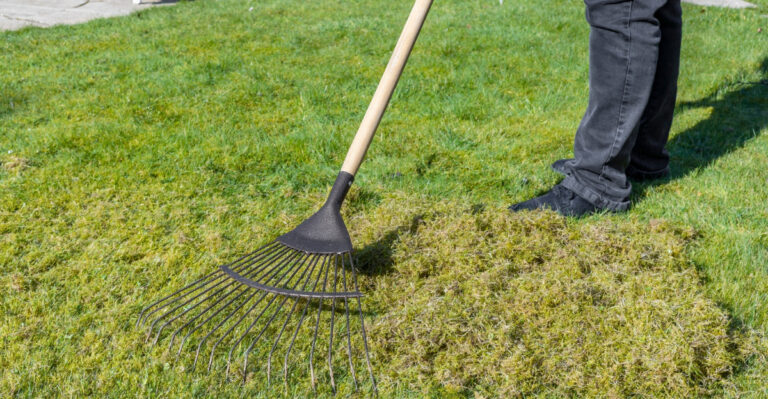
Maintenance is minimal once the area is established. An occasional rake to redistribute material after foot traffic and a top-up of gravel every couple of years is usually all that is needed.
Coastal homeowners may find that decomposed granite holds up particularly well since the milder temperatures reduce the freeze-thaw stress that can shift hardscape materials in colder climates.
6. Use Shade Structures For Comfort And Plant Protection
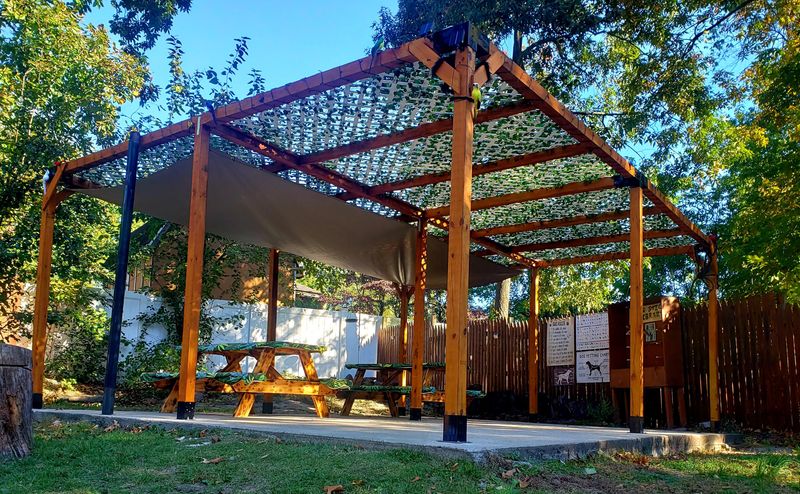
Anyone who has spent a July afternoon in a California backyard without shade knows exactly why this idea belongs on the list.
Shade structures do two things at once: they make the outdoor space dramatically more comfortable for people, and they create microclimates that allow a wider range of plants to thrive even during intense summer heat.
That combination of comfort and function is what makes a shade structure feel like a genuine upgrade rather than just a nice extra.
Pergolas are a popular choice because they add architectural character to a backyard while providing filtered or full shade depending on what is placed overhead.
Shade cloth panels, fabric sails, or climbing vines trained over a pergola frame all create different levels of coverage and visual texture.
Shade sails are a more budget-friendly option that can be installed quickly and repositioned seasonally as sun angles change.
From a plant care standpoint, shade structures reduce soil moisture evaporation, which means plants positioned beneath them often need less frequent watering.
In hot inland areas of California, this benefit is especially noticeable for container plants, ferns, and flowering perennials that can become stressed under direct afternoon sun during the warmest months.
Choosing materials that hold up in your specific California climate matters. Coastal areas deal with salt air and moisture, while inland yards face intense UV exposure and heat.
Powder-coated steel or sustainably sourced wood frames with UV-resistant fabric covers tend to perform well across most California regions without requiring heavy seasonal maintenance.
7. Install A Smart Or Carefully Tuned Irrigation Schedule
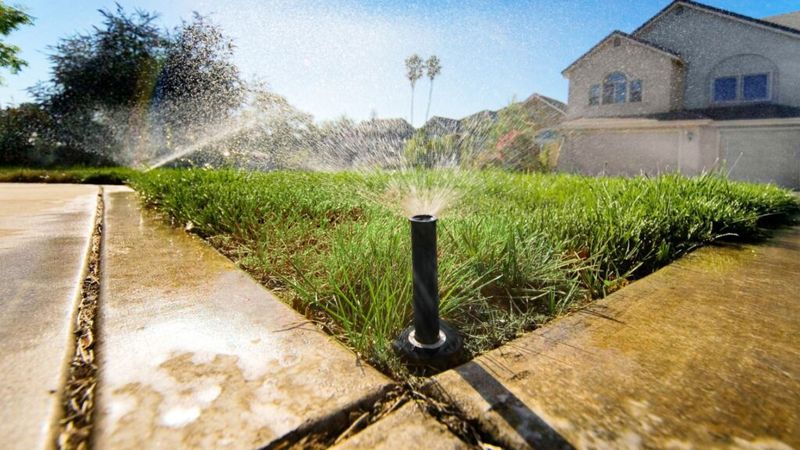
Watering is where most California backyard maintenance time and expense quietly accumulates, and getting the irrigation schedule right is one of the highest-impact changes you can make.
A thoughtfully programmed irrigation system, whether a basic timer or a weather-responsive smart controller, removes the guesswork from watering and prevents the overwatering that stresses plants and drives up water bills simultaneously.
Smart irrigation controllers use local weather data to adjust run times automatically. On a mild coastal day following a rainstorm, the system skips the scheduled cycle.
On a hot, dry inland afternoon, it may add a few extra minutes to compensate for faster evaporation.
This kind of responsiveness is something a manual schedule simply cannot provide, and it makes a noticeable difference in plant health over the course of a California summer.
Drip irrigation is the delivery method that pairs most effectively with both smart controllers and the hydrozoning approach described earlier.
Drip emitters place water directly at the root zone of each plant, reducing surface evaporation and keeping foliage dry, which lowers the risk of fungal issues.
Compared to overhead sprinklers, drip systems use water more efficiently and work well for both garden beds and container groupings.
Even without a smart controller, taking time each season to review and adjust your run times based on current weather and plant growth makes a significant difference.
Many California water agencies offer free irrigation audits or rebates for smart controller upgrades, which makes this one of the most cost-effective improvements available to homeowners looking to simplify their backyard routine.