10 Low-Maintenance, Fast-Growing Houseplants Pennsylvanians Keep Buying
Looking for houseplants that grow fast and don’t demand constant care? That’s exactly why so many Pennsylvanians are filling their homes with easy, low-maintenance greenery.
Busy schedules, limited sunlight, and small living spaces make simple plant choices more appealing than ever. People want plants that look great without needing special tools or daily attention.
Fast-growing houseplants are especially popular because they quickly fill empty corners and bring instant life to a room. There’s something exciting about seeing fresh leaves pop up and watching your space transform.
Whether you live in an apartment, townhouse, or family home, the right plants can brighten your rooms and improve indoor air quality.
If you want beautiful greenery without the stress, these fast-growing, low-care houseplants are exactly what Pennsylvanians keep buying.
1. Pothos (Epipremnum Aureum)
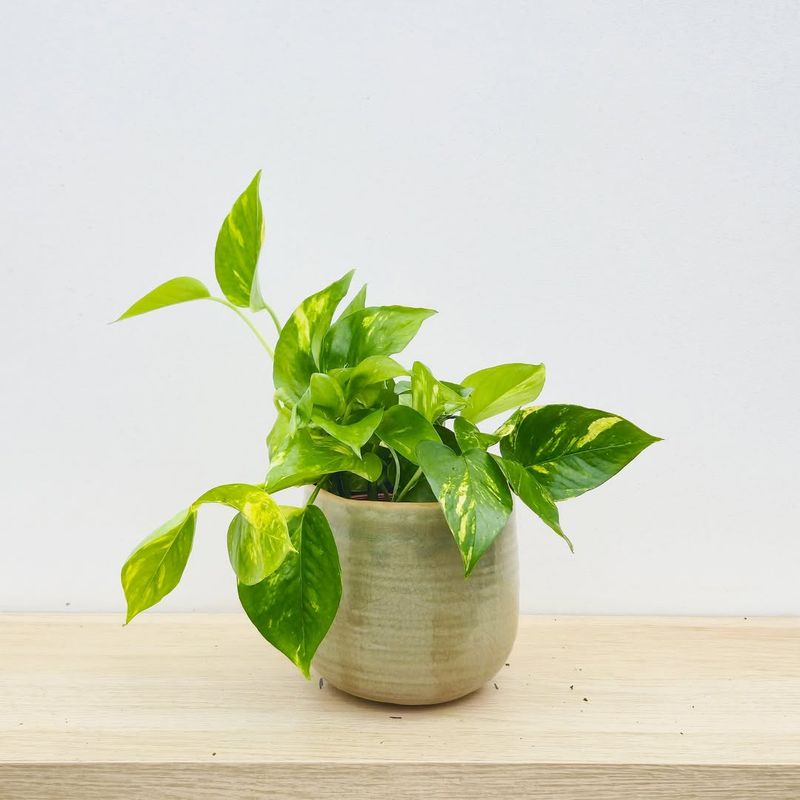
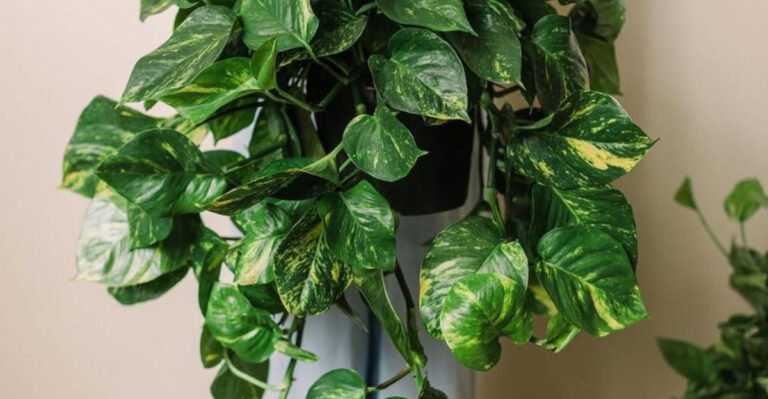
Walk into any Pennsylvania garden center and you’ll find pothos plants in abundance, and for good reason.
This trailing beauty tops the list because it forgives almost every beginner mistake imaginable. Forget to water for a week? It bounces back. Stick it in a dim corner? It keeps growing.
The heart-shaped leaves come in several stunning varieties, from golden yellow streaks to silvery splashes. New growth appears constantly, with vines extending several inches each month during growing season.
Many Pennsylvania plant lovers start a single pothos and end up with cuttings throughout their entire home within a year.
This plant adapts beautifully to Pennsylvania’s indoor climate fluctuations. Winter heating doesn’t faze it, and it handles the humidity shifts between seasons without complaint.
Place it on a high shelf or in a hanging basket and watch the vines cascade down in graceful curtains.
Watering becomes simple once you learn the trick. Wait until the leaves start looking slightly less perky, then give it a good drink.
Root rot rarely happens because the plant signals its needs clearly. Bright indirect light produces the fastest growth, but it tolerates lower light better than most houseplants.
Pennsylvania residents love propagating pothos in water, creating new plants to share with friends and family throughout the state.
2. Spider Plant (Chlorophytum Comosum)
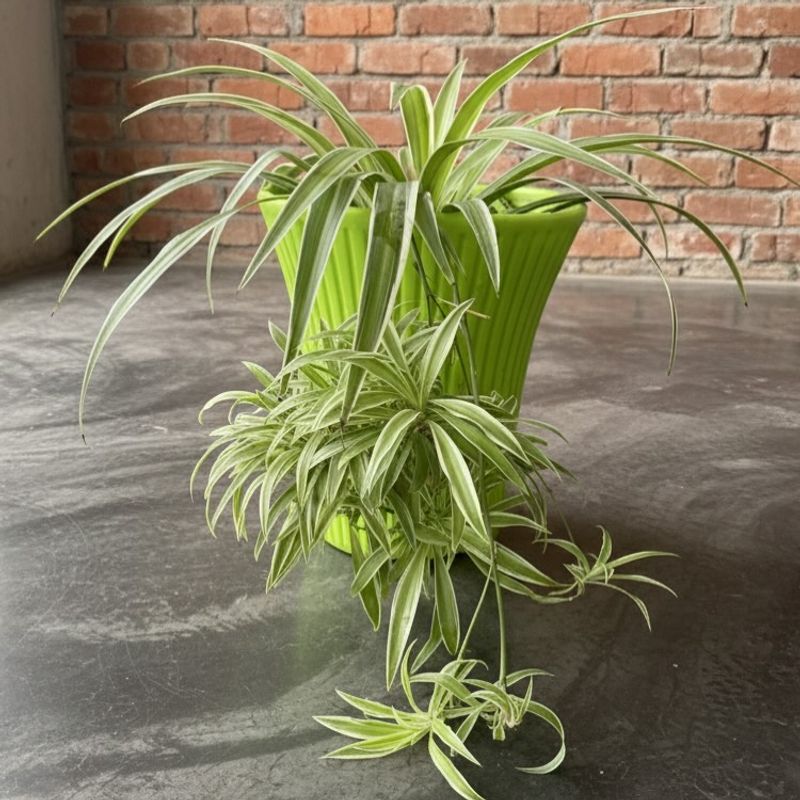
Few plants reward you quite like the spider plant does. Those graceful, arching leaves fountain outward from the center, creating an elegant display that suits any Pennsylvania home style. But the real magic happens when it starts producing babies.
Tiny plantlets dangle from long stems like little spiders on silk threads, hence the charming name. Each baby plant can be potted separately or left hanging for a fuller look. Growth happens remarkably fast, with new leaves unfurling weekly during peak season.
Pennsylvania’s variable indoor temperatures don’t bother this adaptable grower. It handles everything from cool basements to warm kitchens without missing a beat.
The striped varieties add visual interest with their creamy white edges contrasting against vibrant green centers.
Watering needs stay moderate and flexible. Spider plants store moisture in their thick roots, so occasional missed waterings won’t cause problems.
They actually prefer drying out slightly between drinks. Brown leaf tips sometimes appear in Pennsylvania homes due to tap water chemicals, but switching to filtered water solves this easily.
These plants grow equally well in hanging baskets or tabletop pots. Many residents across the state keep multiple generations, starting with one plant and ending up with dozens to share.
The air-purifying qualities make them especially popular in bedrooms and home offices throughout Pennsylvania communities.
3. Snake Plant (Sansevieria Trifasciata)
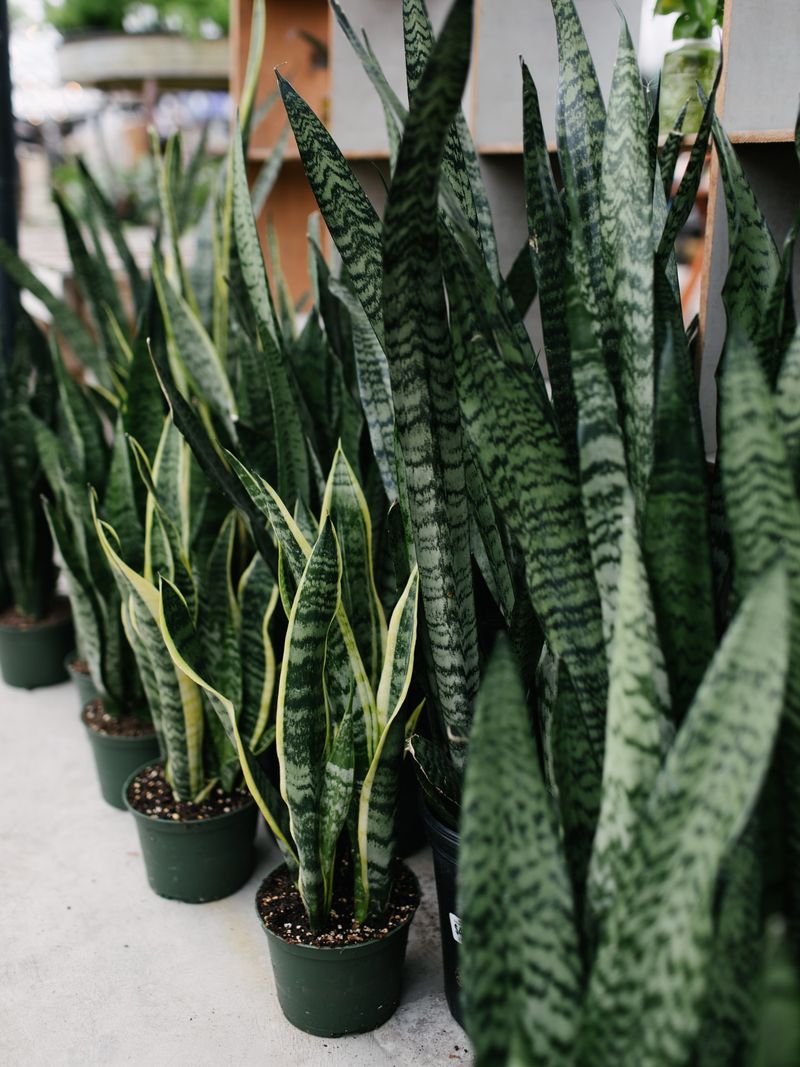
Practically indestructible, the snake plant stands tall as Pennsylvania’s favorite plant for forgetful waterers. Those striking, upright leaves grow steadily skyward, adding architectural interest to any room.
Some varieties feature bold yellow edges, while others show silvery-green patterns that catch the light beautifully.
Growth happens slowly but surely, with new shoots emerging from the soil every few months. A small plant purchased in spring can double in size by the following year.
The vertical growth pattern makes it perfect for tight spaces in Pennsylvania apartments where floor space is precious.
This plant thrives on neglect better than attention. Overwatering causes more problems than underwatering ever could.
Many Pennsylvania residents water their snake plants only once a month during winter and twice monthly in summer. The thick leaves store plenty of moisture, so the plant never looks stressed between waterings.
Low light tolerance sets this plant apart from most others. It grows in bright indirect light but also tolerates darker corners that would spell doom for other species.
Basement offices and windowless bathrooms throughout Pennsylvania homes often feature snake plants for exactly this reason.
Temperature fluctuations don’t faze it either. The sturdy leaves handle everything Pennsylvania’s seasons throw at them, from dry winter air to humid summer conditions.
Propagation happens easily through leaf cuttings or division, making it simple to expand your collection or share with fellow plant enthusiasts across the state.
4. Philodendron Heartleaf (Philodendron Hederaceum)
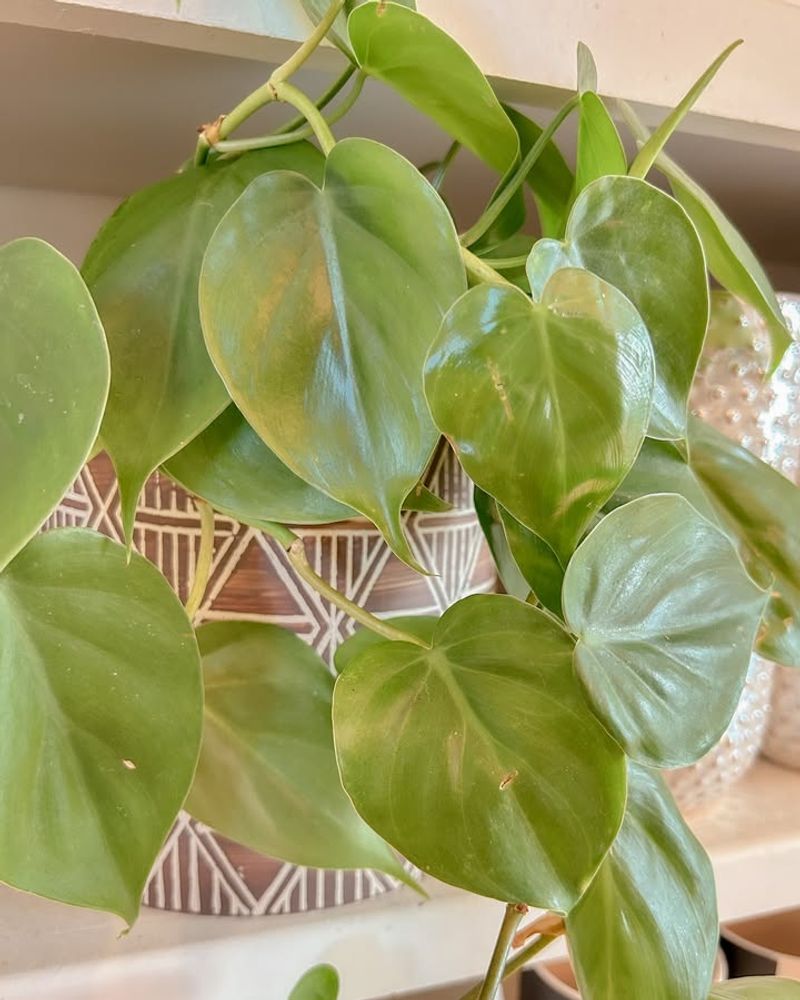
Glossy, perfect hearts dangle from every vine of this Pennsylvania favorite. The heartleaf philodendron earns its name honestly, with each leaf shaped like a valentine.
New growth emerges in a lighter shade before darkening to deep, rich green.
Vines extend rapidly, sometimes growing several feet in a single growing season. Pennsylvania plant owners often train them up moss poles, across walls, or let them trail freely from high shelves.
The versatility makes it suitable for any decorating style from modern to traditional. Caring for this beauty requires minimal effort. Water when the top inch of soil feels dry, and it responds with vigorous new growth.
The plant communicates its needs clearly through slightly drooping leaves when thirsty. Within hours of watering, those same leaves perk right back up.
Indoor Pennsylvania conditions suit this plant perfectly. It handles the dry winter air better than many tropical species while appreciating the naturally higher humidity during summer months.
Medium to bright indirect light produces the fastest growth, but it tolerates lower light reasonably well.
Propagation couldn’t be simpler. Snip a stem just below a node, stick it in water, and roots appear within weeks.
Many Pennsylvania residents keep jars of rooting cuttings on kitchen windowsills, creating new plants to fill their homes or gift to neighbors.
The plant rarely faces pest problems and bounces back quickly from any care mistakes, making it ideal for beginners throughout the state.
5. Chinese Evergreen (Aglaonema)
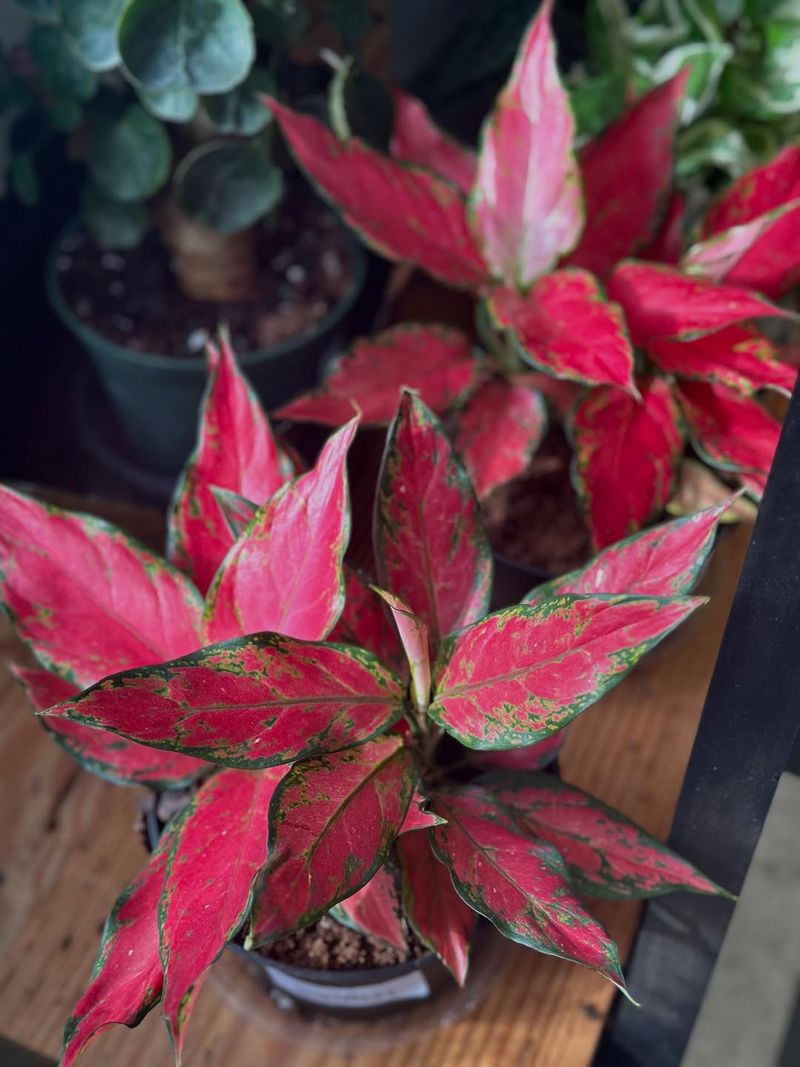
Stunning leaf patterns make the Chinese evergreen a showstopper in Pennsylvania homes. Silvery streaks, pink splashes, or red edges adorn the broad leaves depending on the variety you choose.
Each leaf unfurls like a work of art, revealing new colors and patterns as it matures.
Growth stays steady and reliable throughout the year. New leaves emerge from the center regularly, creating a full, bushy appearance.
Unlike vining plants, this one grows upright and compact, making it perfect for desks, tables, and countertops across Pennsylvania.
Low light tolerance ranks among the best of any houseplant. Offices without windows, dim hallways, and shaded corners all work well for Chinese evergreens.
They actually prefer less light than many other species, making them ideal for Pennsylvania homes with northern exposures.
Watering requirements stay flexible and forgiving. The plant tolerates both slight underwatering and occasional overwatering better than most tropicals.
Simply water when the top two inches of soil feel dry, and it thrives. Pennsylvania’s indoor humidity levels suit it perfectly year-round.
Temperature stability matters less to this plant than many others. It handles the temperature swings between heated winter rooms and air-conditioned summer spaces without complaint.
Varieties with pink or red coloring have become especially popular in Pennsylvania lately, adding vibrant color to indoor spaces. The plant rarely needs repotting and grows slowly enough that one pot lasts for years, making it economical as well as beautiful.
6. Rubber Plant (Ficus Elastica)
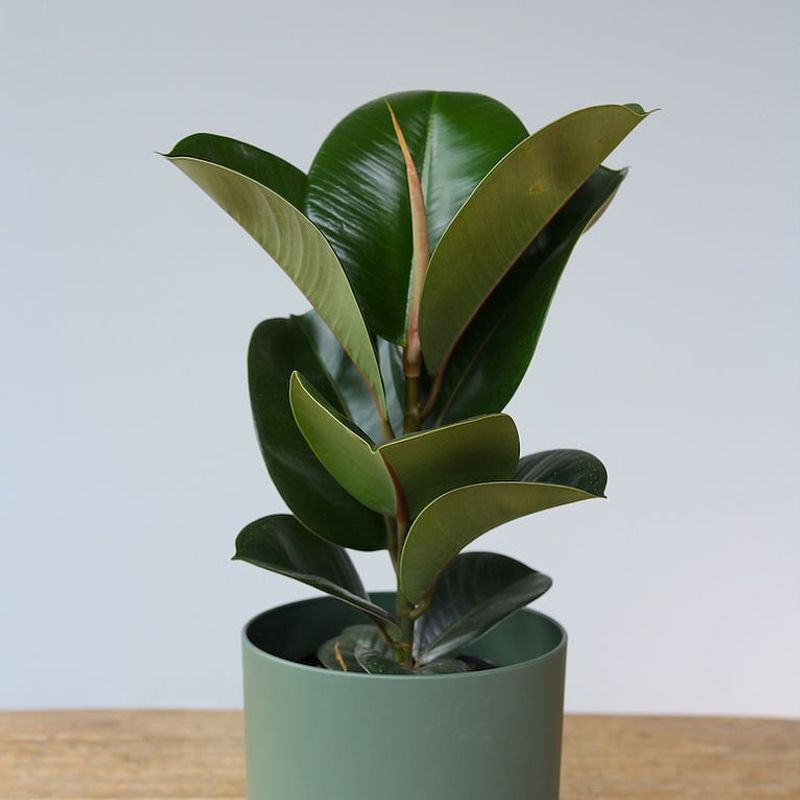
Bold and beautiful, the rubber plant makes a statement in any Pennsylvania room. Those enormous, glossy leaves shine like they’ve been polished, reflecting light beautifully.
Each leaf can grow as large as a dinner plate, creating dramatic visual impact with minimal plant count.
Upward growth happens consistently, with new leaves emerging from the top of the plant regularly. A small rubber plant can reach several feet tall within two years under good conditions.
The vertical growth pattern works perfectly in Pennsylvania homes where floor space is limited but ceiling height is generous.
Burgundy varieties have gained popularity recently, offering deep, wine-colored leaves that add sophistication to any decor. The traditional green variety remains a classic choice, with its deep emerald tones bringing life to neutral color schemes throughout the state.
Care requirements stay straightforward and manageable. Water thoroughly when the top few inches of soil dry out, then let it drain completely.
Rubber plants dislike sitting in water but appreciate consistent moisture during growing season. Bright indirect light produces the fastest growth and most vibrant leaf color.
Pennsylvania’s indoor conditions suit this plant well. It tolerates the dry winter air better than many tropical species while enjoying the natural humidity increase during summer.
Wiping the large leaves with a damp cloth every few weeks keeps them glossy and helps the plant photosynthesize efficiently.
The plant rarely faces serious pest issues and grows reliably year after year, becoming a long-term companion for Pennsylvania plant enthusiasts.
7. Monstera Deliciosa (Swiss Cheese Plant)
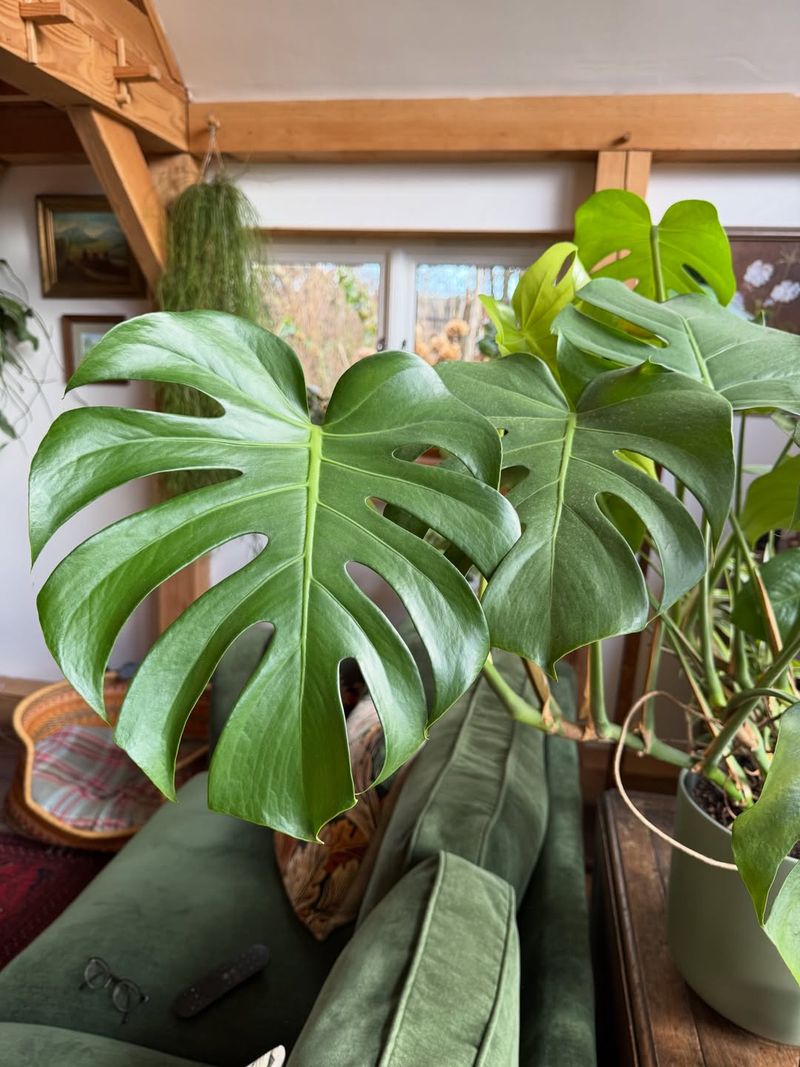
Instagram-famous and Pennsylvania-approved, the monstera brings tropical vibes to homes across the state.
Those iconic split leaves develop as the plant matures, starting solid and gradually developing holes and splits. Watching the transformation happen feels like witnessing a natural miracle.
New leaves emerge rolled tight, then unfurl over several days to reveal their final size and shape. Growth can be explosive during summer months, with large plants adding a new leaf weekly.
The dramatic foliage creates instant jungle atmosphere in living rooms and bedrooms throughout Pennsylvania.
Climbing tendencies make this plant versatile for different display options. Provide a moss pole and it climbs upward, or let it trail and sprawl naturally.
Many Pennsylvania residents train their monsteras up walls or along shelves, creating living art installations.
Watering needs stay moderate and predictable. Let the soil dry out partially between waterings, then water thoroughly until it drains from the bottom.
The plant signals thirst through slightly drooping leaves, making it easy to know when it needs a drink. Bright indirect light produces the largest leaves with the most dramatic splits.
Pennsylvania’s climate variations don’t stress this adaptable plant. It handles dry winter heating surprisingly well, though it appreciates occasional misting.
The thick, waxy leaves resist most pests and diseases. Propagation through stem cuttings has become a popular hobby among Pennsylvania plant collectors, with rooted cuttings frequently traded and sold at local plant swaps across the state.
8. ZZ Plant (Zamioculcas Zamiifolia)
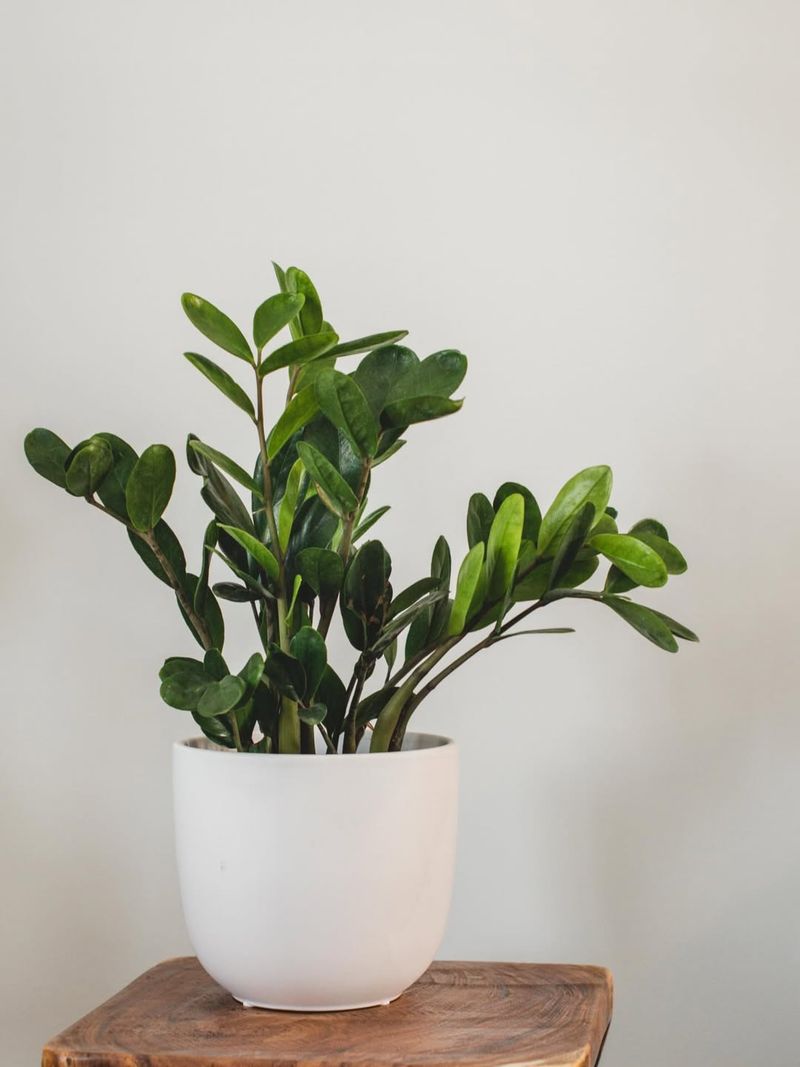
Nearly impossible to harm, the ZZ plant wins awards for toughness among Pennsylvania plant owners. Thick, glossy leaflets line upright stems that emerge directly from underground rhizomes.
The plant looks polished and professional, making it popular in both homes and offices across the state.
Growth happens in spurts rather than continuously. New stems shoot up from the soil every few months, fully formed and ready to shine.
Once established, the plant fills out beautifully, creating a full, lush appearance without requiring any pruning or shaping.
Extreme drought tolerance sets this plant apart. The rhizomes store water like underground reservoirs, allowing the plant to survive weeks without watering.
Many Pennsylvania residents who travel frequently choose ZZ plants because they handle neglect better than almost any other species. Overwatering causes more problems than underwatering ever could.
Low light conditions barely slow this plant down. It grows in everything from bright indirect light to dim corners that receive minimal natural light.
Pennsylvania basement apartments and interior offices both work perfectly for ZZ plants. The glossy leaves reflect available light, making spaces feel brighter.
Temperature and humidity fluctuations don’t affect it noticeably. Pennsylvania’s seasonal changes from heated winter air to humid summer conditions pass without causing stress.
The plant rarely attracts pests and resists most common plant diseases. A raven variety with near-black leaves has recently captured attention in Pennsylvania plant shops, offering dramatic color for modern decor schemes throughout the state.
9. English Ivy (Hedera Helix)
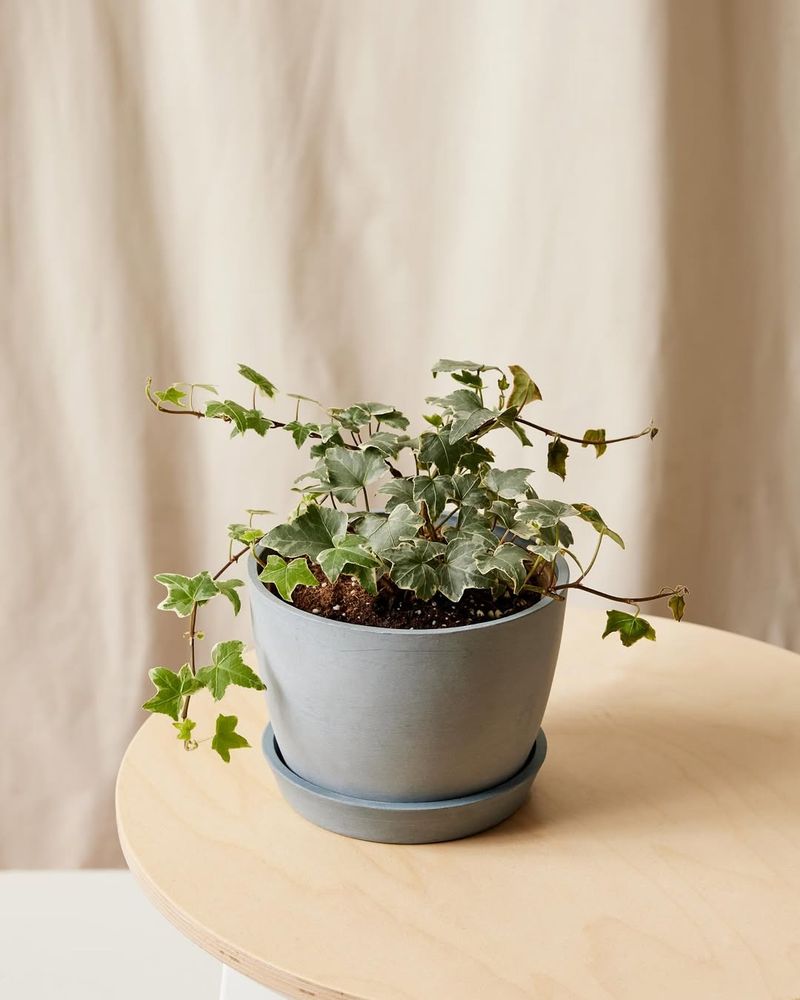
Classic and charming, English ivy brings outdoor elegance inside Pennsylvania homes. The small, lobed leaves create delicate cascades that soften hard edges and add movement to static spaces.
Variegated varieties offer cream and green patterns that brighten darker corners beautifully.
Vigorous growth makes this plant exciting to watch. Vines can extend several inches weekly during peak growing season.
Pennsylvania plant lovers often start with a small pot and end up with vines trailing several feet within months. The fast growth satisfies the desire to see quick results.
Training options multiply with this versatile grower. Let it trail from hanging baskets, train it up a trellis, or encourage it to climb a moss pole.
Some Pennsylvania residents even grow it as a living curtain, training vines across tension wires near windows. The possibilities feel endless.
Cool temperatures suit ivy better than warmth. Pennsylvania’s naturally cooler winter indoor temperatures make it happier than homes in warmer states.
It actually struggles in excessive heat, making the state’s climate ideal. Bright indirect light produces the fullest growth and most vibrant leaf color.
Moisture needs stay consistent but moderate. The plant prefers evenly moist soil without becoming waterlogged.
Pennsylvania’s naturally higher humidity during summer months benefits ivy, though it handles dry winter air reasonably well with occasional misting. Watch for spider mites in dry conditions and treat promptly if spotted.
Propagation happens easily through stem cuttings, allowing Pennsylvania residents to multiply their collection or share with friends throughout local communities.
10. Dracaena (Dracaena Marginata)
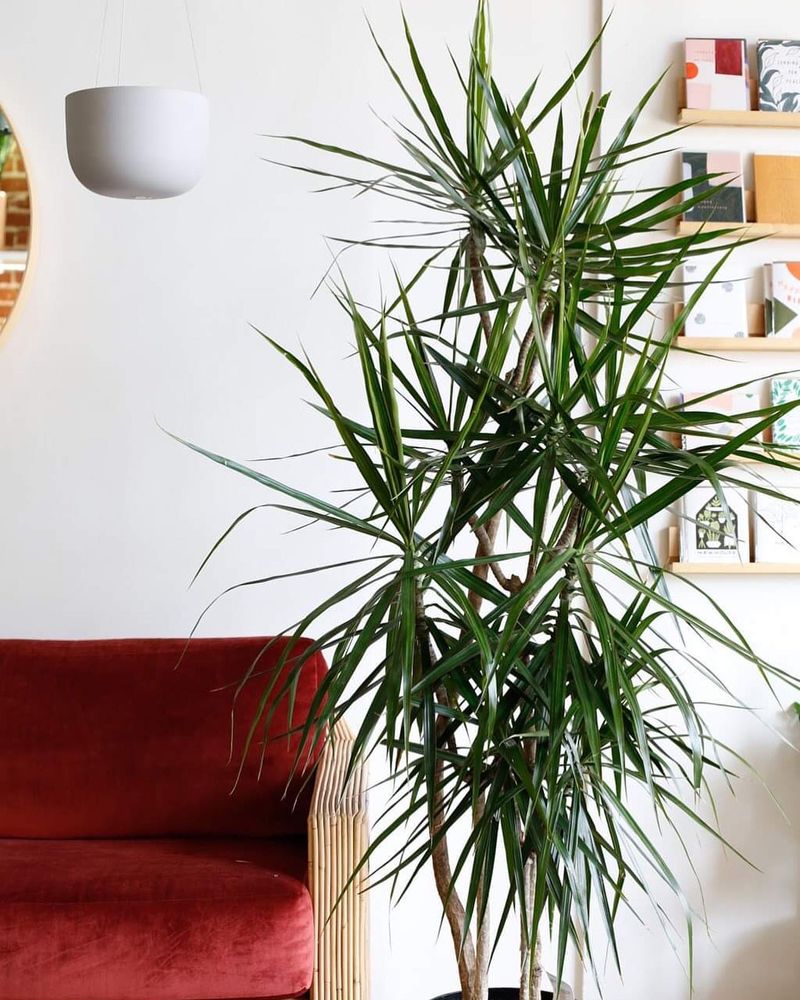
Architectural and striking, the dracaena adds vertical interest to Pennsylvania interiors. Spiky leaves crown tall, woody stems that develop character as they mature.
The plant naturally grows in a tree-like form, creating a sculptural presence that anchors room designs beautifully.
Multiple varieties offer different looks for different tastes. The marginata features thin leaves edged in red, while the lemon-lime variety sports bright yellow and green stripes.
All varieties grow steadily upward, with new leaves emerging from the crown regularly. Lower leaves naturally yellow and drop as the plant matures, creating the distinctive bare trunk appearance.
Low maintenance requirements make this plant perfect for busy Pennsylvanians. Water when the top half of the soil dries out, usually every week or two.
The plant tolerates underwatering far better than overwatering. Fluoride sensitivity means using filtered or distilled water prevents brown leaf tips, a common issue with Pennsylvania tap water.
Medium light conditions produce the best growth. The plant tolerates lower light but grows more slowly.
Avoid direct sun, which can scorch the leaves. Pennsylvania homes with east or north-facing windows provide ideal conditions.
The plant handles dry air well, making it suitable for winter heating conditions throughout the state.
Height potential reaches impressive levels over time. A young plant can grow several feet tall within a few years, eventually reaching six feet or more.
This makes dracaenas popular statement plants for Pennsylvania living rooms, entryways, and offices where dramatic height creates impact without requiring excessive floor space.