10 Low Maintenance Garden Ideas For Busy Homeowners In North Carolina
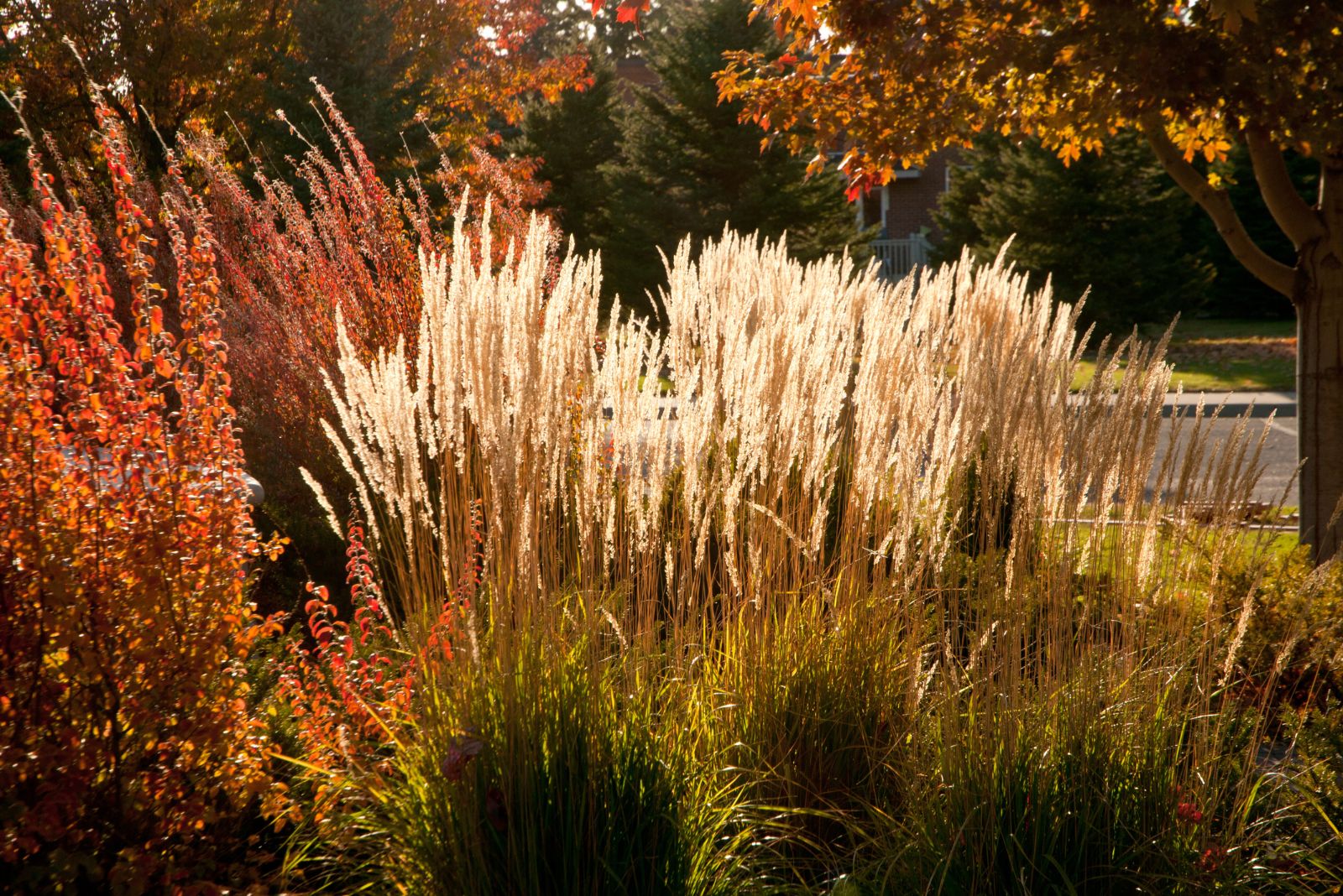
North Carolina homeowners juggle full calendars, shifting weather, and yards that grow like they mean it.
Between humid summers and sudden storms, high-effort gardens can feel like a second job.
Smart design changes the game.
With the right approach, a landscape can look polished without constant trimming, watering, or worry.
Think plants that handle heat with grit, layouts that forgive missed weekends, and features that age well on their own.
Less work does not mean dull or bare. It means choices that respect time, budget, and sanity.
A low-maintenance garden keeps curb appeal steady while freeing evenings and weekends for better plans.
When a yard works with the climate instead of against it, upkeep fades into the background and enjoyment takes center stage.
1. Native Perennial Plants

Native perennials are the backbone of any low-effort North Carolina garden because they evolved right here alongside our local climate and soil conditions.
Plants like coneflowers, black-eyed Susans, and Carolina jessamine already know how to handle our hot summers and occasional droughts.
Once you get them established in your beds, they come back year after year without replanting, which saves you both money and weekend hours.
These tough plants resist local pests and diseases far better than exotic species that struggle in unfamiliar territory.
You won’t need to spray chemicals or fuss with special fertilizers because native plants thrive in ordinary North Carolina soil.
Many native perennials also attract butterflies, bees, and hummingbirds, turning your yard into a wildlife haven without extra work on your part.
Group several species together for a naturalized look that feels intentional rather than neglected during busy weeks.
Spring planting gives roots time to establish before summer heat arrives, and a good layer of mulch helps retain moisture during dry spells.
Within two growing seasons, your native perennial beds will fill in beautifully and require nothing more than occasional deadheading if you feel ambitious.
This approach creates maximum visual impact with minimum ongoing maintenance throughout the year.
2. Mulched Garden Beds
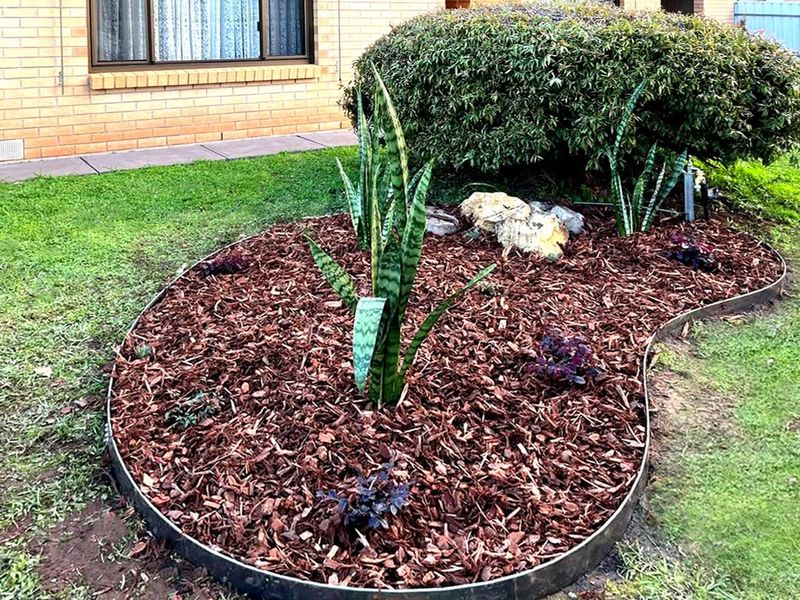
A thick blanket of quality mulch might be the single most powerful time-saving tool available to North Carolina gardeners.
Spreading three to four inches of hardwood mulch or pine straw across your beds blocks sunlight from reaching weed seeds below.
This simple barrier dramatically reduces the number of weeds that sprout, which means you spend far less time bent over pulling unwanted plants.
Mulch also helps soil retain moisture during our occasional dry periods, so you water less frequently while plants stay healthier.
As organic mulches break down slowly over time, they actually improve your soil structure and add nutrients without any effort from you.
Choose darker mulches like aged hardwood if you prefer a formal appearance, or go with pine straw for a more natural woodland aesthetic.
Apply fresh mulch once each spring to maintain that weed-blocking depth as the old layer decomposes into the soil below.
Keep mulch pulled back a few inches from plant stems and tree trunks to prevent moisture problems and pest issues.
The initial investment in mulch pays dividends throughout the growing season by cutting your garden maintenance time nearly in half.
Your beds will look professionally maintained even when you haven’t touched them in weeks.
3. Drip Irrigation Systems
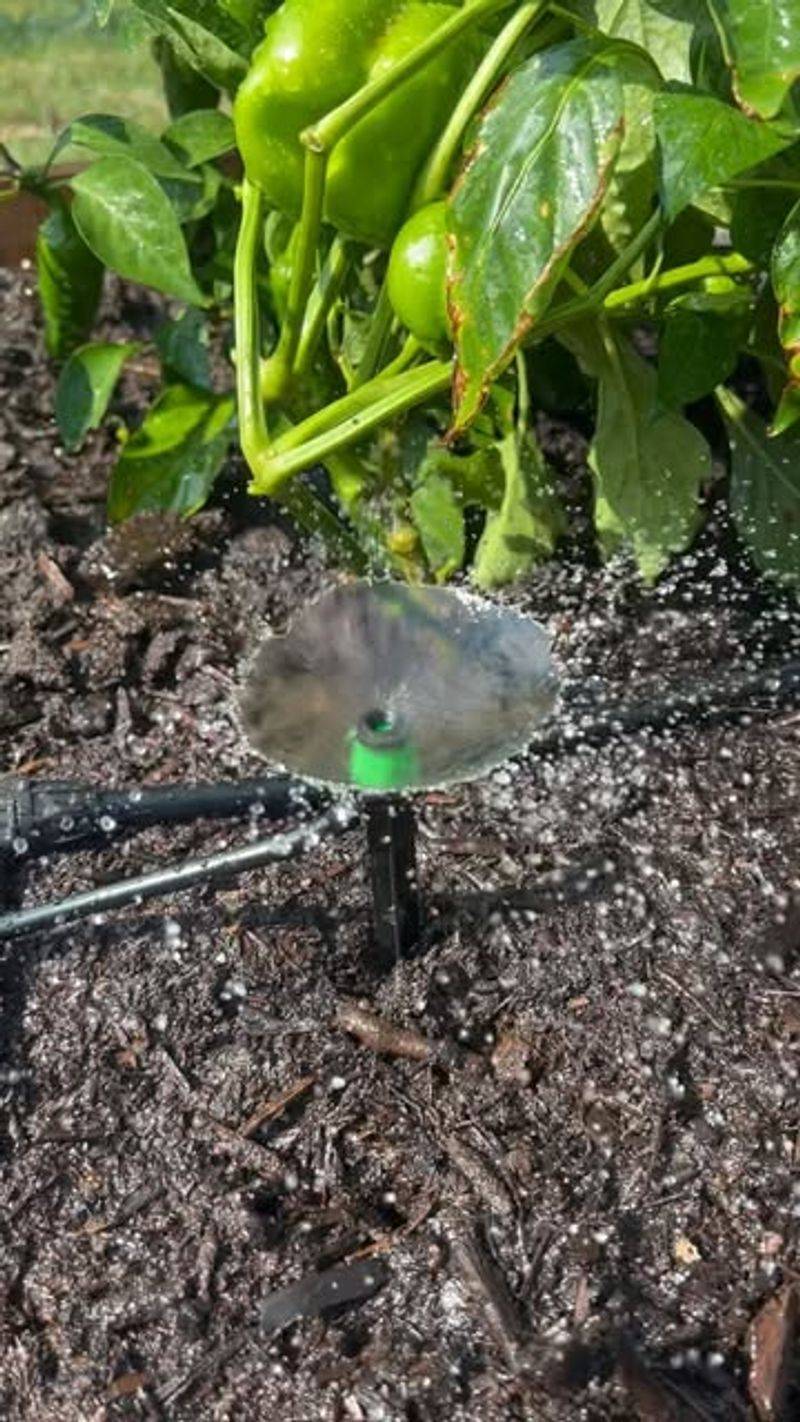
Automatic drip irrigation eliminates the most time-consuming garden chore by delivering water directly to plant roots on a preset schedule.
You simply set a timer, and the system handles watering even when you’re at work, on vacation, or too busy to think about your garden.
Drip lines place moisture exactly where plants need it rather than wasting water on pathways or areas between plants.
This targeted approach uses up to fifty percent less water than traditional sprinklers while keeping plants healthier through consistent moisture levels.
Installation is surprisingly straightforward for homeowners willing to spend one weekend setting up the system using kits available at garden centers.
You can customize the layout to match your specific bed shapes and adjust individual emitters for plants with different water requirements.
North Carolina’s summer thunderstorms provide plenty of natural irrigation, so you can add a rain sensor that pauses the system when nature does the work.
Once installed, drip irrigation requires minimal maintenance beyond occasional checks to ensure emitters haven’t clogged with soil particles.
The system pays for itself within a few seasons through water savings and healthier plants that don’t suffer from inconsistent watering.
You’ll never again rush home on hot afternoons worried about wilting flowers or vegetables.
4. Ornamental Grasses
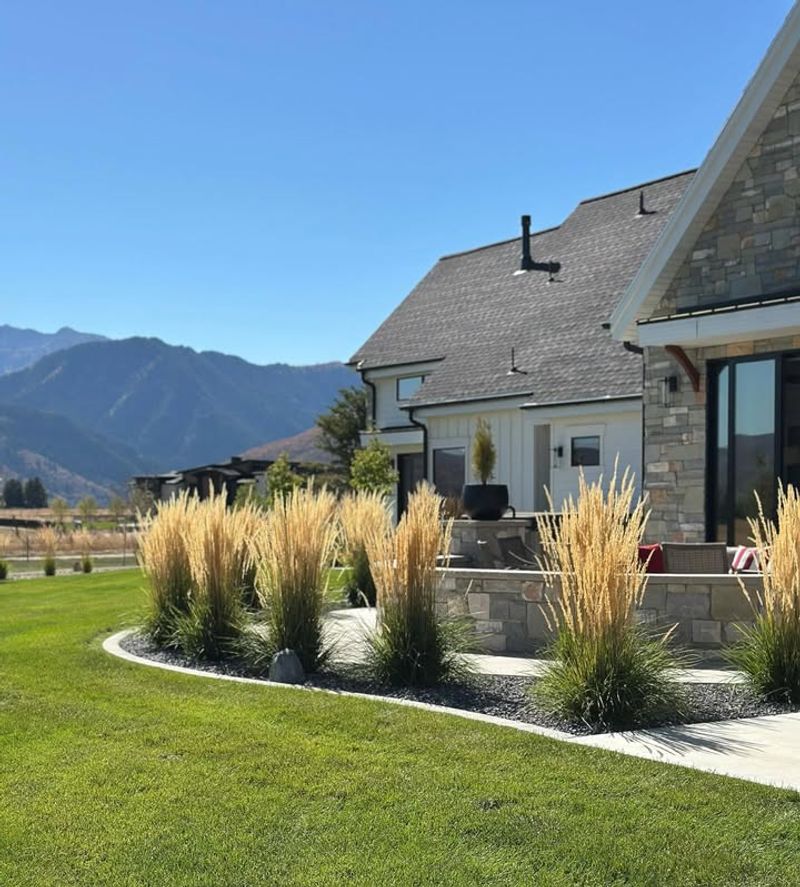
Ornamental grasses bring movement, texture, and year-round interest to North Carolina gardens while demanding almost nothing from busy homeowners.
Varieties like maiden grass, muhly grass, and fountain grass tolerate our climate extremes without special care or constant attention.
These graceful plants need watering only during establishment and then survive on rainfall alone once their roots reach deep into the soil.
Grasses rarely suffer from pest problems or diseases, so you skip the spraying and troubleshooting that other plants sometimes require.
Their flowing seed heads and autumn colors provide visual interest from spring through winter, giving you four seasons of beauty from one planting.
Most ornamental grasses need just one annual cutback in late winter before new growth emerges, making them incredibly low-effort additions.
Use taller varieties as natural privacy screens or focal points, while shorter types work beautifully as border plants or mass plantings.
The rustling sound of grass blades in the breeze adds a peaceful, sensory dimension to your outdoor space without any work required.
Grasses also provide winter habitat and food sources for birds, enhancing your yard’s ecosystem effortlessly.
Combining several varieties with different heights and textures creates sophisticated designs that look intentional and professionally planned.
5. Raised Bed Vegetable Gardens
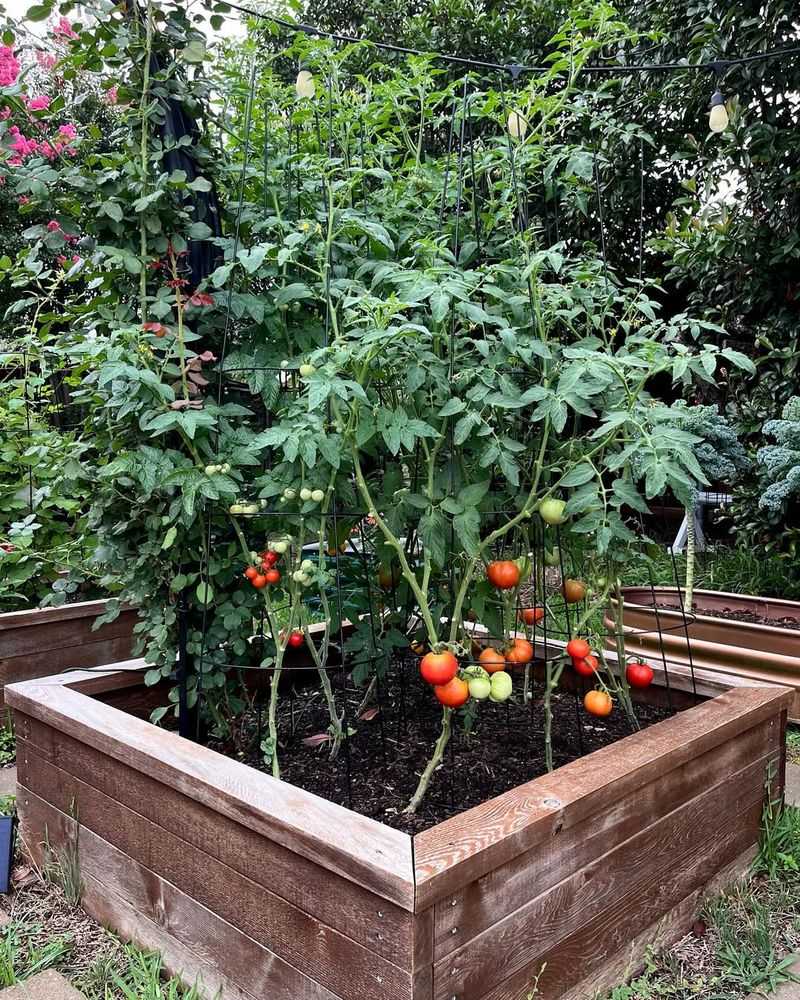
Raised beds transform vegetable gardening from a labor-intensive project into a manageable hobby that fits busy schedules perfectly.
Building beds about two feet high puts plants at a comfortable working height that saves your back during planting and harvesting.
You fill raised beds with quality soil mix rather than amending existing ground, which eliminates the hardest part of starting a traditional garden.
The contained space makes weeding quick and easy since you can reach every spot without stepping on growing areas or compacting soil.
Raised beds drain better than ground-level gardens, which matters during North Carolina’s heavy spring rains that can waterlog traditional plots.
The improved drainage and soil quality mean plants grow faster and produce more vegetables from the same square footage.
You can add simple covers or hoops to extend your growing season without building a full greenhouse structure.
Pathways between beds stay clean and mud-free when covered with mulch or gravel, keeping garden time pleasant rather than messy.
Focus on easy crops like tomatoes, peppers, lettuce, and herbs that provide big harvests with minimal fussing.
A few well-maintained raised beds produce enough fresh vegetables to make a real difference in your grocery budget and meal quality.
6. Evergreen Shrubs
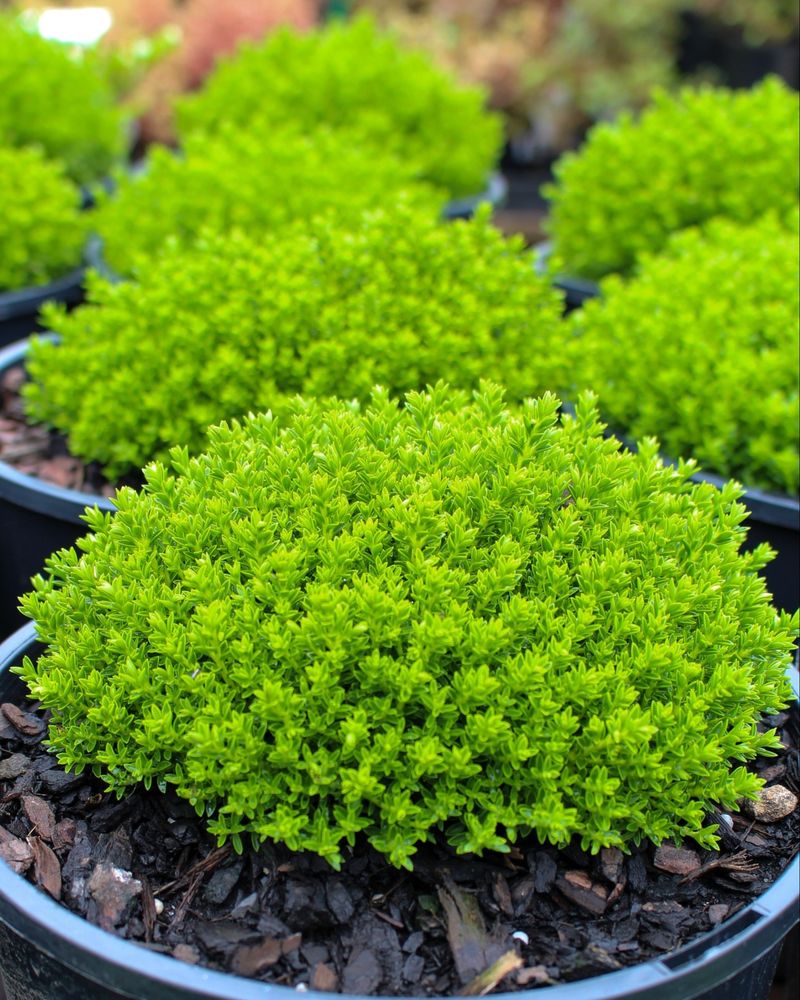
Evergreen shrubs form the reliable backbone of low-maintenance North Carolina landscapes by providing structure and color every single day of the year.
Unlike perennials that disappear in winter or annuals that need replanting, evergreens keep your yard looking finished through all seasons.
Varieties like boxwood, holly, and azaleas handle North Carolina conditions beautifully and need pruning just once or twice annually to maintain their shape.
These dependable plants screen unsightly views, define garden spaces, and create privacy without the constant care that fences require.
Evergreens also provide essential winter habitat for birds and beneficial insects that help control garden pests during growing season.
Choose native or well-adapted varieties that match your light conditions rather than fighting to grow plants in wrong locations.
Proper placement at planting time means shrubs grow to their natural size without constant shearing to keep them from overtaking spaces.
A spring application of slow-release fertilizer and a fresh mulch layer provides all the care most evergreens need for the entire year.
Mixing different evergreen textures and shades of green creates depth and interest without adding any maintenance time.
These permanent plantings increase your property value while decreasing the hours you spend maintaining your landscape each month.
7. Ground Cover Plants
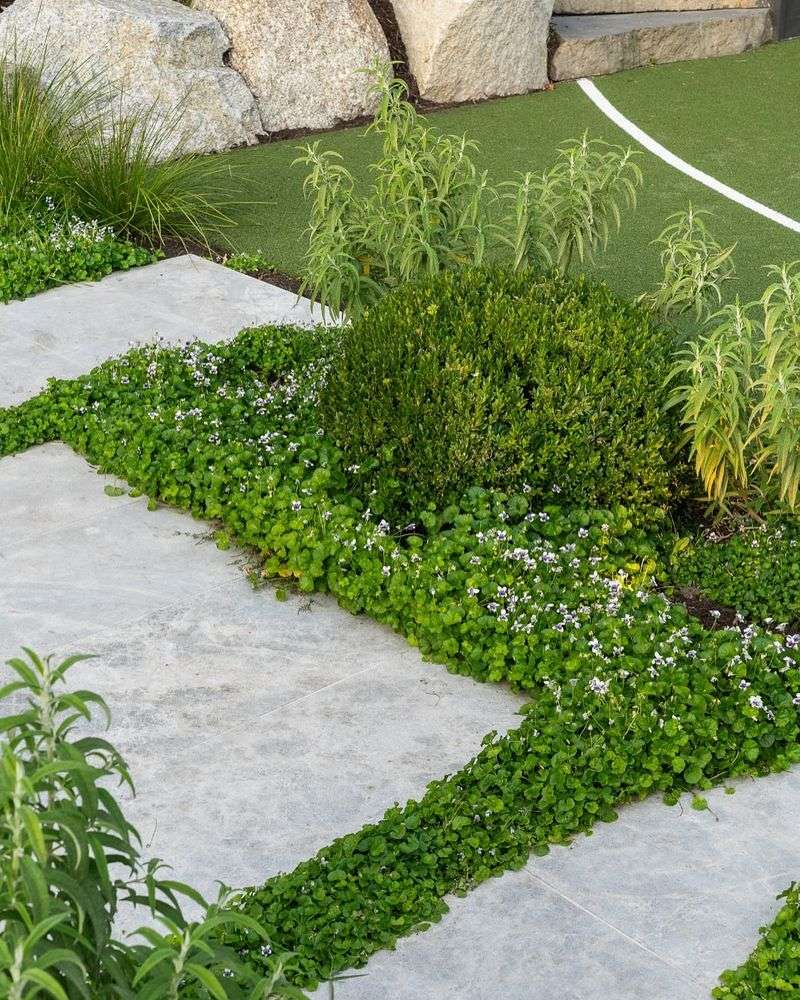
Ground covers solve multiple landscaping problems at once by filling spaces with attractive foliage that chokes out weeds naturally.
Plants like liriope, creeping phlox, and ajuga spread horizontally to create living carpets that require far less maintenance than grass lawns.
These low-growing plants work especially well on slopes or shady areas where grass struggles and mowing becomes dangerous or difficult.
Once established, ground covers form dense mats that prevent weed seeds from germinating, which dramatically reduces your weeding time.
Many varieties bloom seasonally, adding color without the deadheading and care that traditional flower beds demand from busy gardeners.
Ground covers also prevent soil erosion during heavy rains, protecting your property while creating attractive green spaces.
Choose evergreen types for year-round coverage, or select deciduous varieties that allow spring bulbs to emerge through them for layered interest.
Initial planting requires spacing plants appropriately and keeping them watered during establishment, but patience pays off with years of easy maintenance.
You can walk on many ground covers occasionally without damaging them, making them more forgiving than delicate grass in high-traffic areas.
Replacing lawn areas with appropriate ground covers cuts your mowing time while creating more interesting and diverse landscapes.
8. Container Gardens
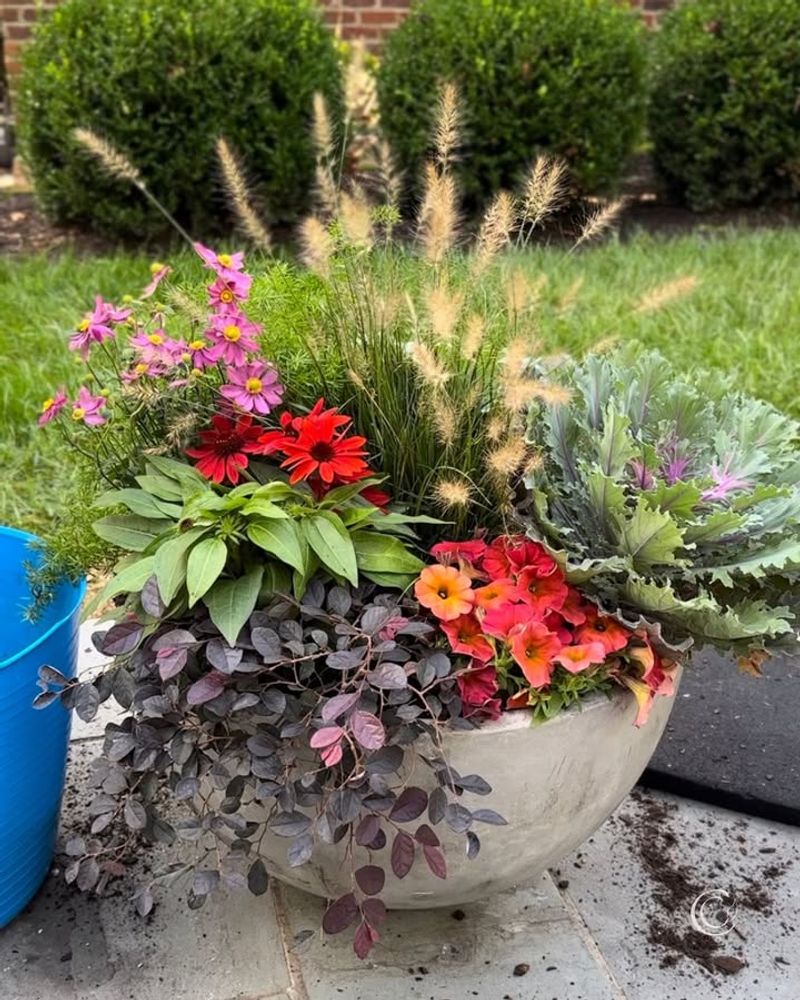
Container gardens bring beauty right to your doorstep, deck, or patio without requiring any digging or bed preparation whatsoever.
Pots allow you to grow plants in exactly the right soil mix for their needs, regardless of what kind of dirt exists in your yard.
You can move containers around to follow the sun, refresh your design, or protect tender plants when occasional freezes threaten North Carolina gardens.
Starting small with just a few pots lets you enjoy gardening without overwhelming your schedule or creating more work than you can handle.
Self-watering containers with built-in reservoirs keep plants hydrated for several days, which works perfectly for busy people or frequent travelers.
Choose larger pots that hold more soil and dry out more slowly than tiny containers that need daily attention during hot weather.
Mixing permanent plants like dwarf evergreens with seasonal flowers gives you flexibility to change looks without replanting everything each year.
Grouping containers in odd numbers creates more visually appealing arrangements that look professionally designed rather than randomly placed.
Quality potting mix formulated for containers provides better drainage and nutrition than garden soil, which means healthier plants with less effort.
Container gardens also eliminate weeding almost entirely since you control exactly what grows in each pot from the beginning.
9. Hardscaping Features
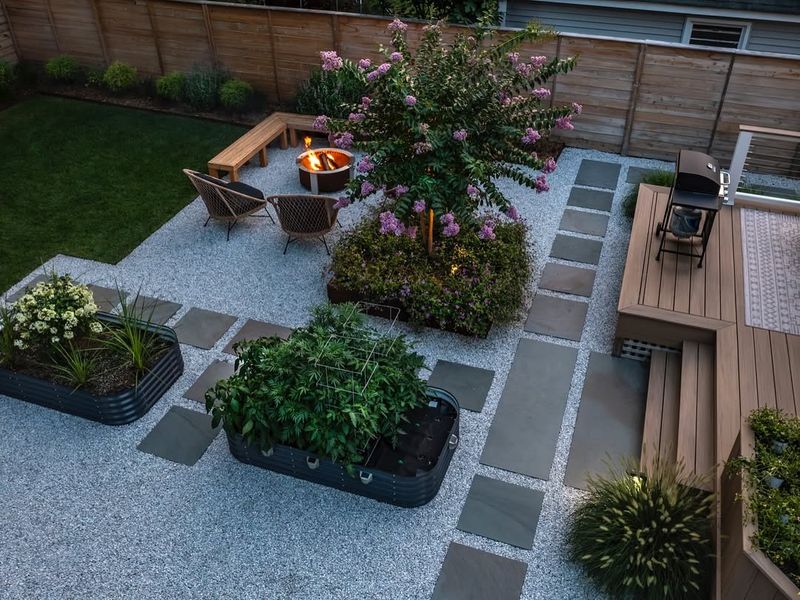
Hardscaping elements like patios, pathways, and decorative stone areas reduce the amount of space that needs planting and maintenance.
A well-designed stone patio creates an outdoor living area that requires nothing more than occasional sweeping throughout the entire year.
Gravel or stone pathways between garden beds stay neat and weed-free with minimal effort compared to grass paths that need constant mowing.
Retaining walls built from stone or block materials solve drainage problems while adding visual interest without any ongoing care requirements.
These permanent features increase your usable outdoor space and property value while simultaneously decreasing your maintenance workload.
Combining hardscaping with strategic plantings creates balanced designs that look complete without covering every inch with high-maintenance flowers or lawn.
Permeable pavers allow rainwater to soak through rather than running off, which benefits your plants while meeting modern environmental concerns.
Initial installation costs for quality hardscaping pay back over years through reduced maintenance expenses and increased enjoyment of outdoor spaces.
You can tackle hardscaping projects in phases, adding features gradually as time and budget allow without creating an unfinished appearance.
These structures look attractive year-round regardless of what plants are doing, giving your landscape consistent appeal through all seasons.
10. Wildflower Meadow Areas
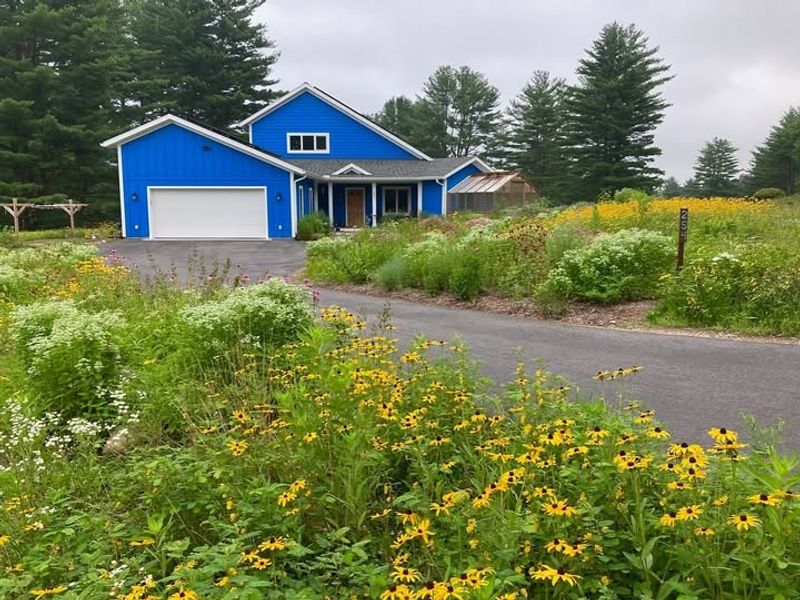
Converting part of your lawn into a wildflower meadow creates stunning seasonal color while dramatically cutting the time you spend mowing and maintaining grass.
Native wildflower mixes suited to North Carolina conditions establish easily and return year after year with minimal intervention from homeowners.
These naturalized areas look intentional rather than neglected when you define clear edges with mowing or border materials that show your design choice.
Wildflower meadows support pollinators like butterflies and native bees, creating important habitat that helps your entire garden ecosystem function better.
You mow meadow areas just once or twice per year rather than weekly, which saves countless hours and eliminates the need for fertilizers or weed control.
Spring and summer blooms provide changing displays of color that rival any high-maintenance flower border without deadheading or constant care.
Meadows work especially well in larger yards where formal landscaping near the house transitions to naturalized areas farther from living spaces.
Initial establishment takes some patience as perennial wildflowers develop root systems during their first season before blooming heavily in subsequent years.
This approach embraces a more relaxed, natural aesthetic that many modern homeowners prefer over rigidly formal landscapes.
Your neighbors might initially question the change, but stunning blooms and visiting wildlife quickly demonstrate the beauty and value of your wildflower meadow.