10 Low-Maintenance Ground Covers That Thrive In Oregon’s Climate
Want a fuller, healthier garden with less work?
Believe it or not, but there is an easy way to achieve this!
Keeping a garden looking good doesn’t always mean spending hours on your hands and knees.
Sometimes, all it takes is the right ground cover to fill in empty spaces, reduce weeds, and make your yard feel polished without constant attention.
I’ve tried a few myself, and the difference is amazing, a little planning now saves a lot of work later.
Oregon’s climate can be tricky, with wet winters and dry summers, but there are plenty of low-maintenance ground covers that actually thrive here.
From evergreen options that stay lush year-round to flowering varieties that add a splash of color, a few smart choices can make your garden look full and healthy with minimal effort.
If you’ve been hoping for a greener, tidier yard without adding endless chores, these ground covers are a perfect place to start.
They’ll help your garden stay vibrant and manageable all season long.
These ground covers can thrive in Oregon while keeping maintenance low.
1. Kinnikinnick (Arctostaphylos uva-ursi)
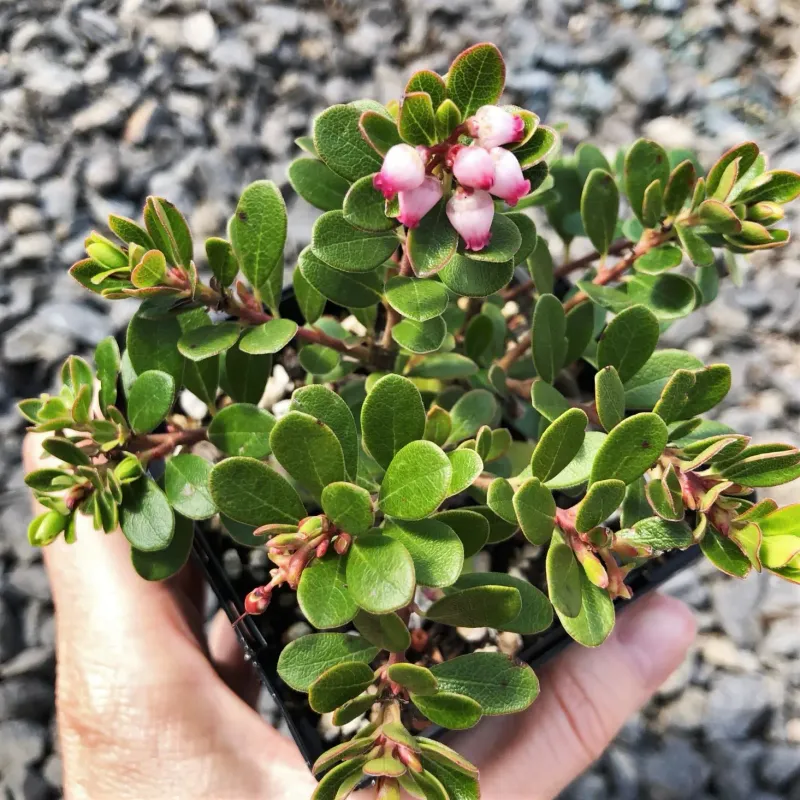
Native to the Pacific Northwest, this evergreen spreads into thick mats that wildlife absolutely love.
Birds feast on the bright red berries while the glossy leaves stay green all year long.
Kinnikinnick handles slopes beautifully where erosion might otherwise wash away topsoil.
Once roots establish themselves, this plant tolerates summer drought remarkably well.
The small pink or white flowers appear in spring, adding delicate beauty to your landscape.
Sandy or rocky soil poses no problem for this tough native species.
Gardeners appreciate how it chokes out weeds without any chemical treatments.
Full sun to partial shade works perfectly, making it adaptable to various garden spots.
Space plants about two feet apart and watch them slowly knit together.
Coastal gardens particularly benefit from its salt tolerance.
The bronze-tinged foliage in winter adds unexpected color when most plants look dull.
Minimal fertilizer and occasional watering during establishment keeps this ground cover thriving for decades.
Native plant enthusiasts prize it for supporting local ecosystems while reducing yard work.
2. Creeping Thyme (Thymus serpyllum)

Walk across this fragrant carpet and your footsteps release a delightful herbal scent that fills the air.
Tiny purple, pink, or white flowers blanket the low foliage each summer, attracting countless pollinators.
This Mediterranean herb adapts surprisingly well to Oregon’s climate despite its exotic origins.
Between pavers and stepping stones, creeping thyme softens hardscapes with living texture.
It withstands light foot traffic better than grass, making pathways more interesting.
Poor soil actually encourages stronger growth and more intense fragrance.
The mat-forming habit stays under three inches tall, never requiring mowing.
Drought tolerance improves each season as roots dig deeper into the ground.
Full sun brings out the best flowering and most compact growth pattern.
Culinary varieties offer bonus herbs for your kitchen when you trim them back.
Winter cold barely bothers this hardy perennial, which returns vigorously each spring.
Deer and rabbits generally avoid it, solving common pest problems naturally.
Established plantings need almost no supplemental water during typical Oregon summers.
3. Oregon Stonecrop (Sedum oreganum)
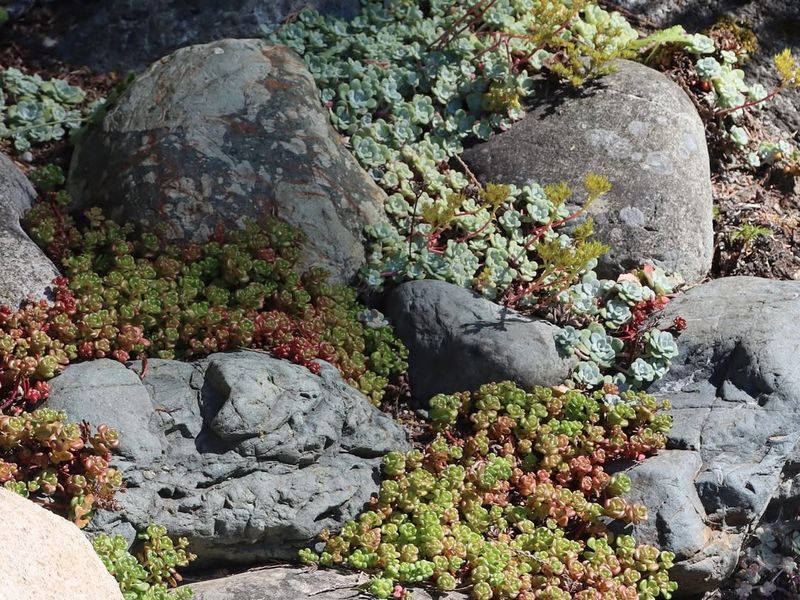
Succulent leaves store water like tiny reservoirs, making this native sedum incredibly drought-resistant.
Bright yellow star-shaped flowers create cheerful displays from late spring through early summer.
Rocky areas where other plants struggle become perfect homes for this adaptable species.
The fleshy foliage turns attractive reddish tones when temperatures drop in autumn.
Shallow roots mean it thrives in spots with minimal soil depth.
Green roofs and living walls benefit from its lightweight, water-wise nature.
Butterflies and bees visit the nectar-rich blooms enthusiastically.
Zero fertilizer requirements make this truly a plant-it-and-forget-it option.
Full sun to partial shade both work well, though flowering improves with more light.
Cuttings root easily if you want to expand your planting without buying more.
The low spreading habit stays under six inches, creating neat living mulch.
Winter wet soil causes no problems since this native evolved with Oregon’s rainy season.
Children find the plump leaves fascinating, making it great for educational gardens.
4. Wild Ginger (Asarum caudatum)
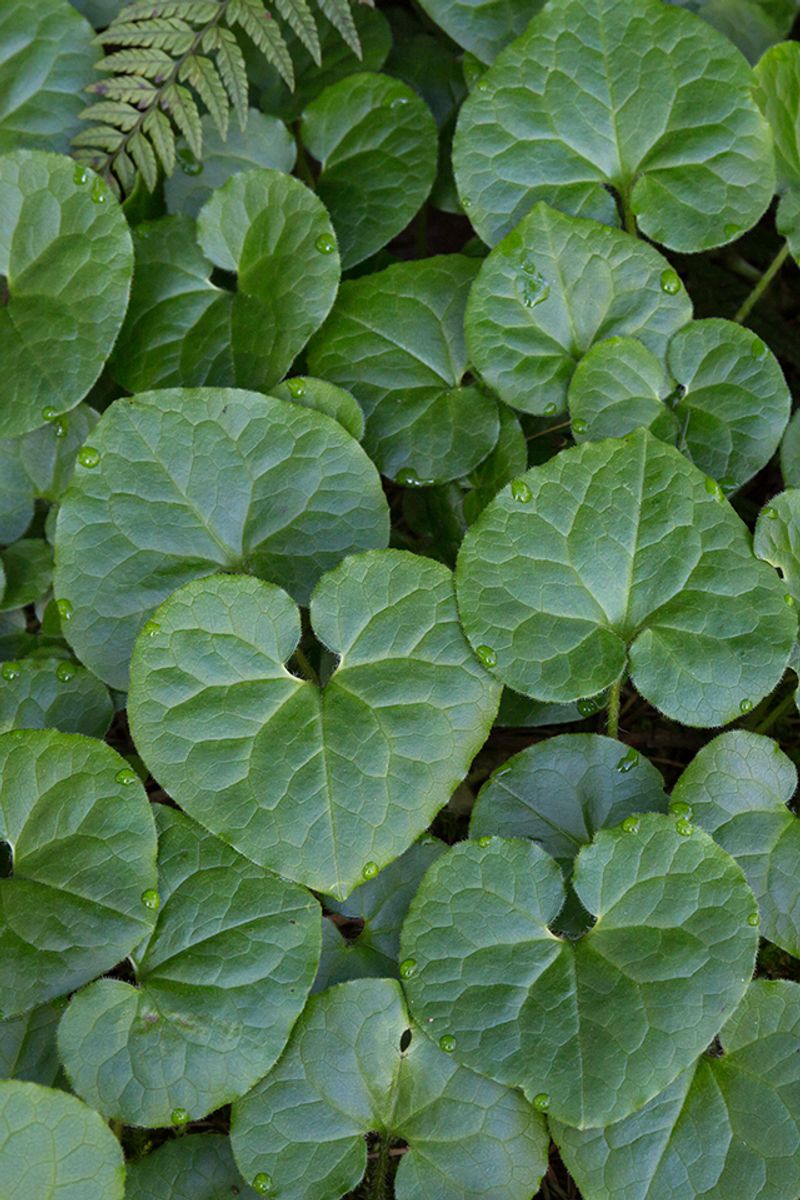
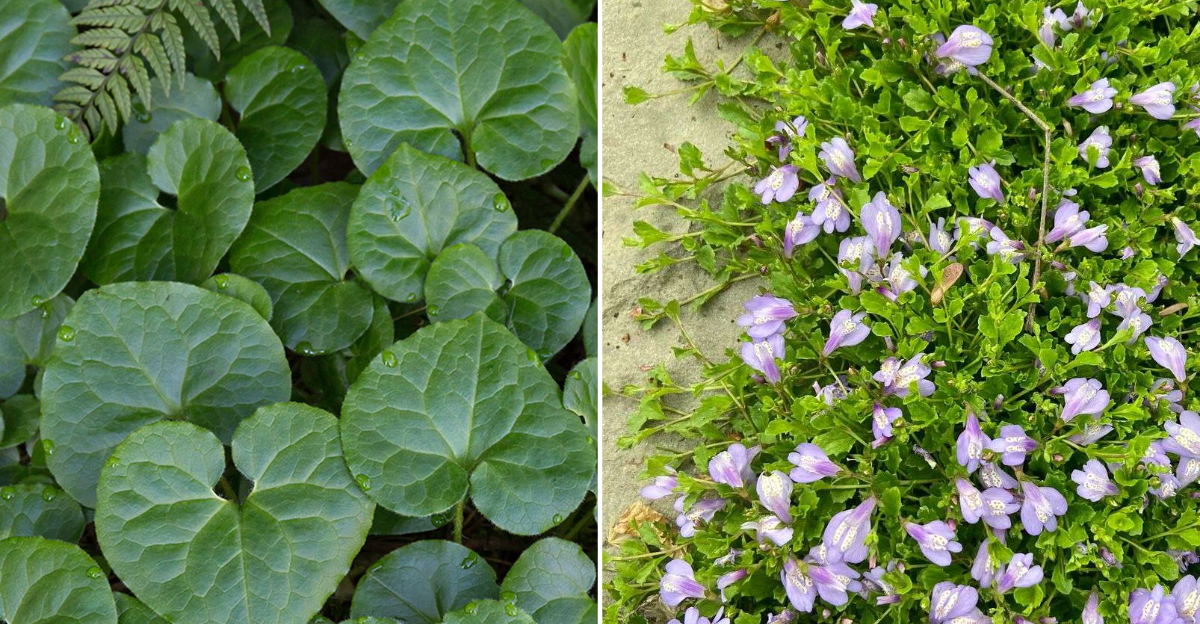
Shade gardens come alive with the heart-shaped leaves that form luxurious green carpets beneath trees.
This Pacific Northwest native thrives where lawn grass struggles in deep shade.
Hidden beneath the foliage, curious maroon flowers bloom close to the ground each spring.
The common name comes from the spicy scent released when you crush the roots.
Moisture-loving nature makes it perfect for those naturally damp spots in your yard.
Evergreen foliage provides year-round interest when deciduous plants go dormant.
Slugs might nibble occasionally, but damage rarely affects the overall health.
Rich, organic soil helps it spread faster, though it tolerates average conditions too.
Woodland gardens gain authentic Pacific Northwest character with this classic native.
The dense growth suppresses weeds effectively without aggressive spreading.
Banana slugs sometimes shelter under the leaves, creating mini wildlife habitats.
Partial to full shade suits it best, avoiding hot afternoon sun exposure.
Established clumps need little attention beyond occasional watering during unusual dry spells.
5. Moss (Various Species)

Velvety green cushions transform shady areas into enchanted spaces that feel ancient and peaceful.
Oregon’s rainy climate naturally encourages moss growth, making it easier than most places.
Multiple native species create different textures from feathery to compact and smooth.
No mowing, no fertilizing, and no watering once established makes moss the ultimate low-maintenance option.
Acidic soil and shade create ideal conditions that already exist in many Oregon yards.
Moss gardens evoke Japanese aesthetics without requiring specialized knowledge.
Footpaths lined with moss feel soft underfoot and stay naturally weed-free.
Between stones and around tree roots, moss fills gaps where nothing else fits.
The year-round green color brightens even the gloomiest winter days.
Transplanting chunks from one area to another spreads coverage quickly.
Compacted soil poses no problem since moss has no roots, just tiny anchoring structures.
Wildlife appreciates the moisture moss retains, supporting small invertebrates and amphibians.
Morning mist and fog naturally water moss lawns throughout much of the year.
6. Sweet Woodruff (Galium odoratum)
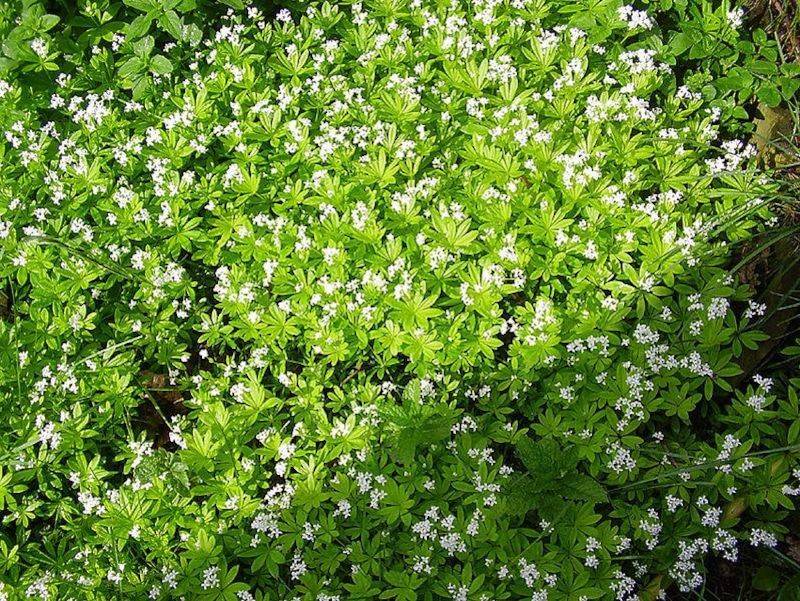
Starry white flowers float above whorled leaves each spring, creating a magical woodland effect.
The dried foliage smells like fresh hay with hints of vanilla, a unique sensory bonus.
Deep shade under evergreens becomes usable garden space with this shade-loving spreader.
Medieval Europeans flavored wine with it, though modern gardeners mainly enjoy its beauty.
The spreading habit fills large areas relatively quickly without becoming invasive.
Deciduous nature means it disappears in winter, allowing spring bulbs to emerge through it.
Moist soil keeps it happiest, though it tolerates brief dry periods once mature.
The fine texture contrasts beautifully with bolder hostas and ferns.
Rabbits and deer rarely bother it, protecting your landscape investment.
Dividing clumps every few years controls spread and provides plants for new areas.
The low height stays under eight inches, maintaining a tidy appearance naturally.
Partial to full shade works best, avoiding hot direct sunlight.
Established patches need virtually no care beyond occasional watering in unusual heat waves.
7. Corsican Mint (Mentha requienii)
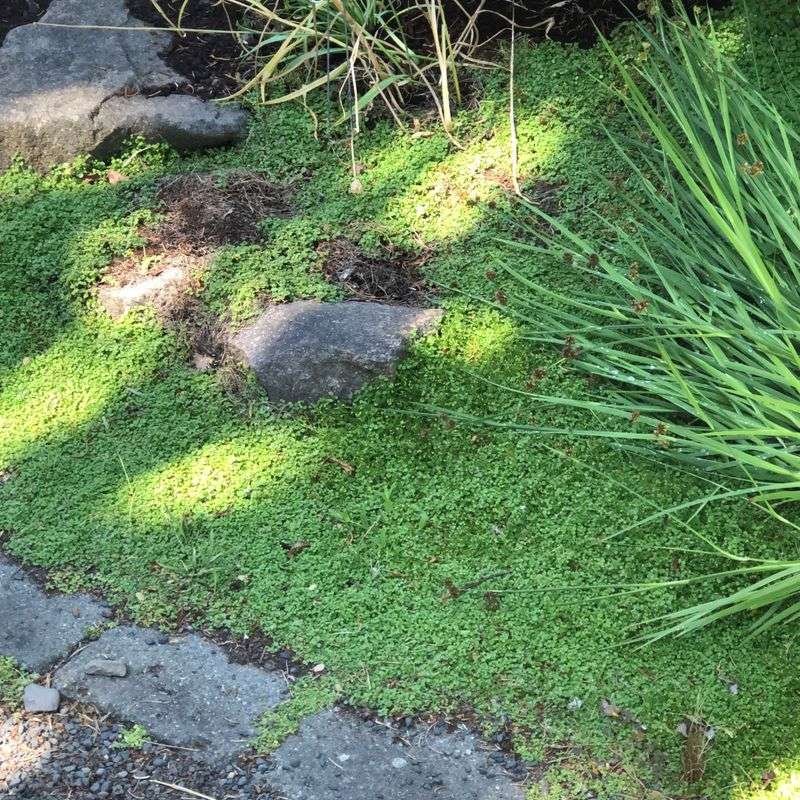
Imagine the smallest mint leaves possible, creating a carpet so delicate it looks almost like moss.
Step on it and powerful peppermint fragrance rises instantly, surprising first-time visitors.
Between stepping stones and pavers, this miniature mint softens hardscapes beautifully.
The creeping stems root wherever they touch soil, spreading steadily but not aggressively.
Tiny purple flowers appear in summer, though you might miss them without close inspection.
Part shade to full sun both work, though it appreciates afternoon shade in hot locations.
Consistent moisture keeps it looking lush and green throughout the growing season.
The ultra-low profile stays under one inch tall, never interfering with foot traffic.
Culinary uses include garnishing desserts with the intensely flavored leaves.
Winter temperatures might set it back, but it rebounds vigorously each spring.
Children delight in releasing the scent by gently rubbing the foliage.
Poor soil actually encourages tighter growth and stronger fragrance production.
Established plantings tolerate light foot traffic better than most delicate ground covers.
8. Salal (Gaultheria shallon)
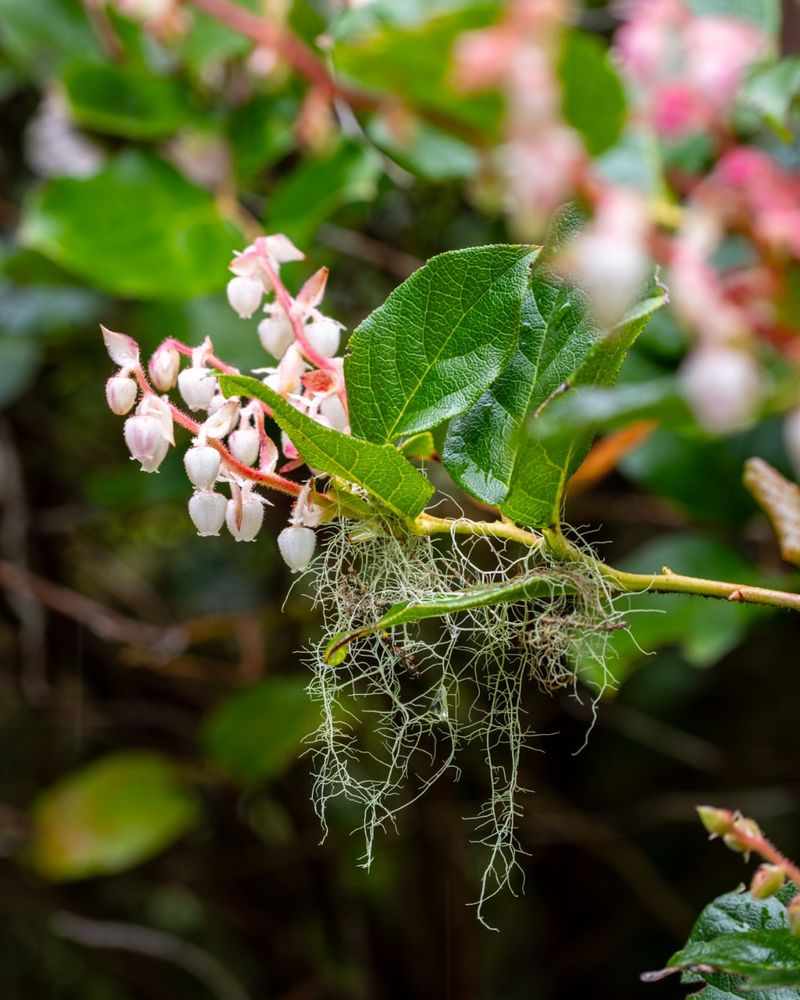
Glossy evergreen leaves create dense coverage that Northwest forests naturally showcase.
Native Americans harvested the edible berries for centuries, and modern gardeners appreciate the wildlife value.
This Pacific Northwest native handles both sun and shade, making it remarkably versatile.
Small urn-shaped white or pink flowers dangle in spring, followed by dark purple berries.
Florists prize the long-lasting foliage for arrangements, giving you potential cut greenery.
Acidic soil that frustrates many plants suits salal perfectly.
The spreading underground stems gradually colonize large areas without becoming weedy.
Height ranges from one to three feet, providing more vertical interest than flat ground covers.
Drought tolerance improves dramatically after the first year of establishment.
Deer browse it occasionally but rarely cause significant damage.
Coastal gardens benefit from its salt tolerance and wind resistance.
The leathery leaves stay attractive through all seasons, never looking ratty.
Established plantings need virtually zero maintenance beyond occasional shaping if desired.
9. Mazus (Mazus reptans)
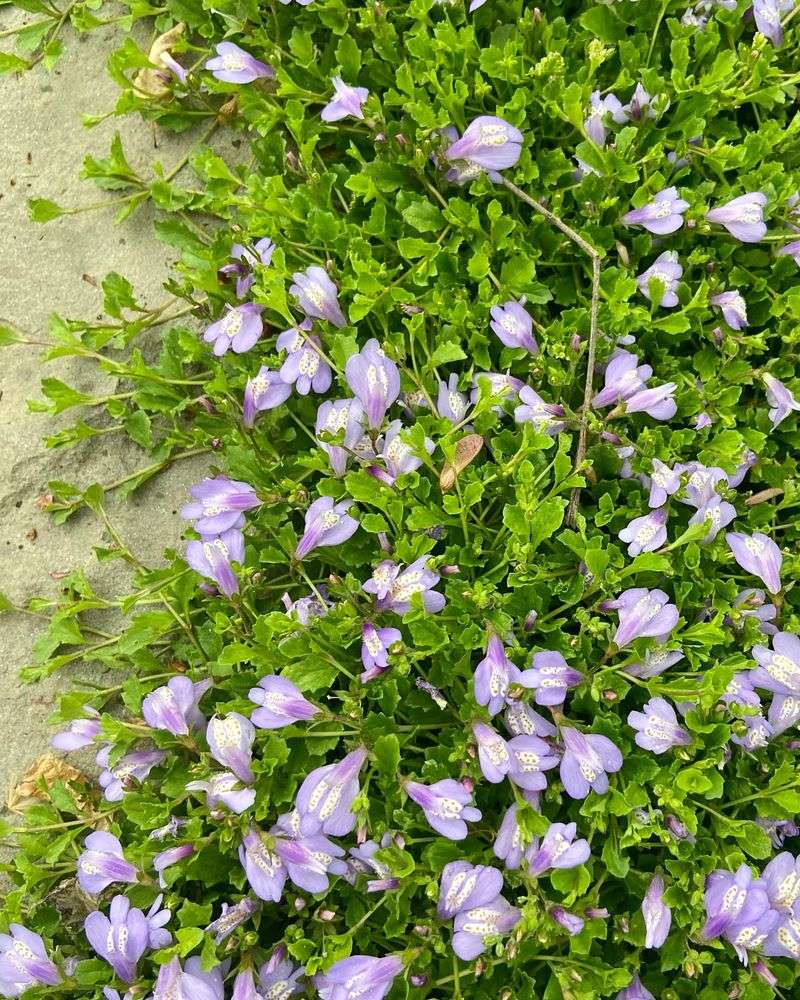
Cheerful purple flowers with spotted throats cover this ground-hugger from late spring through summer.
The mat-forming habit stays incredibly low, rarely exceeding two inches in height.
Light foot traffic barely bothers it, making pathways more colorful and soft.
Between flagstones and pavers, mazus creates living grout that blooms enthusiastically.
Full sun to partial shade both support healthy growth and abundant flowering.
Moist soil keeps it happiest, though established plants handle brief dry spells.
The small green leaves form dense mats that effectively suppress weed growth.
Winter cold might damage foliage, but vigorous spring regrowth quickly repairs any losses.
Dividing clumps spreads your planting easily without purchasing additional plants.
Lawn alternatives benefit from its durable nature and colorful display.
The spreading stems root at nodes, gradually filling gaps naturally.
Pollinators visit the tubular flowers regularly, supporting garden biodiversity.
Minimal fertilizer and occasional watering during establishment creates long-lasting coverage.
10. Bunchberry (Cornus canadensis)
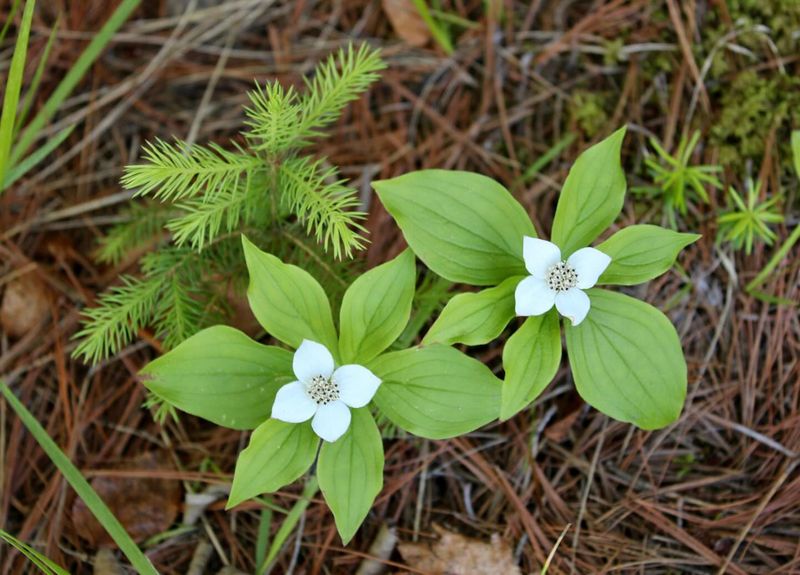
Related to dogwood trees, this miniature cousin brings similar beauty at ground level.
Four white petals actually serve as bracts surrounding tiny true flowers in the center.
Bright red berries cluster together in late summer, explaining the common name perfectly.
Cool, moist, acidic conditions that mimic forest floors suit it ideally.
The whorled leaves create neat geometric patterns that look almost architectural.
Shade gardens gain Northwest authenticity with this classic native species.
Spreading underground rhizomes gradually form colonies that naturalize beautifully.
Height stays around six inches, creating substantial coverage without overwhelming small spaces.
Birds relish the berries, bringing wildlife activity to shaded garden areas.
Fall color adds bonus interest when leaves turn burgundy before winter dormancy.
Established plants need minimal care beyond maintaining consistent soil moisture.
Woodland gardens and native plant landscapes showcase it perfectly.
The slow spread ensures it never becomes aggressive or requires constant control.