10 Low-Maintenance Landscape Plants That Thrive In Michigan Homes
A beautiful yard does not have to turn into a full time job. In Michigan, the best landscape plants are often the ones that can handle cold winters, warm summers, and changing weather without needing constant care.
That matters for homeowners who want their yard to look good but do not want to spend every weekend trimming, feeding, and replacing fussy plants.
The right low maintenance picks can bring color, shape, and texture to the landscape while asking for very little in return.
Some stay attractive through more than one season, while others quietly do their job without causing problems. A smart plant choice can make the whole yard feel more polished and put together with less effort.
For Michigan homes, these reliable landscape plants offer an easy way to create a yard that looks strong, healthy, and inviting year after year.
1. Daylilies
Daylilies are one of those plants that make Michigan gardeners look like pros without requiring professional-level effort.
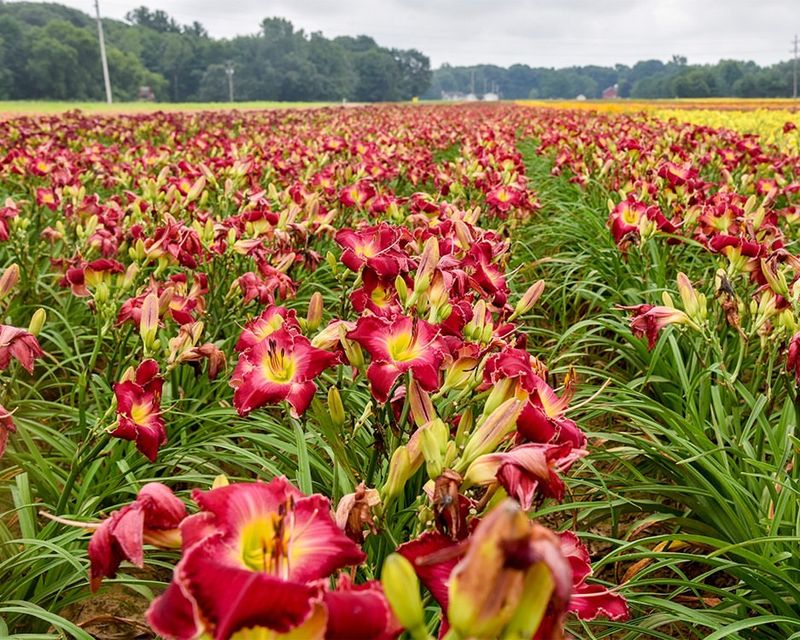
Available in an impressive range of colors from soft cream to deep burgundy, these perennials bloom generously each summer and return reliably year after year.
Each flower lasts just one day, but the plant produces so many buds that the display feels continuous for weeks.
What makes daylilies especially appealing for Michigan yards is their flexibility. They grow well in clay soil, loamy soil, sandy soil, and even slightly acidic conditions, which are all common across different parts of the state.
Once established, they are remarkably drought-tolerant and rarely need supplemental watering except during extended dry spells in summer.
Dividing them every few years keeps them blooming at their best and gives you extra plants to spread around your yard or share with neighbors.
Plant them along slopes to help control erosion, use them as a colorful border along your driveway, or mass-plant them in a wide open area for a spectacular summer show.
Daylilies are forgiving, cheerful, and nearly impossible to mess up, making them a go-to choice for both beginner and experienced Michigan gardeners looking for reliable seasonal color.
2. Black-Eyed Susan
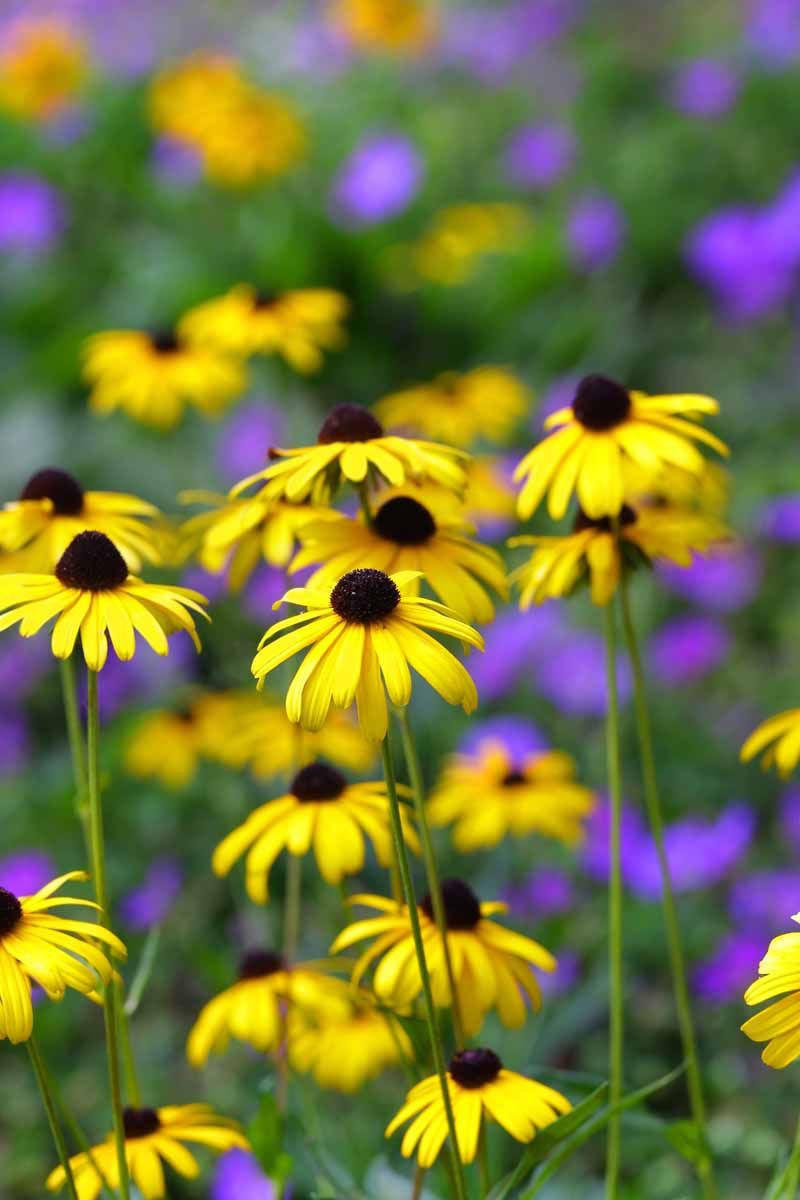
Few flowers light up a Michigan yard quite like the Black-eyed Susan. These cheerful, golden-yellow blooms with their signature dark centers start showing up in mid-summer and keep going strong well into early fall.
They bring a burst of warm color right when many other plants start winding down for the season.
Black-eyed Susans are incredibly tough. They handle Michigan’s clay-heavy soils, sandy patches, and everything in between without much fuss.
Once they settle into your garden, they need almost no watering, no fertilizing, and very little attention from you. They also attract butterflies and bees, so your yard becomes a mini wildlife haven without any extra effort.
Planting them is straightforward. Choose a sunny spot, give them a bit of room to spread, and water them occasionally during their first growing season.
After that, they are largely on their own. They also self-seed, meaning new plants pop up naturally each year.
Michigan gardeners love this plant because it rewards patience with a spectacular seasonal show that practically runs itself from one year to the next.
3. Sedum
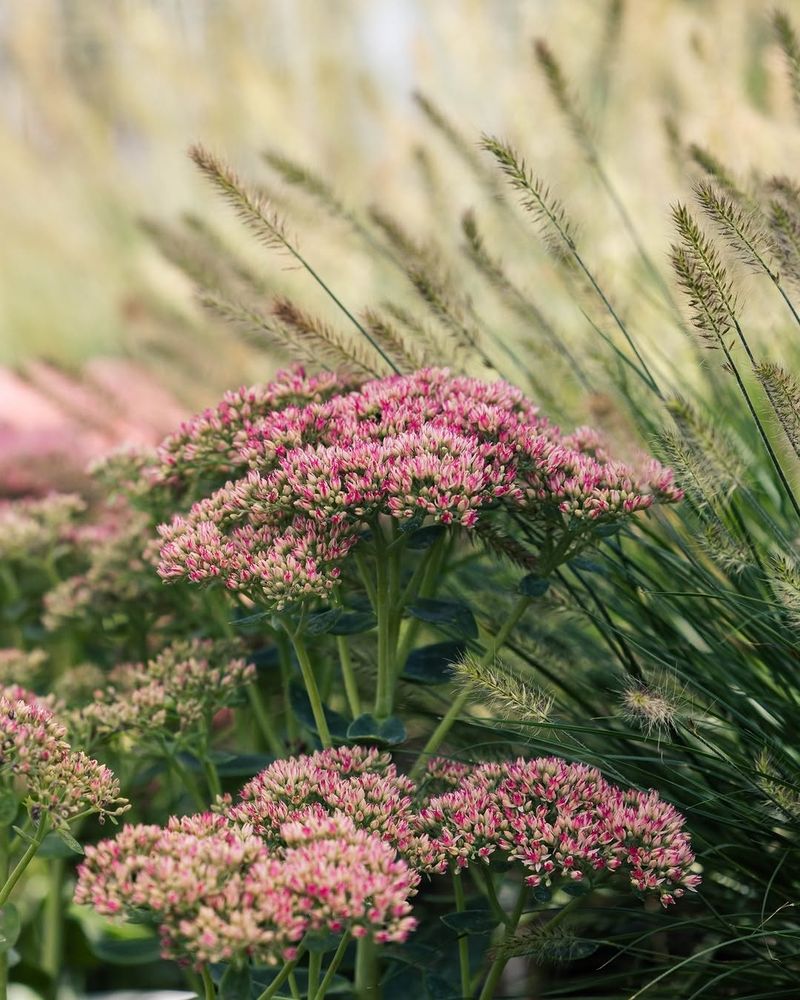
Sedum, commonly called stonecrop, is the kind of plant that practically thrives on being ignored.
These tough little succulents store water in their thick, fleshy leaves, which means they hold up beautifully during Michigan’s drier summer stretches without you needing to run the hose every other day.
They come in both low-growing ground cover varieties and taller upright types that bloom with showy clusters of star-shaped flowers in late summer.
Michigan gardeners love sedum for its versatility. Plant it in rocky areas, along garden borders, in containers, or even in spots where other plants have refused to grow.
It handles full sun and poor, well-drained soil with zero complaints. The blooms attract late-season pollinators, and the seed heads add interesting texture to the garden well into winter.
Taller varieties like Autumn Joy are especially popular across Michigan because they provide a bold focal point from late summer right through the first frost. Low-growing types work beautifully as ground cover between stepping stones or along pathways.
Dividing established clumps every few years keeps the plants healthy and vigorous. Whether you want a pollinator-friendly planting or a nearly maintenance-free garden bed, sedum delivers results that far exceed the minimal effort it requires from you.
4. Purple Coneflower
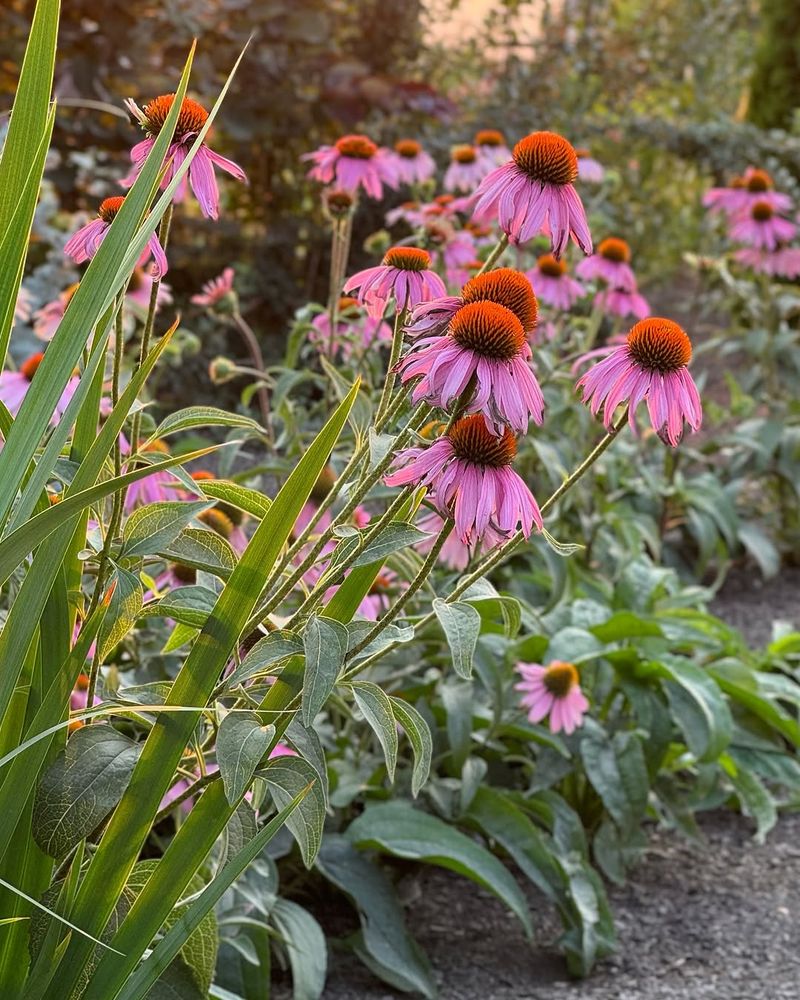
Purple Coneflower has earned its reputation as one of Michigan’s most reliable garden plants, and for good reason. The large, daisy-like blooms in shades of rosy purple sit on tall, sturdy stems that sway gently in the summer breeze.
Pollinators absolutely love them, so expect plenty of butterflies and bees visiting your yard from July through September.
One of the best things about growing Purple Coneflower in Michigan is how little it asks of you. Full sun and well-drained soil are really all it needs to perform beautifully season after season.
It handles summer heat without wilting and bounces back confidently after Michigan’s notoriously harsh winters.
Plant it near your walkway, along a fence line, or mixed into a perennial border for a natural, cottage-garden look. As a bonus, if you leave the seed heads standing through winter, birds like goldfinches will feast on them during the colder months.
This native plant has been growing wild across the Midwest for centuries, which tells you everything about how well it belongs in a Michigan landscape. Low effort, high impact, and genuinely beautiful from spring through late fall.
5. Switchgrass
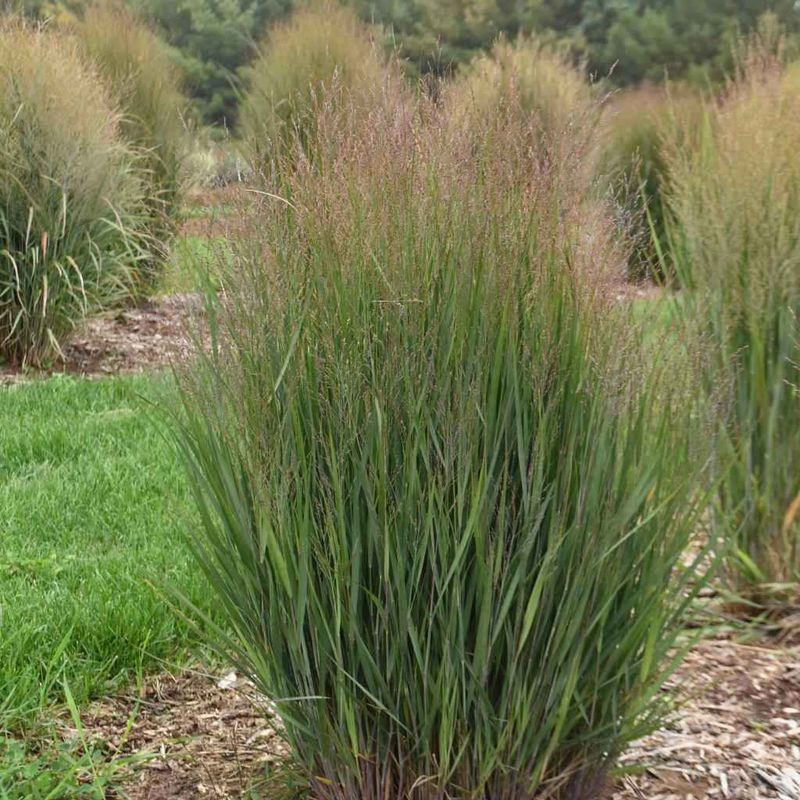
Switchgrass is a true Michigan native, and that heritage shows in how effortlessly it grows across the state. This tall ornamental grass develops striking blue-green foliage through spring and summer, then transforms into warm shades of gold and russet as fall arrives.
The airy, cloud-like seed heads add movement and soft texture that few other plants can match in a home landscape.
One of switchgrass’s biggest advantages is its adaptability. It grows well in wet areas near ponds or rain gardens, tolerates dry upland conditions, and handles both clay and sandy soils found throughout Michigan.
It also needs very little fertilizer and rarely requires watering once it gets established after its first season in the ground.
From a design standpoint, switchgrass works beautifully as a tall privacy screen, a backdrop for shorter flowering plants, or a mass planting across a large open area.
Popular varieties like Shenandoah and Northwind stay upright even in heavy wind and snow, which is a real advantage during Michigan winters.
Birds use the seed heads as a food source during cold months, adding extra wildlife value to your yard. Cut it back to a few inches above the ground in early spring, and it will return stronger and fuller than the year before.
6. Little Bluestem
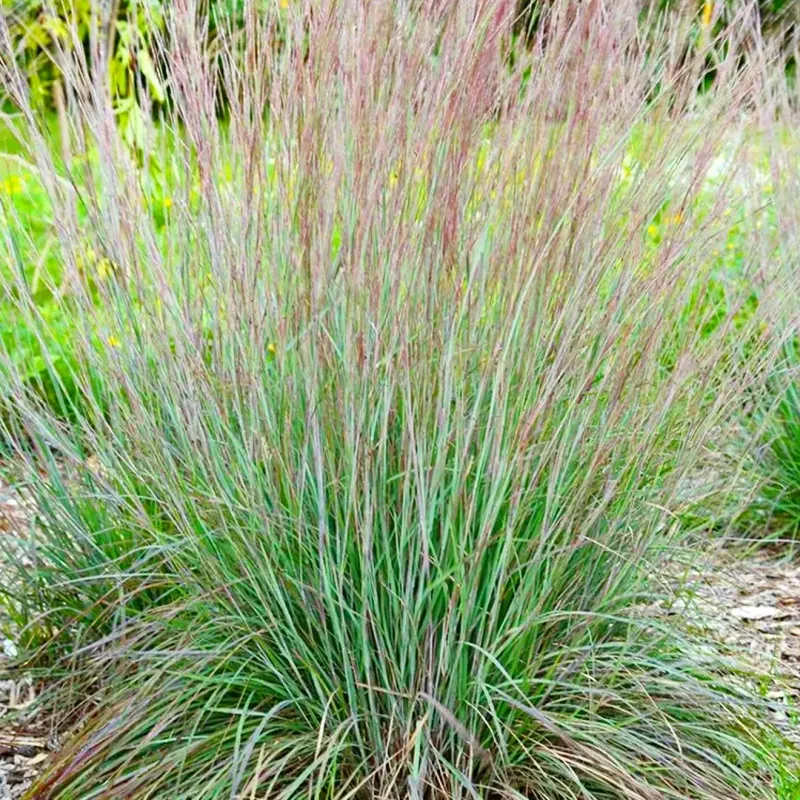
Little Bluestem is one of those plants that quietly steals the show in a Michigan garden. During summer, its blue-green blades create a cool, airy feel in the landscape.
Then fall arrives, and the whole plant transforms into a stunning display of copper, bronze, and reddish-orange tones that glow in the low autumn sunlight. It is genuinely one of the most beautiful seasonal color changes you can get from a grass.
This warm-season native thrives in full sun and well-drained soil, making it ideal for sunny, dry spots in Michigan yards where other plants might struggle. It handles poor soils without complaint and requires almost no fertilizer or supplemental watering once established.
Because it is a true native grass, it has evolved alongside Michigan’s climate over thousands of years, which explains its impressive resilience through both summer heat and winter cold.
From a practical standpoint, Little Bluestem works well as a mass planting on slopes to prevent erosion, as a border along fences or walkways, or scattered throughout a naturalistic garden design.
The feathery seed heads persist through winter, providing food for sparrows and other small birds. Cut the clumps back to about four inches in early spring before new growth emerges, and enjoy watching this tough, beautiful grass put on its annual show once again.
7. New England Aster
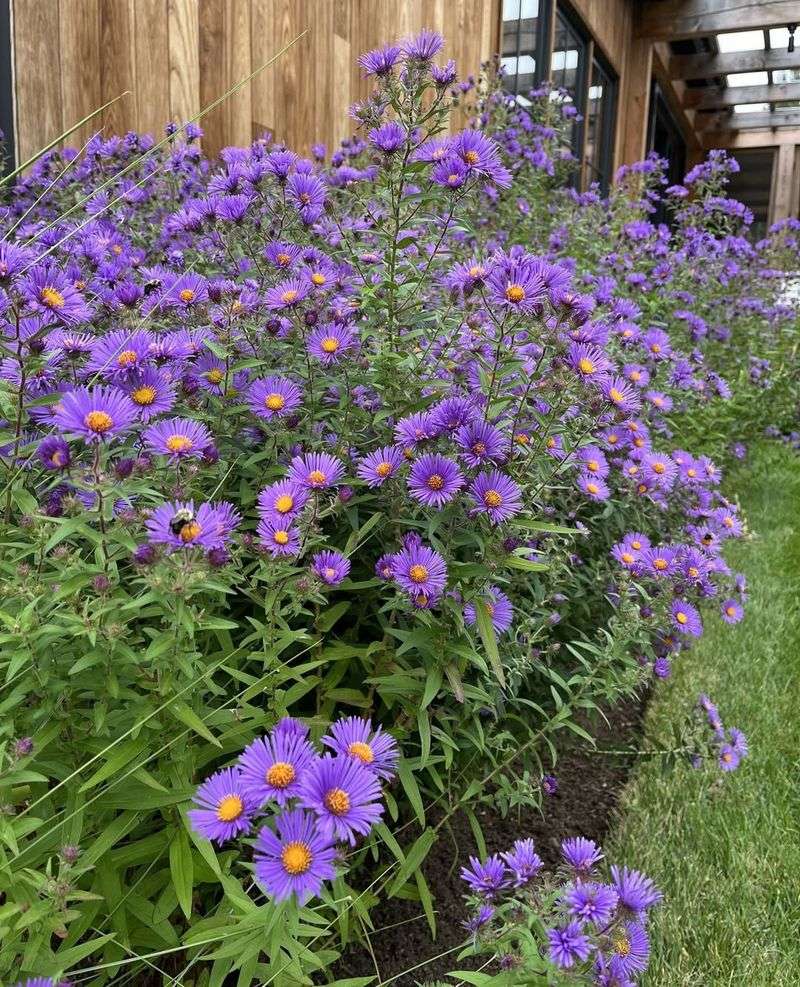
When most Michigan gardens are winding down for the season, New England Aster is just hitting its stride.
This tall, showstopping perennial bursts into bloom in late summer and carries on well into fall, covering itself with hundreds of small, daisy-like flowers in shades of purple, lavender, and deep pink.
It is one of the last great nectar sources for monarch butterflies before they begin their migration south.
Growing New England Aster in Michigan is genuinely easy. Give it a sunny spot with decent drainage, water it a bit during the first season, and then step back and let it do its thing.
It handles Michigan’s clay soils reasonably well and bounces back reliably after cold winters without any special protection or mulching.
One helpful tip is to pinch the stems back by about half in early to mid-June. This keeps the plant from getting too leggy and encourages a fuller, more compact shape with even more blooms come fall.
Left unpinched, it can reach five or six feet tall, which still looks dramatic but may need staking in windy Michigan weather.
Either way, the reward is a spectacular autumn display that brings color, wildlife activity, and real curb appeal to your yard at a time of year when most other plants have already called it quits for the season.
8. Creeping Thyme

Creeping Thyme is the kind of ground cover that makes you wonder why you ever bothered with regular lawn grass in the first place.
This low-growing herb spreads into a dense, fragrant mat just a few inches tall, filling in gaps between stepping stones, smothering weeds, and producing a carpet of tiny pink-purple flowers each summer.
Walk across it barefoot and you get a gentle, herbal scent that is genuinely pleasant. For Michigan homeowners tired of mowing, edging, and watering high-maintenance turf areas, Creeping Thyme offers a refreshing alternative.
It thrives in full sun and well-drained soil, tolerates dry conditions extremely well, and requires almost no supplemental watering once established.
It also handles foot traffic better than most ground covers, making it practical for areas between pavers or along garden paths.
Planting it is simple. Space plants about twelve to eighteen inches apart in a sunny area, water them during the first few weeks, and then largely leave them alone.
By the second season, the plants will have spread and filled in nicely. Pollinators love the summer flowers, so you will notice bees and small butterflies visiting regularly.
In Michigan, where dry summers can stress traditional lawns, Creeping Thyme stands out as a smart, beautiful, and genuinely low-effort landscaping solution.
9. Hosta
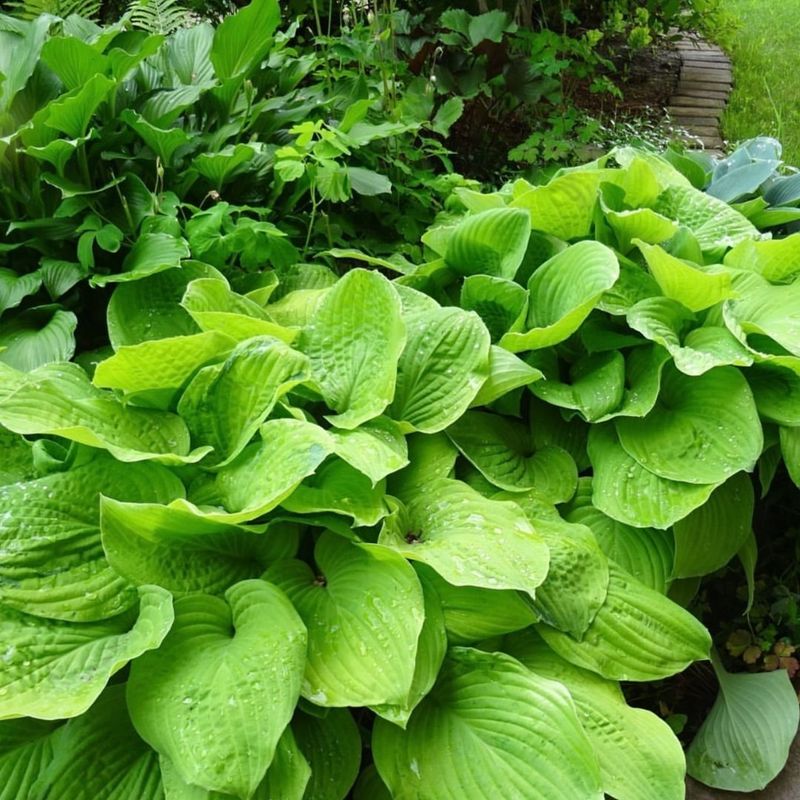
Shady spots in a Michigan yard can feel like a design challenge, but Hosta turns those tricky areas into genuine highlights.
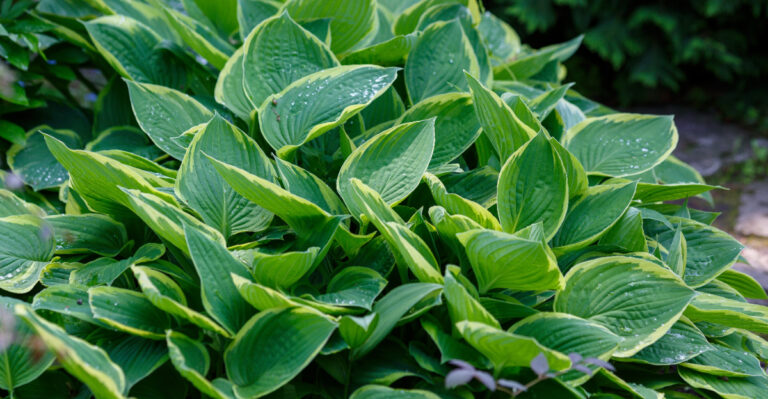
These bold, leafy perennials come in an incredible range of sizes and colors, from tiny compact mounds with deep green leaves to enormous varieties with dinner-plate-sized foliage in shades of blue-green, chartreuse, and creamy white variegation.
Few plants make such a dramatic visual statement with so little effort required. Hostas are practically built for Michigan’s shaded garden conditions. They thrive under trees, along north-facing foundations, and in any spot that gets only a few hours of sunlight each day.
They need regular moisture but are otherwise very forgiving, tolerating Michigan’s variable spring temperatures and bouncing back dependably each year after even harsh winters.
Spacing hostas correctly when planting is worth the extra thought. Larger varieties need three to four feet of room to reach their full spread, while smaller types work beautifully edging a path or tucked around a garden statue.
They pair naturally with ferns, astilbe, and bleeding heart for a layered woodland garden look that feels lush and intentional. Slugs can occasionally be an issue in wet seasons, but a simple application of iron phosphate bait handles that easily.
Overall, hostas deliver maximum visual impact for minimal effort in Michigan shaded landscapes.
10. Juniper
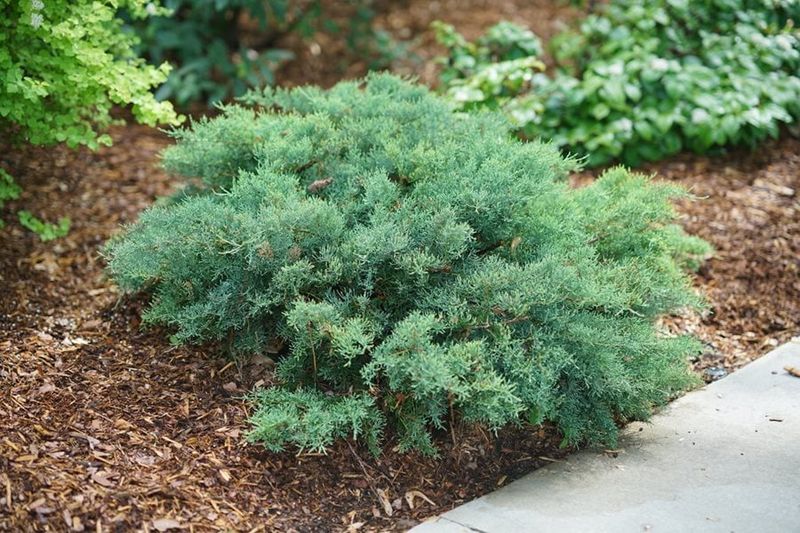
Juniper is the unsung hero of Michigan landscaping. While showier plants grab attention in spring and summer, juniper quietly holds the yard together through every season, providing year-round structure and color even when everything else has gone dormant for the winter.
Its evergreen foliage ranges from bright green to silvery blue depending on the variety, and it keeps that color no matter how cold or snowy Michigan winters get.
The range of juniper forms available makes it incredibly versatile for different landscape needs. Low-spreading ground cover types like Blue Rug work beautifully on slopes and hillsides, controlling erosion while smothering weeds.
Upright columnar varieties like Sky Rocket add vertical interest near entryways or along property lines. Mid-sized spreading types fill in large open areas with minimal maintenance and zero replanting year after year.
Once established, junipers are remarkably self-sufficient. They handle poor, dry soils, tolerate full sun, and rarely need fertilizing or pruning beyond an occasional light shaping.
They are also highly resistant to pests and diseases that trouble other Michigan landscape plants. For homeowners who want a reliable, attractive plant that looks sharp in January just as much as it does in July, juniper is hard to beat.
Plant it once, give it a season to settle in, and enjoy its dependable presence in your Michigan yard for decades to come.