7 Low-Maintenance Native Shrubs For Pennsylvania Landscapes
A great shrub can do a lot of heavy lifting in a Pennsylvania landscape. It can fill empty spaces, add structure, support wildlife, and keep the yard looking polished without demanding constant attention.
That is exactly why native shrubs are such a smart choice. They already know how to handle the local climate, which means they often need less fuss than plants that were never really meant to grow here in the first place.
For busy gardeners, that low-maintenance appeal is hard to ignore. Native shrubs tend to be better suited to Pennsylvania’s soil, rainfall, and seasonal changes, so they usually settle in more easily and ask for less once established.
Many also bring extra perks like berries, flowers, fall color, or shelter for birds and pollinators. In other words, they do more than just sit there looking nice.
There is also something rewarding about planting shrubs that feel like they belong in the landscape. They help a garden look natural, balanced, and full of life.
With the right native choices, Pennsylvania landscapes can be attractive, useful, and much easier to care for all at the same time.
1. Eastern Ninebark (Physocarpus Opulifolius)
Few shrubs can match the year-round character of Eastern Ninebark. Its bark peels back in thin, papery layers to reveal rich orange and cinnamon tones underneath, giving it a striking look even in winter when most plants look bare.
That peeling bark is actually how it got its name, since layers peel away like nine separate skins.
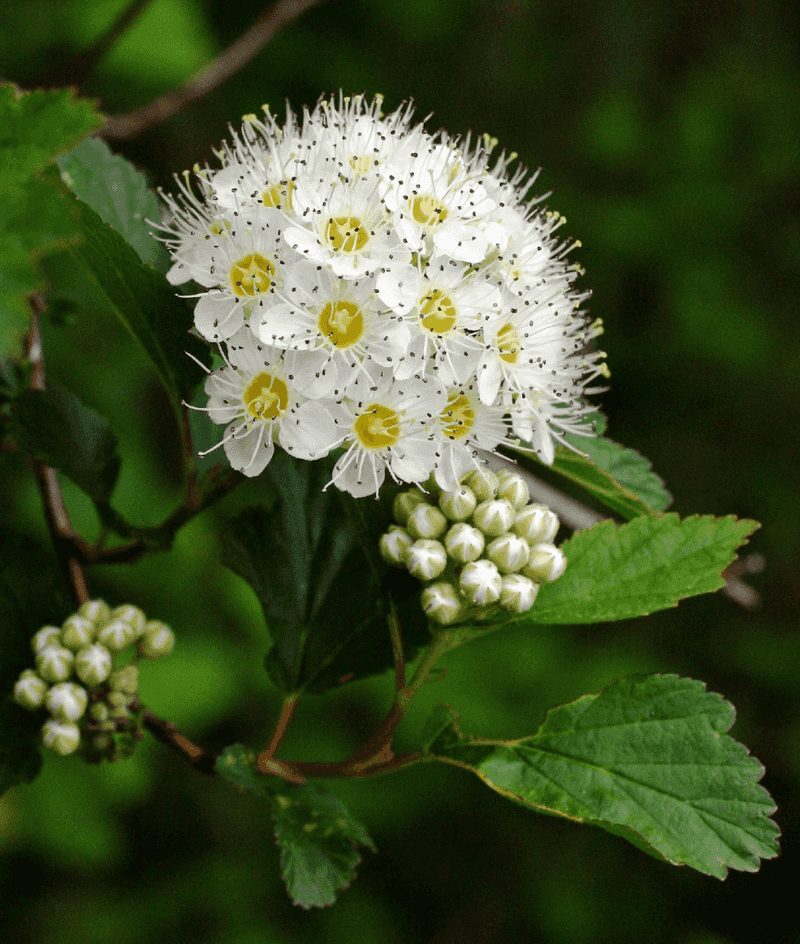
In spring and early summer, Eastern Ninebark bursts into clusters of small white or pinkish flowers that pollinators absolutely love. Bees and butterflies flock to it, making it a lively hub of activity in any Pennsylvania garden.
Come fall, the foliage shifts into warm amber and red tones that add real seasonal drama. One of the best things about this shrub is how little it asks from you. It adapts to clay, sandy, or loamy soils without complaint.
It handles both dry spells and periods of heavy rain, which is helpful given Pennsylvania’s unpredictable weather. Full sun or partial shade works just fine for this plant.
Eastern Ninebark grows about five to ten feet tall and wide, so it works well as a privacy screen, a border plant, or even for controlling erosion on slopes. Once established, it rarely needs watering or fertilizing.
Pruning once a year after it blooms keeps it tidy, but even skipping that step will not cause major problems. If you want a tough, attractive shrub that practically takes care of itself in Pennsylvania, this one belongs at the top of your list.
2. Inkberry Holly (Ilex Glabra)
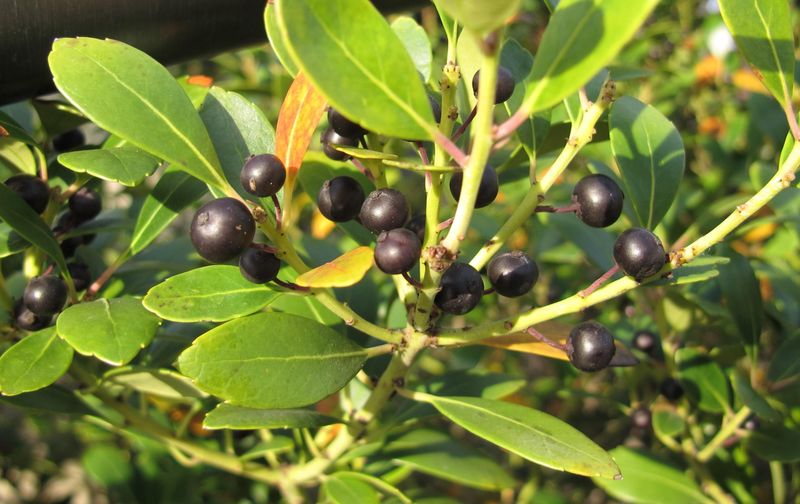
Walk past an Inkberry Holly in January and you will immediately notice something special: it is still green. While most of the landscape has faded to brown and gray, this evergreen shrub holds onto its deep, glossy leaves all year long.
That consistent greenery makes it one of the most reliable plants for Pennsylvania yards that need structure in every season.
Inkberry Holly grows in a naturally rounded shape that rarely needs heavy pruning. It stays neat and compact on its own, which saves you a lot of time and effort.
If you do want to shape it a bit, a light trim in early spring is all it needs. Otherwise, just let it grow.
One of its strongest qualities is its ability to handle wet soils. Many shrubs struggle when the ground stays soggy after heavy rain, but Inkberry Holly actually thrives in those conditions.
It is a fantastic choice for low-lying spots in Pennsylvania yards, rain gardens, or areas near downspouts where water tends to collect.
The small black berries it produces in late summer and fall are a favorite food source for birds like robins and bluebirds. That wildlife value makes it more than just a pretty plant.
It grows best in acidic soils, which are common across much of Pennsylvania, so it rarely needs soil amendments.
Reaching about five to eight feet tall, it works well as a hedge, foundation planting, or naturalized border. For low-effort, high-reward landscaping, Inkberry Holly is a solid choice.
3. Virginia Sweetspire (Itea Virginica)
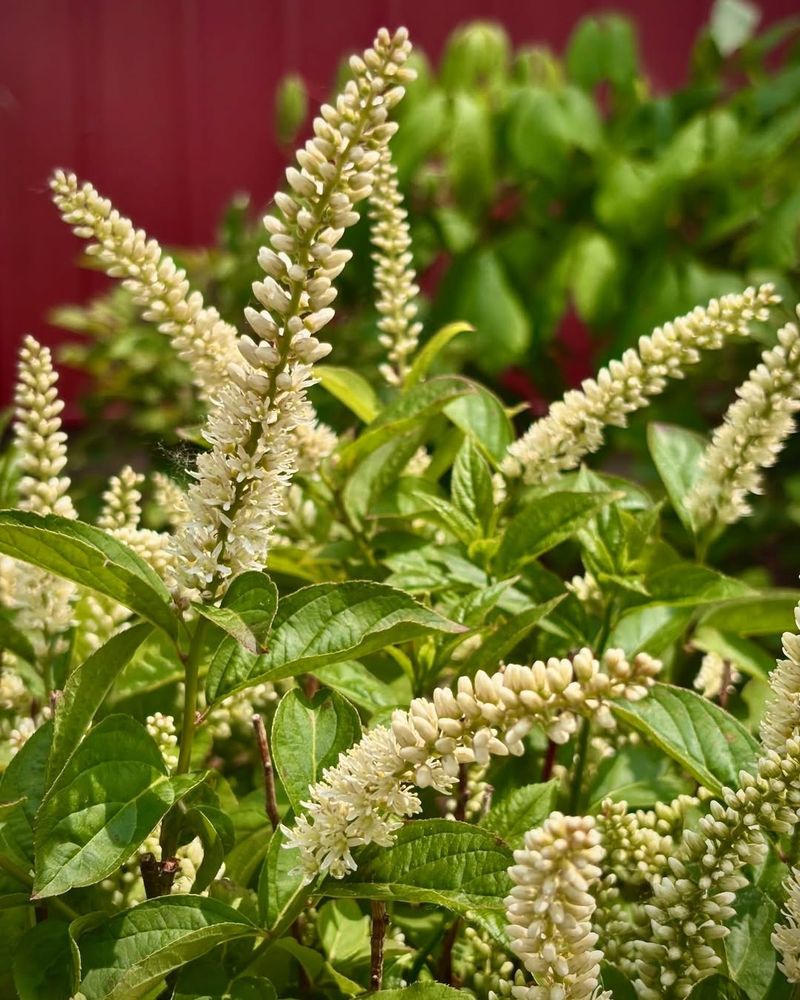
Imagine walking past a shrub in late spring and catching a sweet, honey-like scent drifting through the air. That is exactly what Virginia Sweetspire offers.
Its long, drooping clusters of white flowers appear in May and June, filling the garden with fragrance that draws in butterflies and bees from all around. It is one of those plants that earns compliments every single year.
Come fall, Virginia Sweetspire puts on a whole new show. The leaves shift to brilliant shades of red, orange, and burgundy, often holding that color well into late autumn.
Unlike many shrubs that peak once and fade, this one gives you something beautiful in both spring and fall, making it a double-value plant for Pennsylvania landscapes.
Flexibility is another reason gardeners in Pennsylvania love this shrub. It grows happily in full sun or partial shade, and it handles a wide range of soil types, including moist or wet conditions. That adaptability means you can tuck it into spots where other plants have struggled.
Virginia Sweetspire typically grows three to five feet tall and spreads gradually through suckers, forming a natural colony over time. That spreading habit makes it great for filling in slopes or naturalized areas without much effort on your part.
Pruning is rarely necessary, and the plant has strong resistance to pests and diseases common in Pennsylvania. If you want a shrub that works hard in multiple seasons without demanding much care, Virginia Sweetspire is a genuinely rewarding choice for any home garden.
4. Red Chokeberry (Aronia Arbutifolia)
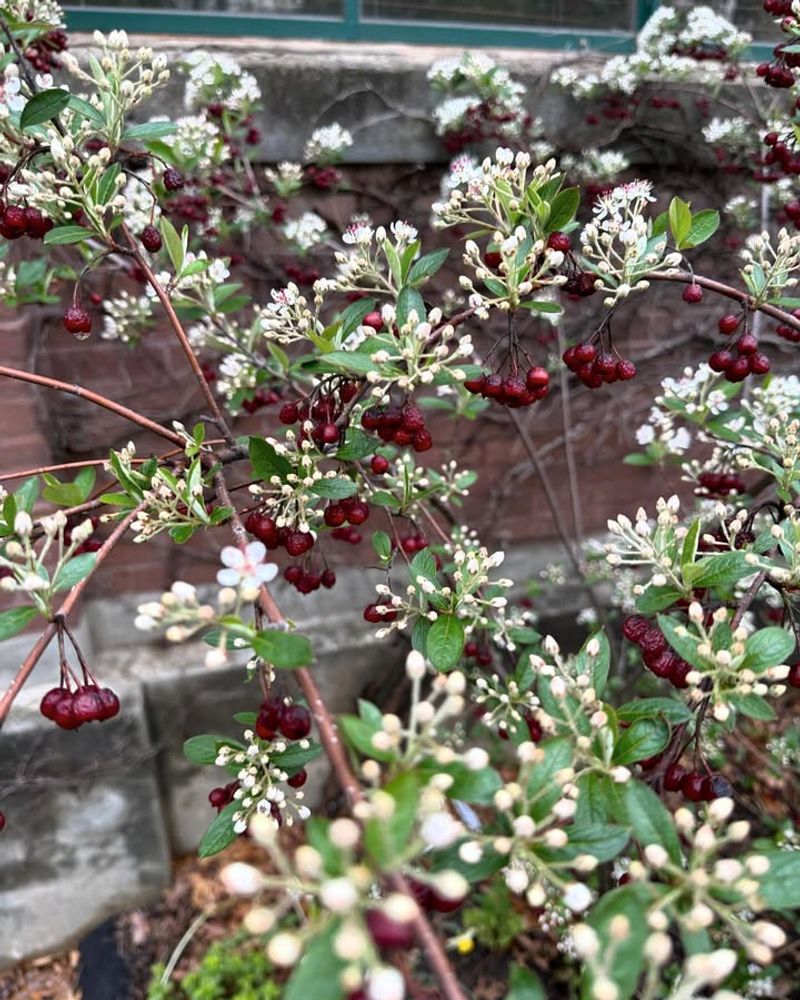
Red Chokeberry is one of those plants that gives back far more than it takes. Every fall, it produces dense clusters of glossy red berries that cling to the branches well into winter.
Birds like cedar waxwings, robins, and mockingbirds eagerly feast on them, turning your Pennsylvania yard into a mini wildlife refuge during the colder months.
Beyond its wildlife value, Red Chokeberry is remarkably tough. It tolerates poor soils that would stress most other shrubs, including clay, sandy, and even slightly waterlogged ground.
Pests and diseases rarely bother it, which means you can skip most of the spraying and monitoring that other plants demand. That resilience makes it especially practical for busy homeowners across Pennsylvania.
Spring brings clusters of small white flowers that are attractive to early pollinators. Then, as summer moves into fall, the glossy green leaves transform into a brilliant deep red that rivals any ornamental shrub you could buy at a nursery.
The seasonal progression from flowers to berries to fiery foliage makes this shrub a true four-season performer.
Red Chokeberry grows six to ten feet tall and does well in both full sun and partial shade. It spreads slowly through root suckers, making it a natural choice for mass plantings, stream banks, or naturalized areas in Pennsylvania yards.
Pruning once every few years keeps it from getting too leggy. With almost no need for fertilizer or extra watering once established, this shrub is about as low-maintenance as a landscape plant can get.
5. Spicebush (Lindera Benzoin)
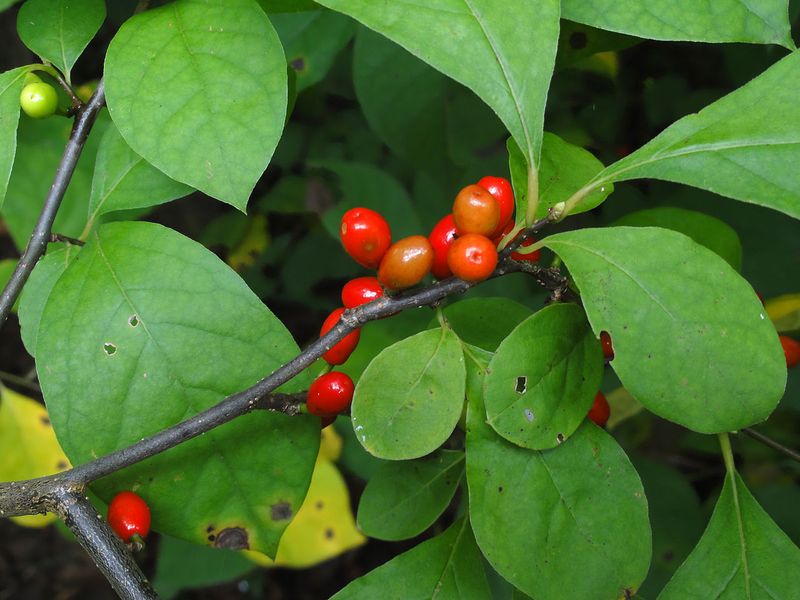
Long before most plants have even thought about waking up from winter, Spicebush is already covered in tiny clusters of bright yellow flowers.
Those early blooms appear in March or April, often while snow is still possible in Pennsylvania, making this shrub one of the first signs of spring in woodland gardens. It is a cheerful, hopeful sight after a long winter.
Crush a leaf between your fingers and you will understand how this plant got its name. The foliage releases a spicy, citrusy aroma that is surprisingly pleasant.
Even the twigs and berries carry that same distinctive scent. It is a fun sensory plant that kids and adults alike enjoy discovering.
Spicebush plays an important role in the local ecosystem. It is the primary host plant for the Spicebush Swallowtail butterfly, a stunning species common throughout Pennsylvania.
The caterpillars rely on its leaves to survive, so planting even one or two shrubs can make a meaningful difference for local butterfly populations. The bright red berries that appear in late summer also attract migrating birds, including thrushes and vireos.
This shrub thrives in moist, well-drained soils and does especially well in partial to full shade, making it ideal for woodland edges, shaded backyards, or areas under tree canopies. It grows six to twelve feet tall and needs almost no pruning or fertilizing.
Pennsylvania gardeners looking to support native wildlife while adding early spring color to a shady spot will find Spicebush to be an excellent, easy-care choice.
6. New Jersey Tea (Ceanothus Americanus)
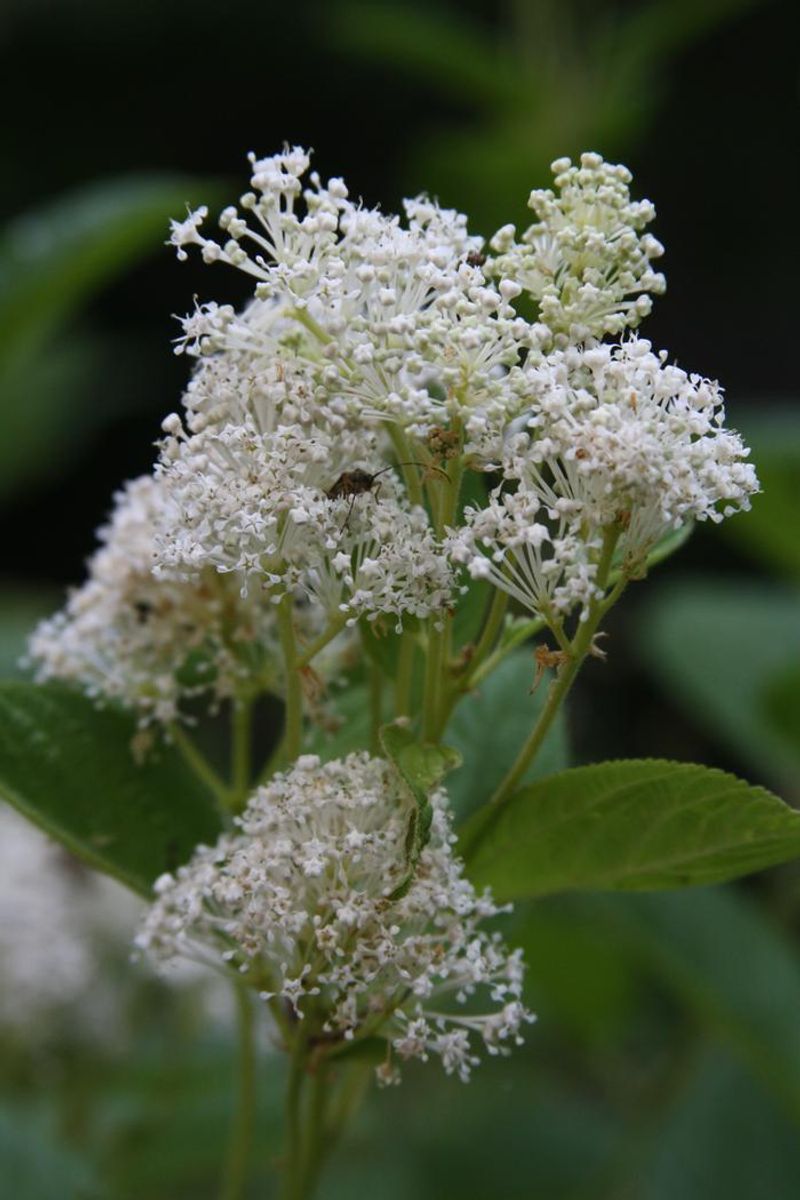
Do not let the name fool you. New Jersey Tea grows just as happily in Pennsylvania as it does anywhere else along the East Coast.
During the American Revolution, colonists actually brewed its leaves as a substitute for imported tea, giving it a quirky piece of history that makes it a fun conversation starter in any garden.
Drought tolerance is one of this shrub’s most impressive traits. Once established, New Jersey Tea can handle dry summers without supplemental watering, which is a huge bonus for gardeners who want a low-effort landscape.
Its deep root system reaches down into the soil to find moisture even when the surface is bone dry. That same deep root system also fixes nitrogen, meaning it actually improves the soil around it over time.
In early summer, the shrub erupts in clusters of tiny white flowers that attract an impressive variety of native bees, butterflies, and other pollinators.
The blooms are fluffy and bright, giving the plant a cheerful, cottage-garden look that fits into both formal and casual Pennsylvania landscapes.
New Jersey Tea stays compact, typically reaching only three to four feet tall and wide. That tidy size makes it easy to fit into smaller yards, along walkways, or in rock gardens where space is limited.
It prefers well-drained soils and full to partial sun. Pruning needs are minimal, and pests rarely cause problems.
For Pennsylvania gardeners who want a tough, beautiful, and ecologically valuable shrub that asks for almost nothing in return, New Jersey Tea is a genuinely smart pick.
7. Buttonbush (Cephalanthus Occidentalis)
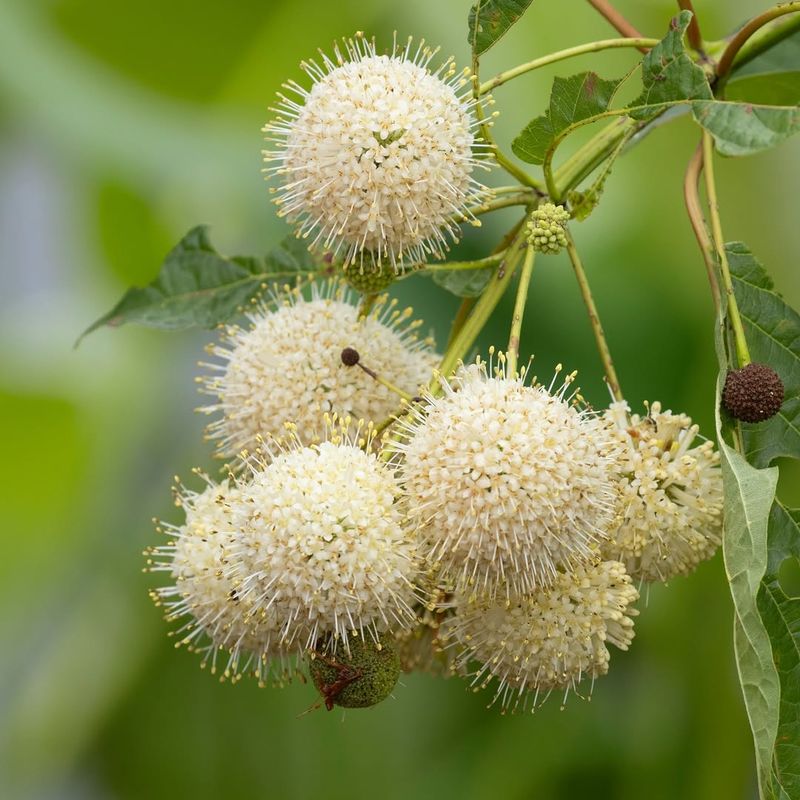
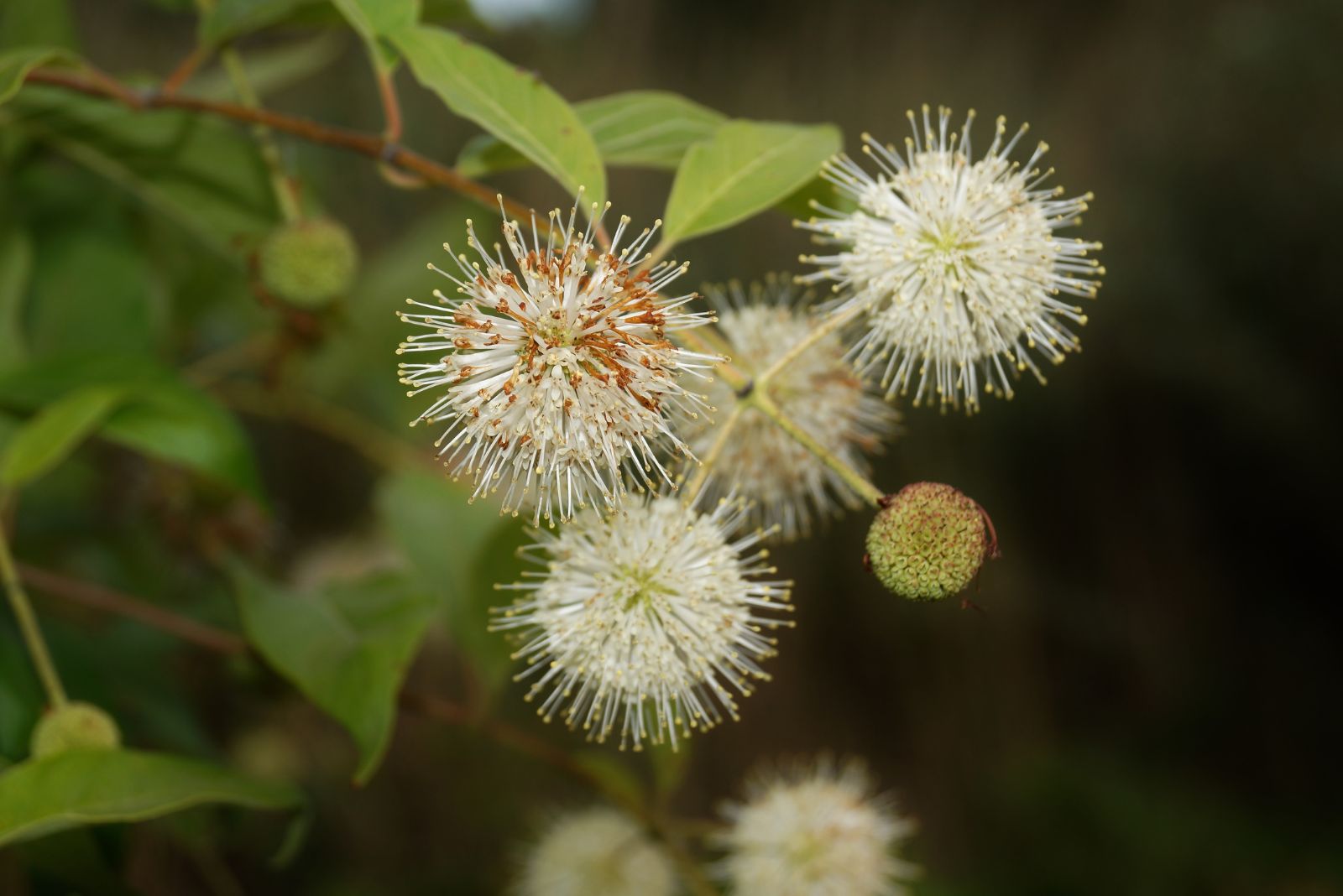
No other shrub in Pennsylvania quite looks like Buttonbush. Its flowers are perfectly round, white, and spiky, resembling little snowballs or pincushions hovering among the glossy green leaves.
They are truly one of the most unusual and eye-catching blooms you will find in any native plant garden, and they appear throughout the summer when many other shrubs have already finished flowering.
Those unique blooms are not just pretty. They are incredibly attractive to pollinators. Butterflies, bees, hummingbirds, and even hummingbird moths visit Buttonbush in large numbers throughout the summer.
If you want a yard that buzzes and flutters with life, this shrub will deliver that experience reliably every single year in Pennsylvania.
Wet and poorly drained spots that frustrate most gardeners are exactly where Buttonbush shines. It thrives along pond edges, stream banks, rain gardens, and low areas that stay soggy after storms.
Very few ornamental shrubs can handle standing water the way Buttonbush does, making it a rare and practical solution for problem areas in Pennsylvania landscapes.
After the flowers fade, small reddish-brown seed balls form and persist into winter, providing food for ducks and shorebirds. Buttonbush grows six to twelve feet tall and wide, so it works well as a naturalized planting or as a screening shrub near water features.
It tolerates partial shade but blooms best in full sun. Maintenance is minimal once it is established.
For wet spots that need beauty, wildlife value, and zero fuss, Buttonbush is simply unbeatable.