Low Maintenance Native Shrubs North Carolina Gardeners Are Planting In February
February in North Carolina is when smart gardeners get ahead of spring. The ground is cool, the air is mild, and native shrubs settle in without stress before the growing season begins.
Planting now gives roots time to establish, which means stronger growth, better drought tolerance, and far less maintenance once the heat and humidity arrive.
Across the state, gardeners are choosing shrubs that naturally belong here. These plants handle local soil, weather, and pests with little effort, making them reliable year after year.
You will often see evergreen shrubs for structure, flowering varieties for seasonal color, and berry-producing plants that quietly support birds and pollinators. The yard looks full, but it does not demand constant work.
It is a practical approach that saves time through the summer while building a landscape that feels natural, balanced, and well suited to North Carolina’s climate.
1. Inkberry (Ilex glabra)
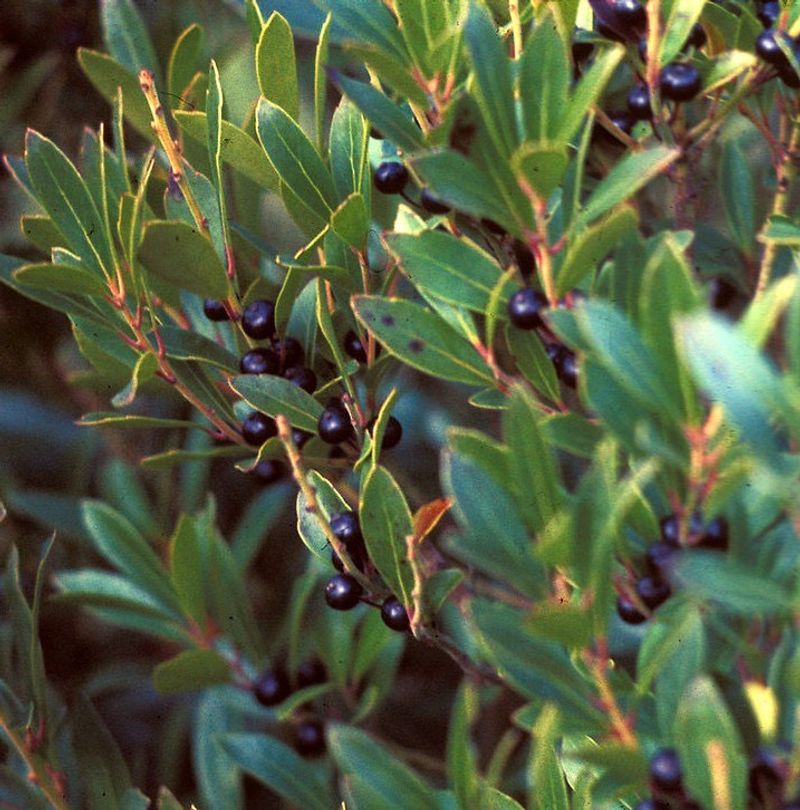
Glossy leaves that shine year-round make inkberry a standout choice for gardeners seeking evergreen structure. This native holly keeps its deep green color through winter when many plants look tired and brown.
February planting gives roots time to establish before hot weather tests their endurance. Inkberry adapts beautifully to various light conditions from full sun to partial shade. Acidic soils common throughout North Carolina suit this shrub perfectly.
It tolerates wet spots better than many evergreens, solving drainage problems in low-lying garden areas.
Compact varieties stay under four feet tall while larger selections reach six feet or more. Prune lightly in late winter to maintain shape and encourage dense branching.
Small black berries appear in fall, providing food for birds during lean winter months. This shrub handles neglect remarkably well once roots spread into surrounding soil. Mulch around the base retains moisture and keeps roots cool during summer heat.
Inkberry resists most pests and diseases, eliminating the need for chemical treatments that harm beneficial insects.
Plant inkberry as foundation plantings, hedges, or mixed with other natives in woodland gardens. Space plants three to five feet apart depending on mature size.
Water regularly the first growing season, then let nature take over for truly low-maintenance gardening success.
2. Winterberry (Ilex verticillata)
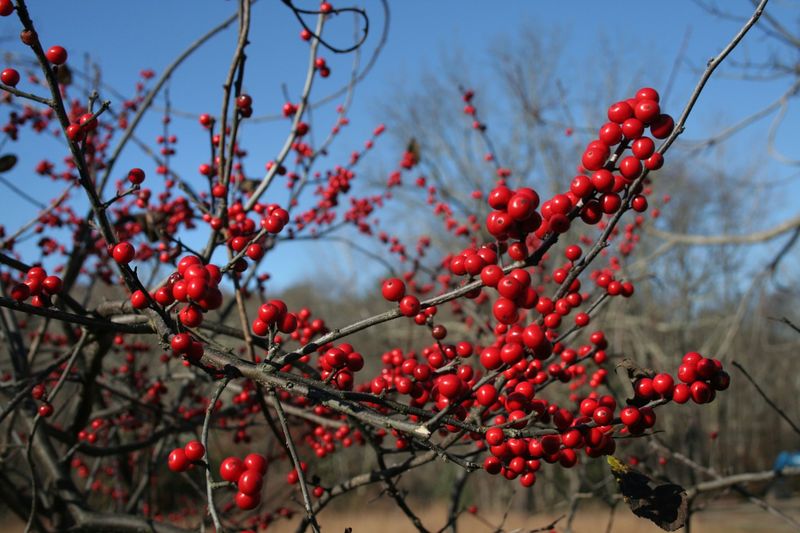
Bright red berries clustered along bare branches create stunning winter drama when most gardens look dormant and dull. Unlike evergreen hollies, winterberry drops its leaves in fall, revealing the brilliant fruit display that persists through coldest months.
This native deciduous holly brings much-needed color to winter landscapes. Pollination requires both male and female plants for berry production. One male winterberry can pollinate up to five females within a fifty-foot radius.
Plant them in February so both genders establish simultaneously and bloom together when spring arrives.
Winterberry thrives in moist to wet soils with acidic pH levels common in North Carolina. Bog edges, rain gardens, and areas with poor drainage become assets rather than problems when planting this adaptable shrub.
It tolerates full sun to partial shade, though berry production increases with more sunlight. Mature plants reach six to ten feet tall depending on variety. Compact cultivars stay smaller for foundation plantings or mixed borders.
Berries persist until birds strip branches clean in late winter, providing crucial food when other sources become scarce.
Pruning needs remain minimal with winterberry. Remove damaged branches in late winter before new growth starts.
Avoid heavy pruning that removes berry-producing wood. Mulch around plants retains soil moisture and suppresses competing weeds during the establishment period.
3. Virginia Sweetspire (Itea virginica ‘Henry’s Garnet’)
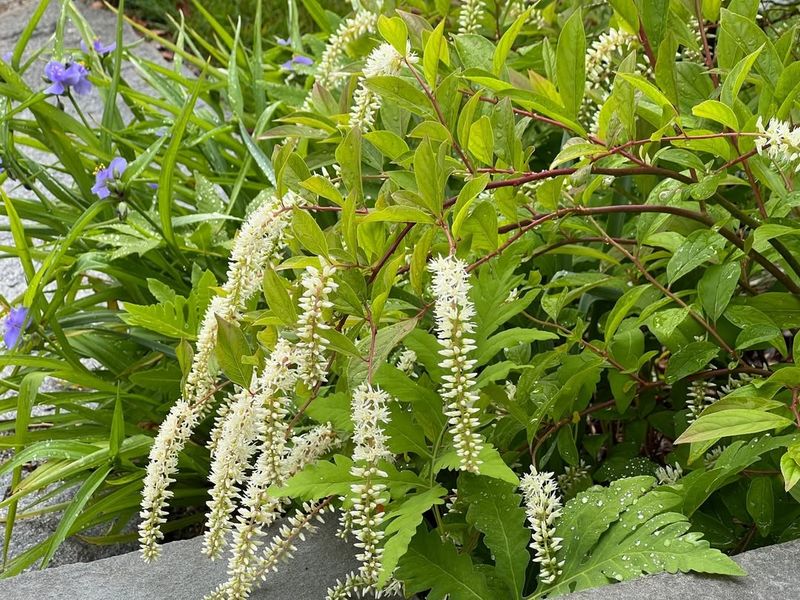
Henry’s Garnet represents the gold standard among sweetspire cultivars with exceptional fall color that outshines the species. Deep burgundy-red leaves persist well into late autumn, creating extended seasonal interest.
This compact selection fits smaller gardens while delivering all the benefits of its larger relatives.
Adaptability defines this cultivar’s greatest strength. It flourishes in wet soils, average garden conditions, and even tolerates brief dry spells once established.
Light requirements range from full sun to partial shade, making placement easy in various garden situations.
White flower spikes appear in late spring, arching gracefully and releasing sweet fragrance that draws pollinators from across the neighborhood. Blooms last several weeks, bridging the gap between spring bulbs and summer perennials.
Butterflies especially favor these nectar-rich flowers during their peak bloom period.
Mature height stays around three to four feet with similar spread, making Henry’s Garnet perfect for foundation plantings or mixed shrub borders. February planting gives roots ample time to establish before summer heat arrives.
Space plants four feet apart for individual specimens or closer for informal hedging.
Maintenance requirements stay refreshingly low with this selection. Occasional removal of damaged branches keeps plants looking tidy.
No serious pest or disease problems plague Henry’s Garnet, eliminating the need for preventive treatments. Mulch conserves moisture and moderates soil temperature for optimal root development throughout the growing season.
4. Eastern Ninebark (Physocarpus opulifolius)
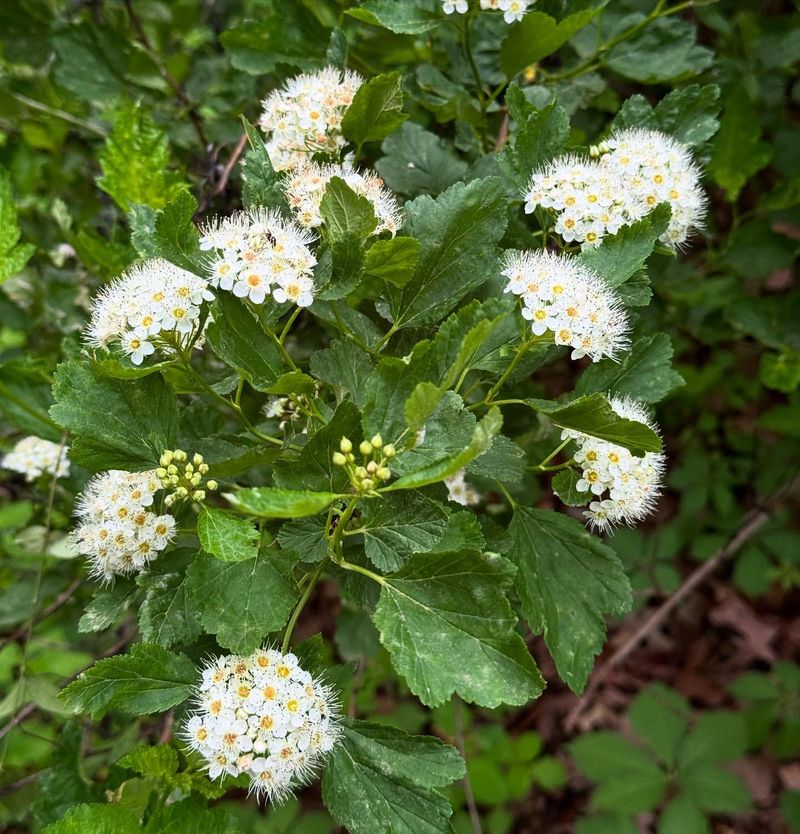
Exfoliating bark peels in attractive strips, revealing cinnamon-colored layers underneath that add winter interest when leaves disappear. Eastern ninebark offers year-round visual appeal through changing seasons.
White flower clusters appear in late spring, transforming into reddish seed heads that persist into winter months.
Drought tolerance once established makes ninebark ideal for gardeners seeking water-wise landscaping solutions. Deep roots explore soil for moisture, allowing plants to survive dry spells without supplemental irrigation.
This adaptability extends to soil types, accepting clay, loam, or sandy conditions equally well.
Mature specimens reach six to ten feet tall with arching branches that create fountain-like forms. Prune after flowering to control size or shape plants as needed.
Rejuvenation pruning every few years removes oldest stems and encourages vigorous new growth from the base.
February planting allows roots to establish during cool weather before leaves emerge and transpire moisture. Space plants five to six feet apart for natural hedging or use as specimen shrubs in mixed borders.
Eastern ninebark combines beautifully with ornamental grasses and other native perennials.
Pest resistance remains excellent with this tough native shrub. Occasional aphids might appear but rarely cause significant damage.
Birds appreciate the dense branching for nesting sites and feast on seeds throughout winter. Mulch around young plants protects roots and conserves soil moisture during the critical first growing season.
5. Red Chokeberry (Aronia arbutifolia)
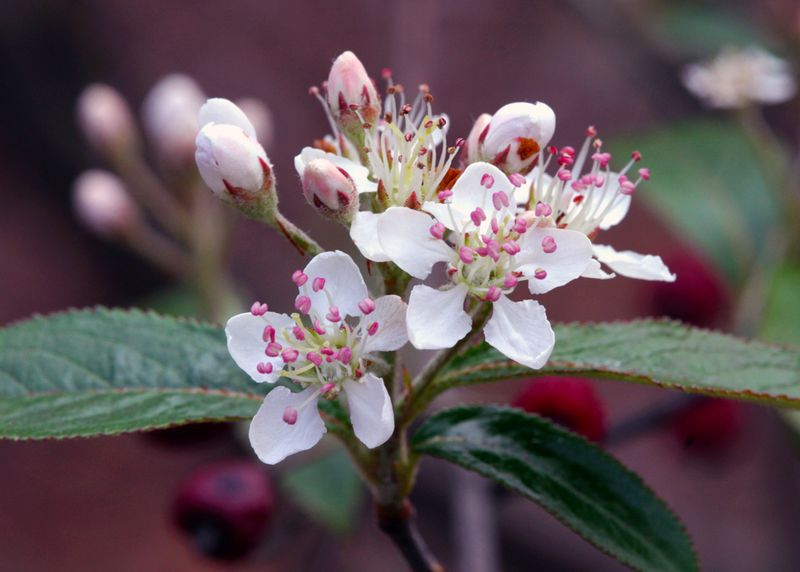
White spring flowers appear in delicate clusters before many other shrubs wake from winter dormancy. Red chokeberry announces spring’s arrival with these cheerful blooms that attract early-season pollinators.
Flowers transform into glossy red berries by fall, creating a second wave of ornamental interest.
Soil adaptability makes red chokeberry incredibly versatile for various garden situations. Wet spots, dry areas, and everything in between suit this accommodating native.
It thrives in full sun to partial shade, though berry production and fall color intensify with more sunlight exposure.
Brilliant red-orange fall foliage rivals any exotic ornamental shrub for autumn drama. Leaves hold their color for weeks before dropping, extending the display well into late season.
Berries persist after leaves fall, providing food for migrating and overwintering birds through harsh winter months.
Mature plants reach six to eight feet tall with upright growth habit. February planting establishes roots before active growth begins in spring.
Space plants four to six feet apart for massed plantings or use individually as accent specimens in mixed borders.
Pruning needs remain minimal with red chokeberry. Remove damaged or crossing branches in late winter to maintain good structure.
This shrub suckers lightly, forming small colonies over time that naturalize beautifully in woodland gardens or meadow edges. Mulch conserves moisture and suppresses weeds around young plants during establishment.
6. Fetterbush (Lyonia lucida)
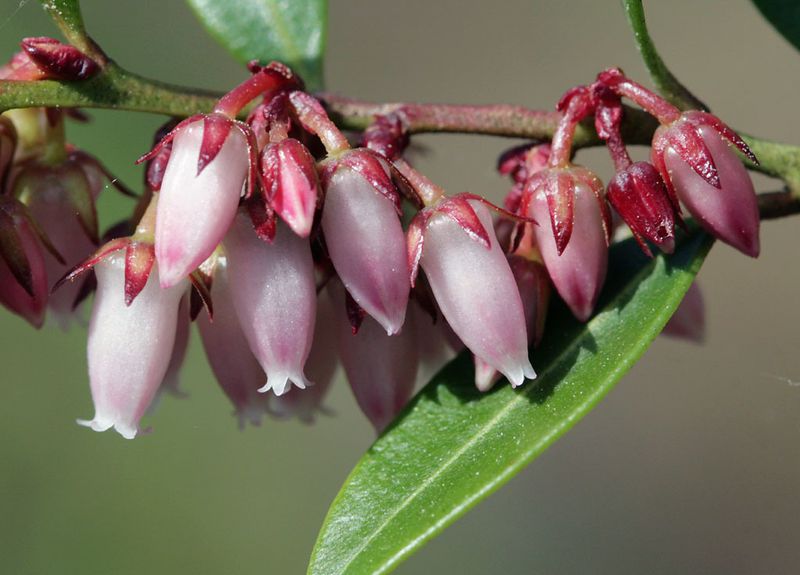
Glossy evergreen leaves catch light beautifully throughout the year, providing constant structure in garden beds. Fetterbush brings refined elegance to native plantings without demanding constant attention.
Fragrant white flowers shaped like tiny bells dangle in clusters during spring, releasing sweet perfume that fills surrounding areas.
Acidic soils and well-drained conditions suit fetterbush perfectly, matching natural growing conditions found throughout North Carolina. Plant it in woodland gardens, along shaded borders, or in naturalized areas where soil pH stays low.
This shrub tolerates partial shade better than full sun, making it ideal for spots under tree canopies.
Compact growth stays around three to six feet tall with similar spread. Slow growth rate means minimal pruning to maintain desired size and shape.
February planting gives roots time to establish in cool soil before warmer weather arrives and growth accelerates.
Fetterbush combines beautifully with azaleas, rhododendrons, and other acid-loving plants in coordinated landscape designs. Its evergreen nature provides year-round backdrop for deciduous companions that change with seasons.
Birds shelter in dense foliage while pollinators visit spring flowers for nectar.
Low maintenance requirements make fetterbush perfect for gardeners seeking beauty without constant work. No serious pest or disease issues plague this tough native.
Mulch with pine needles or shredded bark maintains soil acidity and conserves moisture. Water regularly during the first growing season, then reduce irrigation as plants become self-sufficient.
7. Buttonbush (Cephalanthus occidentalis)
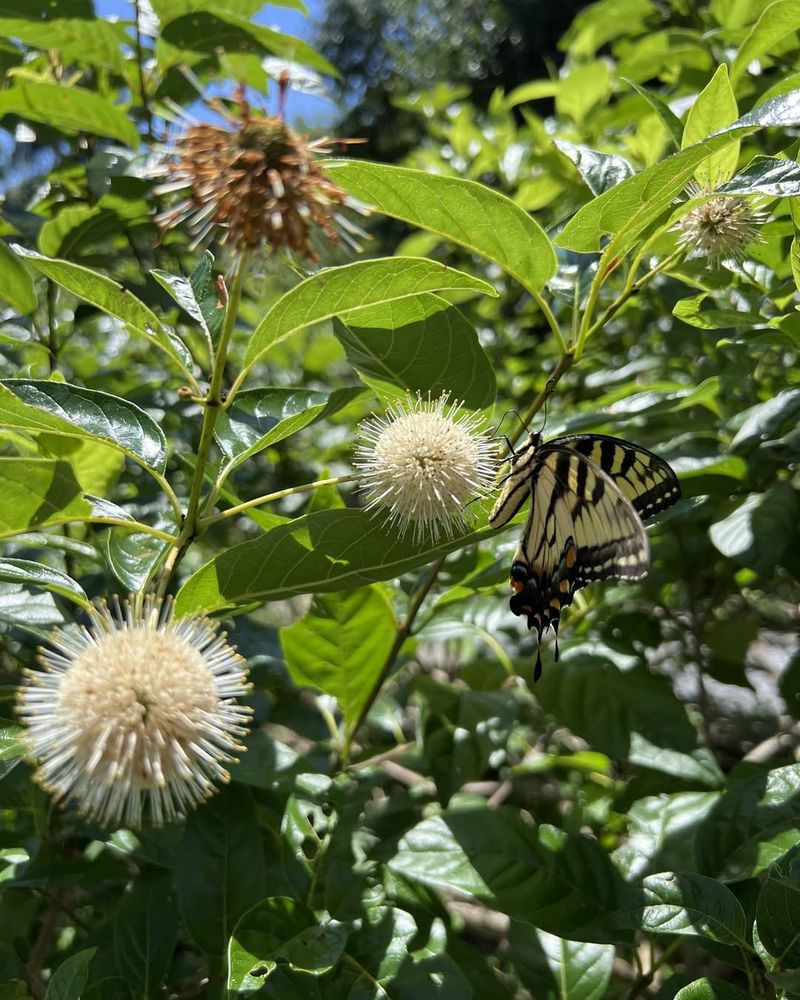
Spherical white flower clusters resembling pincushions create unique visual interest unlike any other native shrub. Buttonbush blooms appear in midsummer when many spring-flowering shrubs finish their show.
These unusual flowers attract butterflies, bees, and hummingbirds in remarkable numbers, transforming gardens into pollinator havens.
Moisture-loving nature makes buttonbush the perfect solution for wet spots where other shrubs struggle or perish. Plant it beside ponds, streams, rain gardens, or any area with consistently damp soil.
It even tolerates seasonal flooding, adapting to water level fluctuations that challenge less versatile plants.
Mature specimens reach six to twelve feet tall with rounded form. Growth rate stays moderate, requiring minimal pruning to maintain shape.
February planting allows roots to establish in cool, moist soil before summer heat intensifies water demands.
Wildlife benefits extend beyond pollinators to include waterfowl and songbirds that feast on seeds. Dense branching provides excellent nesting habitat and shelter from predators.
Buttonbush naturalizes beautifully in wetland edges, creating habitat corridors that support diverse wildlife populations.
Full sun to partial shade suits buttonbush equally well, though flowering increases with more sunlight. Space plants six to eight feet apart for individual specimens or closer for screening along water features.
Mulch around young plants conserves moisture and suppresses competing vegetation. Once established, buttonbush requires virtually no maintenance beyond occasional removal of damaged branches after winter storms.
8. Mountain Laurel (Kalmia latifolia)
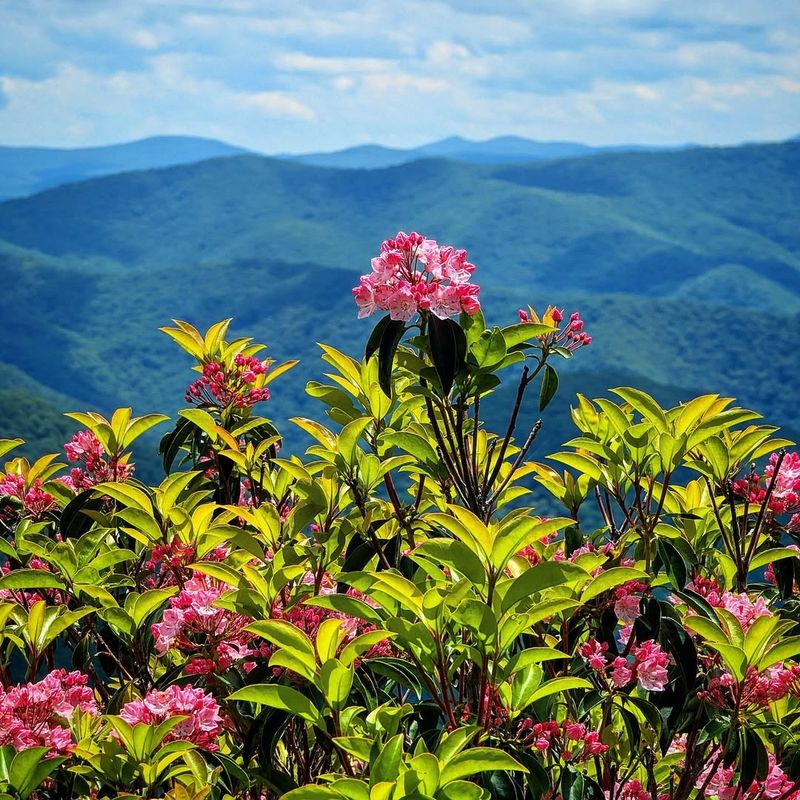
Stunning flower clusters in pink, white, or bicolor combinations create breathtaking displays in late spring. Mountain laurel blooms resemble delicate porcelain with intricate patterns that reward close inspection.
This native evergreen brings elegance to shaded gardens where flowering options often seem limited.
Partial shade and acidic soil conditions found throughout North Carolina suit mountain laurel perfectly. Plant it under tree canopies, along woodland edges, or in foundation beds on the north side of buildings.
It tolerates more sun in cooler mountain regions but appreciates afternoon shade in warmer piedmont and coastal areas.
Evergreen foliage provides year-round structure and texture in garden compositions. Leaves stay glossy and attractive through all seasons, never looking tired or ratty.
Mature plants reach five to fifteen feet tall depending on variety and growing conditions, with compact selections available for smaller spaces.
February planting establishes roots during cool weather before active growth begins. Avoid planting too deeply, as mountain laurel prefers its root crown at or slightly above soil level.
Mulch with pine needles or shredded bark maintains soil acidity and conserves moisture around shallow roots.
Minimal maintenance keeps mountain laurel thriving for decades. Remove spent flower clusters after blooming to improve appearance and direct energy into next year’s buds.
No serious pest problems affect this tough native when grown in appropriate conditions. Pair it with ferns, native azaleas, and woodland wildflowers for stunning shade garden combinations.
9. American Beautyberry (Callicarpa americana)
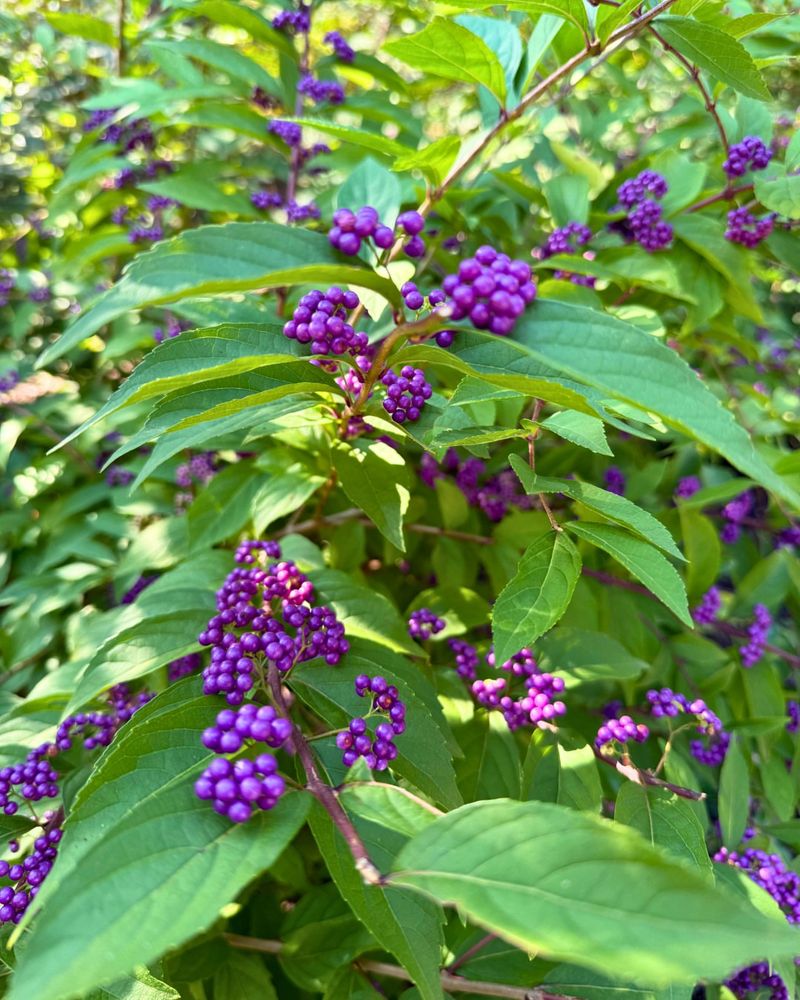
Brilliant purple berries clustered along arching branches create unforgettable fall spectacle that stops visitors in their tracks. American beautyberry earns its common name through these jewel-toned fruits that seem almost artificial in their vivid coloration.
Birds adore these berries, stripping branches clean as winter approaches and food sources diminish.
Adaptable nature allows American beautyberry to thrive in various garden situations from full sun to partial shade. It accepts different soil types including clay, loam, and sandy conditions.
This native shrub tolerates heat, humidity, and occasional drought once roots establish in surrounding soil.
Deciduous leaves drop in fall after turning soft yellow, revealing the berry display in full glory. Stems remain attractive through winter with smooth bark and graceful branching pattern.
Cut plants back hard in late winter to encourage vigorous new growth and abundant berry production.
Mature plants reach four to six feet tall with similar spread. February planting gives roots time to establish before leaves emerge and flowering begins.
Small pink flowers appear in summer but remain inconspicuous compared to the spectacular fruit display that follows.
Wildlife benefits make American beautyberry essential for gardeners supporting local ecosystems. Numerous bird species including mockingbirds, cardinals, and thrushes feast on berries.
Deer typically avoid browsing this shrub, making it useful in areas with heavy browsing pressure. Space plants five feet apart for massed plantings or use individually as accent specimens in mixed borders and woodland gardens.