13 Low-Maintenance Perennials Oregon Gardeners Rely On
Some plants earn their place in the garden by being dependable year after year. You plant them once, they settle in, and they quietly do their job without constant attention.
In Oregon, where weather can shift from soaking rain to dry spells, low-maintenance perennials are the ones many gardeners come to rely on the most.
These are the plants that don’t panic when winter hangs on a little longer or when summer watering gets inconsistent. They handle local conditions well and don’t demand perfect timing or daily care.
For busy gardeners, or anyone who just wants to enjoy their yard more than manage it, that kind of reliability matters.
Maybe you’ve noticed certain plants in your garden always look decent, even when others struggle. Those are often the perennials that are well suited to Oregon’s climate.
Once established, they tend to bounce back each season with minimal effort, offering steady color, texture, or structure.
If you’re tired of replacing plants or spending weekends fixing problems, you’re not alone. Many Oregon gardeners lean on these low-maintenance perennials because they simplify gardening without sacrificing beauty.
Choosing the right ones can make your garden feel calmer, more balanced, and much easier to enjoy from one season to the next.
1. Black-Eyed Susan
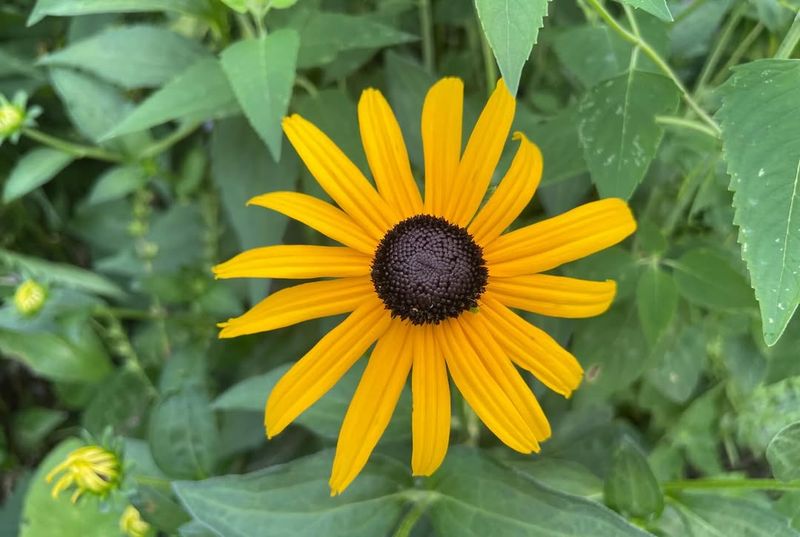
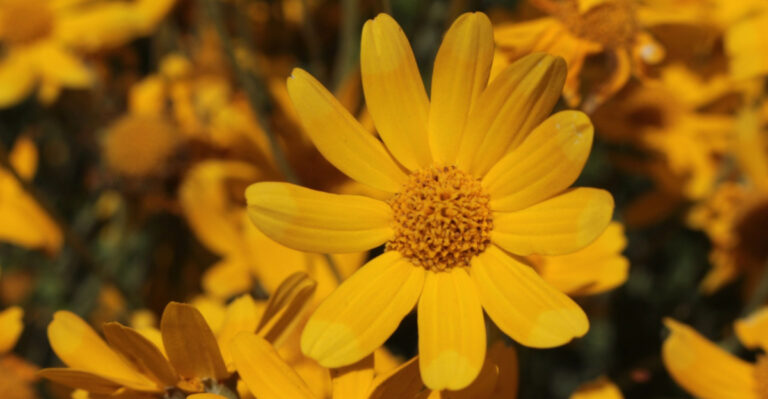
Bright golden petals with dark centers make this flower impossible to miss in any garden bed. Black-Eyed Susans bring cheerful color from mid-summer straight through fall, and they ask for almost nothing in return.
These tough plants handle Oregon’s variable weather like champions.
Once established, they tolerate dry spells remarkably well, which helps during those occasional summer droughts. They grow in full sun or partial shade, making them flexible for different garden spots.
Deer tend to leave them alone, which is a huge bonus if you live near wooded areas.
The flowers attract butterflies and bees, turning your garden into a lively pollinator paradise. Deadheading spent blooms encourages more flowers, but even if you skip this step, they still perform beautifully.
Their self-seeding nature means you might find new plants popping up nearby, which most gardeners consider a delightful surprise rather than a problem.
Black-Eyed Susans work wonderfully in borders, wildflower meadows, or mixed perennial beds. They combine well with ornamental grasses and purple coneflowers for a natural, prairie-style look.
Cut flowers last well in vases, so you can bring their sunshine indoors. These reliable bloomers prove that low maintenance does not mean sacrificing beauty.
2. Coral Bells (Heuchera)

Foliage steals the show with Coral Bells, offering leaves in shades of burgundy, lime green, bronze, silver, and even near-black. While small flowers appear on tall stems in late spring, most gardeners grow these perennials for their stunning leaf colors that last all season long.
They thrive in Oregon’s climate, particularly appreciating some afternoon shade.
These plants stay compact, making them perfect for edging pathways or tucking into smaller garden spaces. They work beautifully in containers too, where their colorful foliage provides year-round interest.
Coral Bells handle our wet winters without rotting, as long as the soil drains reasonably well.
Different varieties offer different cold hardiness levels, but most common types do great throughout Oregon. They rarely need dividing and can grow in the same spot for years without complaint.
Slugs might nibble occasionally, but they rarely cause serious damage.
Pair them with ferns, hostas, or other shade lovers for a textured woodland garden feel. Their colorful leaves brighten up darker corners where many flowering plants struggle.
Simply trim off any damaged leaves in early spring, and they bounce back with fresh growth. Coral Bells prove that you do not need flowers to create a stunning garden display.
3. Lavender
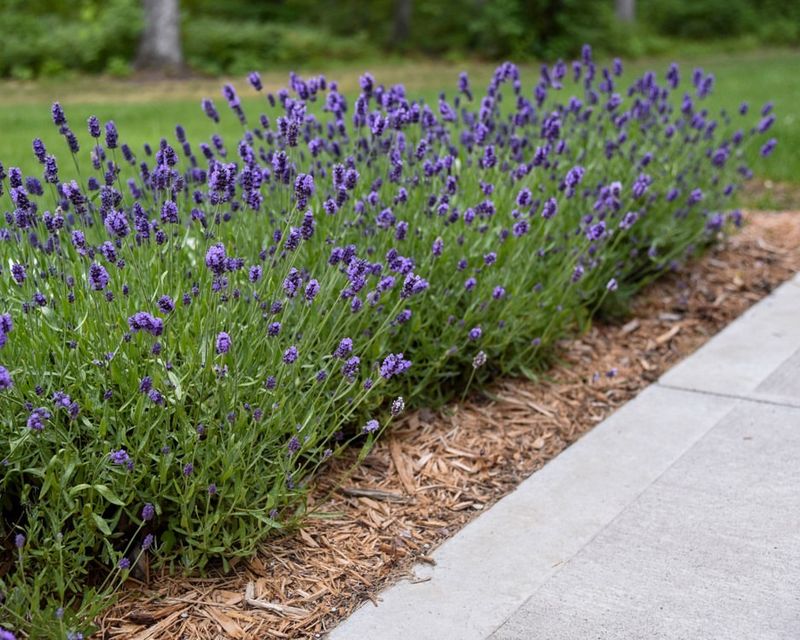
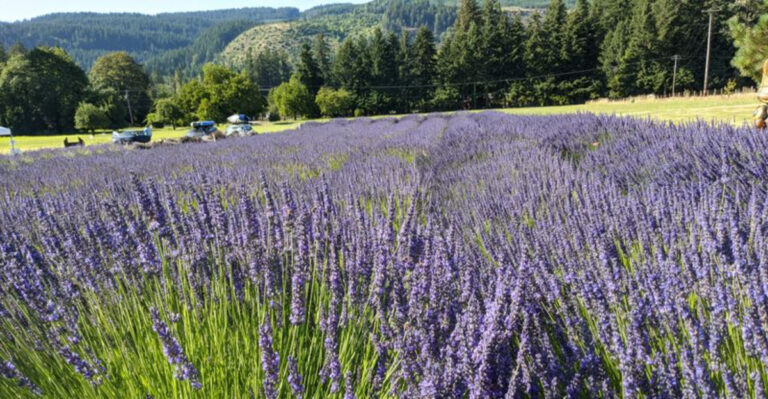
Few plants offer as much sensory pleasure as lavender. The silvery foliage and purple flower spikes fill the air with that unmistakable soothing fragrance that everyone recognizes.
English lavender varieties handle Oregon’s climate best, particularly in well-drained spots that get plenty of sunshine.
Lavender actually prefers lean soil, which means you can skip the fertilizer entirely. Too much water or rich soil causes more problems than benefits, so these plants thrive on benign neglect.
They form neat, rounded mounds that look tidy even when not blooming.
Bees absolutely adore lavender flowers, making your garden buzz with happy pollinators all summer. The blooms dry beautifully, so you can harvest stems for sachets, wreaths, or simply to enjoy indoors.
Deer and rabbits avoid lavender, which protects your other plants too.
Trim plants back by about one-third after flowering ends to keep them compact and encourage bushier growth. Avoid cutting into old woody stems, as lavender does not regrow well from bare wood.
Plant lavender along sunny pathways where you brush against it and release its fragrance. These Mediterranean natives have adapted beautifully to Oregon gardens, offering beauty, scent, and practicality in one elegant package.
4. Daylilies
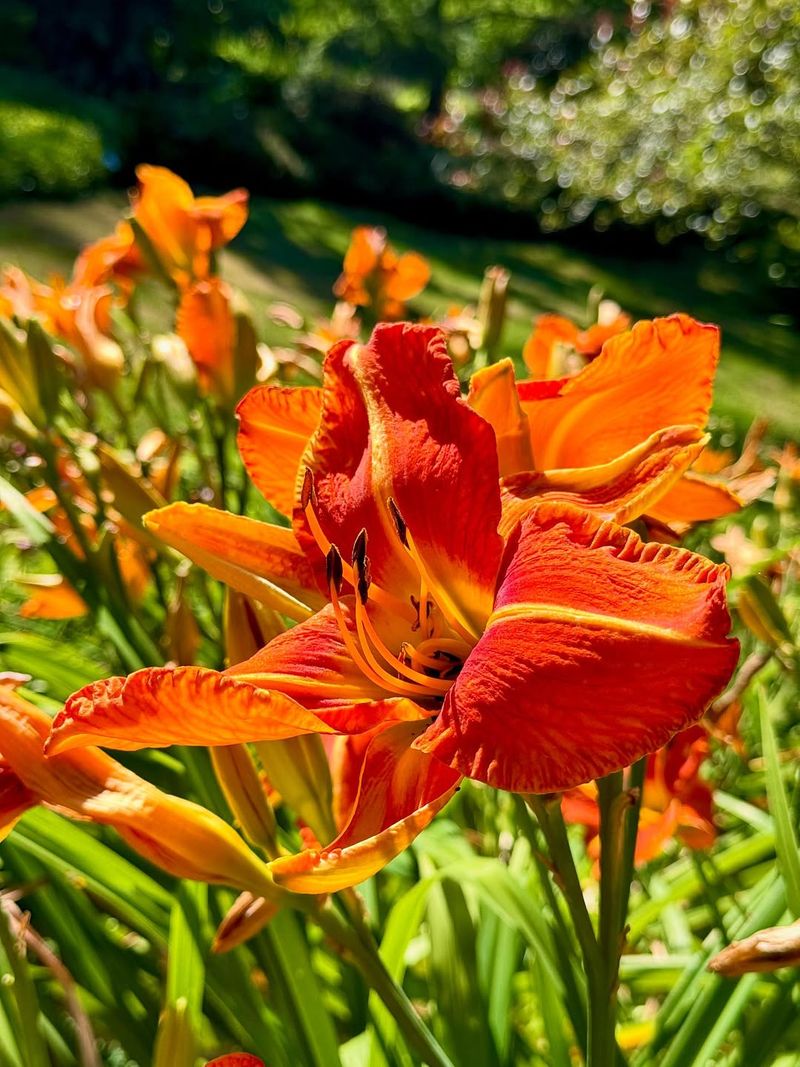
Gardeners joke that you could plant daylilies and then go on vacation, and they would still look fantastic when you returned. This reputation for toughness is well-earned.
These perennials handle heat, cold, rain, and even some drought once their roots settle in.
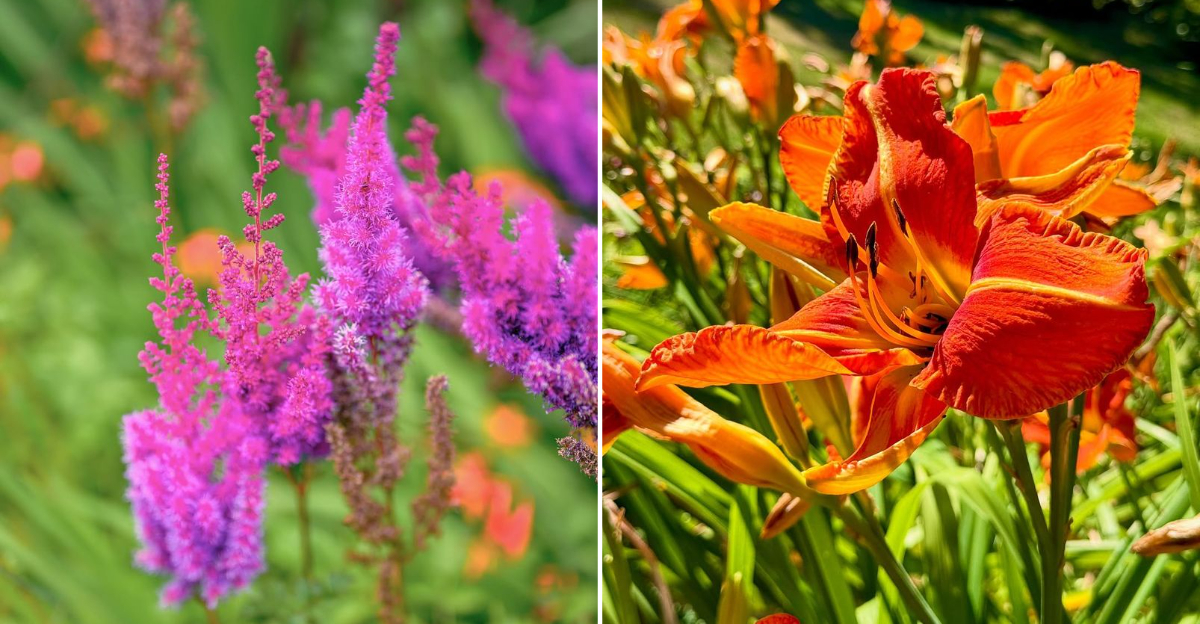
Each flower only lasts one day, but plants produce so many buds that blooms keep coming for weeks. Colors range from pale yellow and soft peach to deep burgundy and bright orange.
Some varieties even bloom twice in one season, offering a second show in late summer.
Daylilies grow in sun or partial shade, though more sun typically means more flowers. They spread slowly to form substantial clumps over time, but they never become invasive or aggressive.
Their strappy foliage looks neat and attractive even when plants are not blooming.
These plants rarely suffer from pests or diseases in Oregon gardens. Divide clumps every few years if they become overcrowded, but many gardeners go much longer without bothering.
Daylilies work wonderfully on slopes where erosion is a concern, as their roots hold soil in place. They also tolerate competition from tree roots better than many perennials.
For reliable color with zero drama, daylilies remain unbeatable.
5. Sedum (Stonecrop)
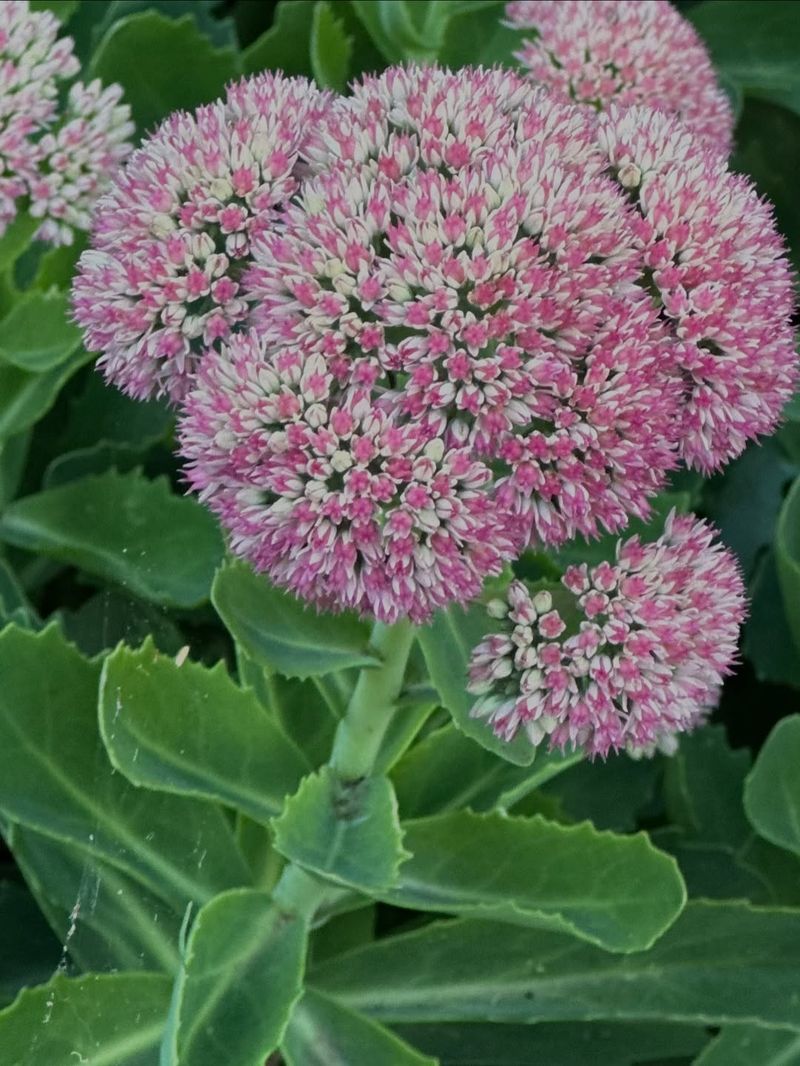
Succulent leaves store water, making sedums incredibly drought-tolerant once established. These fleshy-leaved perennials come in many forms, from low creeping groundcovers to upright varieties that reach two feet tall.
Upright sedums like Autumn Joy produce flat flower clusters that change color as they mature, offering interest from summer through winter.
Butterflies and bees flock to sedum flowers, which provide late-season nectar when many other plants have finished blooming. The flower heads dry beautifully on the plant, creating architectural interest through fall and winter.
Many gardeners leave them standing until spring for this reason.
Sedums thrive in Oregon’s sunny spots with good drainage. They actually perform better in lean, rocky soil than in rich garden beds.
Overwatering causes more problems than underwatering, so these plants suit busy gardeners perfectly.
Creeping varieties work wonderfully between stepping stones, in rock gardens, or cascading over walls. Upright types make excellent border plants or combine beautifully with ornamental grasses.
Sedums rarely need dividing and can grow in the same location for many years. Simply cut back dead stems in early spring, and fresh growth appears quickly.
These tough plants prove that beauty and resilience can go hand in hand.
6. Japanese Anemone

When most perennials are winding down for the season, Japanese Anemones are just getting started. These elegant plants produce tall stems topped with pink or white flowers that dance in the slightest breeze.
They bloom from late summer through fall, filling that awkward gap when many gardens start looking tired.
Japanese Anemones prefer partial shade and consistent moisture, which makes them ideal for Oregon’s climate. They spread slowly through underground runners, eventually forming substantial colonies.
Some gardeners worry about them becoming invasive, but in most Oregon gardens, they stay manageable and simply fill in nicely over time.
The dark green foliage looks attractive all season, even before flowers appear. Plants can reach three to four feet tall when blooming, creating a lovely backdrop for shorter perennials.
They work beautifully in woodland gardens or shaded borders.
These perennials take a year or two to establish, but patience pays off with decades of reliable blooms. Once settled, they need little attention beyond occasional watering during dry spells.
Slugs might nibble young growth in spring, but mature plants shrug off most pest problems. Japanese Anemones bring grace and late-season color to shaded spots where many flowering perennials struggle.
7. Ornamental Oregano

Tiny tubular flowers cluster together to create showy, long-lasting blooms that butterflies find irresistible. Ornamental oregano varieties like Kent Beauty produce cascading flower bracts in shades of pink, purple, and green that remain attractive for months.
These Mediterranean natives adapt surprisingly well to Oregon gardens.
Unlike culinary oregano, ornamental types are grown primarily for their decorative flowers rather than cooking. They thrive in full sun and well-drained soil, making them perfect for rock gardens, containers, or the front of borders.
Their drought tolerance means less watering once roots establish.
The flowers appear in early summer and often last through fall, providing exceptional value for such compact plants. Foliage releases a pleasant herbal scent when brushed or crushed.
Deer and rabbits avoid oregano, protecting nearby plants from browsing.
These perennials stay small and tidy, rarely needing pruning or shaping. They work beautifully cascading over the edges of containers or retaining walls.
Ornamental oregano handles Oregon’s wet winters better than many Mediterranean plants, as long as drainage is adequate.
Combine them with sedums, lavender, and other sun-lovers for a low-water garden that still looks lush and colorful. These charming plants prove that tough and beautiful are not mutually exclusive qualities.
8. Bleeding Heart
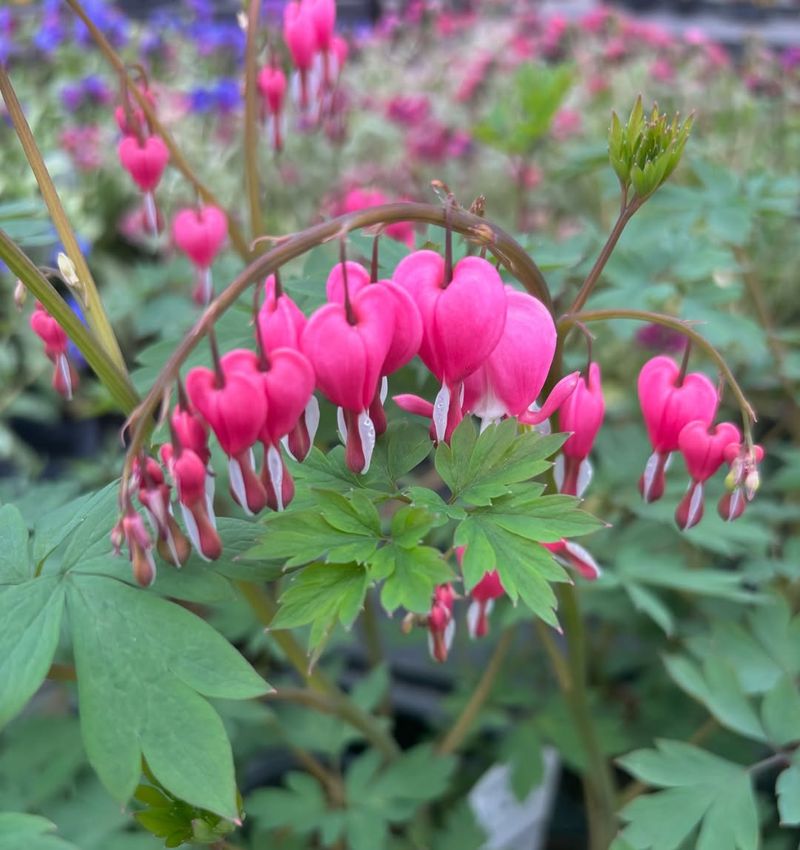
Heart-shaped flowers dangle from arching stems in spring, creating one of the most romantic displays in any shade garden. Traditional pink and white varieties are most common, but pure white and even yellow forms exist for gardeners seeking something different.
Bleeding Hearts thrive in Oregon’s moist, shaded conditions.
These woodland natives appreciate rich soil and consistent moisture during their growing season. They bloom prolifically in mid to late spring, often continuing into early summer.
After blooming ends, the ferny foliage remains attractive through summer in cooler, shadier spots.
In warmer locations or during hot summers, bleeding heart foliage may yellow and go dormant by midsummer. This is completely natural, not a problem.
Simply trim away faded foliage, and the plant will return fresh the following spring. Plant summer-blooming perennials nearby to fill the space.
Bleeding Hearts combine beautifully with hostas, ferns, and hellebores in shaded borders. They naturalize well under deciduous trees, creating lovely spring displays before tree leaves fully emerge.
These perennials rarely need dividing and can grow undisturbed for many years.
Slugs occasionally nibble young growth, but established plants usually outgrow any damage quickly. For a shade garden that looks effortlessly elegant each spring, bleeding hearts deliver reliably year after year.
9. Russian Sage
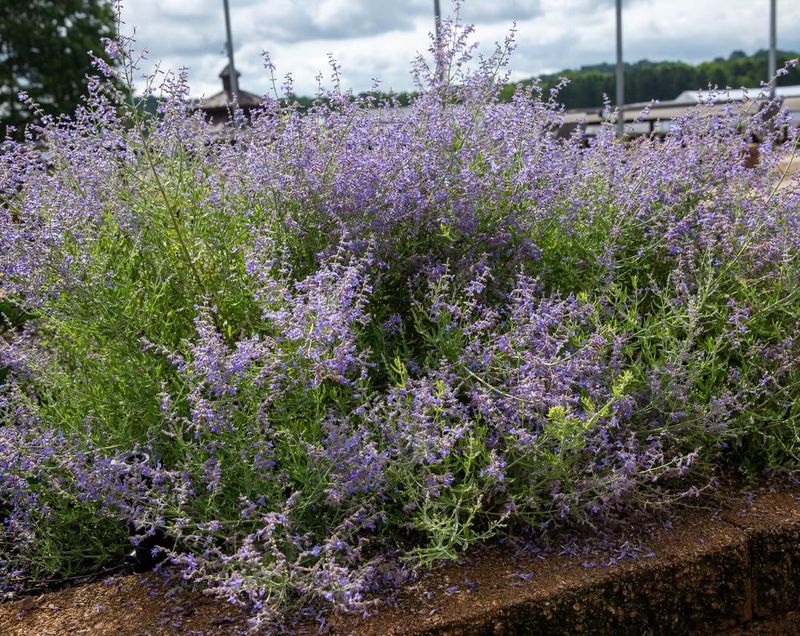
Airy purple-blue flower spikes rise above silvery foliage, creating a hazy, dreamlike effect in summer borders. Russian Sage grows tall and wide, forming substantial shrubby clumps that sway gracefully in breezes.
The aromatic foliage releases a pleasant scent when brushed, adding another sensory dimension to your garden.
This perennial thrives in hot, dry conditions, making it perfect for sunny spots that get less water. Once established, Russian Sage handles summer droughts without complaint.
It actually performs better with benign neglect than with too much attention or fertilizer.
Bees and butterflies visit the flowers constantly throughout summer and into fall. The long blooming period provides reliable color when many other perennials take a break.
Deer and rabbits avoid Russian Sage, which helps protect your entire garden.
Cut plants back hard in early spring before new growth emerges, removing all the previous year’s woody stems. This encourages bushy, compact growth and prevents plants from becoming floppy.
Russian Sage combines beautifully with roses, ornamental grasses, and other sun-lovers.
In Oregon gardens with heavy clay soil, ensure good drainage or plant on a slight slope. These tough perennials reward minimal care with months of beautiful blooms and textured foliage that looks good even after flowers fade.
10. Astilbe
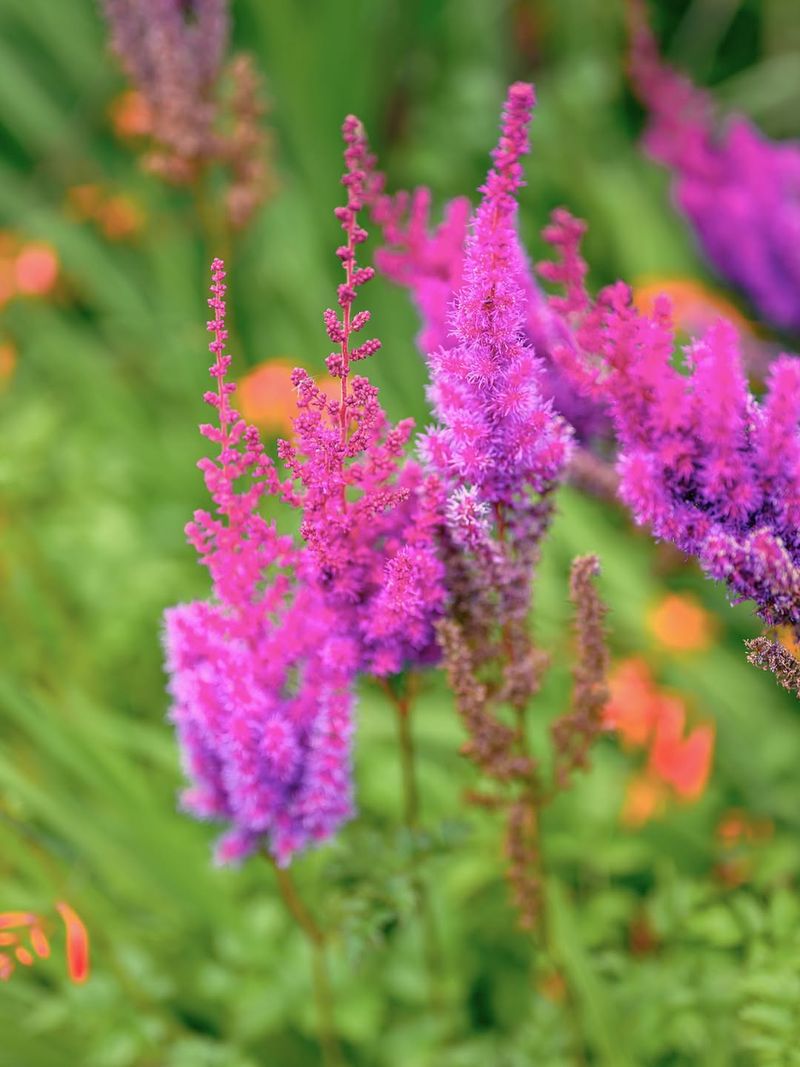
Feathery plumes in shades of pink, red, white, or lavender rise above mounds of ferny foliage in early to mid-summer. Astilbes bring soft texture and romantic color to shaded gardens where many flowering perennials struggle.
These shade-lovers thrive in Oregon’s moist climate, particularly in spots with afternoon shade.
Unlike many perennials that tolerate shade but prefer sun, astilbes actually perform better with some protection from hot afternoon rays. They appreciate consistent moisture, making them perfect for planting near downspouts or in naturally damp areas.
Mulching around plants helps retain soil moisture.
The flower plumes last for several weeks, and even after blooms fade, the dried flower heads remain attractive through summer. Many gardeners leave them standing for winter interest.
The deeply divided foliage looks attractive all season, even when plants are not blooming.
Astilbes work wonderfully in woodland gardens, shaded borders, or alongside ponds and streams. They combine beautifully with hostas, ferns, and bleeding hearts for a lush, layered look.
Different varieties bloom at different times, so planting several types extends the flowering season.
These perennials rarely suffer from serious pest or disease problems in Oregon gardens. Divide clumps every few years if they become crowded, but many thrive for years without this attention.
11. Catmint (Nepeta)
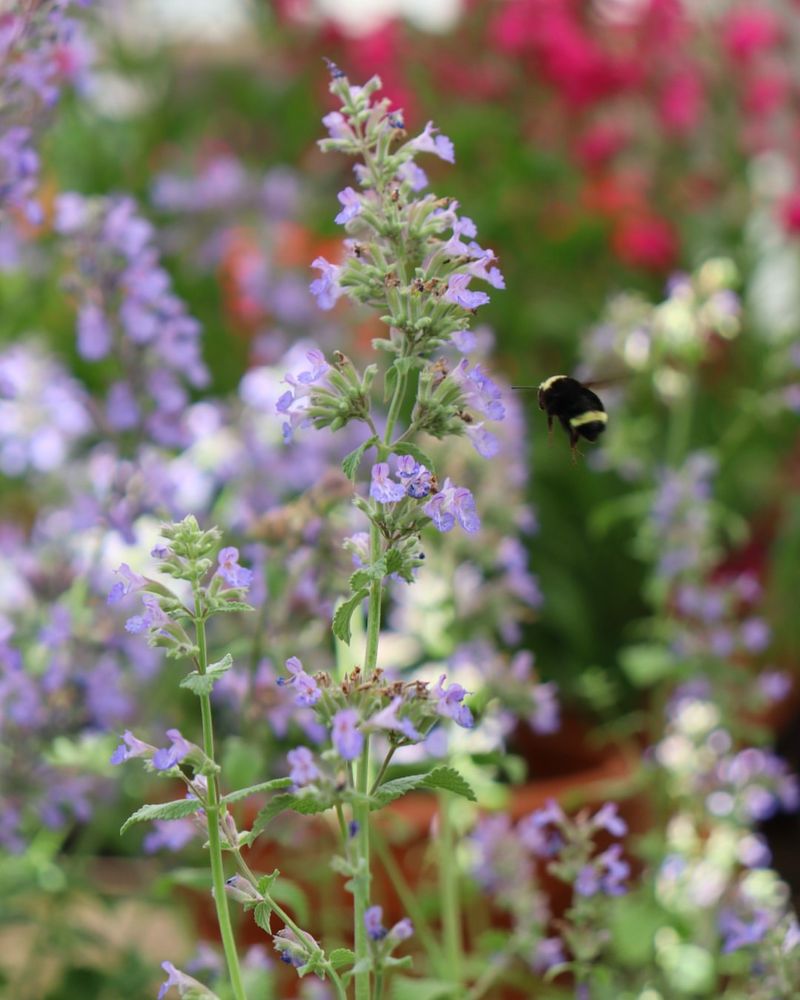
Clouds of lavender-blue flowers cover mounding plants from late spring through fall, especially if you shear them back after the first flush of blooms. Catmint forms neat, billowy clumps that work beautifully along pathways or as edging for borders.
The aromatic gray-green foliage adds subtle texture even when flowers are sparse.
Despite the name, most ornamental catmint varieties are less attractive to cats than true catnip, though some felines still enjoy rolling in them. Bees and butterflies, however, find the flowers irresistible.
Deer and rabbits avoid catmint, making it useful as a protective border around more vulnerable plants.
These perennials thrive in full sun and well-drained soil, handling Oregon’s occasional summer dry spells with ease once established. They rarely need fertilizer and actually bloom better in lean soil.
Overwatering or overly rich soil causes floppy growth and fewer flowers.
Cut plants back by half after the first bloom cycle ends, and they quickly regrow and flower again. This simple maintenance step extends the blooming season significantly.
Catmint combines beautifully with roses, providing a soft, colorful underskirt that complements rose blooms perfectly.
These reliable performers rarely suffer from pest or disease problems. They spread slowly to form substantial clumps but never become invasive or aggressive in Oregon gardens.
12. Salvia (Perennial Sage)

Spikes of tubular flowers in shades of blue, purple, pink, or red attract hummingbirds and butterflies throughout summer and fall. Perennial salvias bring vertical interest and vibrant color to sunny borders with minimal care required.
May Night salvia, with its deep purple-blue flowers, is particularly popular in Oregon gardens.
These Mediterranean natives prefer full sun and well-drained soil, thriving in conditions that many perennials find challenging. Once established, they handle dry spells remarkably well, making them perfect for water-wise gardens.
They bloom for months, especially if you deadhead spent flower spikes regularly.
Salvia foliage releases a pleasant herbal scent when brushed or crushed. Deer and rabbits avoid these aromatic plants, protecting nearby plantings from browsing.
The upright flower spikes create nice contrast with mounding perennials like catmint or geraniums.
Cut plants back by one-third after the first bloom cycle to encourage fresh growth and more flowers. In early spring, trim away any dead stems before new growth emerges.
Salvias rarely need dividing and can grow happily in the same spot for many years.
These perennials combine beautifully with ornamental grasses, roses, and other sun-lovers. Their long blooming season and wildlife appeal make them valuable additions to any low-maintenance Oregon garden seeking color and movement.
13. Hardy Geranium (Cranesbill)

Delicate five-petaled flowers in shades of pink, purple, blue, or white cover mounding plants from late spring through summer. Hardy geraniums are completely different from the annual geraniums sold at garden centers.
These tough perennials return reliably year after year, spreading slowly to form attractive groundcovers or border plants.
The deeply lobed foliage looks attractive all season, and many varieties develop beautiful fall color before going dormant. Hardy geraniums grow well in sun or partial shade, making them versatile for different garden locations.
They handle Oregon’s climate beautifully, tolerating both wet winters and occasional summer droughts.
These perennials rarely suffer from pest or disease problems. Deer and rabbits usually leave them alone, though slugs might nibble young growth occasionally.
Shear plants back after the first bloom cycle, and many varieties will flower again in late summer or fall.
Hardy geraniums work wonderfully as groundcovers under roses or shrubs, filling space without competing aggressively. They also edge pathways beautifully or cascade over retaining walls.
Different varieties offer different growth habits, from compact six-inch mounds to sprawling two-foot spreads.
These reliable bloomers combine well with nearly any other perennial. Their undemanding nature and long bloom time make them favorites among Oregon gardeners who want beauty without constant maintenance.