9 Low-Maintenance Perennials That Thrive In Michigan With Very Little Care
A Michigan garden does not have to demand constant work to look full, colorful, and alive. Some perennials are built to handle the state’s cold winters, warm summers, and changing weather without needing much attention once they settle in.
That makes them a smart choice for gardeners who want lasting beauty without spending every free day watering, cutting back, or fixing problems.
The best low maintenance perennials come back year after year and keep doing their job with very little fuss.
Some bring bright flowers, others add texture or long season interest, and a few can do both. The right mix can make beds look strong and well planned without feeling high effort.
For Michigan homeowners who want a yard that looks good with less work, these dependable perennials offer an easy way to build color, shape, and beauty that lasts through the seasons.
1. Yarrow
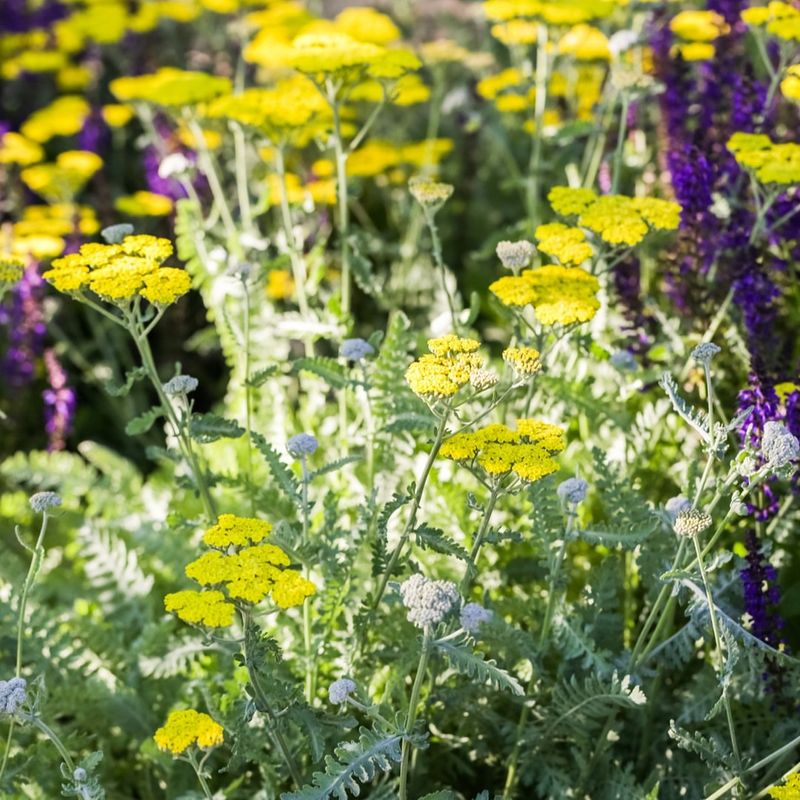
Yarrow is the kind of plant that makes experienced gardeners smile knowingly. Achillea millefolium has been used in gardens for centuries, and its reputation for toughness is well earned.
In Michigan, where summers can swing between soggy and bone-dry depending on the year, Yarrow handles both extremes with remarkable composure. Poor soil, full sun, and minimal rainfall are conditions it actually prefers.
The flowers form wide, flat-topped clusters that come in shades of yellow, white, pink, and red depending on the variety.
They bloom from early summer through midsummer, and cutting the spent flower heads encourages a second flush of blooms later in the season.
Bees and butterflies visit constantly, making Yarrow a pollinator magnet that adds real ecological value to your Michigan yard beyond just good looks.
One of its most practical qualities is that it needs almost no water once established. Overwatering actually weakens the plant, so neglect is genuinely beneficial here.
It spreads steadily through underground roots, which can be a bonus if you want to fill a large area quickly. Dividing clumps every three years or so keeps plants vigorous and prevents overcrowding.
Yarrow also makes an excellent cut flower, holding its shape and color beautifully in arrangements both fresh and dried, giving Michigan gardeners even more reasons to grow it.
2. Purple Coneflower
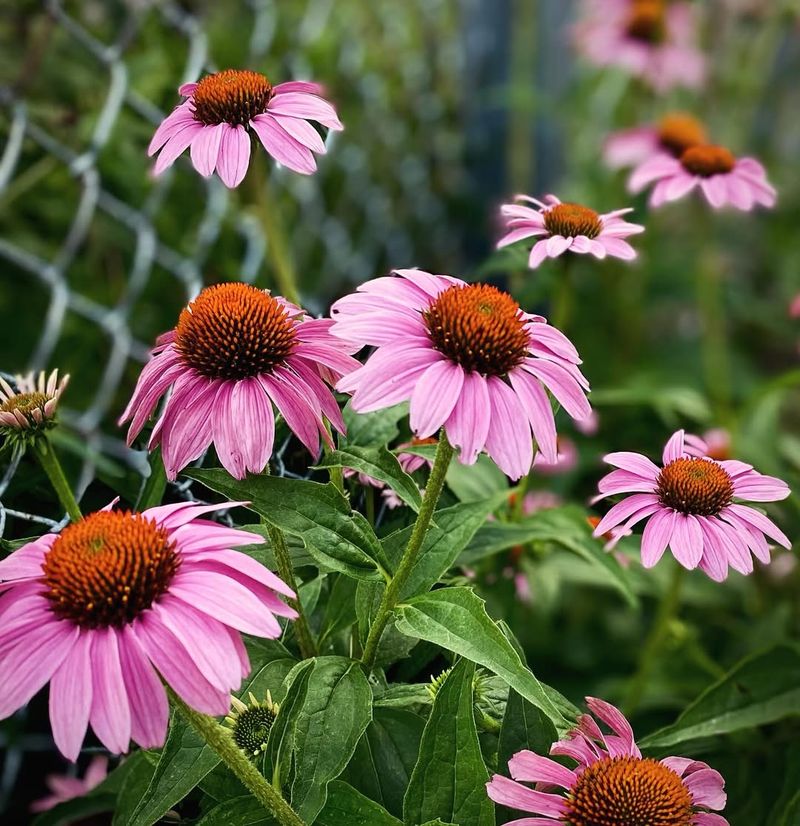
Few plants earn their place in a Michigan garden quite like the Purple Coneflower. Known botanically as Echinacea purpurea, this native wildflower has been growing across the Midwest long before anyone called it a garden plant.
Its bold, rosy-purple petals surround a spiky orange-brown center that gives it an instantly recognizable look from across the yard.
Because it is native to this region, Purple Coneflower already knows how to handle Michigan weather.
It thrives in USDA Hardiness Zones 4 through 8, which covers the entire state with room to spare. Once it roots into the ground, it handles drought like a champ, meaning you can skip watering for weeks and it will still look great.
Poor soil? No problem. Sandy, clay-heavy, or somewhere in between, this plant adapts without complaint.
Blooms typically appear from midsummer through early fall, giving you weeks of color when other plants start fading.
Pollinators absolutely love it, so expect butterflies and bees to visit regularly. Goldfinches are also known to snack on the seed heads in autumn, so skip deadheading if you want to attract birds.
Each spring it returns reliably, spreading slowly into a fuller clump with almost zero effort on your part.
3. Little Bluestem
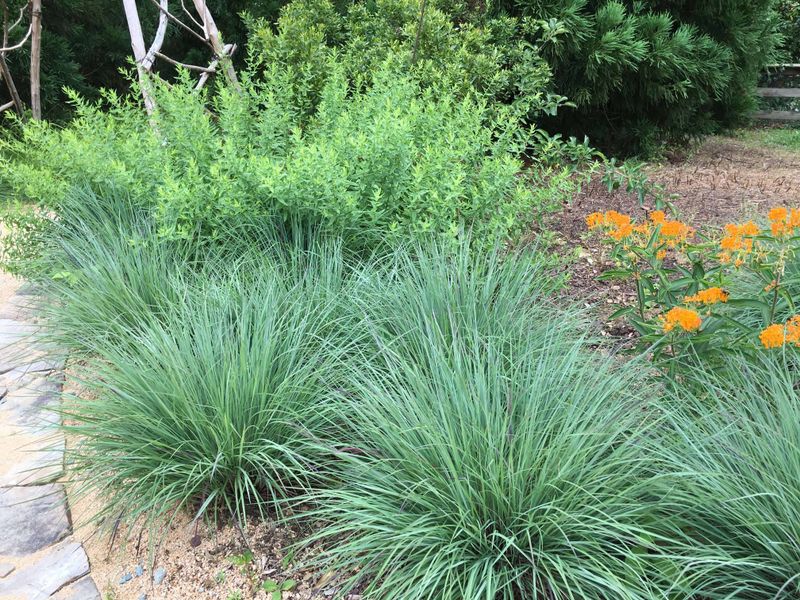
Not every great garden plant produces showy flowers, and Little Bluestem proves that point beautifully.
Schizachyrium scoparium is a native ornamental grass that earns its place in Michigan landscapes through four seasons of changing color and texture.
In summer, the upright clumps glow with a distinctive blue-green hue that shifts to warm copper and rust-red tones as autumn arrives.
Sandy, dry soils that frustrate most gardeners are exactly where Little Bluestem feels at home.
It grows naturally across Michigan prairies and roadsides, so it already understands the local growing conditions better than almost any other plant you could choose.
No fertilizer is needed, no irrigation system required, and no special soil amendments will make it perform any better than simply leaving it alone.
Throughout winter, the fluffy silver seed heads catch the light and add visual interest to an otherwise dormant garden.
Birds forage among the stems for seeds, and the dense clumps provide shelter for beneficial insects during cold Michigan months.
Cutting the grass back to about four inches in late winter or very early spring is the only real maintenance task on the calendar. At that point, the cycle starts again and the blue-green color returns right on schedule.
For Michigan homeowners who want a plant that looks great year-round with almost no work, Little Bluestem is a genuinely smart choice.
4. Black-Eyed Susan
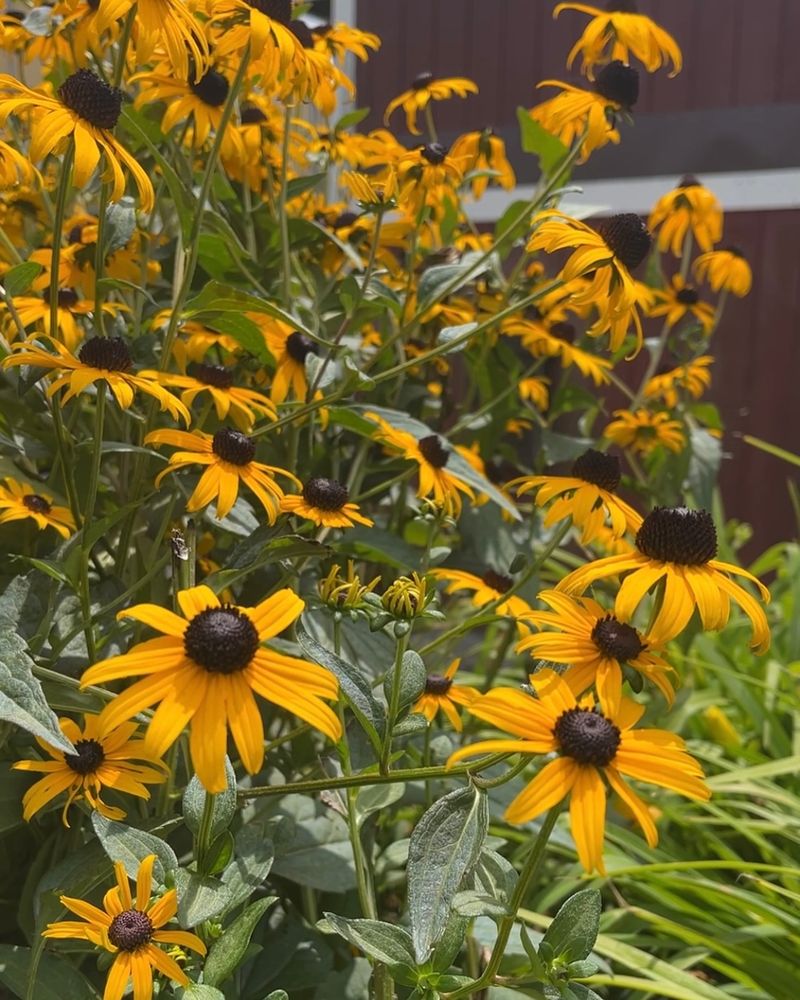
There is something undeniably cheerful about a yard full of Black-Eyed Susans.
Rudbeckia hirta brings that sunny, golden-yellow energy to Michigan gardens from midsummer all the way into early fall, long after many other flowers have finished their show.
The dark, velvety centers contrast beautifully against the bright petals, making each bloom look almost painted.
What makes this plant such a reliable choice for Michigan homeowners is its toughness. Heat waves, dry spells, and average soil do not slow it down at all.
It grows well in full sun and asks for very little in return, no fertilizing schedule, no complicated pruning routine, and no special watering setup needed.
Plant it once and it rewards you season after season. Black-Eyed Susan also plays well with other garden plants. Pair it alongside Purple Coneflower or Yarrow for a wildflower-inspired look that practically takes care of itself.
It self-seeds lightly, so you may notice new plants popping up nearby each year, which is honestly a bonus rather than a problem.
Pollinators like bees and butterflies flock to the blooms throughout summer, adding extra life and movement to your outdoor space.
For Michigan gardeners who want maximum color with minimum fuss, this golden classic never disappoints.
5. Daylily
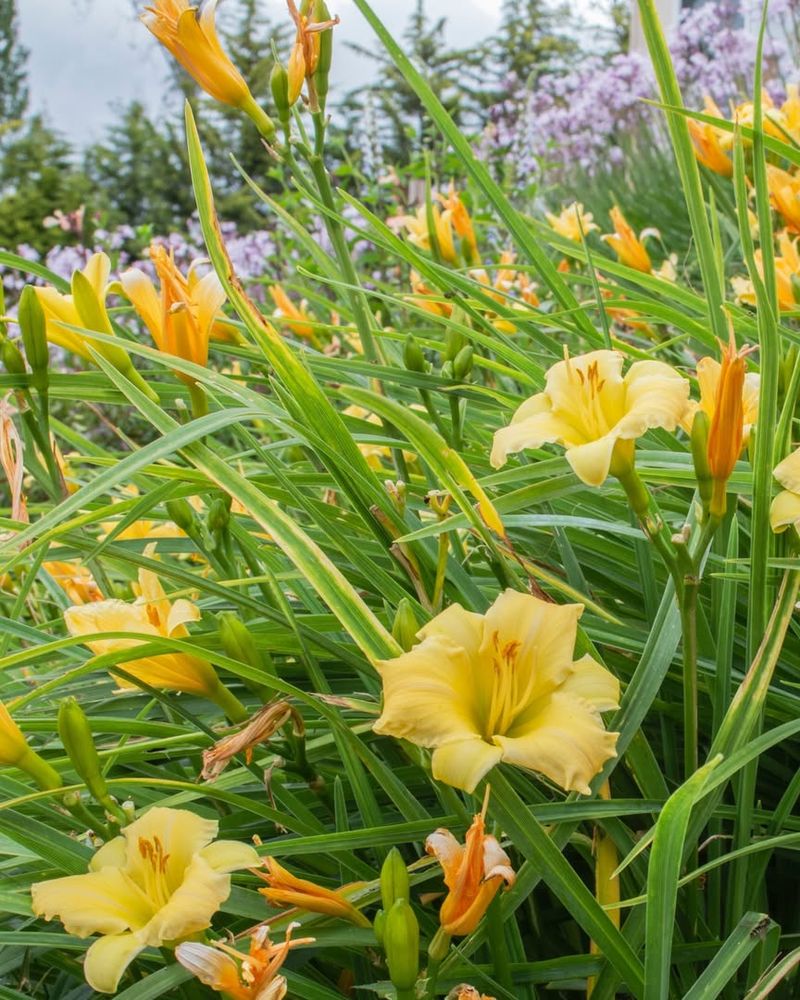
Daylilies have a reputation for being nearly impossible to mess up, and that reputation is completely deserved.
Hemerocallis varieties spread across Michigan gardens with ease, tolerating cold winters, summer heat, and a surprisingly wide range of soil types without missing a beat. Whether your yard has rich loam or compacted clay, daylilies find a way to thrive.
Once established, these plants need very little water, making them a smart pick for gardeners who travel or simply prefer a hands-off approach.
Each individual bloom lasts only one day, but the plant produces so many buds that the flowering period stretches across several weeks in summer.
Varieties like Stella de Oro and Happy Returns are especially popular in Michigan because they rebloom reliably through the season.
Dividing daylilies every few years actually helps them bloom better, but even skipping that step will not cause major problems.
They spread slowly on their own, gradually filling in bare spots and creating a lush, full look without any help.
Their strappy, arching foliage stays attractive even when the plant is not in bloom, giving the garden structure and texture throughout the growing season.
For Michigan yards that need low-effort color from early summer onward, daylilies are one of the most dependable options available anywhere.
6. Hosta
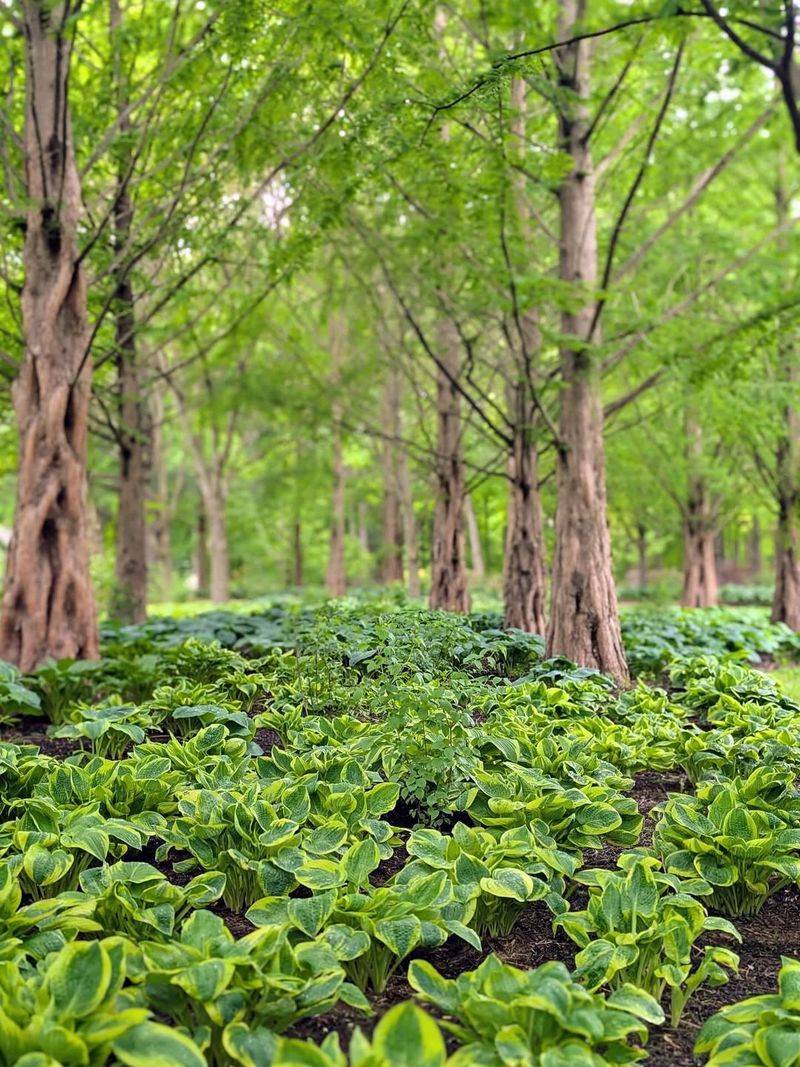
Shady spots in a Michigan yard can feel like a design challenge, but hostas turn that challenge into an opportunity.
These leafy perennials absolutely love partial to full shade, making them perfect for areas under trees or along the north side of a house where most plants refuse to cooperate.
Their oversized, textured leaves come in shades ranging from deep blue-green to golden yellow and bright chartreuse.
Michigan winters can be brutal, but hostas handle them without any extra protection. They go dormant in late fall, disappear under the snow, and push back up through the soil each spring looking completely refreshed.
That cycle repeats reliably for decades, and some established hosta clumps in Michigan gardens have been growing in the same spot for thirty years or more.
Maintenance is minimal, which is exactly what busy gardeners want. Occasional watering during dry stretches and removing tattered leaves at the end of the season is about all they ask for.
Slugs can occasionally be an issue in very wet conditions, but choosing thicker-leaved varieties like Sum and Substance or Halcyon reduces that problem significantly.
Hostas also produce tall, slender flower spikes in summer that attract hummingbirds, adding a delightful bonus to their already impressive foliage display throughout the growing season.
7. Sedum (Upright Types)
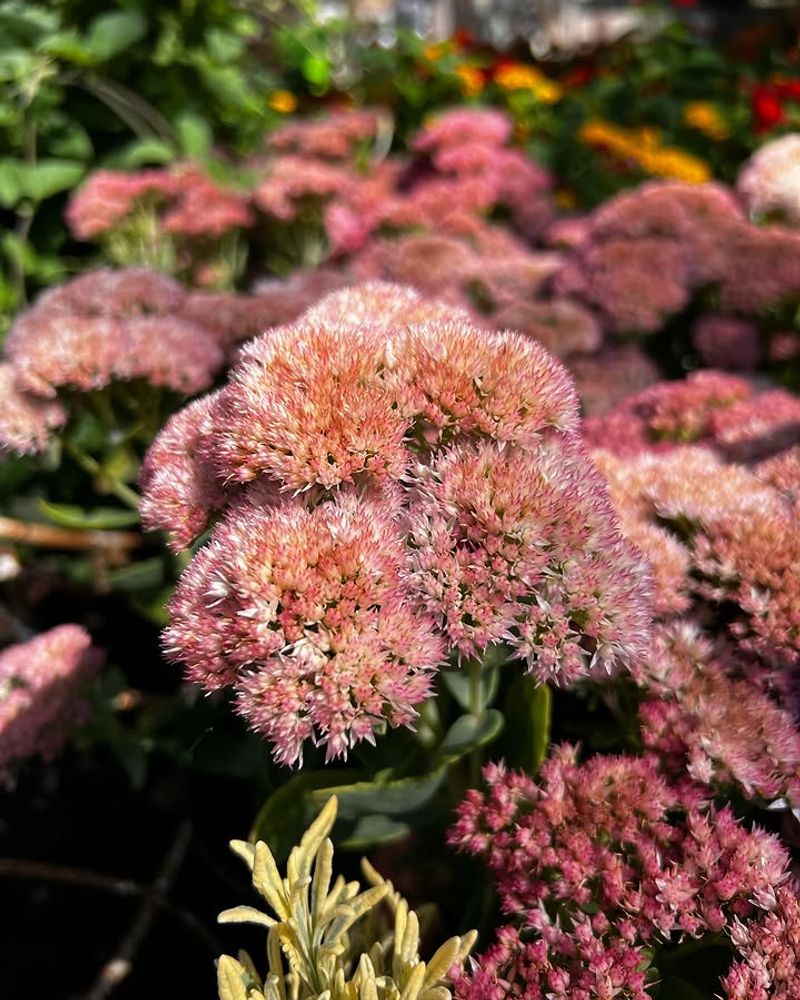
When late summer arrives and most perennials start looking tired, Upright Sedum steps up and steals the spotlight.
Varieties like Autumn Joy, now classified as Hylotelephium spectabile, produce broad, flat clusters of flowers that open pale pink and deepen to a rich rose-red as the weeks pass.
That color transition alone makes it one of the most visually interesting plants in any Michigan landscape.
Full sun and dry soil are exactly what this plant wants, which means it thrives in spots where other plants struggle.
It stores water in its thick, fleshy stems and leaves, so even during a dry Michigan summer it keeps going strong without supplemental irrigation.
No fertilizer is needed, and the plant rarely suffers from pest or disease problems that would require your attention.
After the flowers fade in fall, the dried seed heads remain attractive through winter, adding structure to an otherwise bare garden bed.
Birds visit them regularly, pecking at the seeds during cold Michigan months when food sources are limited.
Cutting the stems back to the ground in early spring is the only real task required, and even that takes only a few minutes.
For a plant that delivers three full seasons of visual interest with almost no effort, Upright Sedum is genuinely hard to beat in Michigan gardens.
8. Bee Balm
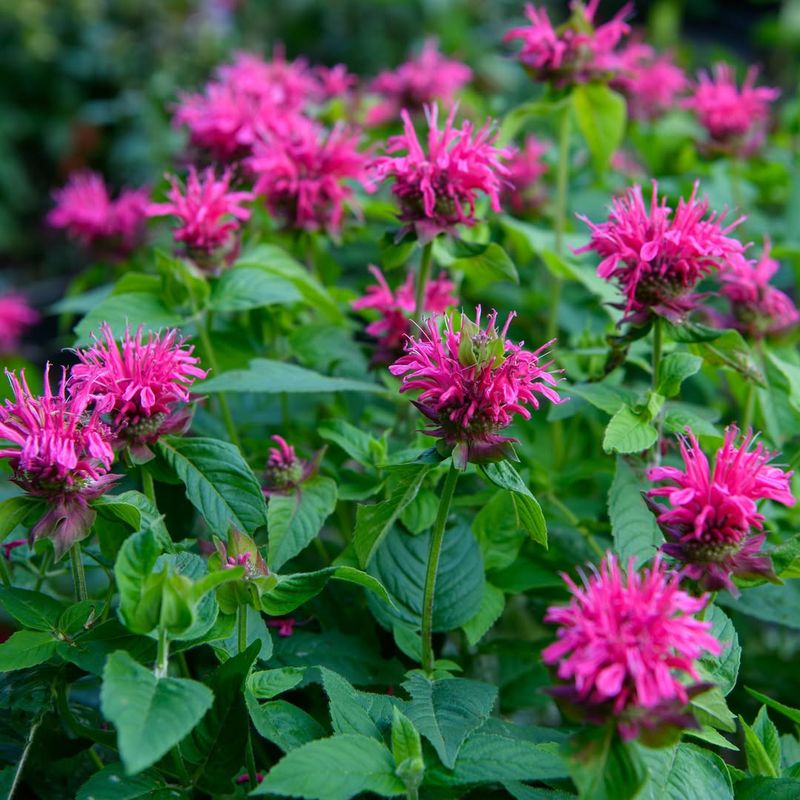
Walk past a patch of Bee Balm in midsummer and you will immediately understand why it earned that name.
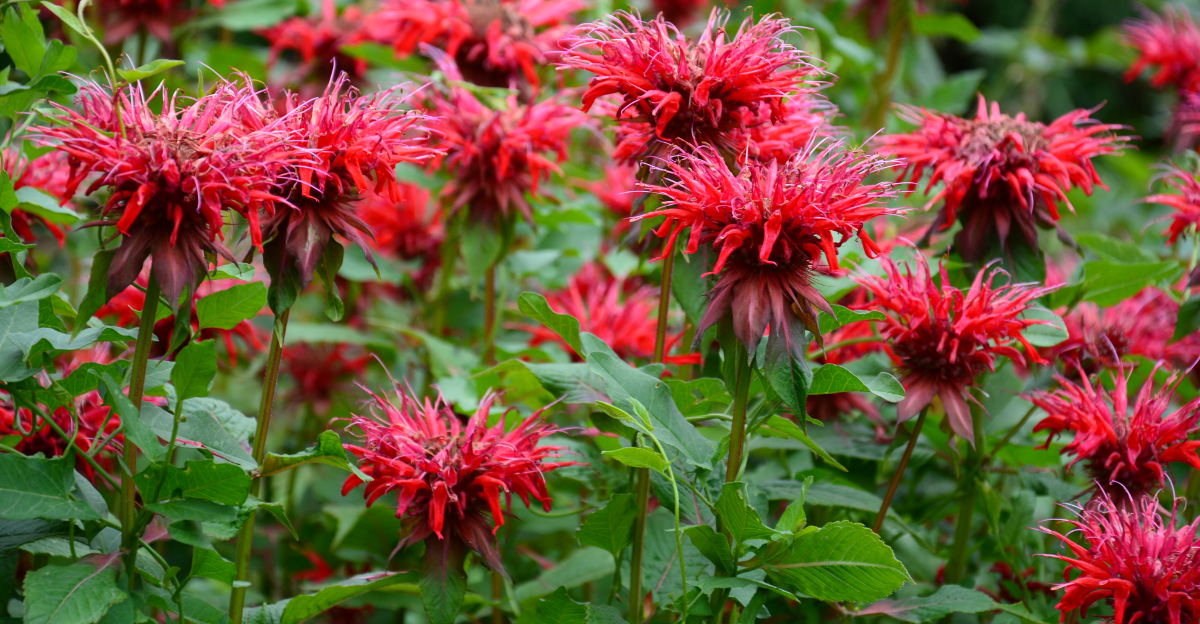
Monarda didyma produces wild, shaggy flower heads in shades of red, pink, purple, and white that hummingbirds and bees simply cannot resist.
The blooms appear in July and August, right when Michigan gardens need that burst of color most, and they keep going for several weeks before fading.
Cold winters do not slow this plant down at all. Bee Balm is fully cold-hardy across Michigan and returns each spring with impressive energy, often spreading wider than the year before.
That spreading habit means it fills in garden beds quickly, which is great for covering ground but worth monitoring if space is limited.
Thinning the clumps every couple of years improves airflow between stems and reduces the chances of powdery mildew, a condition that can affect the foliage in humid Michigan summers.
Choosing mildew-resistant varieties like Jacob Cline or Raspberry Wine makes maintenance even easier and keeps the foliage looking clean all season.
Beyond its beauty, Bee Balm has a long history of medicinal and culinary use among Native American communities, adding a fascinating cultural dimension to this already impressive plant.
Its aromatic leaves smell faintly of oregano when brushed, making a walk through the garden a genuinely sensory experience for Michigan homeowners who grow it.
9. Wild Columbine
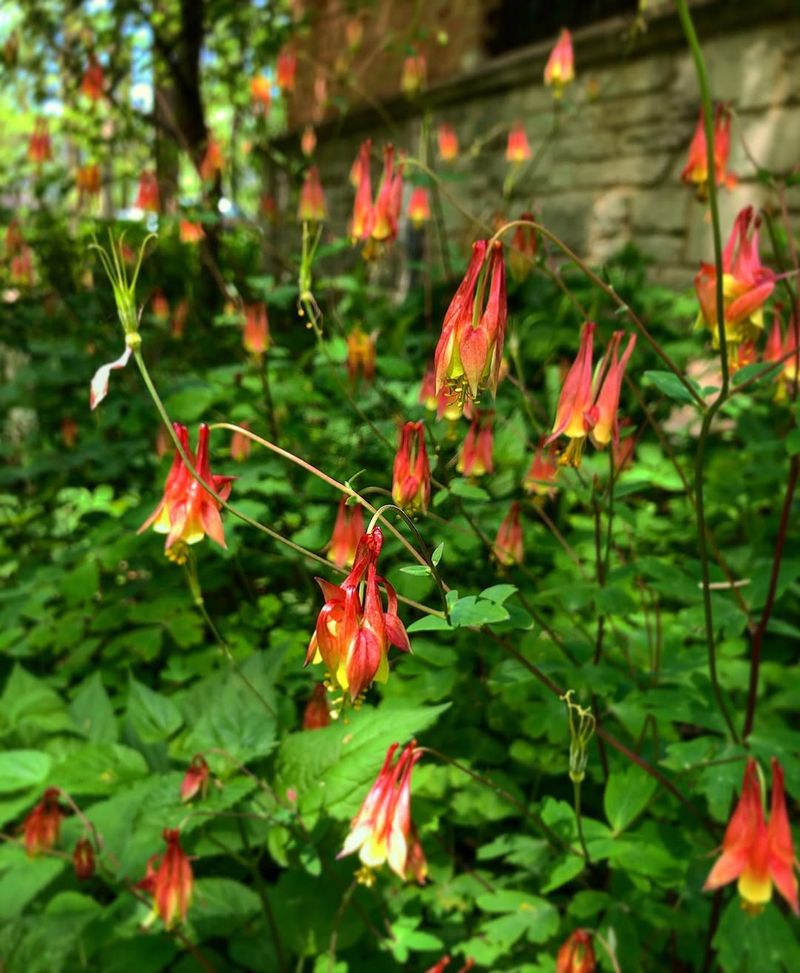
Wild Columbine has a delicate, almost fairy-tale quality that makes it stand out in any Michigan garden.
Aquilegia canadensis produces nodding red and yellow flowers with distinctive backward-pointing spurs that hummingbirds find completely irresistible.
Blooming in spring, it fills that gap between early bulbs and summer perennials when the garden often feels a bit empty and bare.
Partial shade suits this plant perfectly, making it an excellent choice for woodland edges, tree-shaded borders, or the shadier corners of a Michigan yard.
It handles poor, rocky soil without complaint and actually prefers not to be fertilized heavily, since too much nutrition encourages leafy growth at the expense of flowers.
Once planted, it settles in quickly and begins producing blooms within its first or second season.
One of the most charming qualities of Wild Columbine is its ability to self-seed gently around the garden.
New seedlings appear nearby each year, slowly naturalizing an area without becoming invasive or taking over.
Simply pull any seedlings that appear somewhere unwanted, and the plant stays exactly where you prefer it.
Because it is a true Michigan native, it supports local wildlife exceptionally well, providing early-season nectar for emerging pollinators when few other plants are blooming yet.
For gardeners who want a woodland feel with minimal effort, Wild Columbine genuinely delivers something special every single spring.