13 Low Maintenance Plants Colorado Gardeners Can Count On In Winter

Colorado winters can be harsh, but that does not mean your garden has to look lifeless and bare during the cold months ahead.
Choosing the right plants makes all the difference when you want color, texture, and life throughout the winter season without constant work.
Low maintenance plants that thrive in Colorado’s unique climate can transform your outdoor space into a beautiful winter wonderland with minimal effort required.
These hardy selections will give you a stunning garden that stands strong against snow, wind, and freezing temperatures while looking absolutely gorgeous.
1. Blue Spruce
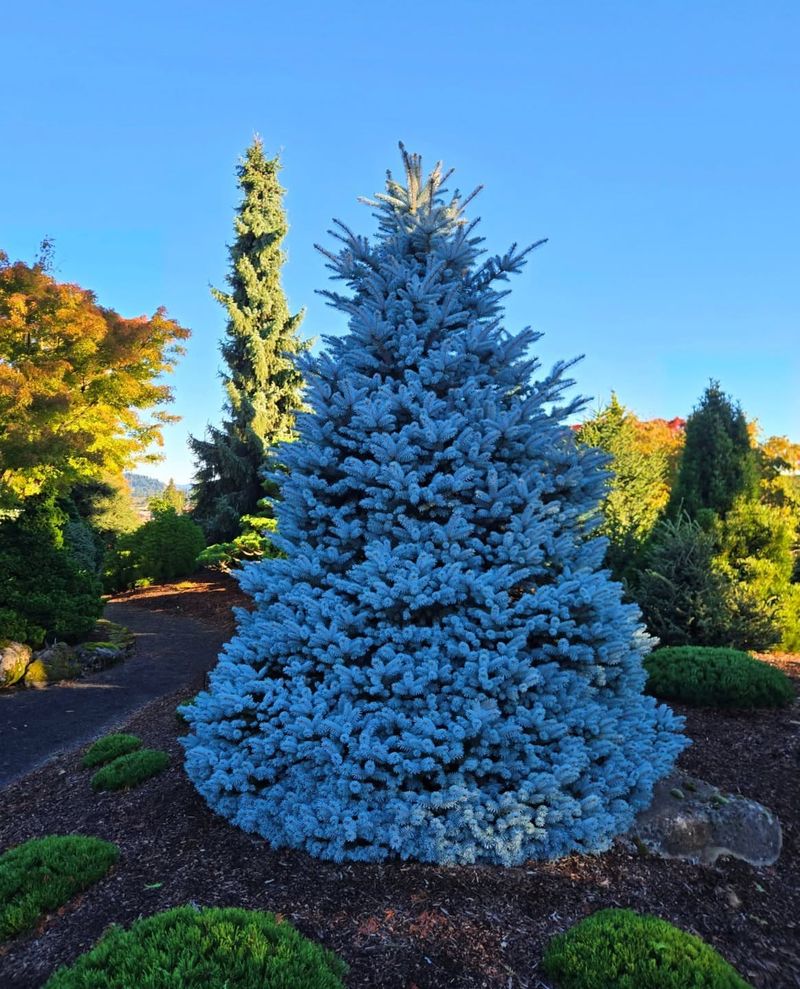
Colorado’s state tree stands as a symbol of resilience and beauty throughout the harshest winter conditions the mountains can throw at it.
Blue spruce trees display stunning silvery-blue needles that create striking contrast against white snow, making your landscape pop with vibrant color all season long.
These evergreens require almost no maintenance once established in your yard, and they naturally adapt to Colorado’s dry climate without constant watering or fertilizing.
Strong branches hold up remarkably well under heavy snow loads, so you won’t worry about breakage during those intense winter storms that roll through.
Birds love nesting in the dense foliage, bringing wildlife activity to your garden even when temperatures drop below freezing for extended periods of time.
The pyramidal shape looks elegant whether you plant one as a focal point or group several together for a dramatic evergreen screen effect.
Blue spruce grows slowly but steadily, reaching impressive heights over time while maintaining its classic Christmas tree silhouette that everyone recognizes and loves instantly.
2. Kinnikinnick
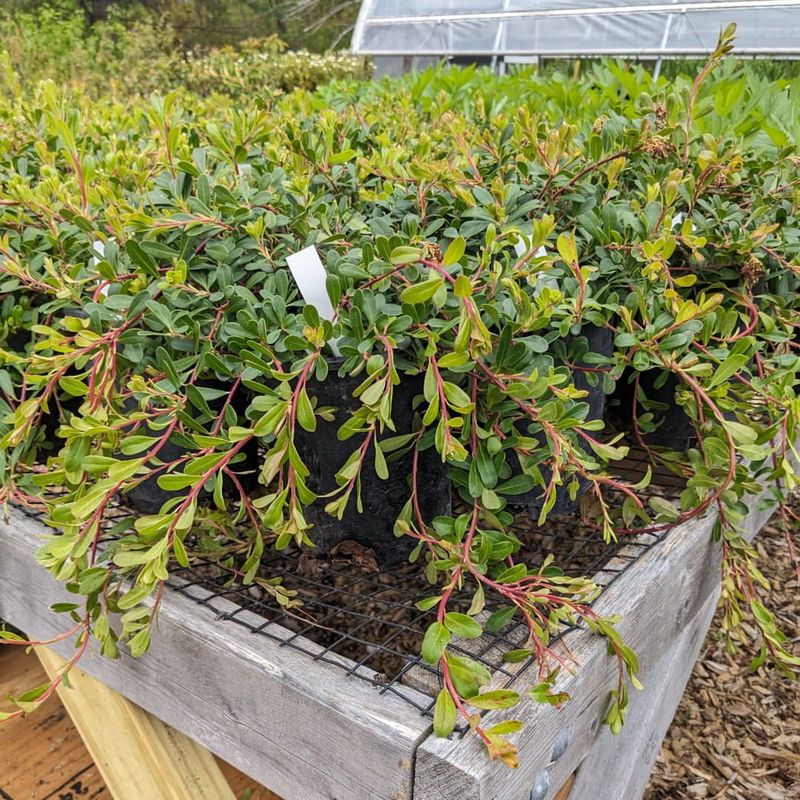
This native Colorado groundcover hugs the earth like a living blanket, spreading slowly to create a lush carpet that stays green all winter.
Kinnikinnick produces brilliant red berries during winter months, adding pops of color that stand out beautifully against the evergreen foliage and surrounding snow drifts.
Deer and elk typically leave this plant alone, which is a huge advantage for Colorado gardeners who struggle with wildlife munching on their landscapes.
The glossy leaves take on burgundy tints when cold weather arrives, creating a lovely two-tone effect that adds depth and visual interest to garden beds.
Once established, kinnikinnick tolerates extreme drought and requires virtually no supplemental watering, even during Colorado’s notoriously dry winter months when precipitation is scarce.
It thrives in poor, rocky soil where other plants struggle, making it perfect for those challenging spots in your yard that nothing else seems to like.
The spreading habit helps prevent soil erosion on slopes, and the dense growth suppresses weeds naturally without any chemical treatments or constant maintenance required.
3. Yucca

Sword-like leaves thrust upward in dramatic rosettes, creating bold architectural statements that look stunning when outlined with fresh snow or sparkling ice crystals.
Yucca plants are native to the region and have adapted perfectly to Colorado’s extreme temperature swings, handling both baking summer heat and bitter cold.
The evergreen foliage maintains its spiky structure throughout winter, providing texture and form when most other perennials have gone dormant and disappeared completely underground.
Dried flower stalks from the previous summer often remain standing through winter, adding vertical interest and serving as perches for birds seeking vantage points.
These plants need absolutely no supplemental water during winter months, and they actually prefer to stay on the dry side to avoid root rot.
Yucca thrives in full sun and poor soil, making it ideal for those hot, dry spots near south-facing walls where nothing else seems happy.
The dramatic form works beautifully in modern, xeriscape, and rock gardens, creating focal points that draw the eye and spark conversation among visitors year-round.
4. Wintercreeper Euonymus
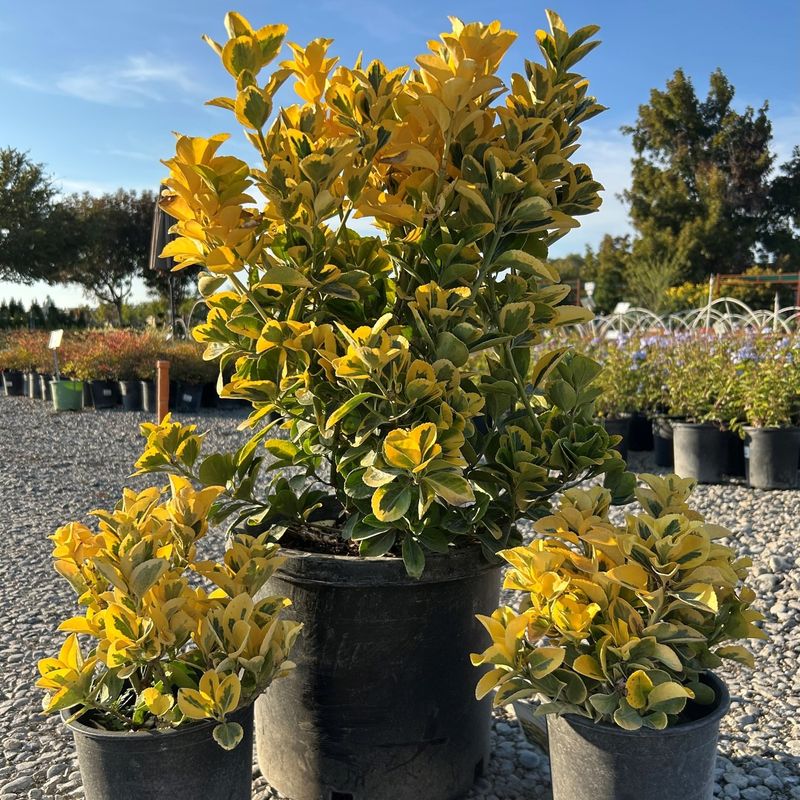
Glossy leaves stay firmly attached to trailing stems throughout the coldest months, creating a dependable evergreen presence that never looks tired or ratty.
Wintercreeper comes in several varieties, including types with white or yellow variegation that brighten shady areas where winter light is already pretty limited.
This versatile plant can serve as a groundcover, climb up walls or trellises, or spill over retaining walls, adapting to whatever role you need.
The leaves often develop purplish tints when exposed to cold temperatures, adding an unexpected color dimension that complements winter’s muted palette beautifully and naturally.
Wintercreeper tolerates a wide range of conditions, from full sun to dense shade, and it grows well in various soil types without complaint.
Once established, this tough plant requires no winter watering and bounces back quickly from any damage caused by heavy snow or ice accumulation.
The dense growth provides shelter for small creatures during harsh weather, and the foliage stays attractive without any pruning or fussing from you at all.
5. Dwarf Mugo Pine
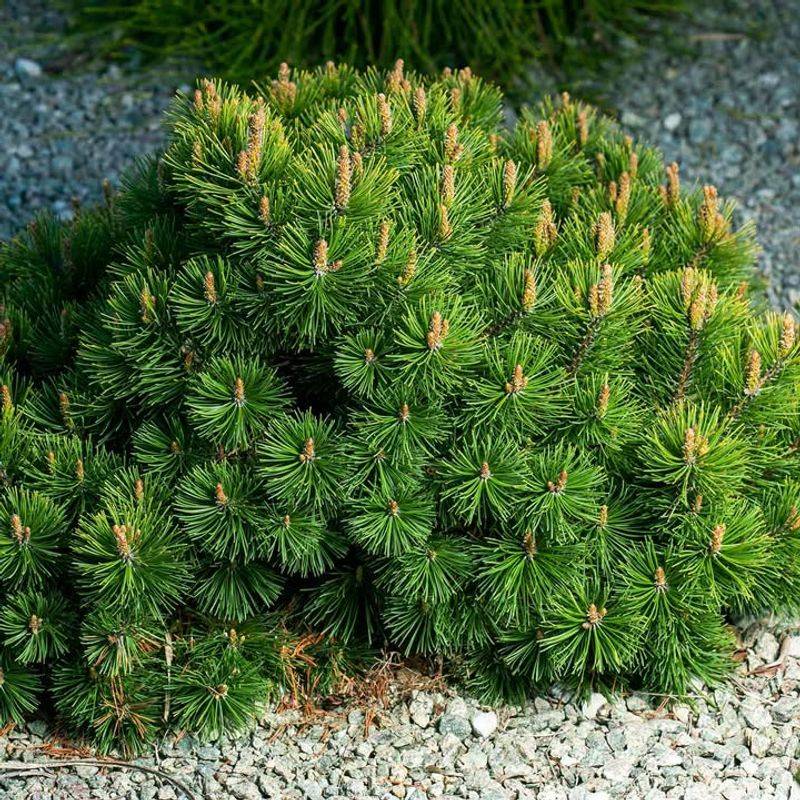
Compact evergreen shrubs with dense, dark green needles create rounded mounds that look like plump cushions dusted with powdered sugar after a snowfall.
Dwarf mugo pines stay small and manageable, making them perfect for foundation plantings, rock gardens, or anywhere you need year-round structure without overwhelming space.
These pines handle Colorado’s intense sun, drying winds, and temperature extremes without browning or losing needles, maintaining their attractive appearance regardless of weather conditions.
The slow growth rate means you won’t spend time pruning or trying to keep them in bounds, and they naturally maintain their compact shape beautifully.
Mugo pines adapt to various soil types and pH levels, and they tolerate both clay and sandy soils that frustrate many other landscape plants.
Their dense branching provides excellent cover for birds seeking protection from winter storms, hawks, and other predators that patrol the skies looking for easy meals.
The rich green color contrasts beautifully with deciduous shrubs and perennials, creating visual interest even when everything else looks brown, gray, and completely dormant.
6. Red Twig Dogwood
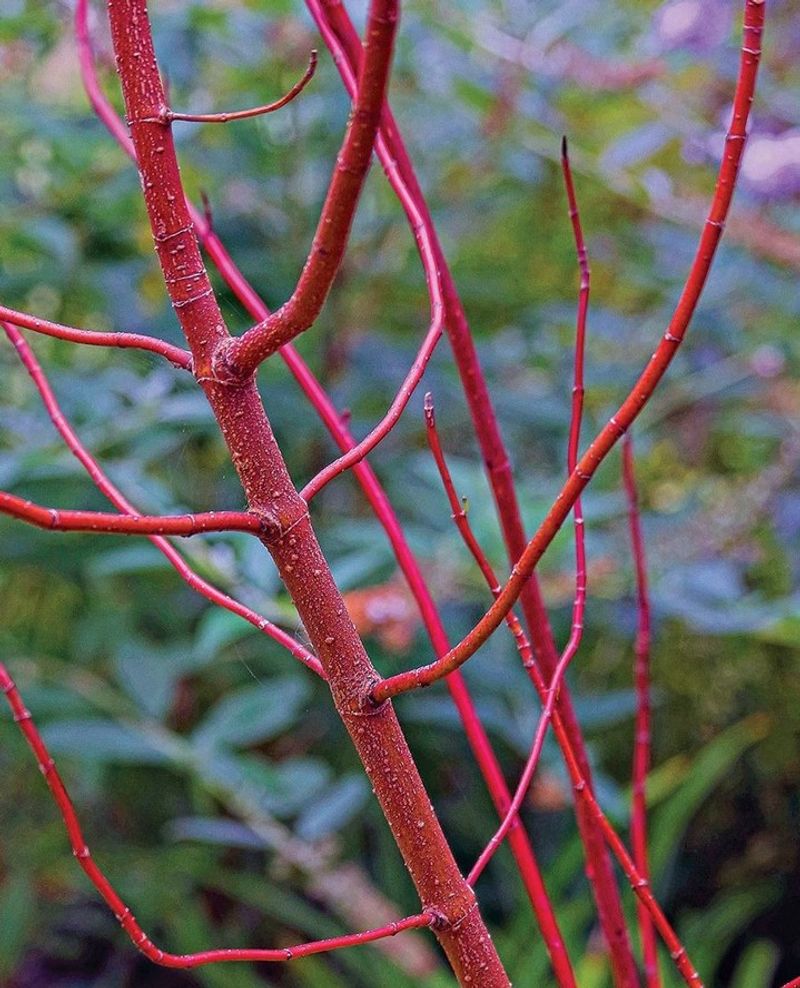
Brilliant crimson stems practically glow against snow and gray skies, creating one of the most dramatic color shows you can have in a winter garden.
After leaves drop in autumn, the bare branches reveal their stunning red bark, which intensifies in color as temperatures drop and winter progresses steadily forward.
Red twig dogwood tolerates wet areas better than most landscape plants, making it perfect for low spots or near downspouts where drainage is less than ideal.
The shrub grows quickly to create a dense screen or hedge, and it spreads through suckering to fill in spaces without requiring you to plant more.
Birds feast on the white berries that appear in late summer and persist into early winter, providing valuable food when natural resources become increasingly scarce.
Pruning older stems every few years encourages fresh growth with the brightest red color, but even without maintenance, the shrub looks fantastic and healthy.
The upright, vase-shaped form adds vertical structure to winter landscapes, and the stems look beautiful in cut arrangements for indoor displays that bring nature inside.
7. Juniper
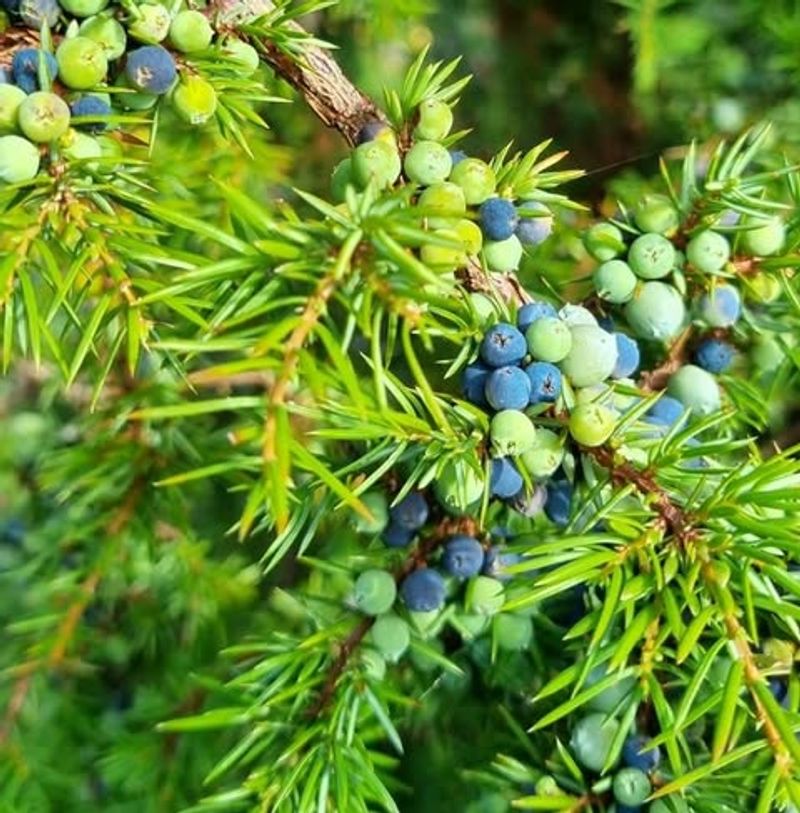
Junipers come in countless forms, from low groundcovers to upright columns, giving you flexibility to choose the perfect shape for any landscape situation you face.
The evergreen foliage ranges from bright green to silvery blue, providing color options that complement different design schemes and personal preferences throughout the entire year.
These plants are incredibly drought-tolerant once established, requiring no supplemental water during winter and very little during summer, saving you time and money on irrigation.
Junipers thrive in Colorado’s alkaline soil and intense sunlight, conditions that challenge many other plants and often lead to disappointing results for frustrated gardeners.
The dense foliage provides shelter for birds and small mammals during harsh weather, and the berries offer food for wildlife when other sources are buried.
Many varieties have interesting texture, with scaly or needle-like foliage that catches snow and frost, creating beautiful patterns that look almost like natural artwork.
Junipers resist most pests and diseases, and they maintain their attractive appearance year after year without requiring fertilizers, pesticides, or constant attention from busy homeowners.
8. Ornamental Grasses
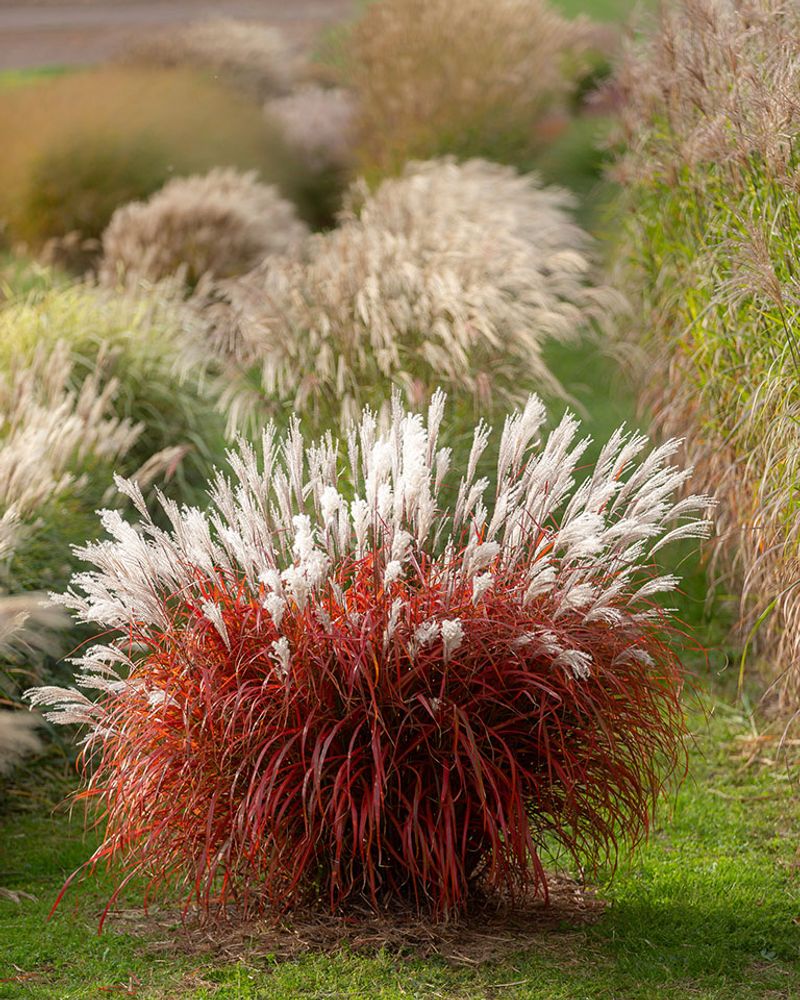
Dried plumes and seed heads sway gracefully in winter breezes, creating movement and sound that brings life to otherwise still and silent winter landscapes.
The tan, gold, and copper tones of dormant grasses warm up the color palette during winter, providing a nice contrast to evergreens and snow.
Ornamental grasses catch and hold snow in their arching blades, creating temporary sculptures that change with each storm and transform your garden into something magical.
Frost crystals coat the foliage on cold mornings, making the grasses sparkle like they’ve been sprinkled with glitter, creating Instagram-worthy scenes right in your backyard.
These plants require zero maintenance during winter—simply leave them standing until spring when you cut them back before new growth emerges from the base.
Birds use the dried seed heads as a food source and perch on the sturdy stems while foraging, adding wildlife activity that’s fun to watch.
Grasses like blue oat grass, feather reed grass, and little bluestem all perform beautifully in Colorado, tolerating cold, drought, and wind without missing a beat.
9. Creeping Phlox
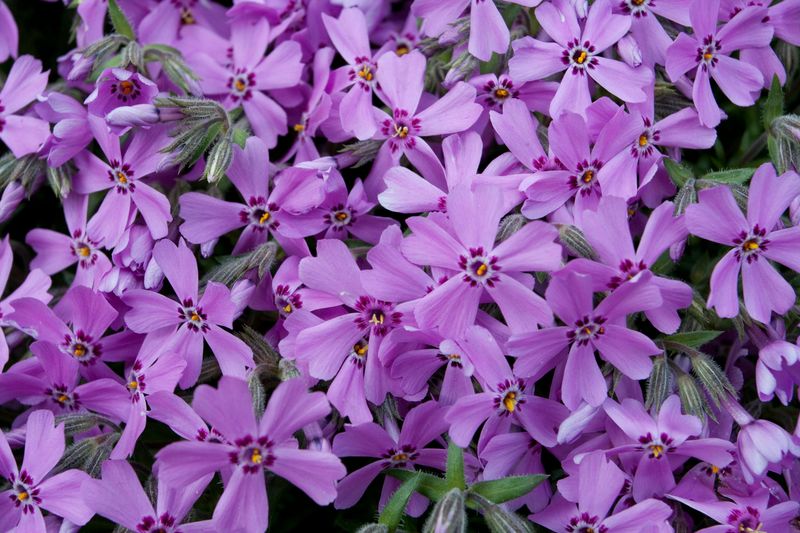
While famous for its spring flower show, creeping phlox maintains its evergreen foliage throughout winter, creating a low carpet that stays green under snow.
The dense mat of needle-like leaves hugs the ground tightly, providing texture and color in rock gardens, on slopes, and between stepping stones year-round.
Creeping phlox tolerates Colorado’s dry winters exceptionally well, and it bounces back quickly from any wind damage or snow compression without special care required.
This groundcover spreads slowly to fill in gaps between rocks and other plants, creating a cohesive look that ties landscape elements together beautifully and naturally.
The evergreen foliage takes on subtle purple or bronze tints during the coldest months, adding unexpected color variation that enhances the winter interest it provides.
Once established, creeping phlox requires no supplemental watering during winter, and it thrives in full sun where it receives maximum light exposure throughout the day.
The low-growing habit means snow and ice slide right over it without causing damage, and the plant emerges unscathed when spring finally arrives again.
10. Sedum
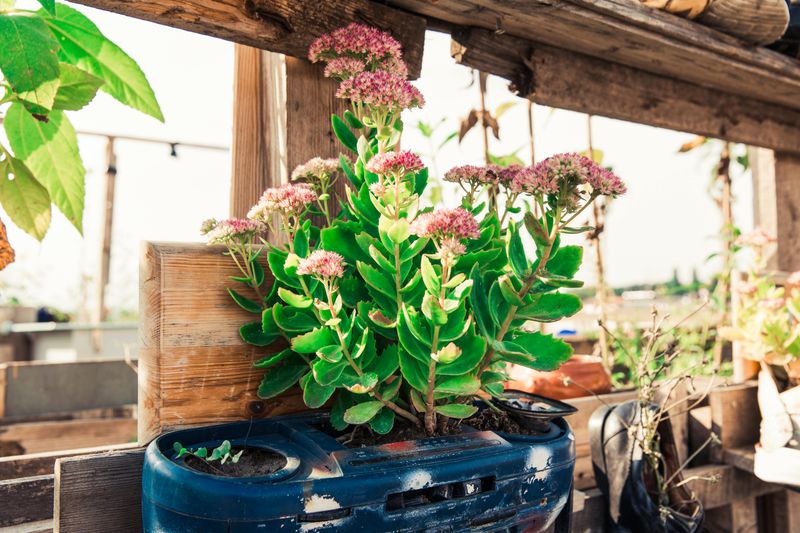
Succulent leaves and dried flower heads remain standing throughout winter, creating architectural forms that look beautiful when dusted with snow or coated in ice.
Sedum varieties like ‘Autumn Joy’ develop rich, rusty-brown flower heads that persist all winter, adding warm tones and interesting texture to dormant garden beds.
The thick, fleshy leaves of evergreen sedums stay plump and green even during the coldest months, providing groundcover that never looks withered or brown.
These plants store water in their leaves, making them incredibly drought-tolerant and perfect for Colorado’s dry winter conditions when precipitation is minimal and sporadic.
Sedum thrives in poor, rocky soil and actually prefers lean conditions, so you never need to fertilize or amend the soil to keep them happy.
The dried flower heads provide seeds for birds and create landing pads for beneficial insects that overwinter in the hollow stems and seed clusters.
Low-growing sedums spread to form dense mats that suppress weeds and prevent soil erosion, while taller varieties add vertical interest and structure to perennial borders.
11. Bearberry
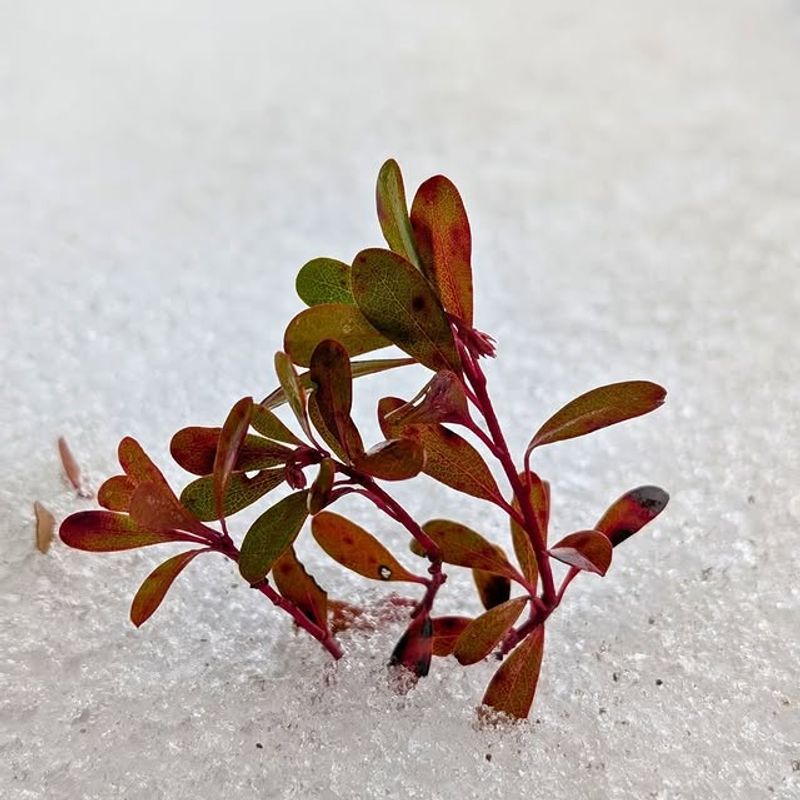
Native to Colorado’s mountains, bearberry forms a tough, evergreen mat that handles extreme cold, wind, and drought with the resilience of a true survivor.
Small, glossy leaves stay green all winter, and the plant produces bright red berries that persist through the cold months, adding cheerful color to landscapes.
This groundcover grows slowly but steadily, eventually creating a dense carpet that requires no mowing, fertilizing, or fussing once it gets going and establishes itself.
Bearberry tolerates poor, acidic soil and grows well in sandy or rocky conditions where other groundcovers struggle and often fail to thrive at all.
The low-growing habit makes it perfect for slopes, rock gardens, and areas where you need erosion control without constant maintenance or replanting every few years.
Wildlife appreciate the berries as a food source during winter, and the dense foliage provides cover for small creatures seeking shelter from predators and weather.
The leaves often develop burgundy tints during winter, creating a lovely two-tone effect that adds visual depth and interest to the evergreen foliage throughout the season.
12. Russian Sage

Silvery-white stems stand tall throughout winter, creating ghostly vertical accents that look stunning against dark evergreens and fresh snow in your landscape design.
The dried flower spikes persist on the stems, adding texture and interest while providing seeds for birds that visit your garden searching for food sources.
Russian sage’s woody stems hold up remarkably well under snow loads, and they rarely break or collapse even during the heaviest storms that hit Colorado.
The plant’s aromatic foliage deters deer and rabbits from browsing, making it a smart choice for areas where wildlife pressure is intense and constant throughout winter.
Once established, Russian sage requires absolutely no water during winter, and it thrives in Colorado’s dry climate without any supplemental irrigation or special attention needed.
The silvery stems catch and reflect winter light beautifully, creating subtle shimmer effects that change throughout the day as the sun moves across the sky.
Leaving the stems standing until spring provides structure to dormant garden beds, and you simply cut them back when new growth emerges from the base.
13. Hens And Chicks

Charming rosettes of fleshy leaves cluster together like little flower arrangements, staying plump and colorful even when temperatures plunge well below freezing for weeks.
Hens and chicks come in amazing color variations, from green to purple to red, and many varieties develop more intense hues during cold winter months.
These succulents store water in their thick leaves, allowing them to survive Colorado’s dry winters without any supplemental watering or care from busy gardeners.
The low-growing rosettes hug the ground tightly, making them perfect for rock gardens, between pavers, in containers, or anywhere you need tiny pops of color.
Hens and chicks multiply by producing baby plants around the mother rosette, gradually spreading to fill in spaces without becoming invasive or overwhelming nearby plants.
They thrive in poor, gravelly soil and actually prefer lean conditions, so you never need to worry about fertilizing or amending the soil for success.
The geometric patterns of the rosettes create visual interest throughout winter, and snow settling into the leaf spirals creates beautiful natural designs that look almost intentional.