8 Low Maintenance Plants That Thrive In North Carolina Gardens
A beautiful garden does not have to demand hours of constant work to look vibrant and inviting. In North Carolina, the naturally balanced climate creates ideal conditions for many resilient plants that flourish with minimal care.
Mild winters and warm summers allow hardy varieties to grow strong, maintain color, and stay attractive without requiring nonstop attention.
For busy homeowners or anyone who prefers relaxing outdoors instead of spending every weekend tending garden beds, smart plant selection makes all the difference.
Low maintenance choices can fill your landscape with texture, greenery, and seasonal beauty while reducing the need for frequent watering, trimming, or upkeep.
Across North Carolina, gardeners are discovering how the right plants create outdoor spaces that feel lively yet effortless to maintain.
With thoughtful planning, your yard can become a colorful, welcoming retreat that looks beautiful through the seasons while giving you more time to simply enjoy the view and unwind.
1. Knock Out® Roses (Rosa spp.) – Shrub
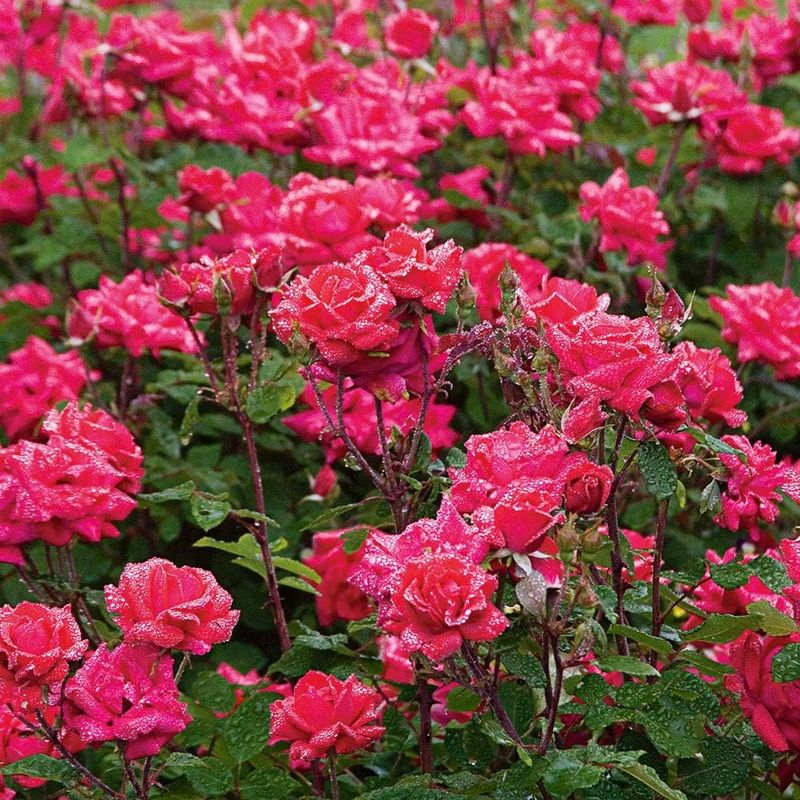
Forget everything you think you know about fussy roses. Knock Out® varieties changed the game for home gardeners across North Carolina.
These beauties bloom continuously from spring through fall without requiring the endless spraying and pruning traditional roses demand.
Heat and humidity don’t phase these tough shrubs one bit. While other roses struggle during our sweltering July afternoons, Knock Outs keep pushing out fresh flowers.
They handle temperatures that would stress most flowering plants. Your neighbors will wonder how you maintain such spectacular color all season long.
Disease resistance sets these roses apart from their high-maintenance cousins. Black spot and powdery mildew rarely bother them.
You won’t spend weekends diagnosing leaf problems or mixing fungicide treatments. A simple trim in late winter keeps them shaped nicely.
Colors range from classic red to soft pink and sunny yellow. Plant them along driveways, near mailboxes, or as foundation plantings.
They grow three to four feet tall and equally wide. Water them during establishment, then watch them thrive with minimal intervention.
Butterflies and hummingbirds visit regularly, adding extra garden magic. These roses prove that stunning beauty doesn’t require exhausting effort.
2. Loropetalum (Loropetalum chinense) – Evergreen Shrub
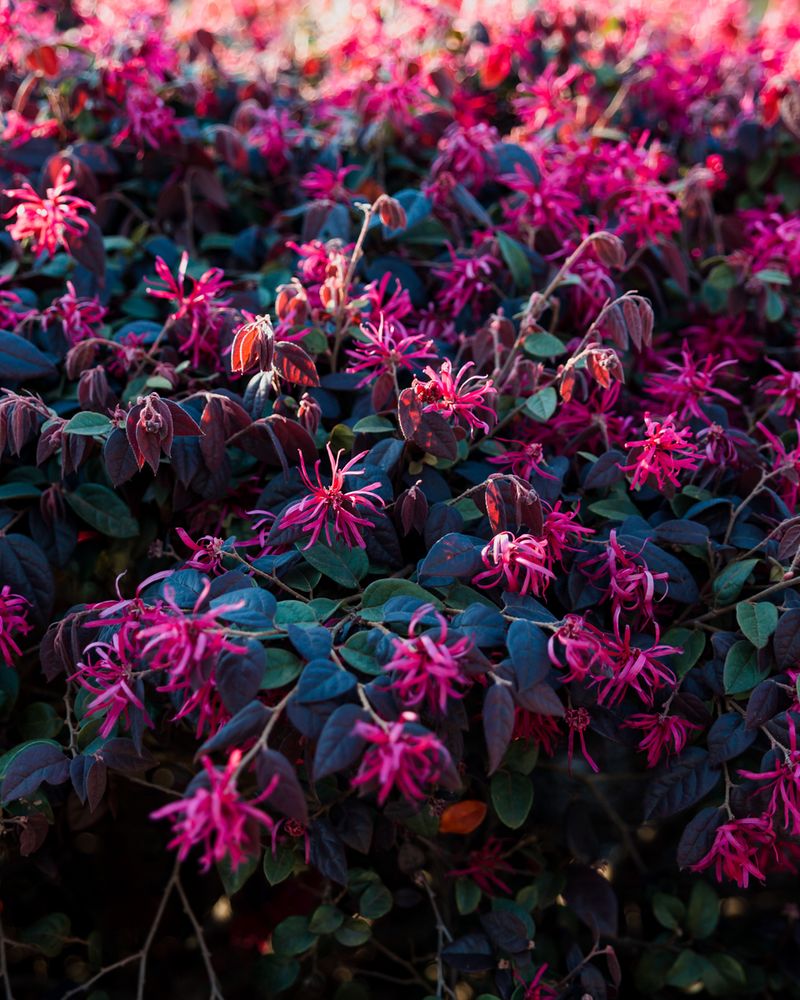
Burgundy foliage catches your eye immediately when you spot Loropetalum in the landscape. This evergreen shrub brings year-round color without asking much in return.
Spring delivers an extra bonus when delicate pink flowers appear like tiny fireworks across the branches.
Partial shade suits this plant perfectly, making it ideal for those tricky spots under trees. Full sun works too, especially in coastal areas where afternoon shade provides relief.
The leaves maintain their rich purple-red tones through all four seasons. Winter landscapes look far less drab with these shrubs anchoring your beds.
Drought tolerance develops quickly once roots establish themselves in your garden. Water regularly during the first growing season, then back off significantly.
These shrubs handle dry spells better than most flowering plants. They rarely complain about our unpredictable rainfall patterns.
Size varies by cultivar, ranging from compact three-footers to larger specimens reaching six feet tall. Use smaller varieties along walkways or as foundation plants.
Larger types work beautifully as privacy screens or hedges. Pruning needs stay minimal since they naturally maintain attractive shapes.
Deer typically leave them alone, which solves another common North Carolina gardening headache.
3. Eastern Redbud (Cercis canadensis) – Small Tree
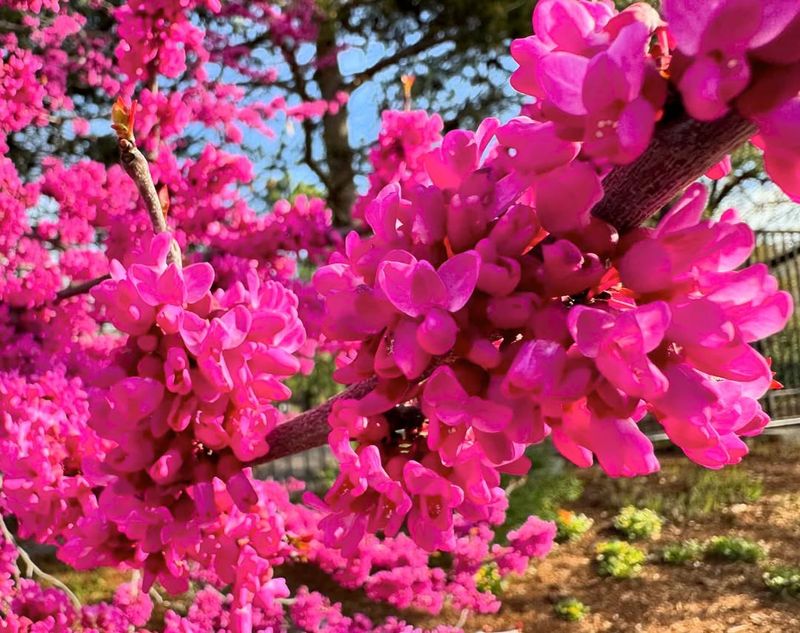
Early spring brings pure magic when Eastern Redbuds burst into bloom before their leaves appear. Purple-pink flowers coat every branch, creating clouds of color that announce winter’s end.
Native to our region, these trees understand North Carolina’s climate perfectly. They’ve adapted to our weather patterns over thousands of years.
Heart-shaped leaves emerge after the flowers fade, providing lovely summer shade. Fall transforms the foliage into buttery yellow tones.
Even bare winter branches add architectural interest with their graceful zigzag pattern. You get four seasons of beauty from one tree.
Cold snaps don’t bother established Redbuds, and summer heat doesn’t stress them either. They grow naturally in woodlands across the state, proving their toughness.
Plant them as understory trees beneath taller oaks or as standalone specimens in smaller yards. Mature height reaches about twenty to thirty feet.
Pruning requirements stay light throughout the tree’s life. Remove any crossing branches or damaged wood in late winter.
Otherwise, let them grow naturally into their characteristic rounded shape. Wildlife benefits include early nectar for hungry pollinators and seeds for songbirds.
Your yard gains a true North Carolina native that practically cares for itself while delivering spectacular seasonal displays.
4. Liriope (Liriope muscari) – Groundcover
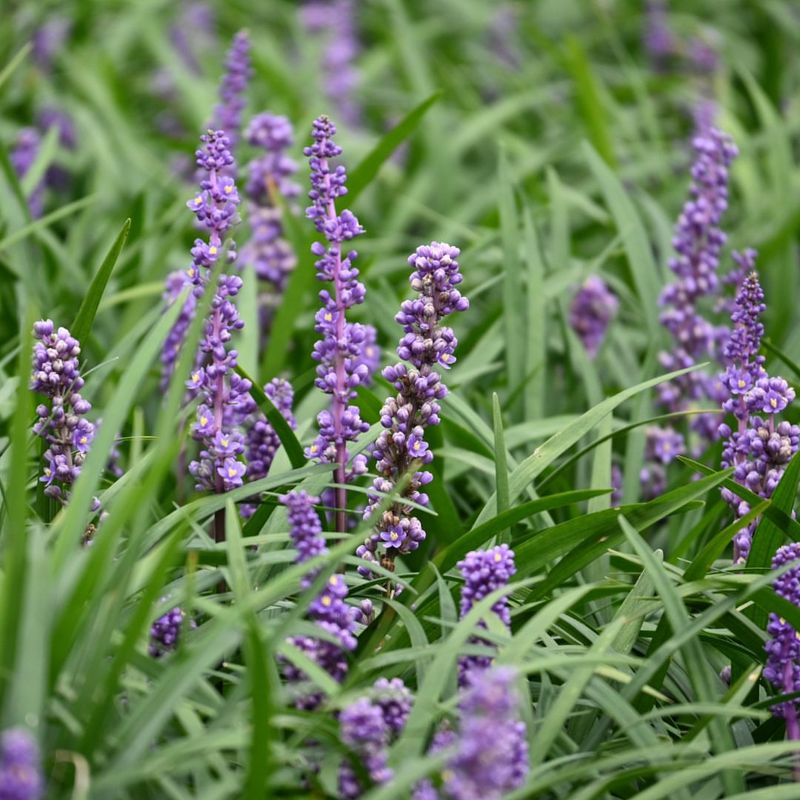
Grass-like foliage forms thick evergreen clumps that solve multiple landscaping challenges at once. Liriope handles the tough spots where lawn grass refuses to grow.
Deep shade under mature trees becomes a lush carpet instead of bare dirt. Slopes that erode easily get stabilized by spreading roots.
Purple flower spikes emerge in late summer when many other plants look tired. The blooms attract bees and butterflies during a season when nectar sources dwindle.
Dark berries follow the flowers, adding winter interest. Foliage stays green year-round, maintaining garden structure through cold months.
Drought resistance kicks in after the first year, making this groundcover incredibly forgiving. Forget to water during dry spells?
Liriope shrugs it off. Clay soil or sandy conditions don’t phase it much either. Adaptability ranks among its greatest strengths.
Spreading happens slowly and politely, unlike aggressive groundcovers that invade neighboring beds. Divide clumps every few years if you want to expand coverage.
Otherwise, leave them alone to do their job. Weeds struggle to penetrate established plantings, reducing your maintenance time significantly.
Edge beds with Liriope for a neat border that stays attractive without constant trimming. Deer rarely browse it, solving yet another common garden problem around here.
5. Daylily (Hemerocallis spp.) – Perennial
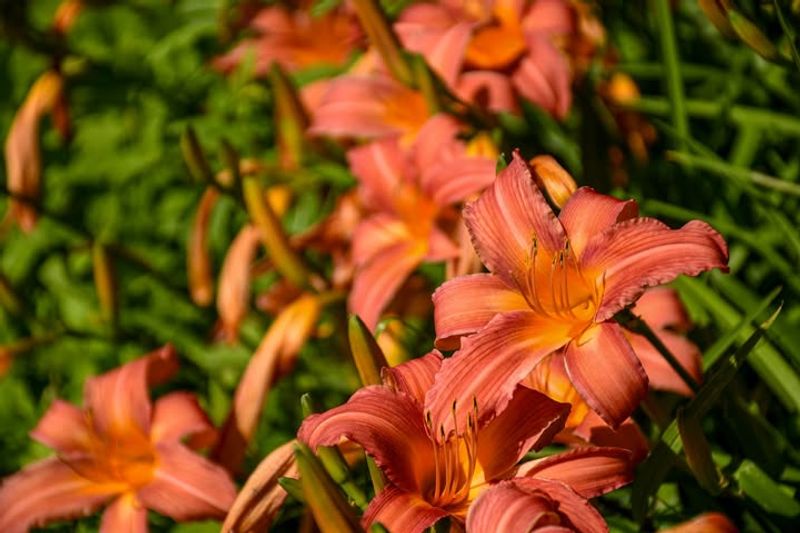
Thousands of daylily varieties exist, offering every color except true blue. Each bloom lasts just one day, but plants produce so many buds that flowering continues for weeks.
Some cultivars bloom in spring, others in summer, and certain types flower twice per season. Stagger different varieties for months of continuous color.
Heat and humidity make many perennials sulk, but daylilies actually prefer our climate. They originated in Asia where summers rival ours in intensity.
Full sun brings the most blooms, though they tolerate light shade reasonably well. Established clumps laugh at drought conditions that would wilt other flowers.
Maintenance involves removing spent flower stalks and dividing clumps every three to five years. That’s honestly about it.
No staking, no deadheading individual blooms, no fussing with supports. They return reliably each spring without replanting. Roots store energy efficiently, ensuring vigorous growth year after year.
Deer find daylilies unappetizing, which matters tremendously in many North Carolina neighborhoods. Rabbits also leave them alone.
Plant them in masses for dramatic impact or use them as border edging. Height varies from compact one-footers to tall varieties reaching three feet.
Mix colors and bloom times for a constantly changing display that practically tends itself while providing stunning garden beauty.
6. Inkberry Holly (Ilex glabra) – Evergreen Shrub
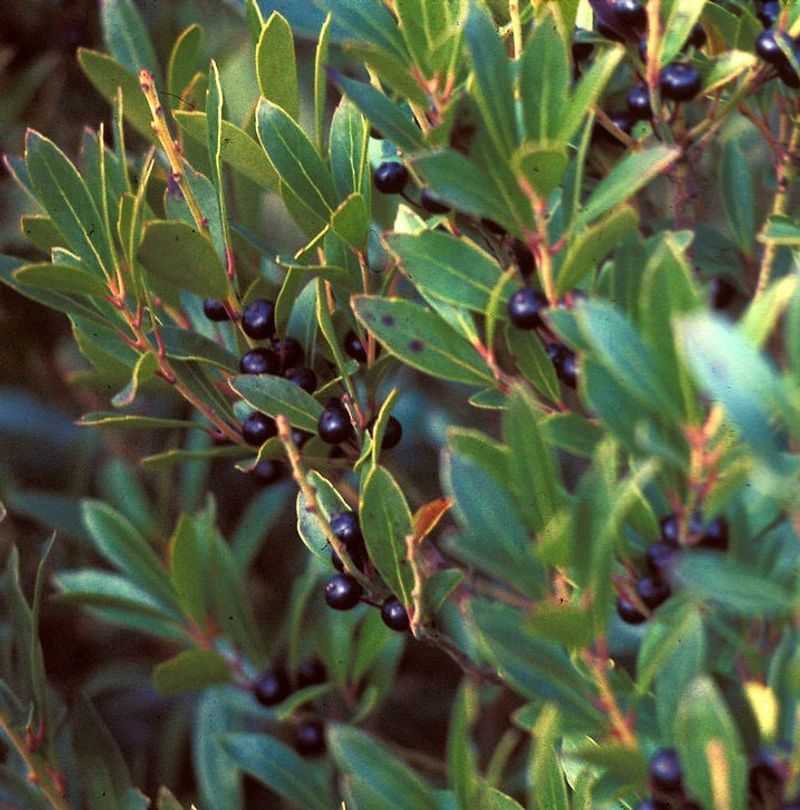
Native hollies deserve more attention from North Carolina gardeners seeking reliable evergreens. Inkberry excels in challenging conditions that frustrate other shrubs.
Wet soils that stay soggy after rainstorms don’t bother it at all. Shady spots where little else thrives become lush and green with this adaptable native.
Dark green foliage maintains its color through winter without bronzing or browning. The leaves lack the sharp spines found on other holly types, making them safer near walkways.
Small white flowers appear in spring, followed by black berries that birds devour enthusiastically. Wildlife value ranks high for this unassuming shrub.
Pruning needs stay minimal since Inkberry naturally grows into a rounded mound. Shape it lightly in early spring if desired.
Otherwise, let it develop its own character. It reaches four to six feet tall and wide at maturity. Compact cultivars stay smaller for tighter spaces.
Salt tolerance makes Inkberry useful in coastal gardens where ocean spray limits plant choices. It also handles road salt better than many evergreens.
Deer resistance adds another practical benefit. Use it for hedges, foundation plantings, or mixed borders.
The slow, steady growth means you won’t spend every season cutting it back. This native shrub quietly performs without demanding constant attention or special treatment.
7. Ornamental Grass – Muhlenbergia capillaris (Pink Muhly Grass)
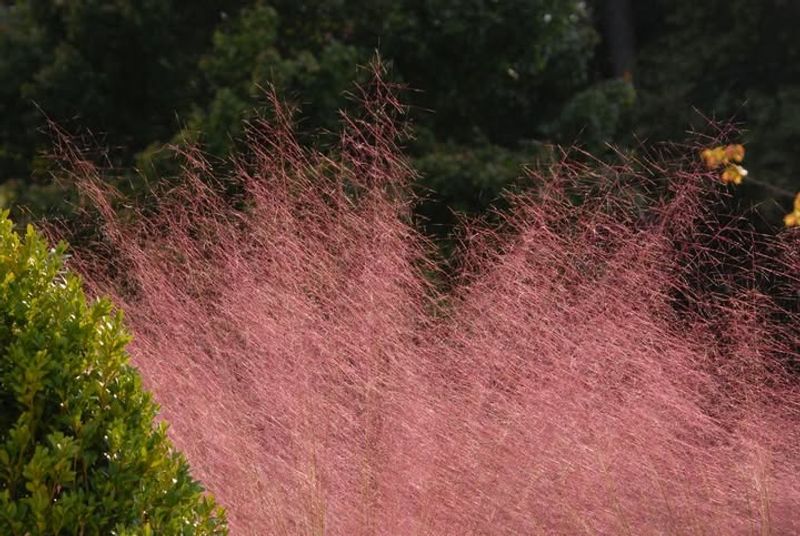
Fall brings the most spectacular show when Pink Muhly Grass erupts into clouds of rose-colored plumes. The feathery flowers seem to glow in afternoon sunlight, creating an almost ethereal effect.
This native grass transforms ordinary landscapes into something extraordinary. Passersby slow down to admire the stunning display.
Clumping growth habit means this grass stays where you plant it instead of spreading aggressively. Roots go deep, accessing moisture during dry periods.
Once established, it handles drought impressively well. Heat doesn’t stress it even during our most intense summer weeks. The fine-textured foliage moves gracefully with every breeze.
Minimal pruning requirements make maintenance incredibly simple. Cut the entire clump back to about six inches in late winter before new growth begins.
That’s your annual chore completed. No dividing, no staking, no fussing required. The grass reaches about three feet tall and equally wide.
Full sun brings the best flowering, though light shade works in hotter areas. Well-drained soil suits it perfectly.
Plant Pink Muhly in masses for maximum impact or use single specimens as focal points. It looks stunning paired with purple salvias or yellow coreopsis.
Butterflies visit the flowers regularly. This grass adds movement, texture, and breathtaking color without demanding much effort from busy gardeners.
8. Black-Eyed Susan (Rudbeckia fulgida) – Perennial Flower
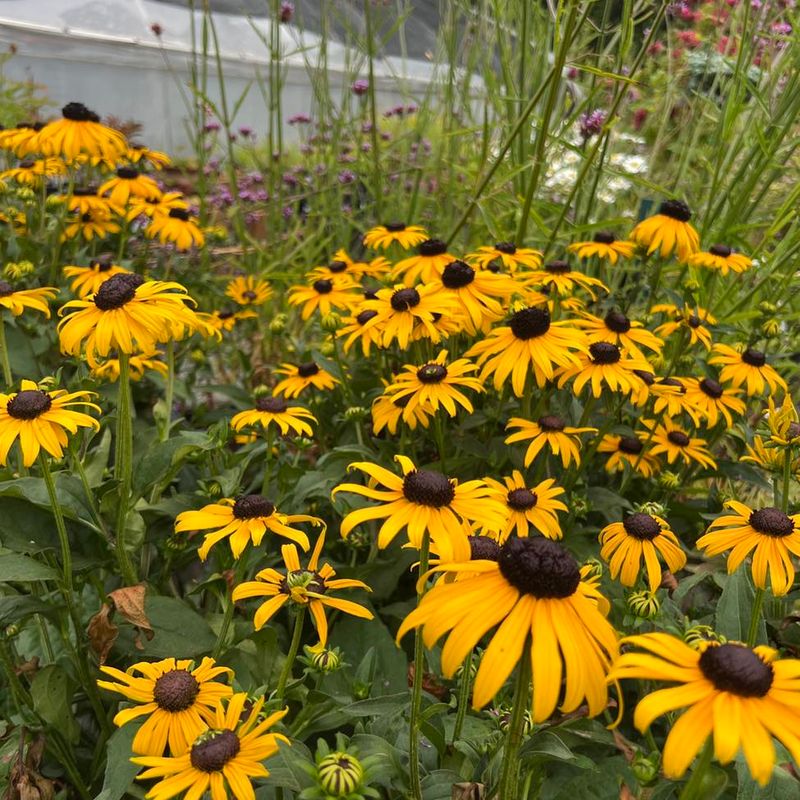
Cheerful golden petals surrounding chocolate-brown centers bring instant happiness to any garden. Black-eyed Susans bloom enthusiastically from midsummer through fall, providing color when many other perennials take breaks.
Pollinators mob these flowers, creating a buzzing garden full of life and activity. Butterflies, bees, and beneficial insects visit constantly.
Full sun produces the most prolific blooming, though they tolerate a few hours of afternoon shade. Heat and humidity that wilts tender perennials barely affects these tough natives.
They originated in eastern North America, making them perfectly suited to our climate. Drought tolerance develops quickly after establishment.
Self-seeding happens naturally, filling in bare spots without becoming invasive. Seedlings appear where conditions suit them, creating naturalistic drifts.
You can remove extras easily if they pop up where you don’t want them. Alternatively, let them spread for a cottage garden effect. Mature plants reach two to three feet tall.
Maintenance involves cutting back spent stems in late fall or early spring. Dividing clumps every three to four years keeps them vigorous.
Otherwise, they require virtually no attention. Deer typically avoid them, and rabbits leave them alone too.
Plant them in borders, meadow gardens, or cutting gardens. The flowers last well in vases, bringing sunshine indoors. These reliable perennials deliver maximum beauty with minimum effort year after year.