13 Low-Maintenance Shrubs That Are Easy To Grow But Look Expensive
I used to think a polished, high-end garden meant endless pruning, constant watering, and a lot of crossed fingers.
Turns out, I had it all wrong.
After a few trial-and-error seasons, I discovered that some shrubs pull off that fancy look without asking much in return.
They grow well, behave themselves, and still make a yard look like it belongs in a magazine spread.
I wanted plants that could handle real life.
Busy weeks, uneven weather, and the occasional missed watering come with the territory.
These low-maintenance shrubs proved they could roll with the punches and still show up looking sharp.
They fill spaces, add structure, and keep their shape without constant fussing.
What surprised me most was how much they elevated everything around them.
Walkways looked cleaner, flower beds felt more intentional, and guests often assumed they took a lot more work than they actually did.
Choosing easy shrubs that look expensive felt like getting the best of both worlds.
For anyone who wants lasting beauty without living in the garden every weekend, these plants are a smart way to raise the bar with less effort.
1. Boxwood
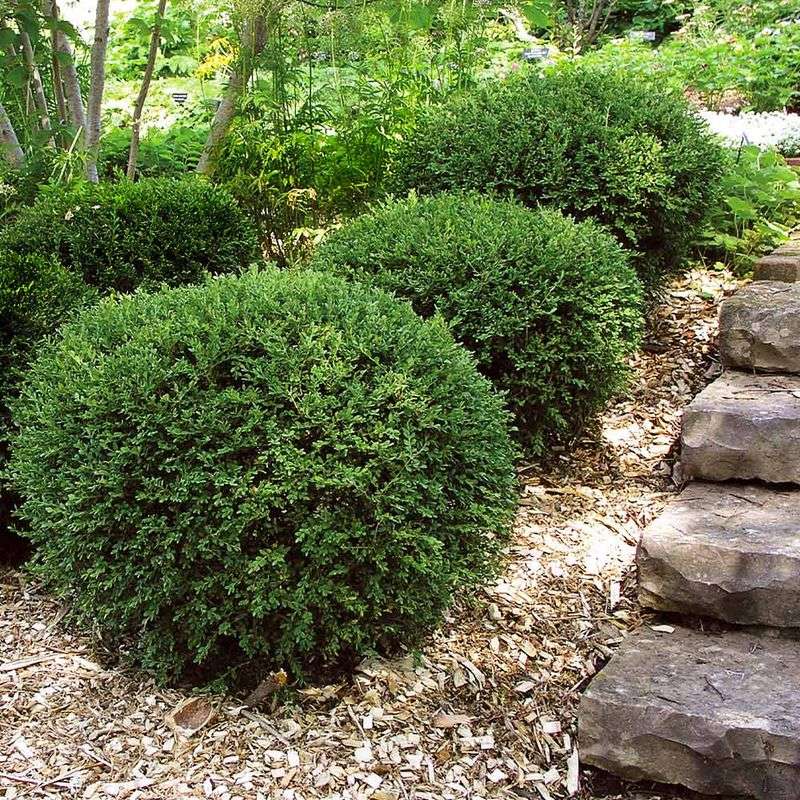
Boxwood has that timeless, classy look that instantly makes any garden feel more upscale.
You’ve probably seen it in front of fancy estates or framing elegant walkways.
The best part is that it’s way easier to maintain than it looks.
These evergreen shrubs keep their rich green color year-round, which means your yard looks put-together even in winter.
They grow slowly, so you won’t be out there trimming them every other week.
A little shaping once or twice a year is usually all they need.
Boxwood adapts well to different soil types and can handle both sun and partial shade.
It’s also pretty drought-tolerant once established, so you’re not stuck watering constantly.
If you want that formal garden vibe without the constant upkeep, boxwood delivers.
Plant them along pathways, use them as foundation plants, or create low hedges.
They’re surprisingly forgiving and can bounce back from most pruning mistakes.
Honestly, boxwood is one of those shrubs that just makes everything look more expensive and intentional.
2. Hydrangea
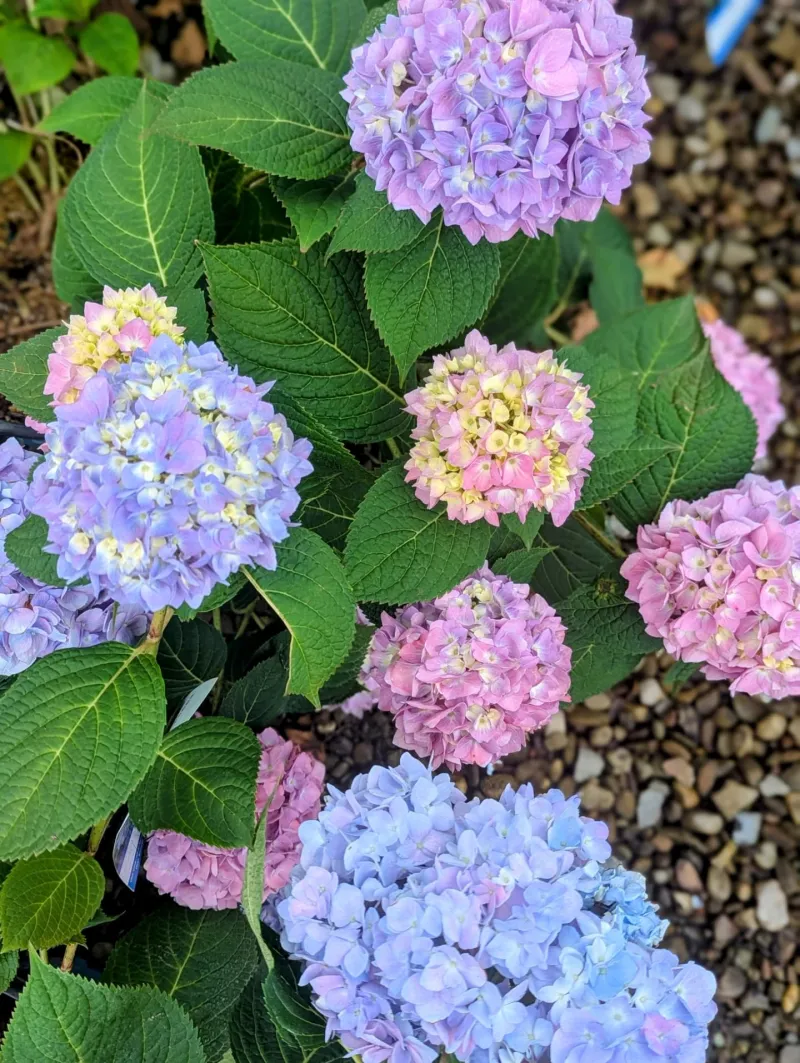
There’s something magical about hydrangeas when they’re in full bloom.
Those massive flower heads in shades of blue, pink, purple, or white look like something straight out of a luxury garden catalog.
Yet they’re surprisingly low-fuss once you know their basic needs.
Hydrangeas prefer morning sun and afternoon shade, which works perfectly for many yards.
They like consistent moisture but aren’t overly picky about soil as long as it drains reasonably well.
The color can even change based on your soil’s pH, which is kind of fun to experiment with.
Most varieties bloom from summer into fall, giving you months of gorgeous color.
You don’t need to deadhead them obsessively, and pruning requirements vary by type but are generally minimal.
Some gardeners even leave the dried flowers on through winter for added interest.
Whether you choose the classic mophead, delicate lacecap, or cone-shaped panicle varieties, they all bring serious wow factor.
Hydrangeas grow into substantial shrubs that fill space beautifully without needing constant attention.
They’re the kind of plant that makes visitors ask what your secret is.
3. Spirea
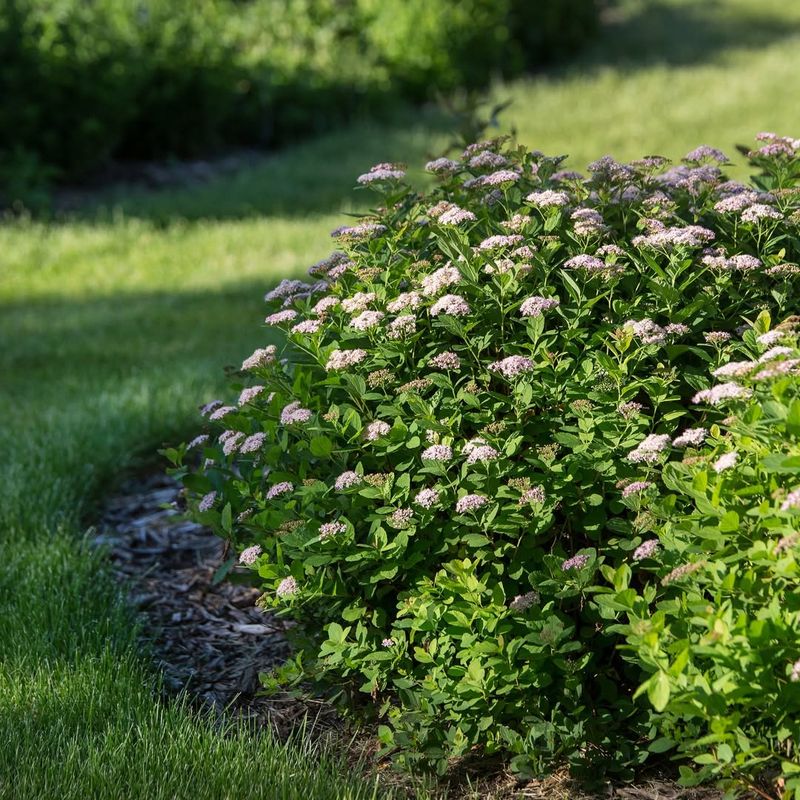
Spirea is one of those shrubs that punches way above its weight class.
When it blooms, it’s absolutely covered in delicate flowers that create this gorgeous, almost frothy effect.
People will assume you spent hours caring for it, but spirea is actually incredibly easygoing.
It thrives in full sun and isn’t fussy about soil conditions at all.
Spirea handles heat, cold, and even some drought once it’s settled in.
Different varieties bloom at different times, so you can choose spring or summer flowering types depending on your preference.
The foliage often changes color through the seasons, adding extra visual interest beyond just the blooms.
Pruning is straightforward and you can even skip it some years without major consequences.
Spirea grows into a nice rounded or arching shape naturally, so it doesn’t need constant shaping.
Use it as a border plant, in mixed beds, or as a low hedge.
It attracts butterflies and pollinators, which is a lovely bonus.
For something that looks so delicate and refined, spirea is tough as nails and incredibly reliable.
4. Ninebark
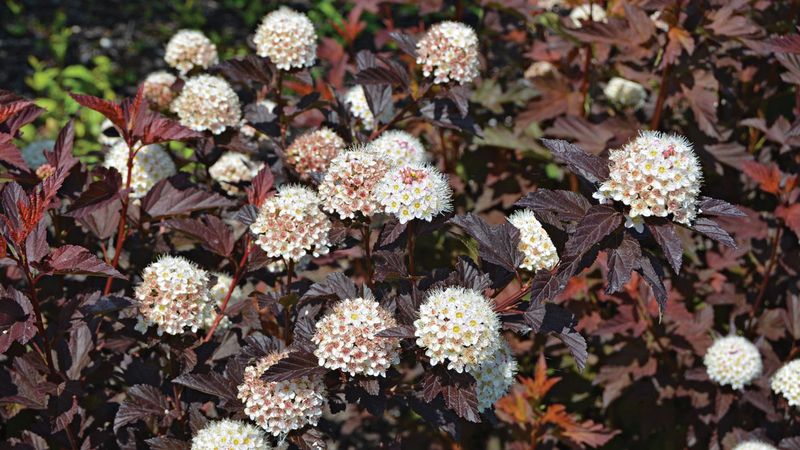
Ninebark might not be as famous as some other shrubs, but it absolutely deserves more attention.
The foliage comes in stunning colors ranging from deep burgundy to bright gold, and that alone makes it look high-end.
Plus, the peeling bark adds textural interest that most shrubs just don’t have.
This native North American shrub is incredibly hardy and adapts to almost any soil type.
It handles full sun to partial shade and doesn’t mind urban conditions or pollution.
Ninebark is drought-tolerant once established and rarely bothered by pests or diseases.
In late spring, it produces clusters of small white or pinkish flowers that attract pollinators.
The colorful foliage holds its hue throughout the growing season, providing constant visual impact.
It grows quickly into a full, rounded shrub that fills space beautifully without looking messy.
You can use ninebark as a specimen plant, in mixed borders, or even as an informal hedge.
Minimal pruning keeps it looking its best, and it’s forgiving if you need to cut it back hard.
For a shrub that combines color, texture, and toughness, ninebark is seriously underrated.
5. Knock Out Rose
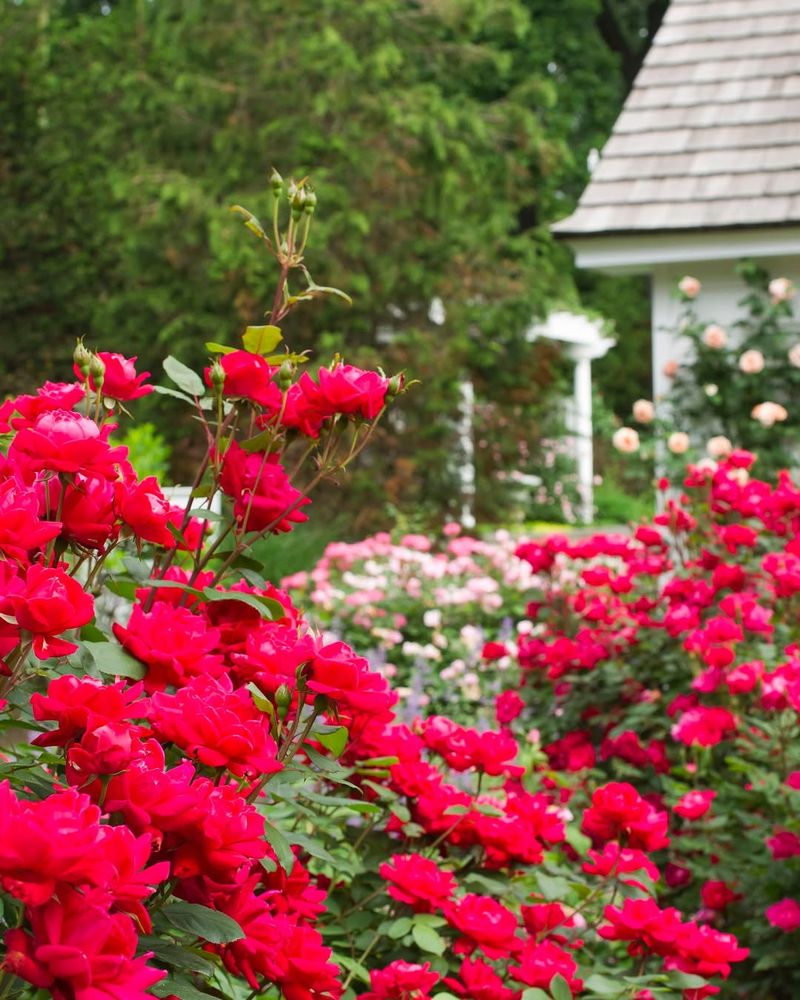
Roses have this reputation for being fussy and high-maintenance, but Knock Out roses changed the game completely.
They bloom continuously from spring through fall with barely any effort on your part.
Seriously, these roses are what everyone wishes traditional roses could be.
Knock Out roses resist diseases that plague other rose varieties, so no constant spraying or worrying about black spot.
They handle heat, humidity, and less-than-perfect conditions without throwing a fit.
Deadheading isn’t necessary, though you can do it if you want even more blooms.
They come in several colors including red, pink, coral, and even a sunny yellow variety.
The shrubs grow into a nice compact shape that works well in borders, as foundation plants, or in containers.
A simple pruning in early spring keeps them tidy, but they’re pretty forgiving even if you forget.
Full sun brings out the best blooming, but they’ll tolerate some shade.
Knock Out roses give you that romantic, elegant look of roses without the traditional headaches.
If you want nonstop color and a polished appearance, these are absolute winners.
6. Japanese Barberry
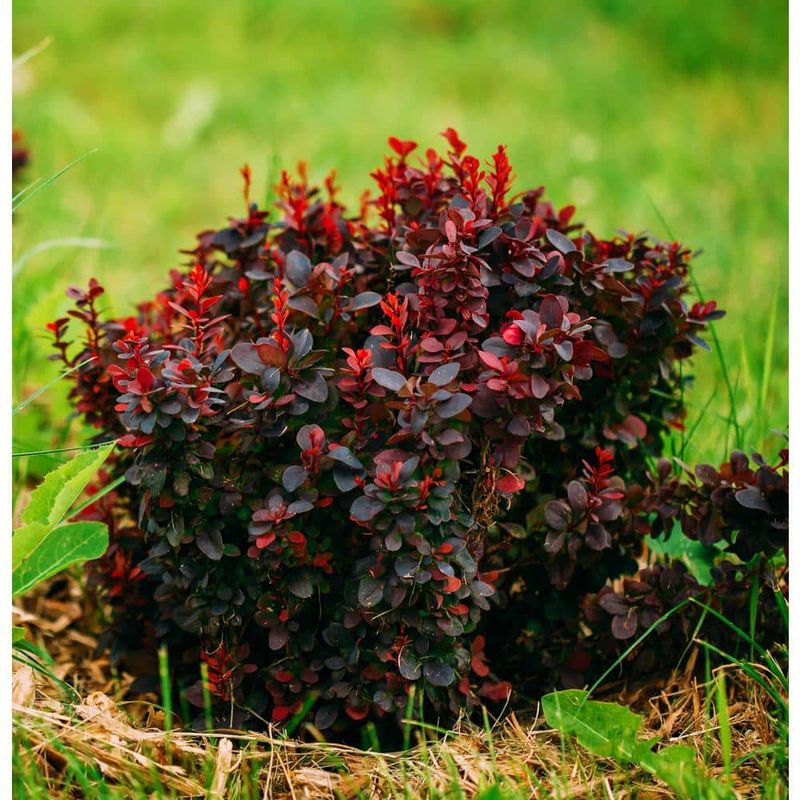
Japanese barberry brings this rich, jewel-toned color that instantly elevates any landscape.
The burgundy or red foliage looks intentional and sophisticated, like you hired a professional designer.
It’s a compact shrub that stays neat without requiring constant trimming or fussing.
Barberry tolerates a wide range of conditions including poor soil, drought, and urban pollution.
It grows well in full sun to partial shade, making it versatile for different spots in your yard.
Deer tend to leave it alone thanks to its small thorns, which is a huge bonus if you deal with wildlife.
The foliage color deepens and intensifies through the growing season, providing changing interest.
In fall, small red berries appear that birds appreciate and that add another decorative element.
Barberry requires very little pruning and naturally maintains a rounded, tidy shape.
Use it as a border plant, in mass plantings, or as a low hedge for definition.
It contrasts beautifully with green-foliaged plants and adds depth to your landscape design.
For a shrub that looks this polished and colorful, the fact that it’s so low-maintenance is honestly amazing.
7. Burning Bush
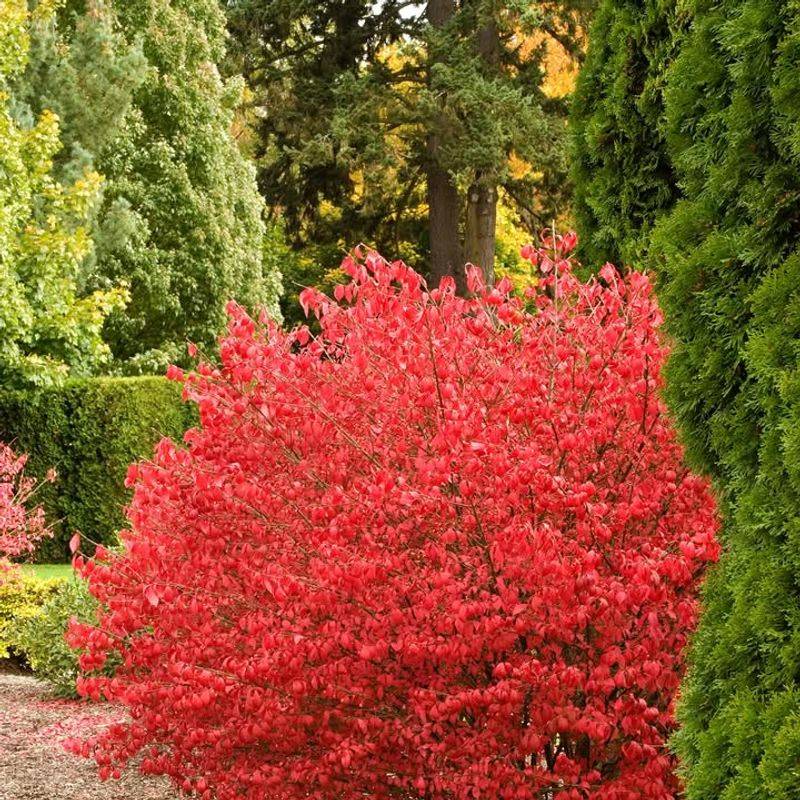
When fall arrives, burning bush absolutely steals the show with foliage that turns the most incredible fiery red.
It’s the kind of dramatic color that stops people in their tracks and makes your yard the envy of the neighborhood.
During the rest of the year, it’s a perfectly respectable green shrub that requires almost nothing from you.
Burning bush adapts to various soil types and handles both sun and partial shade.
It’s cold-hardy and tolerates urban conditions without complaint.
The shrub grows into a neat, rounded shape that looks intentional even without much pruning.
You can trim it to maintain size or shape, but it’s not demanding about when or how often.
It’s relatively pest and disease-free, so you’re not dealing with constant problems.
The fall color display alone makes it worth the space, but it’s also a solid performer year-round.
Plant it where you’ll see that autumn color from windows or along pathways for maximum impact.
It works as a specimen plant, in groups, or as a hedge.
Burning bush gives you that high-end landscape look with seasonal drama, all while being remarkably easygoing the rest of the time.
8. Lilac
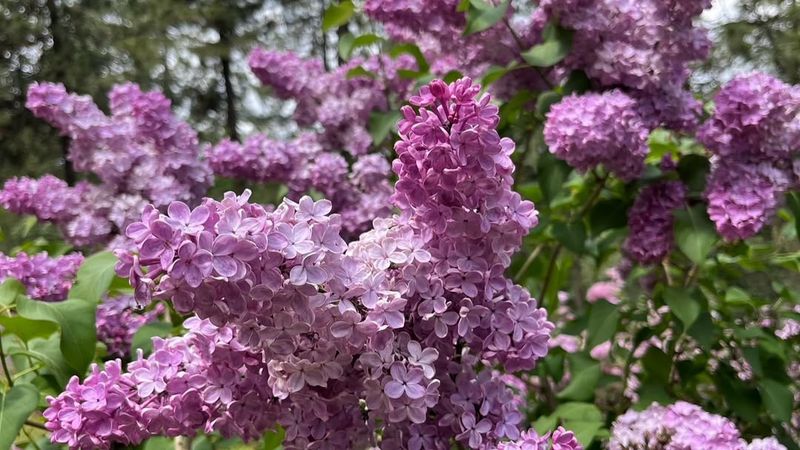
Few shrubs say spring quite like lilacs with their gorgeously fragrant blooms.
That intoxicating scent and those romantic flower clusters make them feel special and luxurious.
Yet lilacs are old-fashioned in the best way, meaning they’re tough and don’t need pampering.
They prefer full sun and well-drained soil, but once established, they’re remarkably self-sufficient.
Lilacs are cold-hardy and actually need winter chill to bloom their best.
After the spectacular spring show, the foliage provides a nice green backdrop for other plants.
Pruning is optional and mainly involves removing old wood to encourage new growth and blooms.
They can grow quite large, so give them space or choose dwarf varieties for smaller yards.
Lilacs rarely have serious pest or disease issues, especially the newer resistant varieties.
The blooms are perfect for cutting and bringing that amazing fragrance indoors.
They attract butterflies and other pollinators, adding life to your garden.
Lilacs have that cottage garden charm that feels both elegant and effortless, and they’ll come back reliably year after year without demanding much attention.
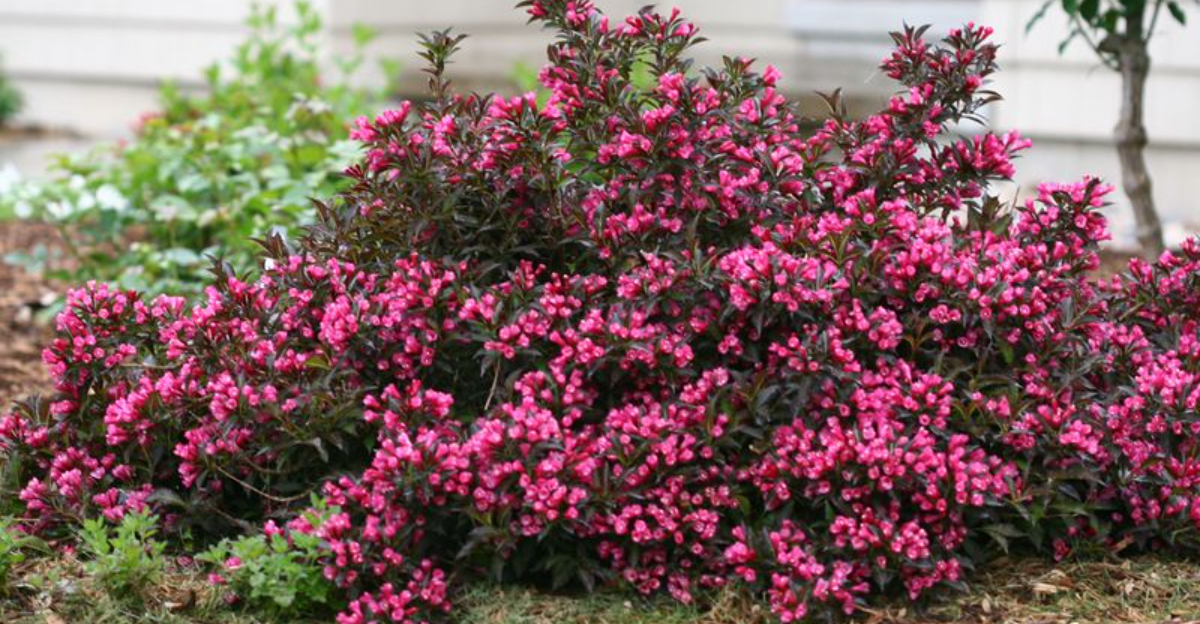
9. Weigela
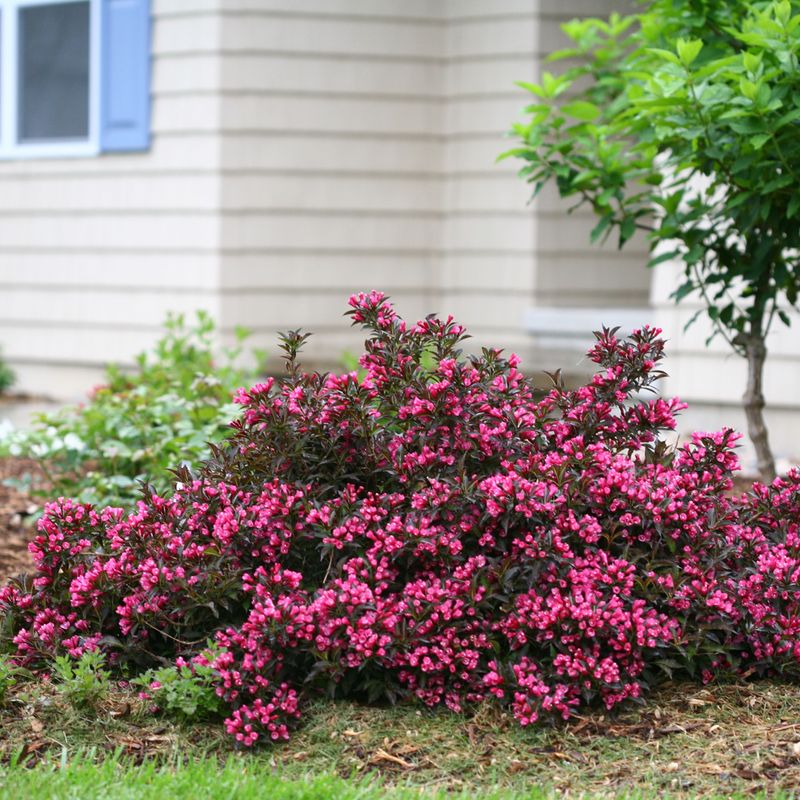
Weigela puts on an absolutely stunning floral display in late spring, with tubular flowers covering the branches in shades of pink, red, or white.
The blooms attract hummingbirds, which is always fun to watch from your window.
Many varieties also have colorful foliage in burgundy or variegated patterns, giving you interest beyond just the flowers.
This shrub adapts well to different soil types and handles full sun to partial shade.
It’s relatively drought-tolerant once established and doesn’t require constant watering.
Weigela often reblooms sporadically through summer, giving you extra color as a bonus.
Pruning is simple and done right after the main bloom period if needed at all.
The arching, fountain-like growth habit looks graceful and intentional without any shaping.
Weigela is generally pest and disease-free, so you’re not troubleshooting problems all season.
Use it in mixed borders, as a specimen plant, or in groupings for impact.
The combination of flowers, foliage color, and easy care makes it a real winner.
Weigela has that polished, designed look that suggests you know exactly what you’re doing in the garden, even if you’re just letting it do its thing.
10. Forsythia
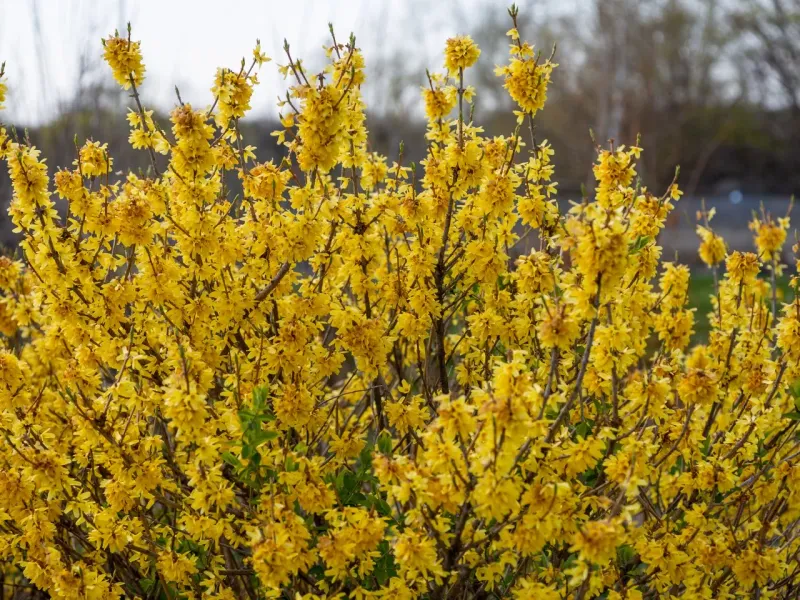
Forsythia is like the first real sign that winter is finally over, bursting into brilliant yellow blooms before most other plants even wake up.
Those bright golden flowers covering the bare branches are cheerful and eye-catching.
It’s the kind of early color that makes your yard look alive and intentional when everything else is still drab.
Forsythia is incredibly easy to grow and tolerates a wide range of soils and conditions.
It handles full sun to partial shade and isn’t bothered by urban pollution or poor soil.
Once established, it’s quite drought-tolerant and rarely has pest or disease problems.
The shrub grows quickly and vigorously, filling space without much help from you.
Pruning keeps it from getting too wild, but even that’s forgiving and can be done right after flowering.
After blooming, the green foliage provides a nice backdrop for other garden plants through the growing season.
Forsythia works well as a hedge, screen, or specimen plant depending on your needs.
The early spring color is especially valuable when not much else is blooming yet.
For a shrub that announces spring with such enthusiasm and requires so little care, forsythia is a fantastic choice.
11. Viburnum
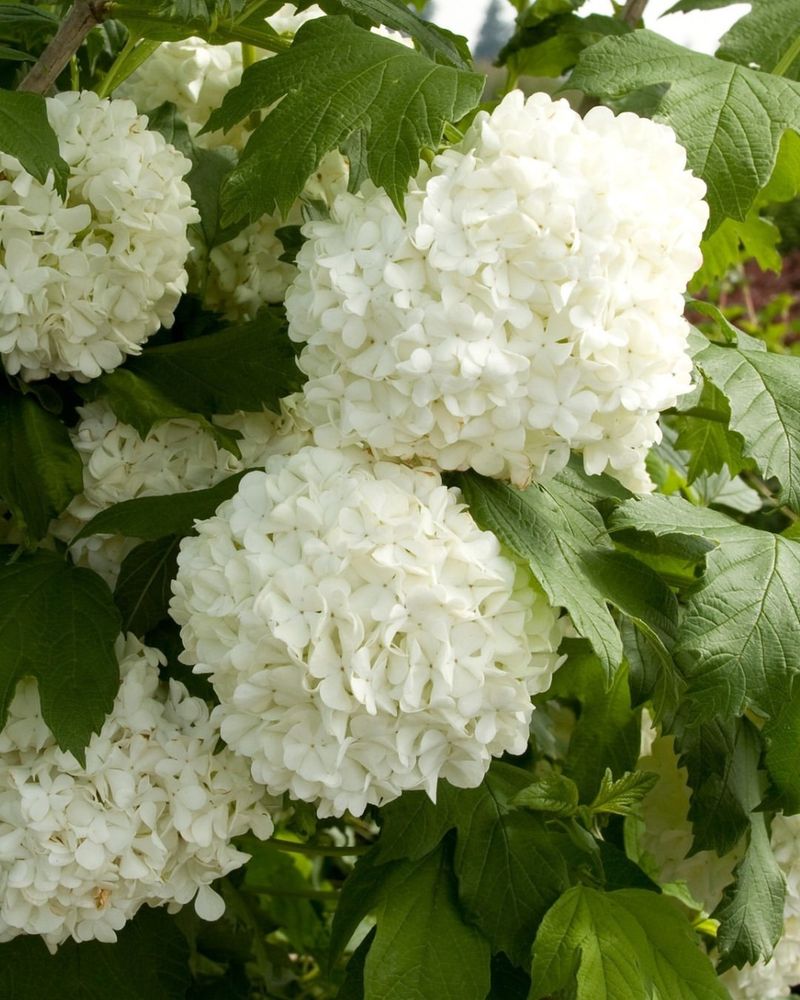
Viburnum is one of those versatile shrubs that does everything well and looks expensive doing it.
Many varieties have gorgeous spring flowers, often fragrant, that create clusters of white or pink blooms.
The foliage is typically lush and attractive, and some varieties have stunning fall color or interesting berries.
Different viburnum species offer options for various conditions, but most are adaptable and easy to please.
They generally handle sun to partial shade and aren’t overly picky about soil.
Viburnum is relatively pest and disease-resistant, especially native varieties.
The shrubs grow into handsome, full forms that look intentional without constant pruning.
Some varieties stay compact while others grow larger, so you can choose based on your space.
The berries that follow the flowers attract birds and add seasonal interest.
Viburnum works beautifully as foundation plantings, in mixed borders, or as informal hedges.
The combination of flowers, foliage, berries, and structure gives you multiple seasons of interest.
For a shrub that delivers such a polished, layered look with minimal fuss, viburnum is seriously impressive and often overlooked by people who don’t realize how easy it is.
12. Smokebush
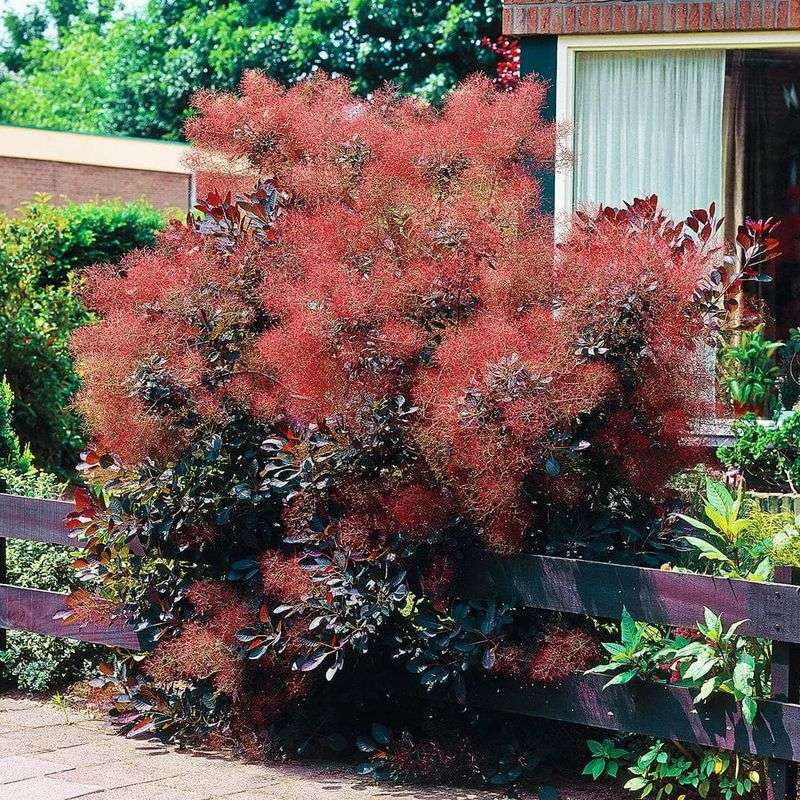
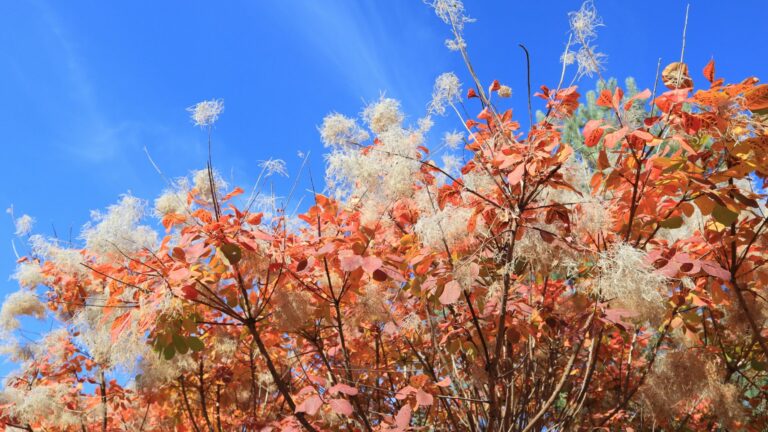
Smokebush is absolutely unique with those wispy, cloud-like flower plumes that give it its name.
The effect is ethereal and artistic, like something from a high-end botanical garden.
Many varieties also have deep purple or burgundy foliage that provides color all season long, not just during bloom time.
This shrub loves full sun and well-drained soil but isn’t demanding beyond that.
It’s drought-tolerant once established and handles heat remarkably well.
Smokebush is generally pest and disease-free, so you’re not dealing with constant maintenance issues.
The smoky flower plumes appear in summer and persist for weeks, creating that distinctive hazy effect.
The foliage color intensifies in fall before dropping, giving you another seasonal show.
Pruning is optional and mainly done to control size or encourage the colorful new growth.
Smokebush works as a striking specimen plant or in mixed borders where its unique texture stands out.
It grows into a substantial shrub that fills space beautifully without looking messy.
For something that looks this unusual and artistic, the fact that it’s so low-maintenance and tough is honestly remarkable.
13. Butterfly Bush
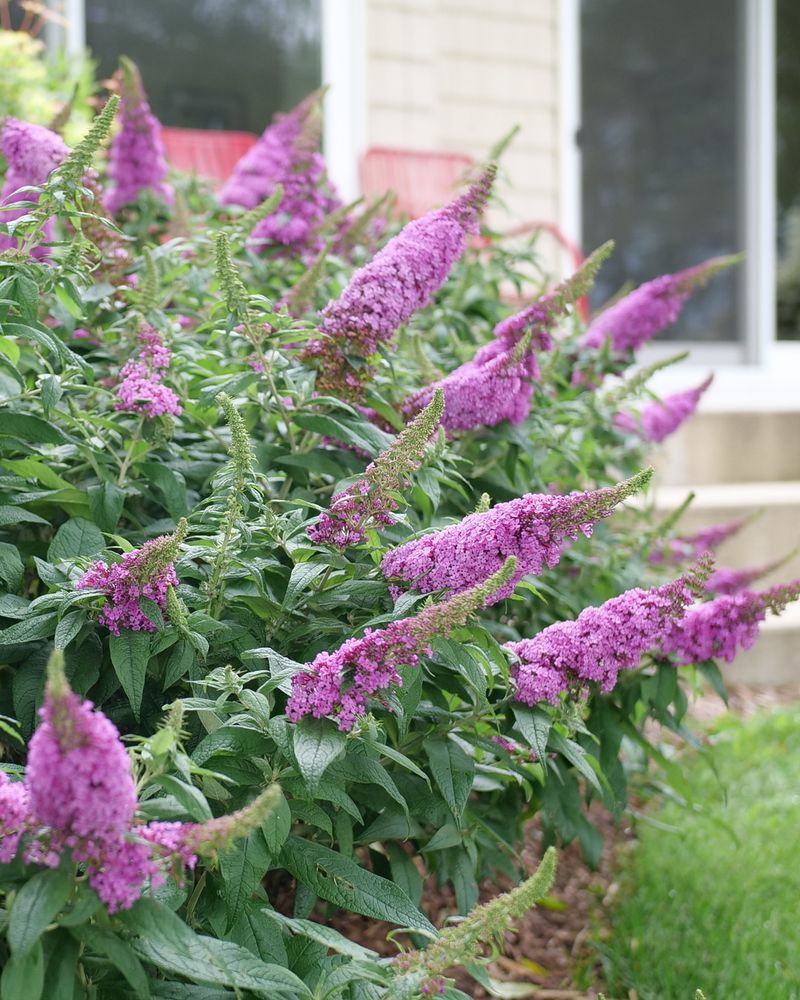
Butterfly bush does exactly what its name promises, attracting butterflies and hummingbirds like crazy during its long blooming season.
The cone-shaped flower spikes in shades of purple, pink, white, or yellow are showy and fragrant.
Watching all that pollinator activity makes your garden feel alive and well-loved, even if you’re barely doing anything.
This shrub thrives in full sun and well-drained soil but tolerates less-than-ideal conditions pretty well.
It’s drought-tolerant once established and handles heat without wilting or complaining.
Butterfly bush blooms from summer through fall, giving you months of color and wildlife activity.
Deadheading spent blooms encourages more flowers, but even without it, the plant keeps performing.
A hard pruning in late winter or early spring keeps it compact and promotes vigorous blooming.
Some newer varieties are non-invasive, so check for those if that’s a concern in your area.
Use butterfly bush in borders, as a focal point, or in pollinator gardens.
The combination of color, fragrance, and wildlife attraction makes it feel special and intentional.
For a shrub that looks this lush and blooms this generously while requiring minimal care, butterfly bush is a total winner.