15 Low-Water Plants That Thrive In Nevada Garden
Gardening in Nevada isn’t about fighting the climate—it’s about outsmarting it.
With blazing sun, dry air, and water always at a premium, the most successful gardens aren’t the thirstiest ones.
They’re the ones filled with plants that know how to survive, adapt, and still look downright impressive while doing it.
In Nevada, the smartest gardens sip water—they don’t guzzle it. Low-water plants aren’t boring, bare, or lifeless.
In fact, many of them bring bold texture, striking color, and year-round interest with a fraction of the effort.
When chosen wisely, these plants thrive where others fail, cutting maintenance time and water bills at the same time.
These plants don’t just survive the desert—they thrive in it.
Whether you’re designing a new landscape or trying to make peace with an existing one, drought-tolerant plants are the backbone of stress-free gardening.
They’re tough, resilient, and perfectly suited to Nevada’s realities.
Less water. Less work. More wow.
If you want a garden that looks intentional—not scorched or struggling—these fifteen plants are proven winners for Nevada gardens.
Because the best Nevada gardens work with nature, not against it.
1. Agave For Bold Structure With Minimal Water

Agave plants are architectural wonders that bring instant drama to any Nevada landscape without demanding constant attention from gardeners.
These succulents store water in their thick, fleshy leaves, which means they can survive weeks or even months without supplemental irrigation once established in your garden.
Their bold, sculptural forms create stunning focal points, whether planted solo as statement pieces or grouped with other desert natives for a cohesive look.
Most agave varieties tolerate Nevada’s intense summer heat without wilting or showing stress, making them ideal for south-facing exposures and reflective hardscape areas.
Watering needs are minimal—typically once every two to three weeks during the growing season and even less frequently during cooler months.
The spiky leaves come in shades ranging from blue-gray to deep green, with some varieties featuring striking variegation or dramatic red-tipped edges.
Design-wise, agaves work beautifully in rock gardens, alongside pathways, or as container specimens that anchor patio spaces with their strong visual presence.
Their low maintenance requirements and exceptional drought tolerance make them perfect for busy homeowners who want maximum impact with minimal effort.
Just remember to give them well-draining soil and plenty of sunshine to watch them flourish.
2. Desert Marigold For Long-Lasting Color
Few plants deliver as much cheerful color for so little water as the desert marigold, a true champion of Nevada’s challenging growing conditions.
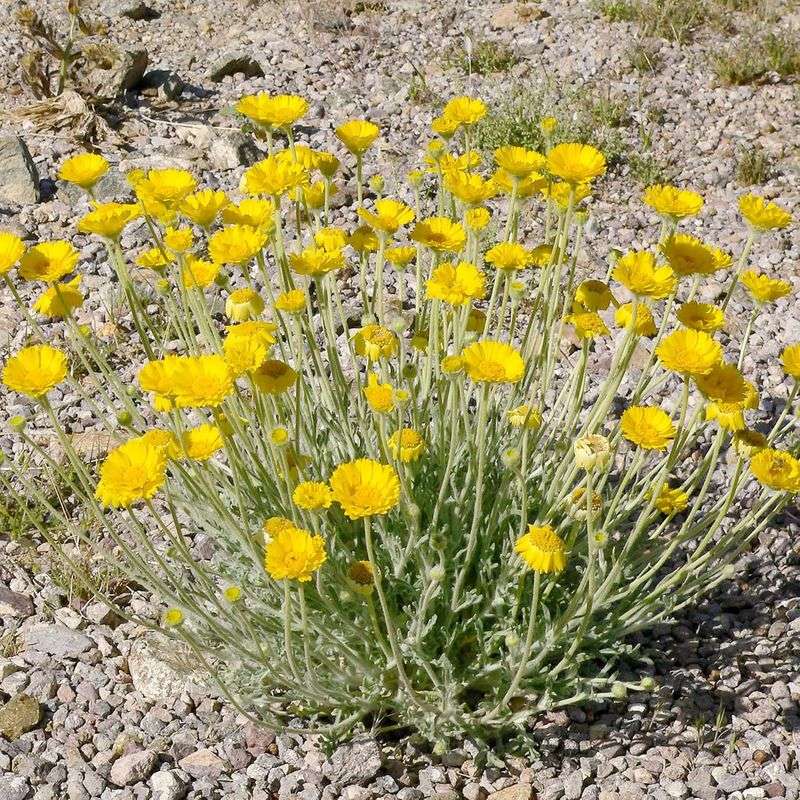
Brilliant golden-yellow blooms appear from spring through fall, providing months of continuous color that brightens even the driest corners of your landscape.
Each flower resembles a miniature sunburst, with delicate petals radiating from a darker center that attracts beneficial pollinators like bees and butterflies to your garden.
Desert marigolds thrive in full sun and actually prefer the intense heat that would stress out many other flowering plants.
Once established, they require watering only once or twice monthly during the hottest weather, making them incredibly economical for water-conscious gardeners.
The compact plants typically reach about twelve inches tall and spread slightly wider, creating perfect mounds of color along borders or in rock gardens.
Their informal, cottage-garden charm softens hardscape edges and complements more structured plants like agave or yucca beautifully in mixed plantings.
Position them where you’ll see them often—near entryways, along pathways, or in front of taller plants—so their sunny disposition can lift your spirits daily.
Deadheading spent blooms encourages even more flowers, though these low-maintenance beauties bloom prolifically even without regular grooming.
3. Red Yucca For Drought-Tolerant Flower Spikes
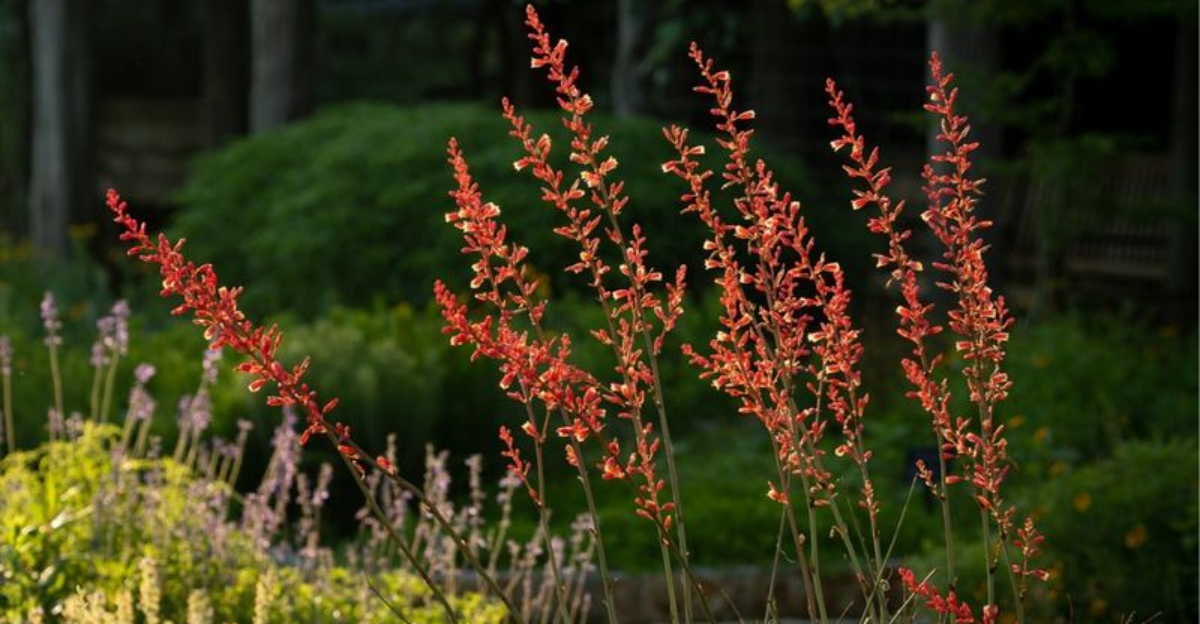
Despite its common name, red yucca isn’t actually a true yucca but rather a hesperaloe, and it’s become a beloved fixture in water-wise Nevada gardens for excellent reasons.
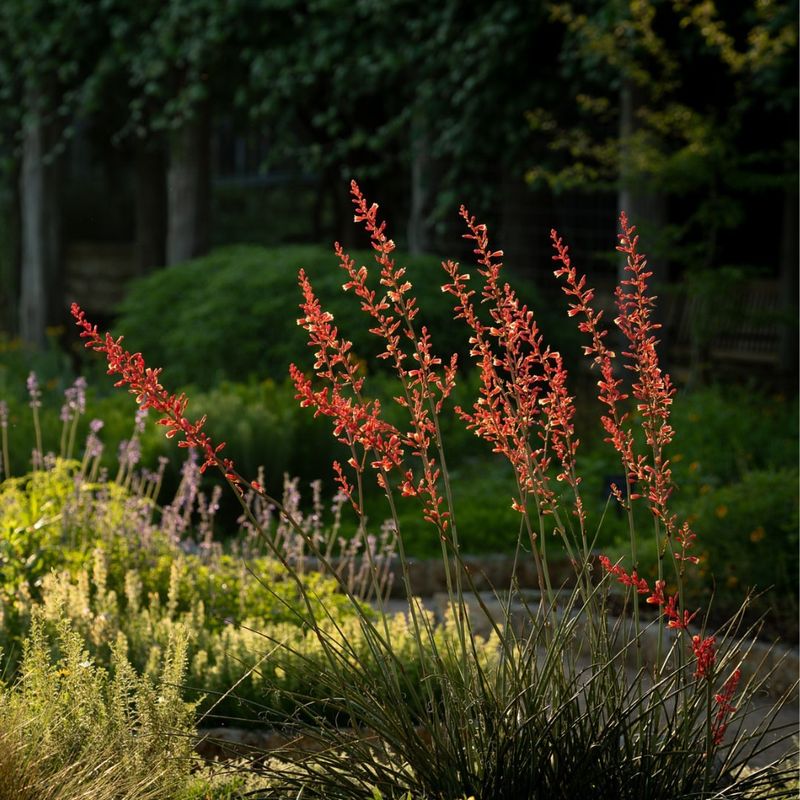
Tall, elegant flower spikes shoot up from grass-like foliage in late spring, displaying tubular blooms in shades of coral, pink, or occasionally yellow that hummingbirds absolutely adore.
The blooming period extends through summer and sometimes into early fall, providing a reliable nectar source when many other plants have finished flowering.
Red yucca’s arching, narrow leaves create a soft, fountain-like form that contrasts beautifully with the rigid shapes of cacti and other succulents in desert landscapes.
Maintenance couldn’t be simpler—once established, these plants need watering only every two to three weeks during the growing season and virtually none during winter dormancy.
They tolerate Nevada’s temperature extremes with ease, handling both scorching summer days and occasional winter freezes without sustaining damage or requiring special protection.
The clumping growth habit means they won’t spread aggressively through your garden, staying neatly where you plant them while gradually expanding their attractive foliage base.
Position them where their graceful flower spikes can be silhouetted against walls or sky for maximum visual impact and hummingbird-watching opportunities.
4. Russian Sage For Airy Texture And Resilience
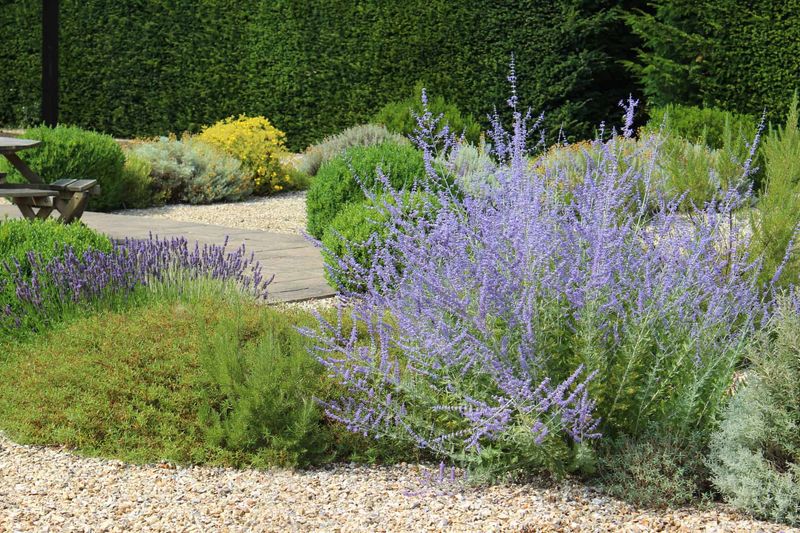
Russian sage brings an almost ethereal quality to Nevada landscapes, with clouds of tiny lavender-blue flowers floating above silvery foliage from midsummer through fall.
The aromatic leaves release a pleasant fragrance when brushed against, adding a sensory dimension that makes pathways and seating areas more enjoyable during warm evenings.
This tough perennial laughs at Nevada’s brutal heat, actually performing better in hot, dry conditions than in humid or overly irrigated environments where many plants struggle.
Full sun exposure is essential for Russian sage to reach its full potential, producing the most abundant blooms and maintaining its compact, upright form.
Once roots are established, watering needs drop to once weekly or even less frequently, making this plant remarkably economical for water-conscious landscapes.
The fine-textured, gray-green foliage provides a cooling visual effect that helps soften bolder plants and creates beautiful color transitions in mixed borders.
Russian sage grows three to four feet tall with a similar spread, forming substantial clumps that fill space without requiring constant division or containment efforts.
In late winter, simply cut the woody stems back to about six inches above ground level to encourage fresh growth and maintain an attractive shape.
Pollinators flock to the nectar-rich flowers, bringing movement and life to your garden throughout the blooming season.
5. Penstemon For Native-Friendly Blooms
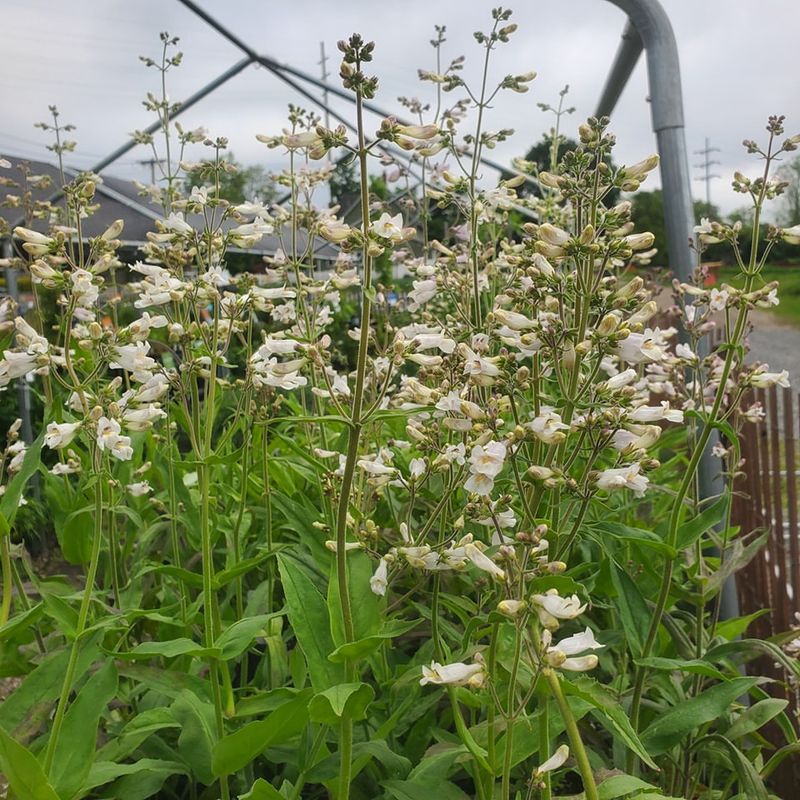
Penstemon species are North American natives that have evolved specifically to handle conditions just like those found across Nevada’s diverse elevations and microclimates.
Tubular flowers in vibrant shades of red, pink, purple, blue, or white appear on tall spikes, creating vertical interest that draws the eye upward and adds dimension to flat landscapes.
Hummingbirds and native bees find penstemon blooms irresistible, making these plants valuable additions for anyone interested in supporting local wildlife and pollinators.
Different penstemon varieties bloom at various times from spring through summer, so selecting multiple species extends the color show throughout the growing season.
Once established in well-draining soil, these perennials need supplemental water only every ten to fourteen days during the hottest months, and even less during cooler periods.
The foliage ranges from narrow and grass-like to broader and more substantial, depending on the species, but all varieties maintain attractive greenery even when not flowering.
Penstemon works beautifully in naturalistic plantings, cottage-style gardens, or formal borders, adapting to various design styles with equal success.
Most varieties reach eighteen to thirty inches tall, making them perfect for mid-border positions where their flowers can be appreciated without blocking smaller plants behind them.
Avoid overwatering, which can lead to root issues and shortened plant lifespan in these drought-adapted beauties.
6. Lavender For Fragrance And Water Savings

Lavender transforms Nevada gardens into fragrant retreats where the soothing scent alone is worth the minimal effort these Mediterranean natives require.
Spike-like flower clusters in shades of purple, blue, pink, or white appear in late spring and early summer, attracting beneficial insects while providing harvest material for crafts and cooking.
Nevada’s dry climate actually suits lavender perfectly, replicating the conditions of its native Mediterranean homeland where humidity is low and summers are long and hot.
The silvery-green foliage remains attractive year-round, providing evergreen structure and color even during winter months when many perennials have gone dormant.
Proper soil drainage is absolutely critical for lavender success—these plants despise wet feet and will struggle or fail in heavy clay or poorly draining locations.
Amending planting areas with sand or gravel and creating slightly raised beds ensures excess water drains quickly away from roots, preventing common problems.
Once established, lavender needs deep watering only every two to three weeks during summer, and virtually no supplemental irrigation during cooler months.
Prune plants lightly after flowering finishes to maintain compact, bushy shapes and encourage abundant blooms the following season.
Position lavender where you’ll brush against it often—near doorways, along pathways, or beside seating areas—so its wonderful fragrance becomes part of your daily garden experience.
7. Blue Fescue For Compact Ornamental Grass
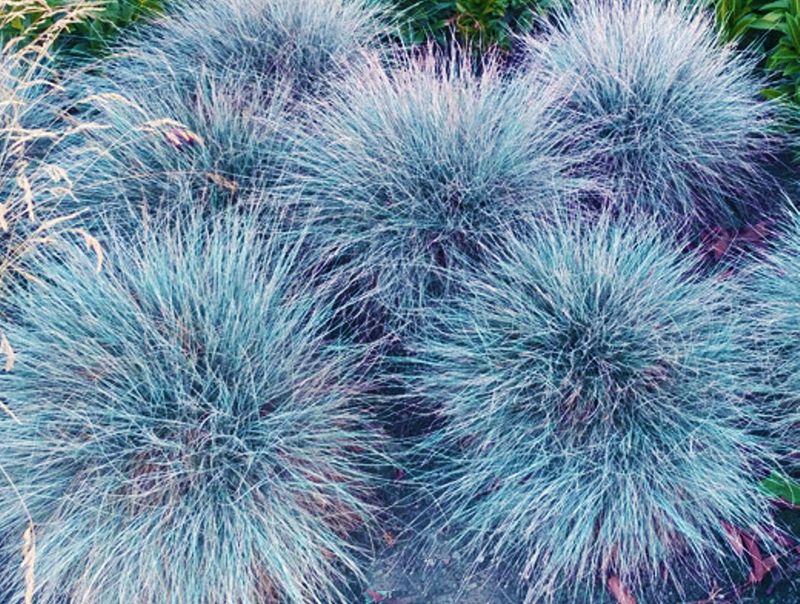
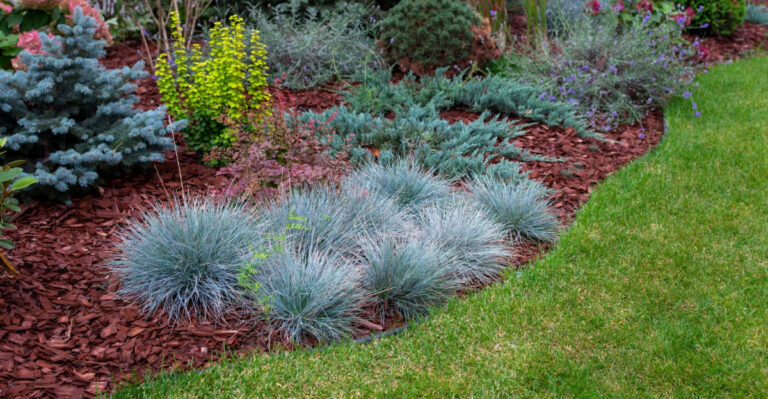
Blue fescue offers something special in the ornamental grass world—stunning blue-gray color in a neat, compact package that never overwhelms smaller garden spaces.
The fine-textured foliage forms perfect little mounds, typically reaching ten to twelve inches tall and wide, making them ideal for edging, containers, or rock garden accents.
Unlike many ornamental grasses that can become floppy or require frequent division, blue fescue maintains its tidy appearance with minimal intervention from gardeners.
The cool-toned foliage provides excellent contrast against warm-colored stones, terracotta containers, or plants with burgundy or golden leaves in thoughtfully composed plantings.
Water requirements are remarkably low once roots are established—typically once weekly during the hottest weather and even less frequently during spring and fall.
Blue fescue performs best in full sun where its distinctive coloration develops most intensely, though it tolerates light afternoon shade in the hottest microclimates.
The grass produces inconspicuous tan flower spikes in early summer that add subtle textural interest without detracting from the foliage’s main attraction.
Comb through the clumps with your fingers in early spring to remove old foliage and encourage fresh growth, a maintenance task that takes only minutes per plant.
These versatile grasses work beautifully when planted in repeating patterns along borders or grouped in odd numbers for a naturalistic, flowing design effect.
8. Ice Plant For Groundcover With Almost No Irrigation
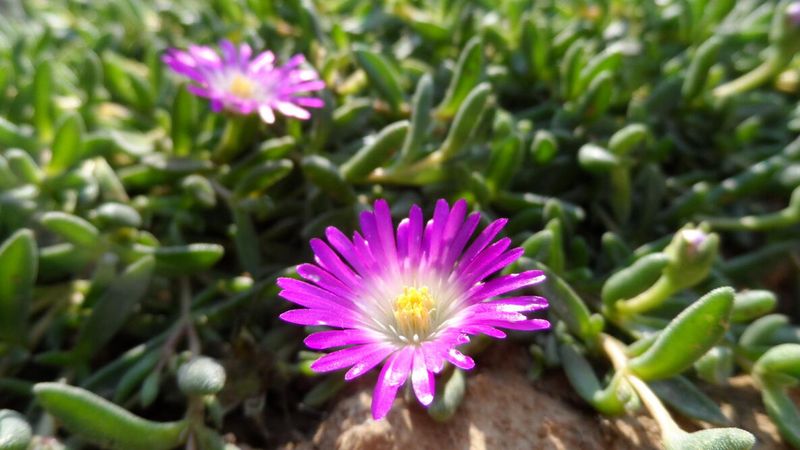
Ice plant earns its place in water-smart Nevada landscapes by covering ground quickly with succulent foliage that requires almost no supplemental watering once established.
Brilliant, daisy-like flowers in electric shades of pink, purple, orange, yellow, or red blanket the plants in spring and early summer, creating eye-catching carpets of color.
The fleshy, cylindrical leaves store moisture efficiently, allowing ice plant to survive extended dry periods that would stress or eliminate less adapted groundcovers.
This spreading succulent works perfectly for erosion control on slopes, filling gaps between stepping stones, or cascading over retaining walls where its trailing habit creates softening effects.
Full sun exposure brings out the most vibrant flower colors and encourages the densest growth, though ice plant tolerates some light shade in extremely hot locations.
Sandy or gravelly soil suits ice plant beautifully, but it adapts to various soil types as long as drainage is adequate and water doesn’t pool around roots.
Once established, many gardeners provide no supplemental irrigation at all, relying entirely on natural rainfall to sustain these incredibly drought-tolerant plants.
The low-growing habit—typically just three to six inches tall—means ice plant won’t compete with taller plants but will fill horizontal space efficiently and attractively.
Avoid planting in areas with regular foot traffic, as the succulent leaves can be damaged by repeated crushing despite the plant’s overall toughness.
9. Catmint For Reliable Color In Tough Conditions
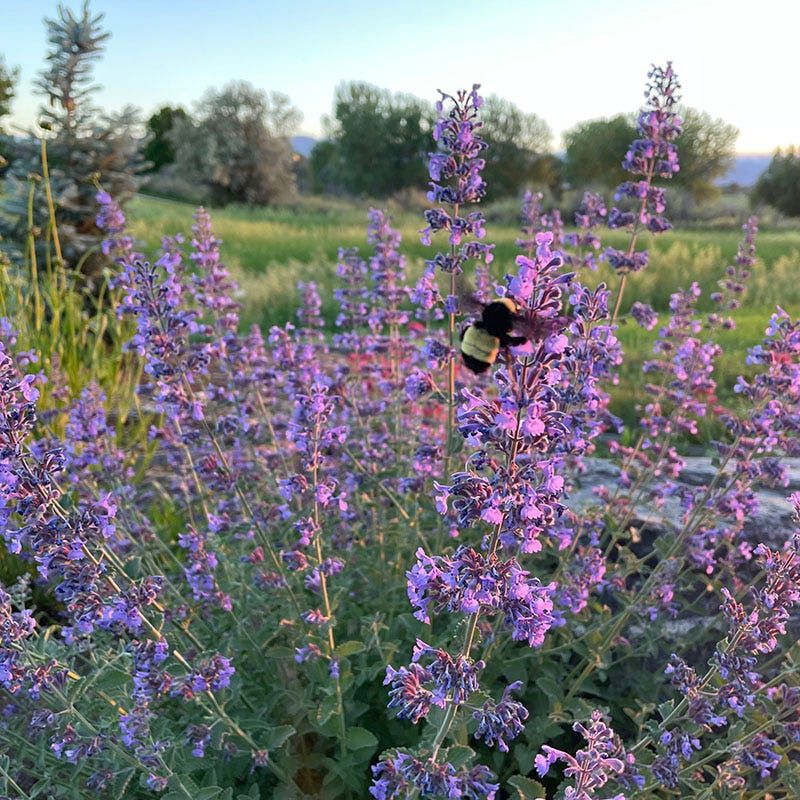
Catmint delivers wave after wave of lavender-blue flowers from late spring through fall, providing one of the longest blooming periods of any perennial in Nevada gardens.
The aromatic, gray-green foliage releases a pleasant minty fragrance when touched, though most catmint varieties are less attractive to felines than true catnip.
Pollinators consider catmint a must-visit destination, with bees, butterflies, and beneficial insects constantly working the nectar-rich flowers throughout the extended blooming season.
This tough perennial handles Nevada’s temperature extremes with remarkable grace, neither wilting in summer heat nor suffering damage from occasional winter cold snaps.
Watering needs are modest—once weekly during the hottest months is typically sufficient, and even less frequent irrigation works fine during cooler seasons.
The billowing, mounded form reaches about eighteen to twenty-four inches tall and spreads slightly wider, creating substantial presence without requiring staking or support.
Shearing plants back by about one-third after the first flush of blooms fades encourages a second, equally impressive flowering period later in the season.
Catmint’s informal, cottage-garden style softens formal landscapes and complements both traditional and contemporary design schemes with equal effectiveness.
The gray-toned foliage acts as a neutral element in mixed plantings, helping transition between bolder colors and providing visual rest for the eye in busy garden compositions.
10. Texas Ranger (Cenizo) For Desert Shrub Appeal
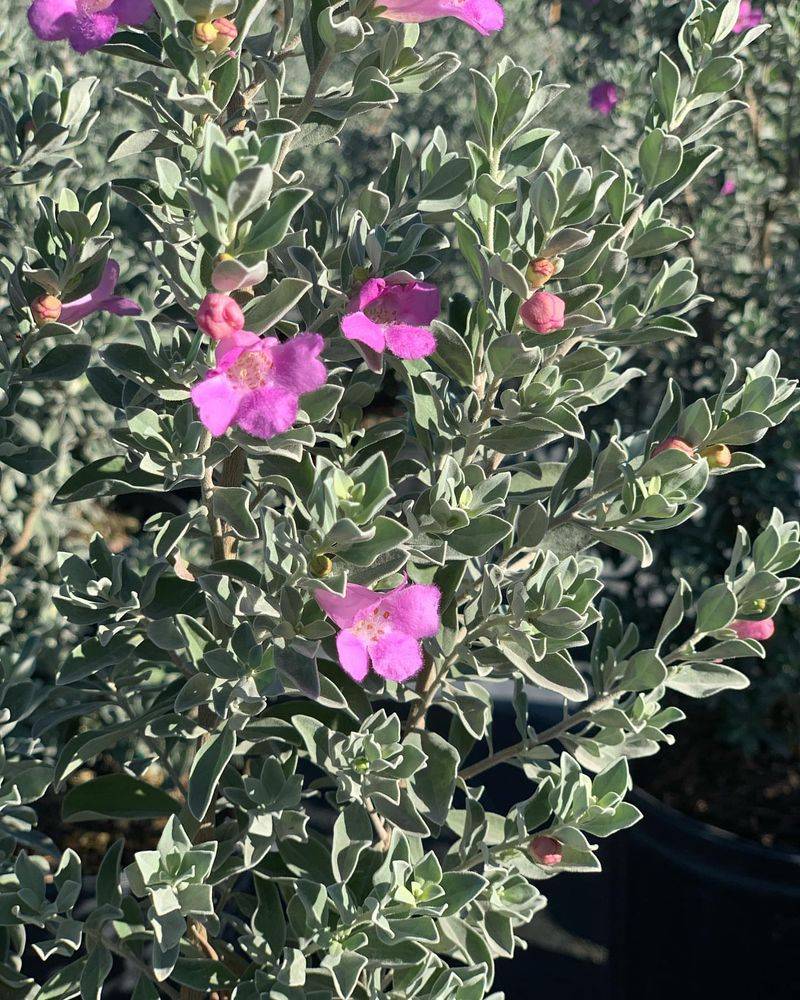
Texas ranger, also called cenizo or silverleaf, is a desert native that puts on its best floral show following summer rain showers, earning it the nickname barometer bush.
Tubular flowers in shades of purple, pink, or occasionally white appear seemingly overnight after moisture arrives, covering the silvery foliage in a spectacular display.
The soft, gray-green leaves create a cooling visual effect year-round, reflecting sunlight and providing a neutral backdrop that makes neighboring plants’ colors appear more vibrant.
This rounded shrub typically grows four to six feet tall and wide, making it perfect for screening, foundation plantings, or serving as an informal hedge in residential landscapes.
Once established, Texas ranger survives entirely on natural rainfall in many Nevada locations, requiring supplemental water only during extended drought periods or extreme heat.
Full sun exposure is essential for maintaining the compact growth habit and encouraging the most abundant flowering, as plants become leggy in shade.
The shrub tolerates Nevada’s alkaline soils without complaint, unlike many ornamentals that struggle with the high pH levels common throughout the region.
Minimal pruning is needed—just light shaping in early spring if desired, though many gardeners prefer the natural, informal form these shrubs develop on their own.
Texas ranger’s drought tolerance and low maintenance requirements make it ideal for commercial landscapes, public spaces, or residential gardens where water conservation is a priority.
11. Blackfoot Daisy For Continuous Blooms
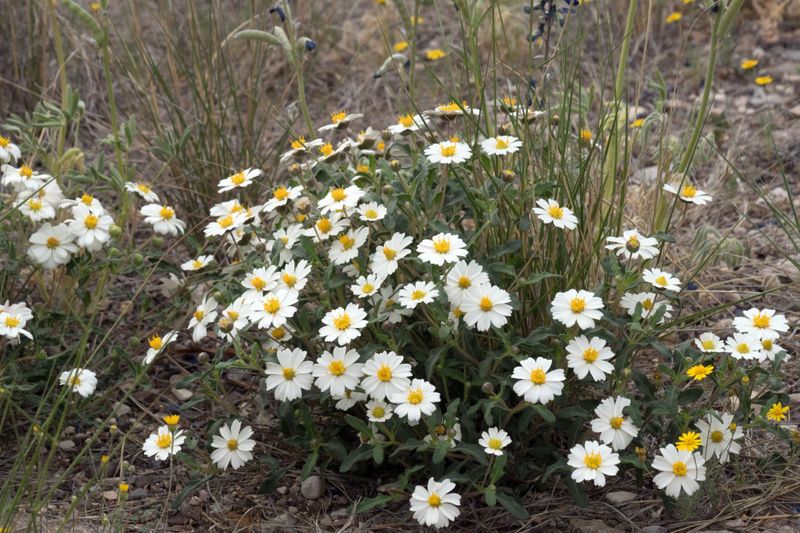
Blackfoot daisy is a charming little perennial that punches well above its weight class, producing cheerful white flowers with yellow centers from spring until frost.
The compact growth habit keeps plants to about twelve inches tall and wide, making them perfect for edging, rock gardens, or tucking into small spaces between larger specimens.
Individual flowers are small but appear in such abundance that plants often seem covered in a white blanket, creating a striking visual impact despite their diminutive size.
This southwestern native thrives in Nevada’s challenging conditions, actually preferring lean, rocky soil over rich, amended ground that would encourage weak, floppy growth.
Water needs are minimal once roots are established—typically once every ten to fourteen days during summer, with even less frequent irrigation during cooler months.
Full sun is essential for blackfoot daisy to bloom prolifically and maintain its compact, mounding form rather than stretching toward light sources.
The fine-textured foliage remains semi-evergreen in mild winters, providing structure and greenery even when many other perennials have gone completely dormant.
Deadheading isn’t necessary for continued blooming, though removing spent flowers keeps plants looking tidy if you enjoy that level of garden grooming.
Blackfoot daisy works beautifully when planted in groups of three or more, creating drifts of white that lighten and brighten the landscape throughout the growing season.
12. Verbena For Spreading Color With Low Water Use
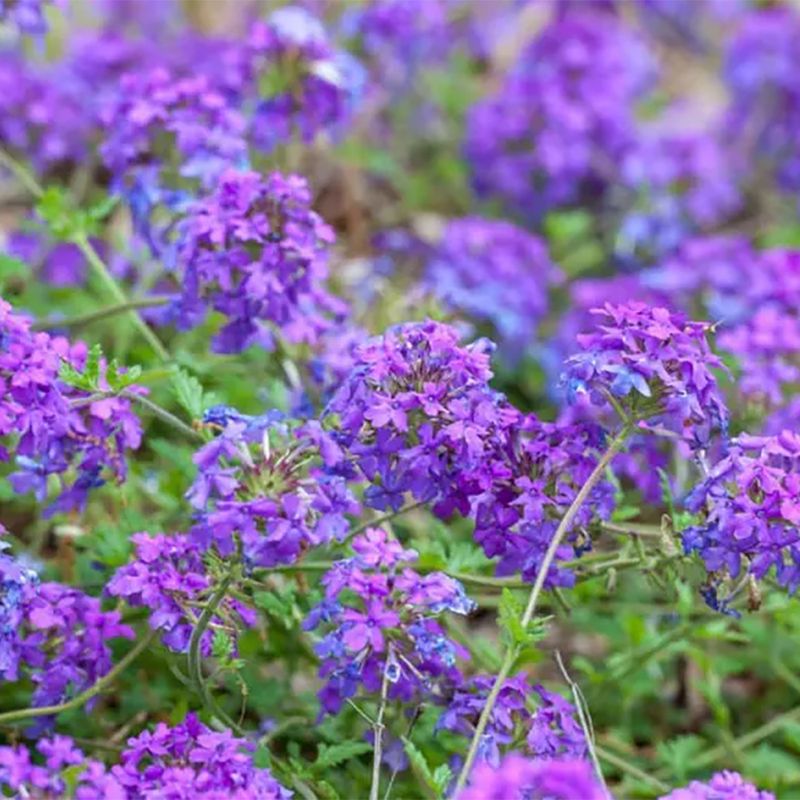
Verbena varieties adapted to desert conditions spread cheerfully across the ground, offering non-stop color from late spring through fall without demanding constant watering.
Flower clusters in vibrant shades of purple, red, pink, white, or bi-colors attract butterflies and hummingbirds, bringing movement and life to garden spaces throughout the blooming season.
The spreading habit makes verbena excellent for filling gaps in borders, softening hardscape edges, or cascading over retaining walls where its trailing stems create beautiful effects.
Low-growing varieties typically reach just six to twelve inches tall but spread two to three feet wide, covering substantial ground with relatively few plants.
Once established, verbena needs watering only once or twice weekly during the hottest weather, and even less frequently during spring and fall when temperatures moderate.
Full sun exposure encourages the most prolific flowering and helps prevent the fungal issues that can occasionally affect verbena in shadier, more humid conditions.
The fine-textured foliage provides an attractive backdrop for the flowers, creating a lacy, delicate appearance that contrasts beautifully with bolder, architectural plants.
Verbena works wonderfully in containers where its cascading habit can spill over pot edges, creating living fountains of color on patios and entryways.
Choosing heat-tolerant varieties specifically bred for desert conditions ensures the best performance in Nevada’s challenging climate rather than struggling with types developed for cooler regions.
13. Joshua Tree For Iconic Desert Landscaping
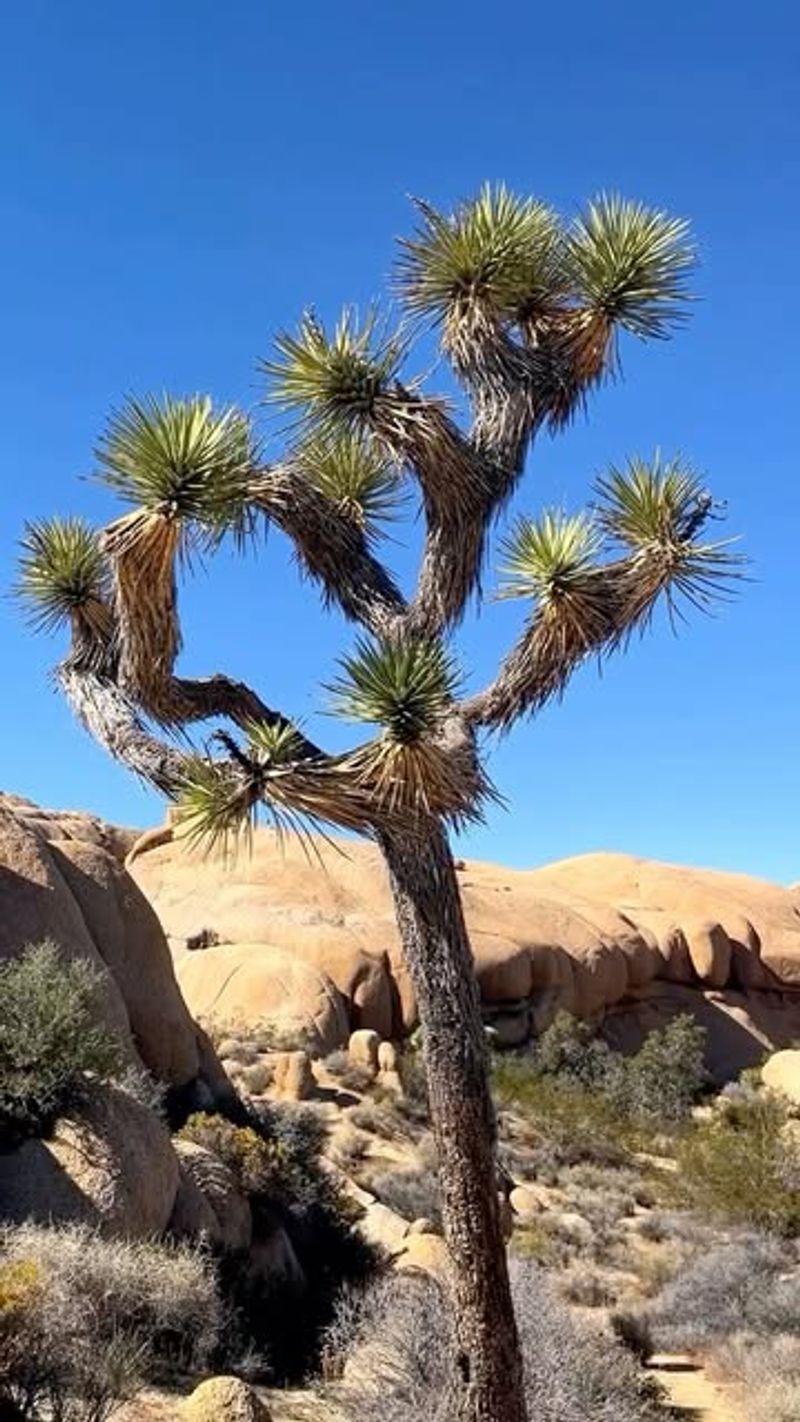
Joshua trees are instantly recognizable symbols of the Mojave Desert, bringing dramatic architectural presence and authentic desert character to appropriate Nevada landscapes.
These unique plants grow slowly, typically adding just two to three inches annually, which means even modest-sized specimens represent many years of growth and considerable value.
The twisted, sculptural branches create living art pieces that serve as stunning focal points, especially when silhouetted against evening skies or dramatically lit at night.
Before planting a Joshua tree, check local regulations, as some areas protect these iconic plants and may require permits for transplanting or removal.
Water requirements are extremely low—established Joshua trees survive entirely on natural rainfall in their native range, needing supplemental irrigation only during establishment or extreme drought.
The spiky, evergreen foliage clusters at branch ends provide year-round structure and interest, maintaining visual appeal even during winter when many other plants look dormant.
Joshua trees work best in spacious landscapes where their eventual size—potentially twenty to forty feet tall—won’t overwhelm the space or interfere with structures and utilities.
Patience is essential when growing these slow-maturing plants, as developing the characteristic branched form takes many years and cannot be rushed through fertilization or extra watering.
The unique character Joshua trees bring to landscapes is unmatched, creating authentic desert ambiance that connects gardens to the broader natural environment surrounding Nevada communities.
14. Mojave Sage For Native Desert Beauty
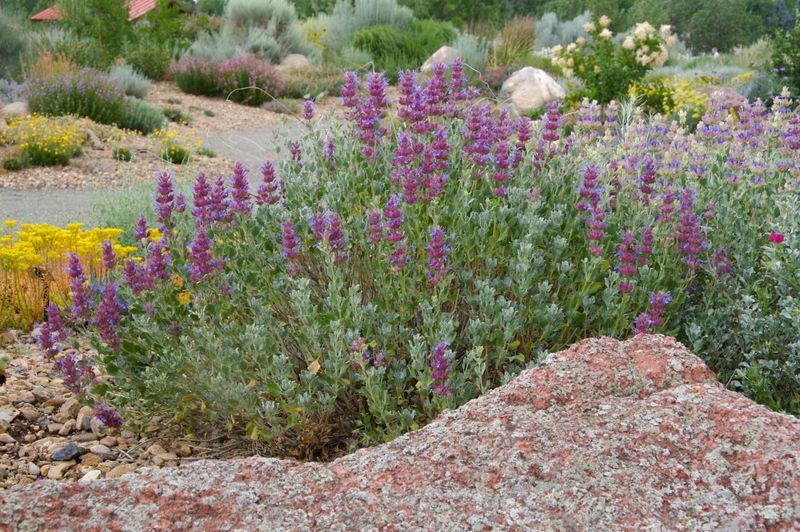
Mojave sage is a Nevada native that deserves far more attention from gardeners seeking authentic desert plants with exceptional drought tolerance and wildlife value.
The silvery, aromatic foliage releases a pleasant fragrance when brushed or crushed, adding sensory interest that makes pathways and seating areas more engaging.
Spikes of purple-blue flowers emerge in spring, attracting native bees, butterflies, and hummingbirds that depend on native plants for nectar and pollen sources.
This low-growing perennial typically reaches twelve to eighteen inches tall and spreads slightly wider, creating attractive mounds that work beautifully in rock gardens or naturalistic plantings.
Once established, Mojave sage requires virtually no supplemental watering, surviving entirely on natural rainfall in most Nevada locations and thriving despite extended dry periods.
Full sun exposure is essential for maintaining the compact growth habit and encouraging the most abundant flowering, as plants become sparse and leggy in shade.
The evergreen foliage provides year-round interest and structure, maintaining garden appeal even during winter months when many perennials have retreated underground.
Mojave sage tolerates Nevada’s alkaline soils and temperature extremes without requiring soil amendments or special protection, making it truly low-maintenance.
Using native plants like Mojave sage helps preserve regional biodiversity by supporting native wildlife species that have evolved alongside these plants over thousands of years.
15. How To Design A Water-Smart Nevada Garden
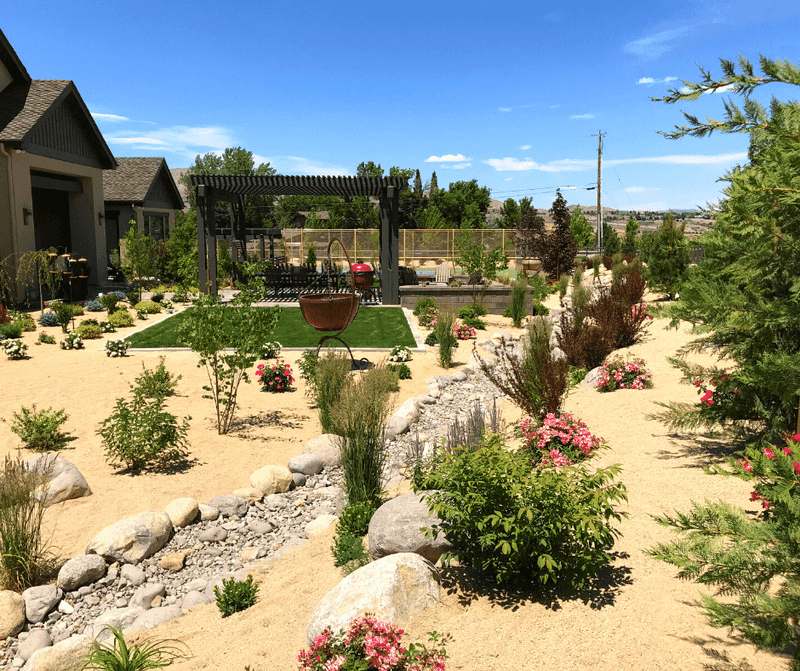
Creating a successful low-water Nevada garden requires thoughtful planning that groups plants with similar irrigation needs together, a principle called hydrozoning that maximizes water efficiency.
Place the thirstiest plants closest to water sources and high-traffic areas where you’ll notice and appreciate them most, while positioning ultra-drought-tolerant specimens in outlying areas.
Improving soil drainage is critical in Nevada’s often heavy clay soils—amend planting areas with compost and coarse sand, or create raised beds that allow excess water to drain away from roots.
Mulching with rock, gravel, or decomposed granite helps conserve soil moisture, moderate soil temperatures, and create a finished appearance that complements desert plants beautifully.
Design with layers, using taller shrubs and small trees as backdrops, medium-height perennials in the middle ground, and low groundcovers or grasses along edges for visual depth and interest.
Color groupings create more impact than scattering individual plants randomly—cluster three or more of the same species together for bold statements that draw the eye.
Install efficient irrigation systems like drip lines or soaker hoses that deliver water directly to root zones rather than spraying it into the air where wind and evaporation waste precious resources.
Reduce lawn areas significantly or eliminate them entirely, replacing water-hungry turf with attractive alternatives that provide beauty without the constant thirst grass demands in desert climates.