Low-Water Shrubs That Thrive In North Carolina Landscapes
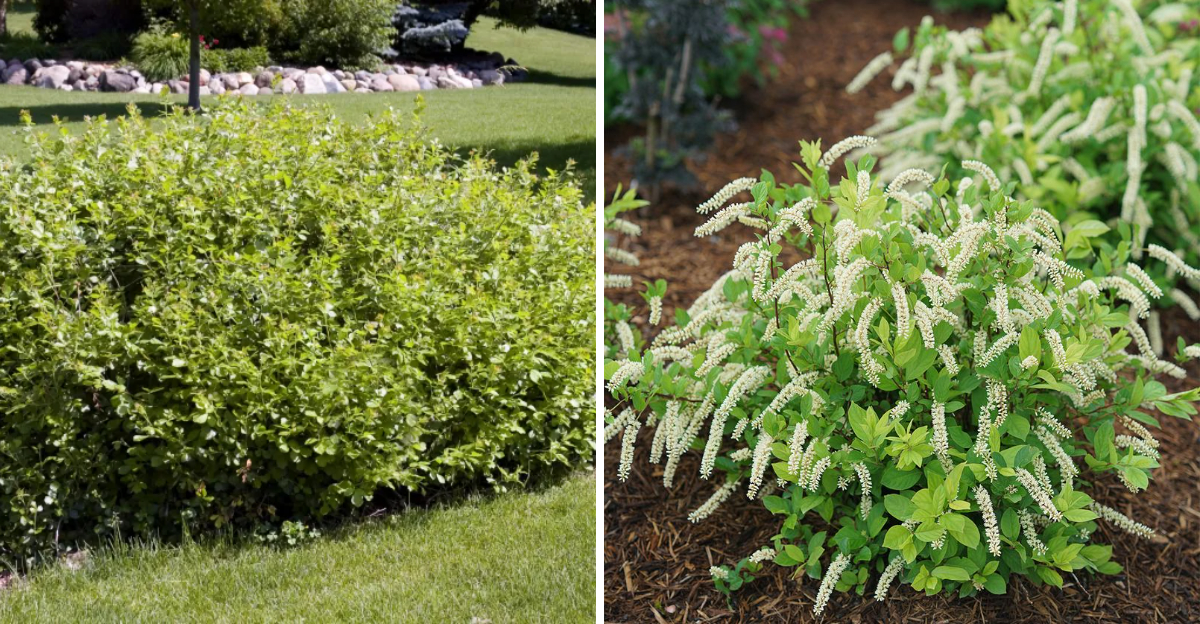
Keeping a landscape looking full and healthy in North Carolina does not always mean using a lot of water. With hot summers and periods of dry weather, many gardeners are starting to look for shrubs that can handle these conditions without constant watering.
The right choices can stay strong and attractive even when rainfall is limited. These low water shrubs are well suited to the region and often develop deep roots that help them handle dry spells with ease.
Once established, they need far less attention than more demanding plants, making them a great option for both new and experienced gardeners. They can add structure, color, and texture to your yard while helping you cut back on maintenance.
Once you discover which shrubs thrive with less water, you can create a landscape that looks great and stays resilient through changing conditions.
1. Wax Myrtle
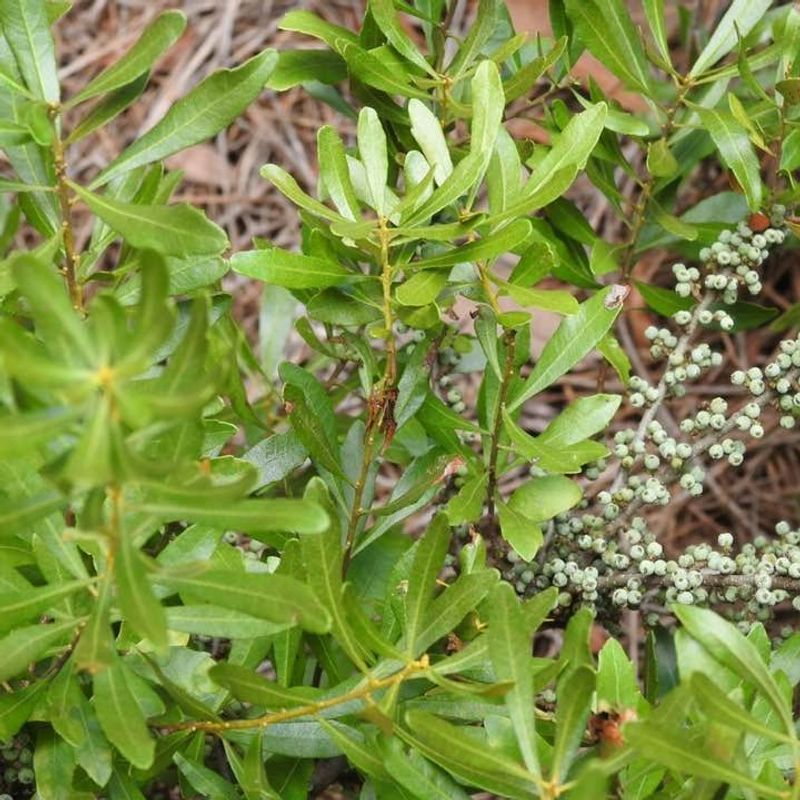
Few native shrubs can match the rugged charm of Wax Myrtle. Known scientifically as Morella cerifera, this fast-growing evergreen is a staple across North Carolina’s Coastal Plain and adapts surprisingly well into the Piedmont region too.
Its glossy, aromatic leaves stay green year-round, giving your yard structure and color even in the driest months.
Once established, Wax Myrtle handles drought, sandy soil, and intense summer heat without missing a beat. It naturally grows in dry, sandy coastal sites, so it is already wired to thrive without much extra water.
It also tolerates poor soils without any need for soil amendments, which makes planting it refreshingly low-effort.
Plant Wax Myrtle in full sun to partial shade with well-drained soil for the best results. It also handles coastal winds and humidity like a champ, making it ideal for eastern North Carolina yards.
The gray-white berries it produces attract birds, so you get wildlife activity as a bonus. Grow it as a privacy screen, a windbreak, or a bold accent shrub.
With its natural toughness and year-round good looks, Wax Myrtle earns its place in any water-conscious North Carolina landscape without demanding much in return.
2. American Beautyberry
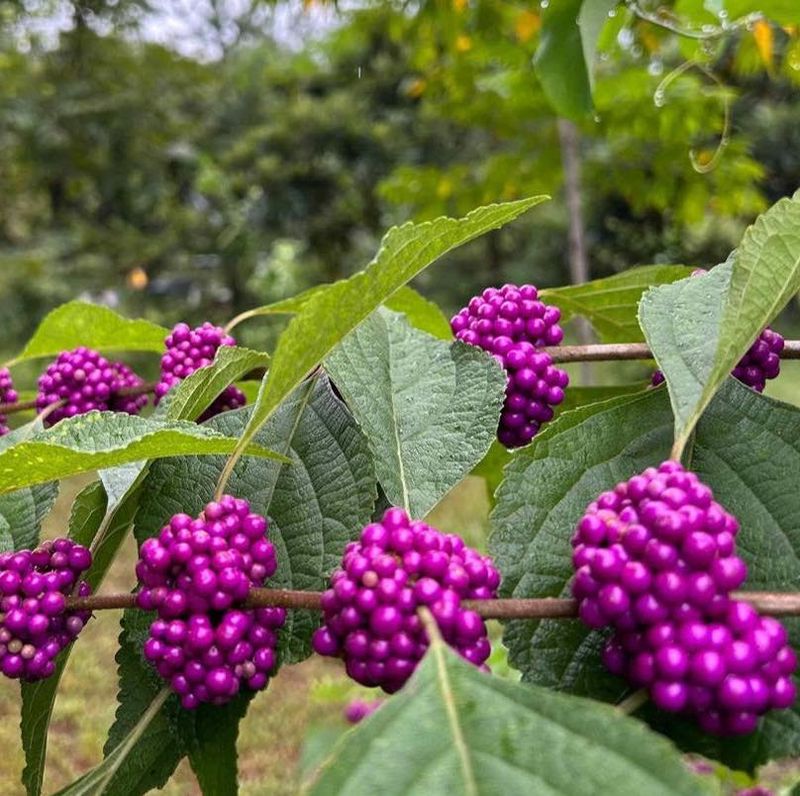
If you want a shrub that stops people in their tracks, American Beautyberry is your answer. Callicarpa americana produces stunning clusters of bright purple berries in late summer and fall that look almost too vivid to be real.
Native across North Carolina, this deciduous shrub brings bold color to a landscape right when most plants start to fade. Beyond its showstopping looks, American Beautyberry is a genuinely tough plant.
It tolerates dry periods once established and handles clay soils better than many other shrubs, which is great news for Piedmont gardeners who know how stubborn that soil can be.
Plant it in full sun to partial shade with average to well-drained soil, and it will reward you season after season.
Wildlife absolutely loves this shrub. Over 40 species of birds feed on the berries, and pollinators visit the small pink flowers in spring and summer.
It fits naturally along woodland edges and open garden borders throughout North Carolina. American Beautyberry grows quickly, so you will not wait long to enjoy its full beauty.
Cutting it back in late winter actually encourages more vigorous growth and heavier berry production the following season. For a native shrub that earns admiration from both neighbors and wildlife, this one is hard to beat.
3. Virginia Sweetspire
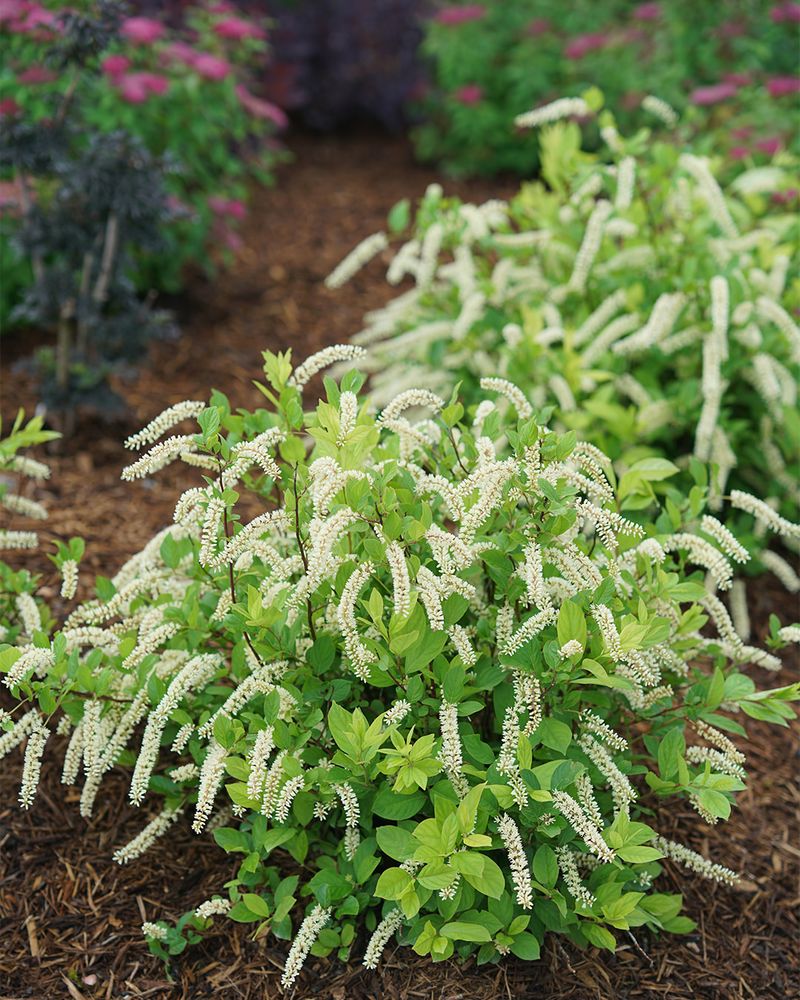
Virginia Sweetspire is one of those plants that quietly impresses everyone who gets to know it.
Itea virginica is native statewide across North Carolina, and while it often grows near streams and wet areas in the wild, it is surprisingly drought-tolerant once its roots settle in. That flexibility makes it a genuinely versatile choice for home landscapes across the region.
In late spring and early summer, it puts on a show with long, fragrant white flower spikes that attract bees and butterflies in droves.
Come fall, the leaves turn brilliant shades of red, orange, and burgundy, giving your yard a fiery seasonal display that rivals much fussier plants. Few native shrubs offer that kind of multi-season interest for so little maintenance.
Plant Virginia Sweetspire in full sun to partial shade with well-drained soil. It handles Piedmont clay and periodic dry spells without complaint, and it spreads gradually by suckers to form a full, lush colony over time.
That spreading habit makes it a smart choice for filling in slopes or erosion-prone areas in North Carolina yards. Because it adapts to both moist and dry conditions, it works in spots where other shrubs might struggle.
Gardeners who want reliable beauty with minimal intervention will find Virginia Sweetspire to be an outstanding and rewarding choice.
4. Oakleaf Hydrangea
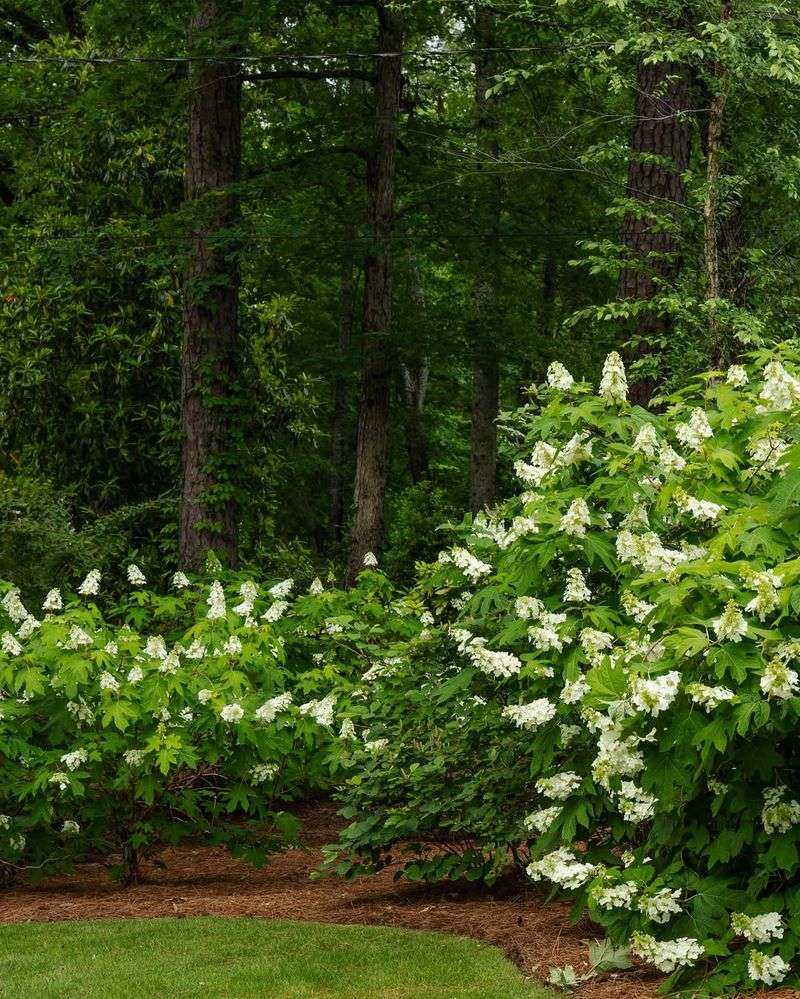
Most hydrangeas have a reputation for being thirsty, high-maintenance plants. Oakleaf Hydrangea breaks that stereotype completely.
Hydrangea quercifolia is native to the southeastern United States, including North Carolina, and it handles dry shade better than almost any other hydrangea variety you will find at a nursery.
The flowers alone make it worth growing. Large, cone-shaped white blooms appear in late spring and early summer, gradually aging to a warm pinkish-tan that looks gorgeous well into fall.
The deeply lobed leaves, which give this shrub its name, turn rich shades of burgundy and orange in autumn, and the peeling cinnamon-brown bark adds winter interest after the leaves drop. Four full seasons of visual appeal from one plant is a pretty remarkable deal.
Plant Oakleaf Hydrangea in partial shade with well-drained soil, and add a generous layer of mulch during the first season to help retain moisture while it gets established.
Once its roots are settled in, it naturally grows on wooded slopes across North Carolina and handles heat, humidity, and moderate drought without any drama.
It works beautifully under tree canopies, along shaded borders, or as a bold focal point in a woodland garden. For North Carolina homeowners who want serious visual impact with minimal watering, Oakleaf Hydrangea is a genuinely brilliant choice.
5. Carolina Allspice
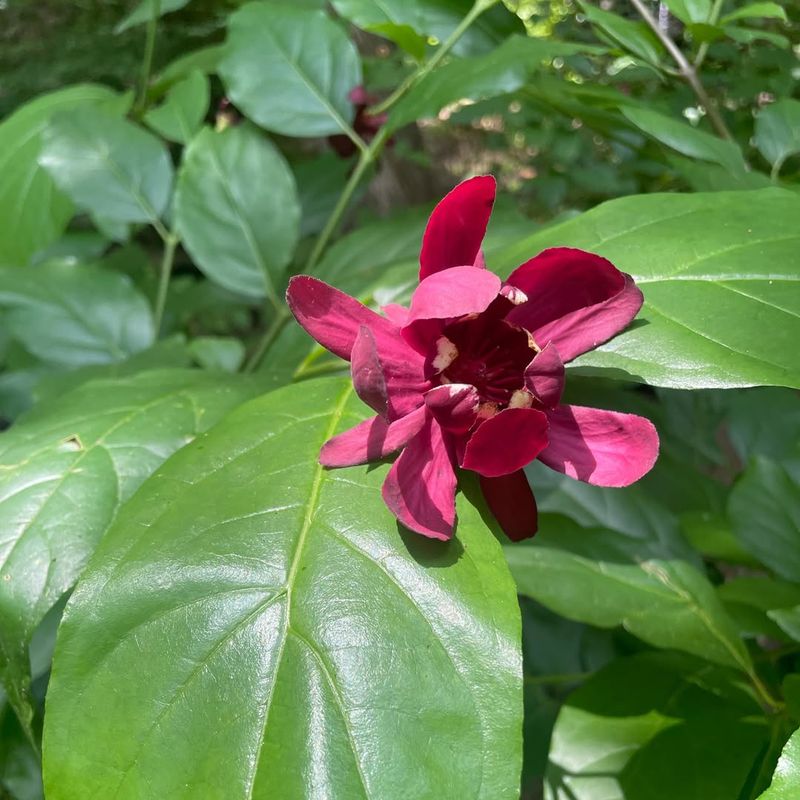
Walk past a Carolina Allspice in bloom and you will understand immediately why gardeners have loved this shrub for centuries. Calycanthus floridus produces deep burgundy-red flowers with a rich, spicy fragrance that some describe as a mix of strawberry, banana, and clove.
Native to the Piedmont and Mountain regions of North Carolina, it has a long history in American gardens dating back to colonial times.
Beyond its incredible scent, Carolina Allspice is a genuinely tough plant for the North Carolina landscape. Once its roots establish, it tolerates short drought periods well and handles the heat of a long southern summer without showing stress.
Plant it in full sun to partial shade with well-drained soil, and add mulch around the base if your soil leans toward clay, which helps it settle in faster and more comfortably.
It grows into a rounded, multi-stemmed shrub that reaches six to nine feet tall, making it a natural fit for borders, woodland edges, or as a fragrant screen near outdoor seating areas.
The bold, dark green leaves hold their color well through summer, and the plant spreads gradually by suckers, slowly filling out over time.
If you want a shrub that engages multiple senses and still asks for very little water, Carolina Allspice is a uniquely rewarding native plant for North Carolina gardens.
6. Fragrant Sumac
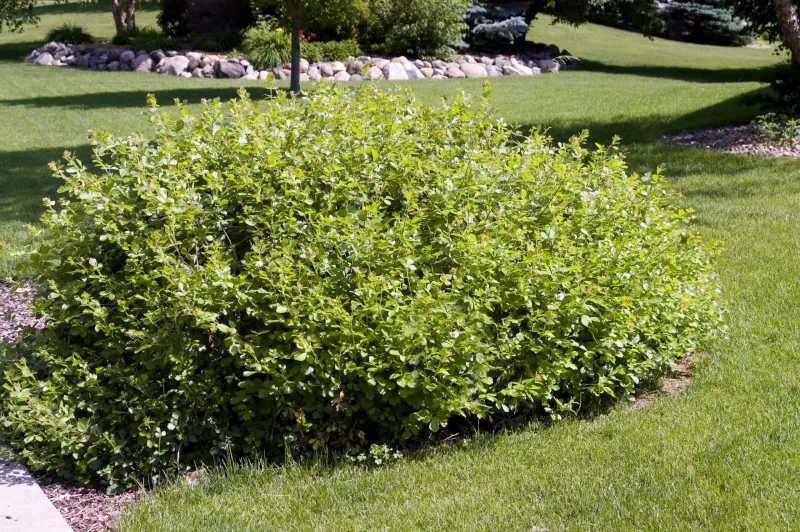
Tough, scrappy, and wildly underrated, Fragrant Sumac is the kind of shrub that thrives exactly where other plants give up. Rhus aromatica naturally grows on dry, rocky hillsides and open areas, particularly in the Piedmont and Mountain regions of North Carolina.
Its ability to stabilize slopes and prevent erosion makes it as practical as it is attractive.
Small yellow flowers appear in early spring before the leaves even open, offering an early nectar source for pollinators. By fall, the foliage shifts to brilliant shades of orange, red, and scarlet that rival any plant in the landscape.
Crush a leaf between your fingers and you get a pleasant, spicy aroma that gives this shrub its common name. Three-season interest from a plant that barely needs any water is a genuinely great deal.
Plant Fragrant Sumac in full sun for the best fall color and most vigorous growth. It performs well in well-drained soil and tolerates clay as long as the ground does not stay waterlogged.
Because it spreads by underground stems, it fills in gradually to form a dense, weed-suppressing mass that works beautifully on banks, roadsides, and naturalized areas across North Carolina.
Low maintenance, drought-hardy, and visually striking through multiple seasons, Fragrant Sumac is an honest workhorse of a native shrub that deserves far more attention in North Carolina landscapes.
7. Inkberry
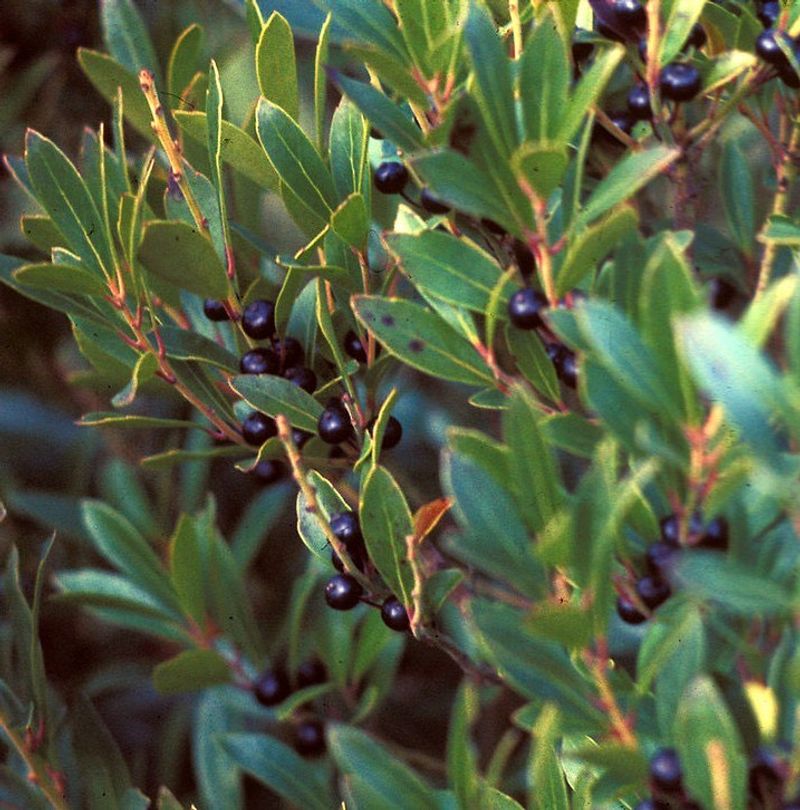
Inkberry might not be the flashiest shrub on this list, but what it lacks in drama it more than makes up for in dependability. Ilex glabra is a native evergreen holly that is especially common in eastern North Carolina, where it thrives in the sandy, acidic soils of the Coastal Plain.
Its deep green, glossy leaves stay rich and full year-round, giving your yard steady structure through every season.
Here is the part that surprises most gardeners: although Inkberry naturally grows near wetlands and moist areas, it becomes notably drought-tolerant once it gets established.
It handles periodic dry spells and summer heat without losing its good looks, which makes it a reliable evergreen option for North Carolina landscapes that do not have consistent irrigation.
Plant it in full sun to partial shade with acidic, well-drained soil, and it will settle in with minimal fuss.
The small black berries that appear in fall and winter are a valuable food source for birds, including cedar waxwings and mockingbirds, making this shrub a genuine asset for backyard wildlife gardens.
Inkberry also spreads slowly by suckers to form a tidy colony over time, which works well for mass plantings or natural hedgerows.
For eastern North Carolina gardeners who want a dependable, low-water evergreen that supports local wildlife, Inkberry is a quietly excellent choice.