8 Lucky Bamboo Care Tips For Illinois Homes During Winter
Winter in Illinois can be long and gray, and indoor plants become more than decoration, they are a touch of life when the world outside is cold and quiet.
Lucky bamboo is a favorite for many homeowners, offering a sense of calm, good fortune, and a splash of green that lifts the spirits.
But even a resilient plant like lucky bamboo needs a little TLC to thrive during the chillier months.
Indoor conditions in winter can be tricky.
Dry heat from radiators, shorter days, and limited sunlight can make it easy for plants to struggle.
Lucky bamboo responds well to consistent care, including the right water levels, occasional trimming, and a spot where light is gentle but plentiful.
A little attention goes a long way, keeping stems strong, leaves vibrant, and roots healthy.
For Illinois homes, lucky bamboo can be a low-maintenance companion that brightens a room while bringing a sense of balance and harmony.
Following simple winter care tips ensures the plant continues to thrive, offering greenery and good vibes even when frost blankets the outdoors.
With steady care, lucky bamboo becomes a living reminder that growth and calm are possible all year round.
1. Maintain Consistent Indoor Temperatures
Temperature stability matters more than you might think when caring for lucky bamboo during Illinois winters.
Your plant prefers temperatures between 65 and 90 degrees Fahrenheit, which sounds easy enough indoors.
However, Illinois homes face unique challenges with drafty windows, doors that open frequently, and heating vents that create hot and cold zones.
Avoid placing your lucky bamboo near exterior doors where cold air rushes in every time someone enters.
Windows can seem like perfect spots for light, but single-pane or older windows in Illinois homes can radiate cold that stresses your plant.
Heating vents might seem warm and cozy, but the direct hot air can actually dry out your bamboo and cause leaf browning.
Find a stable location away from these temperature extremes.
A bathroom with moderate humidity works wonderfully, or a kitchen counter away from the stove and exterior walls.
If you notice your bamboo’s leaves turning yellow or brown at the tips, temperature stress could be the culprit.
Consider using a simple room thermometer near your plant to monitor conditions.
Illinois winter temperatures can drop dramatically overnight, so checking your plant’s environment helps you catch problems early.
Remember that consistent warmth beats fluctuating temperatures every time, so choose your plant’s winter home carefully and avoid moving it around unnecessarily throughout the cold months.
2. Adjust Watering For Dry Indoor Air
Water quality and frequency change dramatically when Illinois furnaces kick into high gear during winter months.
Your lucky bamboo grows in water or soil, but either way, the dry heated air inside your home affects its needs.
Furnaces running constantly in Illinois homes can drop indoor humidity to desert-like levels, causing water to evaporate faster than during summer.
Check your bamboo’s water level every few days rather than assuming weekly checks will suffice.
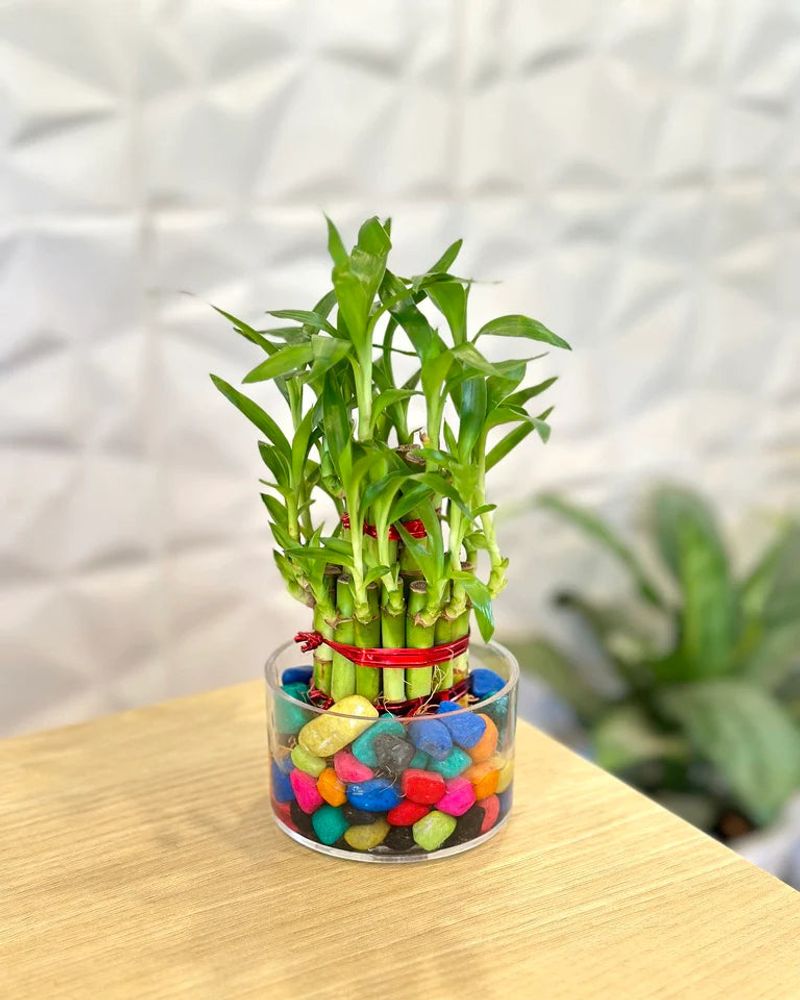
If growing in water, keep the roots submerged by at least two inches at all times.
Top off with distilled or filtered water rather than tap water, since Illinois municipal water often contains chlorine and fluoride that can damage sensitive bamboo roots over time.
For soil-grown bamboo, the top inch of soil should feel slightly moist but never soggy or bone-dry.
Dry heating systems in Illinois can pull moisture from soil surprisingly fast, so you might need to water more frequently than you did in autumn.
Always use room-temperature water rather than cold tap water straight from the faucet, as shocking the roots with icy water can stress your plant.
Consider grouping plants together to create a mini humidity zone, or place your bamboo on a pebble tray filled with water.
These simple adjustments help your lucky bamboo thrive despite the challenging dry conditions that Illinois winters bring indoors.
3. Provide Adequate Winter Light
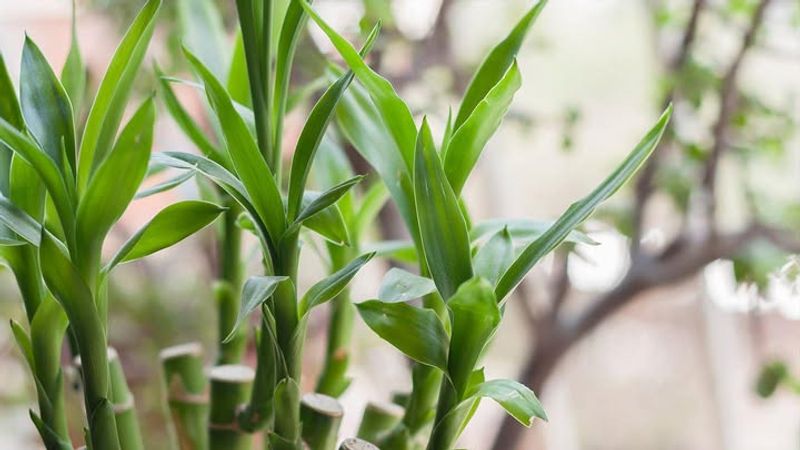
Illinois winters mean shorter days and weaker sunlight, which directly impacts your lucky bamboo’s health and growth.
December through February brings the least amount of natural light, with cloudy skies dominating many Illinois days.
Your bamboo needs bright, indirect light to maintain its vibrant green color and continue growing slowly through winter.
South-facing windows in Illinois homes provide the best winter light, but remember that direct sunlight can still scorch bamboo leaves even in winter.
Sheer curtains or positioning your plant a few feet back from the window creates that perfect filtered light environment.
North-facing windows might not provide enough light during Illinois’s dark winter months, causing your bamboo to become pale or leggy.
Watch your plant for signs it needs more light, such as leaves losing their rich green color or new growth appearing thin and stretched.
If natural light proves insufficient in your Illinois home, consider adding a grow light on a timer.
Even a simple LED grow bulb in a desk lamp positioned near your bamboo can make a tremendous difference during those particularly gloomy stretches.
Rotate your plant every week or so to ensure all sides receive equal light exposure.
This prevents your bamboo from leaning heavily toward the light source, keeping its growth balanced and attractive.
Remember that consistent moderate light beats occasional bright exposure, so find a reliable spot and stick with it throughout the winter season.
4. Protect From Drafts And Cold Windows
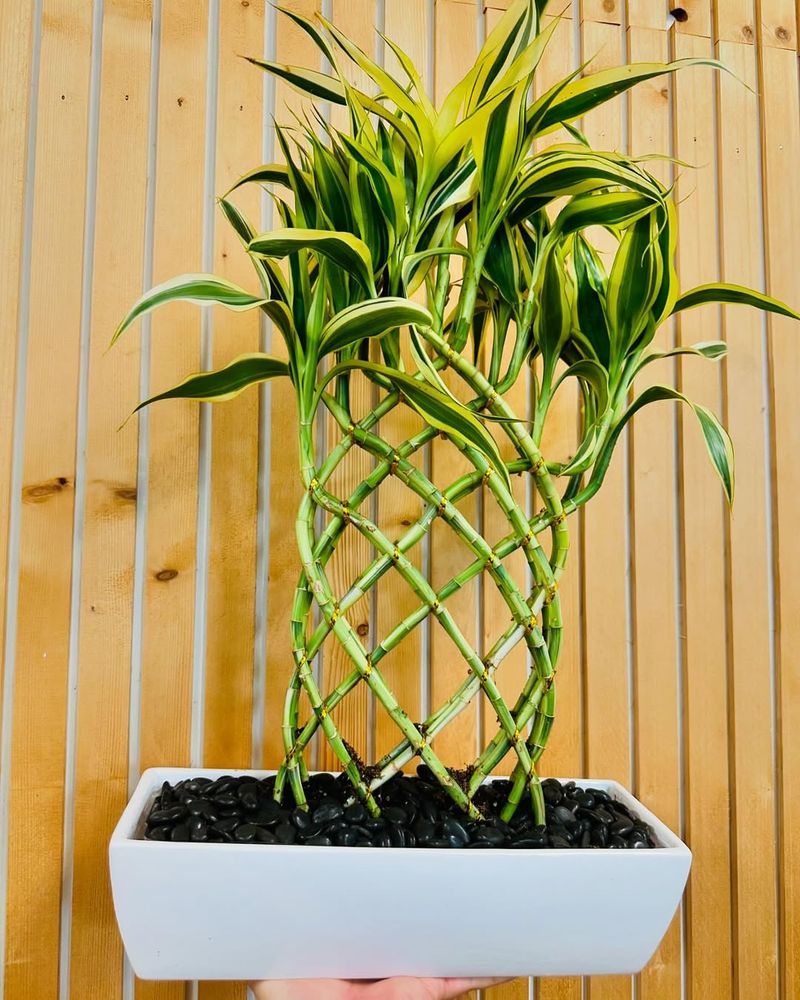
Cold drafts represent one of the biggest threats to lucky bamboo in Illinois homes during winter months.
Every time an exterior door opens, frigid air sweeps inside, and older Illinois homes often have windows that leak cold air around the frames.
Your tropical bamboo can’t tolerate these sudden temperature drops, which can cause leaf damage and slow growth dramatically.
Test for drafts by holding your hand near windows and doors on a particularly cold Illinois day.
You’ll be surprised how much cold air seeps in, even through seemingly closed windows.
If you feel cold air flowing, that spot is too risky for your temperature-sensitive bamboo.
Move your plant at least three feet away from exterior walls and windows if possible.
Hallways near front doors, mudrooms, and entryways should be avoided entirely during Illinois winters.
Even brief exposure to freezing drafts can shock your bamboo and cause leaves to yellow or develop brown spots within days.
Consider using draft stoppers along door bottoms and window insulation kits to improve your home’s overall warmth.
These improvements benefit both your plants and your heating bills throughout the Illinois winter.
If you must keep your bamboo near a window for light purposes, ensure the window is properly sealed and consider hanging thermal curtains that open during the day but close at night when temperatures plummet outside.
5. Monitor And Boost Humidity Levels
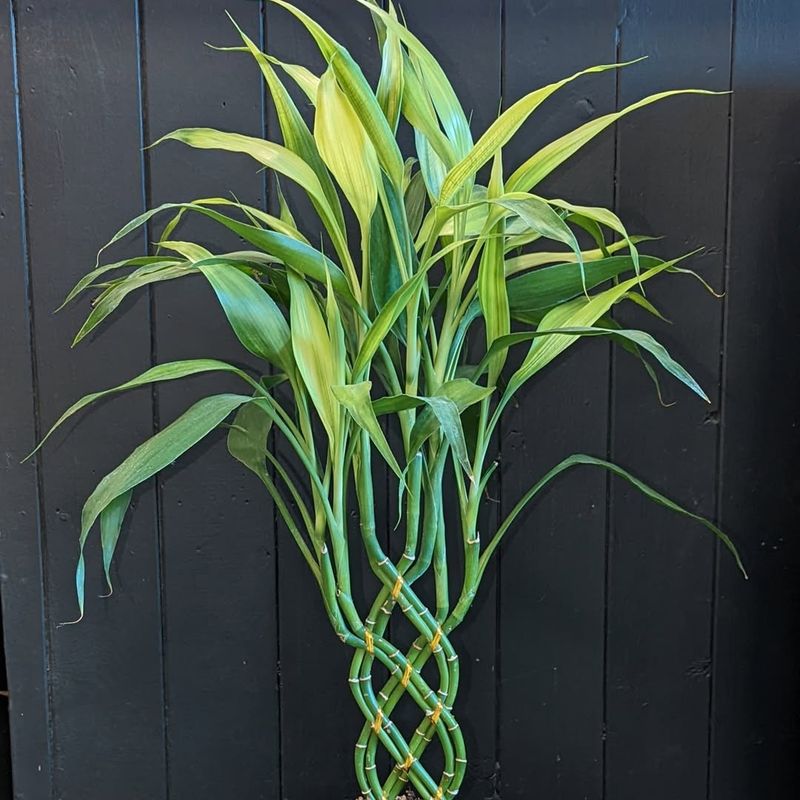
Humidity drops to uncomfortable lows inside Illinois homes when heating systems run continuously through winter.
Your lucky bamboo originates from tropical environments with naturally high humidity, so the dry air can cause serious stress.
Brown leaf tips, slow growth, and overall decline often result from humidity levels that drop below 40 percent in heated Illinois homes.
Purchase an inexpensive hygrometer to measure humidity levels near your bamboo’s location.
You’ll likely discover that your winter indoor humidity sits somewhere between 20 and 30 percent, far below the 50 to 60 percent your bamboo prefers.
Fortunately, several simple methods can boost humidity without requiring expensive equipment.
Misting your bamboo’s leaves with distilled water once or twice daily provides temporary relief from dry air.
Grouping multiple houseplants together creates a microclimate where plants release moisture that benefits the entire group.
A pebble tray filled with water placed beneath your bamboo’s container adds continuous humidity as the water evaporates upward around the leaves.
For Illinois homes with particularly dry air, a small cool-mist humidifier near your plants works wonders.
Run it during the day when heating systems work hardest, and you’ll notice your bamboo looking perkier and healthier.
Bathrooms naturally maintain higher humidity, making them excellent winter locations for lucky bamboo if they receive adequate light through a window or skylight.
6. Reduce Fertilizer During Dormancy
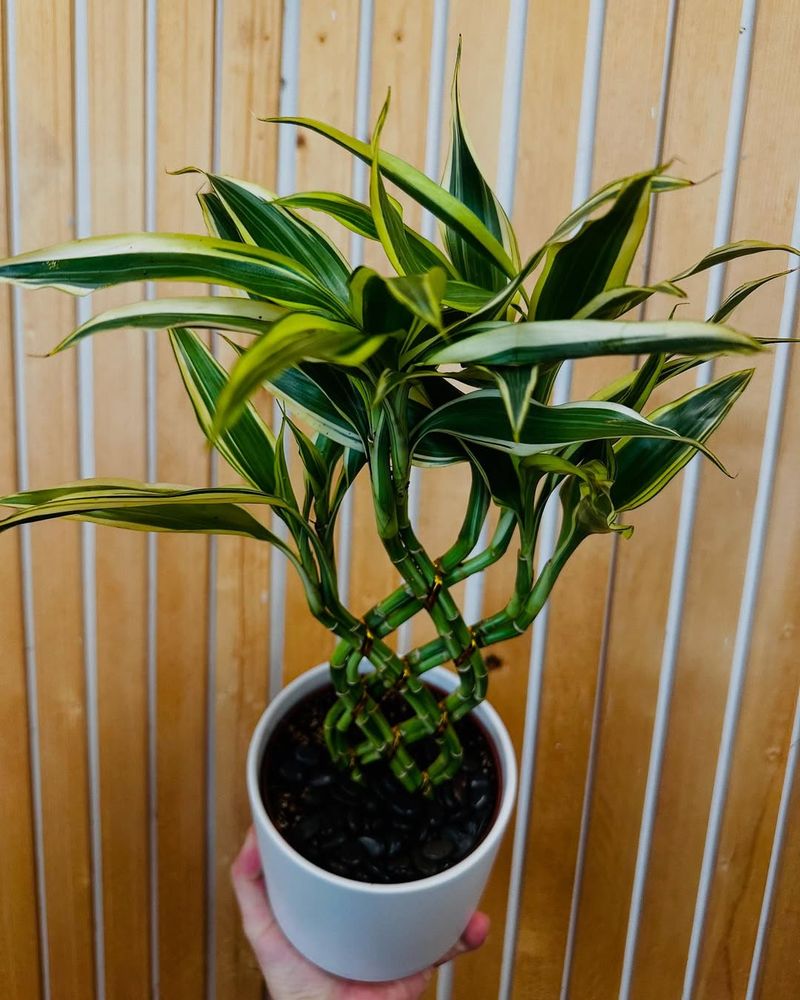
Growth slows naturally for lucky bamboo during Illinois’s winter months, just as it does for most houseplants.
Reduced daylight hours and cooler temperatures signal your bamboo to enter a semi-dormant state where it focuses on maintaining existing growth rather than producing new leaves.
Understanding this natural rhythm helps you adjust your fertilizing schedule appropriately.
Many plant owners make the mistake of continuing their summer fertilizing routine straight through winter.
This can actually harm your bamboo by forcing unwanted growth when the plant lacks sufficient light and energy.
Excess fertilizer salts can build up in water or soil, potentially burning roots and causing more problems than benefits during the cold season.
Cut back fertilizing to once every two months during Illinois winters, or stop completely until early spring.
If you do fertilize, use only one-quarter of the recommended strength to provide minimal nutrients without overwhelming your resting plant.
Water-grown bamboo especially benefits from this reduced feeding schedule since nutrients concentrate more quickly in standing water than in soil.
Watch for signs of over-fertilization such as brown leaf tips, yellowing leaves, or white crusty deposits on container rims.
If you notice these symptoms in your Illinois home, change the water completely or flush the soil thoroughly with distilled water.
Your bamboo will thank you by emerging healthy and ready to grow vigorously when spring arrives and longer days return to Illinois.
7. Keep Leaves Clean And Dust-Free
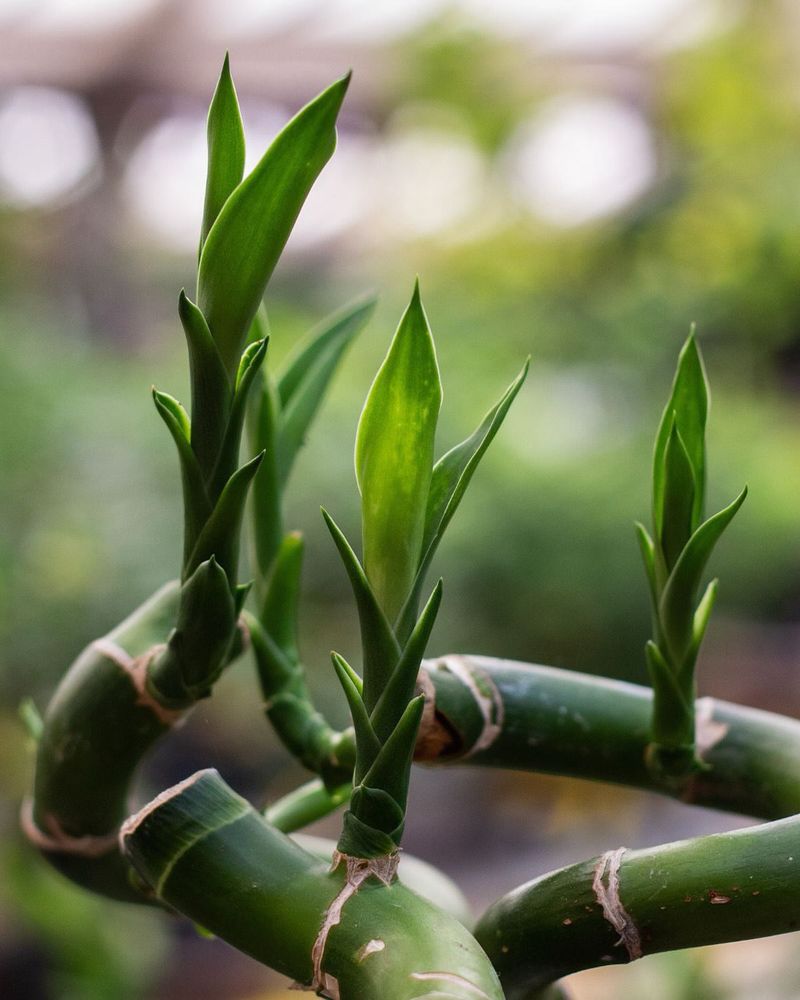
Dust accumulates faster on indoor plants during Illinois winters when windows stay closed and heating systems circulate air constantly.
Your lucky bamboo’s leaves collect this dust, which blocks light absorption and can harbor pests that become more problematic in winter.
Cleaning leaves might seem like a minor detail, but it makes a significant difference in your plant’s health during the challenging winter months.
Wipe each leaf gently with a soft, damp cloth every two weeks to remove accumulated dust and debris.
This simple task takes just a few minutes but allows your bamboo to photosynthesize more efficiently with the limited winter light available in Illinois.
Use room-temperature distilled water rather than tap water to avoid leaving mineral deposits on the leaves that can create unsightly spots.
While cleaning, inspect leaves carefully for signs of pests such as spider mites or scale insects.
These troublemakers thrive in the warm, dry conditions of heated Illinois homes during winter.
Catching an infestation early makes treatment much easier and prevents damage from spreading throughout your plant.
Avoid using commercial leaf shine products, which can clog the leaf pores and cause more harm than good.
Plain water works perfectly for keeping your bamboo looking fresh and healthy.
If your Illinois home has particularly dusty air, consider running an air purifier near your plants to reduce the amount of dust settling on leaves between cleanings.
8. Change Water Regularly To Prevent Problems
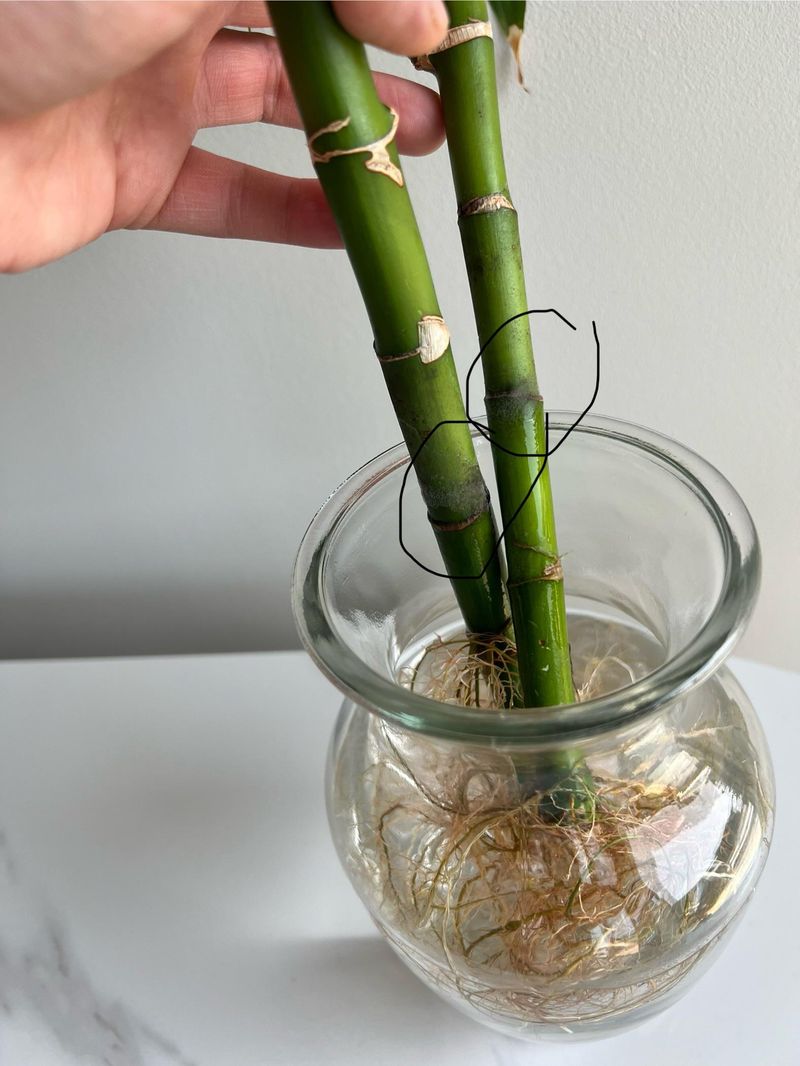
Water quality becomes increasingly important during Illinois winters when your lucky bamboo spends months growing in the same container.
Stagnant water develops algae growth, accumulates salts and minerals, and can harbor bacteria that harm your plant’s root system.
Regular water changes keep your bamboo healthy and prevent the cloudy, smelly water that indicates problems brewing beneath the surface.
Change your bamboo’s water completely every two weeks during winter months, or more frequently if you notice cloudiness or odor.
Rinse the roots gently under lukewarm water to remove any slimy buildup that may have developed.
Clean the container thoroughly with hot soapy water before refilling it with fresh distilled or filtered water at room temperature.
Illinois tap water varies in quality depending on your location, but most municipal water contains chlorine, fluoride, and other chemicals that can damage bamboo over time.
Letting tap water sit overnight allows some chlorine to evaporate, but distilled or filtered water remains the safest choice for long-term health.
If your bamboo’s roots appear brown or mushy rather than white and firm, water quality issues might be the cause.
During water changes, check the water level markings on your container to ensure you’re maintaining consistent depth.
Roots should always remain submerged while the stalks stay above water to prevent rot.
This regular maintenance routine takes just minutes but prevents serious problems that could compromise your lucky bamboo’s health throughout the long Illinois winter season.