7 Lucky Houseplants North Carolina Residents Are Bringing Home This New Year
North Carolina homes welcome the New Year with hope on the windowsill.
Many residents turn to houseplants that promise good fortune, energy, and a fresh start.
These green companions carry stories of prosperity, protection, and balance, passed through cultures and time.
In winter light, a well-chosen plant can lift a room and steady the mood when days feel short.
No fireworks required, just soil, roots, and faith.
From apartments in Raleigh to porches in Asheville, these favorites fit modern life and old beliefs alike.
A lucky plant can mark intentions, soften stress, and set a positive tone for months ahead.
When the calendar flips, a touch of green can feel like money in the bank.
1. Money Tree
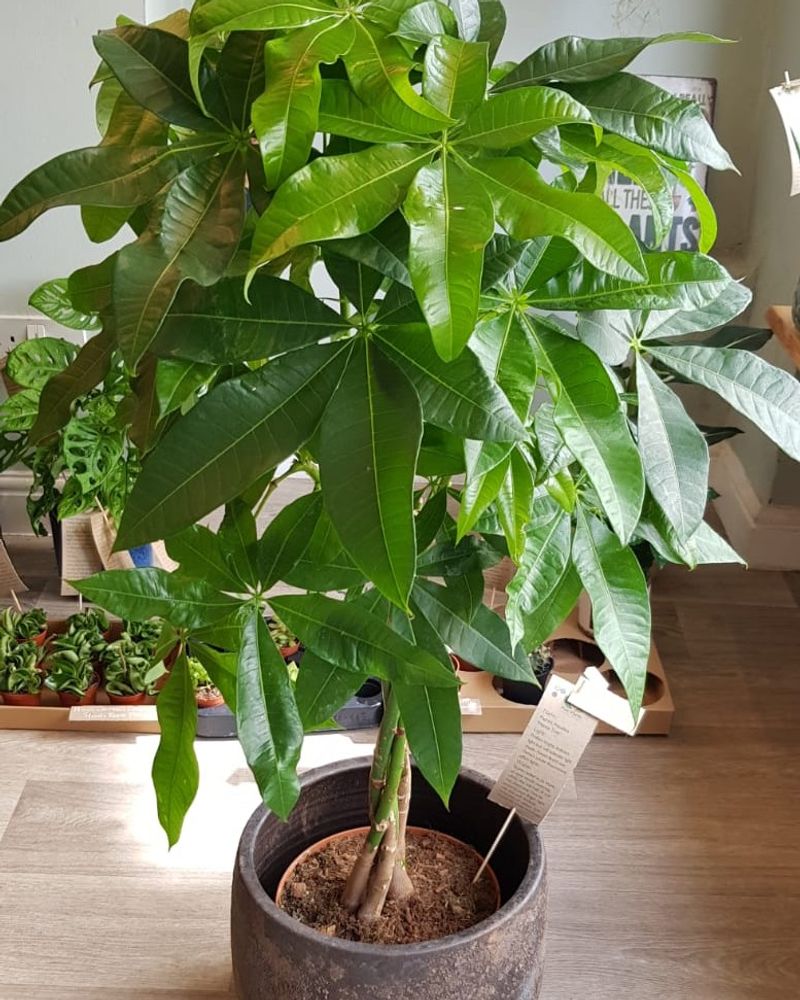
Folklore from East Asia tells us that a poor farmer once discovered this plant and believed it brought him wealth.
The Money Tree has become a symbol of financial prosperity and good fortune in many households.
Its distinctive braided trunk and lush green leaves make it a stunning addition to any room.
People place it near entrances or in home offices to invite abundance and success.
This plant prefers bright, indirect sunlight and needs water only when the soil feels dry to the touch.
Overwatering can harm the roots, so always check before adding more moisture.
The Money Tree grows well in North Carolina’s climate when kept indoors away from drafts.
Its five-lobed leaves represent the five elements of balance in traditional practices.
Many believe that caring for this plant with positive intentions amplifies its lucky properties.
You can find Money Trees in various sizes, from small desk plants to larger floor specimens.
They adapt well to different pot styles and blend beautifully with modern or traditional decor.
Regular pruning helps maintain its shape and encourages healthy new growth.
With minimal care requirements, this plant rewards you with years of greenery and symbolic good fortune.
North Carolina plant lovers appreciate how it combines beauty with meaningful tradition in one elegant package.
2. Lucky Bamboo
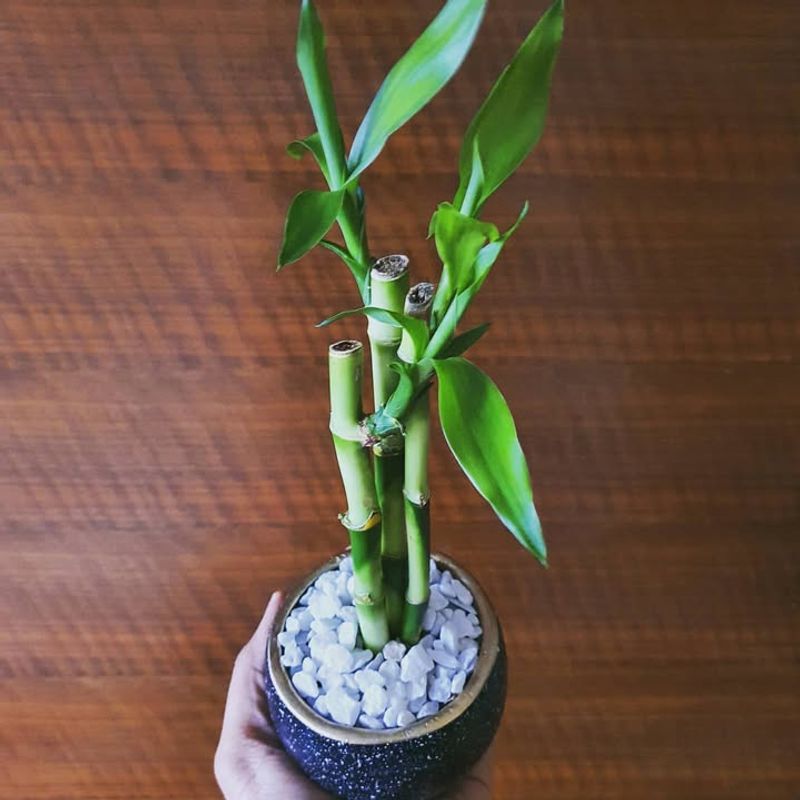
Ancient wisdom from the Far East considers bamboo a powerful symbol of strength and flexibility.
Lucky Bamboo isn’t actually bamboo at all but a type of tropical water plant called Dracaena.
The number of stalks you choose carries different meanings in traditional beliefs.
Three stalks represent happiness, wealth, and long life, while five stalks attract health and harmony.
This plant thrives in water alone, making it incredibly easy to care for without soil.
Simply place the stalks in a container with pebbles and enough water to cover the roots.
Change the water every two weeks to keep it fresh and prevent algae growth.
Lucky Bamboo prefers indirect light and can even tolerate low-light conditions in your home.
Direct sunlight can scorch the leaves and turn them yellow, so choose your spot carefully.
North Carolina residents love how this plant fits perfectly on desks, countertops, and small spaces.
You can arrange the stalks in creative patterns or keep them simple and straight.
Some people tie red ribbons around the stalks to enhance the lucky energy even more.
This plant grows slowly and maintains its elegant appearance for years with minimal effort.
Its reputation for bringing positive energy makes it a thoughtful gift for friends and family members.
3. Jade Plant
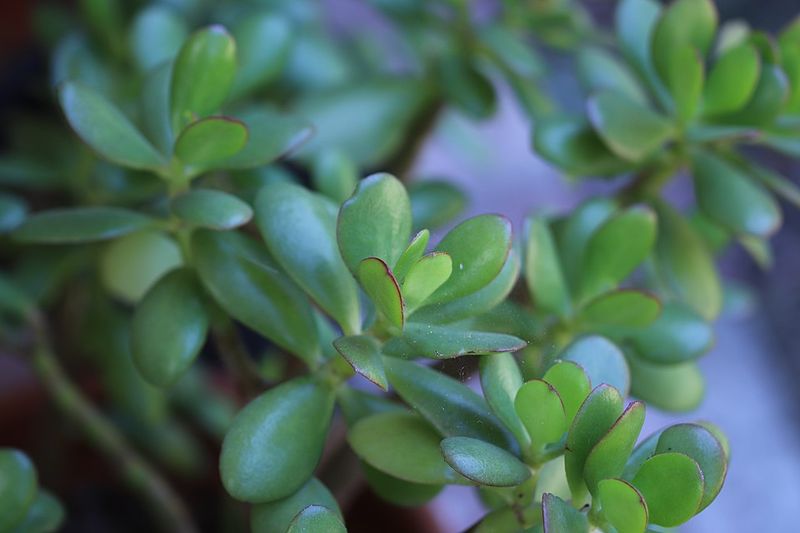
With a heart as resilient as stone, the Jade Plant has survived in harsh desert conditions for centuries.
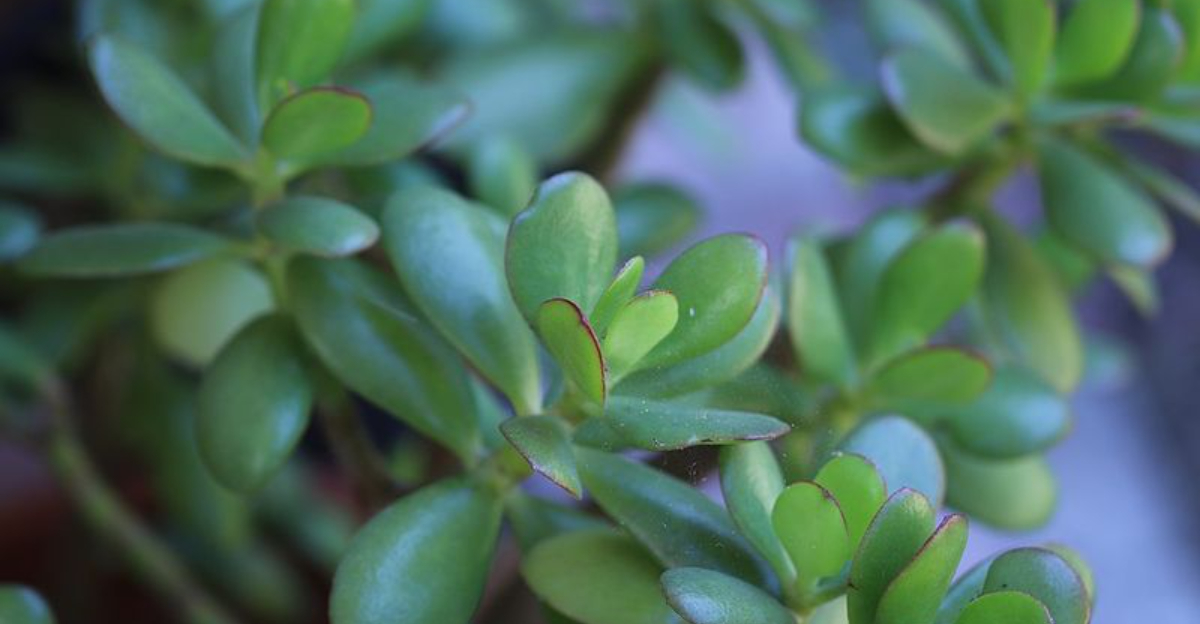
This succulent features thick, glossy leaves that store water and create a beautiful rounded shape.
Many cultures view the Jade Plant as a magnet for prosperity and friendship.
Business owners often place it near entrances to attract customers and financial success.
The plant’s rounded leaves resemble coins, which reinforces its association with wealth and abundance.
Jade Plants need bright light and very little water, making them perfect for busy people.
Allow the soil to dry completely between waterings to prevent root problems.
In North Carolina’s humid climate, indoor placement works better than outdoor exposure for most of the year.
These plants can live for decades and even become family heirlooms passed down through generations.
As they mature, some Jade Plants develop thick woody stems that look like miniature trees.
You can prune them into bonsai shapes or allow them to grow naturally into bushy forms.
New growth appears in spring and summer when the plant receives adequate light.
Pink or white flowers occasionally bloom on mature plants during winter months.
This low-maintenance companion combines beauty, symbolism, and incredible durability in one compact package.
4. Peace Lily
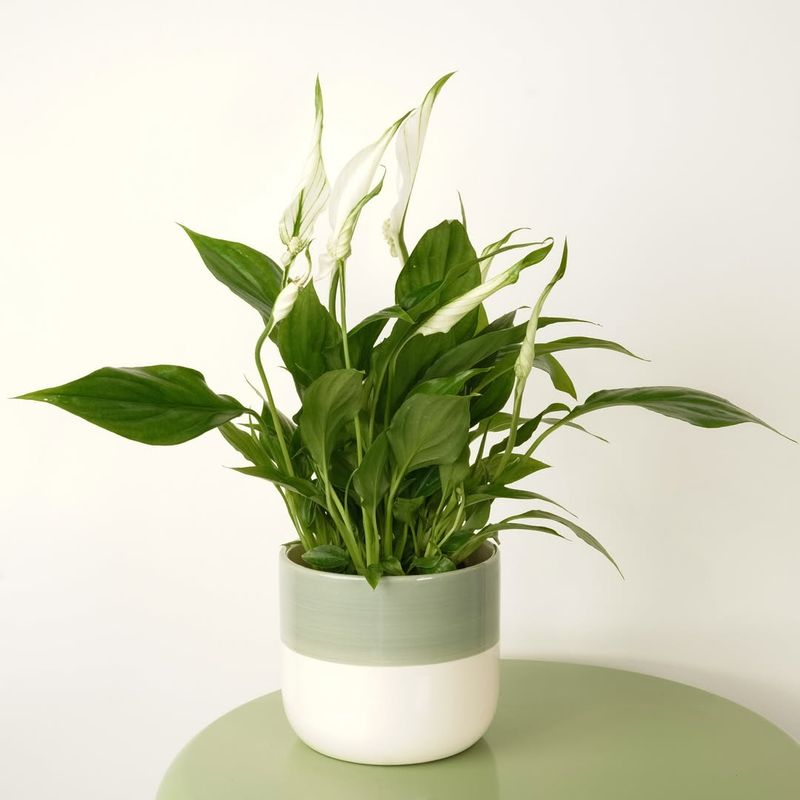
Graceful white blooms emerge like flags of tranquility from deep green foliage throughout the year.
The Peace Lily earned its name from the shape of its flowers, which resemble white flags.
This plant symbolizes peace, harmony, and purity in homes and workplaces.
Many people believe it helps clear negative energy and promotes emotional balance.
Peace Lilies also filter harmful toxins from indoor air, creating a healthier living environment.
They thrive in low to medium light conditions, which makes them ideal for rooms without bright windows.
The plant actually tells you when it needs water by drooping slightly, then perks up quickly after watering.
North Carolina’s indoor humidity levels suit this tropical plant perfectly during most seasons.
Mist the leaves occasionally during winter when indoor heating dries the air.
Peace Lilies prefer consistent moisture but dislike sitting in waterlogged soil.
Use a well-draining potting mix and a container with drainage holes for best results.
The elegant white blooms can last for weeks before fading to green.
Regular feeding during growing months encourages more frequent flowering throughout the year.
This plant combines air-purifying benefits with symbolic meaning and stunning visual appeal for any home.
5. Snake Plant
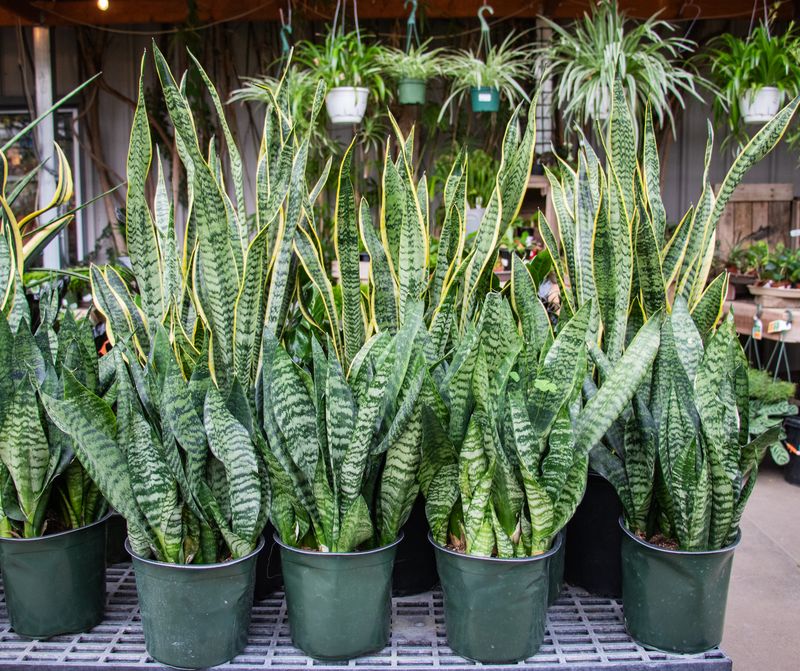
Standing tall like a guardian, the Snake Plant has protected homes for generations with its unique properties.
This tough succulent features striking upright leaves with patterns that resemble snake skin.
Traditional beliefs suggest it wards off negative energy and brings protective luck to households.
The Snake Plant releases oxygen at night, unlike most plants, which improves bedroom air quality.
Its ability to survive neglect makes it perfect for beginners and forgetful plant owners.
You can water it once every two to three weeks, or even less during winter months.
The plant tolerates low light, bright light, and everything in between without complaint.
North Carolina residents appreciate how it adapts to various indoor temperatures and conditions.
Snake Plants grow slowly and rarely need repotting, which saves time and effort.
They produce small white flowers occasionally when grown in ideal conditions.
The variegated varieties feature yellow or white edges that add extra visual interest.
Place them in corners, hallways, or bedrooms where other plants might struggle.
They multiply by producing baby plants called pups that you can separate and share.
This nearly indestructible plant offers both practical benefits and symbolic protection for modern homes.
6. Pothos
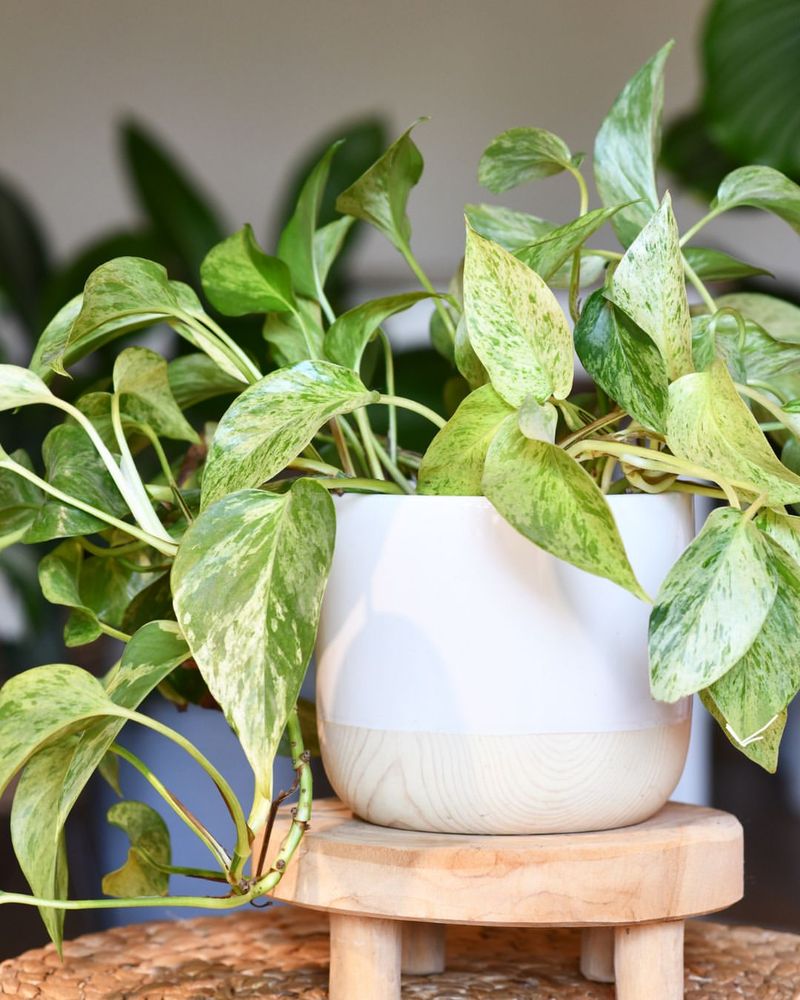
Did you know that Pothos can grow over 40 feet long in its natural tropical habitat?
This trailing vine features heart-shaped leaves that symbolize love and positive relationships.
Many believe Pothos brings good fortune and reduces stress in homes where it grows.
The plant purifies air by removing common indoor pollutants, creating a fresher atmosphere.
Pothos adapts to almost any light condition, from bright indirect to low artificial lighting.
It grows quickly and enthusiastically, rewarding you with new leaves every few weeks.
You can train the vines to climb up supports or allow them to cascade from shelves and baskets.
North Carolina plant enthusiasts love how forgiving and versatile this plant proves to be.
Water when the top inch of soil feels dry, usually once a week depending on conditions.
The leaves will droop slightly when thirsty, providing a clear signal before any real stress occurs.
Pothos comes in several varieties with different leaf patterns, from solid green to marbled yellow.
Trim the vines occasionally to encourage bushier growth and prevent them from becoming leggy.
Cuttings root easily in water, so you can propagate new plants to share with friends.
This cheerful climber brings life and color to any space while requiring minimal attention or special care.
7. Rubber Plant
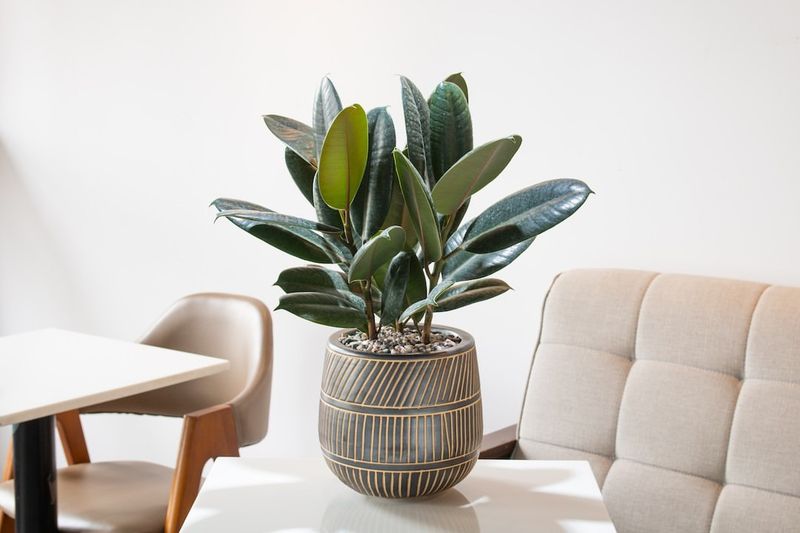
Bold and dramatic, the Rubber Plant makes a statement with its oversized glossy leaves that catch every eye.
This tropical beauty symbolizes wealth and abundance in traditional practices across several cultures.
The thick, waxy leaves come in shades ranging from deep green to burgundy and variegated patterns.
Rubber Plants grow into impressive floor specimens that fill empty corners with lush greenery.
They prefer bright, indirect light but tolerate medium light conditions reasonably well.
Water when the top two inches of soil become dry, usually every one to two weeks.
North Carolina’s indoor climate suits this plant well, though it appreciates occasional leaf cleaning.
Wipe the leaves with a damp cloth to remove dust and keep them shiny and healthy.
The plant grows fairly quickly during warm months and may need annual repotting when young.
You can prune it to control height and encourage branching for a fuller appearance.
Some varieties feature stunning burgundy or pink-tinged new leaves that mature to darker colors.
Rubber Plants can reach six to ten feet indoors with proper care and adequate space.
Their impressive size and bold foliage create a focal point in living rooms and offices.
This plant combines striking visual impact with symbolic meaning and relatively straightforward care requirements for confident growers.