8 Lucky Houseplants Pennsylvania Homes Choose For A Positive New Year
Pennsylvania homes greet the New Year with quiet rituals, hopeful plans, and a touch of green placed just right.
Lucky houseplants carry more than leaves and stems; they bring symbolism tied to prosperity, calm, and fresh momentum.
In winter, when skies run gray and daylight cuts short, a living plant can lift spirits and shift the mood of an entire room.
These favorites blend tradition with modern style and suit city apartments and historic homes alike.
Some symbolize steady growth, others guard against bad energy, and a few signal abundance on the way.
A thoughtful plant choice can mark intention without noise or clutter.
When the calendar turns, these plants help set a tone that feels grounded, optimistic, and ready for what comes next.
1. Jade Plant
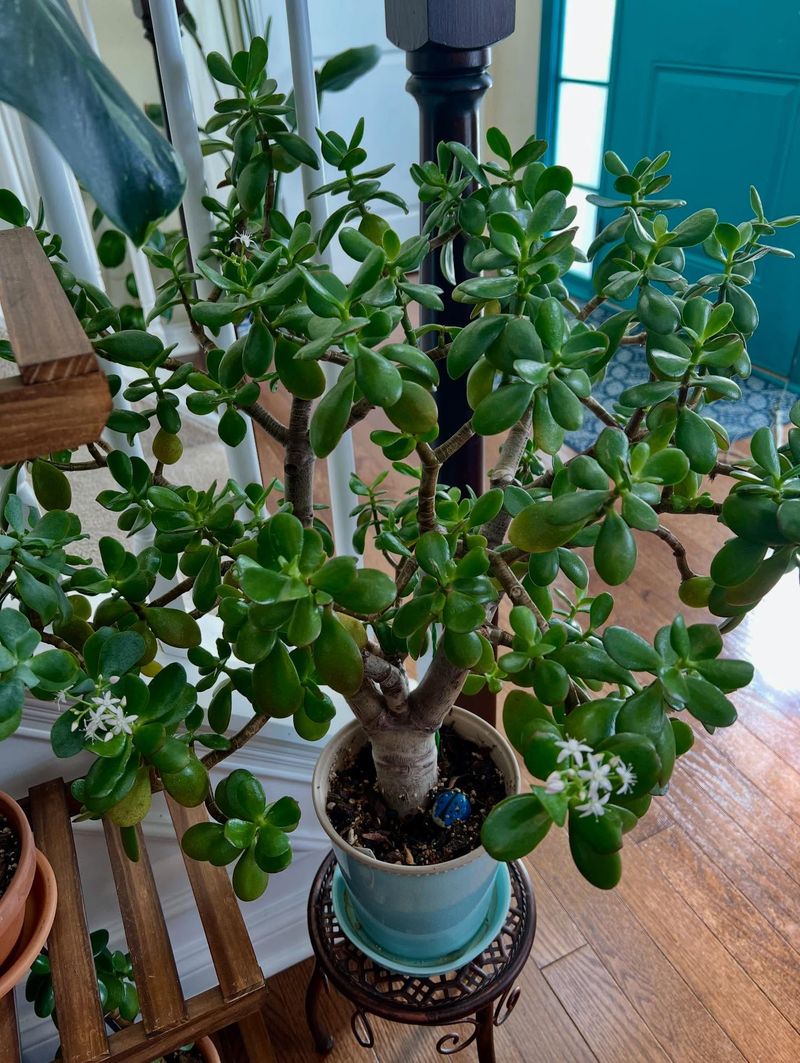
Thick, rounded leaves store water and symbolize prosperity in many traditions.
This succulent grows slowly but steadily, rewarding patient caretakers with years of lush greenery.
Pennsylvania homes value jade plants for their low-maintenance nature and ability to survive occasional neglect.
Bright light helps the leaves develop a reddish tint along the edges, adding extra visual interest.
Some owners place jade plants near front doors, believing they welcome wealth and friendship into the household.
The woody stems develop character over time, resembling miniature trees in appearance.
Watering should happen only when soil feels completely dry, preventing root rot and other issues.
During colder months, jade plants enter a rest period and require even less water than usual.
Propagation is simple—a single leaf placed in soil can eventually grow into a new plant.
Families often share jade cuttings as gifts, passing along good luck to loved ones.
The plant can live for decades, becoming a living heirloom that grows alongside children and grandchildren.
Its sturdy appearance and symbolic meaning make it a top choice for those starting fresh in the new year.
2. Aloe Vera
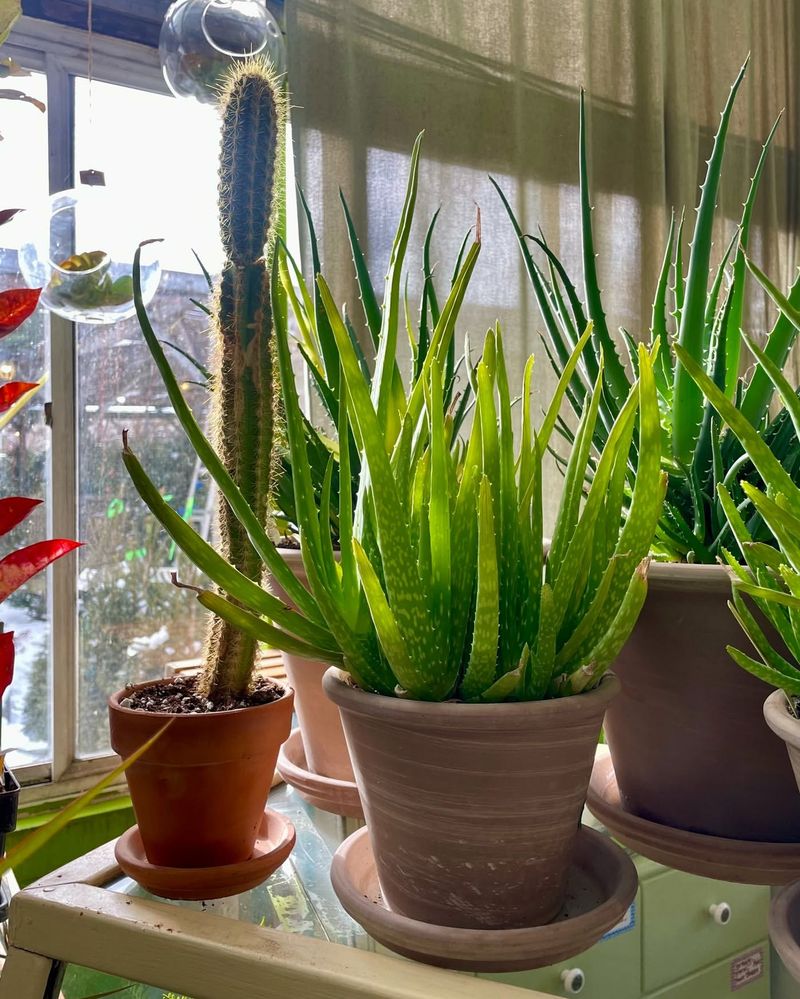
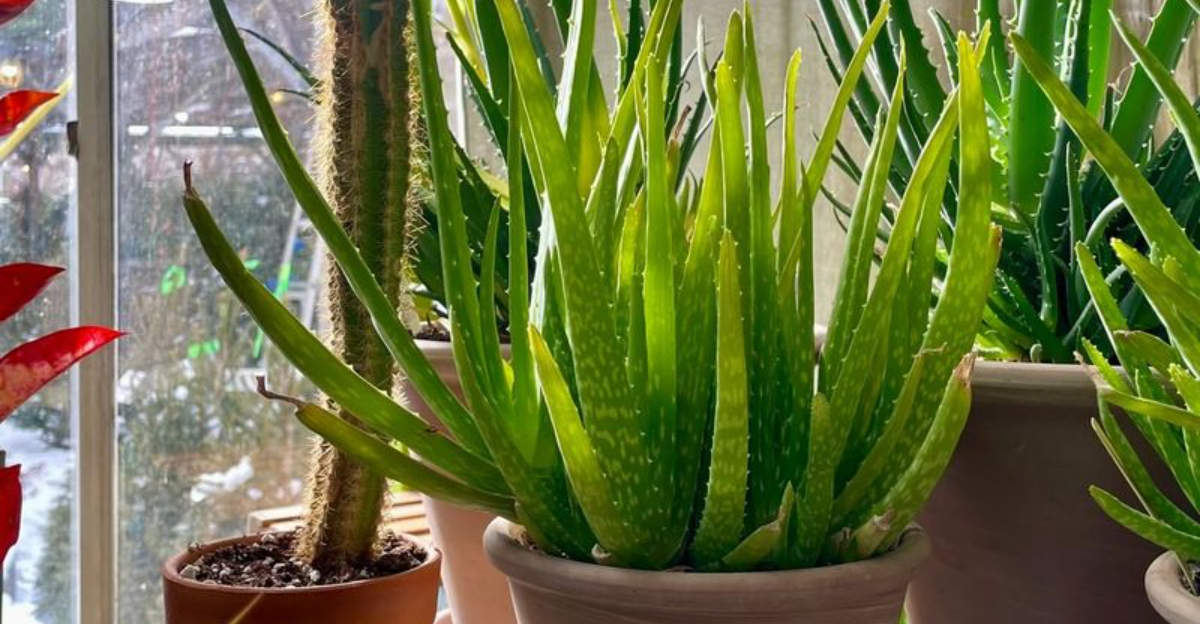
Spiky, water-filled leaves offer both decorative appeal and practical benefits for minor burns or skin irritations.
Aloe vera thrives in bright light and needs infrequent watering, making it perfect for sunny Pennsylvania windowsills.
The gel inside the leaves has been used for centuries in healing traditions, adding functional value beyond aesthetics.
Many families keep aloe in kitchens, where its soothing properties remain within easy reach for cooking accidents.
The plant produces offshoots called pups that can be separated and potted, creating new plants to share or expand collections.
Aloe vera symbolizes healing, protection, and good fortune in various cultures around the world.
Its compact size fits small spaces, and multiple plants can cluster together for greater visual impact.
Overwatering causes more problems than underwatering, so checking soil dryness before adding water prevents root issues.
During winter months, aloe enters a dormant phase and requires even less moisture than usual.
The plant’s simple, clean lines complement both rustic and contemporary decor styles without overwhelming a space.
Some people believe aloe attracts positive energy and wards off bad luck when placed near entryways.
For Pennsylvanians seeking a plant that combines beauty, practicality, and symbolic protection, aloe vera checks every box.
3. Money Tree
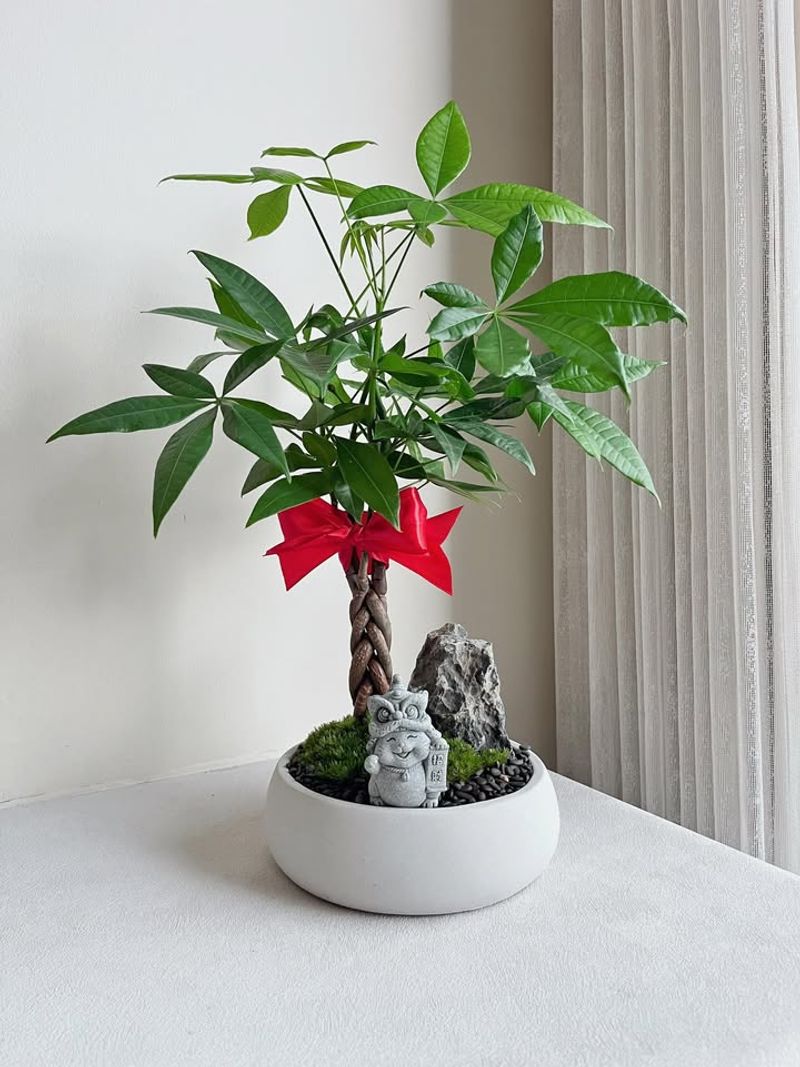
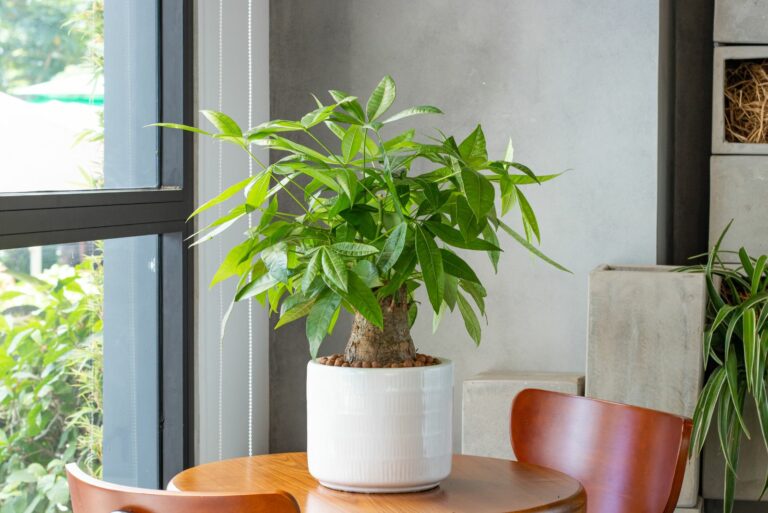
A braided trunk and shiny leaves make this plant stand out in any space.
According to folklore, the money tree attracts financial success and good fortune to those who care for it properly.
Pennsylvania residents appreciate its ability to thrive indoors with moderate watering and bright, indirect light.
The braided design forms when young stems intertwine, creating a sculptural centerpiece that sparks conversation.
Each leaf cluster typically has five leaflets, which some cultures associate with the five elements of balance.
Overwatering can harm the roots, so checking soil dryness before watering prevents common mistakes.
During winter months, the plant may need less water as growth slows naturally.
Its compact size works well in apartments, offices, or sunrooms without taking up too much floor space.
Many people place money trees in home offices or near where they handle finances, hoping to boost abundance.
The plant can live for years with proper attention, becoming a cherished part of family routines.
Watching it grow taller and fuller feels rewarding, especially when new leaves unfurl after dormant periods.
For Pennsylvanians seeking both beauty and symbolic wealth, this plant delivers on multiple levels.
4. Snake Plant
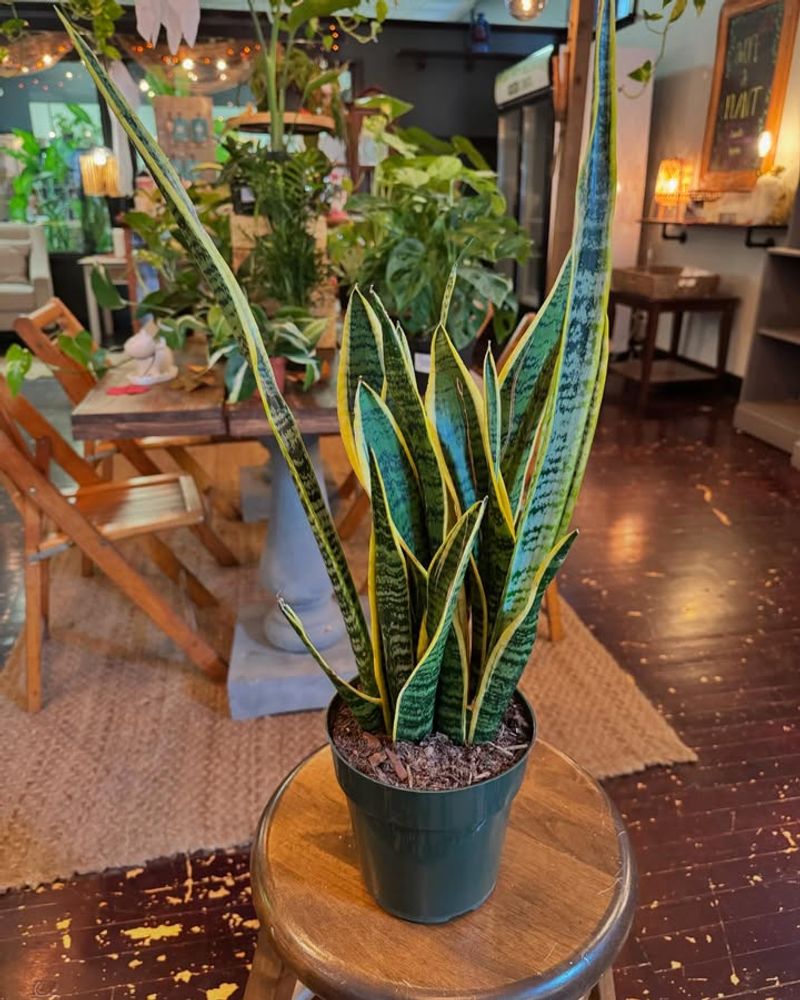
Tall, striped leaves stand upright like swords, creating bold visual impact with minimal effort.
This plant tolerates neglect better than most, surviving in low light and with infrequent watering.
Pennsylvania residents often place snake plants in bedrooms because they release oxygen at night, unlike most other plants.
The variegated patterns on the leaves add texture and interest to neutral color schemes.
Some believe snake plants protect against negative energy and bring determination to household members.
Overwatering poses the biggest threat, so allowing soil to dry completely between waterings prevents problems.
The plant grows slowly but can eventually produce offshoots called pups, which can be separated and repotted.
Its architectural form suits modern, minimalist, and eclectic decor styles without clashing.
Air-purifying qualities make it a practical choice for homes concerned about indoor air quality during sealed-up winter months.
Snake plants can survive in corners far from windows, making them versatile for darker rooms.
Their tough nature mirrors the resilience many Pennsylvanians value, especially when facing harsh weather.
For those wanting a plant that thrives on benign neglect while still bringing good fortune, this option delivers reliably.
5. Pothos
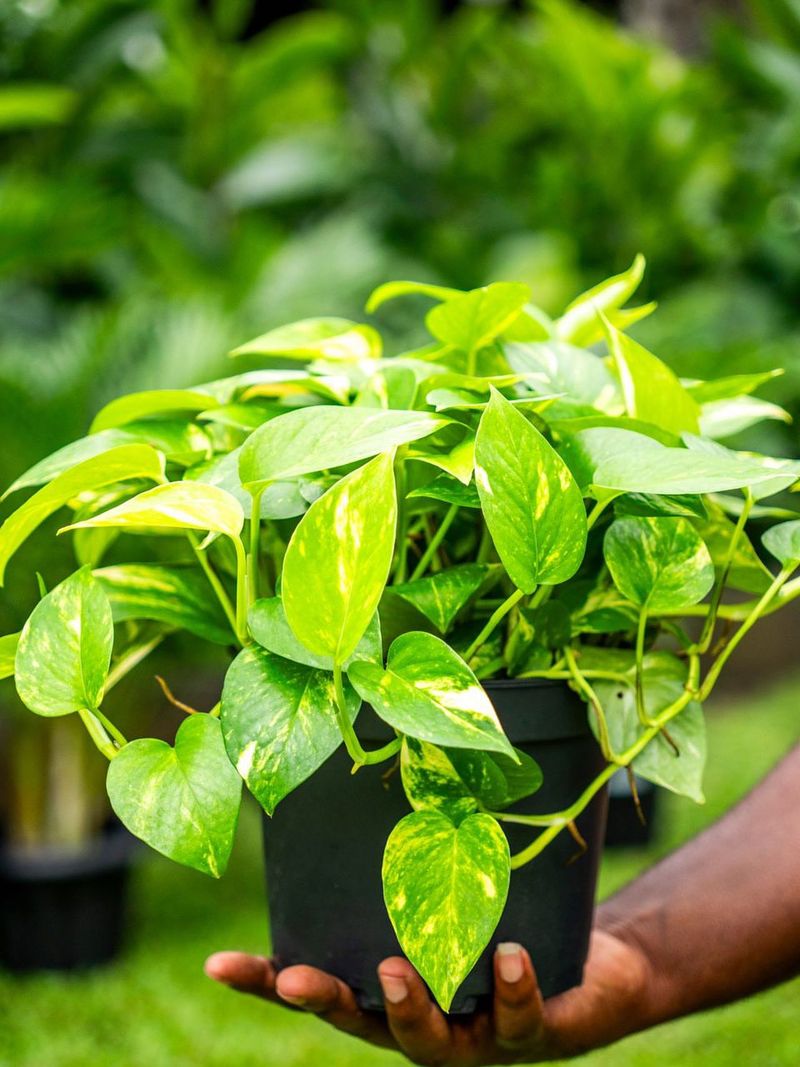
Heart-shaped leaves cascade down from shelves and hanging baskets, softening hard edges in any room.
Pothos grows vigorously with minimal fuss, making it ideal for busy households or first-time plant owners.
Pennsylvania homes often feature pothos in kitchens, bathrooms, and living spaces because it adapts to various light conditions.
The vines can stretch several feet long, creating a lush, jungle-like atmosphere even in small apartments.
Many cultures view pothos as a symbol of perseverance and good luck due to its hardy nature
The plant tolerates occasional missed waterings and bounces back quickly when given a drink.
Variegated varieties display splashes of yellow, white, or cream that brighten dim corners.
Pruning encourages fuller growth and provides cuttings that root easily in water for sharing with friends.
Some people drape pothos vines along bookshelves or picture frames, integrating greenery into everyday decor.
The plant also removes common indoor toxins, contributing to a healthier home environment throughout the year.
Its forgiving temperament and rapid growth make it satisfying to care for, offering visible rewards for minimal effort.
For Pennsylvanians wanting a plant that brings both beauty and symbolic persistence, pothos remains a reliable companion.
6. Lucky Bamboo
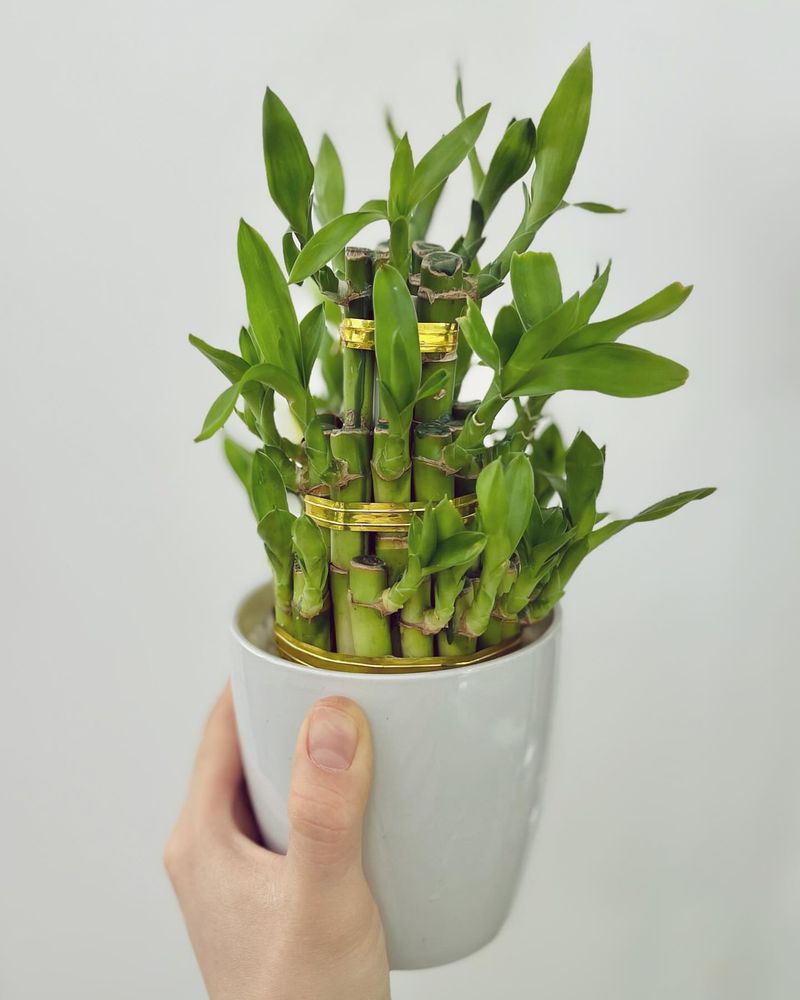
Bamboo stalks arranged in water bring a sense of calm and tradition to any room.
This plant thrives with minimal care, needing only indirect sunlight and fresh water changed weekly.
Many believe the number of stalks carries different meanings—three for happiness, five for wealth, and seven for good health.
Pennsylvania homes often place lucky bamboo near entryways or on kitchen counters to invite positive energy.
The plant grows quickly, symbolizing resilience and adaptability through changing seasons.
Its simple elegance fits modern and traditional decor styles equally well.
Roots develop in water, making it a forgiving choice for beginners.
Some families pass down lucky bamboo arrangements as gifts during holidays or celebrations.
The plant also tolerates lower light conditions, which suits Pennsylvania’s shorter winter days.
Watching new shoots emerge can feel like a small miracle, reminding residents that growth happens even in quiet times.
With its connection to prosperity and peace, lucky bamboo remains a favorite for those seeking a hopeful start to the year.
It asks for little but offers much in return.
7. Rubber Plant
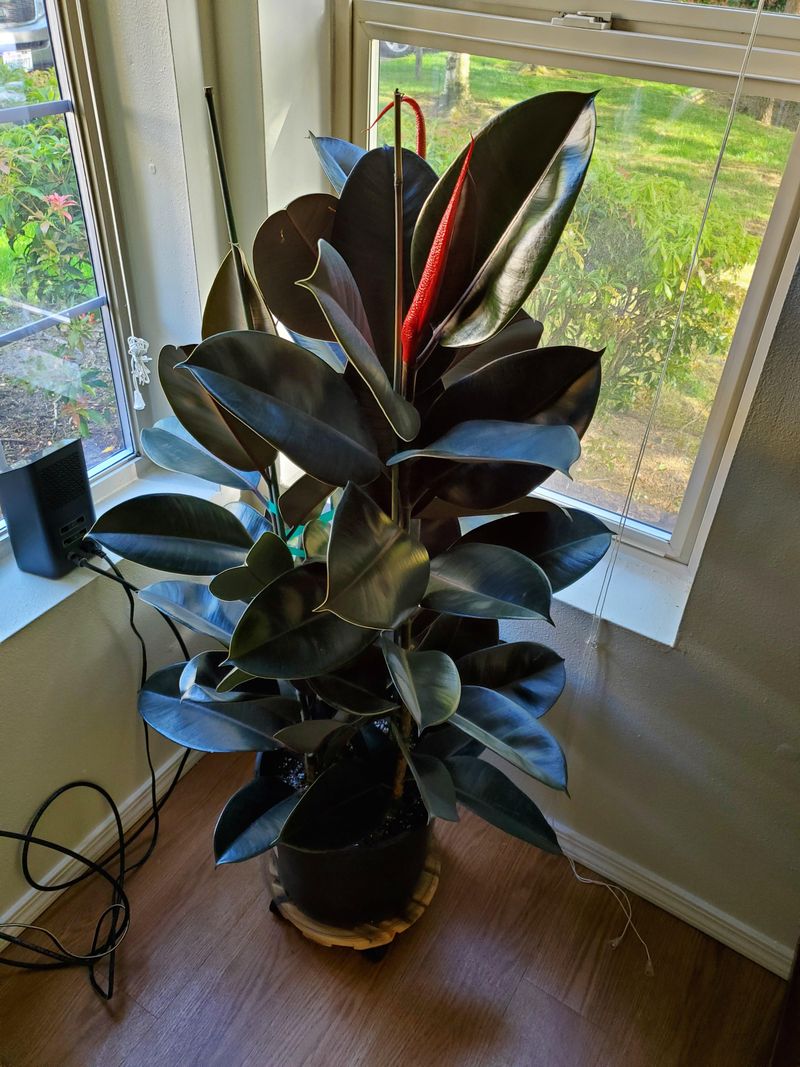
Large, glossy leaves command attention and fill empty corners with bold greenery.
Rubber plants grow tall and sturdy, symbolizing abundance and wealth in various cultural traditions.
Pennsylvania homeowners often choose this plant for its dramatic appearance and relatively simple care requirements.
Bright, indirect light encourages the deepest leaf colors, ranging from dark green to burgundy shades.
Wiping dust from leaves weekly helps them photosynthesize efficiently and maintains their signature shine.
The plant prefers consistent moisture but dislikes sitting in waterlogged soil, so good drainage matters.
During winter, growth slows and watering frequency should decrease to match the plant’s reduced needs.
Rubber plants can reach ceiling height over several years, becoming impressive focal points in entryways or living rooms.
Some people prune them to encourage bushier growth or maintain a more compact shape.
The thick leaves store water, helping the plant tolerate brief dry spells without showing stress.
Many believe rubber plants attract prosperity and remove negative energy from spaces where they grow.
For Pennsylvanians wanting a plant with presence and symbolic richness, this option makes a powerful statement year-round.
8. Peace Lily
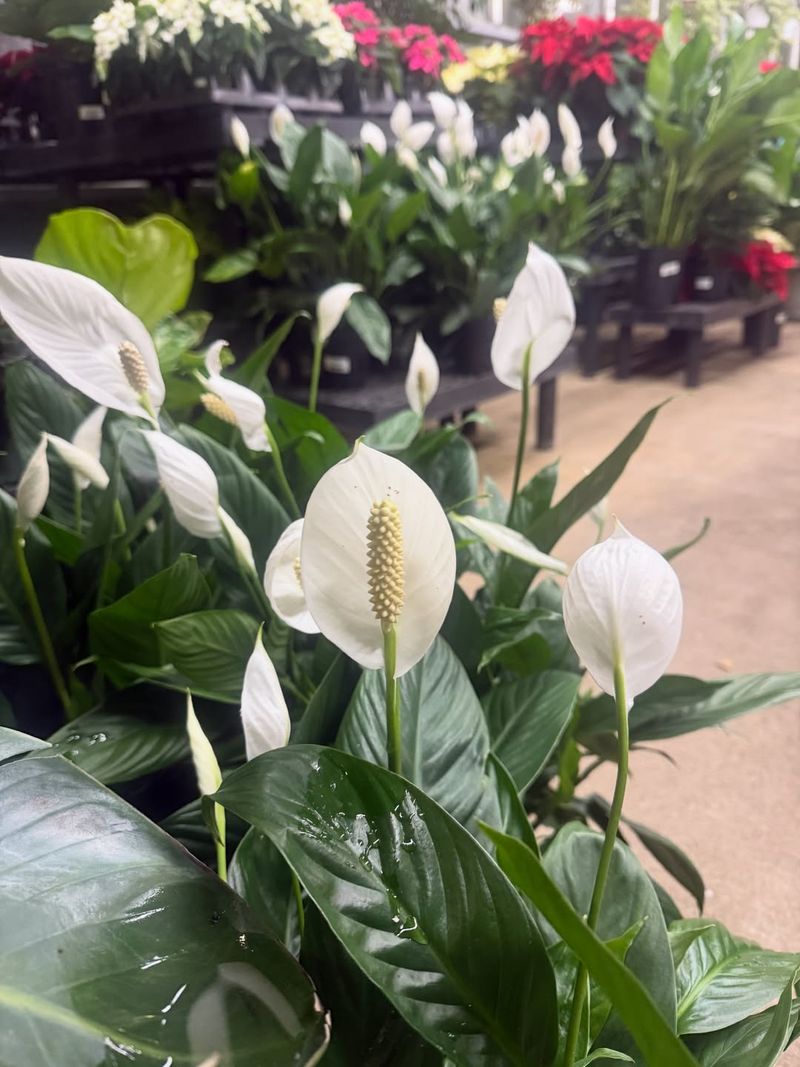
Glossy green leaves and elegant white blooms create a serene presence in any space.
Peace lilies signal when they need water by drooping slightly, then perk up within hours after watering.
Pennsylvania residents appreciate this clear communication, which takes the guesswork out of plant care.
The white flowers, called spathes, emerge several times a year and last for weeks, adding a touch of sophistication.
Many traditions associate peace lilies with harmony, tranquility, and fresh beginnings—perfect for welcoming a new year.
The plant thrives in low to medium light, making it suitable for rooms without direct sun exposure.
Its air-purifying abilities help remove mold spores and other pollutants, which matters during Pennsylvania’s humid summers and dry winters.
Keeping soil consistently moist but not soggy encourages healthy growth and regular blooming cycles.
Some families place peace lilies in living rooms or bedrooms to promote calm and restful energy.
The plant can grow quite large over time, becoming a statement piece that anchors a room’s design.
Wiping leaves with a damp cloth keeps them shiny and helps the plant breathe more efficiently.
For those seeking both visual elegance and symbolic peace, this plant offers a meaningful addition to the home.