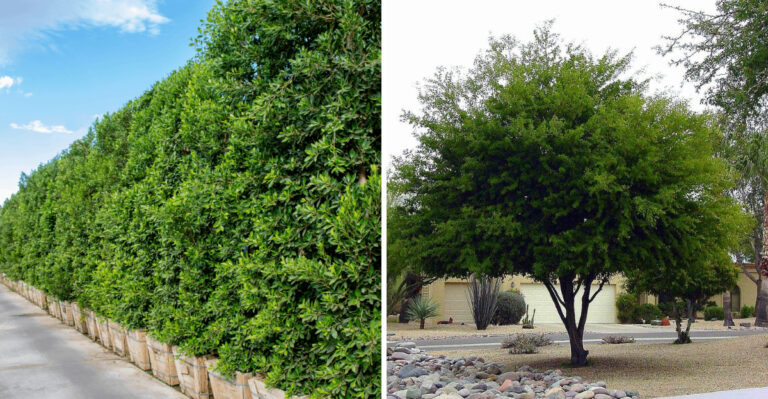
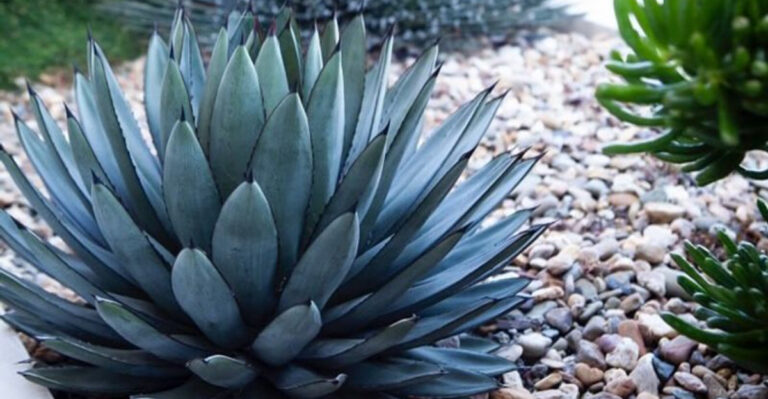
Make Your Arizona Landscape Drought-Friendly With These 11 Boxwood Alternatives
Ever look at your Arizona landscape and wonder why keeping it green feels harder every year?
That question comes up more often as dry conditions push homeowners to rethink familiar plants.
Boxwoods have long been a go-to choice, but they don’t always make sense in Arizona’s climate.
Water use, heat stress, and ongoing upkeep are quietly changing what works best in local yards.
This shift isn’t about giving up structure or style, but about finding plants that handle dry conditions more comfortably.
Many alternatives offer the same clean look people like, without the constant demand for water.
Some blend so naturally into existing landscapes that the swap feels effortless. Others subtly improve how the space functions through long dry stretches.
Choosing the right replacements can make an Arizona landscape feel easier to manage and far more sustainable over time.
1. Texas Sage
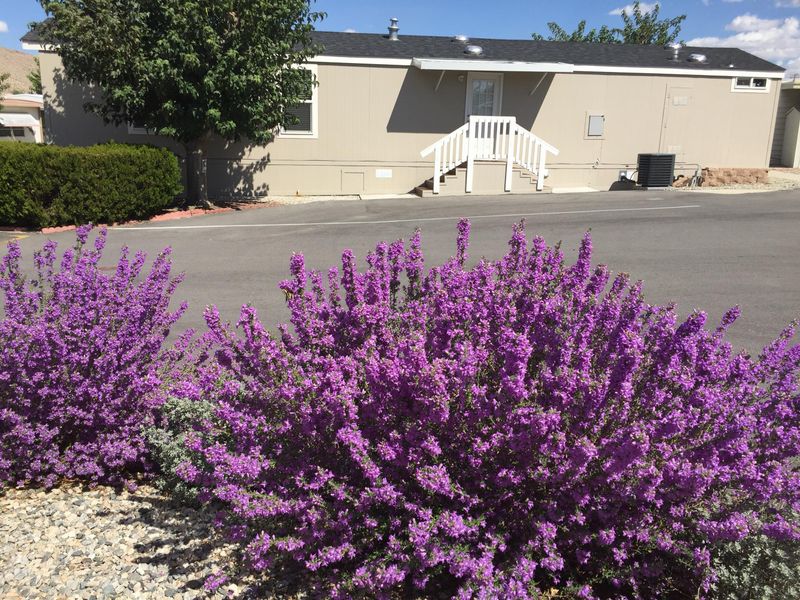
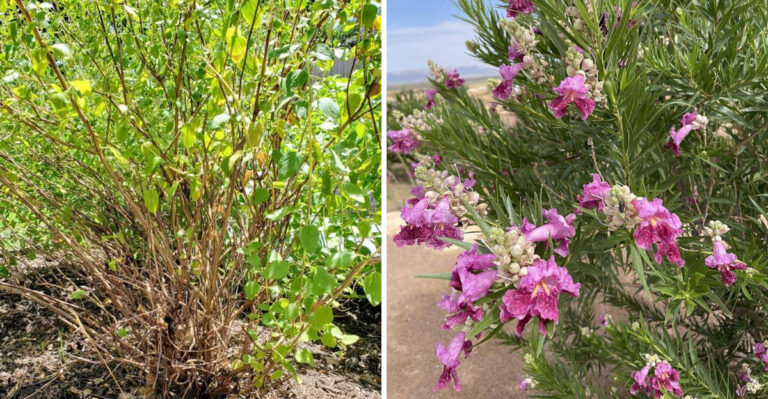
Many people call this shrub the desert’s answer to formal hedging because it thrives where other plants struggle. Its silvery-green foliage creates a soft, textured backdrop that complements almost any landscape style.
After summer rains, clusters of pink, purple, or white flowers appear almost overnight, transforming your yard into a blooming showcase.
Homeowners across Arizona appreciate how little fuss this plant requires once it settles in. Water it sparingly, and it rewards you with steady growth and vibrant color.
Overwatering can actually harm it, so less is definitely more with this hardy shrub.
Trimming it into neat shapes is simple, making it a favorite for borders and foundation plantings. The leaves have a slightly fuzzy texture that adds visual interest even when the plant isn’t flowering.
Birds and pollinators enjoy visiting when blooms emerge, adding life to your garden.
Arizona’s intense sun doesn’t faze Texas sage at all. It handles full exposure without wilting or losing its color.
Planting it in well-draining soil ensures the roots stay healthy and strong.
Spacing multiple plants a few feet apart creates a dense, privacy-friendly screen. You can also use it as a standalone accent near entryways or patios.
Its low maintenance needs mean more time enjoying your landscape and less time working in it.
Frost rarely bothers this tough shrub, so it stays attractive through cooler months. Pests generally leave it alone, which means fewer headaches for you.
Texas sage proves that drought-tolerant plants can be both beautiful and practical for Arizona yards.
2. Dwarf Olive
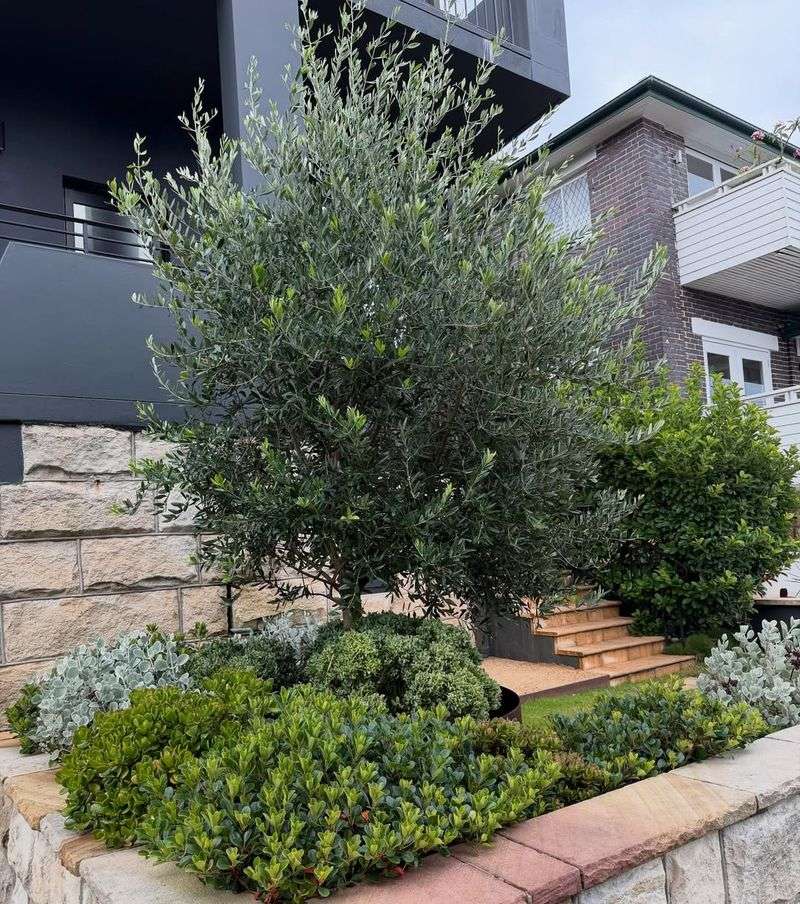
Compact and evergreen, this Mediterranean native brings a touch of elegance to desert gardens without demanding constant attention. Its slender gray-green leaves shimmer in the breeze, creating movement and texture that feels both refined and relaxed.
Small white flowers appear in spring, followed by tiny olives that add seasonal interest.
Arizona gardeners love how well this shrub adapts to hot, dry conditions. It grows slowly, so you won’t be pruning it every few weeks.
Shaping it into a formal ball or leaving it more natural both work beautifully depending on your style.
Root systems are surprisingly tough, anchoring the plant firmly even in rocky soil. Watering once or twice a month during the hottest stretches keeps it looking fresh.
Too much moisture can lead to problems, so err on the dry side.
This plant handles full sun with ease, making it ideal for Arizona’s intense summer days. Its compact size fits perfectly in smaller yards or container plantings.
Placing a few along a walkway creates a welcoming, structured look.
Frost tolerance is decent, so it survives most Arizona winters without damage. Pests rarely bother it, and diseases are uncommon when drainage is good.
Dwarf olive offers year-round greenery with minimal effort.
Pairing it with colorful flowering plants creates a balanced, layered design. Its neutral foliage acts as a calming backdrop that highlights brighter blooms.
For Arizona homeowners seeking low-maintenance elegance, dwarf olive delivers beautifully.
3. Rosemary
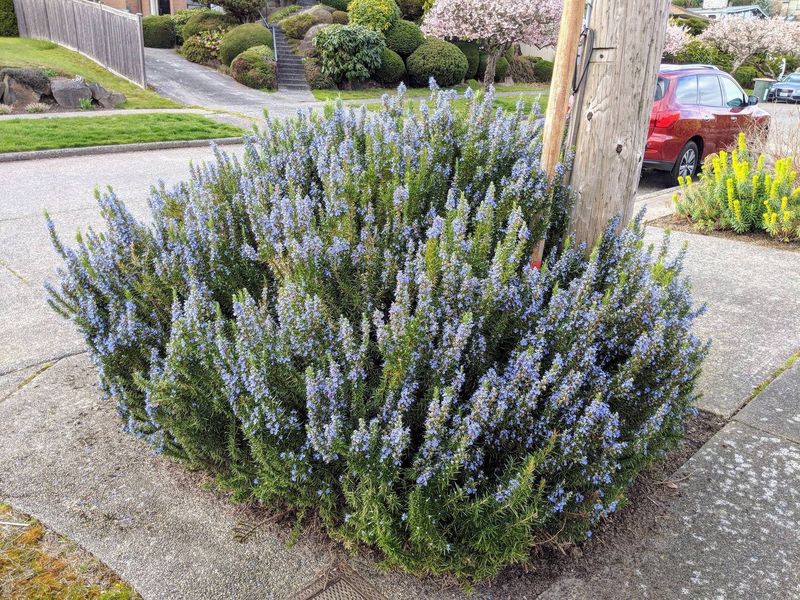
Culinary and ornamental benefits combine in this fragrant, evergreen herb that doubles as a stunning landscape shrub. Needle-like leaves release a piney aroma when brushed, filling your yard with a pleasant scent.
Blue or purple flowers appear in cooler months, attracting bees and butterflies to your Arizona garden.
This plant thrives in dry conditions, making it a natural fit for desert landscapes. It grows quickly when young, then slows to a manageable pace.
Trimming it into hedges or letting it sprawl over walls both create beautiful effects.
Arizona’s full sun suits rosemary perfectly, and it rarely needs supplemental water once established. Sandy or rocky soil drains well, preventing root issues.
Overwatering is one of the few things that can harm this tough plant.
Harvesting sprigs for cooking adds a practical element to your landscaping. Fresh rosemary enhances countless dishes, so you’ll always have a reason to visit your garden.
The more you prune, the bushier and fuller it becomes.
Upright or trailing varieties offer different looks, so choose based on your design goals. Planting it near pathways means you’ll enjoy its fragrance every time you pass by.
Deer and rabbits typically avoid it, which is a bonus in some Arizona neighborhoods.
Winter cold rarely damages rosemary in most parts of the state. Pests are uncommon, and maintenance stays minimal.
For Arizona homeowners wanting beauty, scent, and flavor, rosemary checks every box.
4. Lavender
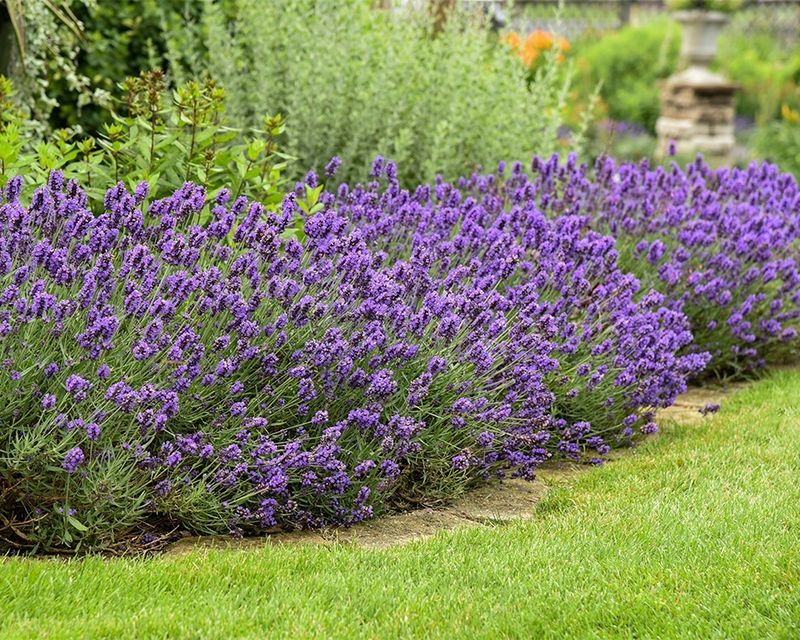
Few plants combine color, fragrance, and drought tolerance as gracefully as this beloved Mediterranean classic. Spikes of purple, pink, or white blooms rise above silvery foliage, creating a soft, romantic look.
The scent is soothing and unmistakable, turning your Arizona yard into a sensory retreat.
Pollinators flock to lavender, so expect to see bees and butterflies whenever it’s flowering. It blooms most heavily in spring and early summer, but some varieties produce flowers sporadically year-round.
Cutting stems for arrangements or drying keeps plants tidy and productive.
Arizona’s low humidity and intense sun create ideal conditions for this shrub. It demands excellent drainage, so avoid heavy clay or areas where water pools.
Once roots establish, rainfall often provides enough moisture.
Spacing plants a few feet apart allows air circulation, which prevents fungal issues. Mulching lightly around the base helps keep roots cool during peak summer heat.
Pruning after flowering encourages bushier growth and more blooms next season.
This plant fits beautifully along borders, in rock gardens, or massed for dramatic impact. Its gray-green leaves stay attractive even when flowers fade.
Deer tend to avoid it, which is helpful in some Arizona neighborhoods.
Winter cold is rarely a problem in most parts of the state. Pests generally leave lavender alone, and diseases are uncommon with proper care.
For Arizona homeowners seeking beauty, fragrance, and easy upkeep, lavender is a winning choice.
5. Germander
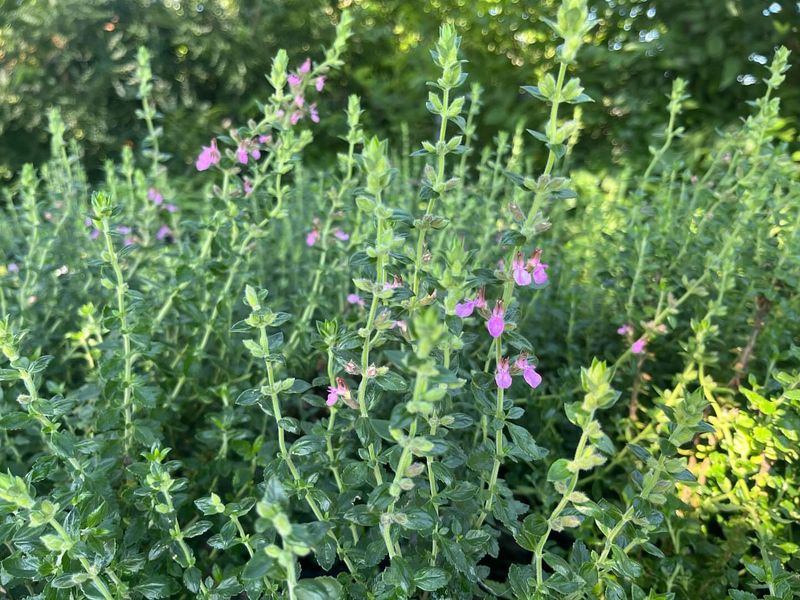
Compact and tidy, this evergreen shrub forms dense, low hedges that stay green year-round in Arizona. Small, glossy leaves create a fine-textured look that works beautifully in formal or cottage-style gardens.
Tiny purple flowers appear in spring, adding a splash of color without overwhelming the landscape.
Homeowners appreciate how well germander tolerates heat and dry conditions once established. It grows at a moderate pace, so it won’t overtake your garden unexpectedly.
Shearing it into geometric shapes or leaving it slightly rounded both look polished.
Arizona’s full sun suits this plant perfectly, and it adapts to various soil types. Watering deeply but infrequently encourages strong root development.
Avoid soggy conditions, as good drainage is essential for long-term health.
This shrub stays relatively small, making it ideal for edging beds or lining walkways. Its dense growth habit creates a solid visual barrier without taking up much space.
Pairing it with taller plants adds layering and depth to your design.
Pests rarely bother germander, and diseases are uncommon when drainage is adequate. Frost tolerance is good, so it handles Arizona winters without damage.
Pruning once or twice a year keeps it looking sharp.
Birds sometimes nest in larger plantings, adding life to your yard. The fine texture contrasts nicely with bold, architectural plants like agave or yucca.
For Arizona homeowners seeking a low-maintenance, evergreen hedge, germander is a smart pick.
6. Hopseed Bush
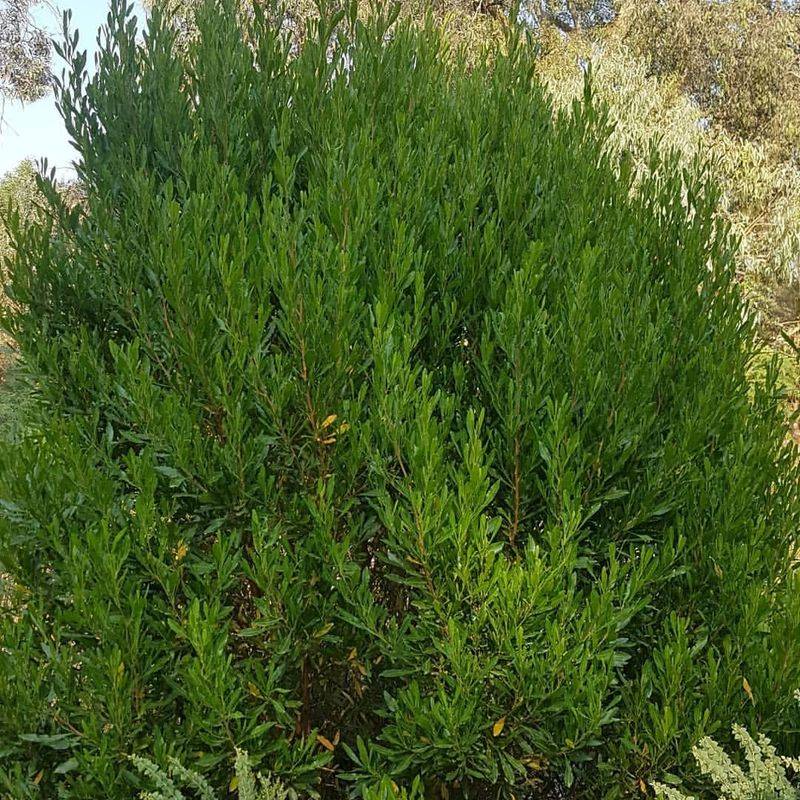
Fast-growing and adaptable, this Arizona native offers privacy and beauty without constant watering. Its narrow, green or burgundy leaves create a lush, tropical appearance that contrasts nicely with the desert surroundings.
Small, papery seed pods add visual interest and rustle gently in the breeze.
Homeowners often choose hopseed bush for screening because it grows quickly and fills in densely. It tolerates extreme heat, cold, and poor soil better than most other shrubs.
Once established, it needs only occasional deep watering to stay healthy.
Arizona’s full sun brings out the best color in burgundy varieties, while green types stay vibrant even in partial shade. This plant adapts to different soil types, from sandy to rocky.
Pruning controls size and shape, but it also looks attractive when left more natural.
Root systems are strong and non-invasive, so you won’t worry about damage to hardscapes. Birds appreciate the cover it provides, and some species nest in its branches.
Deer usually leave it alone, which is helpful in certain neighborhoods.
Frost rarely harms hopseed bush, even in colder parts of the state. Pests are uncommon, and diseases seldom appear.
Spacing plants a few feet apart creates a solid hedge, or you can use single specimens as accents.
Its upright growth habit makes it easy to fit into narrow spaces. Pairing it with colorful flowering plants creates a balanced, layered look.
For Arizona homeowners needing fast privacy and low maintenance, hopseed bush is a top contender.
7. Arizona Cypress
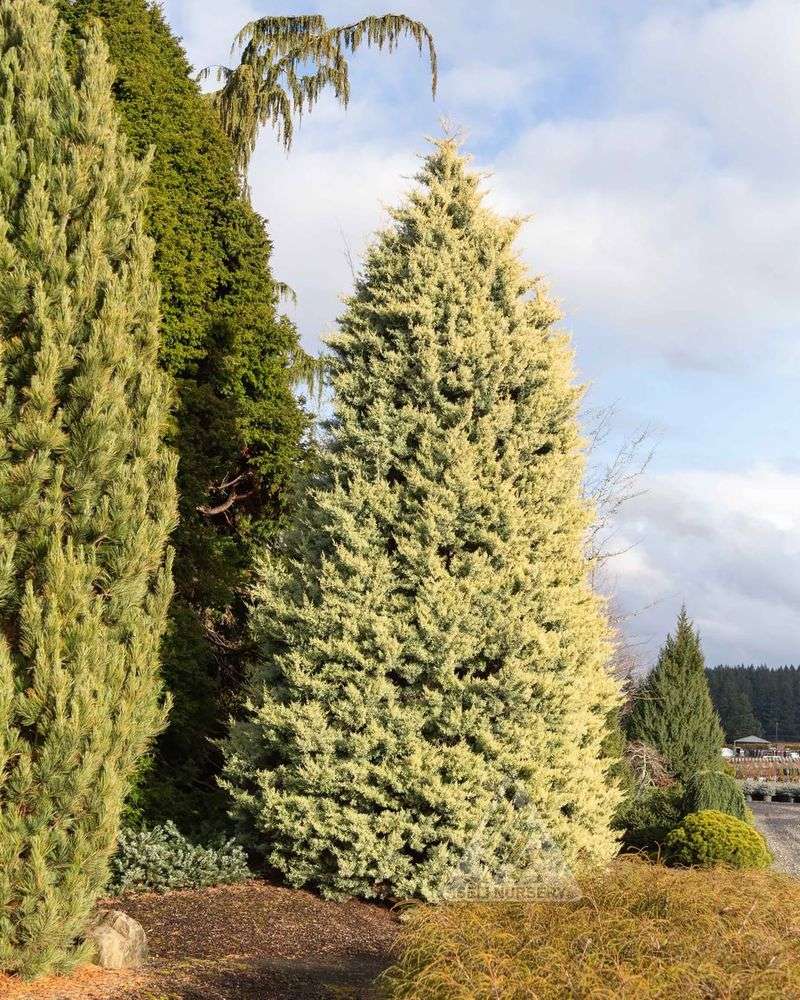
Evergreen and stately, this native conifer brings vertical structure and year-round color to desert landscapes. Its soft, feathery foliage ranges from gray-green to blue-green, adding a cool tone to hot Arizona gardens.
A subtle, fresh scent fills the air when you brush against the branches.
Homeowners value how well this tree adapts to Arizona’s challenging climate. It tolerates heat, cold, drought, and wind without losing its shape or color.
Growth is steady but not overwhelming, so it won’t outgrow your space too quickly.
Arizona’s intense sun doesn’t faze this tough conifer. It thrives in well-draining soil and needs only occasional deep watering once established.
Overwatering can lead to problems, so it’s best to let the soil dry out between waterings.
Planting it as a single specimen creates a striking focal point, while grouping several forms a windbreak or privacy screen. Its narrow, columnar shape fits well in tight spaces.
Birds often nest in its dense branches, adding life to your yard.
Frost and freezing temperatures rarely damage Arizona cypress. Pests are uncommon, and diseases seldom appear when drainage is good.
Pruning is minimal, usually just removing any damaged or crossing branches.
Pairing it with lower-growing shrubs and groundcovers creates a layered, naturalistic look. Its evergreen foliage provides structure during winter when other plants go dormant.
For Arizona homeowners seeking a low-maintenance, drought-tolerant tree, Arizona cypress is an excellent choice.
8. Fairy Duster
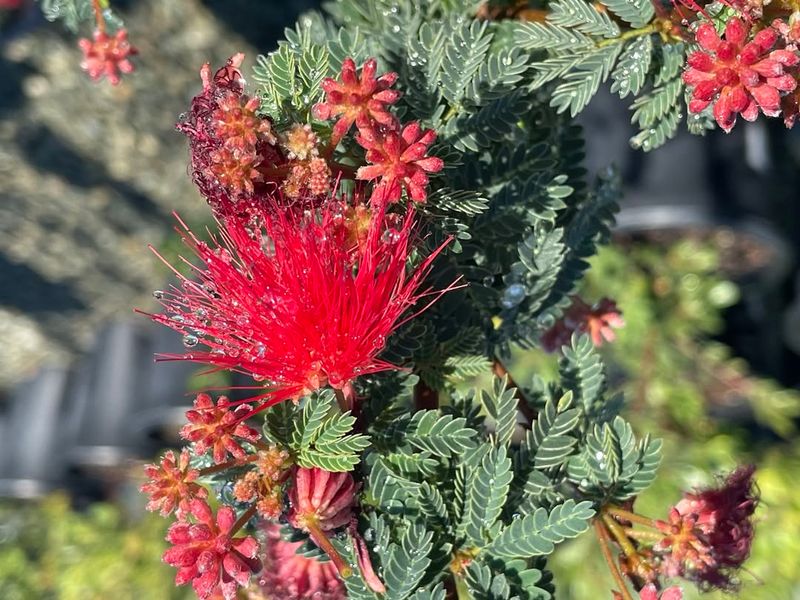
Delicate, fluffy blooms in shades of pink or red make this Arizona native a showstopper in any desert garden. Flowers appear from late winter through early summer, attracting hummingbirds and butterflies.
Fine, fern-like foliage stays green year-round, adding soft texture even when the plant isn’t blooming.
Homeowners love how little water this shrub needs once it settles in. It thrives in full sun and well-draining soil, making it a natural fit for Arizona landscapes.
Growth is moderate, so it won’t take over your garden unexpectedly.
Arizona’s heat brings out the best in fairy duster. It handles intense sun without wilting or losing color.
Watering deeply but infrequently encourages strong root development and more blooms.
Planting it near patios or windows lets you enjoy the hummingbirds it attracts. Its low, spreading form works well as a groundcover or small accent.
Pairing it with larger shrubs or cacti creates a layered, naturalistic design.
Frost can damage tender new growth, but established plants usually recover quickly. Pests rarely bother fairy duster, and diseases are uncommon.
Pruning lightly after flowering keeps it tidy and encourages bushier growth.
This plant fits beautifully in rock gardens, borders, or containers. Its delicate appearance contrasts nicely with bold, architectural plants.
For Arizona homeowners seeking color, wildlife appeal, and low maintenance, fairy duster is a charming choice.
9. Brittlebush
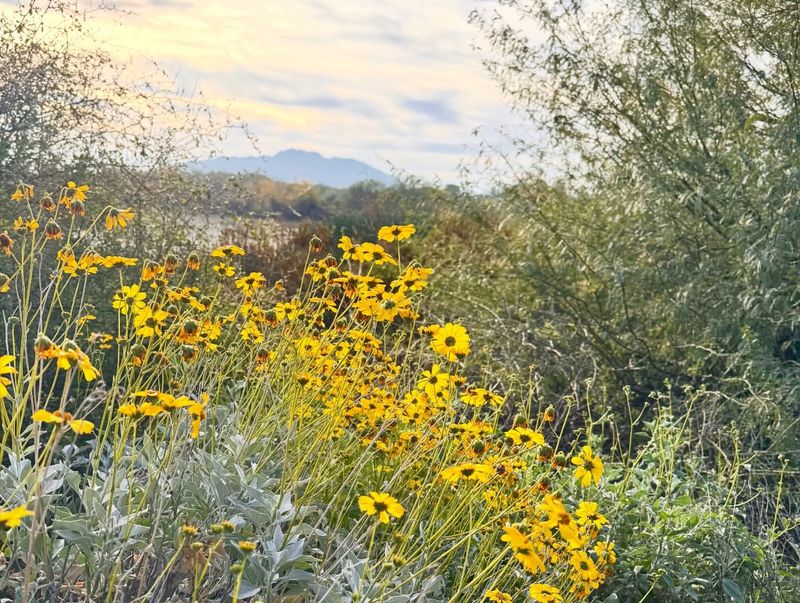
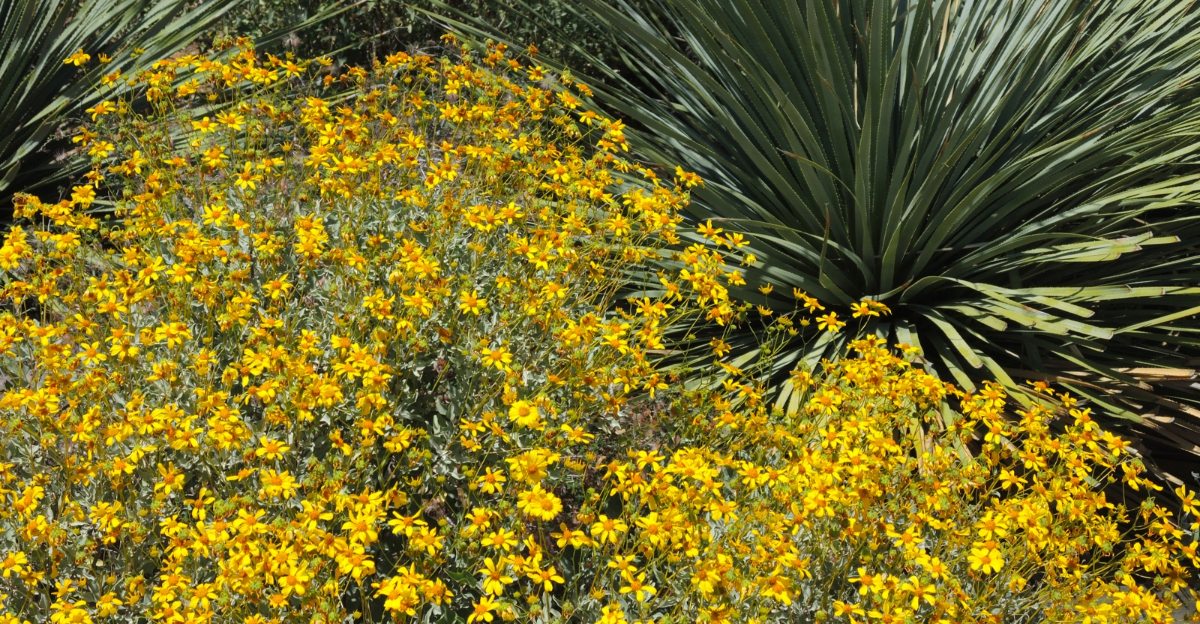
Bright yellow daisy-like flowers rise above silvery-gray foliage, creating a cheerful display in Arizona gardens. This native shrub blooms heavily in spring, covering itself in golden color.
Its soft, fuzzy leaves reflect sunlight, helping the plant stay cool during intense summer heat.
Homeowners appreciate how little care brittlebush requires once established. It thrives in full sun and rocky or sandy soil with excellent drainage.
Watering is rarely necessary after the first year, as it relies on natural rainfall.
Arizona’s desert conditions suit this plant perfectly. It handles extreme heat, intense sun, and poor soil without complaint.
Growth is moderate, and it naturally forms a rounded, mounded shape.
Planting it on slopes or in rock gardens takes advantage of its drought tolerance and spreading habit. Birds and butterflies visit the flowers, adding movement and life to your yard.
Pairing it with other natives creates a cohesive, low-maintenance landscape.
Frost can damage foliage, but plants usually bounce back quickly in spring. Pests are uncommon, and diseases rarely appear.
Pruning after flowering keeps it tidy and encourages fresh growth.
This shrub fits beautifully in naturalistic or xeriscape designs. Its silvery foliage contrasts nicely with green or burgundy plants.
For Arizona homeowners seeking bright color and minimal upkeep, brittlebush is a standout choice.
10. Feather Bush
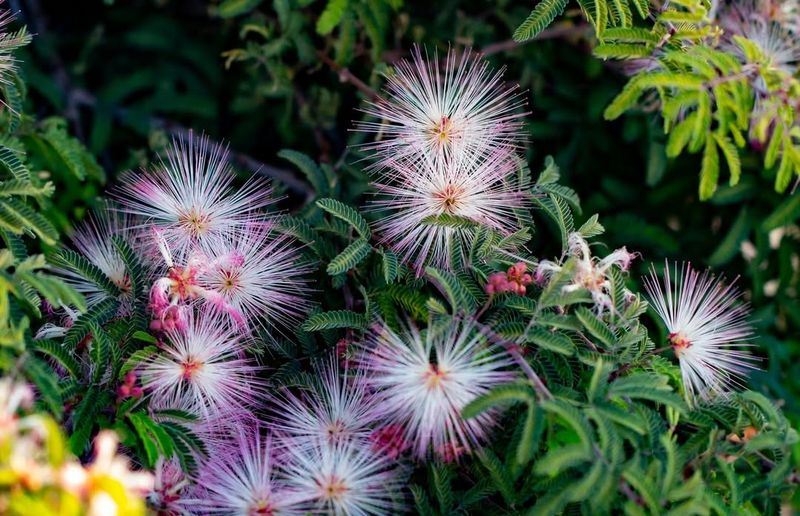
Airy, feathery blooms in soft pink or white create a cloud-like effect that softens any Arizona landscape. This native shrub flowers in spring, covering itself in delicate plumes.
Fine, needle-like foliage stays green year-round, adding texture even when the plant isn’t blooming.
Homeowners value how well feather bush adapts to Arizona’s harsh conditions. It thrives in full sun and well-draining soil, needing only occasional deep watering once established.
Growth is moderate, so it won’t overtake your garden.
Arizona’s heat and intense sun don’t faze this tough shrub. It handles dry conditions with ease, making it a natural choice for water-wise landscapes.
Overwatering can harm it, so less is definitely more.
Planting it in groups creates a soft, billowy effect that contrasts beautifully with bold, structural plants. Its delicate appearance belies its toughness.
Birds and pollinators visit the flowers, adding life to your yard.
Frost rarely damages feather bush, so it stays attractive through Arizona winters. Pests generally leave it alone, and diseases are uncommon.
Pruning lightly after flowering keeps it tidy and encourages bushier growth.
This shrub fits beautifully in naturalistic or cottage-style gardens. Its soft texture pairs well with grasses or other fine-leaved plants.
For Arizona homeowners seeking delicate beauty and low maintenance, feather bush is a lovely choice.
11. Oleander
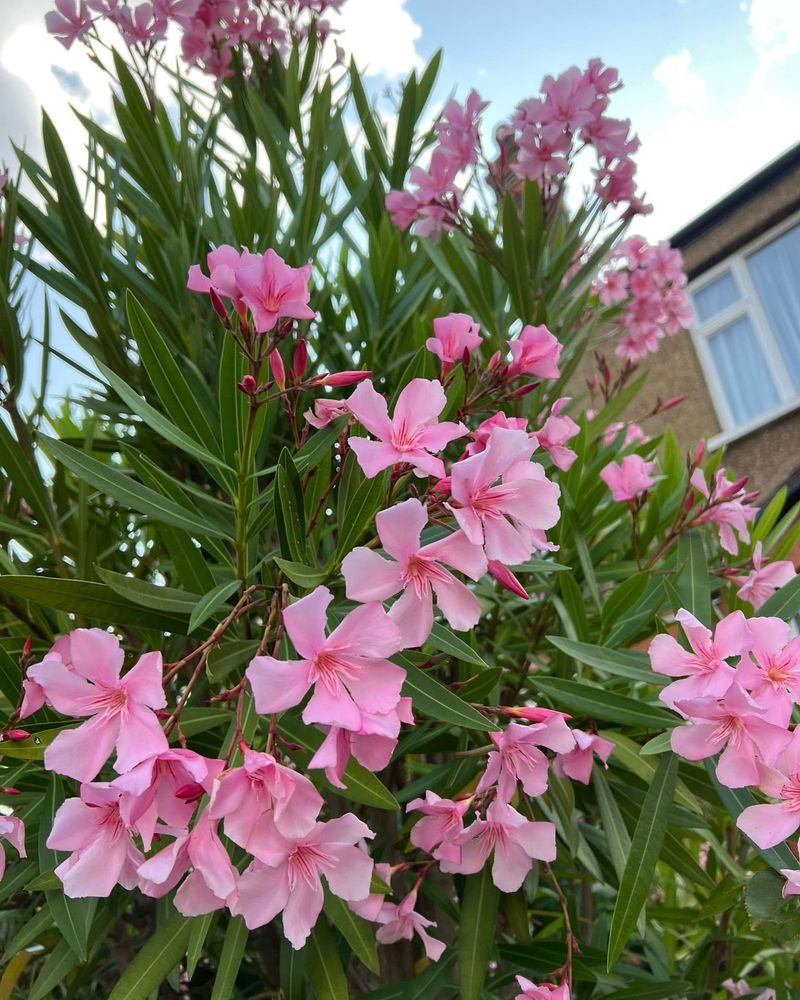
Bold, colorful blooms and evergreen foliage make this Mediterranean shrub a popular choice for Arizona landscapes. Flowers come in shades of pink, red, white, or yellow, appearing from spring through fall.
Glossy, lance-shaped leaves stay green year-round, providing constant structure and color.
Homeowners appreciate how well oleander tolerates heat, drought, and poor soil. It grows quickly, making it ideal for privacy screens or windbreaks.
Once established, it needs only occasional deep watering to stay healthy and blooming.
Arizona’s intense sun brings out the best in oleander. It thrives in full exposure and adapts to various soil types.
Pruning controls size and shape, or you can let it grow more naturally.
Planting it along property lines creates a dense, flowering barrier. Its upright growth habit fits well in narrow spaces.
Pairing it with lower-growing shrubs or groundcovers creates a layered, balanced look.
Frost can damage tender growth in colder parts of Arizona, but plants usually recover. Pests are uncommon, and diseases rarely appear.
Regular pruning keeps it tidy and encourages more blooms.
This shrub fits beautifully in formal or casual landscapes. Its bold flowers contrast nicely with softer, fine-textured plants.
For Arizona homeowners seeking color, privacy, and low maintenance, oleander is a reliable choice. Note that all parts of the plant are toxic, so plant it away from areas where children or pets play.