Make Your California Home Look More Expensive With These Tropical‑Look Plants
Want your California home to look a little more luxe without sinking a fortune into a full landscape makeover? Tropical-look plants are the shortcut.
They bring that bold, resort-style vibe that makes an entryway, patio, or backyard feel polished, dramatic, and a lot more expensive than it actually was. The best part is you do not need to live in a jungle or hire a celebrity designer to pull it off.
California’s climate makes it surprisingly easy to grow plants with giant leaves, sculptural shapes, and rich colors that instantly boost curb appeal. A few well-placed picks can make a basic yard feel like a boutique hotel courtyard or a private vacation retreat.
It is all about choosing plants that deliver maximum visual impact while still working with your space and your weather.
Once these eye-catching beauties move in, your home can start giving luxury vibes before anyone even steps through the front door.
1. Bird Of Paradise
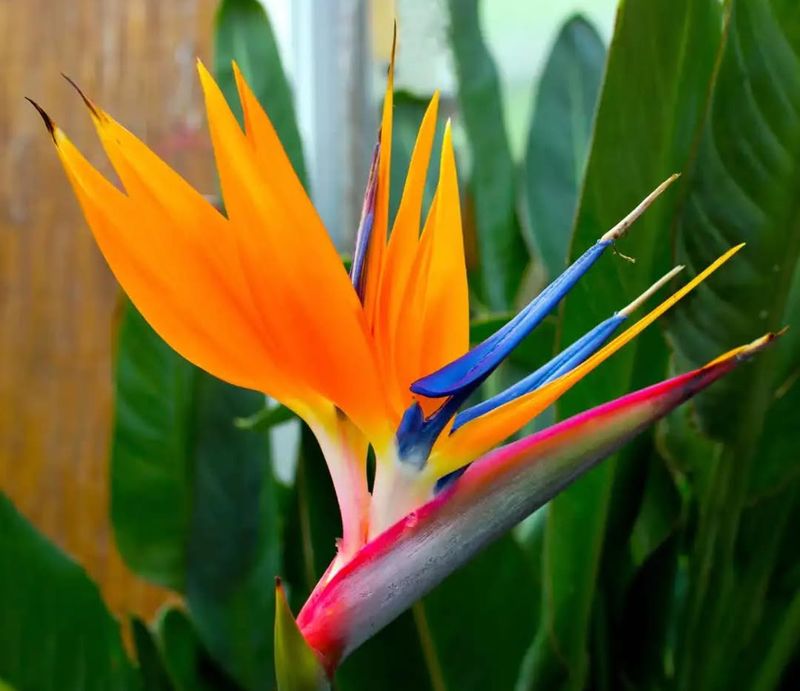
Few plants command attention quite like the Bird of Paradise. With its giant paddle-shaped leaves and vivid orange blooms, it looks like something straight out of a luxury resort in Hawaii.
California homeowners love it because it thrives in full sun and warm temperatures, making it a natural fit for the state’s climate.
Plant it near your front entrance or by a pool to create an instant wow factor. It grows tall and proud, sometimes reaching six feet or more indoors and even taller outside.
That height alone makes any space feel more designed and intentional.
Water it deeply but let the soil dry out between waterings. It does not like soggy roots.
In Southern California especially, you can grow it outdoors year-round with very little fuss. Feed it with a balanced fertilizer in spring and summer to encourage those showstopping blooms.
Once it settles in, this plant rewards you with very little effort and a whole lot of style. It is honestly one of the easiest ways to make your California home look like a million dollars without spending anywhere near that amount.
2. Canna Lily
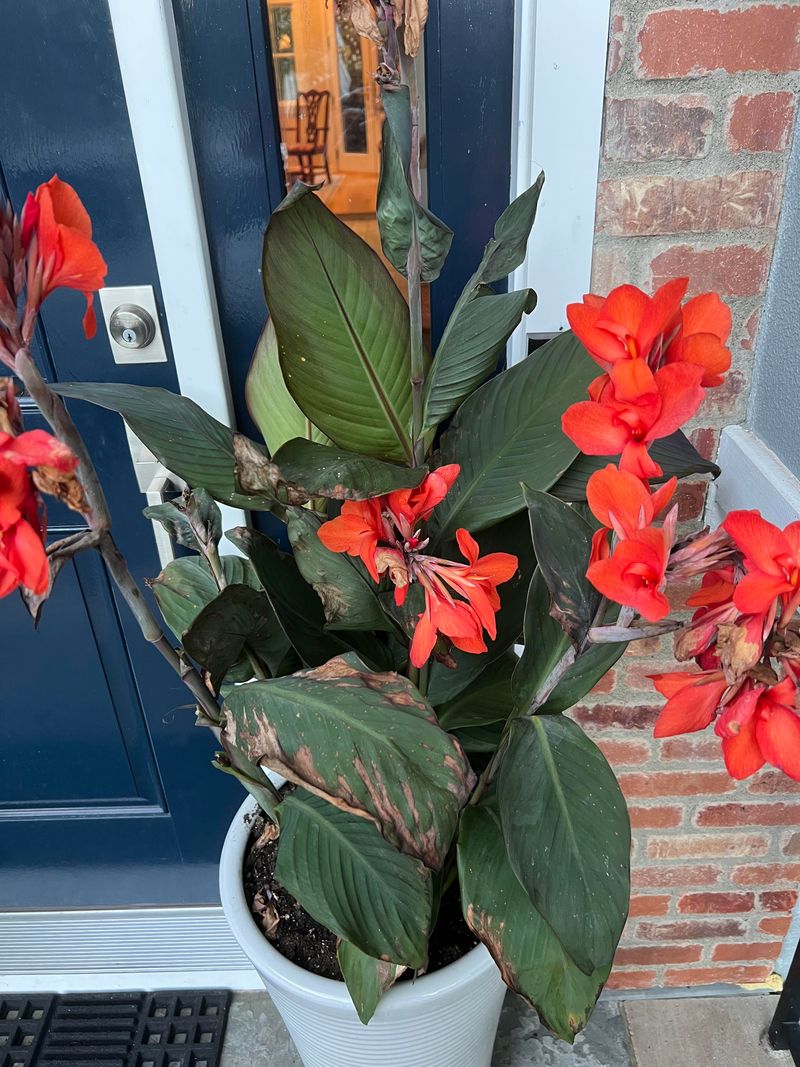
Bold, bright, and totally unforgettable, the Canna Lily brings serious tropical energy to any California yard or garden bed. Its oversized leaves come in deep green, burgundy, or even striped patterns, and the flowers pop in shades of red, orange, yellow, and pink.
It looks expensive because it is visually dramatic without being complicated.
Canna Lilies love heat and sunshine, which makes them perfectly suited for California’s long, warm summers. Plant them along a fence line or in a cluster near your front door for maximum curb appeal.
They grow fast, which means you will see results quickly after planting.
Water them regularly during the growing season, especially in the drier parts of the state like the Inland Empire or Central Valley. Add a layer of mulch around the base to hold in moisture.
In cooler parts of Northern California, you may want to dig up the rhizomes before the first frost and store them indoors. Canna Lilies are also deer-resistant, which is a huge bonus if you live near open land.
With minimal care, they deliver maximum visual impact all season long.
3. Cordyline
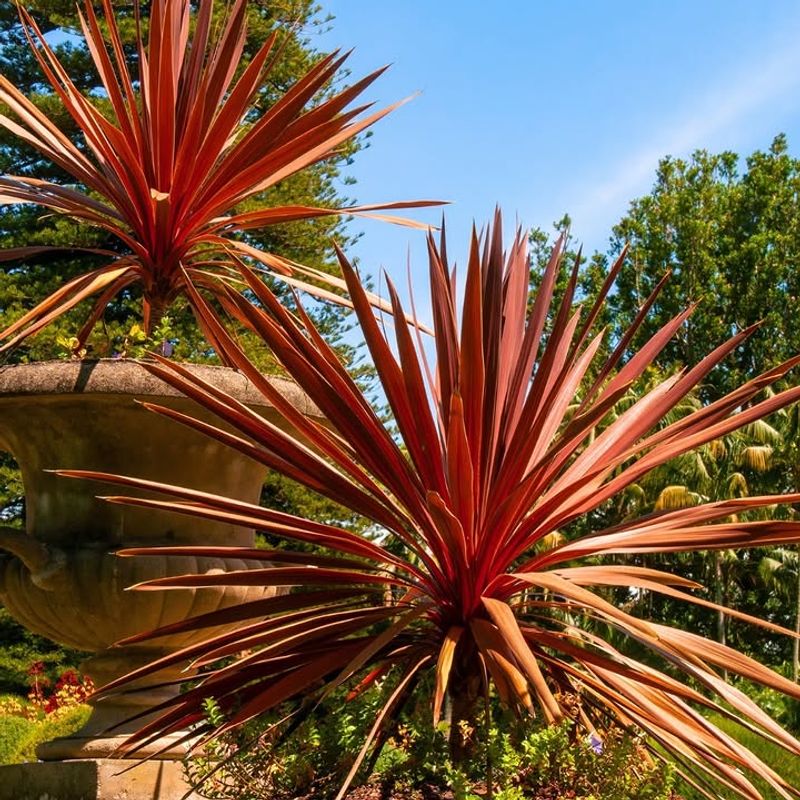
If you want your yard to look like a professional landscaper designed it, Cordyline is your secret weapon. Also called the Ti plant, it features long, sword-like leaves that fan out in shades of red, purple, green, or pink.
The color is so rich and saturated that it looks almost artificial, but it is completely real.
Cordyline works beautifully as a focal point in a garden bed or as a container plant on a patio or deck. It pairs well with lighter green plants, creating a contrast that looks intentional and polished.
Many California homeowners use it to add year-round color without needing to replant each season.
It grows well in full sun to partial shade, making it versatile for different spots around your property. Water it moderately and make sure the soil drains well.
It is fairly drought-tolerant once established, which is a big deal in a state where water conservation matters. Coastal areas of California are especially great for Cordyline because it enjoys mild temperatures and some humidity.
Trim off any browning leaf tips to keep it looking sharp and well-maintained all year long.
4. New Zealand Flax
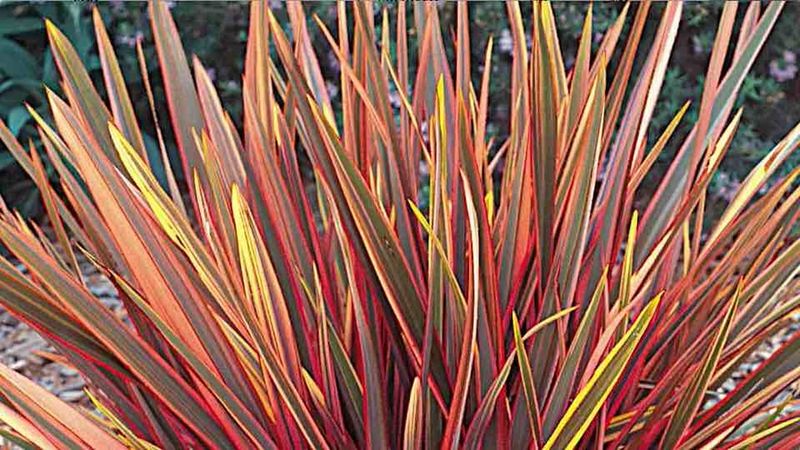
There is something almost sculptural about New Zealand Flax. Its long, arching strap-like leaves shoot upward and then gracefully curve outward, creating a silhouette that looks like it was designed by an architect.
Available in colors ranging from green to bronze, burgundy, and even striped varieties, it adds serious visual interest to any California landscape.
This plant is a go-to choice for modern and contemporary home styles, but it works just as well in more traditional settings. Use it as a standalone statement piece in a large pot or plant several together to create a dramatic border along a walkway or driveway.
One of the best things about New Zealand Flax is how tough it is. Once established in California soil, it handles drought, wind, and even coastal salt air with ease.
That makes it a smart investment because you get a high-impact look without constant maintenance. Water it occasionally during dry spells, but do not overdo it.
Too much water can actually cause more problems than too little. Trim out any damaged leaves at the base to keep the plant looking clean and intentional.
It is a low-effort, high-reward addition to any California home.
5. Banana Plant
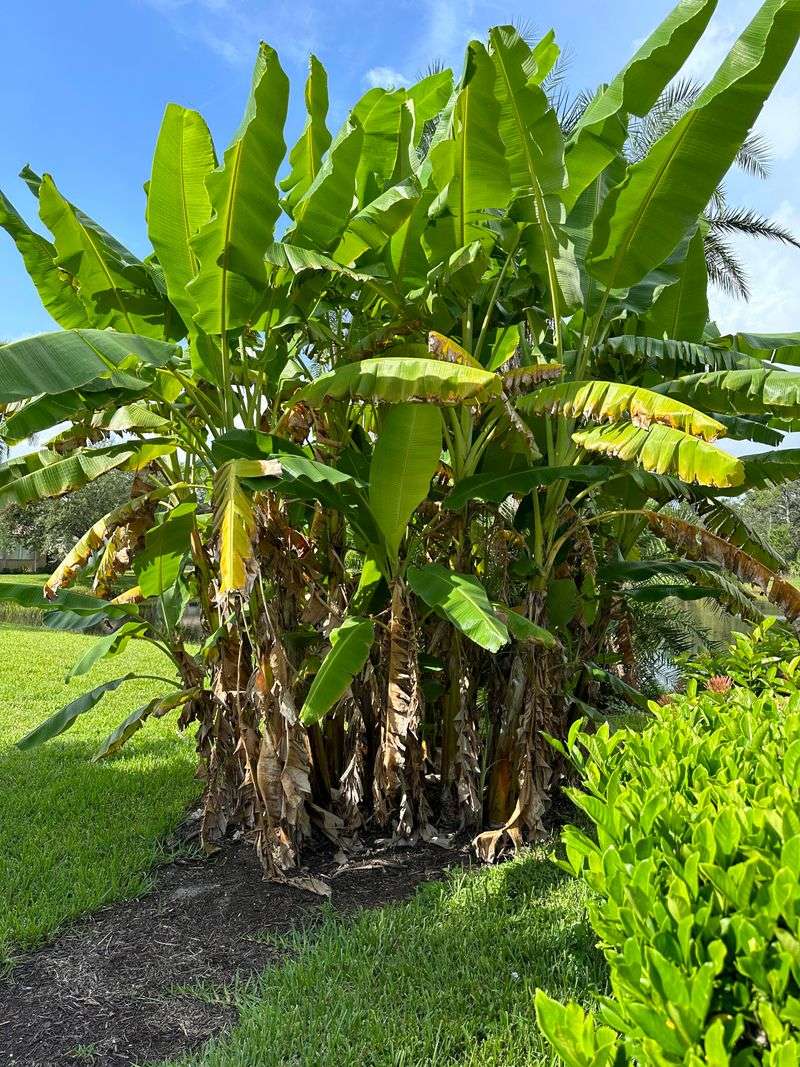
Nothing says tropical paradise quite like a Banana plant. Those enormous, wide green leaves create instant shade and a lush, resort-like atmosphere that makes your backyard feel like a private getaway.
In California, where the climate is warm and sunny for much of the year, Banana plants thrive and grow fast.
You do not need a huge yard to enjoy one. Dwarf varieties stay compact and work well in large containers on patios or balconies.
Larger varieties can become impressive focal points in garden beds, growing tall enough to peek over fences and impress neighbors walking by.
Plant your Banana in a spot that gets full sun and is sheltered from strong winds, since those big leaves can tear easily. Water it generously, especially during hot California summers.
A thick layer of mulch around the base helps retain soil moisture and keeps the roots cool. Feed it monthly during the growing season with a high-potassium fertilizer to encourage strong growth.
In colder parts of Northern California, protect the roots with extra mulch during winter months. With the right care, a Banana plant transforms an ordinary yard into something that looks genuinely exotic and effortlessly stylish.
6. Elephant Ear
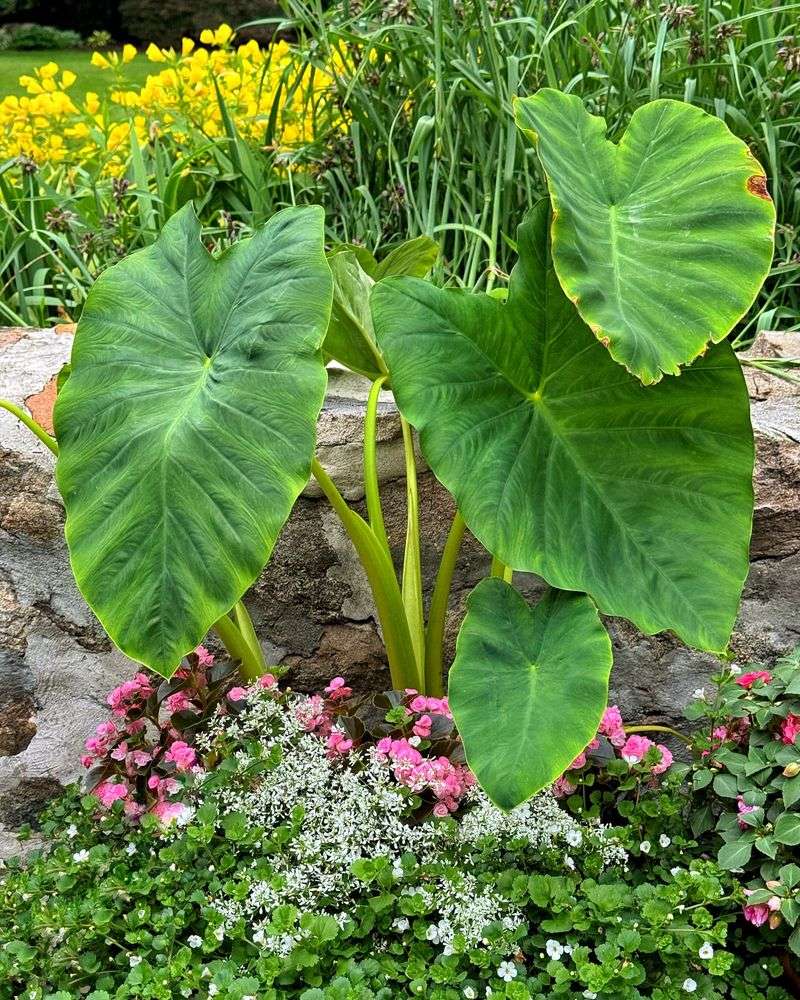
Oversized, dramatic, and undeniably eye-catching, Elephant Ear plants have a way of stopping people in their tracks. Their enormous heart-shaped leaves can grow up to three feet wide, creating a bold tropical statement that feels both wild and luxurious at the same time.
Plant one in a shaded garden corner and watch it become the centerpiece of your entire yard.
California’s warm climate suits Elephant Ears very well, especially in areas like Los Angeles, Sacramento, and the Central Coast. They prefer filtered light or partial shade, which makes them ideal for spots under trees or along the shadier side of a house.
Pair them with lighter-colored plants to make those big leaves pop even more.
Keep the soil consistently moist because Elephant Ears love water. They are thirsty plants, especially during summer heat waves.
Use a rich, well-draining potting mix if growing in containers, and fertilize every two weeks during the growing season. Wipe the leaves occasionally with a damp cloth to remove dust and keep them looking glossy and fresh.
That small step makes a surprisingly big difference in how polished and high-end your outdoor space looks to visitors and passersby.
7. Hibiscus
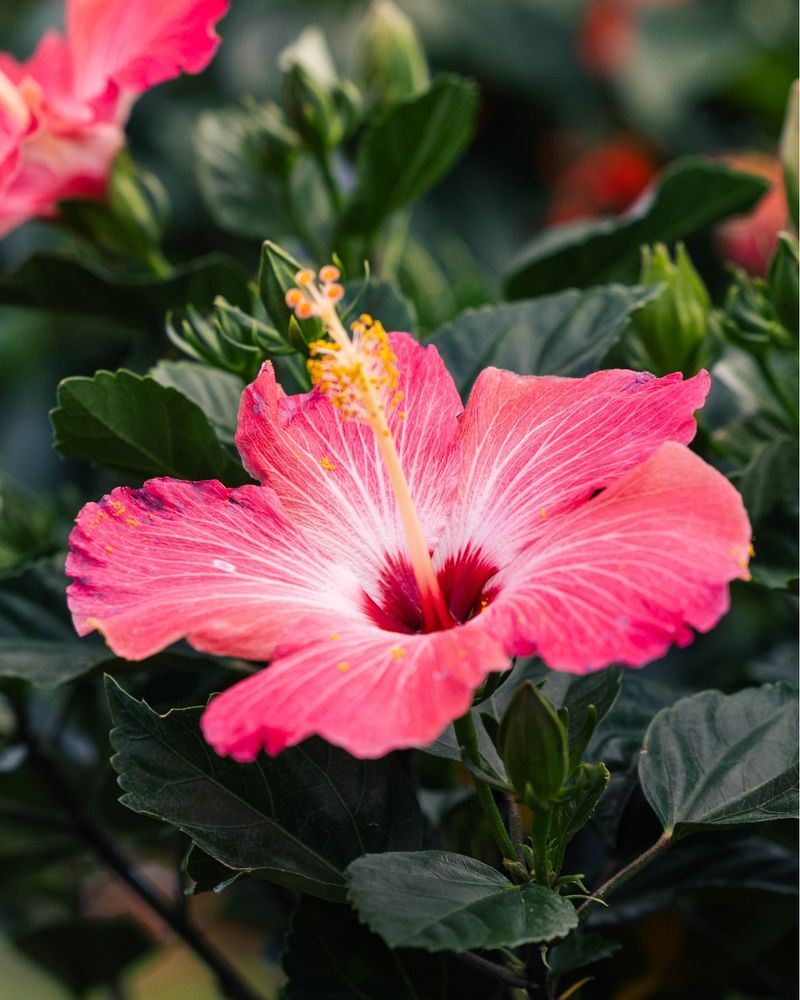
Walk past a yard with a blooming Hibiscus and it is almost impossible not to stop and stare. The flowers are massive, colorful, and almost theatrical in how boldly they show off.
In California, where sunshine is practically a year-round guarantee, Hibiscus plants bloom generously and make any property look warm, welcoming, and well-tended.
Tropical Hibiscus varieties come in stunning shades of red, coral, yellow, pink, and white. Some flowers even feature two or three colors blended together.
Plant them along a sunny fence, near a front walkway, or in large decorative pots flanking your front door for a seriously impressive entrance.
Hibiscus loves heat and full sun, so place it where it gets at least six hours of direct sunlight daily. Water it regularly and fertilize every few weeks during the blooming season with a fertilizer high in potassium and phosphorus.
Avoid high-nitrogen fertilizers, which encourage leafy growth instead of flowers. In cooler parts of California, bring container-grown Hibiscus indoors during cold snaps.
Prune lightly after each blooming cycle to encourage fresh new growth and more blooms. With consistent care, this plant rewards you with a near-constant show of color that looks anything but ordinary.
8. Philodendron
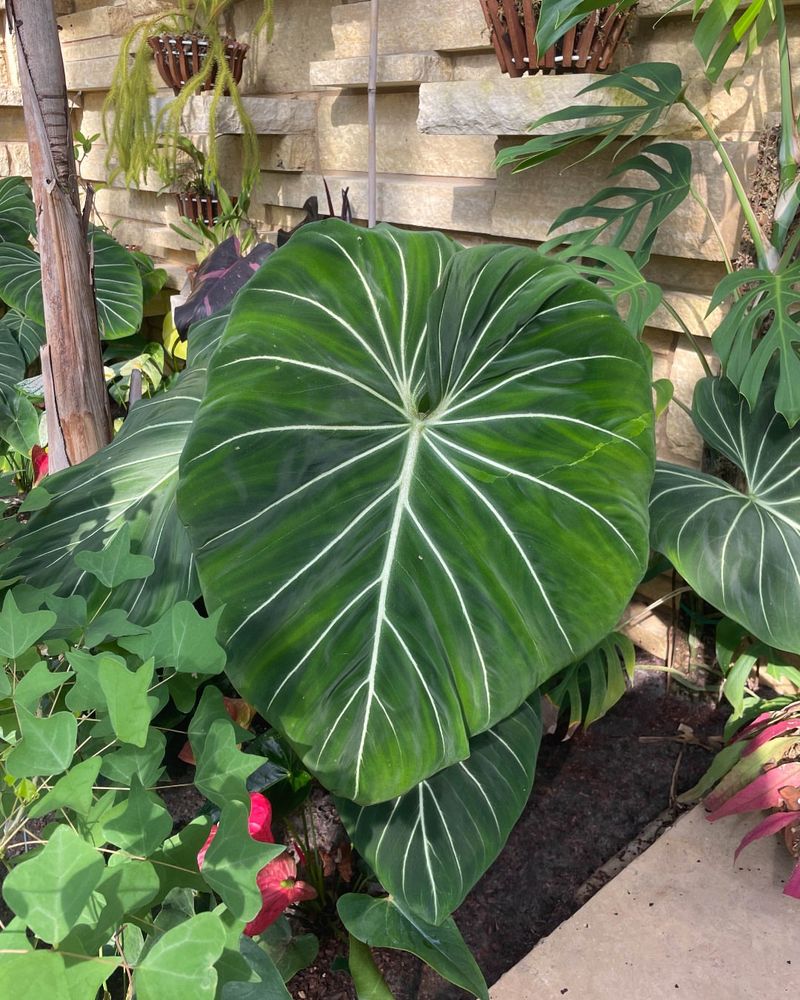
Some plants just have a natural ability to make a room look more curated and expensive, and Philodendron is absolutely one of them. With its glossy, deep green leaves and easygoing personality, it brings a rich, layered look to any indoor space.
Interior designers across California have been using it for years to add life and warmth to modern and minimalist homes.
There are dozens of Philodendron varieties to choose from. The classic heartleaf type trails beautifully from shelves or hanging baskets.
The split-leaf variety grows large and architectural, perfect for filling an empty corner in a living room or entryway. Either way, it instantly elevates the space around it.
Philodendrons are wonderfully forgiving plants, which makes them a great choice even if you do not have a green thumb. They tolerate low light but grow faster and look lusher in bright, indirect light.
Water when the top inch of soil feels dry, and avoid letting them sit in standing water. Wipe the leaves with a damp cloth every couple of weeks to keep them shiny and vibrant.
In California’s dry air, a light misting now and then helps the plant stay hydrated and looking its absolute best.
9. King Sago
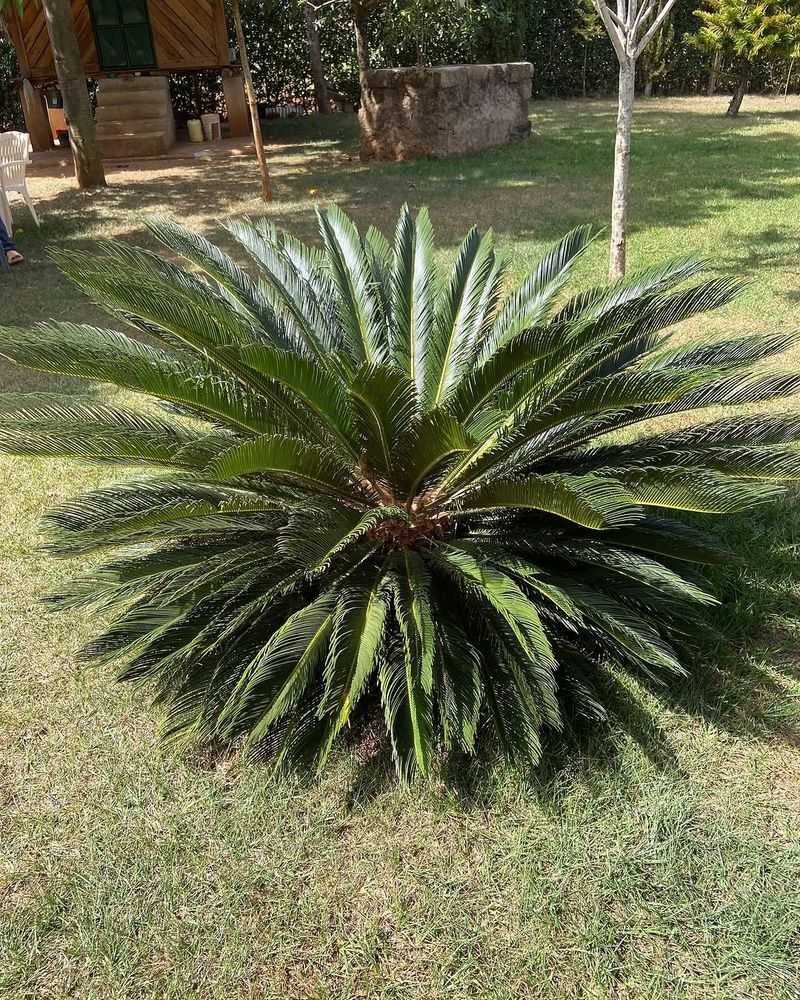
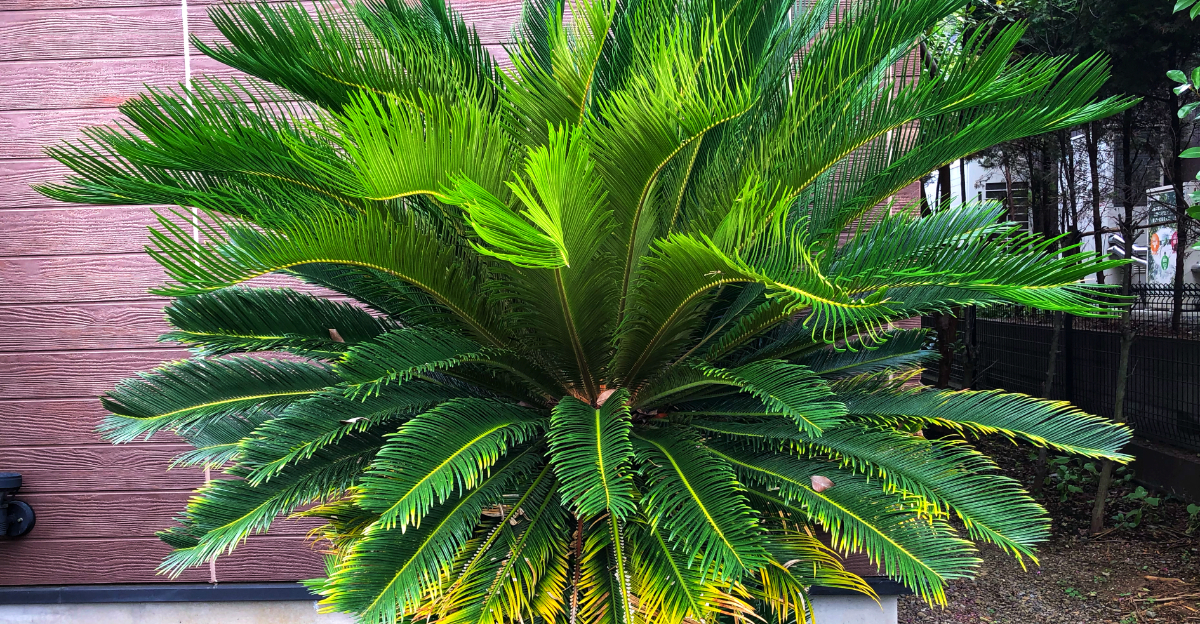
Ancient, stately, and undeniably elegant, the King Sago Palm is one of those plants that looks like it belongs in a botanical garden or a luxury hotel courtyard.
Its perfectly symmetrical, dark green feathery fronds radiate outward from a thick central trunk, creating a formal and polished look that instantly upgrades any California landscape.
Despite its palm-like appearance, the King Sago is actually a cycad, one of the oldest plant families on Earth. It has been around since the age of dinosaurs, which makes it a fascinating conversation piece in addition to being beautiful.
Slow-growing and long-lived, it is a true investment in your home’s curb appeal.
Plant it in full sun or partial shade in well-draining soil. Once established, it is highly drought-tolerant, making it an excellent choice for water-conscious California homeowners.
Water deeply but infrequently, allowing the soil to dry out between sessions. Feed it with a palm-specific fertilizer three times a year to keep the fronds a rich, vibrant green.
Remove old or yellowing fronds at the base to maintain its clean, sculptural shape. In cities like Pasadena, Santa Barbara, and San Jose, King Sago Palms are a classic landscaping staple for good reason.