Make Your North Carolina Garden Buzz With Bees Using These 11 Beautiful Flowers
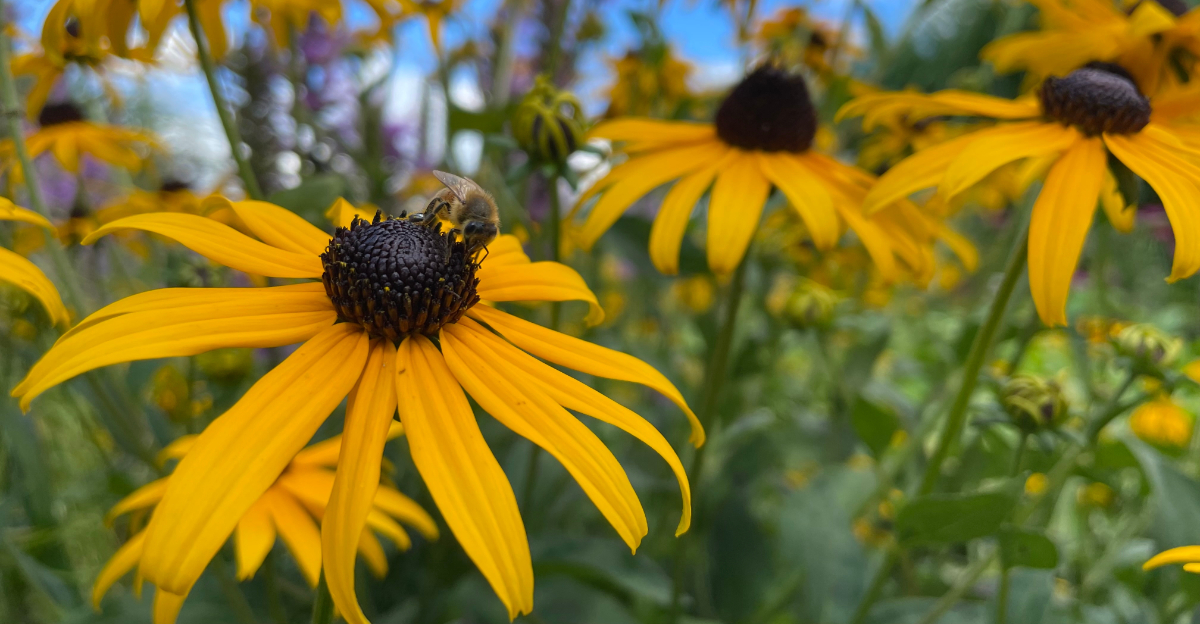
A garden alive with gentle buzzing and bright blossoms feels fuller, healthier, and wonderfully connected to nature.
In North Carolina, creating a bee friendly landscape is one of the most rewarding ways to support local ecosystems while enjoying a steady display of color throughout the growing season.
Bees play an essential role in pollinating fruits, vegetables, and ornamental plants across the state, making them vital partners in every thriving garden.
By selecting flowers rich in nectar and pollen, you provide reliable food sources that encourage these important pollinators to visit often and stay longer.
North Carolina’s climate supports a wide range of resilient blooms that flourish in both sunny beds and mixed borders, adding beauty while strengthening your garden’s natural balance.
With thoughtful planting choices, your outdoor space can become a lively sanctuary filled with movement and color. These standout flowers will help turn your North Carolina garden into a flourishing haven for bees all season long.
1. Purple Coneflower Adds Color And Nectar For Pollinators
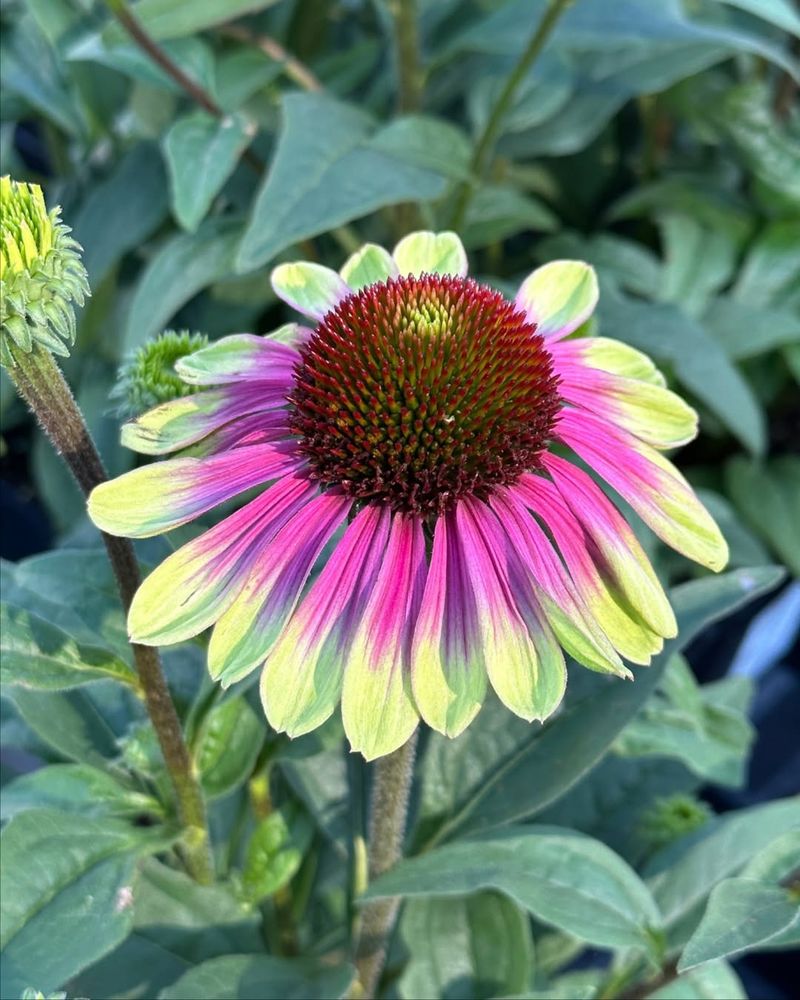
Purple coneflower stands as one of the most reliable perennials for North Carolina gardens. Echinacea purpurea produces stunning flowers with distinctive raised centers that bees find irresistible.
The open flower structure allows easy access to both nectar and pollen throughout the blooming season.
This native perennial adapts beautifully to various soil conditions and tolerates both heat and drought. Plants typically reach two to four feet tall and spread gradually to form attractive clumps.
The flowers bloom from early summer through fall, providing consistent resources for hungry pollinators.
Bees particularly appreciate the accessible landing platform that purple coneflower provides. The prominent central cone contains abundant pollen while nectar glands around the base feed visiting insects.
Native bees, honeybees, and bumblebees all visit these flowers regularly throughout the day.
Purple coneflower requires minimal maintenance once established in your garden. Plant them in full sun with well-drained soil for best results.
The flowers also attract butterflies and provide seeds for birds during winter months, making them valuable beyond their bee-friendly qualities.
Gardeners can choose from various cultivars, though straight species plants offer the most value to pollinators. Space plants eighteen to twenty-four inches apart and water regularly during the first growing season.
Deadheading spent blooms encourages additional flowering and extends the nectar availability for bees visiting your garden.
2. Black Eyed Susan Brings Reliable Summer Blooms For Bees
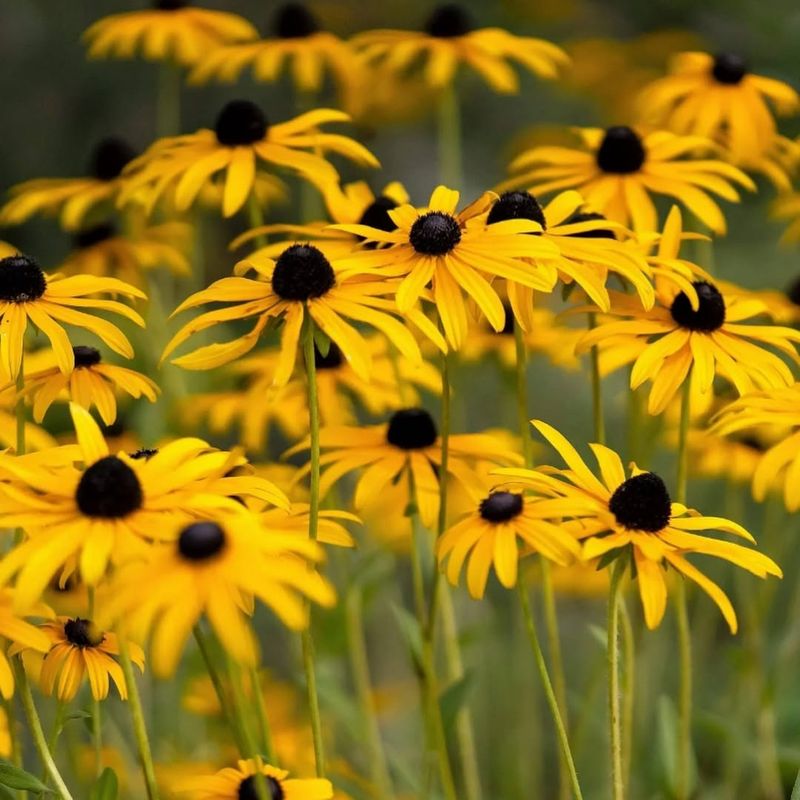
Rudbeckia species bring cheerful golden blooms to gardens throughout the warmest months. Black-eyed Susans produce bright yellow petals surrounding dark chocolate centers that serve as pollen-rich landing pads.
Native bees find these flowers particularly attractive during peak summer when other nectar sources may dwindle.
These hardy perennials handle North Carolina’s heat and humidity with remarkable ease. Plants grow between one and three feet tall depending on the variety.
The flowers appear in abundance from June through September, creating extended foraging opportunities for various bee species.
Native bees especially benefit from the generous pollen supplies that black-eyed Susans offer. Small native bees often cover themselves completely in yellow pollen while gathering resources.
The flower structure supports multiple bees feeding simultaneously, making them efficient pollinator plants for busy gardens.
Black-eyed Susans thrive in full sun locations with average to dry soil conditions. They tolerate poor soil better than many garden flowers and rarely require fertilization.
These tough plants also resist most pests and diseases, making them perfect for low-maintenance pollinator gardens.
Establishing black-eyed Susans proves remarkably simple for beginning gardeners. Plant them in spring or fall and water moderately until roots establish.
The plants self-seed readily, creating natural drifts that expand your pollinator habitat over time without additional effort or expense.
3. Bee Balm Naturally Attracts Native Pollinators
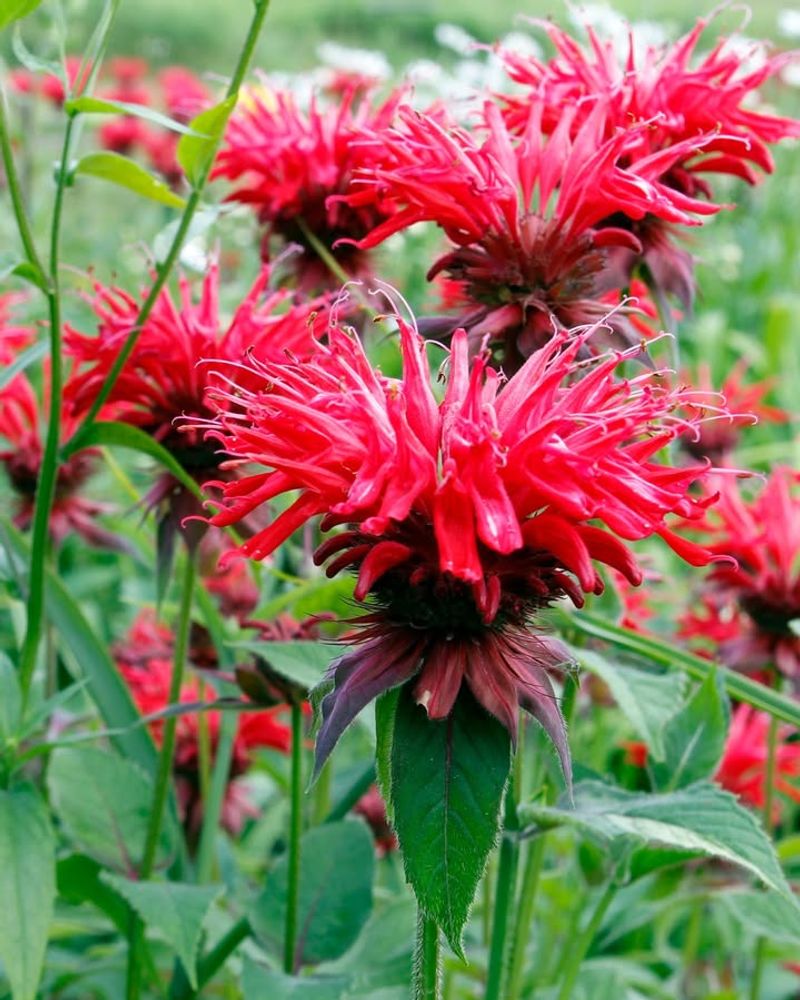
Monarda species live up to their common name by drawing bees from across your neighborhood. Bee balm produces spectacular tubular flowers in shades of red, pink, purple, and white.
The nectar-rich blooms cluster at stem tops, creating colorful displays that pollinators spot from considerable distances.
These aromatic perennials belong to the mint family and release pleasant fragrances when brushed. Plants typically grow two to four feet tall with square stems characteristic of mint relatives.
Bee balm flowers appear in mid to late summer when many spring bloomers have finished.
Bumblebees particularly favor bee balm flowers because their long tongues reach nectar hidden deep within tubular petals. Smaller native bees also visit regularly, along with honeybees seeking both nectar and pollen.
The extended bloom period provides reliable food sources during critical summer months.
Bee balm prefers moist, well-drained soil and tolerates partial shade better than many pollinator plants. Good air circulation helps prevent powdery mildew, a common issue in humid climates.
Choosing mildew-resistant varieties ensures healthier plants and more consistent blooms for visiting bees.
Dividing bee balm clumps every three years maintains plant vigor and flower production. Deadheading encourages additional blooming, though leaving some spent flowers provides seeds for goldfinches.
The combination of pollinator support and wildlife value makes bee balm an excellent choice for ecological gardens throughout North Carolina.
4. Blanket Flower Thrives In Sunny Southern Gardens
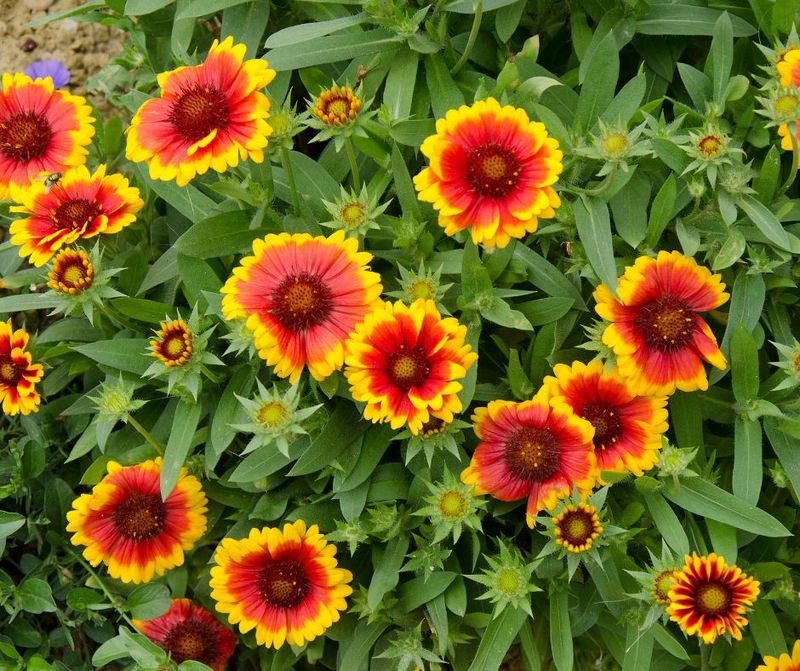
Gaillardia species bring fiery colors that withstand the hottest summer conditions. Blanket flowers display vibrant red and yellow petals that create stunning warm-toned displays.
These tough perennials handle heat, humidity, and drought better than most flowering plants, making them ideal for challenging southern gardens.
The daisy-like flowers bloom continuously from late spring through the first frost. Each bloom provides accessible nectar and pollen for various bee species.
The open flower structure allows easy landing and foraging, which bees appreciate during energy-intensive summer months.
Native bees and honeybees visit blanket flowers throughout daylight hours seeking nutrition. The flowers produce generous amounts of pollen that bees pack into leg baskets.
Multiple bees often work individual flowers simultaneously, demonstrating the plant’s excellent pollinator value.
Blanket flowers demand full sun and excellent drainage to perform their best. Sandy or rocky soils suit them perfectly, making them excellent choices for challenging garden spots.
These low-maintenance perennials rarely require fertilization and actually bloom more profusely in lean soils.
Deadheading spent blooms extends the flowering season and keeps plants looking tidy. However, blanket flowers naturally rebloom without this attention, making them perfect for busy gardeners.
The plants typically reach twelve to eighteen inches tall and spread to form colorful groundcovers that suppress weeds while feeding bees all summer long.
5. Coreopsis Provides Long Lasting Bloom Periods
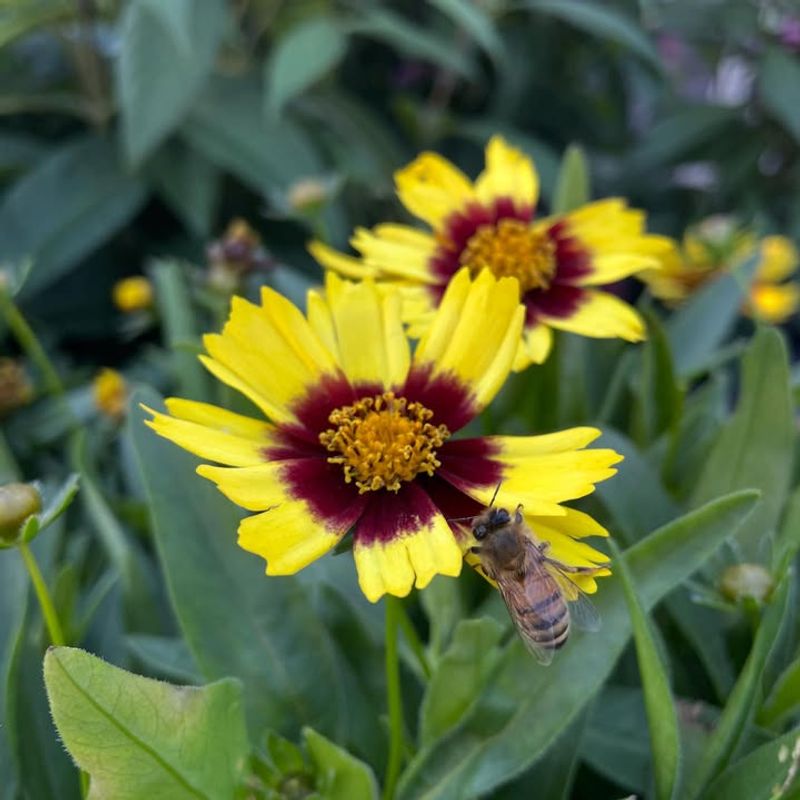
Native coreopsis species earned the nickname tickseed for their small, seed-like fruits. These cheerful perennials produce masses of golden yellow flowers that brighten gardens for months.
North Carolina gardeners benefit from several native species that naturally thrive in local conditions while supporting regional bee populations.
The extended blooming period sets coreopsis apart from many other pollinator plants. Flowers appear in late spring and continue through summer with proper care.
This lengthy season provides consistent nectar and pollen when bees need reliable food sources most.
Small native bees particularly appreciate the accessible flower structure that coreopsis offers. The open blooms allow easy access to pollen and nectar without requiring specialized body structures.
Multiple bee species visit coreopsis throughout the day, making them valuable additions to diverse pollinator gardens.
Coreopsis adapts to various soil types but prefers well-drained locations in full sun. These tough natives tolerate drought once established and rarely suffer from pest problems.
The low-maintenance nature makes them perfect for gardeners seeking maximum pollinator benefit with minimal effort.
Shearing plants back by one-third after the first flush of blooms encourages additional flowering. This simple maintenance step extends the nectar availability for bees well into fall.
Coreopsis also self-seeds moderately, gradually expanding your pollinator habitat naturally while providing food for seed-eating birds during winter months.
6. Salvia Offers Nectar Rich Tubular Flowers
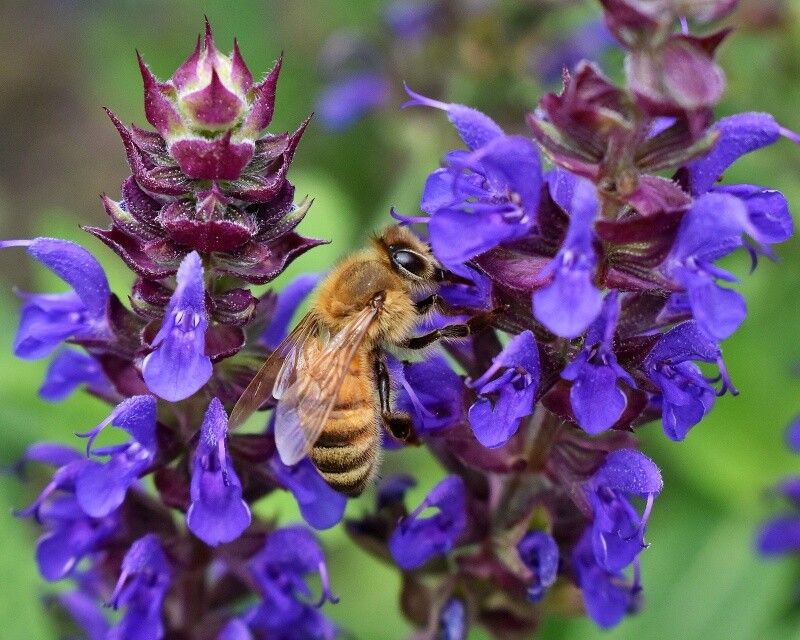
Hardy salvia varieties bring vertical interest and abundant nectar to North Carolina gardens. These members of the mint family produce tall flower spikes covered with tubular blooms.
The flower structure perfectly suits bees with longer tongues, though many species find ways to access the generous nectar supplies.
Salvias bloom for extended periods when grown in suitable conditions. Many varieties flower from late spring through fall with occasional deadheading.
The continuous bloom cycle provides reliable nutrition for bee populations throughout their most active seasons.
Bumblebees especially love salvias because their robust bodies and long tongues access nectar efficiently. Carpenter bees also visit frequently, sometimes creating holes at flower bases to reach nectar.
Even smaller bees find ways to benefit from these nectar-rich plants, demonstrating their value across pollinator communities.
Most hardy salvias prefer full sun and well-drained soil to prevent root rot. They tolerate heat admirably once established and require only moderate watering.
Choosing varieties suited to your specific growing zone ensures reliable performance and consistent blooms for visiting bees.
Pruning salvias lightly after initial flowering encourages fresh growth and additional bloom spikes. The plants typically reach two to four feet tall depending on variety.
Their vertical growth habit makes them excellent background plants that provide nectar without consuming excessive garden space, allowing room for additional pollinator-friendly species in mixed borders.
7. Goldenrod Supports Late Season Bee Activity
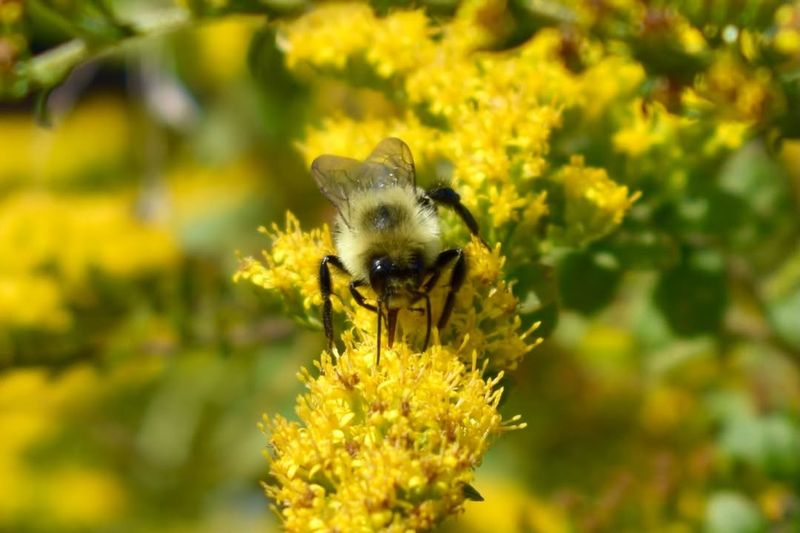
Solidago species bloom when many other flowers have finished for the season. Goldenrod produces bright yellow flower clusters that appear in late summer and continue through fall.
This timing proves critical for bees preparing for winter or completing their life cycles before cold weather arrives.
The abundant flowers provide both nectar and pollen in generous quantities. Each plant produces numerous flower clusters that support multiple bee species simultaneously.
Native bees, honeybees, and bumblebees all rely heavily on goldenrod during the crucial autumn months.
Goldenrod suffers from an undeserved reputation for causing allergies, though ragweed actually causes those problems. The bright yellow flowers attract attention during their bloom period, while ragweed’s inconspicuous green flowers release wind-borne pollen.
Goldenrod’s heavy, sticky pollen travels via insects rather than wind, making it harmless to allergy sufferers.
These tough native perennials adapt to various soil conditions and moisture levels. Most species prefer full sun but tolerate light shade reasonably well.
Goldenrod spreads gradually through rhizomes, creating natural colonies that increase pollinator habitat over time.
Allowing goldenrod to naturalize in less formal garden areas provides maximum benefit to bees. The plants require virtually no maintenance once established and handle competition from other species well.
Their late-season blooms fill a critical gap in the pollinator calendar, supporting bee populations when few other nectar sources remain available in the landscape.
8. Aster Extends The Pollinator Season Into Fall
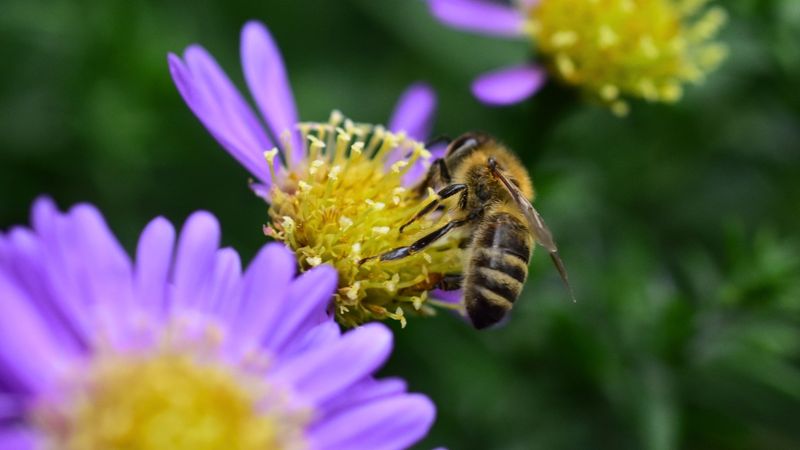
Native asters bloom during cooler months when pollinator food becomes increasingly scarce. These fall-flowering perennials produce daisy-like flowers in shades of purple, pink, blue, and white.
The timing makes asters absolutely essential for bee populations preparing for winter or completing their annual life cycles.
Aster flowers appear in abundance from late summer through the first hard frost. Each plant produces dozens or even hundreds of individual blooms.
The generous flower production supports large numbers of bees when competition for resources intensifies during autumn.
Honeybees gather nectar and pollen from asters to build winter food stores. Native bees also depend heavily on these late-season blooms to complete their reproductive cycles.
The combination of nectar and pollen in accessible flowers makes asters invaluable in comprehensive pollinator gardens.
Most native asters prefer full sun to light shade with moderate moisture. They tolerate a range of soil conditions and rarely require supplemental fertilization.
Choosing species native to your region ensures the best performance and strongest ecological connections with local bee populations.
Asters benefit from pinching back in early summer to encourage bushier growth and more flowers. This simple maintenance step prevents plants from becoming too tall and floppy.
The resulting compact plants produce even more blooms, maximizing the food available for bees during the critical autumn period when every nectar source matters for survival.
9. Lavender Adds Fragrance And Pollinator Value
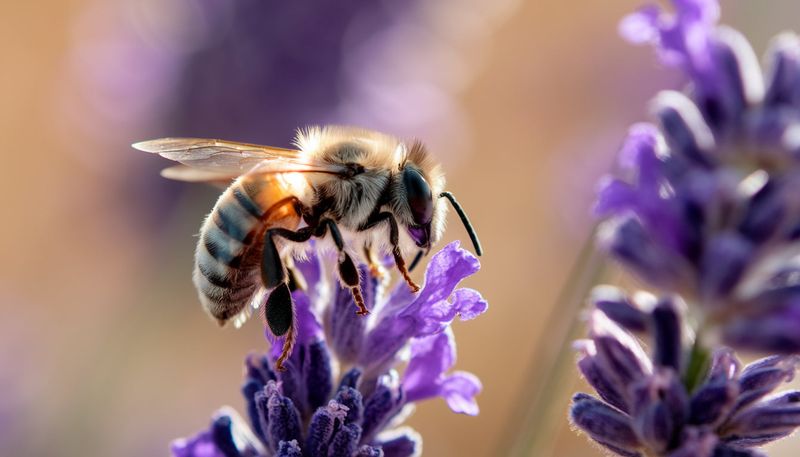
Lavender brings Mediterranean charm to gardens with proper drainage and full sun exposure. The fragrant purple flower spikes attract bees from remarkable distances.
While lavender originates from drier climates, selecting appropriate varieties and providing excellent drainage allows successful cultivation in parts of North Carolina.
The tubular flowers contain nectar that bees eagerly seek throughout the blooming period. Lavender typically flowers in late spring and early summer with potential for repeat blooming.
The aromatic oils that make lavender popular for human use also help bees locate flowers efficiently.
Honeybees particularly favor lavender and produce distinctive honey from its nectar. Bumblebees and some native bee species also visit regularly when lavender grows nearby.
The flowers provide both nectar and pollen, though bees primarily seek the sweet nectar hidden within the blooms.
Success with lavender in North Carolina requires attention to drainage and site selection. Raised beds or slopes work better than flat areas where water might accumulate.
Sandy or amended soils prevent the root rot that humid climates can cause in poorly drained locations.
English lavender varieties generally perform better in North Carolina than French or Spanish types. Pruning plants lightly after flowering maintains compact shape and encourages additional blooms.
While lavender demands more specific conditions than many pollinator plants, the combination of beauty, fragrance, and bee value rewards gardeners willing to meet its cultural requirements.
10. Zinnias Provide Easy Summer Color And Nectar
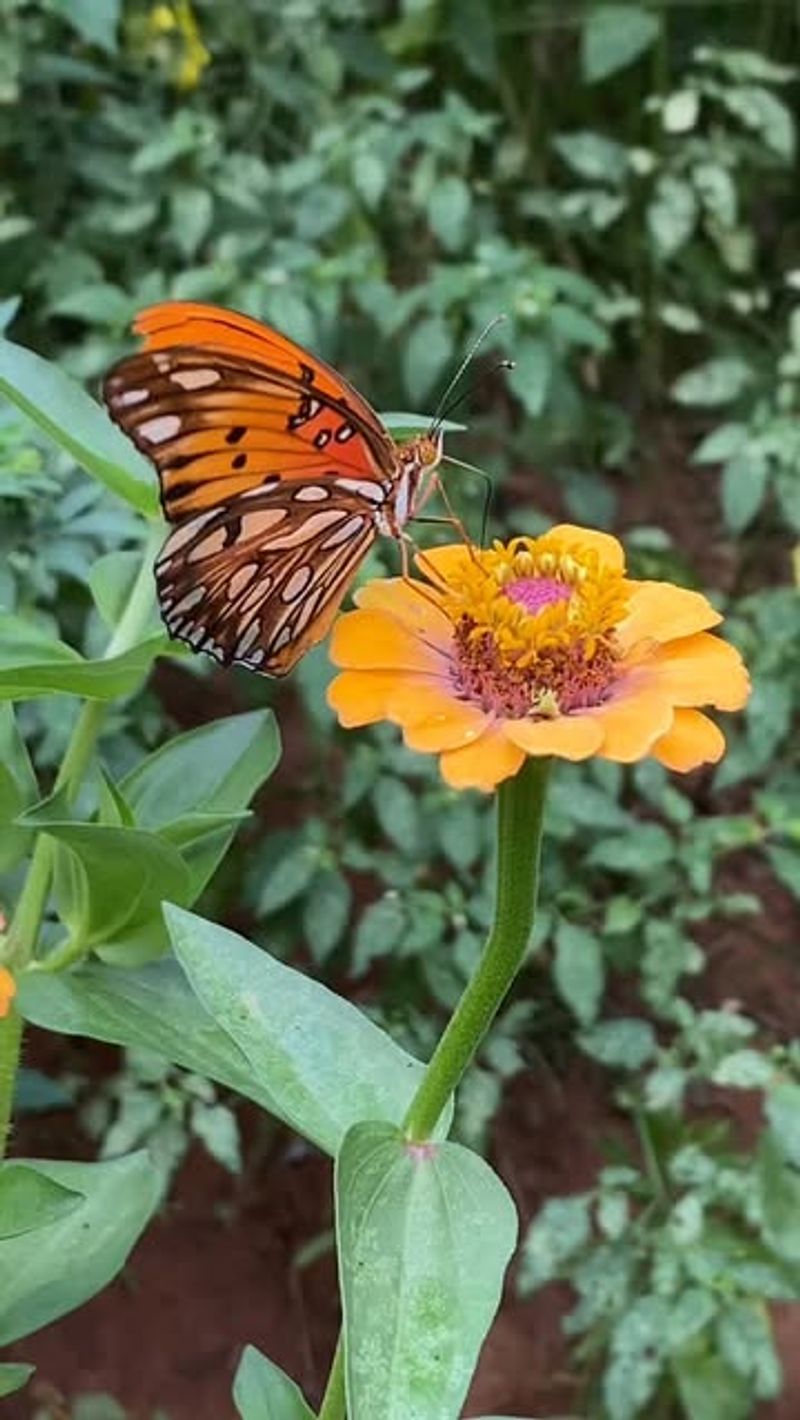
Zinnias rank among the easiest annual flowers for beginning gardeners to grow successfully. These warm-weather annuals produce vibrant blooms in nearly every color except blue.
The flowers appear continuously from early summer until frost, providing consistent nectar for bees throughout the growing season.
The open flower structure allows easy access for various bee species. Single-flowered zinnia varieties offer the most value to pollinators compared to heavily doubled forms.
Bees visit zinnias throughout sunny days, gathering both nectar and pollen from the accessible blooms.
Native bees, honeybees, and bumblebees all appreciate zinnias in summer gardens. The flowers produce moderate amounts of nectar that supplements other food sources during hot months.
While not native plants, zinnias provide valuable supplemental nutrition in pollinator-friendly landscapes.
Zinnias require full sun and warm soil to germinate and grow successfully. Direct seeding after the last frost produces sturdy plants that bloom quickly.
These heat-loving annuals thrive in North Carolina’s summer conditions and tolerate drought reasonably well once established.
Deadheading spent blooms encourages continuous flower production throughout the season. However, zinnias bloom so prolifically that this maintenance remains optional for busy gardeners.
The plants naturally branch and produce new flowers without intervention, making them perfect low-maintenance additions that provide summer-long color while supporting bee populations with accessible nectar during the hottest months.
11. Sunflowers Offer Pollen And Structural Support For Bees
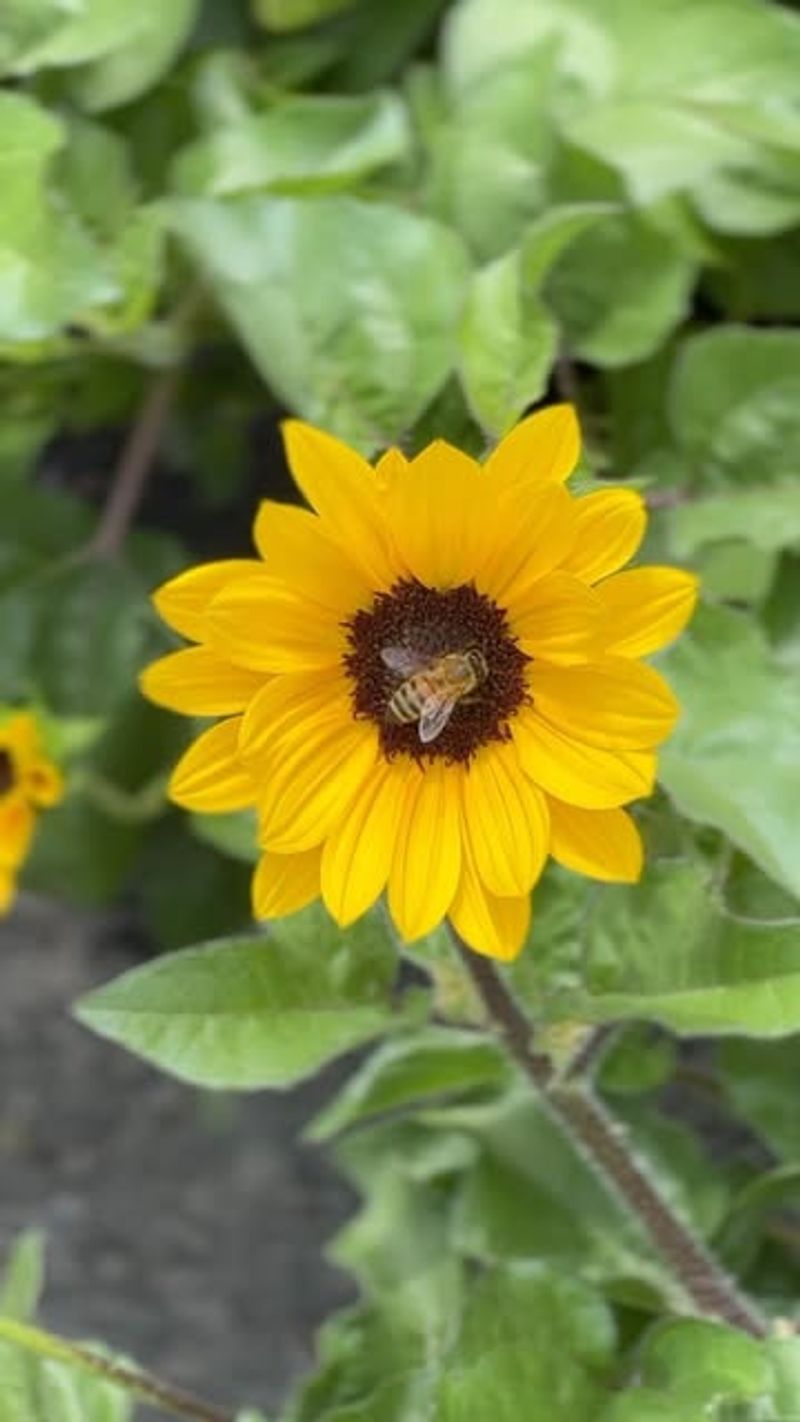
Sunflowers create dramatic vertical accents while providing exceptional resources for bee populations. These iconic summer flowers produce large blooms with prominent central disks packed with pollen.
The flower structure offers stable landing platforms where multiple bees can forage simultaneously without interference.
Peak blooming occurs during mid to late summer when sunflowers reach their full height. Each flower head contains hundreds of tiny individual flowers that produce generous pollen supplies.
Bees become completely covered in yellow pollen while walking across the disk, making sunflowers highly efficient pollen sources.
Native bees especially benefit from the abundant pollen that sunflowers provide. Honeybees also visit frequently, gathering pollen to feed developing larvae back in their hives.
The large flower size accommodates even the biggest bumblebees comfortably, making sunflowers universally accessible across bee species.
Sunflowers demand full sun and grow best in fertile, well-drained soil. These vigorous annuals tolerate heat exceptionally well and require minimal care beyond occasional watering.
Planting seeds directly in the garden after frost danger passes produces the strongest, most robust plants.
Taller varieties may require staking in windy locations to prevent toppling. Choosing a mix of heights and bloom times extends the pollen availability throughout summer.
Leaving mature seed heads in place after blooming feeds birds during fall and winter, adding wildlife value beyond the initial bee benefits during peak growing season.