Make Your Ohio Yard Look More Expensive With These Plants
Curb appeal can change everything, and in Ohio, the right plants create instant luxury without a massive budget. Elegant textures, rich colors, and well placed greenery give any yard that polished, high end look people notice the moment they pass by.
Neighbors slow down, guests compliment, and your home starts to feel like it belongs in a magazine spread. No complicated landscaping crews or endless maintenance routines required. Just smart plant choices that thrive in Ohio conditions while adding structure, depth, and timeless style.
These plants bring beauty through every season, making outdoor spaces feel fuller, more refined, and quietly impressive. The right greenery does more than decorate, it elevates your entire home and leaves a lasting impression that feels unmistakably upscale.
1. Boxwood Adds Clean Structure And Timeless Elegance
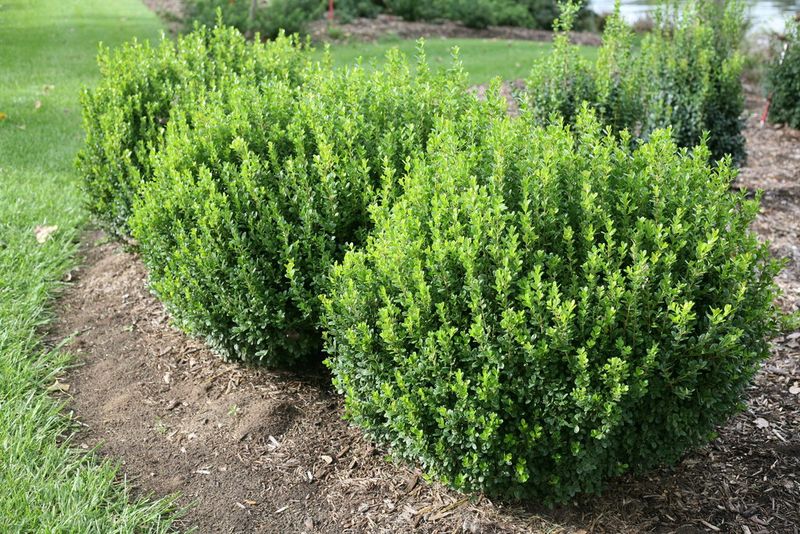
Few plants communicate refined taste quite like boxwood. Its dense evergreen foliage and naturally compact growth habit make it the go-to choice for creating formal hedges, topiaries, and garden borders that look professionally maintained.
Boxwood brings that country club aesthetic right to your front yard without requiring expert-level gardening skills.
In Ohio, boxwood thrives when planted in locations with morning sun and afternoon shade, protecting it from harsh winter winds that can cause leaf burn. The dense branching creates a solid wall of green that defines spaces beautifully, whether you’re lining a walkway or framing a garden bed.
This evergreen keeps its color through all four seasons, providing structure even when everything else has gone dormant.
Choose varieties like ‘Green Velvet’ or ‘Winter Gem’ that handle Ohio’s cold temperatures without bronzing. Plant them in well-draining soil amended with compost, as boxwood dislikes sitting in wet clay.
Space them according to mature size to avoid overcrowding, which can lead to disease issues.
Regular light pruning maintains their shape and encourages dense growth. A spring application of balanced fertilizer keeps foliage rich and healthy looking throughout the growing season, ensuring your boxwood maintains that expensive, manicured appearance year after year.
2. Hydrangeas Bring Big Blooms And Luxury Color
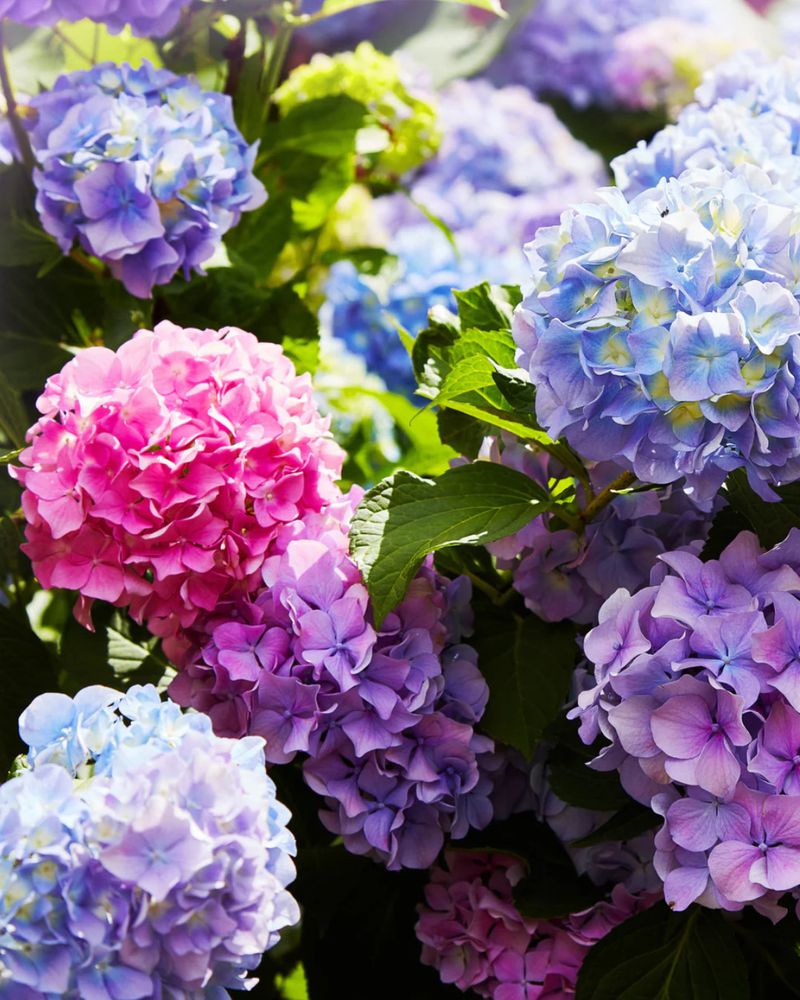
Nothing says luxury quite like massive flower clusters that seem almost too perfect to be real. Hydrangeas deliver exactly that drama, with blooms the size of dinner plates that transform any yard into something magazine-worthy.
Their showy flowers last for weeks during summer, creating focal points that draw the eye and make neighbors stop to admire your landscaping choices.
Ohio gardeners have excellent success with several hydrangea types, particularly the reliable ‘Endless Summer’ series that blooms on both old and new wood. This means you’ll get flowers even after a harsh winter damages some branches.
The big-leaf varieties offer those classic mophead or lacecap blooms in shades of pink, blue, or purple, depending on your soil’s pH level.
Plant hydrangeas where they’ll receive morning sun and afternoon shade, especially during Ohio’s hot July and August days. They need consistent moisture but hate soggy roots, so amending heavy clay soil with organic matter improves drainage significantly.
A thick layer of mulch helps retain moisture and protects roots during winter.
Panicle hydrangeas like ‘Limelight’ offer cone-shaped white blooms that age to pink and tolerate more sun. Their sturdy stems don’t flop over like some varieties, maintaining that polished look throughout the season without requiring staking or special support.
3. Japanese Maple Adds Grace Color And Beauty
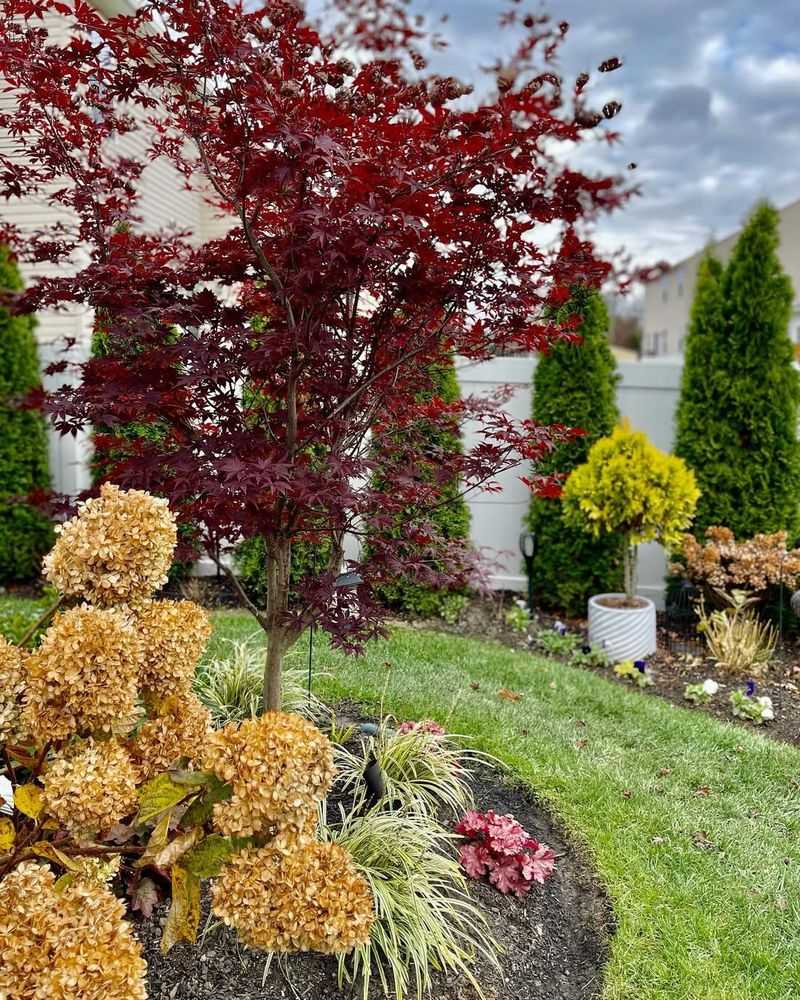
Walking past a well-placed Japanese maple stops people in their tracks. These ornamental trees possess an artistic quality that immediately elevates any landscape from ordinary to extraordinary.
Their delicate, lacy foliage and graceful branching structure create living sculptures that provide interest throughout every season, making them worth every penny of their higher price tag.
Ohio’s climate suits many Japanese maple varieties perfectly, though selecting cold-hardy cultivars ensures success through our winters. Varieties like ‘Bloodgood’ offer deep burgundy leaves that hold their color all summer, while ‘Sango Kaku’ displays coral-red bark that becomes a winter showpiece after leaves drop.
The weeping varieties create dramatic focal points with their cascading branches.
Plant Japanese maples in locations protected from harsh western winds and intense afternoon sun, which can scorch delicate leaves. They prefer slightly acidic, well-draining soil enriched with organic matter.
Morning sun with dappled afternoon shade creates ideal growing conditions, though some varieties tolerate more sun once established.
These trees grow slowly, which actually works in your favor for maintaining their elegant proportions without constant pruning. Apply a spring fertilizer formulated for acid-loving plants and maintain consistent moisture during establishment.
A layer of mulch protects shallow roots and keeps soil temperatures stable through Ohio’s temperature swings.
4. Roses Bring Classic Charm And Upscale Appeal
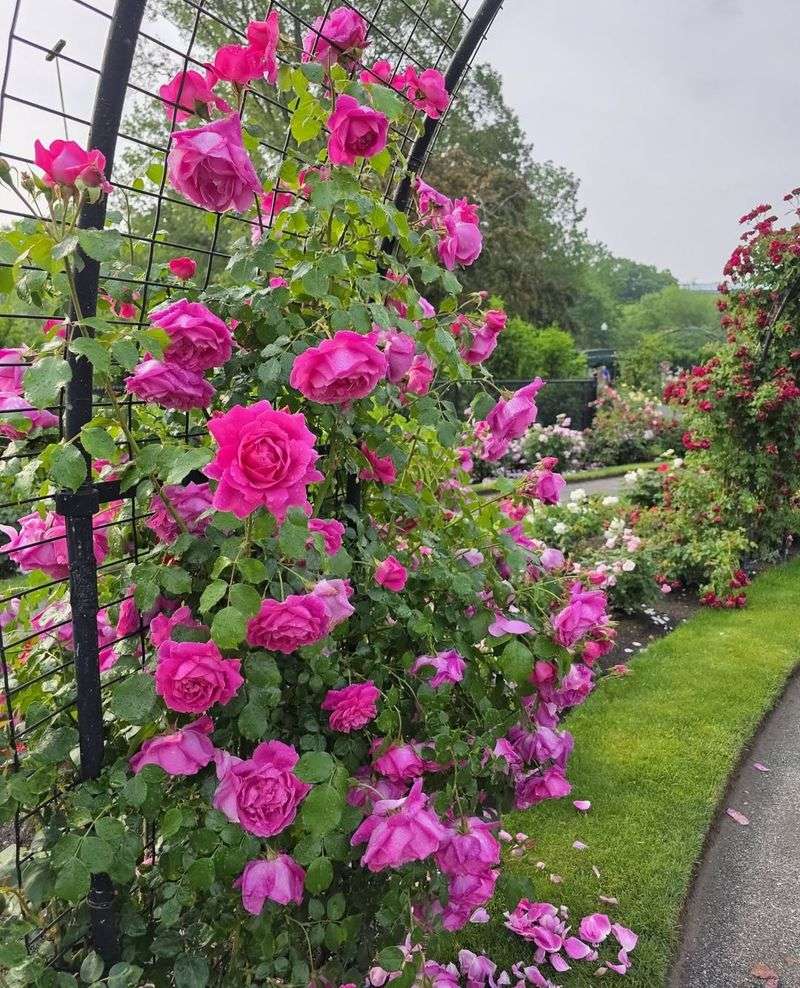
Roses have symbolized elegance and sophistication for centuries, and modern varieties make growing them easier than ever before. A well-tended rose garden communicates that you care about your property and invest time in creating something special.
The range of colors, fragrances, and bloom styles available means you can customize the exact look you want, from romantic cottage garden to sleek contemporary.
Ohio gardeners should focus on disease-resistant varieties that handle humidity without constant fungicide applications. The Knock Out series revolutionized rose growing with their tough, reliable nature and continuous blooms from late spring through fall.
David Austin English roses offer old-fashioned flower forms with improved disease resistance, creating that romantic, expensive garden feel.
Choose a location with at least six hours of direct sunlight and excellent air circulation to minimize disease pressure. Roses need well-draining soil, so if you’re dealing with Ohio’s heavy clay, build raised beds or amend generously with compost.
Space plants properly to allow air movement between them, reducing humidity around foliage.
Regular deadheading encourages continuous blooming and keeps plants looking tidy. Apply a balanced rose fertilizer monthly during the growing season, and water deeply at the base rather than overhead.
Winter protection with mulch mounded around the base helps tender varieties survive Ohio’s coldest months without damage to the graft union.
5. Peonies Deliver Rich Full Spring Blooms
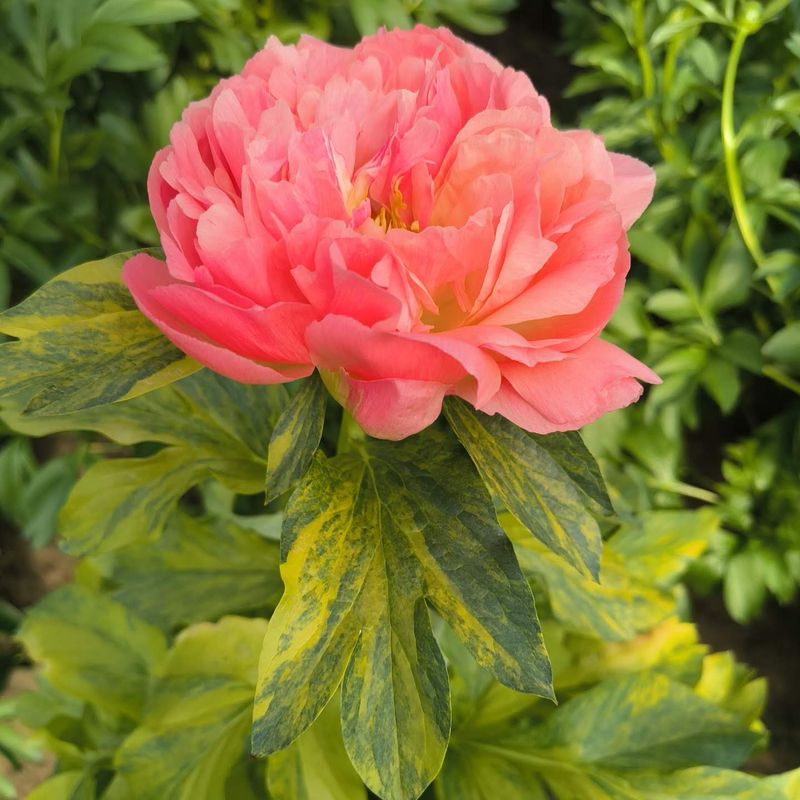
When peonies burst into bloom each spring, they create a moment of pure luxury in the garden. Their massive, often fragrant flowers packed with layers of petals look like something from a high-end floral arrangement, yet they’re remarkably tough perennials that thrive throughout Ohio.
Once established, peonies can bloom reliably for decades, making them one of the best long-term investments for an upscale-looking yard.
These plants perform beautifully in Ohio’s climate, actually requiring our cold winters to produce their spectacular spring show. Herbaceous peonies offer the classic full blooms in shades of pink, white, red, and coral, while tree peonies provide woody stems and even larger flowers with a more exotic appearance.
Intersectional or Itoh peonies combine the best traits of both types.
Plant peony roots in fall with eyes positioned just two inches below the soil surface, as planting too deep prevents blooming. They need full sun and rich, well-draining soil to produce those show-stopping flowers.
Choose a permanent location since peonies dislike being moved once established, and position them where you’ll enjoy their brief but spectacular bloom period.
Support hoops help keep heavy blooms from flopping onto the ground, maintaining that neat, intentional appearance. After blooming, the glossy foliage remains attractive all summer, providing structure in the garden bed.
Cut back foliage in fall after frost to prevent disease carryover to the following season.
6. Lavender Adds Soft Color And Calm Elegance
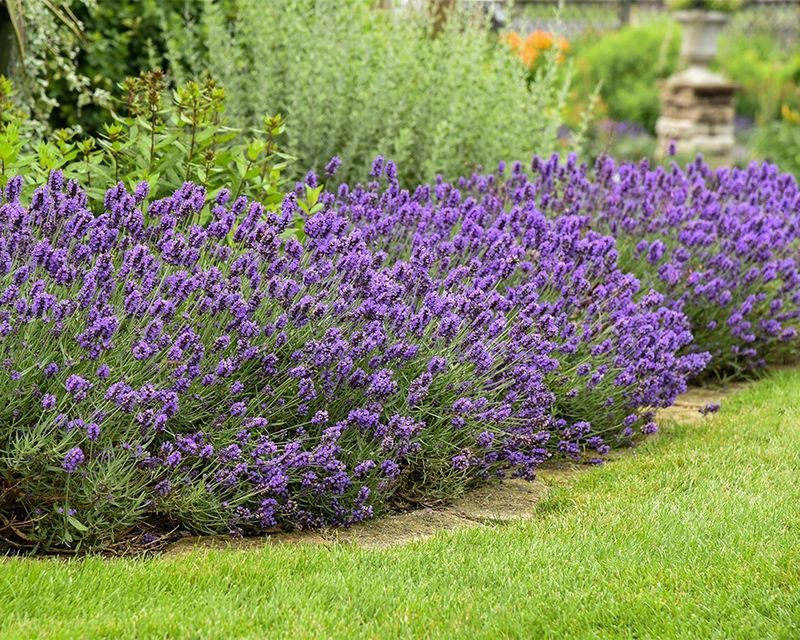
Lavender brings a touch of Mediterranean sophistication to Ohio landscapes with its silvery foliage and fragrant purple flower spikes. The plant’s association with European gardens and upscale spas makes it an instant visual cue for refined taste.
Beyond looks, lavender attracts pollinators and releases its signature scent when brushed against, engaging multiple senses in your landscape design.
Growing lavender successfully in Ohio requires acknowledging our heavier soils and higher humidity compared to its native Mediterranean climate. English lavender varieties like ‘Hidcote’ and ‘Munstead’ offer the best cold hardiness for our winters.
Phenomenal lavender was specifically bred to handle humidity and temperature extremes, making it an excellent choice for Ohio conditions.
The absolute key to lavender success here is excellent drainage. Plant in raised beds, slopes, or heavily amended soil that allows water to drain quickly.
Lavender despises wet feet, especially during winter when soggy soil leads to root issues. Full sun exposure is non-negotiable for compact growth and abundant flowering.
Avoid over-fertilizing, as lavender prefers lean soil conditions that concentrate its aromatic oils. Prune plants back by one-third after flowering to maintain compact, tidy shapes rather than letting them become woody and sparse.
In areas with harsh winters, plant in spring rather than fall to give roots time to establish before facing cold stress.
7. Hostas Create Lush Texture In Shade
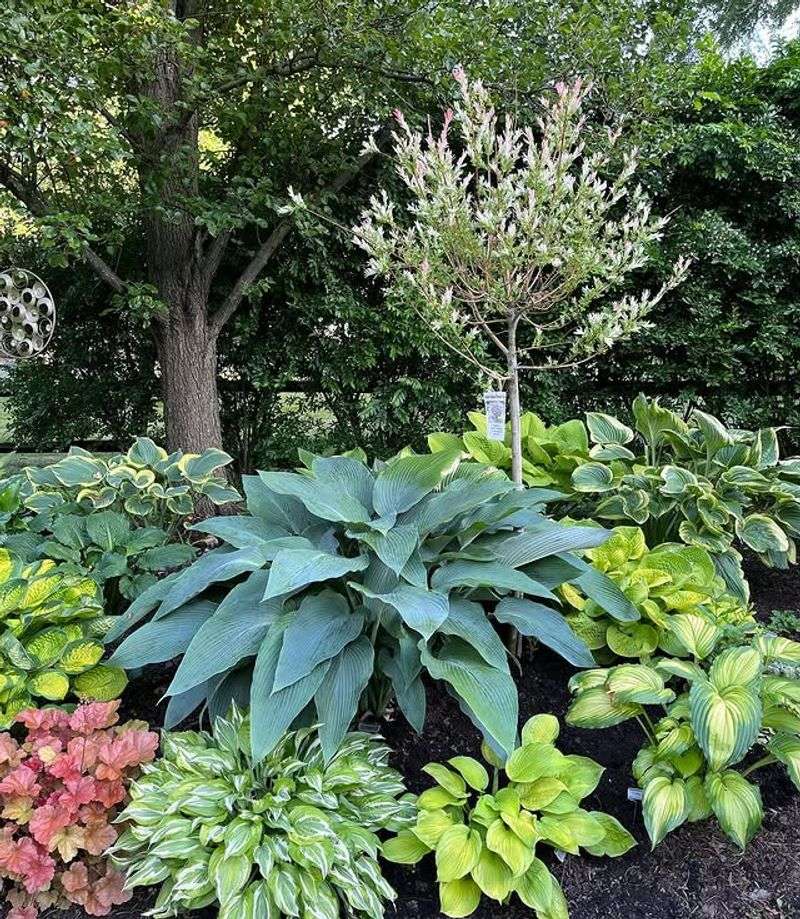
Shade gardens often get overlooked, but hostas prove that areas under trees can look just as intentional and expensive as sunny borders. These perennials offer an incredible range of leaf sizes, colors, and textures that create sophisticated layered plantings in spots where little else thrives.
From tiny miniatures to giant specimens with leaves bigger than dinner plates, hostas bring architectural interest to shaded areas.
Ohio’s climate suits hostas perfectly, with adequate rainfall and distinct seasons that allow them to thrive without excessive care. Varieties with blue-toned leaves like ‘Halcyon’ or chartreuse options like ‘Sum and Substance’ create stunning color contrasts.
Variegated types with white or gold edges add brightness to dark corners, making spaces feel larger and more designed.
Plant hostas in areas with morning sun and afternoon shade, or full shade under tree canopies. They tolerate Ohio’s clay soil better than many perennials but appreciate organic matter worked into planting holes.
Space them according to mature size, as overcrowding diminishes their individual impact and increases slug problems.
Apply slug bait in spring as new shoots emerge, since damaged leaves remain unsightly all season. Divide large clumps every few years to maintain vigor and create more plants for expanding your collection.
Remove flower stalks after blooming if you prefer focusing attention on the foliage, which remains attractive from spring through fall frost.
8. Ornamental Grasses Add Height Movement And Style
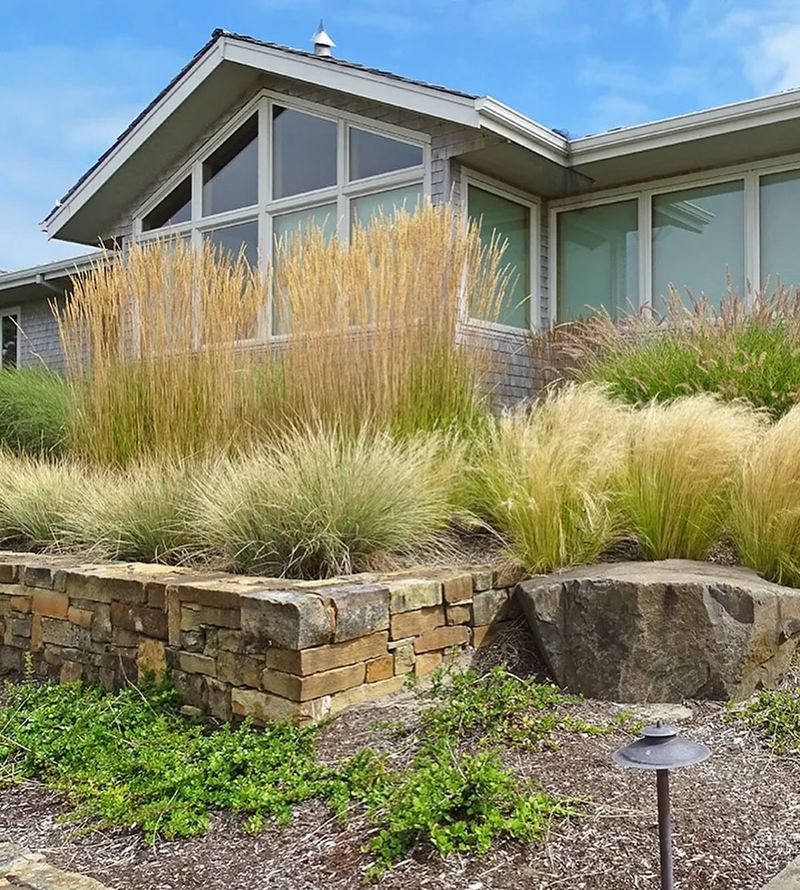
Ornamental grasses bring contemporary sophistication to landscapes with their vertical interest and graceful movement. Wind rustling through grass blades and plumes creates a dynamic quality that static plantings lack, making your yard feel alive and thoughtfully designed.
These plants bridge the gap between formal and natural styles, working equally well in modern minimalist designs or prairie-inspired gardens.
Ohio gardeners have numerous excellent grass options that handle our climate beautifully. Maiden grass varieties like ‘Morning Light’ offer fine-textured foliage with silvery edges, creating elegant vertical accents.
Karl Foerster feather reed grass provides early summer plumes that remain standing through winter, offering four-season interest. Little bluestem displays blue-green summer foliage that transforms to coppery red in fall.
Plant grasses in full sun with adequate spacing to showcase their individual forms as they mature. Most prefer well-draining soil but adapt to various conditions once established, making them relatively low-maintenance choices.
Their drought tolerance after establishment makes them practical for areas that don’t receive regular irrigation.
Leave ornamental grasses standing through winter for continued visual interest and habitat for beneficial insects. Cut them back to ground level in late winter before new growth emerges, making one clean cut rather than trying to trim throughout the season.
Divide clumps every few years if centers start looking sparse, replanting vigorous outer sections for renewed growth.
9. Arborvitae Builds Privacy With A Polished Look
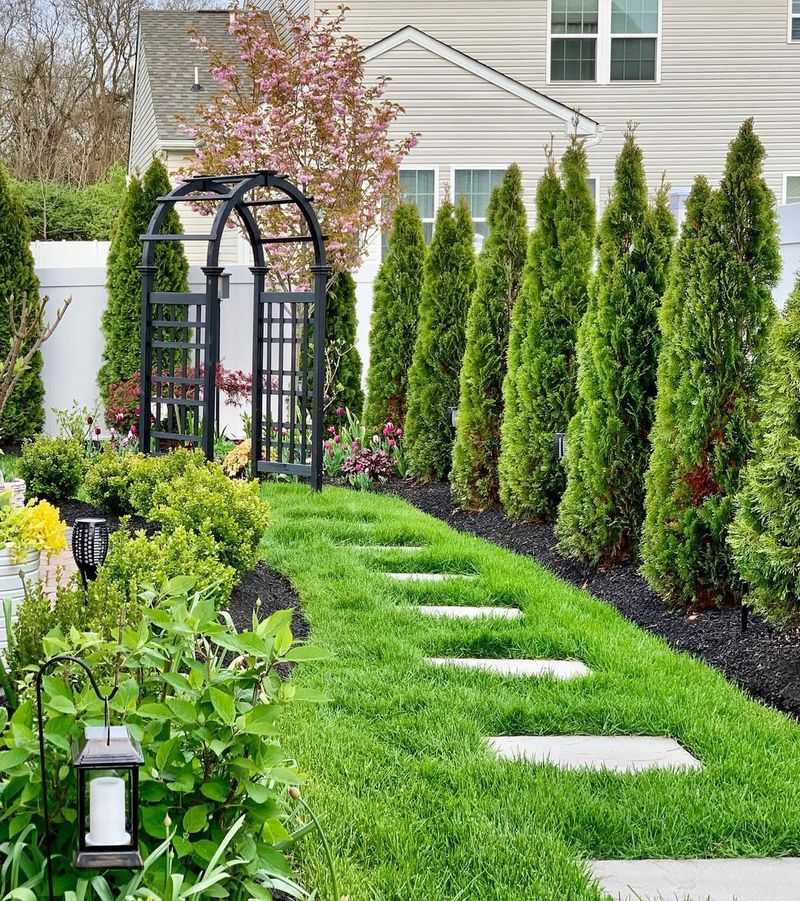
Privacy hedges serve practical purposes while dramatically improving curb appeal when done right. Arborvitae creates living walls of evergreen foliage that look intentional and expensive rather than like an afterthought fence.
Their naturally columnar growth habit requires minimal pruning to maintain neat, vertical lines that frame properties beautifully while blocking unwanted views or creating outdoor rooms within your landscape.
Several arborvitae varieties excel in Ohio conditions, with ‘Green Giant’ being particularly popular for its fast growth and disease resistance. This variety can grow three feet annually once established, quickly creating the privacy screen you want. ‘Emerald Green’ offers a narrower profile perfect for tighter spaces, maintaining rich color through winter when some varieties bronze.
Plant arborvitae in full sun for densest growth, spacing according to the mature width you want to achieve. For a solid hedge, space plants closer together, but remember that crowding increases disease pressure and can lead to interior browning.
They tolerate Ohio’s clay soil but perform best with some organic matter amendment and consistent moisture during establishment.
Water deeply during dry periods, especially in the first two years, as drought stress causes browning that takes years to grow out. Protect from deer if they’re common in your area, since arborvitae serves as winter browse.
A spring application of evergreen fertilizer supports healthy growth, and mulching around the base helps retain moisture while keeping competing weeds at bay.
10. Magnolia Adds Glossy Leaves And Southern Charm
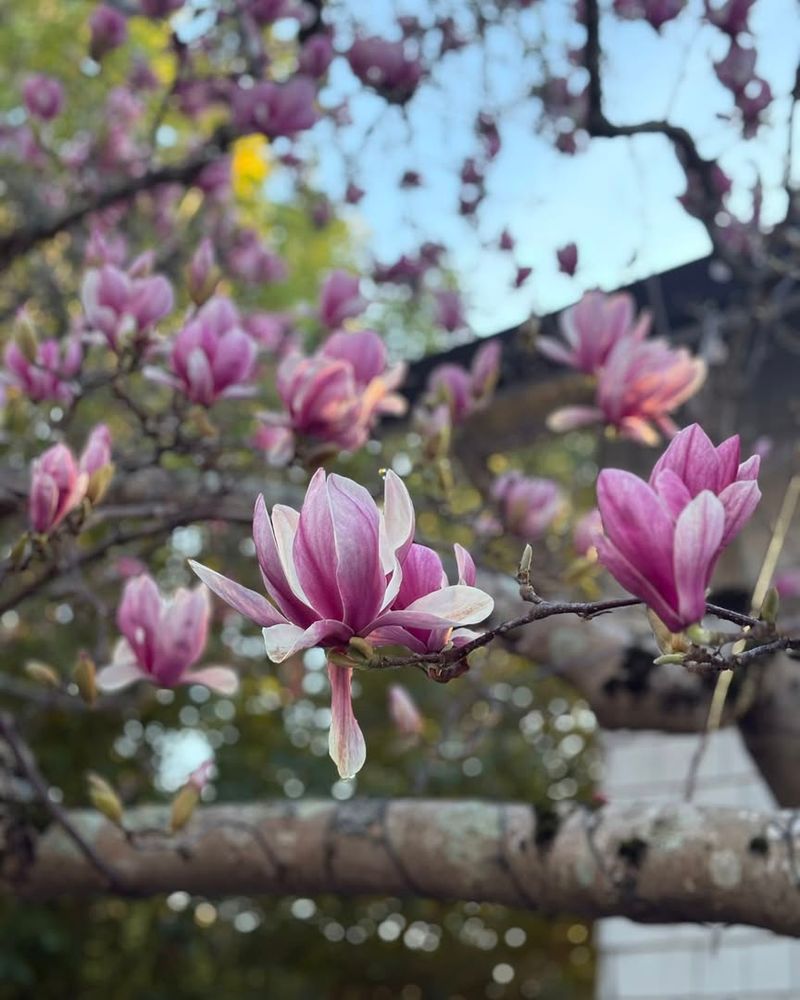
Magnolias evoke images of grand Southern estates with their large, fragrant blooms and glossy evergreen foliage. While some magnolia species prefer warmer climates, several varieties thrive beautifully in Ohio, bringing that same upscale appeal to Midwestern yards.
Their substantial presence makes them excellent specimen trees that anchor landscapes and provide year-round interest with their bold architectural form.
Star magnolia blooms early in Ohio springs with white or pink star-shaped flowers that appear before leaves emerge, creating a stunning display. Saucer magnolia offers larger, tulip-shaped blooms in shades of pink and white.
For evergreen options, try ‘Bracken’s Brown Beauty’ southern magnolia, which handles Ohio winters in protected locations and provides those iconic large, leathery leaves.
Choose planting sites carefully, as magnolias prefer locations protected from harsh winds and late spring frosts that can damage early blooms. They need well-draining, slightly acidic soil enriched with organic matter.
Morning sun with afternoon shade works well, though many varieties tolerate full sun once established with adequate moisture.
Magnolias have sensitive root systems, so avoid planting too deep or disturbing roots once established. Apply a thick layer of mulch to maintain consistent soil moisture and temperature.
Prune minimally and only immediately after flowering if necessary, as magnolias don’t respond well to heavy pruning. With proper placement and care, these trees become increasingly impressive with age.
11. Rhododendron Brings Bold Evergreen Color
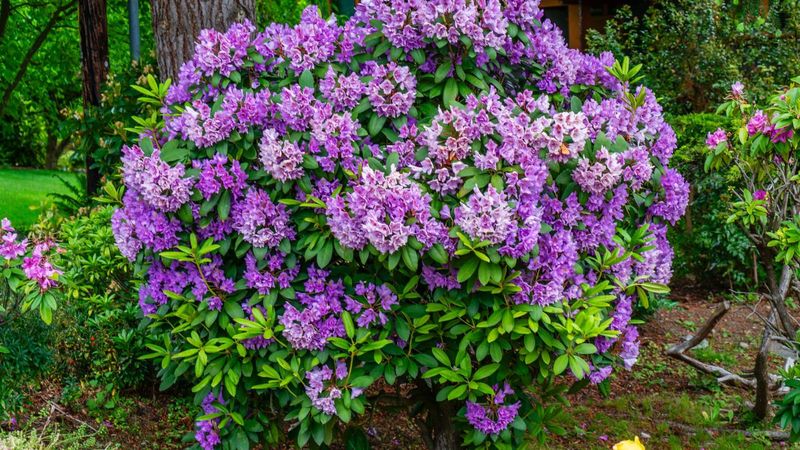
Rhododendrons make bold statements with their large, showy flower clusters and substantial evergreen presence. These shrubs communicate permanence and quality in a landscape, particularly when mature specimens display their full glory each spring.
The combination of year-round foliage structure and spectacular seasonal blooms makes rhododendrons worthwhile investments that increase property value and visual appeal.
Ohio gardeners should select cold-hardy rhododendron varieties bred to withstand our winters without significant damage. The Catawba rhododendron and PJM hybrids handle Ohio conditions reliably, offering purple, pink, or white blooms depending on the cultivar.
Northern Lights series azaleas, which are closely related, provide similar impact with excellent cold tolerance.
These acid-loving plants require specific soil conditions to thrive, preferring pH levels between 4.5 and 6.0. Amend planting areas generously with peat moss, composted pine bark, or sulfur to lower pH if needed.
Plant in locations with morning sun and afternoon shade, particularly protection from harsh western sun and drying winter winds that damage evergreen foliage.
Rhododendrons have shallow, fibrous root systems that need consistent moisture but excellent drainage. Mulch heavily with pine needles or shredded bark to maintain soil moisture and moderate temperature.
Apply fertilizer formulated for acid-loving plants after flowering, and avoid cultivating around roots. Remove spent flower clusters carefully to encourage next year’s bloom formation while maintaining the plant’s tidy appearance.
12. Azalea Adds Bright Seasonal Beauty
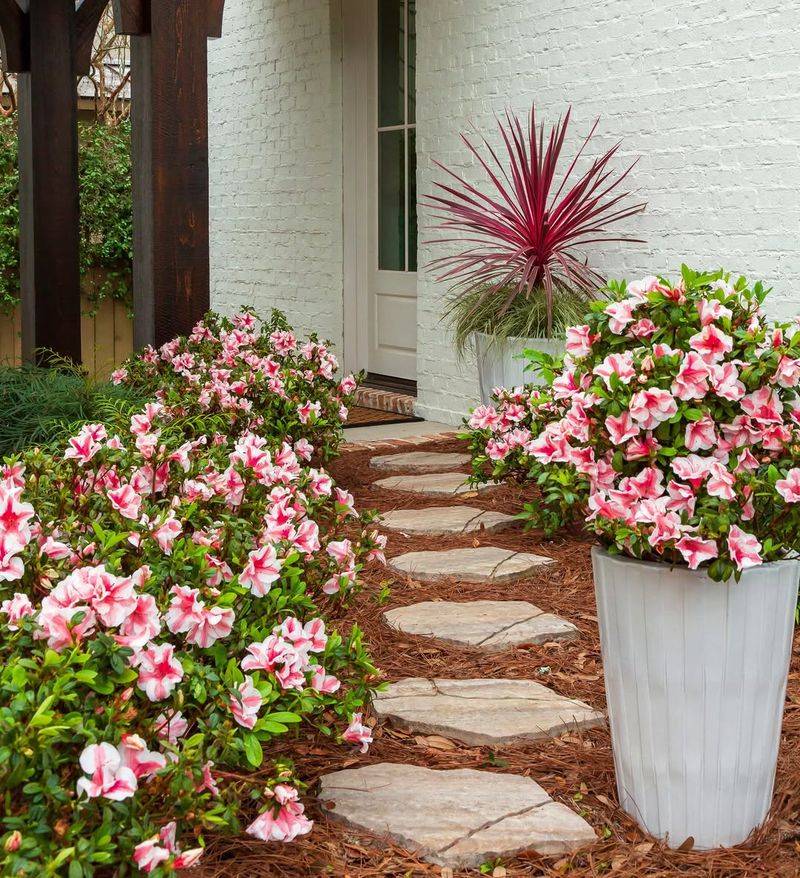
Few plants deliver the sheer flower power that azaleas provide during their spring bloom period. When covered in flowers, these shrubs become solid masses of color that transform entire sections of the landscape into showpieces.
That dramatic seasonal display, combined with their neat evergreen or deciduous foliage, makes azaleas excellent choices for creating that professionally designed, high-end garden appearance.
Ohio’s climate accommodates many azalea types, though selecting varieties with proven cold hardiness ensures reliable performance. Encore azaleas offer the bonus of reblooming in fall, extending the color show beyond the typical spring flush.
Northern Lights azaleas bred at the University of Minnesota handle Ohio winters exceptionally well, offering vibrant colors and attractive fall foliage.
Like their rhododendron cousins, azaleas need acidic soil and consistent moisture to perform their best. Plant them in locations with morning sun and afternoon shade, or in dappled light under high tree canopies.
Avoid planting too deep, as azaleas have shallow root systems that should sit at or slightly above the surrounding soil level.
Mulch with organic materials to keep roots cool and moist while suppressing weeds. Prune immediately after flowering if needed to maintain shape, since azaleas set next year’s flower buds in summer.
Apply acid-loving plant fertilizer in spring after blooms fade, and maintain consistent moisture during establishment and dry periods to prevent stress that reduces flowering.