8 Maple Tree Varieties Perfect For Small Yards In Michigan
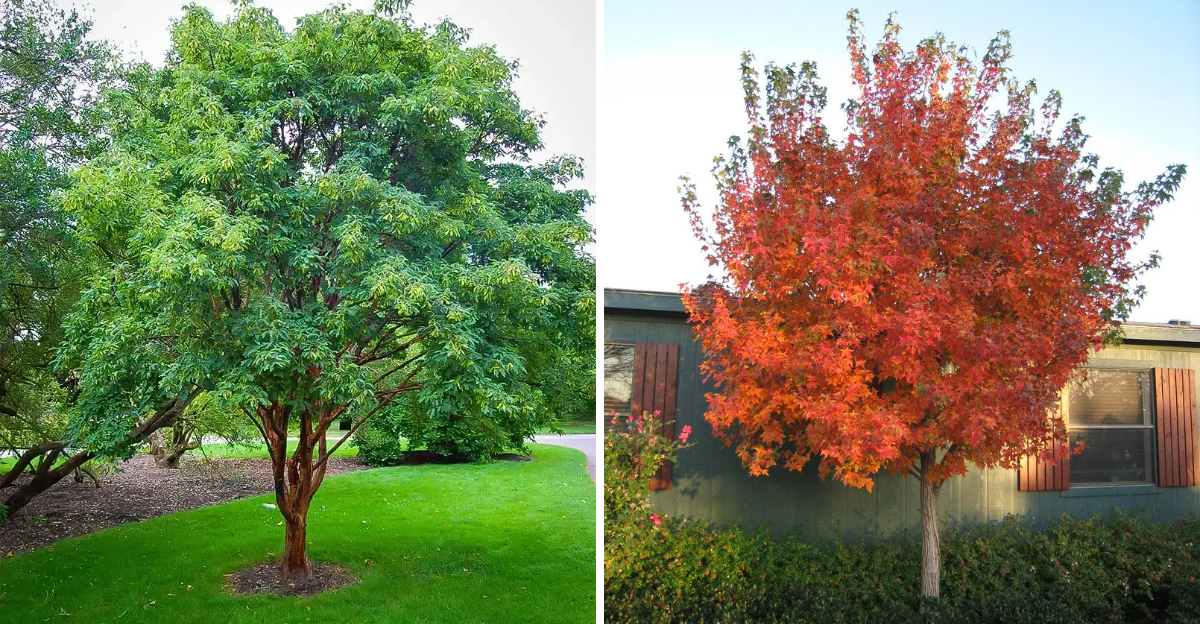
Many Michigan homeowners believe small yards mean giving up on beautiful shade trees, but that is not true. Maple trees come in a wide range of sizes, and several varieties stay compact enough to fit comfortably in tighter spaces.
With the right choice, even a modest yard can enjoy the color and character that maples are known for. Across the Upper and Lower Peninsulas, gardeners value maples for their dependable growth and stunning fall displays.
Some varieties offer brilliant seasonal color, while others stand out with interesting bark or graceful shapes that add structure to a landscape. Choosing a maple that fits your space can transform a smaller yard without overwhelming it.
These eight compact maple varieties are well suited for Michigan gardens and prove that you do not need a large property to enjoy the beauty of these classic trees.
1. Japanese Maple (Acer palmatum)
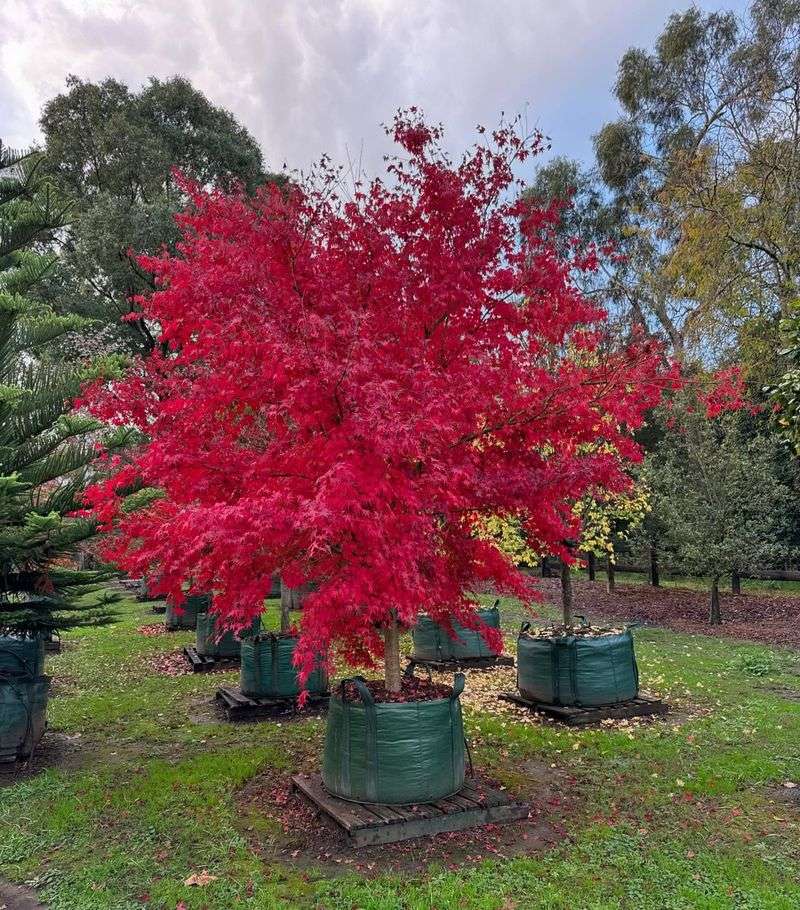
Few trees stop people in their tracks the way a Japanese maple does. With its feathery, finely cut leaves and slow, graceful growth habit, this tree feels almost like living artwork right in your own backyard.
Most cultivars grow between 10 and 20 feet tall, which makes them a natural fit for smaller Michigan yards where space is limited but style is not.
Japanese maples prefer a spot with partial shade and well-drained, slightly acidic soil, which Michigan landscapes often provide naturally. In spring, the leaves unfurl in shades of deep red, soft green, or rich purple.
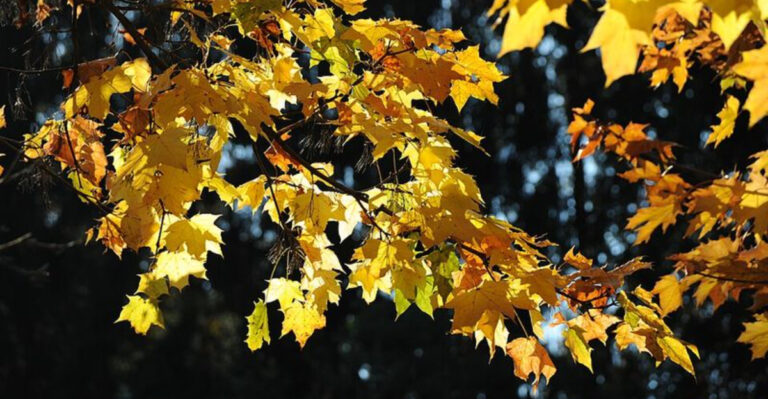
Come fall, the whole tree lights up in fiery orange and crimson that rivals almost anything else in the garden.
Many cultivars are hardy in USDA Zones 5 through 8, covering most of Michigan comfortably. Planting in a sheltered spot away from harsh winter winds gives your tree the best chance to thrive year after year.
With so many cultivars available at Michigan nurseries, you can easily find one that matches your yard size, soil type, and personal style perfectly.
2. Amur Maple (Acer ginnala)
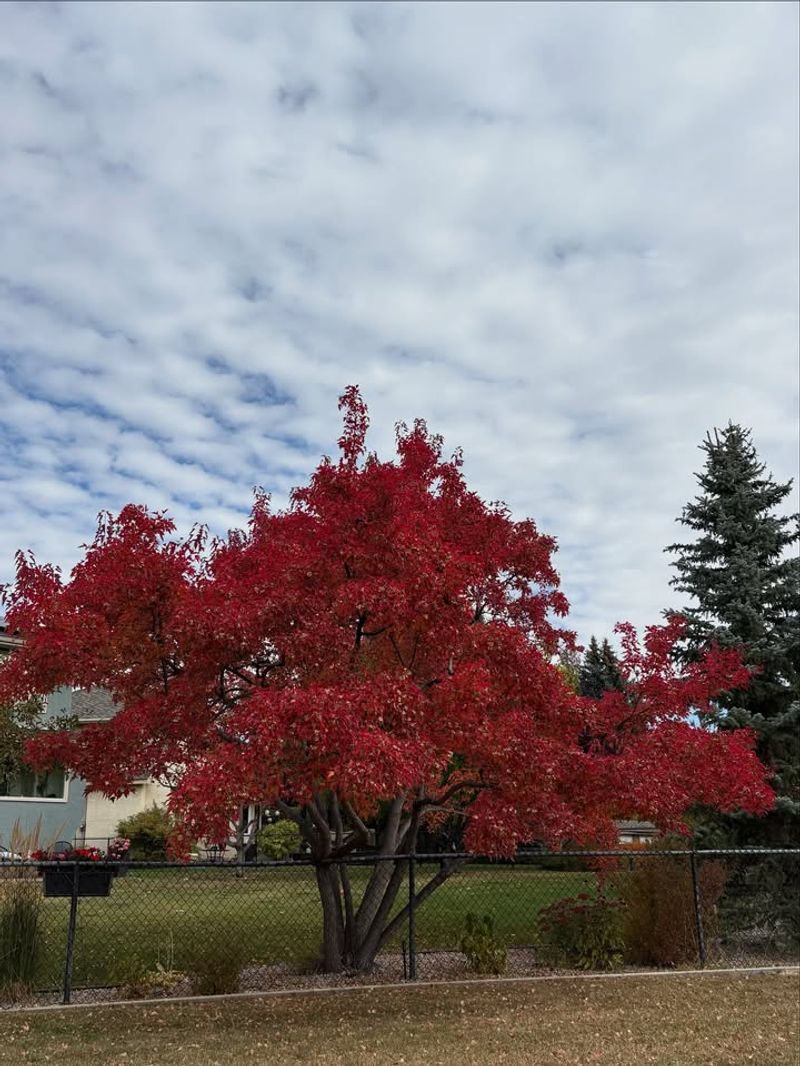
If you want the boldest fall color possible in a small-sized package, the Amur maple is hard to beat.
Native to northeastern Asia, this compact tree typically grows 15 to 20 feet tall and wide, making it a smart choice for Michigan yards where you need beauty without bulk.
Its bright red seed clusters appear in summer, adding extra visual interest long before fall even arrives.
One of the biggest selling points of this tree is its toughness. Amur maple handles cold temperatures down to USDA Zone 2, which means Michigan winters are practically nothing for it.
It also tolerates urban conditions, poor soils, and occasional drought once it gets established in your landscape.
When autumn rolls through Michigan, the Amur maple transforms into a stunning display of deep scarlet and orange that draws attention from every angle.
It works beautifully as a specimen tree, a privacy screen, or even planted beneath power lines where larger trees simply cannot go.
One important note worth mentioning is that Amur maple has shown invasive tendencies in some parts of the Midwest, so checking with your local Michigan extension office before planting is a smart move. Choosing a sterile cultivar can help you enjoy the beauty responsibly.
3. Paperbark Maple (Acer griseum)
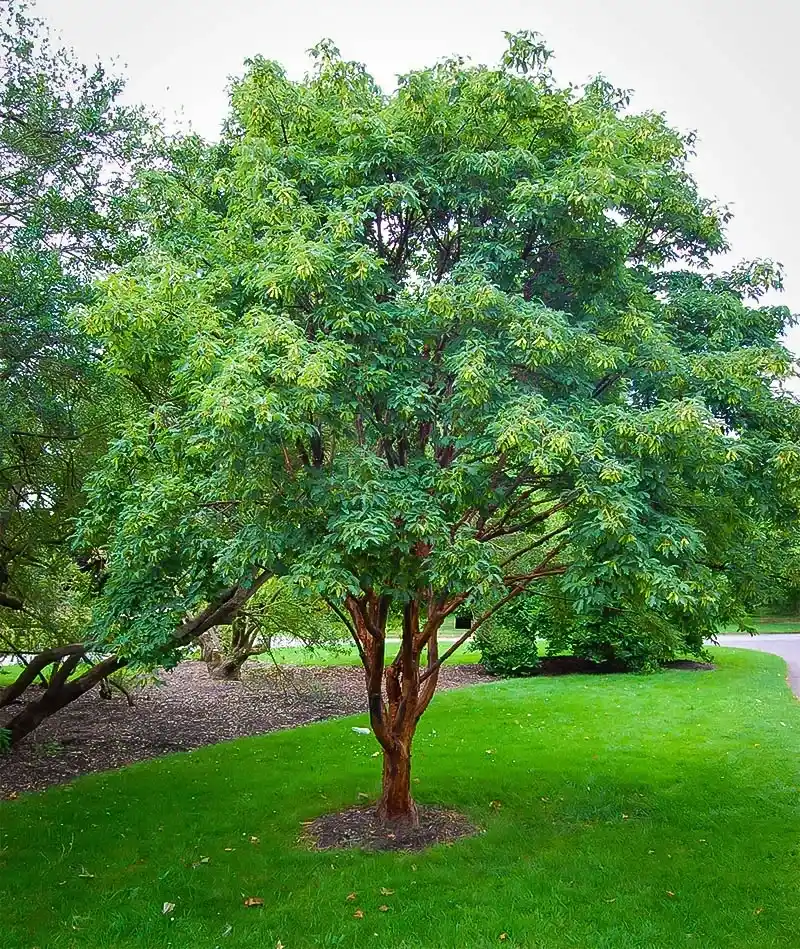
Most trees earn their keep during the growing season and then fade into the background once winter arrives. The paperbark maple is a completely different story.
Its cinnamon-colored bark peels away in thin, curling layers all year long, creating a warm, sculptural look that makes the tree just as beautiful in January as it is in October. For Michigan gardeners who want four-season interest, this tree is a true standout.
Growth is slow and steady, with mature trees typically reaching 20 to 30 feet tall over many years. That measured pace actually works in your favor when yard space is limited, since you have plenty of time to plan around the tree as it develops.
The three-lobed leaves are attractive through spring and summer, then shift to brilliant shades of orange and red as Michigan fall weather settles in.
Paperbark maple thrives in USDA Zones 4 through 8, making it well suited for nearly all of Michigan. It prefers full sun to partial shade and adapts to a range of soil types as long as drainage is decent.
Plant it where you can appreciate the bark up close, near a patio or along a walkway, because the detail on this tree truly deserves a closer look every single time you walk past it.
4. Tatarian Maple (Acer tataricum)
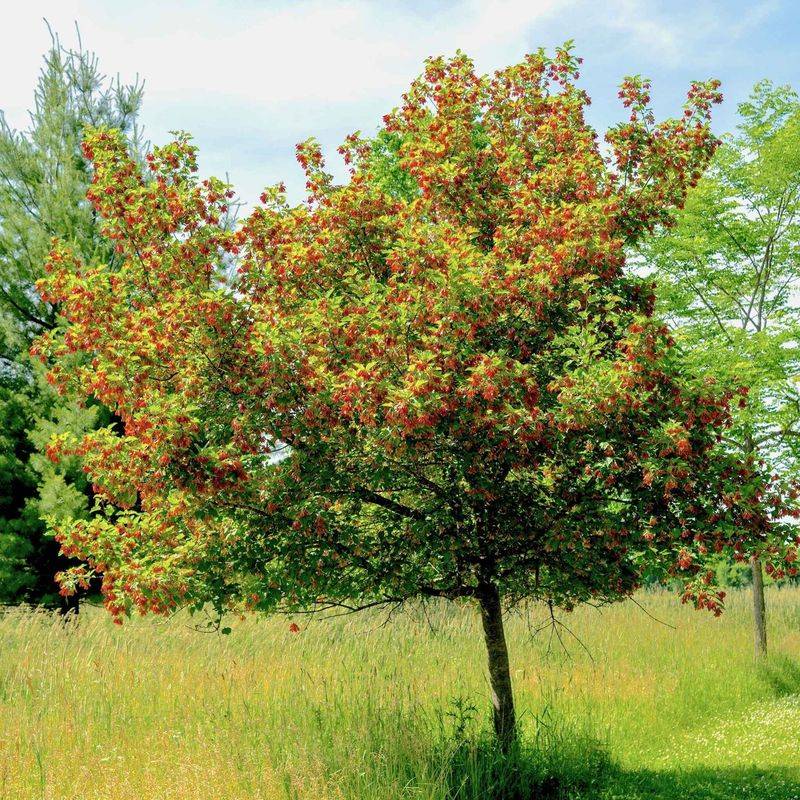
Tough, adaptable, and quietly stunning, the Tatarian maple is one of those trees that earns more appreciation the longer you grow it.
Originating from southeastern Europe and western Asia, this small tree grows 15 to 30 feet tall and handles a wide range of challenging conditions that would stress out less resilient trees.
Poor soil, strong winds, and urban pollution are all things this maple takes in stride without missing a beat.
What makes Tatarian maple especially fun to grow is the show it puts on throughout the entire year.
In early summer, clusters of bright red samaras, those winged seed pods, appear all over the canopy and create a look that almost mimics fall color months ahead of schedule.
By the time actual autumn arrives in Michigan, the foliage shifts into warm shades of yellow and orange that glow beautifully in the late-season light.
Hardy in USDA Zones 3 through 8, Tatarian maple handles Michigan winters without any struggle at all. It works well as a lawn specimen, a street tree, or even planted in a row to create a natural privacy buffer along your property line.
Gardeners across Michigan who want reliable beauty and low maintenance will find this tree checks every box they are looking for in a small yard maple variety.
5. Korean Maple (Acer pseudosieboldianum)
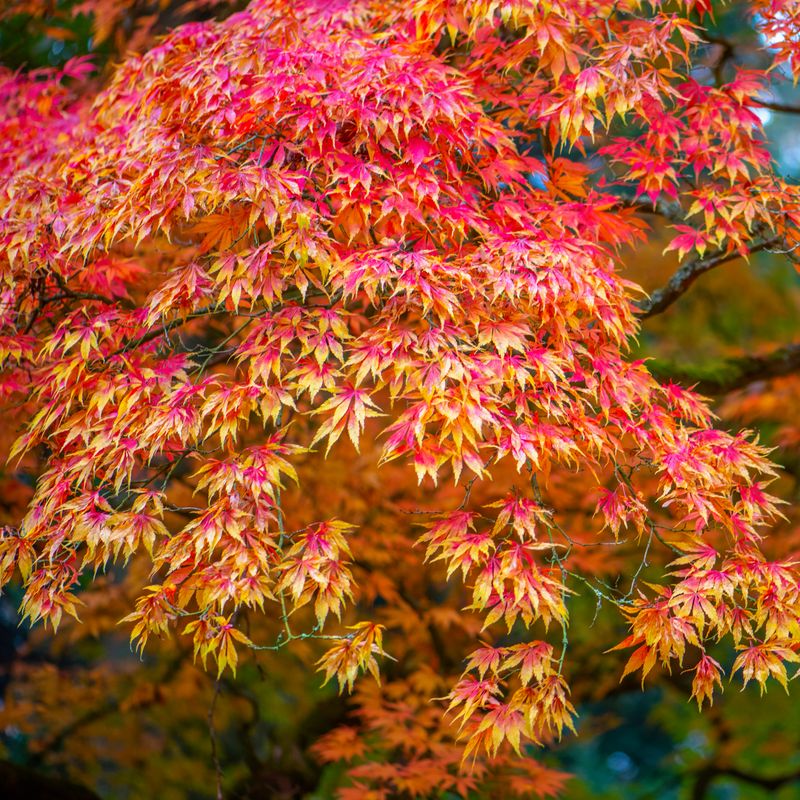
Think of Korean maple as the cold-weather champion of the ornamental maple world. Often compared to Japanese maple for its beautifully cut, delicate-looking leaves, this tree has one major advantage for Michigan gardeners: it handles colder temperatures far more reliably.
While Japanese maple can struggle in the harshest Michigan winters, Korean maple stays comfortable in USDA Zones 4 through 7 without needing much extra protection at all.
Mature trees typically reach 15 to 25 feet tall, which keeps them nicely scaled for smaller residential properties throughout Michigan.
The leaves are deeply lobed and elegant, similar in appearance to its Japanese cousin, but they carry a toughness underneath that beautiful exterior.
Spring growth has a reddish tint that gradually softens to green through summer before exploding into brilliant reds and oranges come fall.
Korean maple prefers a spot with partial shade, especially in areas where summer heat can be intense. It grows well in moist, well-drained soil and benefits from a layer of mulch around the base to help retain moisture through dry spells.
For Michigan homeowners who have always admired Japanese maples but worried about winter hardiness, Korean maple offers the same stunning visual payoff with a whole lot more cold-weather confidence built right in from the start.
6. Shantung Maple (Acer truncatum)
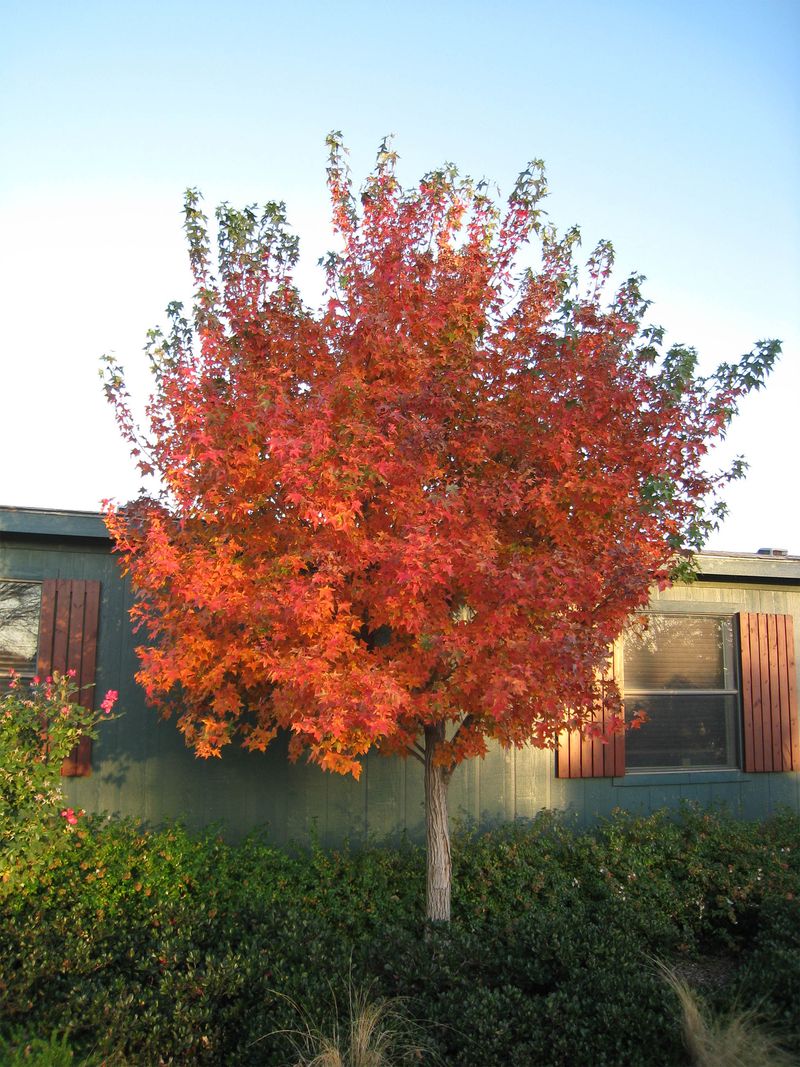
Shantung maple is one of the best-kept secrets in the world of small ornamental trees, and Michigan gardeners who discover it rarely look back.
Native to northern China, this compact maple typically grows 20 to 25 feet tall with a rounded, tidy canopy that fits beautifully into smaller yard spaces.
It handles heat, cold, and urban soils with an ease that makes it practically foolproof for homeowners who want good results without constant fussing.
The glossy, dark green leaves are attractive all season long, with a clean, polished look that gives the tree a refined appearance even in midsummer.
When Michigan fall temperatures drop, those same leaves shift into a vivid mix of orange, red, and sometimes purple that rivals much more famous ornamental trees.
The color display is genuinely impressive and worth the wait every single year.
Shantung maple is hardy in USDA Zones 4 through 8, placing it squarely in the comfort zone for most Michigan locations. It performs well in full sun and adapts to a variety of soil conditions, including drier urban soils that challenge many other trees.
Shantung maple also pairs well with the Princeton Gold or Norwegian Sunset cultivar, which are popular hybrid varieties that bring even more refined traits to the table for small Michigan yard plantings.
7. Hedge Maple (Acer campestre)
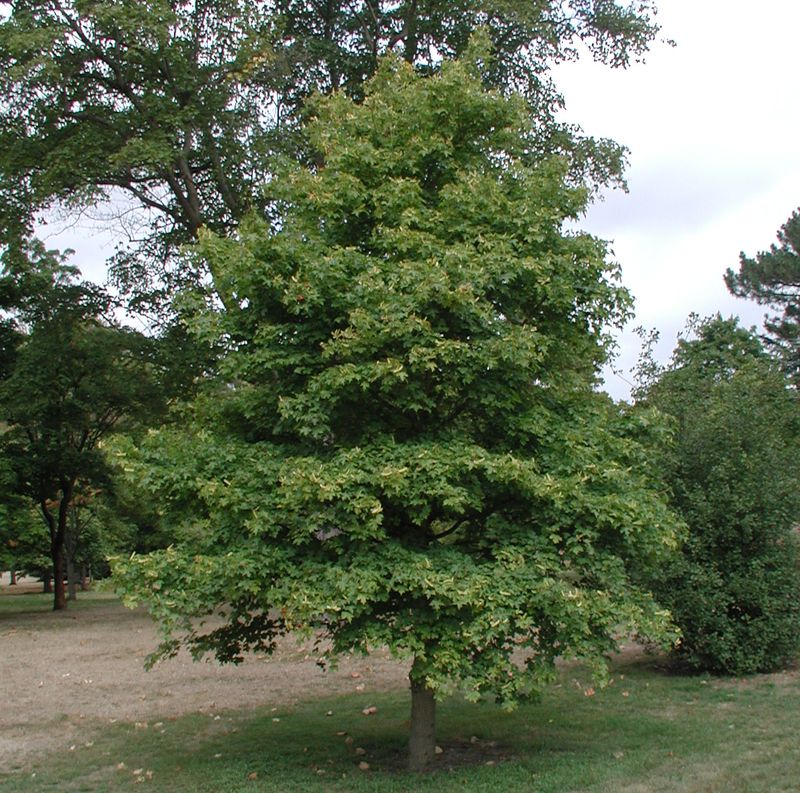
Hedge maple has been a trusted garden tree in Europe for centuries, and it is slowly earning the same loyal following among Michigan homeowners who value reliability above everything else.
This compact, rounded tree typically grows 25 to 35 feet tall, but it responds extremely well to pruning, which means you can easily keep it smaller if your yard demands it.
Few trees offer this level of flexibility without sacrificing health or good looks.
One of hedge maple’s greatest strengths is its tolerance for tough conditions. Compacted urban soils, air pollution, road salt spray, and drought are all things this tree handles without showing much stress at all.
For Michigan homeowners near busy streets or in densely developed neighborhoods, that kind of resilience is genuinely valuable when choosing a long-term landscape planting.
The foliage is a rich, deep green through the growing season and turns warm yellow in fall, giving the yard a cheerful seasonal glow before winter arrives. Hedge maple is hardy in USDA Zones 4 through 8, making it a reliable choice across virtually all of Michigan.
It works equally well as a standalone specimen tree, a pruned privacy hedge along a property line, or a shade tree near a patio. Versatility is really the word that defines this underappreciated maple for small Michigan yards everywhere.
8. Striped Maple (Acer pensylvanicum)
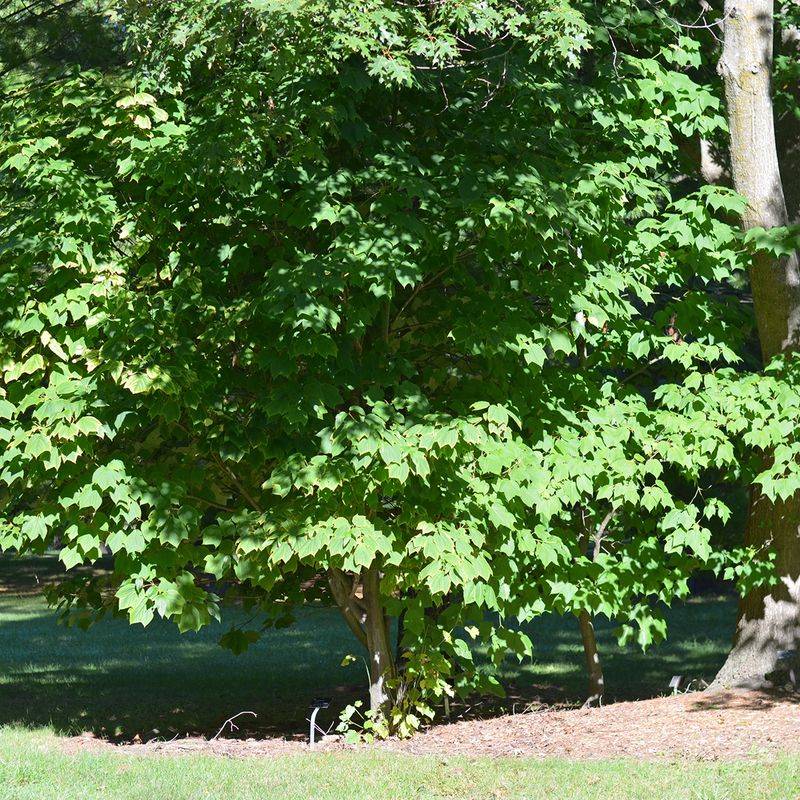
Striped maple, sometimes called snakebark maple, brings something genuinely unique to Michigan yards that no other tree on this list can quite match.
Its green bark is streaked with bold white stripes running vertically along the trunk and branches, creating a pattern that looks almost too striking to be real.
Even in the middle of winter, when every other tree in the yard is bare, the striped maple stands out as a conversation piece all on its own.
This native understory tree grows naturally in Michigan woodlands, which means it is perfectly adapted to the local climate and soil conditions without needing any extra coaxing.
Mature trees typically reach 15 to 20 feet tall, keeping them well within the size range that works for smaller residential properties.
It thrives in part shade and actually prefers spots where larger trees provide some overhead cover, making it ideal for shaded Michigan yards where other trees might struggle.
Large, bright yellow leaves put on a cheerful fall display before dropping cleanly each season. Striped maple is hardy in USDA Zones 3 through 7 and supports local wildlife including birds and native pollinators throughout the growing season.
Choosing a native tree like this one also means you are actively supporting the Michigan ecosystem while adding genuine four-season beauty to your own outdoor space at the very same time.