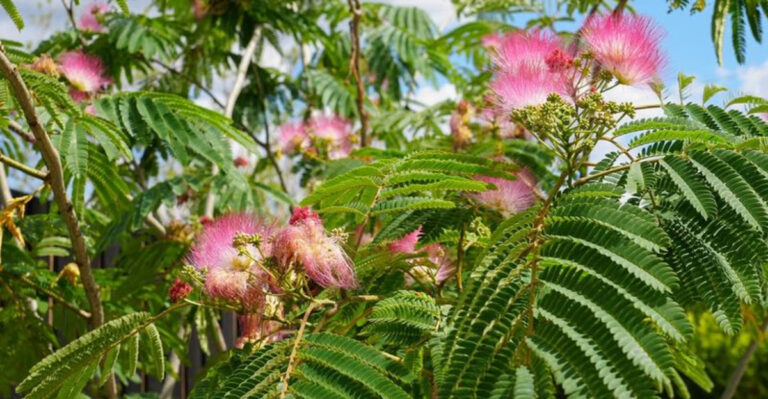
March Fruit Tree Planting Guide For Georgia Gardeners
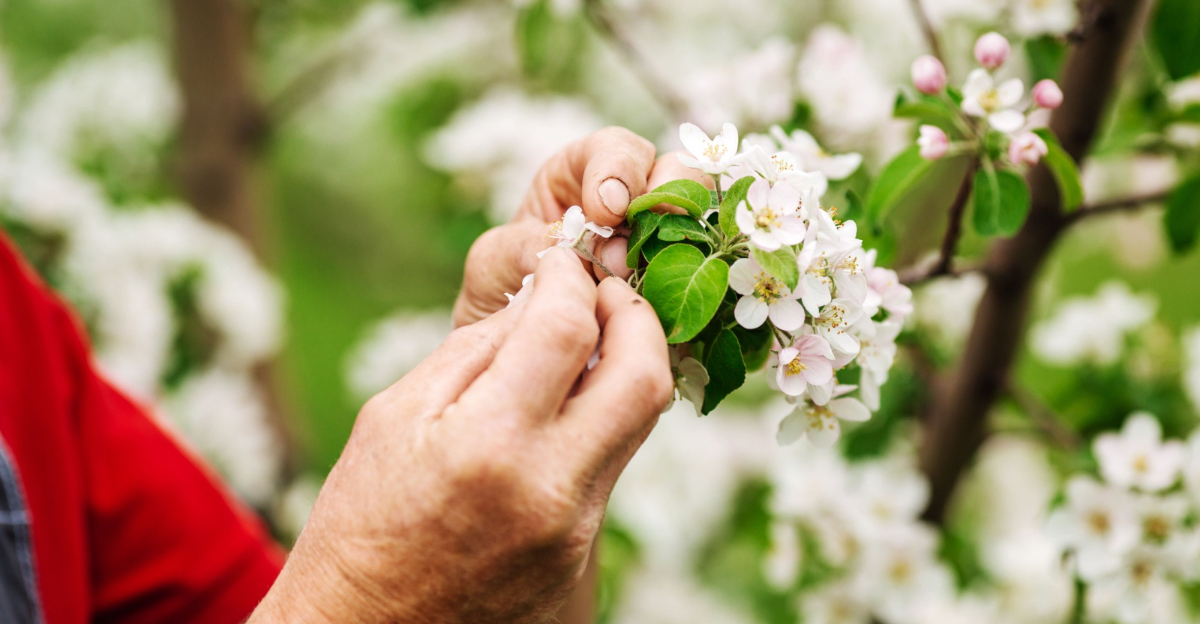
March flips a switch in many Georgia backyards. One warm afternoon and suddenly the idea of a home orchard feels possible.
Garden centers fill with young trees, and early spring offers a valuable window while trees still rest and roots can settle into the soil.
Georgia does bring a few curveballs.
Clay soil can stay soggy after rain, and a surprise frost may still sneak in, especially in the northern parts of the state.
A tree planted without the right spot or depth can struggle long before summer heat and humidity arrive.
A few smart choices early can make a huge difference later. Good drainage, proper planting depth, steady watering, and a layer of mulch often decide whether a young tree merely survives or truly takes off.
Get those basics right and your backyard orchard can start strong from the very first season.
1. Why March Is A Good Month In Georgia
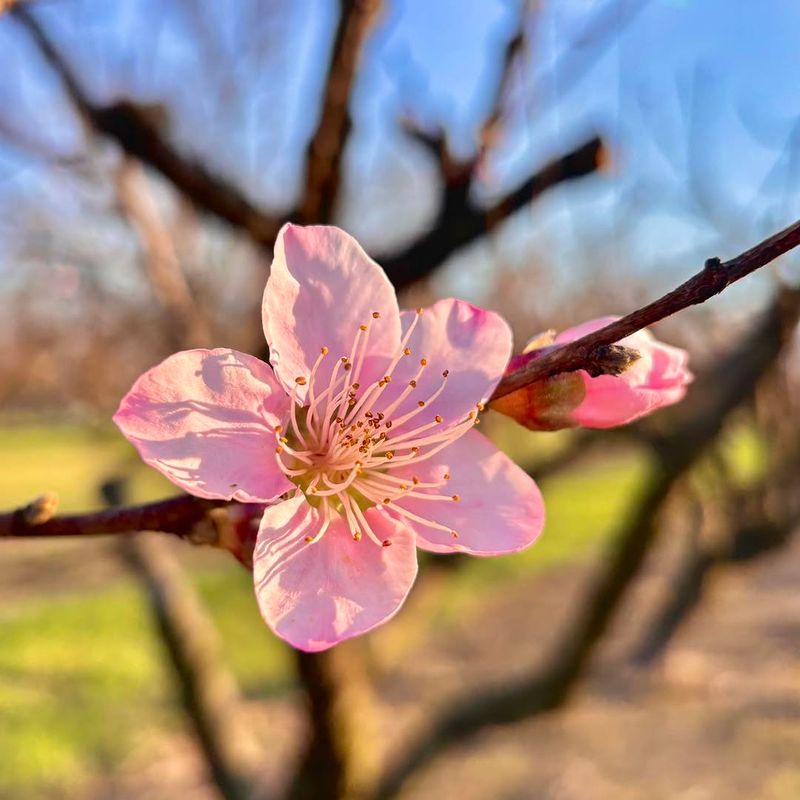
March often lines up with a practical goal for Georgia gardeners: get a fruit tree set up before spring growth speeds up and summer stress shows up.
Late winter into early spring can work well for bare-root trees because the tree can focus on roots first, then shift into top growth as days lengthen.
Fall can also be a strong planting season in Georgia, so March does not need to feel like the only option.
Local conditions still matter. North Georgia usually holds cold longer than the Coastal Plain, and low spots can stay wet or cold on the same property.
Soil that stays saturated after rain can slow root recovery, so planting on a slightly higher spot or gentle mound can be helpful in heavier soils.
Bloom timing matters too, since an early warm spell can push buds along before a cold night rolls through.
A quick look at your site and your forecast helps more than chasing a single statewide date.
2. Planting Sites With Sun And Good Drainage
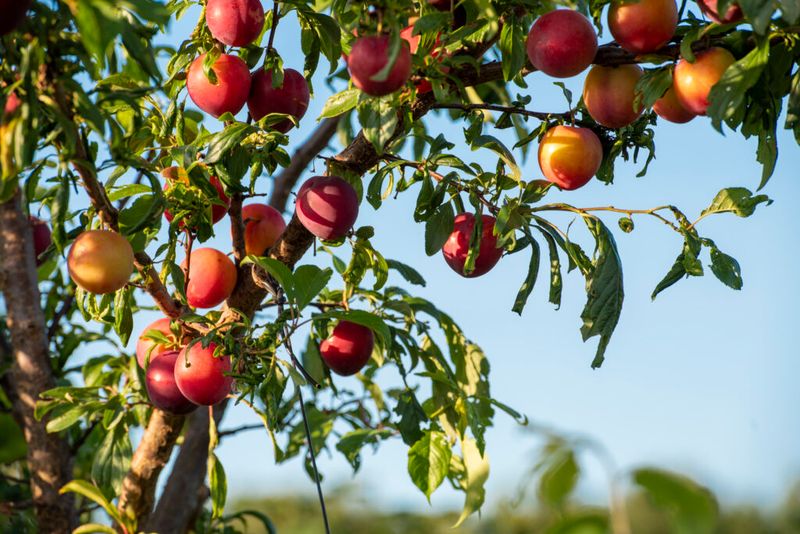
Strong sun drives strong fruit. Well-drained soil and roughly 8 to 10 hours of direct sunlight tend to support better flowering, stronger growth, and more consistent ripening for many common fruit trees.
Shade tends to reduce fruit production and can raise disease pressure by slowing leaf dry-down after rain. Crowded areas with poor airflow can add to that moisture hang time, especially during Georgia’s humid stretches.
A little extra space from buildings, fences, and dense evergreen screens can help light and air reach the canopy.
Drainage matters just as much in many Georgia yards, especially where clay holds water. A simple drainage check can use a one-foot-wide, one-foot-deep hole.
After a proper test, drainage within about eight hours is often treated as a useful target. Slower spots often do better with a slight mound, a higher planting area, or a different location.
Low-lying areas can also collect cold air on clear nights, which increases frost risk during bloom season. Sites that stay soggy after heavy rain usually benefit more from changing the location than trying to fix the hole alone.
3. Soil Prep With Composted Organic Matter
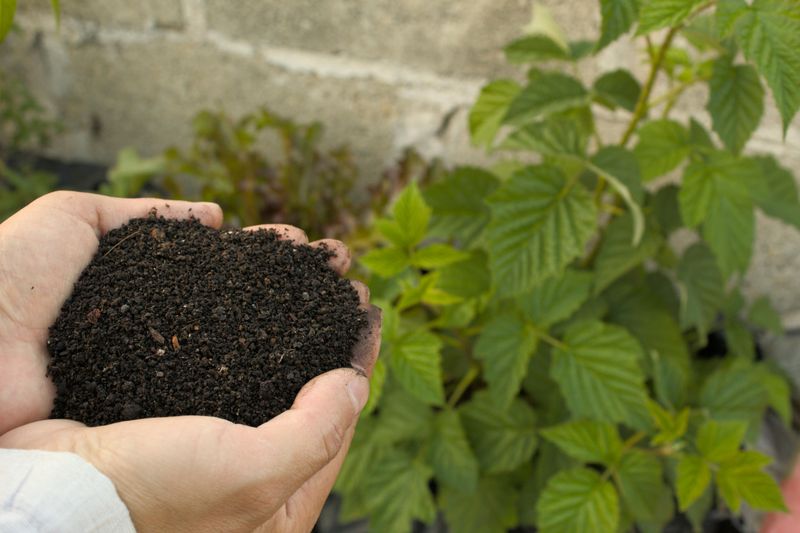
Georgia clay can feed a tree, but it can also resist it. Compost can help soil structure over time, but bare-root fruit trees can still establish well in native soil when big clods get broken up during backfill and roots have room to spread.
Heavy clay drains slowly and can compact after rain, so the goal is helping roots move outward instead of creating one soft pocket they stay stuck in.
Loading the hole with rich material can also change how water moves through the soil and sometimes encourages circling roots.
Compost can still fit into a smart plan. The safest approach is modest improvement across a broader area, not a rich pocket inside the planting hole.
A thin layer of finished compost over the planting zone and a good mulch layer after planting can improve structure gradually. Compost should look broken down and smell earthy, not fresh or hot.
A soil test through your local Extension office is worth the effort, especially for pH. Many fruit crops do well near the mid-6 range, and apples often perform well around 6.5.
Testing also helps you avoid adding nutrients your soil may already have in excess.
4. Proper Planting Depth And Root Setup
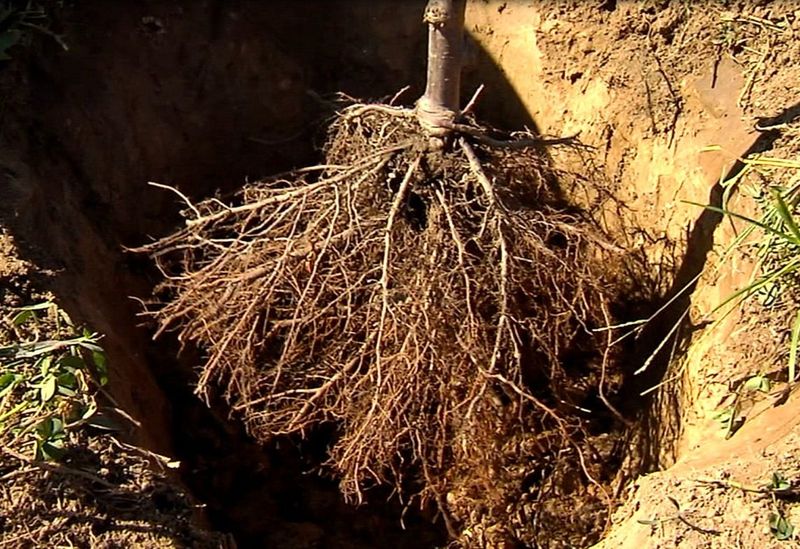
Planting depth can make or break the first year. The hole should be wide and deep enough so roots do not bend, and the tree should sit no deeper than it did in the nursery, using the trunk color change as a guide.
Planting too deep can leave the root flare buried, which often keeps the base too wet and slows oxygen flow to roots. In heavier Georgia soils, a slightly high planting position can help account for settling after spring rains.
Backfill should support the tree without creating a hard, compacted bowl that sheds water.
Grafted fruit trees also need the graft union above the soil line. Keeping it a couple inches above grade helps prevent the scion from forming its own roots and helps maintain the benefits of the rootstock.
A visible graft also makes it easier to spot and remove rootstock suckers later.
Roots need space, not a tight spiral. Spread roots outward for bare-root trees and correct circling roots on container trees before backfill.
Roughing up slick sides of the planting hole can help roots push outward instead of following a smooth clay wall. After backfill, firm soil enough to reduce big air pockets, then water to settle the soil.
5. Early Watering To Support Establishment
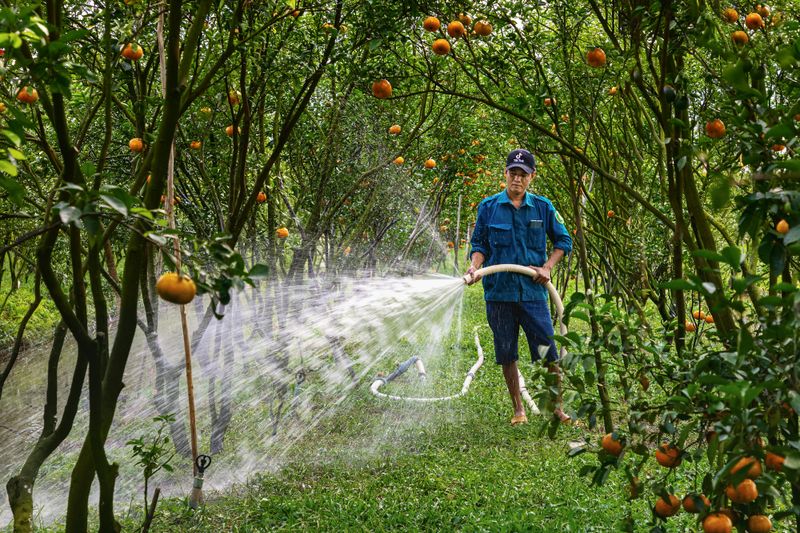
The first month is about steady moisture, not daily soaking. Deep watering after planting, then another deep soak every 10 to 14 days when rain is missing, is a practical starting rhythm for many new fruit trees.
Heat, wind, and sandy soils can dry a planting site faster, while shaded spots and heavier clay can stay wet longer. Watering earlier in the day helps moisture soak in before afternoon evaporation ramps up.
A mulch ring can also slow moisture loss and reduce how often the soil swings from wet to dry.
That timing still depends on your soil. Clay holds water longer than sand, so a quick hand check helps.
Moist soil a few inches down near the root zone is the goal, not soggy soil. Puddling or a swampy feel around the base can signal drainage problems or overwatering, especially after spring rains.
A simple sign of a tree needing more moisture is dry, crumbly soil a few inches down even after recent watering. In the first growing season, the aim is even moisture around the roots while they expand into the surrounding soil.
Slow delivery works well. A drip line, a tree watering bag, or a hose on a low trickle can soak the root zone without runoff.
A slow soak encourages water to move deeper instead of spreading across the surface. Keeping water off the trunk and concentrating it out near the root zone supports healthier bark and better root spread.
6. Fertilizer Timing And Simple Cautions
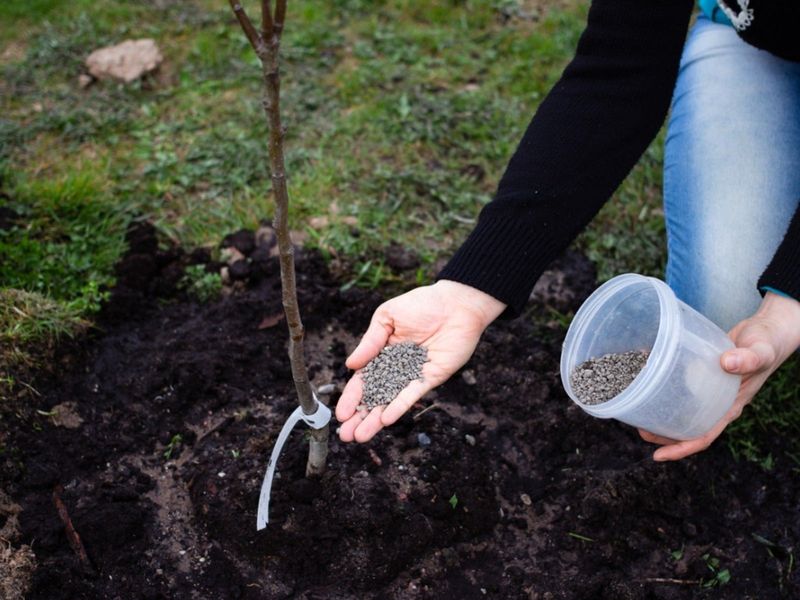
New roots respond better to patience than a heavy feed. Granular fertilizer in the planting hole can stress tender roots, and feeding immediately after planting can push top growth before the root system is ready to support it.
A young tree that is forced into fast, leafy growth often needs more water and can become more vulnerable to stress during warm spells. The first goal is root establishment and steady, balanced growth, not a growth spurt.
When fertilizer does come into play, smaller amounts tend to be easier to manage than one heavy application.
A soil test makes this easier. Nutrients already present in Georgia soil can vary by site, and a test prevents guesswork.
Once the tree settles and active growth begins, a light, label-directed application may make sense, applied over the root zone area and kept away from the trunk. Spreading fertilizer evenly over a wider area helps reduce the chance of concentrated salts near roots.
Watering after application helps move nutrients into the soil where roots can access them.
Late-season fertilizer can push soft growth at a time when fall temperature swings arrive, so spring-focused timing tends to be the safer lane for many fruit trees.
Late feeding can also keep a tree in active growth longer than you want when the goal is gradual hardening before winter.
Keeping fertilizer timing moderate supports more consistent, manageable growth through the season.
7. Late Frost Awareness And Basic Protection

Warm March days can trick buds into an early start, and a cold night can still arrive in many parts of Georgia. Local tools help, since frost risk can change a lot from one county to the next and even from one yard to another.
Clear, calm nights tend to cool down fastest because heat escapes and cold air settles. Low spots and areas near open fields often feel colder than slopes or spots with some overhead tree cover.
Paying attention to predicted overnight lows and wind can help you decide when protection is worth the effort.
Simple protection can help for small trees. Frost cloth or a breathable sheet that reaches the ground can hold a bit of heat near the canopy on the coldest nights.
The most effective setups create a tent that does not press tightly against blooms or tender shoots, since contact points can freeze first. Anchoring the cover to the ground helps trap warmer air rising from the soil.
Covers come off after morning sun returns so light and airflow stay strong.
Variety choice also matters long term. Later-blooming cultivars often reduce frost risk, especially in colder pockets of North Georgia.
Chill requirements play into this too, since varieties suited to your region tend to time budbreak more reliably. Even with good variety selection, late frost years can still happen, so it helps to treat frost protection as a handy backup rather than a one-time fix.
8. Mulch And Weed Control Around New Trees
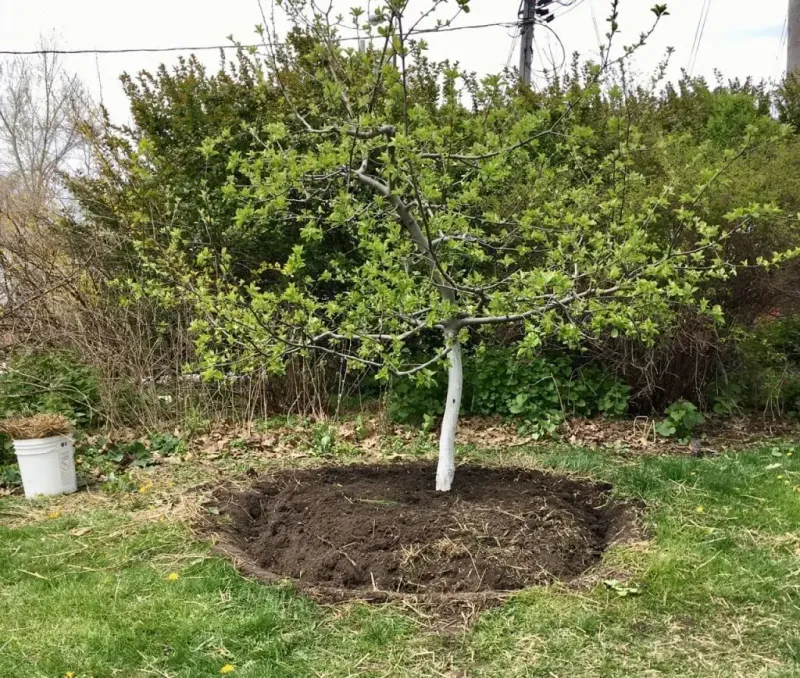
Mulch does quiet, steady work. A 2 to 4 inch layer spread out toward the drip line and kept tapered back from the trunk helps conserve moisture, soften temperature swings, and reduce soil splash onto leaves during rain.
That soil splash matters because it can move fungal spores from the ground up onto foliage. Mulch also improves the soil surface gradually as it breaks down, which is helpful in many Georgia yards with compacted top layers.
Keeping mulch in a wide ring makes it easier to water slowly without runoff.
Competition near the trunk can slow a young tree. A weed-free zone around the base reduces the tug-of-war for water and nutrients, especially during hot spells or dry weeks.
Grass roots can be surprisingly competitive, and turf tends to steal moisture quickly after light rains. Pulling weeds while they are small is usually easier than waiting for them to get established.
Avoid piling mulch against the trunk, since constantly damp bark can invite problems over time.
Wood chips and shredded bark work well. A wide mulch ring also reduces mower and string-trimmer damage, which is a common source of trunk stress in backyard orchards.
Straw can work too, especially for short-term coverage, though it can shift in heavy rain. Refreshing mulch when it thins keeps weeds down and helps the root zone stay more evenly moist.
9. Pruning And Transplant Timing In Early Spring
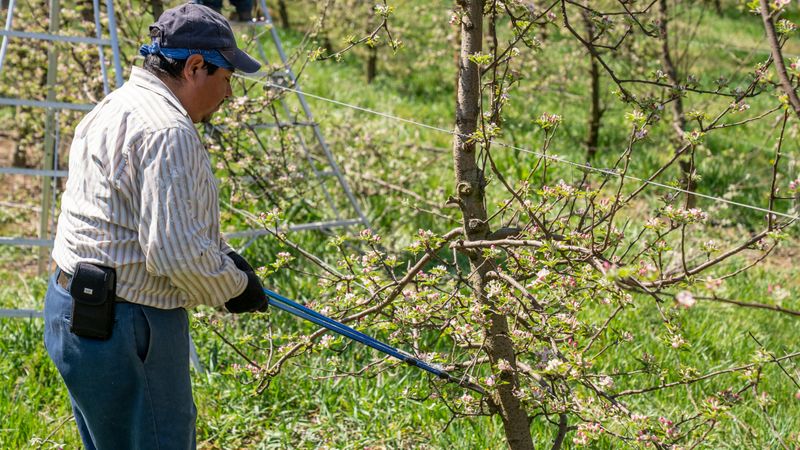
Early structure sets up future fruit. Pruning or training before new growth begins often makes the job clearer because the branch framework is easy to see and cuts are more precise.
Removing broken, rubbing, or sharply angled branches early can prevent bigger problems later as the tree gains weight and size. The goal is a strong scaffold with good spacing, not a crowded cluster of upright shoots competing in the same spot.
Clean tools and sharp blades help reduce ragged cuts and make pruning faster and smoother.
Peaches often use an open center form. This shape helps sunlight reach the interior and improves air movement through the canopy, which can be useful in humid climates.
Strong, well-spaced main limbs also help support fruit loads without excessive breakage. Heavy pruning too late in spring can stimulate lots of new shoots, which can create extra work later in the season.
A steady approach each year usually produces better structure than a big correction all at once.
Moves and transplants go best during dormancy. A dormant tree loses less moisture through leaves, which gives roots a better chance to recover after being disturbed.
Younger trees with smaller root systems tend to adapt more easily than older trees, so expectations should match tree size. Digging a wide root ball matters more than digging deep, since many feeder roots sit in the upper soil layers.
Watering well after the move and keeping the soil evenly moist for the following weeks can help the tree settle back in.