10 March Garden Tasks California Gardeners Shouldn’t Skip
March in California has a way of flipping the garden switch almost overnight.
One week the yard still feels like it is easing out of winter, and the next you notice new growth popping up, weeds moving in, and plants suddenly asking for attention.
This short stretch of the season is when a lot of important garden work quietly happens.
A few simple tasks done now can help plants grow stronger, keep pests under control, and make the rest of the spring feel a lot less hectic.
Miss this window and the garden tends to remind you later. But get a few key things done before the month wraps up, and the whole yard starts moving in the right direction.
Some of these March jobs are quick, some are easy to overlook, and a couple might not be on your radar yet.
1. Plant Warm-Season Veggies Before Spring Takes Off
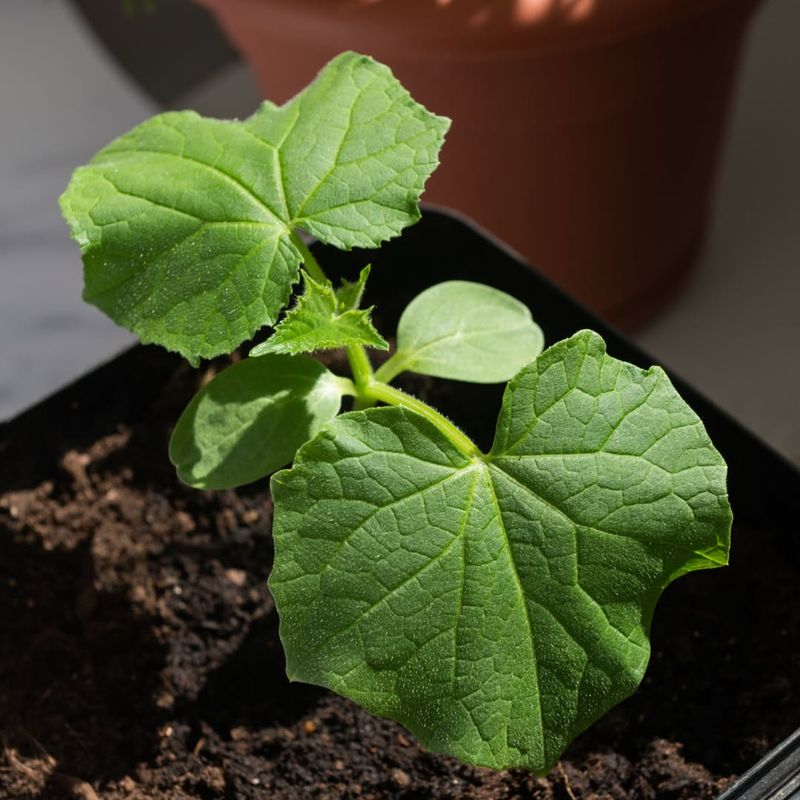
March in California is basically nature’s starting gun for warm-season vegetables. Beans, cucumbers, squash, and corn all love the warmer soil temperatures that begin showing up this month, especially in Southern California and the Central Valley.
Getting these seeds and seedlings into the ground now means you will be harvesting way before the summer heat peaks.
Start by testing your soil temperature with an inexpensive soil thermometer. Most warm-season veggies want the soil to be at least 60 degrees Fahrenheit before they really take off.
If your soil is still a little cool, try using black plastic mulch to trap heat and warm things up faster.
Raised beds are a fantastic option for California gardeners who want to get a jump on the season. They drain well, warm up quickly, and are easy to manage.
Work some compost into your beds before planting to give seedlings a nutrient-rich start. Space your plants according to the seed packet, water them in well, and keep an eye on the forecast.
A surprise cold snap is rare in most of California in March, but a lightweight row cover on hand never hurts. You will be glad you planted early when the harvest rolls in.
2. Refresh Garden Beds With Compost And Mulch
Nothing wakes up a tired garden bed like a fresh layer of compost and mulch. After the winter months, California soils can get compacted and depleted of nutrients.
Adding two to three inches of quality compost right now feeds the soil biology that your plants depend on all season long. Think of it as a hearty breakfast for your garden.
Compost improves both sandy and clay soils, which are common across many parts of California. Sandy soils drain too fast, and clay soils hold too much water.
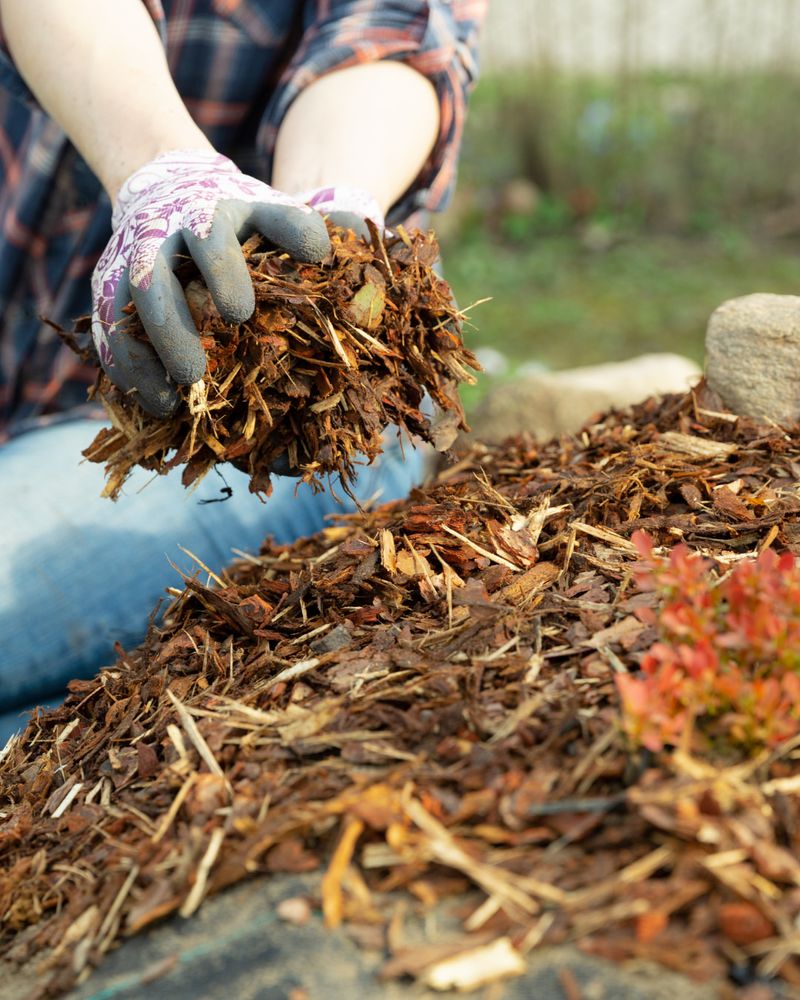
Compost helps balance both, creating that perfect crumbly texture where roots thrive. After spreading your compost, top it with a two to three inch layer of mulch, like wood chips or straw, to lock in moisture and keep weeds from sprouting.
Mulch is especially valuable as California heads into its dry season. Water is precious here, and mulch can cut your watering needs significantly by slowing evaporation.
Pull the mulch back slightly from the base of plant stems to prevent rot. This simple two-step routine of compost plus mulch is one of the highest-return tasks you can do in March.
Your plants will show their appreciation with stronger growth and bigger yields throughout the season.
3. Prune Roses Before New Growth Explodes
Roses in California are already stirring in March, and if you have not pruned them yet, now is the time to act fast. Waiting too long means cutting off new growth that the plant has already put energy into, which sets your roses back.
The best time to prune is right when you see those tiny red or green buds starting to swell on the canes.
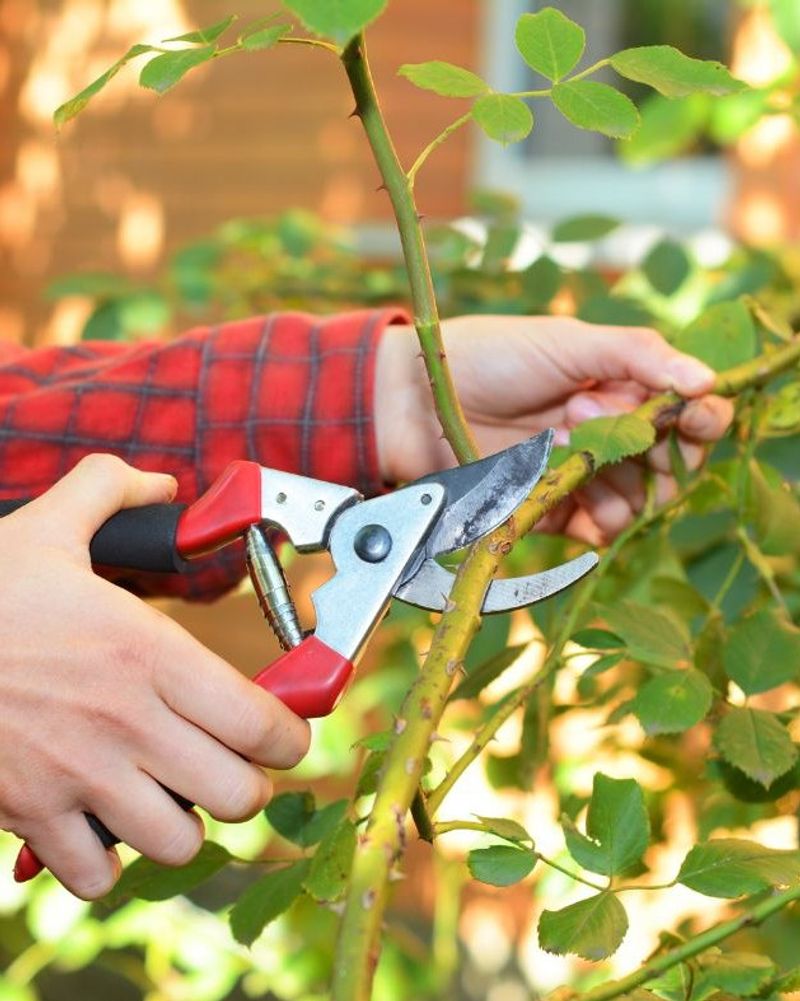
Start by removing any dead, damaged, or crossing canes. Then cut the remaining healthy canes back by about one third to one half, making your cuts at a 45-degree angle just above an outward-facing bud.
This encourages the plant to grow outward rather than into itself, which improves airflow and reduces the risk of fungal problems. Sharp, clean pruning shears make a big difference, so sharpen or replace yours if they are dull.
After pruning, clean up all fallen leaves and clippings from around the base of the plant. Old debris can harbor pests and disease spores that will cause problems later.
Feed your roses with a balanced rose fertilizer after pruning to support the burst of new growth coming. California gardeners who prune their roses in March are rewarded with fuller plants and more blooms from late spring all the way through fall.
4. Start Tomatoes And Peppers If You Haven’t Yet
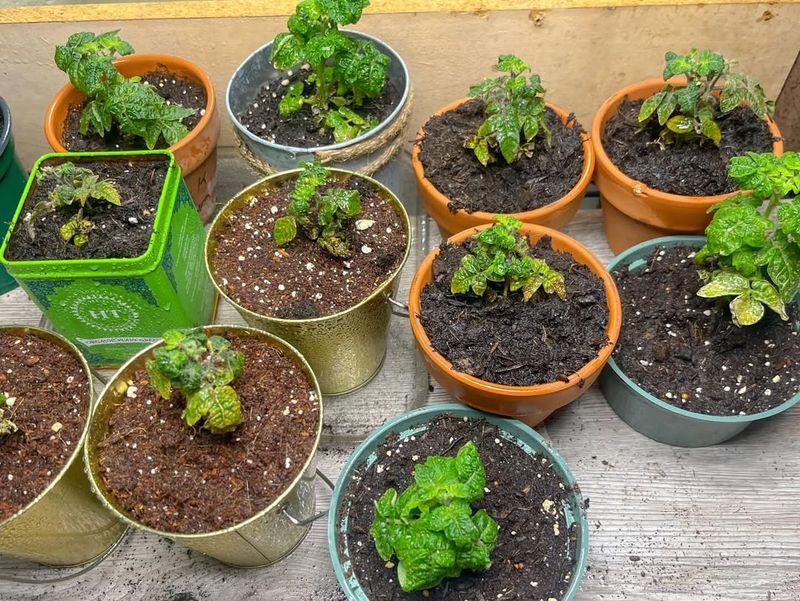
If you have been putting off starting your tomatoes and peppers from seed, March is your last comfortable window before it gets tricky. Starting them indoors now gives seedlings six to eight weeks to grow strong before they head outside.
By the time late April and May roll around, your transplants will be ready and raring to go into the garden beds.
Fill seed trays with a quality seed-starting mix, not regular garden soil, which can be too heavy and may carry pathogens. Plant seeds about a quarter inch deep, keep the trays warm, and make sure they get plenty of light.
A sunny south-facing windowsill works, but a basic grow light on a timer will give you more consistent results. Tomatoes and peppers love warmth, so aim to keep the soil around 70 to 80 degrees Fahrenheit for the best germination rates.
Once seedlings sprout and develop their first set of true leaves, thin them to one strong plant per cell. Water from the bottom when possible to keep the stems dry and reduce the chance of damping off.
California gardeners in warmer inland regions can sometimes direct sow tomatoes into the garden by late March, but starting indoors first gives you a major head start regardless of your location.
5. Hunt Down Early Aphids Before They Multiply
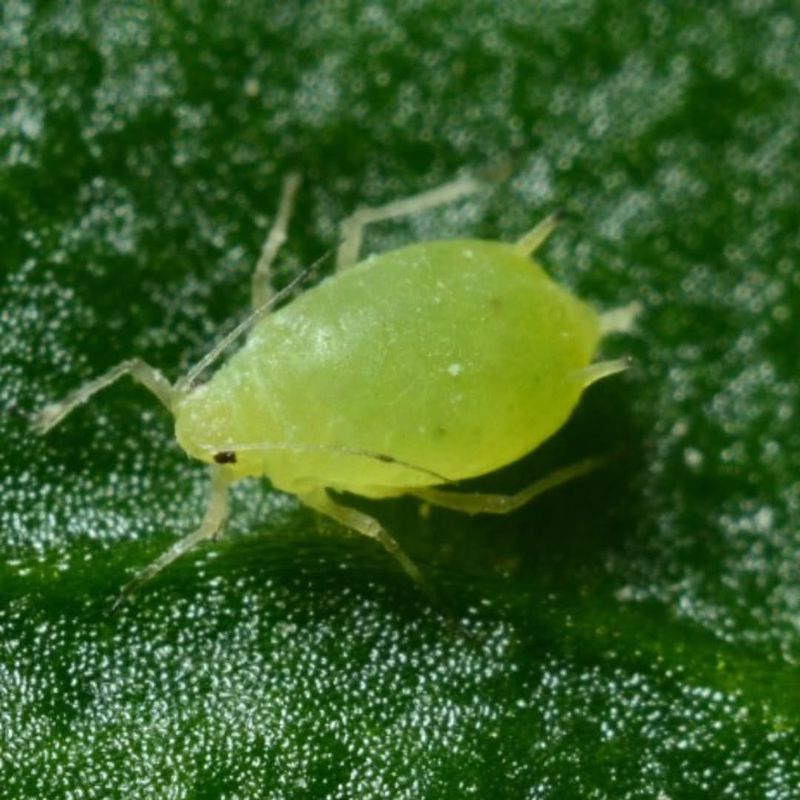
One day your plants look fine, and a week later the new growth is covered in tiny green, black, or white bugs sucking the life out of your leaves. March is when aphid populations start to build in California, so catching them early makes all the difference.
Check the undersides of leaves on roses, citrus, vegetables, and any tender new growth around the garden.
The simplest and most satisfying way to deal with a small aphid infestation is a strong blast of water from the hose. Knock them off the plant and most will not make it back.
For heavier infestations, insecticidal soap spray works well and is safe around kids and pets when used as directed. Neem oil is another solid option that disrupts the aphid life cycle without harming beneficial insects too much when applied in the early morning or evening.
Encouraging natural predators is a long-term strategy that really pays off. Ladybugs, lacewings, and parasitic wasps all feed on aphids and are common in California gardens.
Planting flowers like alyssum, dill, and yarrow nearby attracts these helpful insects. Avoid broad-spectrum pesticides that wipe out the good bugs along with the bad.
Staying consistent with weekly checks through spring keeps aphid populations manageable all season long.
6. Divide Crowded Perennials For Free New Plants
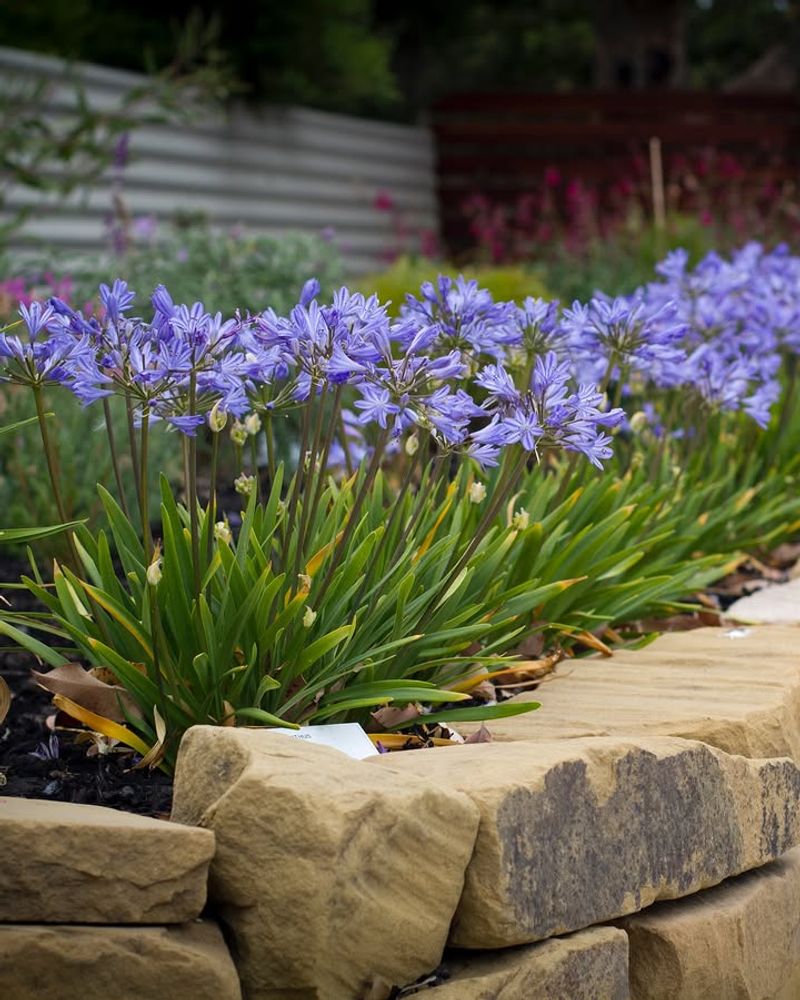
One of the best kept secrets in gardening is that you can get brand new plants completely free just by dividing the ones you already have. Perennials like agapanthus, yarrow, daylilies, and ornamental grasses tend to get crowded over time.
When that happens, the center of the clump often stops blooming and the whole plant looks tired. Dividing them in March solves the problem and gives you extra plants to fill gaps in the garden or share with neighbors.
To divide a perennial, start by watering it well the day before so the soil is moist but not soggy. Then use a sharp spade or garden fork to dig around and under the entire clump.
Lift it out and use your hands or a sharp tool to separate it into sections, each with healthy roots and a few shoots. Replant the divisions right away at the same depth they were growing before.
Water the newly planted divisions thoroughly and keep the soil consistently moist for the first few weeks while they settle in. A little shade cloth can help protect them from harsh afternoon sun during this adjustment period, especially in warmer parts of California.
Most divided perennials bounce back quickly and bloom beautifully within the same season. It is a rewarding, budget-friendly task that improves your whole garden in one afternoon.
7. Feed Citrus Trees Before The Big Spring Flush
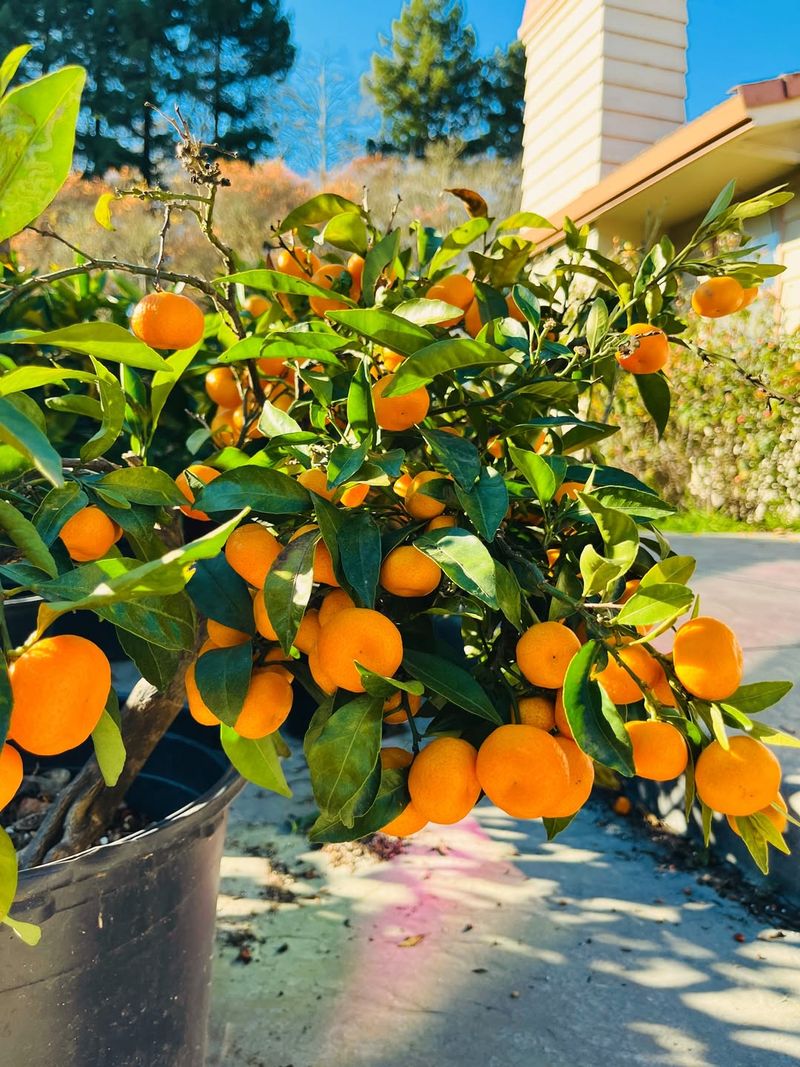
Citrus trees in California are about to go through one of their biggest growth spurts of the year, and they need fuel to do it well. Feeding your lemon, orange, lime, or grapefruit trees in March gives them the nutrients they need right as new leaves and blossoms start to push out.
Skip this step and your trees may produce fewer fruits or show signs of nutrient deficiency like yellowing leaves later in the season.
Look for a fertilizer specifically formulated for citrus, as these contain the right balance of nitrogen, phosphorus, potassium, and micronutrients like iron and zinc that citrus trees crave. Granular slow-release formulas are popular because they feed the tree steadily over several weeks.
Sprinkle the fertilizer evenly under the canopy, from the trunk out to the drip line, and water it in well. Avoid piling fertilizer directly against the trunk.
If your citrus leaves look pale or yellowish between the veins, that is a classic sign of iron or magnesium deficiency, which is common in California soils. A chelated iron spray or an Epsom salt drench can help correct this quickly.
Keep your trees well-watered after feeding since dry soil prevents nutrient uptake. With the right care in March, your citrus trees will reward you with a generous harvest later in the year.
8. Check Irrigation Systems Before Dry Days Arrive
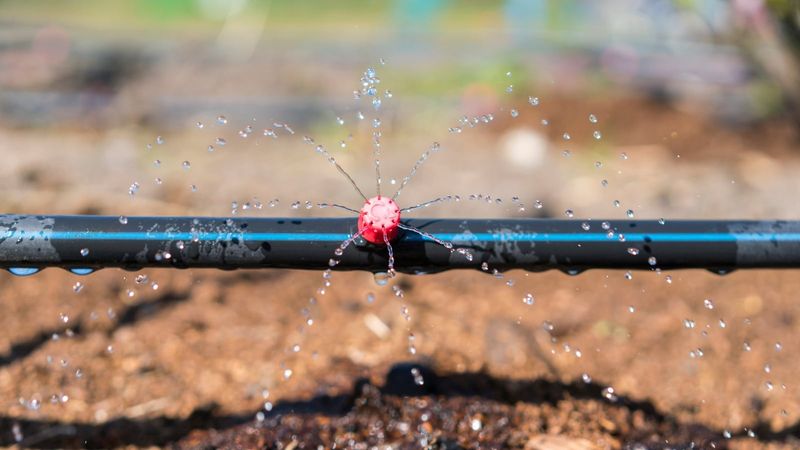
California is famous for its dry summers, and March is the perfect time to get your irrigation system in top shape before you really need it. A drip line with a clogged emitter or a sprinkler head spraying sideways wastes water and leaves your plants thirsty.
Running through the whole system now, while the weather is still mild, means you have time to fix problems without any plant stress.
Turn on each zone one at a time and walk through the garden while it runs. Look for sprinkler heads that are clogged, tilted, or broken.
Check drip emitters to make sure water is actually flowing out of each one. Inspect tubing and connectors for cracks or leaks, which are common after winter.
Flush the lines by briefly removing end caps to clear out any debris that has built up over the cooler months.
While you are at it, check that your timer or smart controller is programmed correctly for spring watering needs. Plants need more water now than they did in winter, but not as much as they will in July.
Many California water districts offer free irrigation checkups or rebates for upgrading to smart controllers, so it is worth looking into your local programs. A well-tuned irrigation system saves water, saves money, and keeps your garden thriving all season long.
9. Pull Young Weeds Before They Take Over
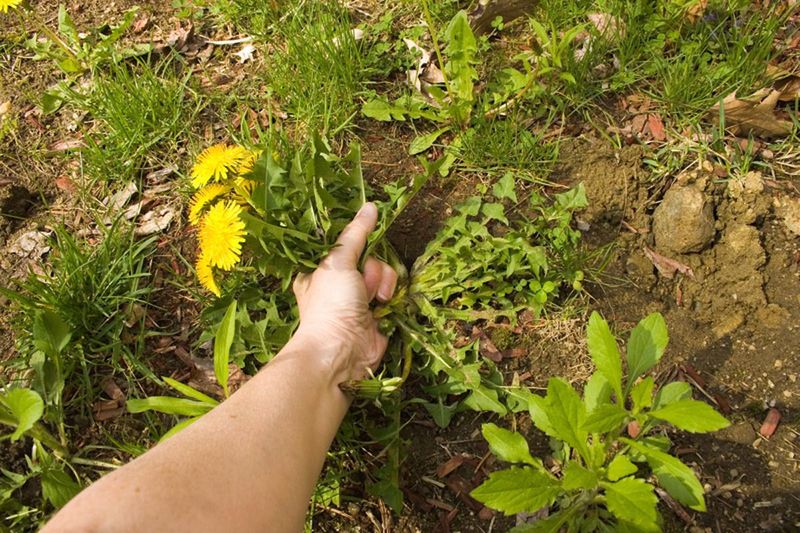
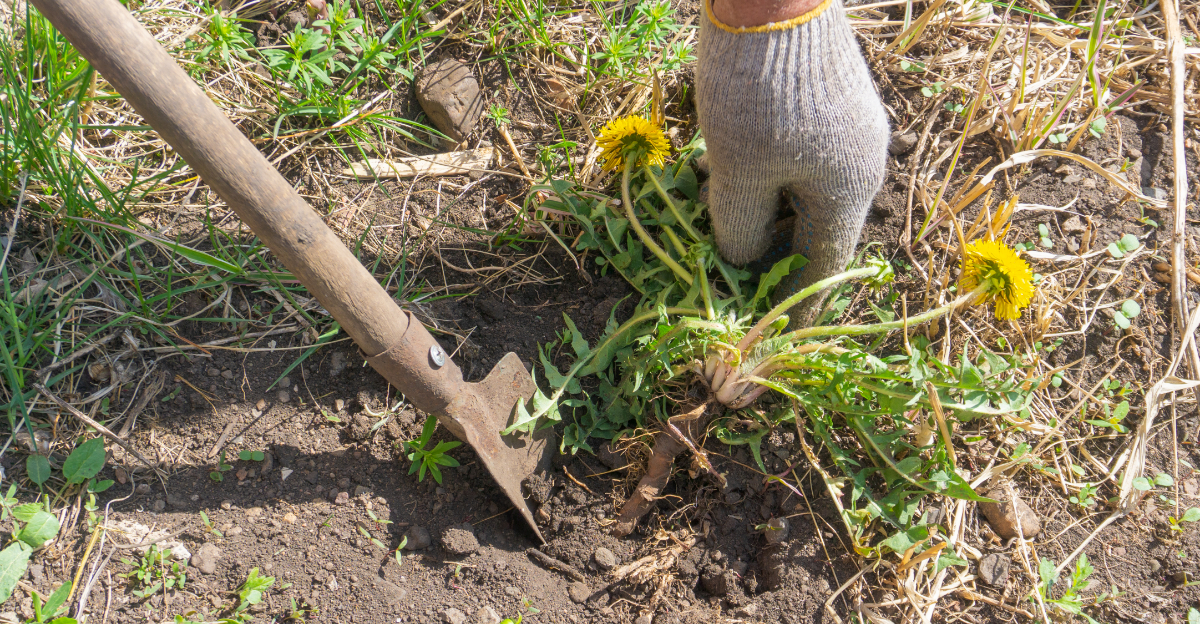
Pulling young weeds is almost laughably easy – a quick tug and out they come, roots and all. But wait just a few more weeks, and those same weeds will have developed deep taproots, spread seeds everywhere, and made themselves completely at home in your garden.
March is prime time for weed seedlings across California, especially after any winter rains that stirred up the seed bank in your soil.
Get out there after a rain or after watering when the soil is soft. Weeds slide right out with minimal effort in moist conditions.
A hand weeder or hori-hori knife is helpful for getting under taprooted weeds like dandelions. Try to pull the whole root rather than snapping the stem, since many weeds will regrow from even a small piece of root left behind.
Staying ahead of weeds in March saves you enormous amounts of time later in the season. A weed that goes to seed can drop hundreds of seeds into your garden, creating a problem that lasts for years.
After weeding, lay down that layer of mulch mentioned earlier to block new weed seeds from germinating. California gardeners who tackle weeds early in the season spend far less time weeding in the heat of summer.
A little effort now pays off in a cleaner, more manageable garden for months to come.
10. Plant Bright Spring Annuals For Instant Color
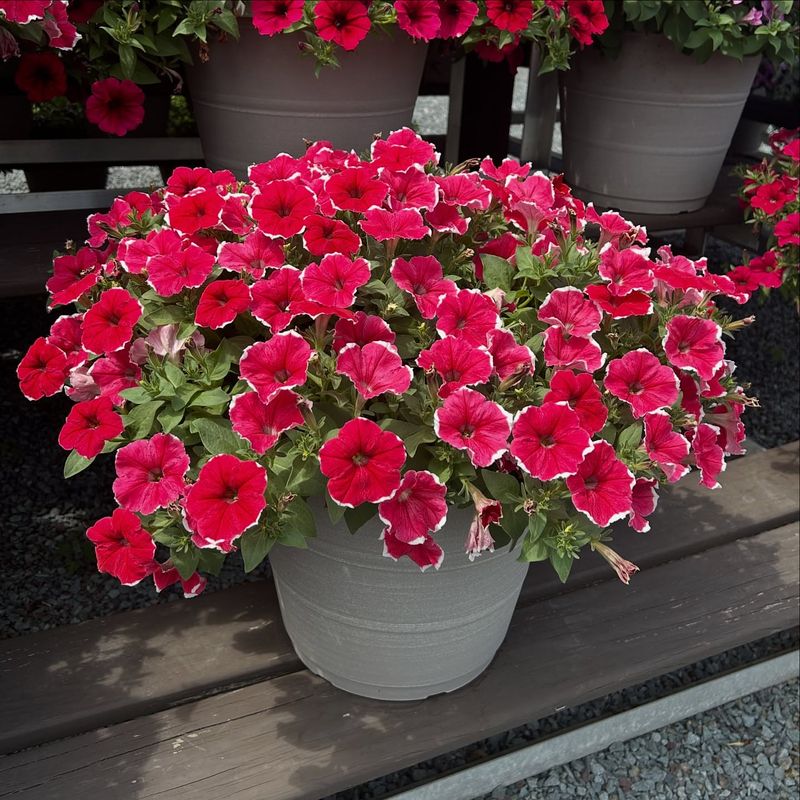
Few things lift the spirit of a garden faster than a fresh planting of bright spring annuals. Petunias, snapdragons, marigolds, lobelia, and alyssum are all fantastic choices for California gardens in March.
They are widely available at local nurseries right now, they are affordable, and they start adding color almost immediately after planting. If your garden has looked a little dull all winter, this is your quick fix.
Choose a spot that gets at least six hours of sunlight a day for most annuals, though some, like impatiens and lobelia, prefer a bit more shade. Loosen the soil and mix in some compost before planting to give your new additions a healthy start.
Space plants according to the tag instructions, since crowding reduces airflow and can lead to fungal issues in California’s coastal areas where morning fog is common.
Water new transplants gently but consistently until they are established, usually about two weeks. After that, most spring annuals are fairly low-maintenance.
Deadhead spent blooms regularly to keep the plants producing new flowers rather than setting seed. A light application of balanced fertilizer every few weeks keeps the color coming strong.
Planting annuals in March means your California garden will look its absolute best through spring and well into the early summer months ahead.