15 March Gardening Tasks North Carolina Gardeners Should Not Skip
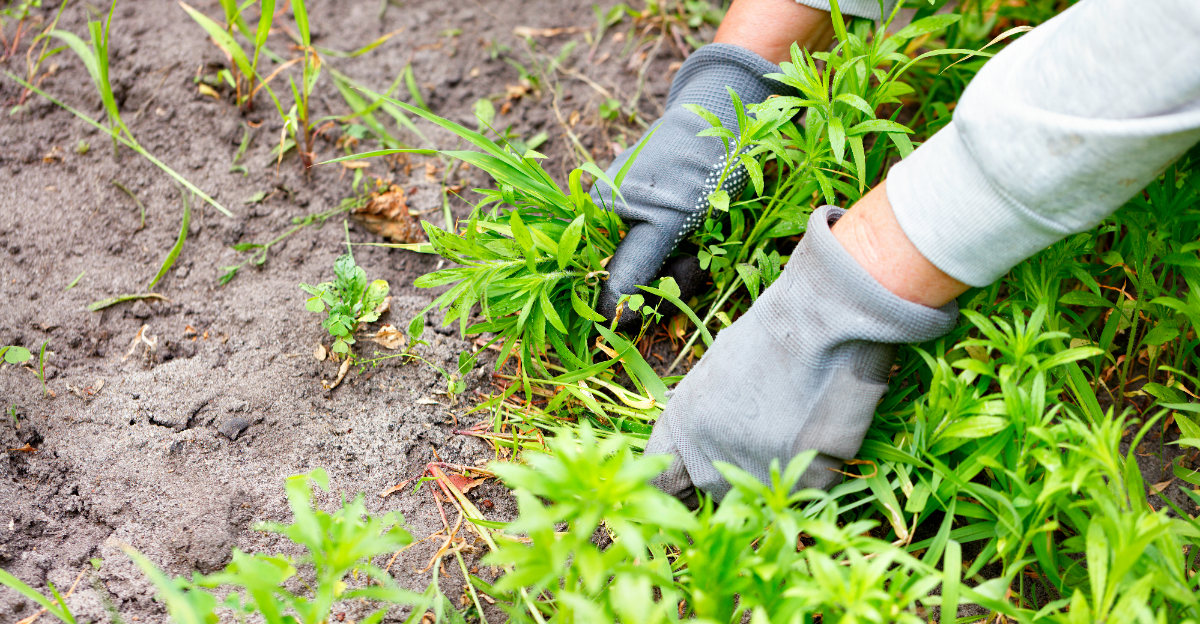
March does not whisper its arrival in North Carolina, it announces it with longer days, softer soil, and that unmistakable urge to get your hands dirty.
After months of waiting, gardens across the state begin to stir, and what you do right now can shape everything that follows.
This is the month when preparation turns into momentum. Beds need refreshing, cool season crops are ready for sowing, and winter debris must give way to new growth.
In the Coastal Plain, planting may already be in full swing, while Piedmont and mountain gardeners carefully watch frost dates and soil temperatures. Every region has its rhythm, but March is the common starting line.
Tackle the right tasks now and you will set yourself up for stronger plants, fewer setbacks, and a smoother season overall. These essential March moves will help your North Carolina garden launch into spring with confidence and energy.
1. Test Your Soil Before Heavy Spring Planting Begins
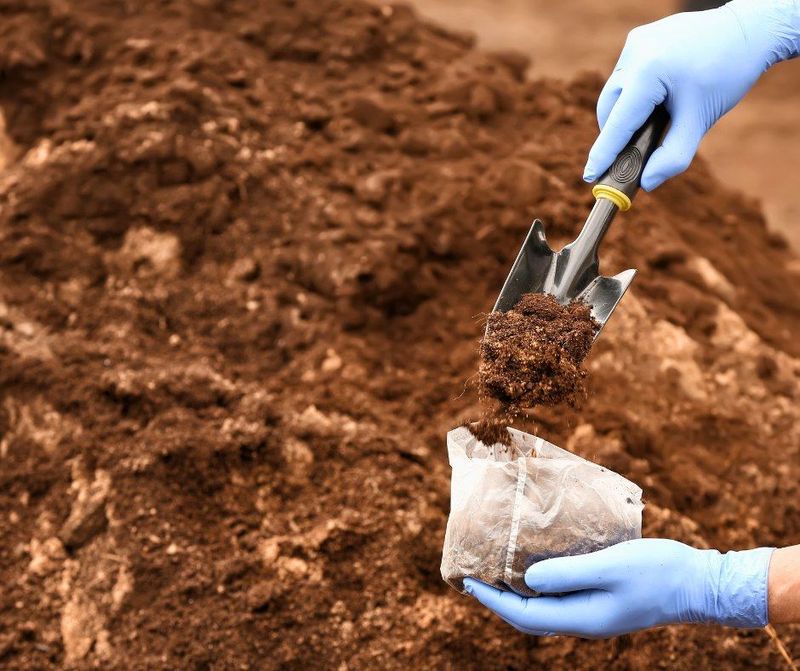
Skipping a soil test is one of the most common mistakes gardeners make every spring. Before you plant a single seed or transplant this March, take a few minutes to test your soil and understand exactly what you are working with.
North Carolina State University Extension offers affordable soil testing through local cooperative extension offices, and the results can genuinely change how your garden performs all season long.
A soil test tells you the pH level and which nutrients are lacking or excessive in your beds. Most vegetables and flowers prefer a pH between 6.0 and 7.0, and even small imbalances can prevent plants from absorbing nutrients properly.
If your soil is too acidic, lime can be added. If it is too alkaline, sulfur helps bring it back into the ideal range.
North Carolina soils vary significantly from the coastal plain to the mountains, so testing each growing area separately gives you the most accurate picture. Results usually come back within a week or two and include specific amendment recommendations.
Acting on those recommendations now, before planting ramps up, gives amendments time to work into the soil before your crops need them most. Think of this task as the foundation of a strong, productive garden season.
2. Direct Sow Cool Season Crops Early In The Month
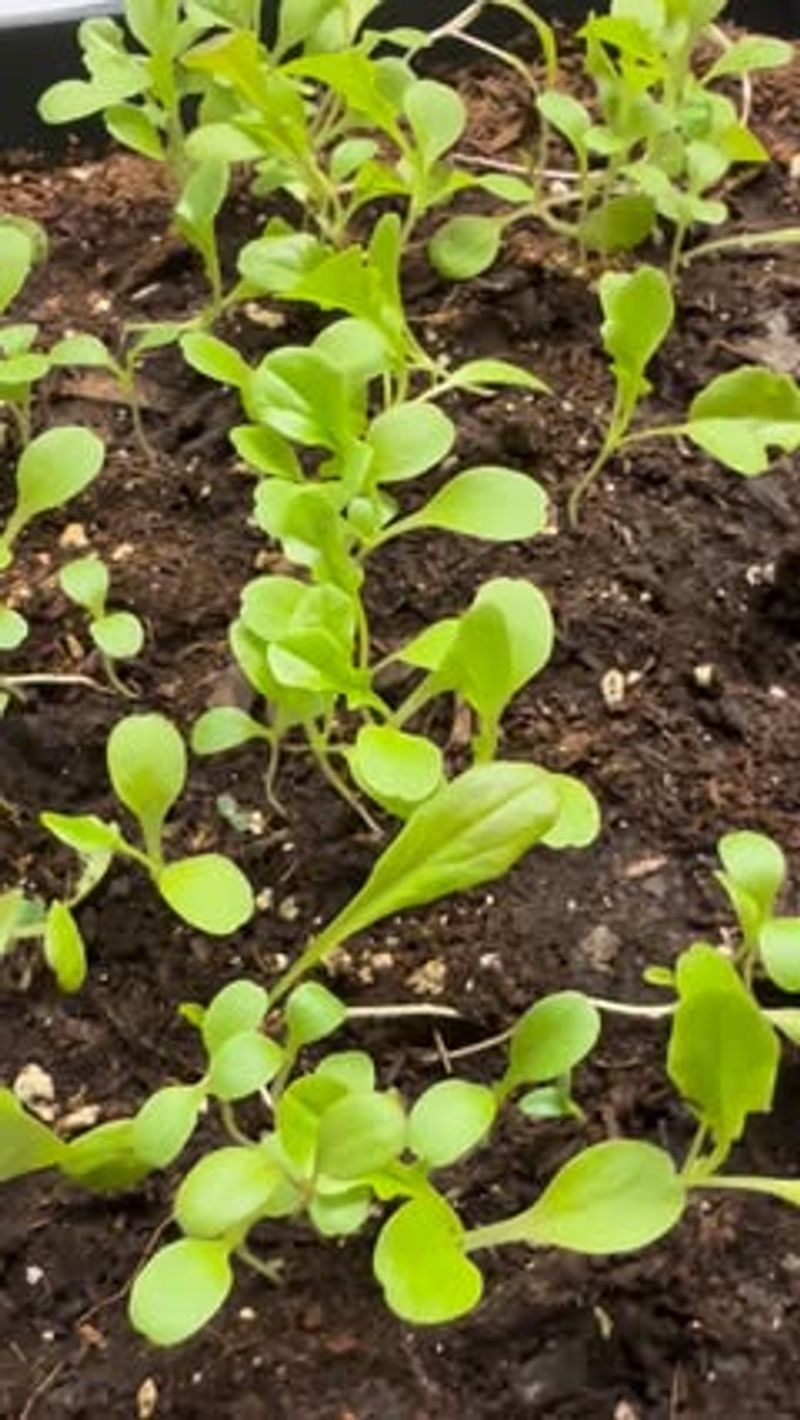
March is prime time for cool season vegetables across most of North Carolina, and getting seeds in the ground early pays off in a big way. Crops like lettuce, spinach, radishes, carrots, and peas all thrive in the cooler temperatures that March brings.
These plants actually prefer soil temperatures between 45 and 65 degrees Fahrenheit, making early spring the sweet spot for strong germination and steady growth.
In the Piedmont and coastal plain regions, you can often start direct sowing in the first two weeks of March without much worry. Mountain gardeners may want to wait until mid to late month when overnight temperatures become more reliable.
Planting in raised beds can help warm the soil a bit faster and give your seeds a slight edge in cooler areas of the state.
Spacing matters more than most beginners expect. Overcrowded rows compete for water, nutrients, and light, which leads to weak plants and disappointing harvests.
Follow packet instructions carefully, and thin seedlings once they are a couple of inches tall. Succession planting every two weeks keeps your harvest going strong well into May before summer heat arrives.
North Carolina gardeners who plant cool season crops early almost always enjoy a longer, more rewarding harvest window than those who wait for warmer weather.
3. Start Warm Season Vegetables Indoors
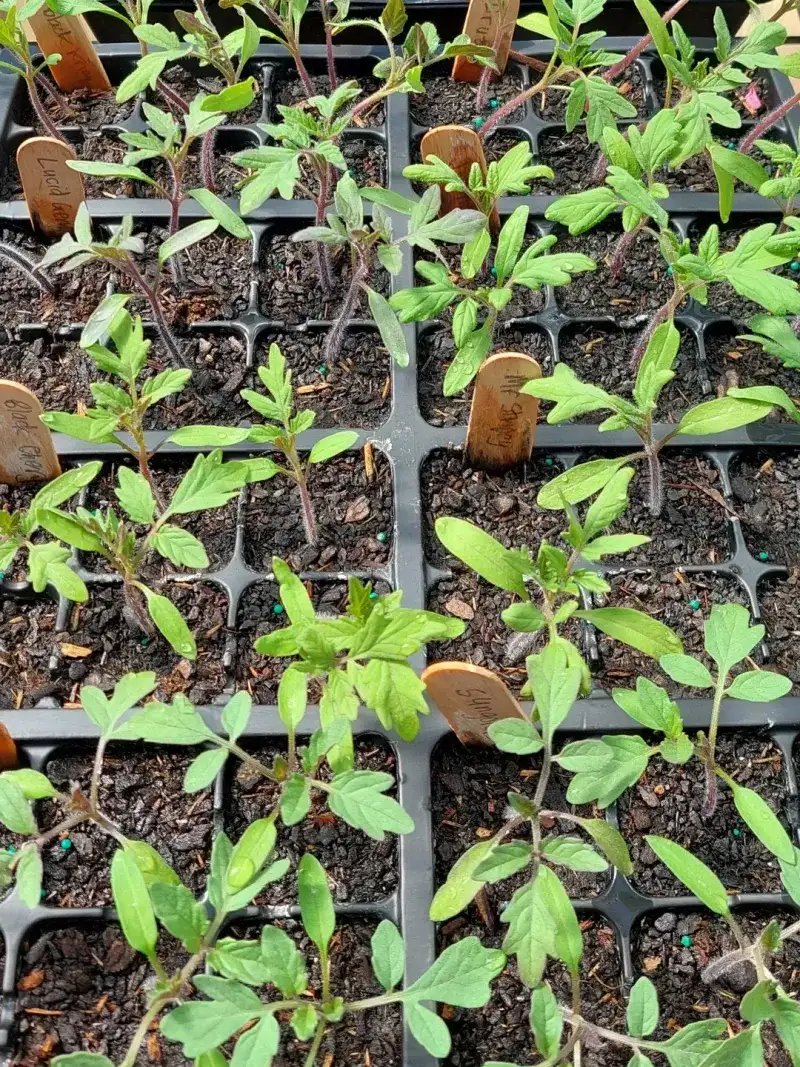
Tomatoes, peppers, and eggplant need a long growing season, and North Carolina gardeners who start them indoors in March give those plants the head start they need to thrive.
The last frost date across much of the state falls between late March and mid-April depending on your region, so starting seeds six to eight weeks ahead of that window puts you right on schedule for a strong transplant date.
Use a quality seed starting mix, not regular garden soil, which can compact in small containers and suffocate young roots. Place trays near a south-facing window or under grow lights set to run about 14 to 16 hours per day.
Consistent warmth is key for germination, and a seedling heat mat can make a real difference, especially for peppers, which prefer soil temperatures around 80 degrees Fahrenheit to sprout reliably.
Once seedlings emerge and develop their first true leaves, thin them so only one strong plant remains per cell. Begin fertilizing lightly with a diluted liquid fertilizer every week or so.
As transplant time approaches, gradually expose seedlings to outdoor conditions over seven to ten days in a process called hardening off. This prepares them for sun, wind, and temperature swings before they go into North Carolina garden beds for good.
Starting indoors now sets the stage for an impressive summer harvest.
4. Prune Roses Before Active Growth Begins
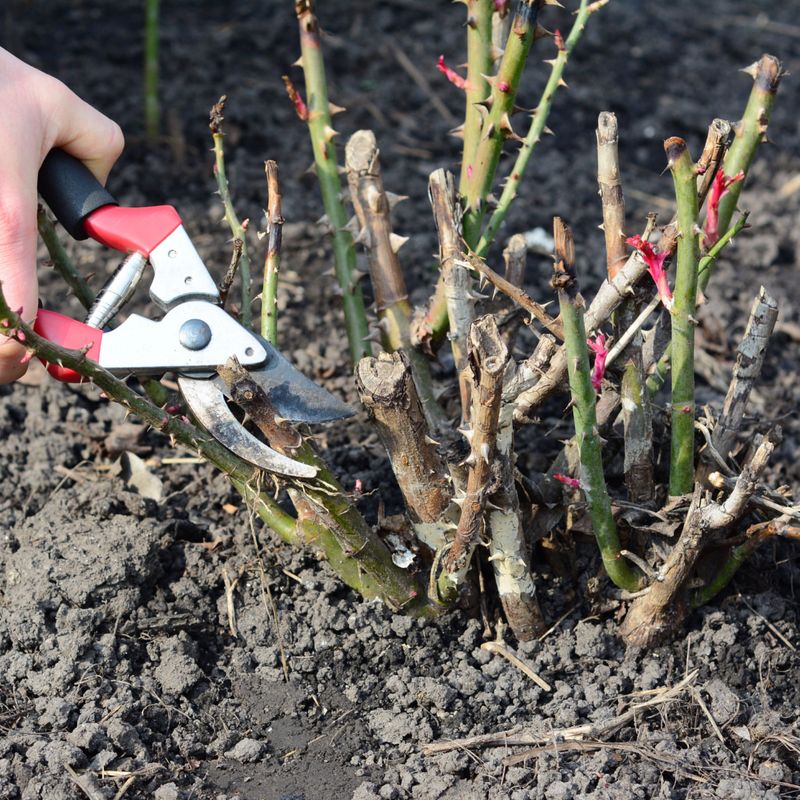
Rose pruning might feel intimidating, but March is actually the most forgiving time to tackle it across most of North Carolina. Most roses benefit from a good pruning just as the forsythia begins to bloom, which serves as a helpful natural signal that the timing is right.
Pruning too late, after active growth has already pushed out, wastes the plant’s energy and can stress it heading into the season.
Start by removing any canes that look damaged, diseased, or crossing over each other. For hybrid teas and grandifloras, aim to leave three to five of the strongest canes and cut them back to about 12 to 18 inches from the ground.
Climbing roses and old garden roses follow slightly different rules, so it helps to look up your specific variety before cutting. Always use sharp, clean bypass pruners to make smooth cuts just above an outward-facing bud.
After pruning, clean up all fallen leaves and clippings from around the base of the plant. Old debris can harbor fungal spores that cause problems like black spot later in the season.
A light application of rose fertilizer after pruning encourages new growth and sets your plants up for a strong flush of blooms.
North Carolina’s warm spring weather means roses respond quickly, and with proper pruning, they reward you generously from late spring through fall.
5. Cut Back Ornamental Grasses Before New Growth Appears
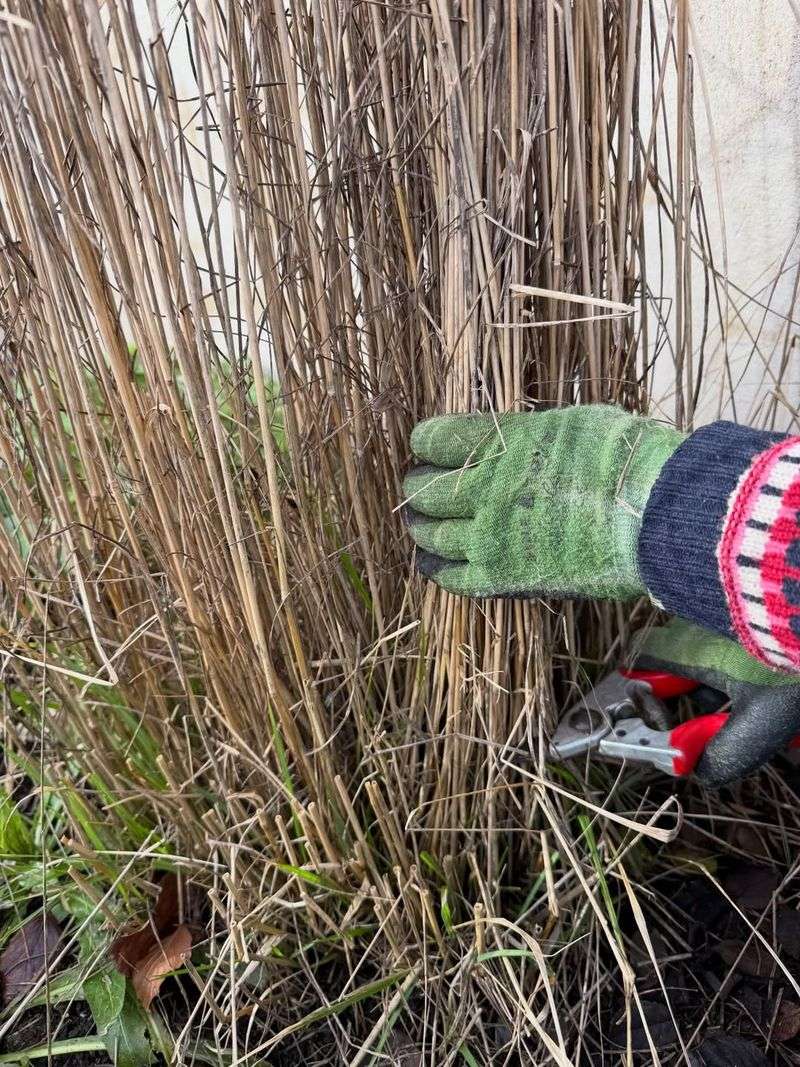
Ornamental grasses are some of the most low-maintenance plants in any North Carolina garden, but they do need one important annual task: cutting back before new growth emerges in spring.
Warm season grasses like muhly grass, switchgrass, and miscanthus should be trimmed down to about four to six inches from the ground in late winter or very early March.
If you wait too long, the new green shoots will already be mixed in with the old brown growth, making the job much harder and riskier for the plant.
Grab a pair of heavy-duty hedge shears or even a reciprocating saw for large clumps. Tie the grass into a bundle with twine before cutting to make cleanup a breeze.
The old stalks can be tossed into a compost pile or used as mulch in other areas of the garden.
Some gardeners leave the dried plumes standing through winter for visual interest and wildlife habitat, and March is simply the right moment to clear them away before the season shifts.
Cool season grasses like blue fescue behave a little differently and may only need a light combing or trim rather than a hard cutback. Always research your specific grass variety before grabbing the shears.
North Carolina gardeners who stay on top of this task each March enjoy fuller, healthier looking clumps with vibrant new growth that fills in beautifully throughout spring and summer.
6. Apply Fresh Mulch After Soil Begins Warming
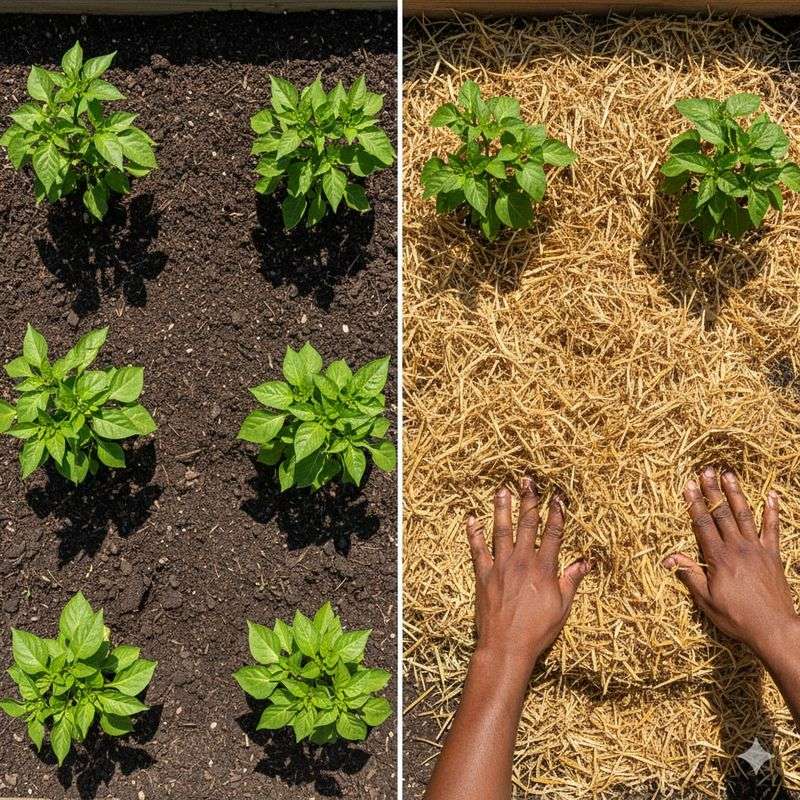
Mulch does far more than make your garden beds look neat and tidy. A fresh two to three inch layer applied in March helps lock in soil moisture, moderate temperature swings, and slow down weed germination before spring weeds really take off.
The key is to wait until the soil has begun to warm slightly before applying, because piling mulch on cold soil too early can actually trap cold temperatures and slow down root activity for your plants.
Shredded hardwood bark, pine straw, and wood chips are all popular choices for North Carolina gardens. Pine straw is especially common in the Southeast and works wonderfully around acid-loving plants like azaleas, blueberries, and camellias.
Shredded hardwood mulch breaks down more slowly and adds organic matter to the soil over time. Whichever type you choose, keep mulch pulled a few inches away from plant stems and tree trunks to prevent moisture buildup that can encourage rot.
Refreshing mulch annually rather than piling on new layers year after year prevents buildup that can block water and air from reaching roots. If last year’s mulch is still thick and intact, a light fluffing with a rake may be all you need.
North Carolina’s hot and often dry summers make mulch one of the most valuable investments a gardener can make each March, saving time, water, and effort for months ahead.
7. Divide Overcrowded Perennials Early In The Month
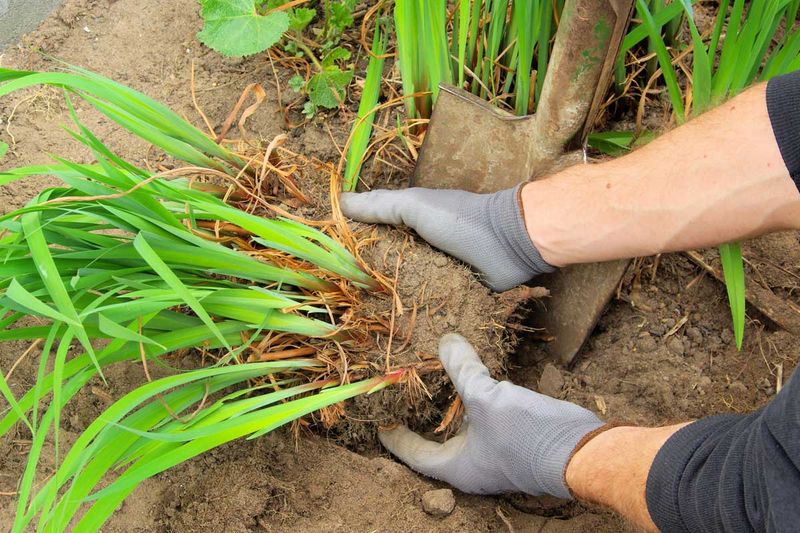
Perennials are workhorses of the garden, coming back year after year with very little fuss. But over time, many of them become too crowded, producing fewer blooms and weaker stems than they once did.
Early March, before strong top growth gets going, is one of the best windows in North Carolina to divide those overgrown clumps and breathe new life into your planting beds.
Popular perennials that respond well to spring division include hostas, daylilies, coneflowers, black-eyed Susans, and ornamental grasses.
Use a sharp spade or garden fork to lift the entire clump from the ground, then separate it into smaller sections, each with healthy roots and at least a few growth buds.
Replant divisions at the same depth they were growing before and water them in well. Divisions can also be shared with neighbors, potted up as gifts, or used to fill bare spots elsewhere in the garden.
Timing really does matter here. Dividing too late in spring, once plants have put significant energy into new foliage, stresses them and slows recovery.
Early March gives divisions time to settle in and establish roots before the heat of summer arrives.
North Carolina gardeners often find that divided perennials bloom better the very same year, making this one of the most satisfying tasks of the entire spring gardening season. It is a small effort that delivers a big reward.
8. Fertilize Lawns At The Proper Time For Your Grass Type
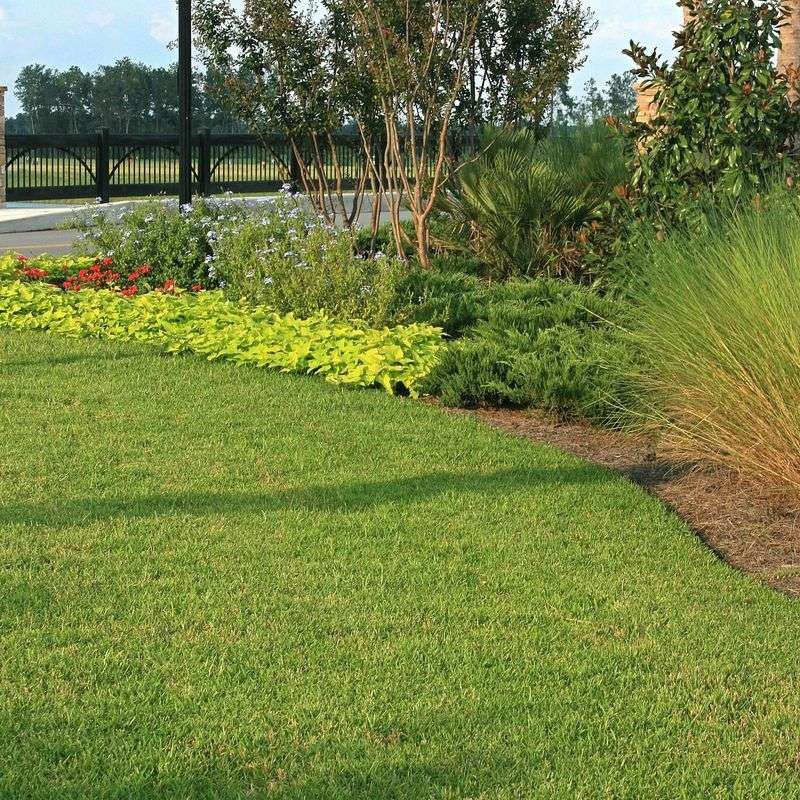
Fertilizing your lawn at the wrong time can do more harm than good, and North Carolina homeowners deal with two very different types of turf grass, each with its own schedule.
Cool season grasses like tall fescue and bluegrass are actively growing in early spring and can benefit from a light fertilizer application in March.
Warm season grasses like Bermuda, zoysia, and centipede, however, are still dormant or just waking up and should not receive heavy fertilizer applications until they are actively growing, typically late April through May.
For fescue lawns, a slow-release nitrogen fertilizer applied in early March supports steady growth without pushing excessive soft top growth that becomes vulnerable to disease.
Avoid high-nitrogen quick-release products at this time of year, as they can cause a burst of growth that weakens the lawn heading into summer.
Always follow soil test recommendations for the most accurate fertilizer rates and product choices.
Centipede grass is particularly sensitive to over-fertilization, especially with phosphorus, and too much too soon can actually weaken this grass over time.
Bermuda and zoysia owners should hold off on heavy feeding until the lawn has greened up fully and temperatures are consistently warm.
Checking with your local North Carolina Cooperative Extension office for grass-specific guidance is always a smart move. The right fertilizer at the right time makes the difference between a lawn that thrives and one that struggles all season.
9. Inspect Shrubs For Winter Damage
After a North Carolina winter, even a mild one, shrubs deserve a thorough once-over before the growing season kicks into high gear. Cold snaps, ice storms, and heavy winds can cause damage that is not always obvious until new growth begins to emerge.
March is the ideal time to walk through your landscape with a critical eye and assess what came through the winter in good shape and what might need some attention.
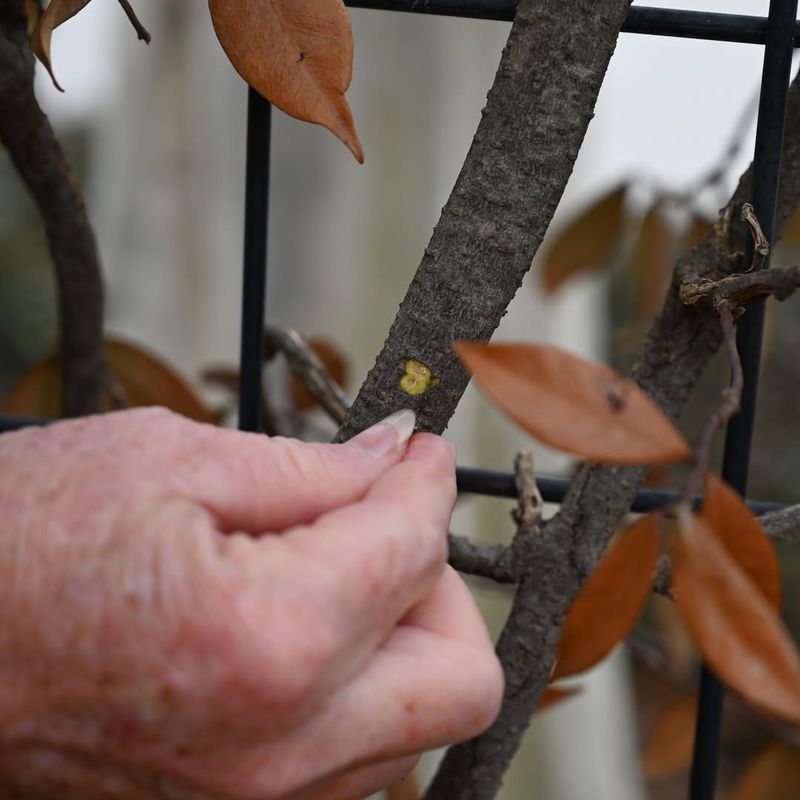
Look for canes or branches that appear shriveled, discolored, or brittle. A simple scratch test on the bark can tell you a lot.
If the tissue underneath looks green and moist, the branch is alive and well. If it looks brown and dry, that section may need to be removed.
Wait until you see new buds pushing out before making final pruning decisions on marginally damaged plants, since some shrubs look rough in early March but bounce back beautifully once warmth returns.
Broadleaf evergreens like hollies, gardenias, and camellias are especially worth checking after cold winters. Browning foliage does not always mean the whole plant is lost.
Prune away clearly damaged growth, feed lightly with a balanced fertilizer, and give the plant time to recover.
North Carolina gardeners are often pleasantly surprised by how resilient their shrubs turn out to be with just a little care and patience applied at the right time in early spring.
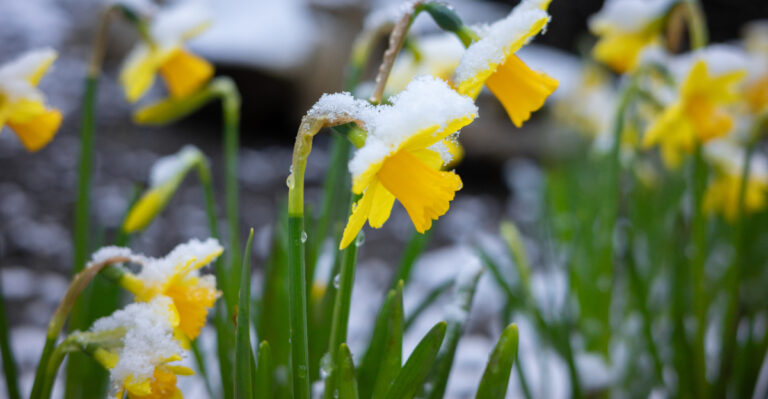
10. Protect Tender Plants From Late Frost
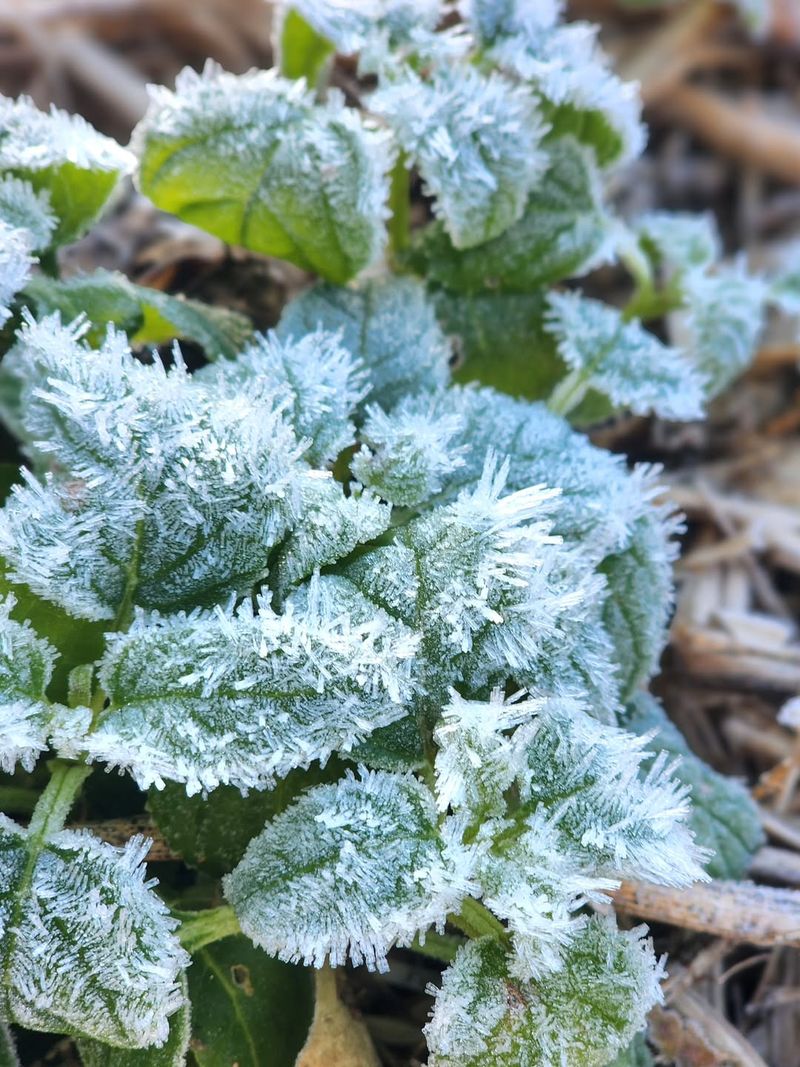
March in North Carolina can feel like spring one day and late winter the next. Frost is still a very real possibility across the state through much of the month, especially in the Piedmont and mountain regions where temperatures can dip below freezing well into April.
Gardeners who get caught off guard by a late cold snap risk losing tender transplants, early blooms, and young seedlings that took weeks to grow.
Keep a close eye on overnight forecast lows throughout March and have frost protection supplies ready to deploy at a moment’s notice.
Lightweight row covers, old bedsheets, and frost cloth can all be draped over vulnerable plants in the evening and removed the next morning once temperatures rise.
Potted plants should be moved to a sheltered spot like a garage, covered porch, or against a south-facing wall when frost is expected. Avoid using plastic sheeting directly on foliage, as it traps cold air rather than holding warmth.
Watering plants before a frost can actually help protect them, since moist soil holds heat better than dry soil overnight. Tender annuals, newly transplanted vegetables, and early blooming perennials are the most vulnerable.
Coastal North Carolina gardeners generally face less frost risk than those in the mountains, but no region is completely safe in March. Staying weather-aware and prepared means your plants make it through those final cold nights without missing a beat.
11. Plant Bare Root Trees And Shrubs Early In The Month
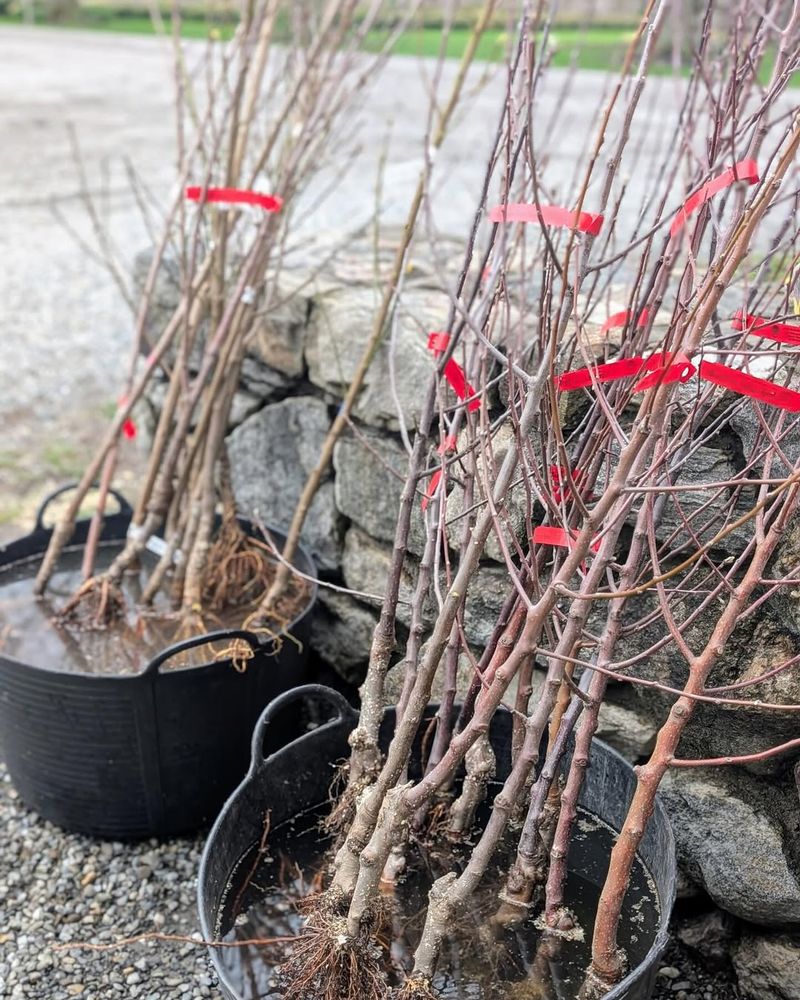
Bare root trees and shrubs represent one of the best deals in gardening, offering healthy plants at a fraction of the cost of container-grown options.
These plants are sold without soil around their roots while they are still dormant, and they need to go into the ground during that narrow window before they break dormancy and begin pushing out new growth.
Early March in North Carolina hits that sweet spot perfectly for most of the state. Fruit trees like apples, peaches, pears, and plums, along with ornamental trees and berry bushes, are commonly sold bare root at local nurseries and through online suppliers in late winter.
When you receive or purchase bare root plants, keep the roots moist and plant as soon as possible.
If planting must wait a few days, heel the roots into a bucket of moist soil or sawdust to keep them from drying out.
Dig a wide, shallow hole rather than a deep narrow one, spreading the roots outward naturally without bending or crowding them. Backfill with native soil, water deeply, and mulch the area around the base.
Bare root plants often catch up quickly to container-grown plants once they establish, because their roots spread naturally without the circular growth patterns that can develop in pots.
North Carolina gardeners who plant bare root stock early in March typically see strong, healthy growth by late spring and a well-established plant heading into summer.
12. Refresh Vegetable Beds With Compost
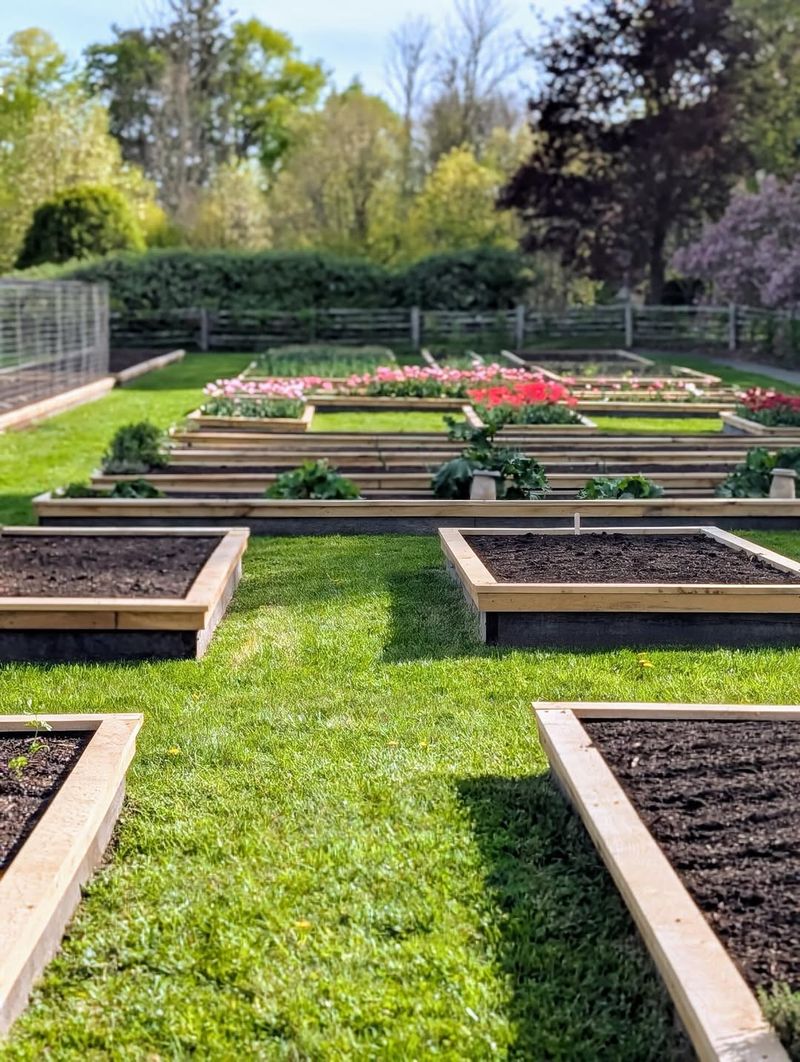
Healthy vegetables start with healthy soil, and there is no better time to replenish your vegetable beds than in March before the planting season accelerates.
Compost adds organic matter that improves drainage in heavy clay soils, helps sandy soils hold onto moisture, and feeds the billions of beneficial microorganisms that make nutrients available to plant roots.
Just two to three inches worked into the top layer of your beds can make a dramatic difference in how well your crops perform all season.
Finished compost should look dark, crumbly, and smell earthy rather than sour or strong. If your homemade pile is not quite ready, bagged compost from a garden center works perfectly well.
Spread it evenly over the bed surface and work it into the top six to eight inches of soil using a garden fork or tiller. This is also a great time to mix in any other amendments recommended by your soil test, such as greensand, kelp meal, or bone meal.
North Carolina soils, particularly in the Piedmont, tend to be heavy red clay that benefits enormously from regular compost additions.
Consistent annual applications over several years gradually transform even the most stubborn soil into a rich, productive growing medium.
Gardeners who make compost refreshing a March habit often find their vegetable yields improving year over year with very little additional input. It is simple, affordable, and one of the most effective things you can do for your garden.
13. Weed Early Before Spring Growth Accelerates
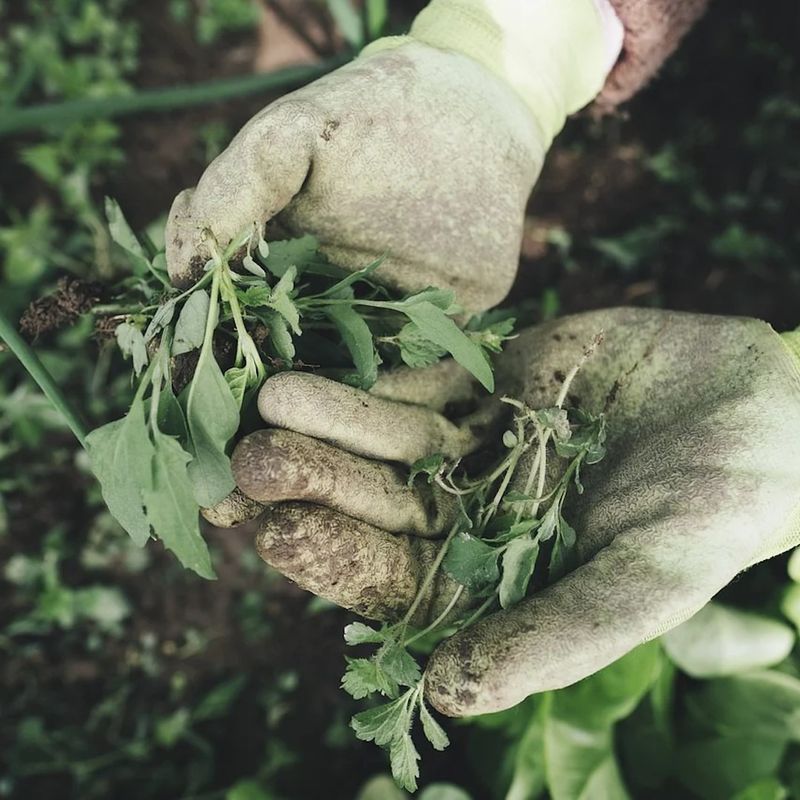
Winter weeds are sneaky. They set up shop during the cooler months when gardeners are less active outdoors, and by the time March arrives, plants like chickweed, henbit, hairy bittercress, and deadnettle have often spread across entire beds.
Tackling them now, before they set seed and before your garden plants fill in, is one of the smartest moves you can make for the entire growing season ahead.
Hand pulling works best when the soil is moist after a rain, since roots come out more cleanly and completely. For larger infestations, a stirrup hoe or collinear hoe makes quick work of shallow-rooted winter weeds without disturbing soil structure too much.
The goal is to remove weeds before they go to seed, because a single plant can produce hundreds or even thousands of seeds that will create problems for years to come. One round of thorough weeding now saves you from multiple rounds of weeding later.
After weeding, applying a fresh layer of mulch over bare soil helps prevent weed seeds from germinating by blocking the light they need to sprout.
Pre-emergent herbicides are another option for pathways and ornamental beds, though they should not be used where you plan to direct sow seeds.
North Carolina gardeners who stay ahead of weeds in March consistently report cleaner, more manageable gardens throughout spring and summer, with far less time spent on their hands and knees chasing weeds down the road.
14. Clean And Sharpen Garden Tools Before Peak Season
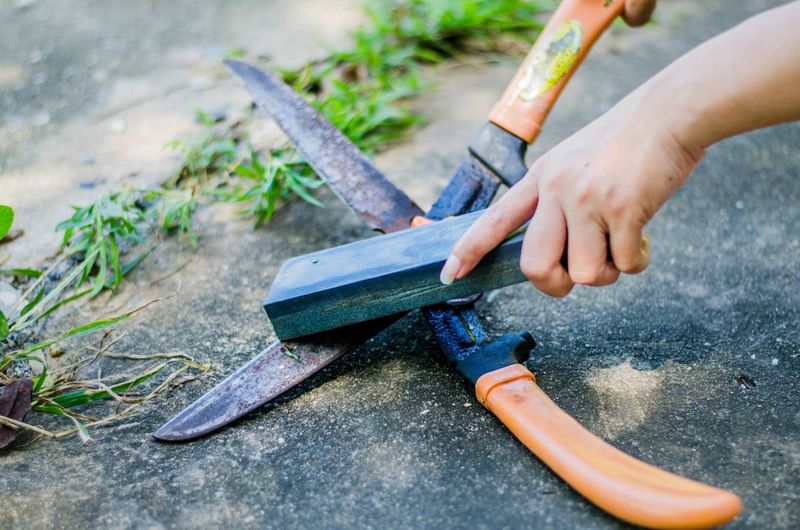
Dull, dirty tools are one of those quiet problems that slow down even the most enthusiastic gardener. A pruner that crushes stems rather than cutting cleanly, or a spade coated in last season’s rust, makes every task harder and takes longer than it should.
March, right before the busiest gardening months hit, is the perfect time to pull every tool out of the shed and give them the attention they deserve before you really need them.
Start by scrubbing off any soil, sap, or rust using a stiff wire brush and soapy water. For stubborn rust, a little steel wool and some penetrating oil works wonders.
Once tools are clean and dry, sharpen cutting edges using a mill file or whetstone. Pruners, loppers, hoes, and spades all benefit from a sharp edge that slices cleanly through soil and stems.
Sharp tools not only work better but also reduce the physical effort needed to use them, which matters a lot during long gardening sessions.
Clean tools also help prevent the spread of soilborne diseases and fungal issues between plants. After sharpening, wipe metal parts with a light coat of linseed oil or machine oil to prevent rust from forming during the humid North Carolina spring and summer months.
Wooden handles can be treated with linseed oil as well to prevent cracking and splintering. Taking care of your tools now means they will take care of you all season long without any unexpected failures mid-task.
15. Monitor Soil Temperature Before Planting Warm Season Crops
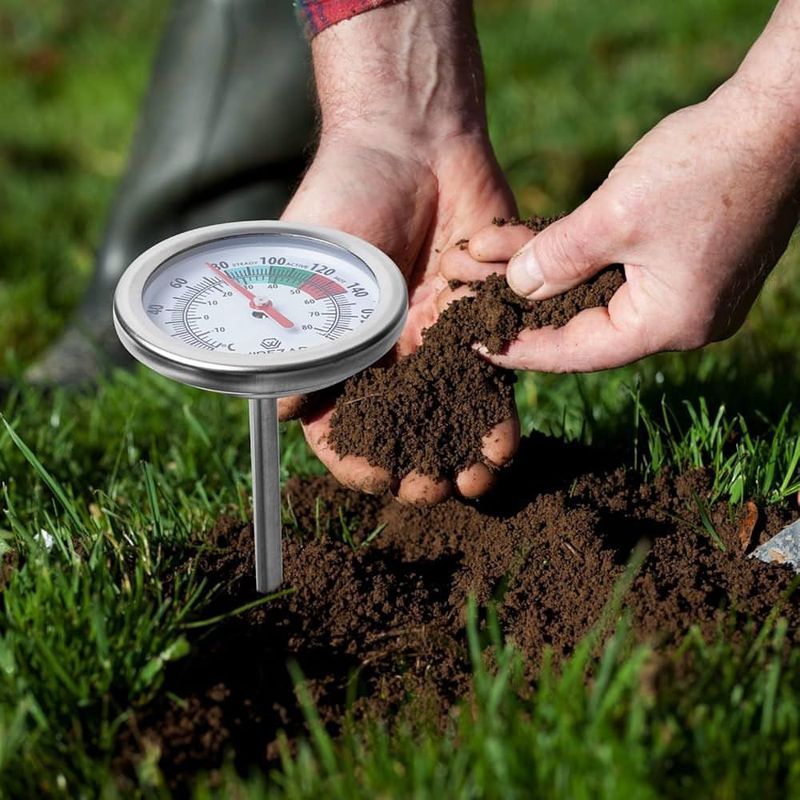
Calendar dates are helpful, but soil temperature is the real signal your garden is waiting for.
Warm season crops like beans, corn, cucumbers, squash, and melons need soil that has warmed to at least 60 degrees Fahrenheit for reliable germination, and many of them prefer temperatures closer to 65 to 70 degrees before going into the ground.
Planting too early into cold soil leads to slow germination, rotting seeds, and weak seedlings that never quite catch up to plants seeded later under warmer conditions.
A simple soil thermometer is one of the most useful and underrated tools in any North Carolina gardener’s kit. Push it a few inches into the soil in the morning, when temperatures are at their lowest, and check the reading over several consecutive days.
Raised beds warm faster than in-ground beds, and south-facing slopes tend to warm earlier than flat or north-facing areas. These small differences can shift your planting window by a week or more.
Across North Carolina, soil temperatures in March vary quite a bit depending on your location. Coastal plain gardeners often see soil warm up faster than those in the Piedmont or mountains, where the growing season starts later.
Using a soil thermometer removes the guesswork and helps you plant with confidence rather than crossing your fingers.
Patience pays off here, and crops planted into properly warmed soil almost always outperform those rushed into cold ground just because the calendar says spring has arrived.