8 March Gardening Tasks You Shouldn’t Ignore In Georgia
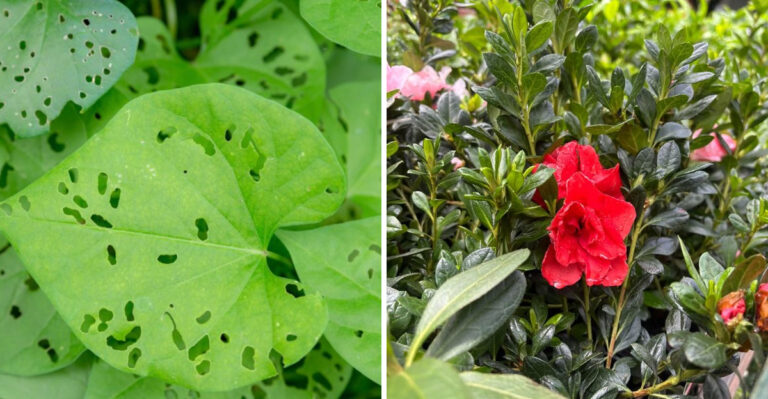
March is one of the most important working months in a Georgia garden.
As soil temperatures rise and plants begin active growth, this is the time to handle essential maintenance before the season becomes busy. Skipping key tasks now often leads to weak growth, pest problems, or poor flowering later in spring.
What you address in March directly affects how stable and productive your garden will be in the coming months.
This is the month to prune certain plants, refresh mulch, test soil, divide perennials, fertilize where appropriate, and prepare beds for planting. Taking care of these jobs while growth is still manageable prevents larger problems once heat and humidity increase.
Staying consistent in March keeps your Georgia garden organized, healthier, and easier to manage through the rest of the season.
1. Fertilize Lawns Once Soil Temperatures Consistently Warm
Grass roots begin active growth once soil temperatures reach about 55 degrees consistently, which in many parts of Georgia happens from late March into April. Fertilizing too early wastes money and nutrients since dormant roots can’t absorb what you apply.
Wait until you see consistent green-up starting, which signals that your turf is actively growing again.
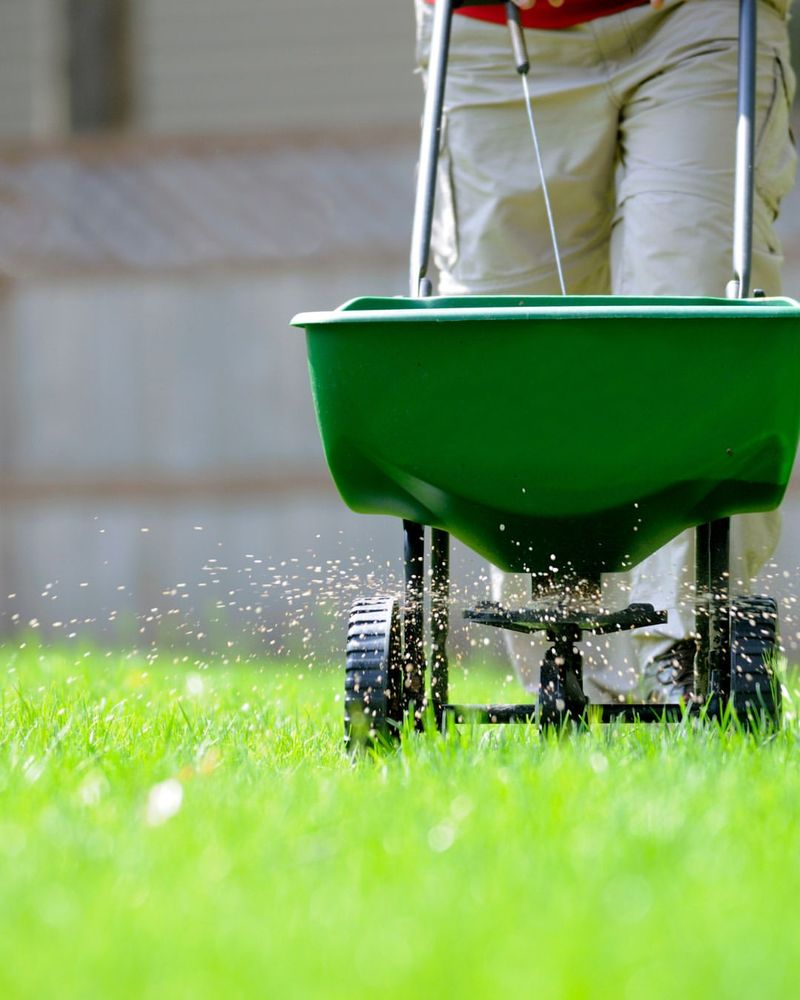
Bermuda and zoysia lawns dominate Georgia landscapes and both need their first feeding as they transition out of dormancy. Use a slow-release fertilizer with a 3-1-2 or 4-1-2 ratio of nitrogen, phosphorus, and potassium.
Apply about one pound of actual nitrogen per 1,000 square feet. Check your fertilizer bag to calculate how much product that requires since different brands have different concentration levels.
Fescue lawns follow different rules since they’re cool-season grasses that actually slow down as summer approaches. They need lighter feeding in spring compared to warm-season types.
Avoid heavy nitrogen applications that push excessive top growth right before heat stress arrives. A half-pound of nitrogen per 1,000 square feet is plenty for fescue in March.
Water your lawn within 24 hours after spreading fertilizer to activate the nutrients and move them into the root zone. Skip fertilizing if heavy rain is forecast since runoff carries nutrients into storm drains and waterways.
Sweep any granules that land on sidewalks or driveways back onto the grass to prevent waste and environmental issues.
2. Prune Roses Before New Growth Fully Takes Off
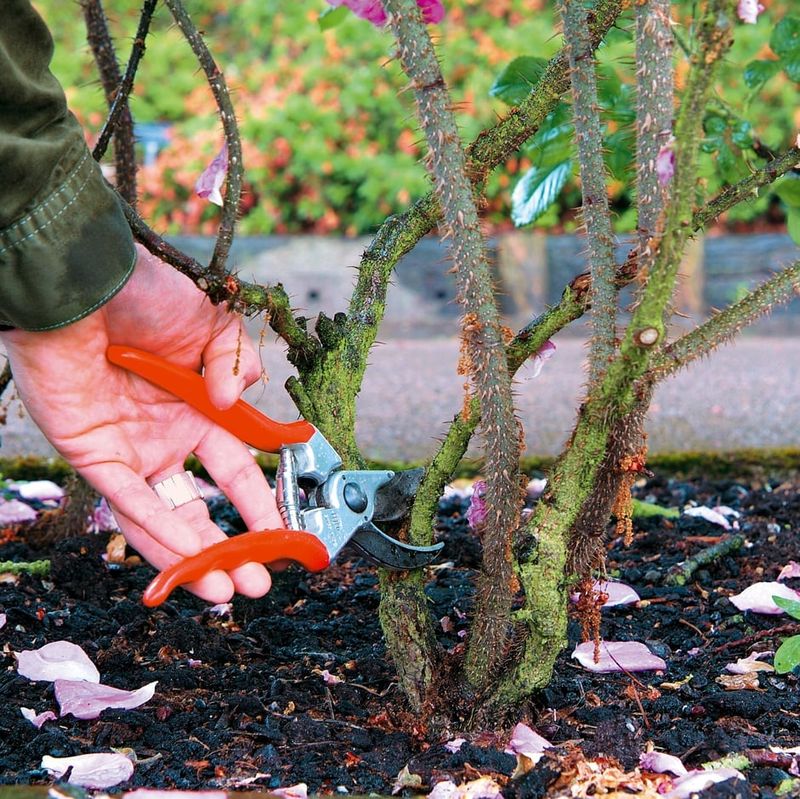
Rose canes need cutting back before they push out serious new growth. You want to catch them while buds are still tight and small, not after leaves start unfurling.
Georgia’s climate means roses never go fully dormant like they do up north, but March offers your best chance to shape them without wasting the plant’s energy.
Cut out any canes that look shriveled, discolored, or damaged from winter cold snaps. Remove branches that cross through the center since these create crowding and block airflow.
Make your cuts at a 45-degree angle about a quarter inch above an outward-facing bud. This directs new growth away from the plant’s center, which helps prevent disease problems later.
Hybrid teas and floribundas in Georgia typically get cut back to about 18 inches tall. Climbing roses need lighter pruning since you want to keep their framework intact.
Remove only the oldest canes and any weak or twiggy growth. Shrub roses are more forgiving and just need shaping plus removal of problem wood.
Clean your pruning shears between cuts if you spot any dark streaks inside the canes, which signals disease. Rake up all the clippings and toss them in the trash rather than composting.
Feed your roses after pruning with a balanced fertilizer to fuel the flush of spring growth that follows.
3. Direct Sow Cool-Season Vegetables While Soil Stays Mild
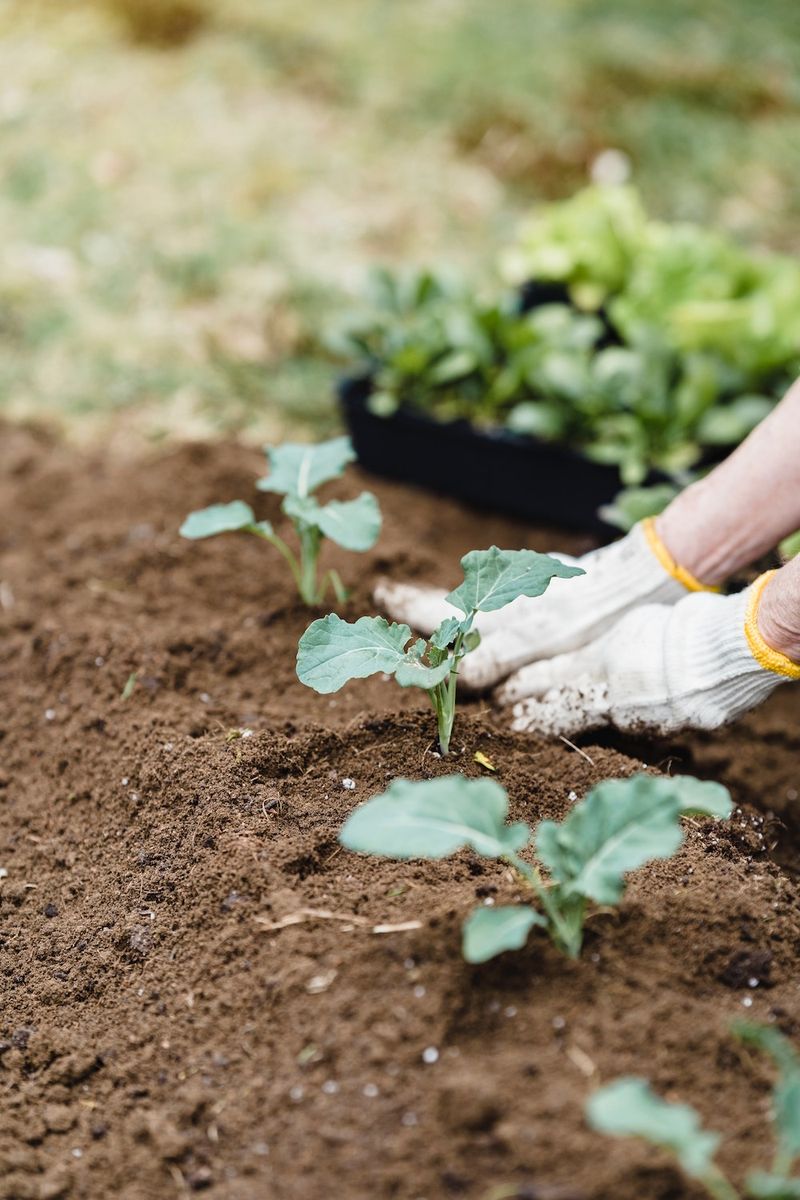
Cool-season crops go straight into Georgia soil during March without fussing over transplants. Lettuce, spinach, radishes, carrots, and peas all germinate happily when soil temperatures sit between 40 and 65 degrees.
Your ground is workable now but will heat up fast once April arrives, so timing matters.
Break up any clumps in your planting area and rake the surface smooth. Carrots and lettuce need fine soil since their seeds are tiny and roots need easy pathways.
Create shallow furrows for larger seeds like peas, which should go about an inch deep. Sprinkle smaller seeds on the surface and barely cover them with a light dusting of soil or compost.
Water gently after planting so you don’t wash seeds away or create hard crusts on the soil surface. Keep the top inch consistently moist until seedlings pop up, which usually takes five to ten days depending on the crop.
Radishes sprint ahead and might show in three days if conditions are right.
Plant in succession every two weeks through mid-April to stretch your harvest window. Georgia’s spring weather can turn hot suddenly, causing lettuce and spinach to bolt and turn bitter.
Staggered plantings ensure you have fresh greens even if one planting decides to flower early. Floating row covers protect seedlings from unexpected cold snaps and keep pests away from tender young plants.
4. Divide Overgrown Perennials Before Active Growth Surges
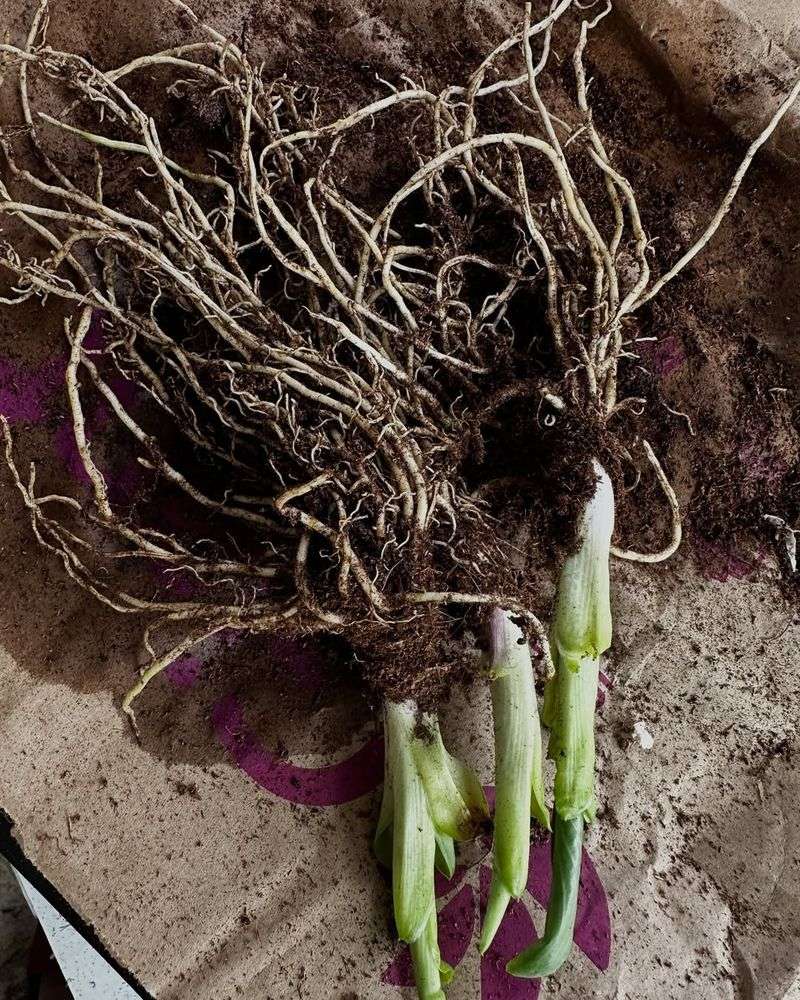
Perennials that have grown into massive clumps need splitting before they put all their energy into spring growth. March gives you perfect timing in Georgia because plants are just waking up but haven’t committed resources to producing lots of new foliage yet.
You can see where new shoots are emerging, which helps you divide clumps without damaging growing points.
Hostas, daylilies, ornamental grasses, and coneflowers all benefit from division every three to five years. Dig up the entire clump and shake off loose soil so you can see the root structure clearly.
Use a sharp spade, knife, or even two garden forks back-to-back to split large clumps into sections. Each division should have at least three to five healthy shoots or growing points plus a good chunk of roots attached.
Replant divisions immediately at the same depth they were growing before. Space them farther apart than you think necessary since they’ll fill back in faster than expected.
Water thoroughly after replanting and keep the soil consistently moist for the first few weeks while roots reestablish.
Some perennials resent being moved and should wait until fall. Spring-blooming types like bleeding heart and Virginia bluebells are better left alone until after they flower.
Dividing them now sacrifices this year’s blooms and stresses plants right when they’re trying to perform. Save those for September or October division instead.
5. Apply Fresh Mulch After Soil Warms Slightly
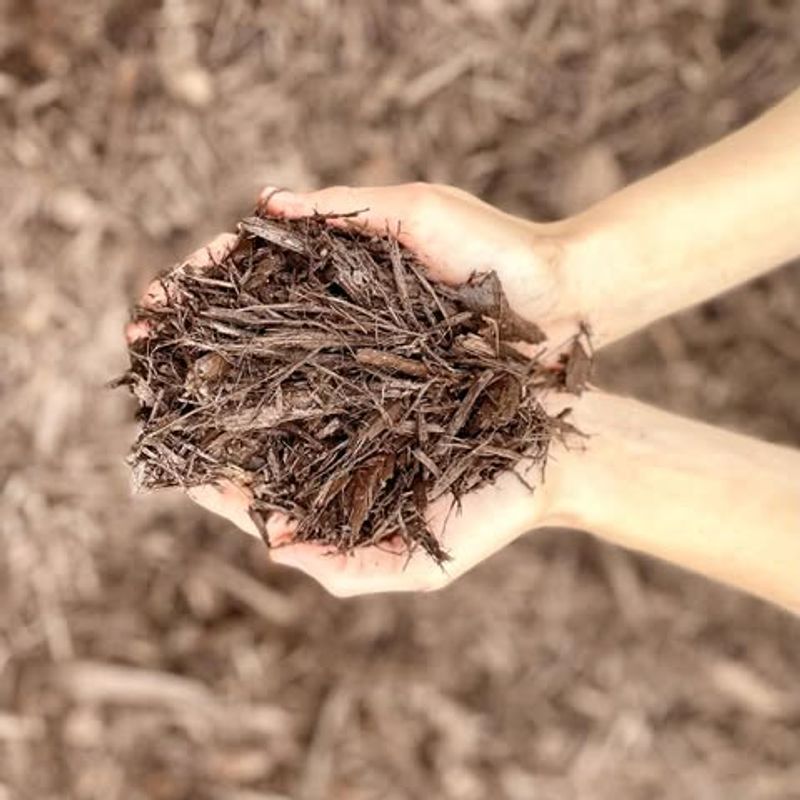
Fresh mulch goes down after soil temperatures stabilize above 50 degrees, not before. Piling it on too early traps cold in the ground and delays warming, which slows down plant root activity.
Georgia soil warms unevenly depending on sun exposure and drainage, so check different areas of your yard rather than assuming everywhere is ready at once.
Pull back any old mulch that has packed down or gotten matted and crusty. Add new material to bring the total depth to about three inches around shrubs, perennials, and in flower beds.
Keep mulch pulled back a few inches from plant stems and tree trunks since direct contact creates moisture problems and invites pests. A mulch-free zone around the base of plants allows air circulation and prevents rot issues.
Pine bark, pine straw, and hardwood mulch all work well in Georgia. Pine straw is popular because it’s cheap, readily available, and doesn’t float away during heavy rains like some chunk mulches do.
Hardwood mulch looks neat and breaks down slowly, adding organic matter to soil over time. Avoid dyed mulches near vegetable gardens since some coloring agents contain unwanted chemicals.
Mulch depth matters more than most people realize. Too thin and you don’t get weed suppression or moisture retention benefits.
Too thick and you suffocate plant roots and create habitat for voles and other pests. Measure with your hand to check depth rather than eyeballing it.
6. Inspect Shrubs For Winter Damage And Remove Compromised Wood
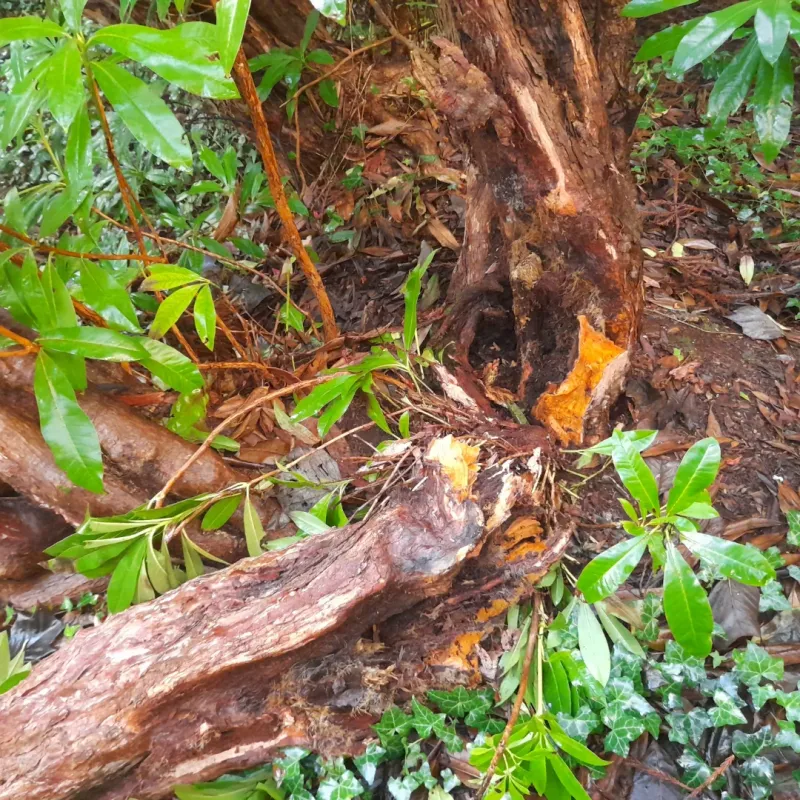
Shrubs across Georgia show their winter battle scars by March. Cold snaps, ice, and drying winds leave behind damaged branch tips, split bark, and sections that never leafed out properly.
Walk around your property and really look at each shrub rather than assuming everything made it through fine. Brown, brittle stems that snap easily when bent are gone and need removal.
Cut lifeless wood back to the point where you see green tissue when you gently scrape the bark with your thumbnail. Make clean cuts just above a bud or side branch instead of leaving stubs behind.
Stubs increase the risk of disease and look untidy as the growing season progresses. Sterilize your pruning tools between shrubs if you notice fungal issues or oozing sap.
Some shrubs take longer to break dormancy than others, which makes damage assessment tricky. Crape myrtles, vitex, and butterfly bush often look completely lifeless well into March before suddenly pushing new growth in April.
Don’t rush to declare them lost. Scratch the bark on several stems at different heights.
Green tissue underneath indicates the plant is still viable, even if it appears lifeless from a distance. Remove entire shrubs that show no signs of growth from roots to branch tips.
Keeping nonviable plants in place takes up valuable space and affects the overall appearance of your Georgia landscape.
Replace them with species better suited to Georgia’s variable winters or choose more cold-tolerant varieties if you’re in the northern parts of the state where temperatures dip lower.
7. Refresh Container Soil Before Spring Planting Begins
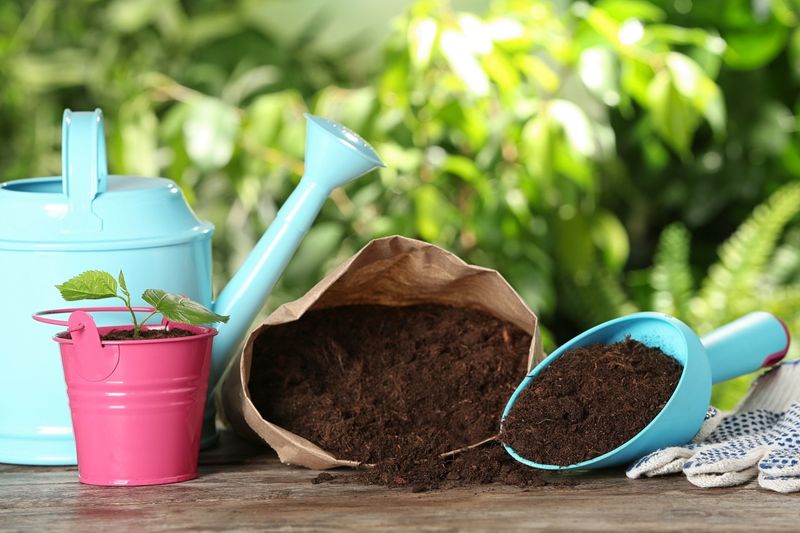
Container soil breaks down over time and loses its ability to drain properly or hold nutrients effectively. Roots from last season’s plants fill every available space, leaving no room for new growth.
Dumping out old soil and starting fresh gives spring plantings their best shot at thriving rather than struggling in depleted, compacted medium.
Empty containers completely and check for cracks or damage while they’re bare. Scrub the insides with a stiff brush and soapy water to remove salt buildup and any disease organisms lurking from previous plants.
Rinse thoroughly since soap residue can harm tender roots. Let pots dry completely before refilling.
Use quality potting mix designed for containers rather than garden soil or cheap topsoil. Container mixes drain better and resist compaction, which matters tremendously in the confined space of a pot.
Add slow-release fertilizer granules mixed throughout the soil before planting so nutrients are available all season. Water-retaining crystals help in Georgia’s heat if you struggle to keep containers adequately moist.
Leave about an inch of space between the soil surface and the pot rim for watering. Filling to the brim means water runs off before soaking in properly.
Check that drainage holes aren’t blocked and add a layer of gravel or broken pottery pieces in the bottom of pots without holes. Standing water drowns roots faster than almost any other container problem.
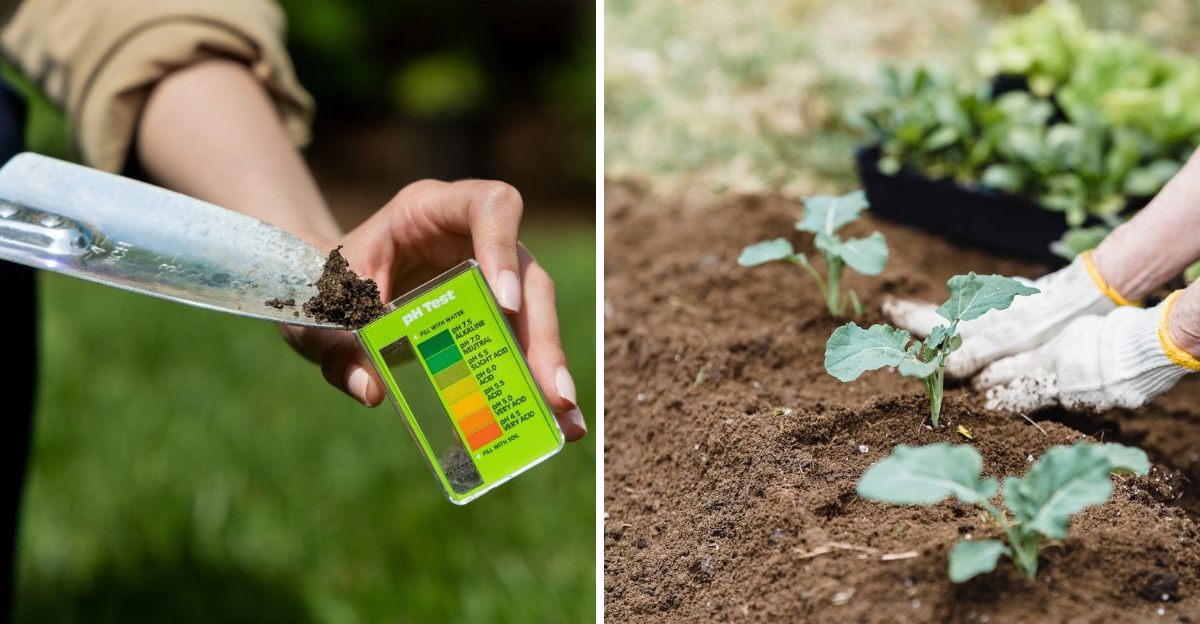
8. Test Garden Soil Now To Adjust pH Before Peak Season
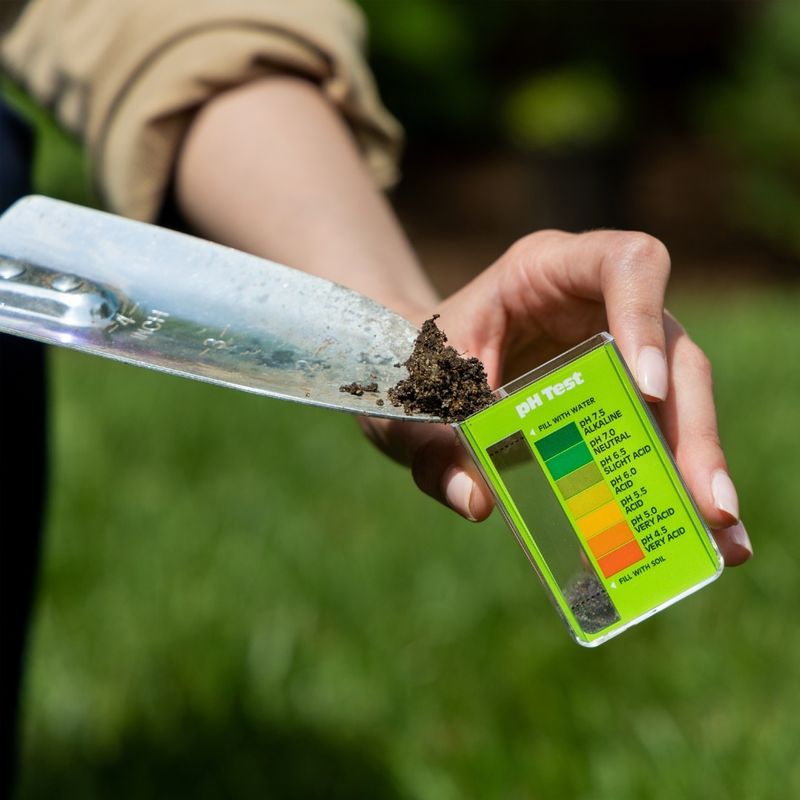
Soil pH controls how well plants access nutrients even when fertilizer is present. Georgia soils tend toward acidity, which suits some plants perfectly but locks up nutrients that others need.
Testing now gives you time to make adjustments before peak planting season hits. Waiting until May means amendments won’t have time to work before you’re trying to grow demanding crops.
Collect samples from multiple spots in your garden rather than just one location. Mix them together in a clean bucket and let the combined sample dry before testing.
Home test kits from garden centers work fine for basic pH readings. County extension offices offer more detailed testing that includes nutrient levels, organic matter content, and specific recommendations for your situation.
Most vegetables prefer pH between 6.0 and 6.8, while blueberries and azaleas want much more acidic conditions around 4.5 to 5.5. If your test shows soil is too acidic, add lime according to package directions based on your soil type.
Sandy Georgia soils need less lime than heavy clay. Work lime into the top six inches of soil and water it in.
Sulfur lowers pH if your soil tests too alkaline, though this is less common in Georgia. Organic matter like compost helps buffer pH extremes and improves soil structure regardless of whether you need major pH adjustments.
Spread two to three inches of compost over planting beds and work it in thoroughly before adding any other amendments.