March Hydrangea Care For Bigger, Brighter Blooms In New York
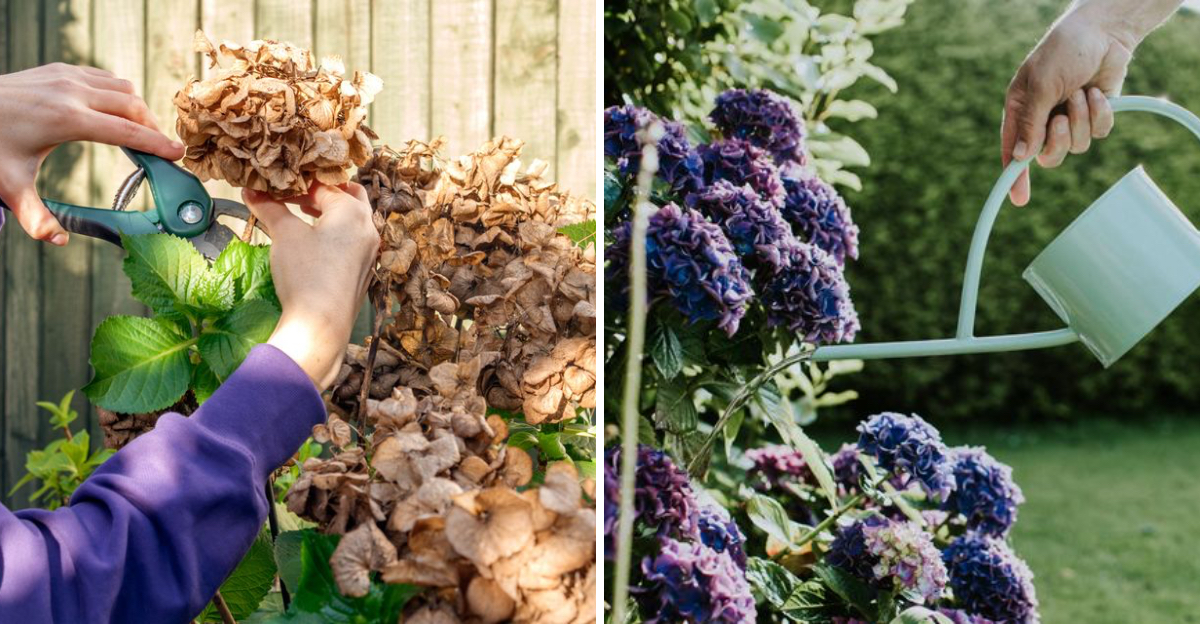
Spring is just around the corner. If you grow hydrangeas in New York, March is one of the most important months of the year for your plants.
What you do now carries into summer. A wrong cut can cost you blooms.
Poor timing can slow everything down. Do it right, and your garden comes in full, lush, colorful, and hard to miss.
New York gardeners face unique challenges thanks to cold winters, unpredictable late frosts, and heavy clay soils in many neighborhoods.
Getting ahead of these challenges in March sets your hydrangeas up for a spectacular show when warm weather finally arrives. Read on to find out exactly what your hydrangeas need this month.
1. Know Your Hydrangea Type Before You Prune
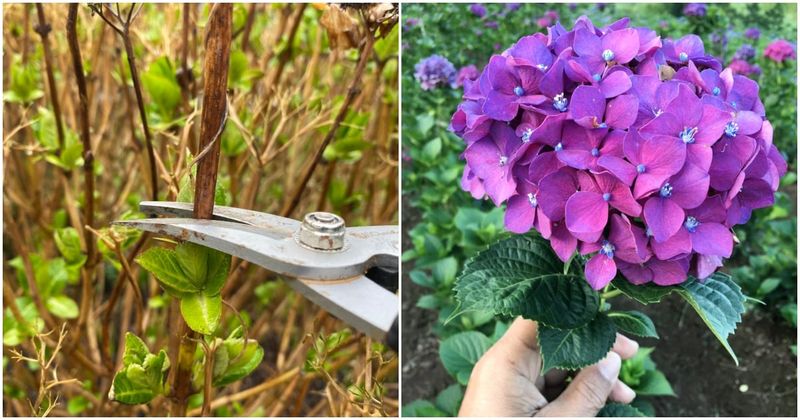
Pruning the wrong hydrangea at the wrong time is one of the most common mistakes New York gardeners make every single spring. Before you grab those shears, you need to know exactly which type of hydrangea you have growing in your yard.
Bigleaf hydrangeas, also known as mopheads and lacecaps, bloom on old wood. That means the flower buds were set last fall, and if you cut those stems down in March, you will remove all your blooms for the entire summer season.
Panicle and smooth hydrangeas are totally different. They bloom on new wood, meaning fresh stems that grow this spring will carry the flowers.
These types actually benefit from a hard cutback in early March, which encourages stronger, thicker stems and much larger flower heads.
Oakleaf hydrangeas fall somewhere in the middle and generally need only light shaping. Knowing your variety is step one for every New York gardener who wants a yard full of color come July and August.
2. Check For Winter Damage Right Away
March in New York still feels like winter won’t let go. Cold, ice, and wind have likely left your hydrangeas looking rough.
Walking your garden early in the month to assess winter damage is a step you should never skip.
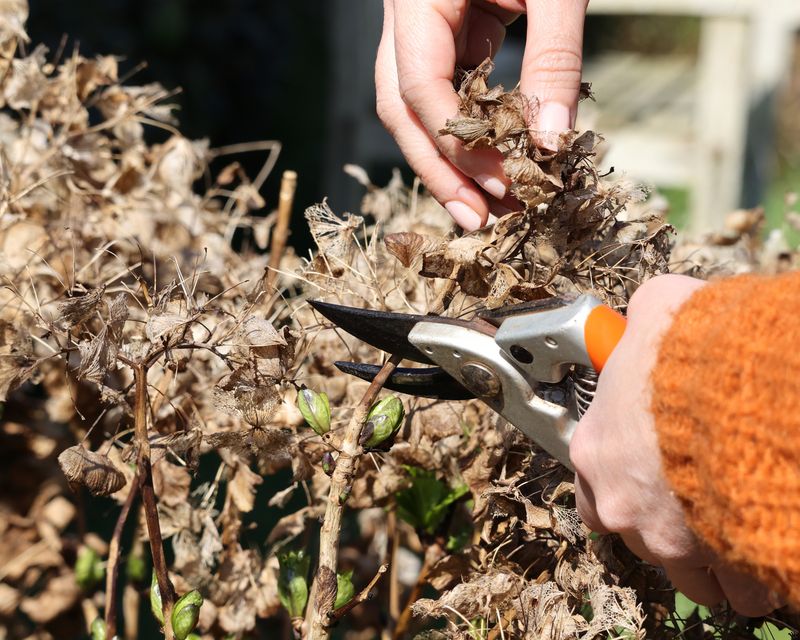
Look closely at each stem and scratch the bark lightly with your fingernail. Green tissue underneath means the stem is alive and healthy.
Brown or dry tissue means that section of the plant did not survive the cold and needs to be removed.
New York winters can be especially brutal on bigleaf hydrangeas, which are more cold-sensitive than other varieties.
Even if the roots are perfectly healthy, the stems above ground may have suffered significant damage from repeated freeze-thaw cycles throughout January and February.
Remove any clearly damaged wood by cutting it back to a healthy bud or all the way to the base if needed. Do not panic if most stems look rough.
New York hydrangeas are resilient, and fresh growth will push up from the roots as temperatures slowly climb through March and April.
3. Timing Your Pruning In March
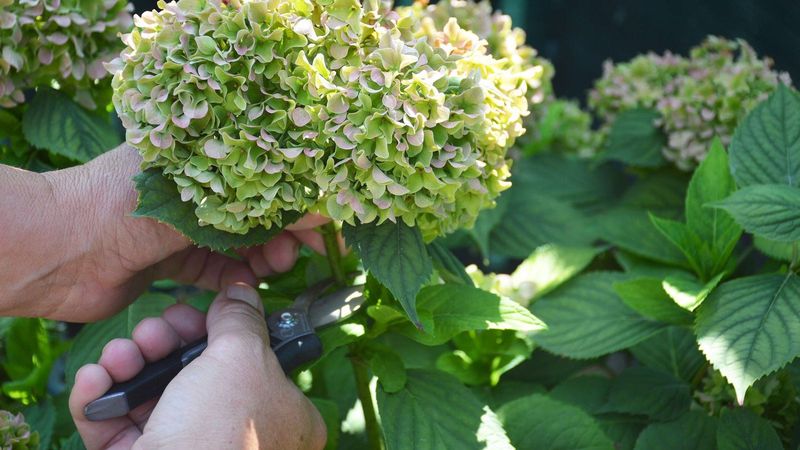
Timing is everything when it comes to pruning hydrangeas in New York. And March is a window you want to use wisely.
Prune too early in the month and you risk exposing fresh cuts to a hard late frost, which can stress the plant significantly.
Aim for mid to late March if possible, especially for panicle and smooth hydrangeas that you plan to cut back hard. By that point, temperatures in New York are slowly trending warmer, and the risk of a truly damaging frost is starting to decrease, though never fully gone.
For bigleaf and oakleaf types, skip heavy pruning entirely this month. Just remove any stems that are clearly not alive and tidy up the shape lightly.
The living buds on those old stems are precious, and protecting them through the rest of the cold season is your top priority.
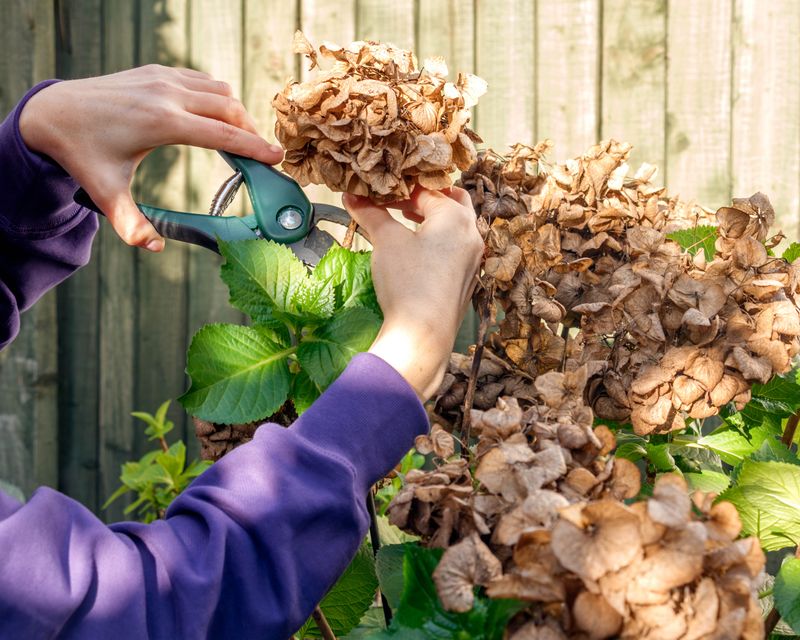
Keep your pruning tools sharp and clean. Dull blades crush stems instead of cutting cleanly, which can invite disease into the plant.
A quick wipe with rubbing alcohol between cuts helps prevent the spread of any fungal issues lingering from last season.
4. Feed Your Hydrangeas With The Right Fertilizer
Hungry hydrangeas make weak blooms, and March is the perfect time to start feeding your plants as they wake up from winter dormancy. Choosing the right fertilizer makes a huge difference in the size and color of your blooms later in the season.
A balanced slow-release fertilizer with equal parts nitrogen, phosphorus, and potassium works well for most hydrangeas in early spring. Look for a formula labeled for flowering shrubs, and always follow the package directions carefully to avoid over-feeding, which can actually reduce blooming.
Avoid high-nitrogen fertilizers in early spring. Too much nitrogen pushes the plant to grow lots of leafy green stems at the expense of flowers, which is the opposite of what you want.
A bloom-boosting fertilizer with slightly higher phosphorus is a smarter choice once the plant is actively growing.
Sprinkle granular fertilizer around the drip line of each plant, not right against the stem, then water it in gently.
New York gardeners dealing with heavy urban soils may also benefit from adding a light layer of compost around the base to improve soil structure and nutrient availability throughout the growing season.
5. Mulching Matters More Than You Think
Fresh mulch in March is like giving your hydrangeas a warm, protective blanket just as they start waking up for the season. Many New York gardeners overlook this step, but it pays off in a big way by summer.
A two to three inch layer of organic mulch, such as shredded bark, wood chips, or composted leaves, helps regulate soil temperature during the unpredictable March weather New York is known for.
It also locks in moisture, which is critical as the plant begins pushing new growth and needs consistent hydration.
Pull old mulch away from the base of the plant before adding fresh material. Old mulch can harbor fungal spores and pests that overwintered close to the soil surface.
Replacing it with clean, fresh material gives your hydrangeas a healthier environment to grow in.
Keep mulch a few inches away from the main stem to prevent rot and discourage rodents that might chew on the bark during cold snaps.
Extending the mulch layer out to the edge of the plant canopy gives the entire root zone the moisture retention and temperature protection it needs to support vigorous spring growth across New York gardens.
6. Watering Wisely As Temperatures Rise

Hydrangeas are thirsty. As soon as temperatures in New York stay above freezing in March, their water needs start rising.
Getting your watering routine right early in the season supports strong root development and healthy new growth.
Early spring soil in New York is often still holding plenty of moisture from winter snowmelt and rain. Check the soil before watering by sticking your finger two inches deep.
If the soil feels moist, hold off. Overwatering in cool weather can lead to root problems that slow the plant down all season long.
As March progresses and warmer, drier days become more frequent, aim to water deeply once or twice a week rather than giving light sprinkles every day.
Deep watering encourages roots to grow downward, making the plant more drought-resistant and stable during summer heat waves.
Water at the base of the plant rather than overhead whenever possible. Wet foliage and flower buds are more vulnerable to late-season fungal diseases, which are already common in the humid New York climate.
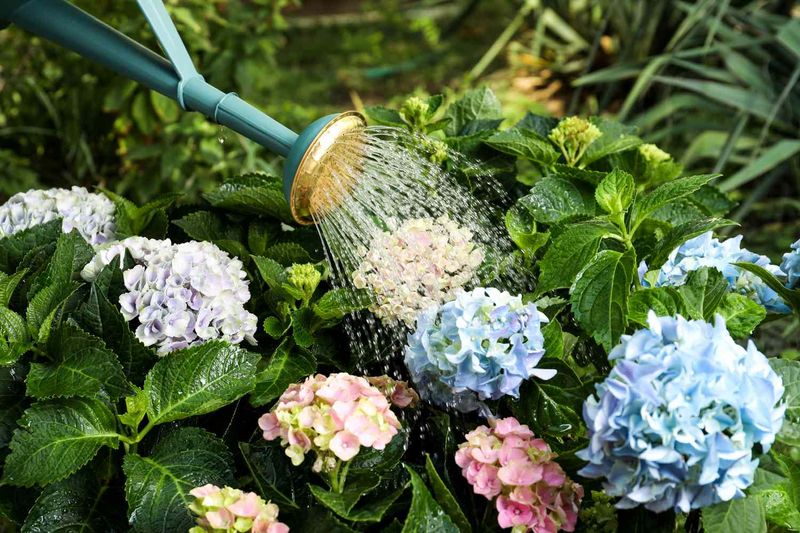
Morning watering is ideal because any moisture that does splash onto leaves will dry off quickly as the day warms up.
7. Protecting Buds From Late Frosts
A late March frost can wipe out your hydrangea blooms overnight.
And in New York, that kind of surprise is always on the table. Protecting your plants from frost is one of the smartest moves you can make.
Keep a close eye on the weather forecast throughout the entire month of March.
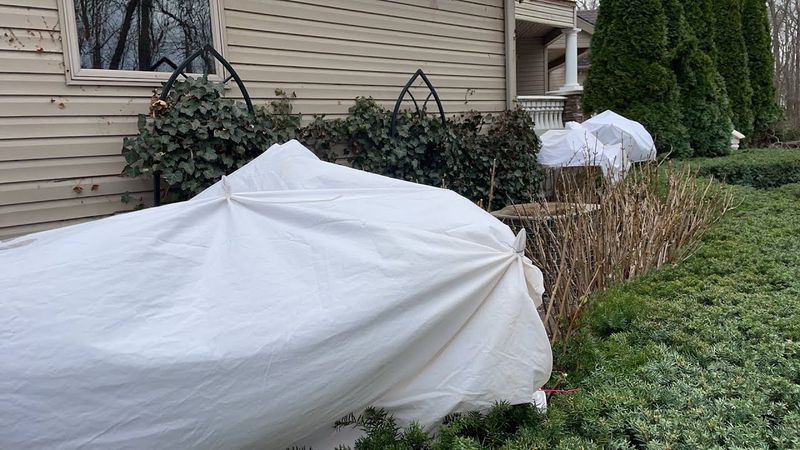
When temperatures are expected to drop below 28 degrees Fahrenheit overnight, cover your hydrangeas with frost cloth, burlap, or even old bedsheets to trap heat close to the plant and protect emerging buds.
Remove coverings during the day when temperatures rise above freezing to allow sunlight and airflow to reach the plant. Leaving covers on during warm, sunny days can actually trap heat and moisture in a way that encourages mold and weakens new growth.
Container hydrangeas have an advantage here because you can simply move them into an unheated garage or shed on especially cold nights.
For in-ground plants across New York, stacking a few inches of extra mulch around the base before a frost event adds another layer of insulation for the roots and lower stems, helping protect the plant from the ground up.
8. Adjusting Soil pH For Better Bloom Color

One of the most fascinating things about certain hydrangeas is that you can actually change their bloom color by adjusting the pH of your soil. For bigleaf hydrangea growers in New York, this is a fun and rewarding way to customize your garden display.
Acidic soil with a pH between 5.0 and 5.5 tends to produce blue blooms, while more alkaline soil with a pH above 6.5 pushes flowers toward pink and red tones. White hydrangea varieties are not affected by soil pH, so this trick only works with certain types.
March is a great time to test your soil and make adjustments before the growing season kicks in. Simple pH test kits are available at most garden centers across New York and are easy to use at home.
Send a sample to your local cooperative extension office if you want a more detailed analysis.
To lower pH and encourage blue tones, work sulfur or aluminum sulfate into the soil around the plant. To raise pH for pinker blooms, add garden lime.
Make changes gradually over several weeks rather than all at once, since sudden pH shifts can stress the plant and interfere with nutrient uptake during this important early growth period.