Maryland Residents Are Discovering The Power Of Compost Science
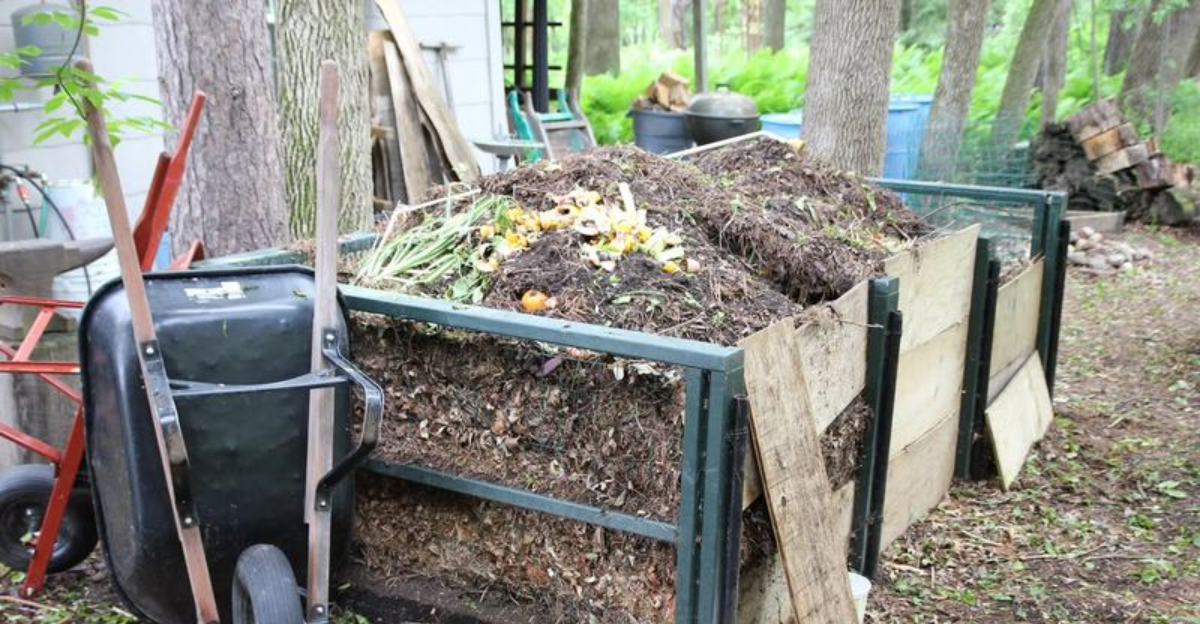
Maryland residents are discovering how compost science can turn everyday scraps into something surprisingly useful for their gardens.
Gardeners are mixing food leftovers, yard clippings, and simple household materials to create rich soil that supports healthier plants with far less effort.
A pile that once looked ordinary suddenly feels exciting once the transformation begins, showing people how small habits can lead to noticeably stronger growth in their yards.
1. Rich Soil Creation Happens Faster Than You Think
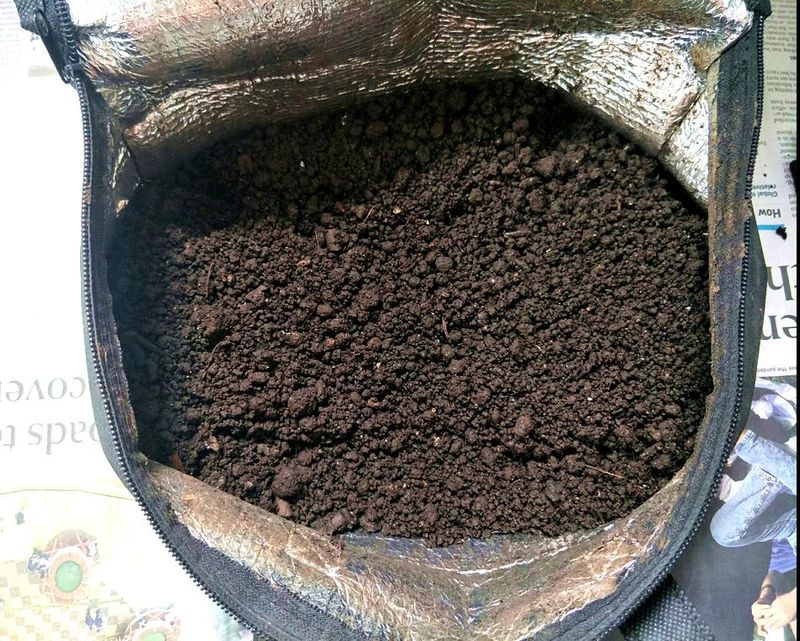
Turning ordinary food waste into nutrient-packed soil doesn’t require months of waiting like many people believe when they first start composting.
Maryland gardeners have discovered that with proper techniques, compost can be ready in just six to eight weeks during warmer seasons.
Breaking materials into smaller pieces speeds up the decomposition process because microorganisms can work more efficiently on exposed surfaces throughout the pile.
Balancing green materials like vegetable peels with brown materials like dried leaves creates the perfect environment for beneficial bacteria to thrive and multiply.
Keeping the compost pile moist but not waterlogged ensures that oxygen reaches all areas, which is essential for the breakdown process to continue.
Residents in Baltimore and Annapolis have noticed that turning their piles every few days dramatically accelerates the transformation from scraps to soil.
Temperature plays a crucial role because a hot compost pile between 130 and 160 degrees Fahrenheit works much faster than cooler alternatives.
Many Maryland families now produce enough quality compost to feed their vegetable gardens, flower beds, and lawns without purchasing expensive commercial fertilizers anymore.
2. Kitchen Scraps Become Garden Gold
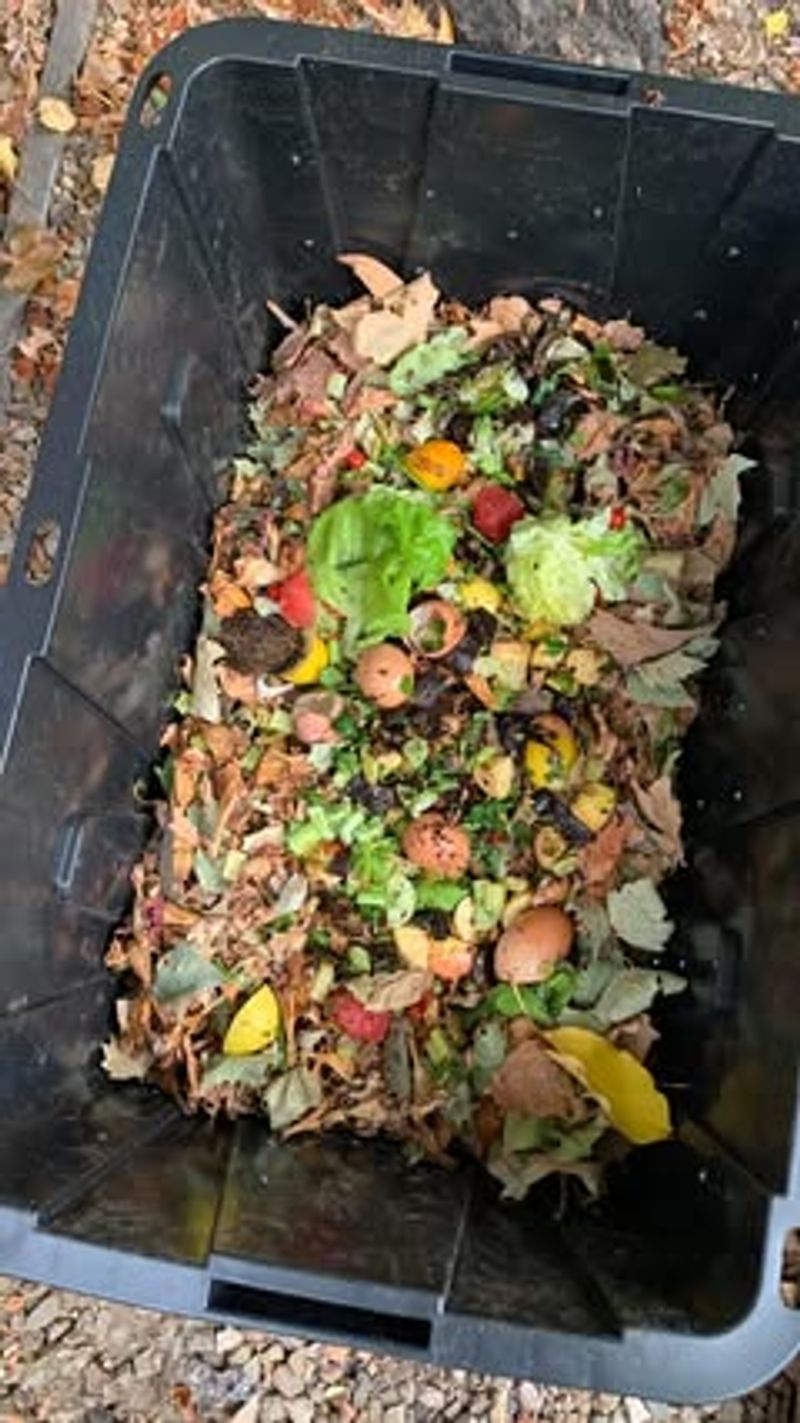
Most households throw away valuable organic materials every single day without realizing these items could transform gardens into thriving outdoor spaces instead.
Coffee grounds contain nitrogen that plants absolutely love, and they help improve soil structure while attracting earthworms that aerate the ground naturally.
Eggshells provide calcium to prevent blossom end rot in tomatoes, a common problem that frustrates gardeners throughout Maryland during hot summer months.
Banana peels break down quickly and release potassium, which strengthens plant roots and helps flowers produce more vibrant blooms throughout the season.
Vegetable trimmings from dinner preparation add essential nutrients back into the earth instead of taking up space in crowded landfills across the state.
Residents in Frederick and Rockville have started keeping small containers on their counters to collect scraps throughout the day before transferring them outside.
Even paper towels and napkins made from unbleached materials can join the compost pile as long as they haven’t touched chemicals or cleaning products.
Families report feeling proud knowing their leftover food helps create something useful rather than contributing to the growing waste problem in Maryland communities.
3. Backyard Ecosystems Thrive With Compost
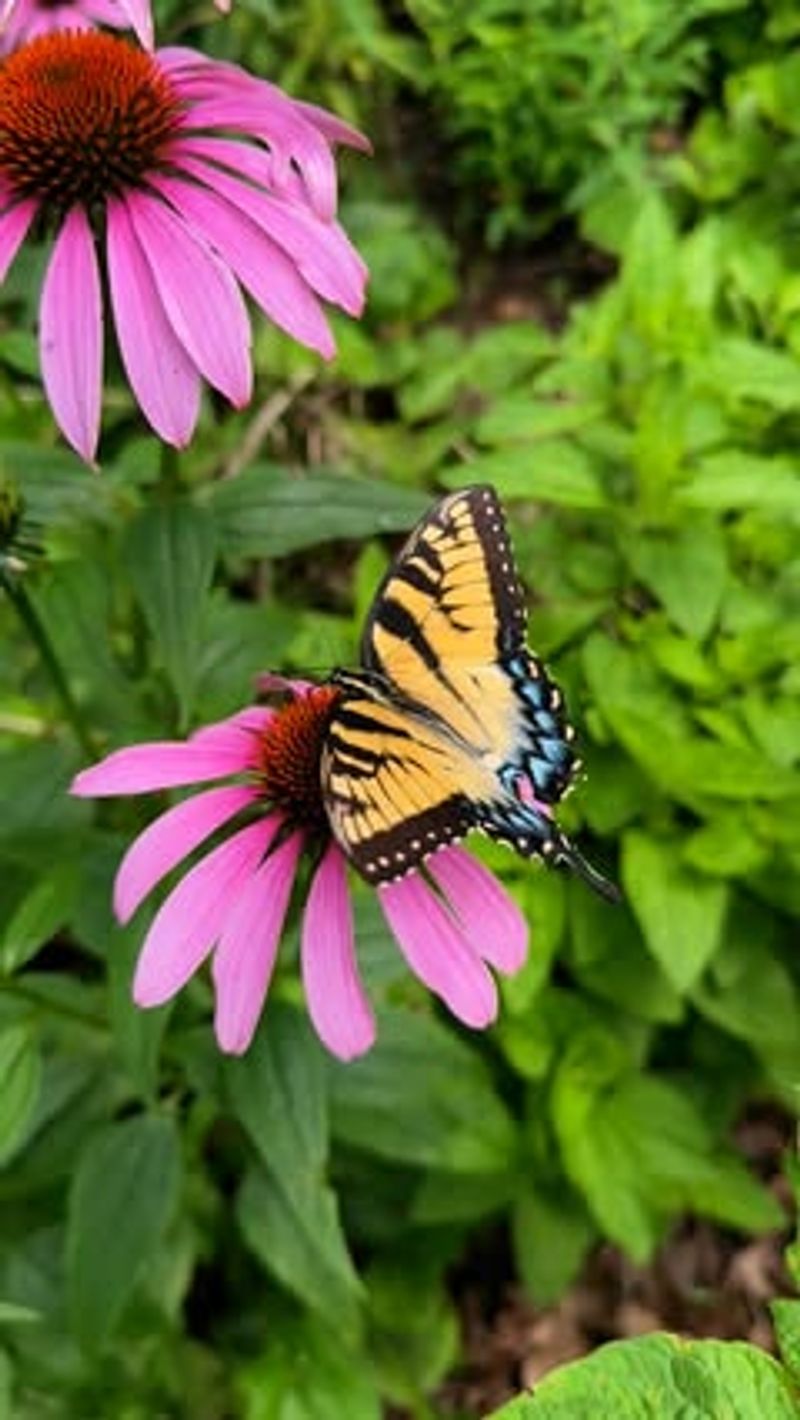
Adding finished compost to garden beds creates a welcoming habitat for countless beneficial creatures that help plants grow stronger and resist pests naturally.
Earthworms multiply rapidly in compost-enriched soil because they feast on organic matter while creating tunnels that improve drainage and oxygen circulation underground.
Ladybugs and ground beetles take up residence in gardens with healthy soil, and these helpful insects consume aphids and other pests that damage crops.
Birds visit yards more frequently when compost supports a thriving insect population, creating a balanced ecosystem that requires fewer chemical interventions from homeowners.
Beneficial fungi form partnerships with plant roots in compost-rich environments, helping vegetables and flowers absorb water and nutrients more efficiently during dry periods.
Maryland residents in Silver Spring and Bethesda have noticed more butterflies, bees, and songbirds visiting their properties after they started using homemade compost regularly.
Healthy soil microorganisms break down organic matter continuously, releasing nutrients slowly over time rather than all at once like synthetic fertilizers often do.
Creating this natural balance means gardens require less maintenance while producing better results, which saves time and money for busy families across the state.
4. Waste Reduction Helps Maryland Communities
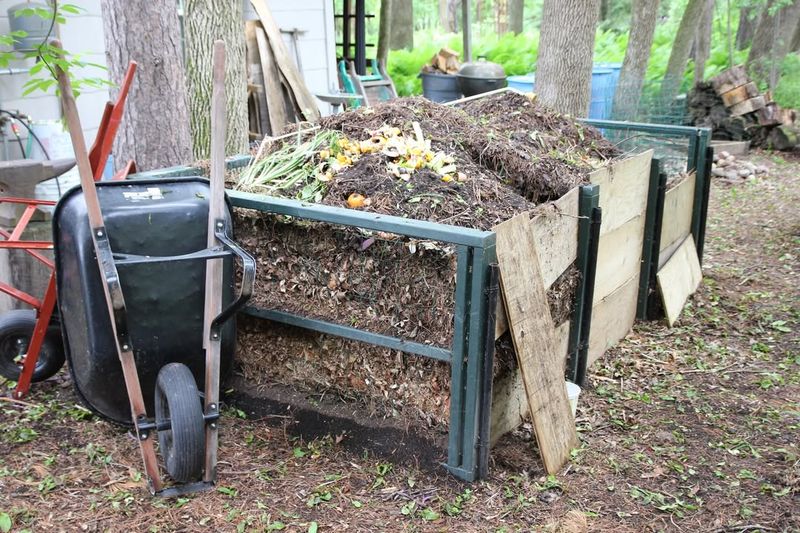
Landfills across the state continue filling up with organic materials that could easily become valuable resources instead of taking up precious space for generations.
Food waste accounts for roughly 30 percent of household garbage in Maryland, and composting dramatically reduces the amount sent to already overburdened disposal facilities.
When organic matter decomposes in landfills without oxygen, it produces methane gas, which contributes significantly to climate change and environmental degradation over time.
Composting at home prevents this harmful gas production while turning potential waste into something genuinely useful for gardens, lawns, and community green spaces.
Residents in Columbia and Gaithersburg have reported smaller trash bins and fewer trips to the curb since they started composting kitchen and yard waste.
Local governments appreciate when citizens compost because it reduces collection costs, extends landfill capacity, and demonstrates environmental responsibility throughout Maryland neighborhoods and towns.
Schools and community centers have begun teaching composting workshops to help more families understand how simple changes can create meaningful impacts on waste management.
Every household that composts contributes to a cleaner, healthier Maryland by keeping organic materials out of landfills and putting them back into the earth.
5. Water Conservation Improves With Better Soil
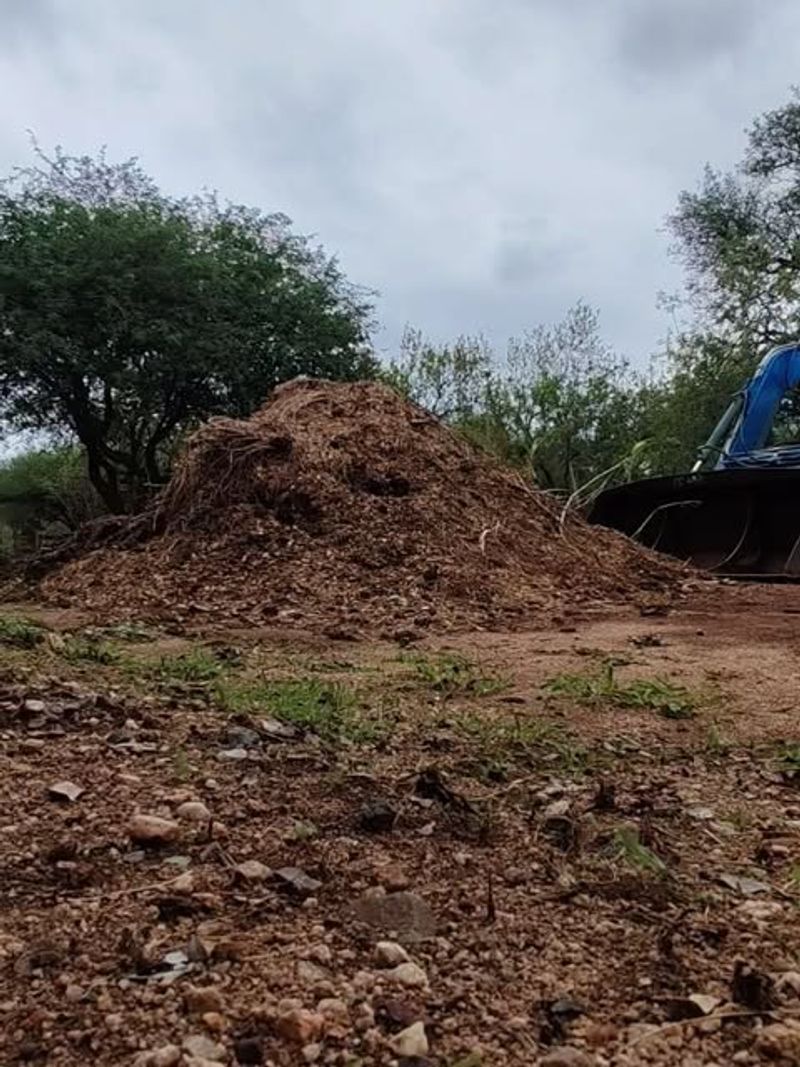
Compost acts like a sponge in garden beds, holding moisture near plant roots even during the hottest weeks of summer when water becomes scarce.
Gardens enriched with organic matter require less frequent watering because the improved soil structure prevents rapid evaporation and runoff during heavy rainstorms or irrigation.
Maryland homeowners have noticed their water bills decreasing after adding compost to lawns and flower beds because plants stay hydrated longer between watering sessions.
During drought conditions, compost-amended soil can hold up to twice as much water as regular dirt, giving plants a better chance of survival.
Root systems grow deeper and stronger in compost-rich environments, allowing vegetables and ornamental plants to access moisture that remains unavailable in compacted or depleted soil.
Residents in Annapolis and Towson have discovered that mulching with finished compost around plants creates an additional barrier against moisture loss while suppressing weed growth.
Improved water retention means less stress on municipal water supplies, which benefits entire communities during periods when rainfall doesn’t meet normal seasonal expectations.
Smart gardeners throughout the state now view compost as an essential tool for water conservation rather than just a way to improve plant nutrition.
6. Chemical Fertilizers Become Unnecessary
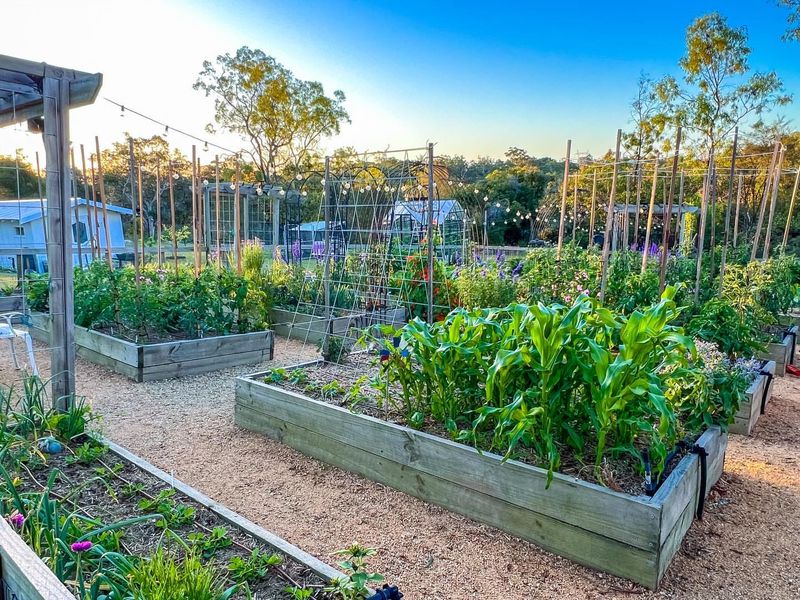
Synthetic fertilizers provide quick nutrition but often harm beneficial soil organisms and can contaminate groundwater when applied too heavily or too frequently.
Compost releases nutrients gradually as microorganisms break down organic matter, creating a steady food supply that plants can access whenever they need it most.
Gardens fed with compost develop stronger immune systems and can resist diseases and pests better than those dependent on chemical treatments and quick-fix solutions.
Maryland families save hundreds of dollars annually by producing their own compost instead of purchasing bags of commercial fertilizer from garden centers and hardware stores.
Chemical runoff from lawns and gardens pollutes the Chesapeake Bay, harming fish and wildlife, but compost stays in place and improves soil without causing damage.
Residents in Hagerstown and Ocean City have reported healthier vegetables and more abundant harvests after switching from synthetic products to homemade organic compost applications.
Children and pets can play safely in yards treated with compost because there are no toxic chemicals that could cause irritation or health problems.
Using compost instead of manufactured fertilizers supports sustainable gardening practices that protect Maryland’s natural resources for future generations to enjoy and appreciate fully.
7. Climate Benefits Extend Beyond Your Yard

Every pound of organic waste diverted from landfills prevents methane emissions, which trap heat in the atmosphere 25 times more effectively than carbon dioxide.
Composting at home reduces the need for garbage trucks to make as many trips, cutting down on fuel consumption and air pollution throughout Maryland.
Healthy soil enriched with compost stores carbon underground, removing it from the atmosphere where it contributes to rising global temperatures and climate instability.
Gardens that rely on compost rather than chemical fertilizers don’t contribute to the massive carbon footprint associated with manufacturing and transporting synthetic products nationwide.
Residents in Laurel and Bowie understand that their individual composting efforts combine with neighbors’ actions to create meaningful environmental improvements across the entire state.
Planting trees and shrubs in compost-amended soil helps them grow faster and stronger, increasing their capacity to absorb carbon dioxide and produce oxygen for decades.
Local environmental groups in Maryland promote composting as one of the simplest actions families can take to fight climate change while improving their own properties.
Making compost part of daily routines demonstrates that small lifestyle changes can lead to significant positive impacts when adopted by enough people throughout communities.
8. Community Programs Make Starting Easy
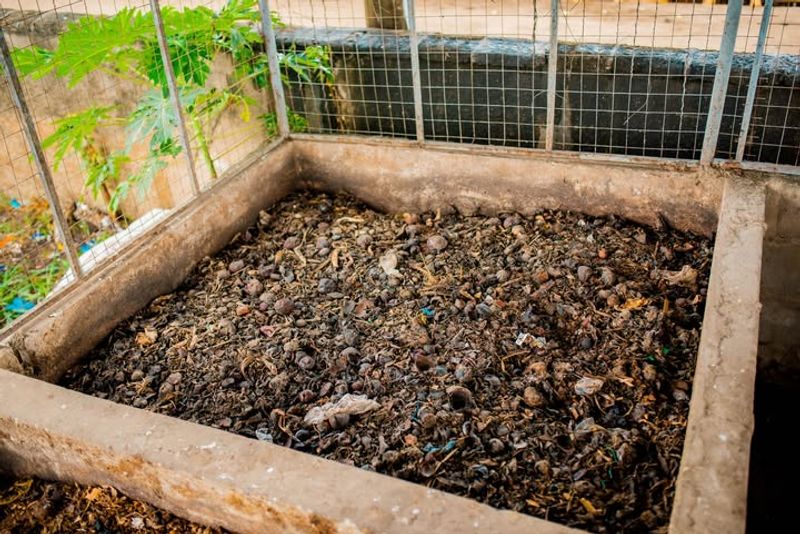
Many Maryland counties now offer free or low-cost composting workshops that teach residents the basics and answer common questions about getting started successfully.
Libraries, recreation centers, and environmental organizations host regular classes where experienced composters share tips and troubleshoot problems for newcomers with enthusiasm and patience.
Some municipalities provide discounted compost bins to residents who complete educational programs, making it easier and more affordable for families to begin their journey.
Farmers markets and community gardens often have demonstration compost areas where people can see different methods in action and ask questions from knowledgeable volunteers.
Online forums and social media groups connect Maryland composters who exchange advice, celebrate successes, and support each other through challenges and seasonal changes throughout the year.
Residents in Montgomery and Prince George’s counties have formed neighborhood composting clubs where members share equipment, swap finished compost, and learn from collective experiences.
Master gardener programs throughout the state include composting education as a core component, training volunteers who then teach others in their local communities with expertise.
These resources eliminate common barriers and fears that prevent people from trying composting, making the practice accessible to anyone interested in improving their gardens.
9. Different Methods Fit Every Lifestyle
Traditional compost piles work wonderfully for homeowners with large yards, but apartment dwellers and those with limited space have excellent alternatives available too.
Tumbler bins make turning compost effortless and speed up decomposition while keeping materials contained and neat, perfect for suburban Maryland neighborhoods with strict appearance codes.
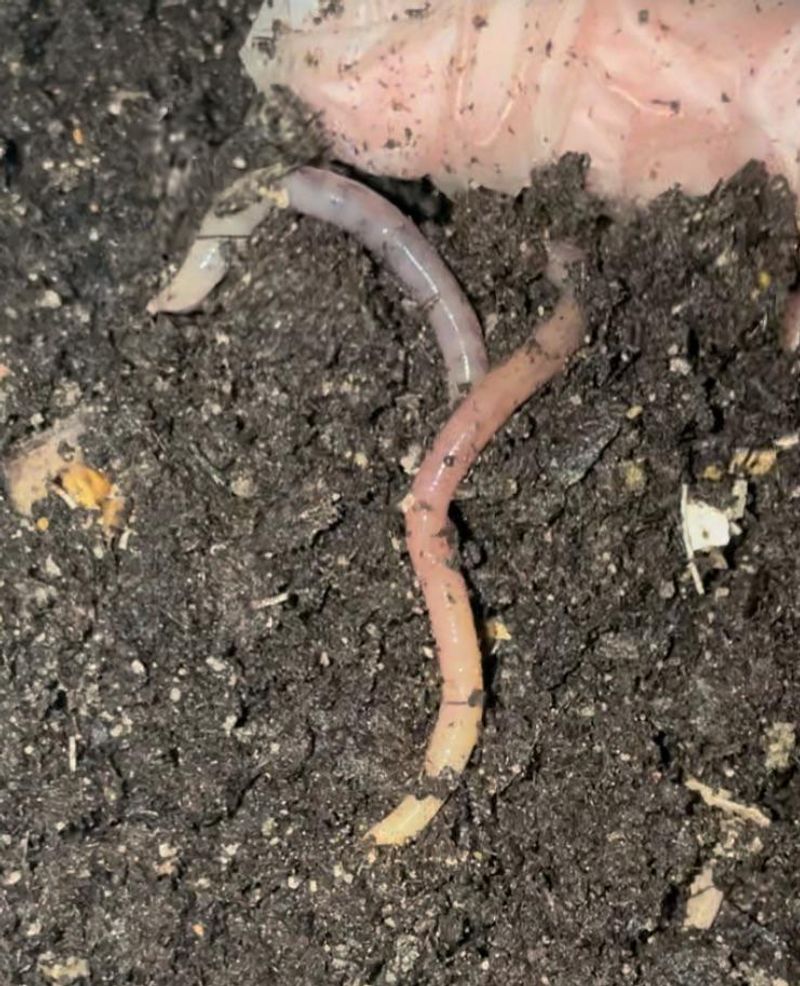
Vermicomposting uses special worms in compact bins that fit under kitchen sinks or in closets, allowing urban residents to compost without outdoor space.
Bokashi composting ferments food scraps in sealed containers, handling meat and dairy that traditional methods can’t process, and it produces nutrient-rich liquid fertilizer.
Sheet composting involves spreading organic materials directly on garden beds where they break down slowly, eliminating the need for separate bins or turning schedules.
Residents in Baltimore apartments and Annapolis condos have proven that anyone can compost regardless of living situation, yard size, or physical ability with creative solutions.
Choosing the right method depends on available space, time commitment, and personal preferences rather than following a single approach that works for everyone equally well.
Maryland’s diverse population means diverse composting styles, and finding the perfect fit makes the practice sustainable and enjoyable for years to come in homes.
10. Future Generations Learn Valuable Lessons

Teaching kids about composting instills environmental responsibility early, helping them understand how their choices impact the planet and their local communities for decades ahead.
Schools across Maryland have integrated composting into science curricula, allowing students to observe decomposition processes and learn about ecosystems through hands-on experimentation and discovery.
Children who compost at home develop healthier eating habits because they become more interested in vegetables they grow using the nutrient-rich soil they helped create.
Watching food scraps transform into dark, earthy compost fascinates young minds and sparks curiosity about biology, chemistry, and environmental science in engaging, memorable ways.
Families report that kids take pride in their composting responsibilities, often reminding parents to save scraps and checking the pile’s progress with genuine excitement.
Youth programs in Howard and Carroll counties teach composting alongside gardening, connecting food production with waste reduction in ways that make sense to young learners.
Students who learn composting become ambassadors in their neighborhoods, sharing knowledge with friends and relatives and spreading sustainable practices throughout Maryland communities with enthusiasm.
Investing time in teaching children these skills today creates a generation of environmentally conscious adults who will continue protecting natural resources for their children.